
Apple Was Often Early to the Party
Apple is best known for products that became enormous hits, but some of its most interesting creations arrived before the rest of the world was quite ready for them. The company experimented with handheld computers, digital cameras, wireless networking, sleek all-in-one machines, and other ideas years before they became ordinary parts of everyday life. Some of these products sold poorly or disappeared quickly, while others were total game-changers. Here are 20 Apple products that were way ahead of their time.
 Matthew Yohe (talk) on Wikimedia
1. Newton MessagePad
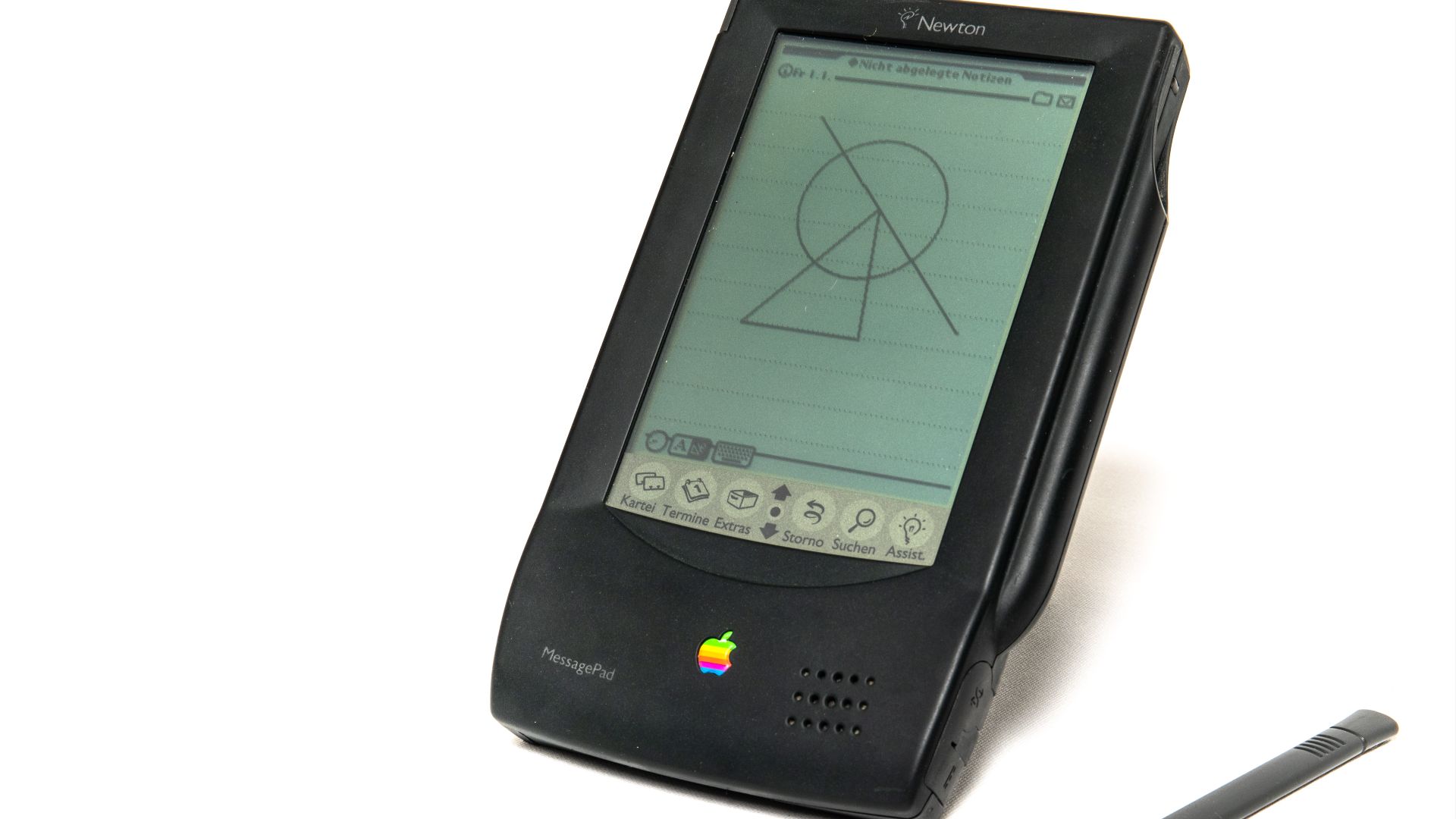
Released in 1993, the Newton MessagePad offered a glimpse of the handheld computing world that would eventually become commonplace. It could store contacts, calendars, notes, and other personal information while letting users write directly on the screen with a stylus. Its handwriting recognition became infamous for mistakes, but the overall concept anticipated many features later associated with smartphones and tablets.
 Felix Winkelnkemper on Wikimedia
2. PowerBook 100 Series
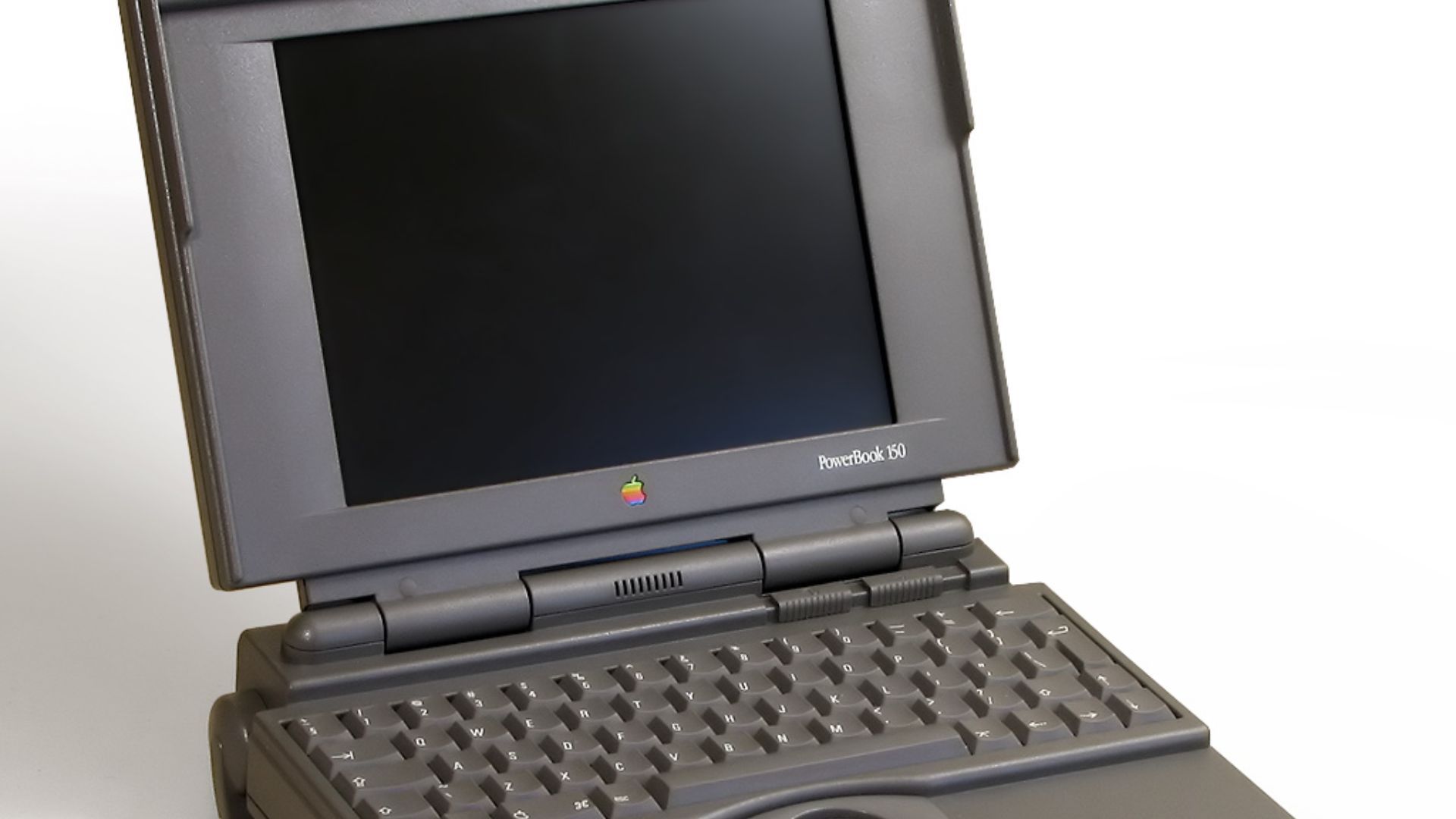
When Apple introduced its PowerBook lineup in 1991, it helped establish a laptop layout that still looks familiar today. Instead of placing the keyboard at the very front, Apple moved it toward the screen and created space for palm rests and a pointing device below it. That arrangement might seem obvious now, but it was a big change from many earlier portable computers.
 Dana Sibera (Danamania) on Wikimedia
3. QuickTake 100
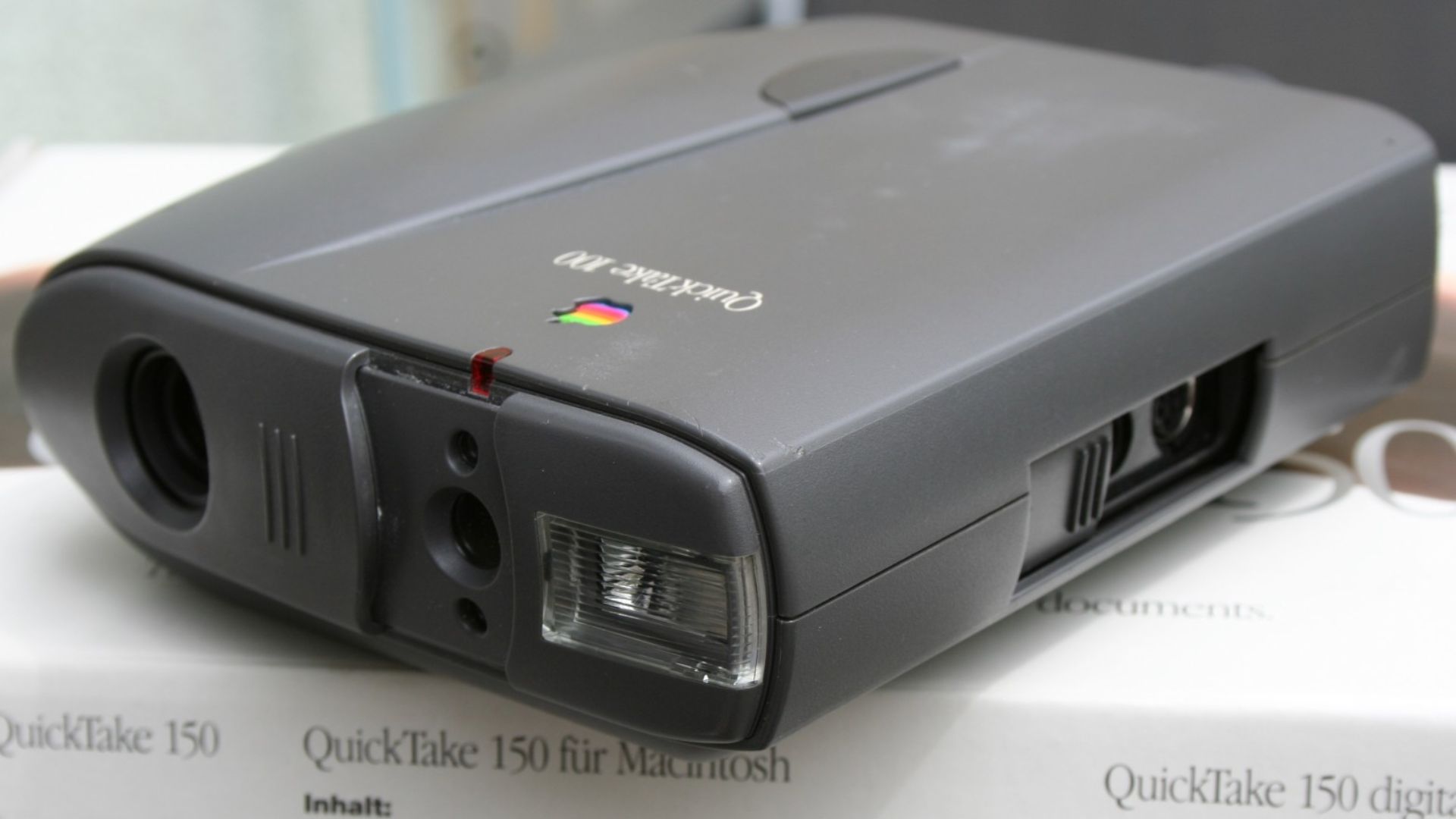
Apple entered the digital camera business in 1994 with the QuickTake 100, long before most people had any reason to abandon film. It allowed users to take photos electronically and transfer them to a computer without developing anything at a photo lab. The image quality and storage were limited by modern standards, but the basic process eventually became how nearly everyone handles photography.
 Gmhofmann at de.wikipedia on Wikimedia
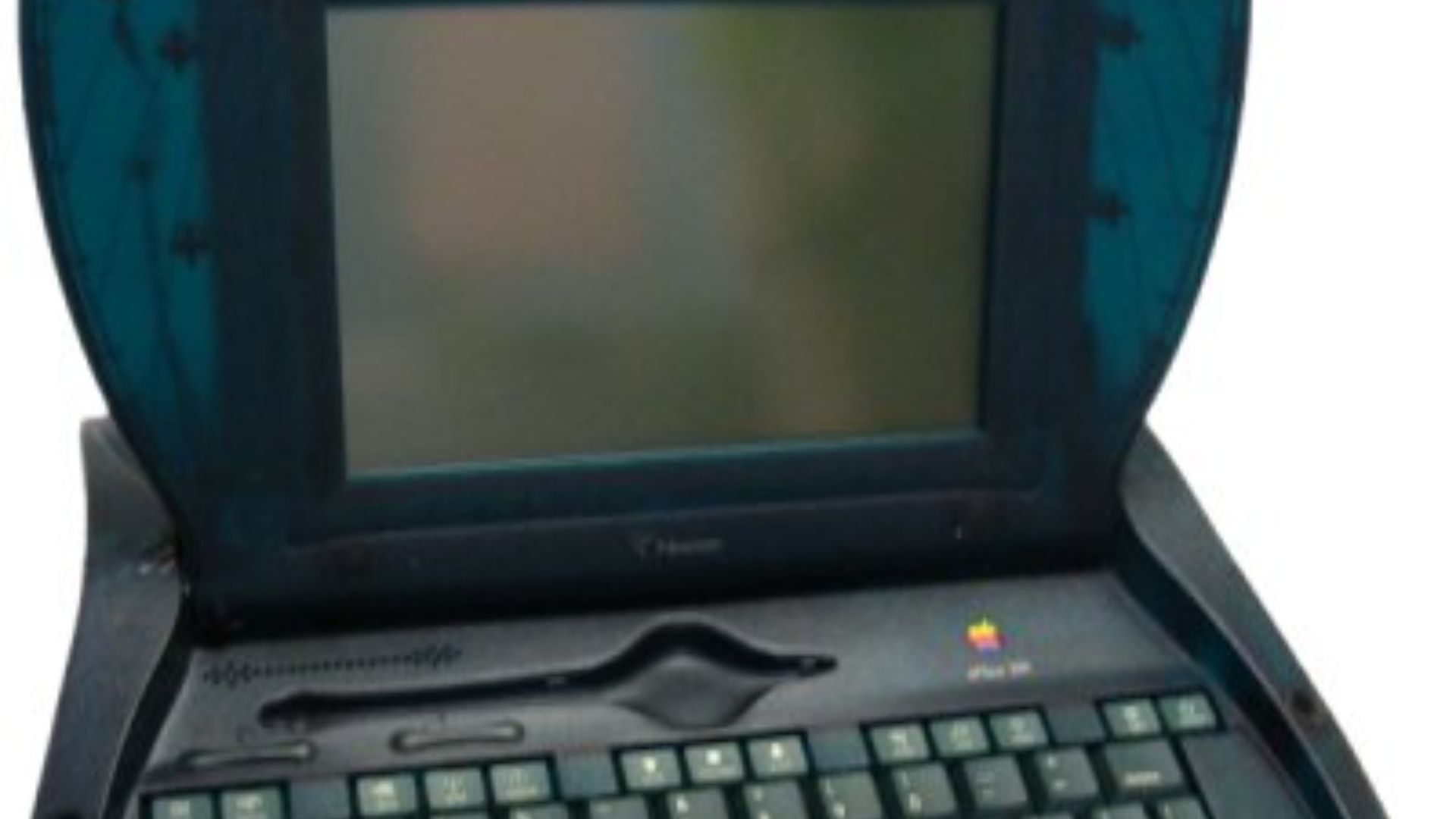
4. eMate 300
Apple's eMate 300 looked unusual when it arrived in 1997, but the concept feels much more familiar today. Designed mainly for schools, it combined Newton software with a keyboard, stylus-controlled touchscreen, durable casing, and portable form factor. Years before inexpensive Chromebooks and tablets filled classrooms, Apple was already experimenting with a lightweight computer built specifically around student needs.
 Taken by Ryan Schultz. on Wikimedia
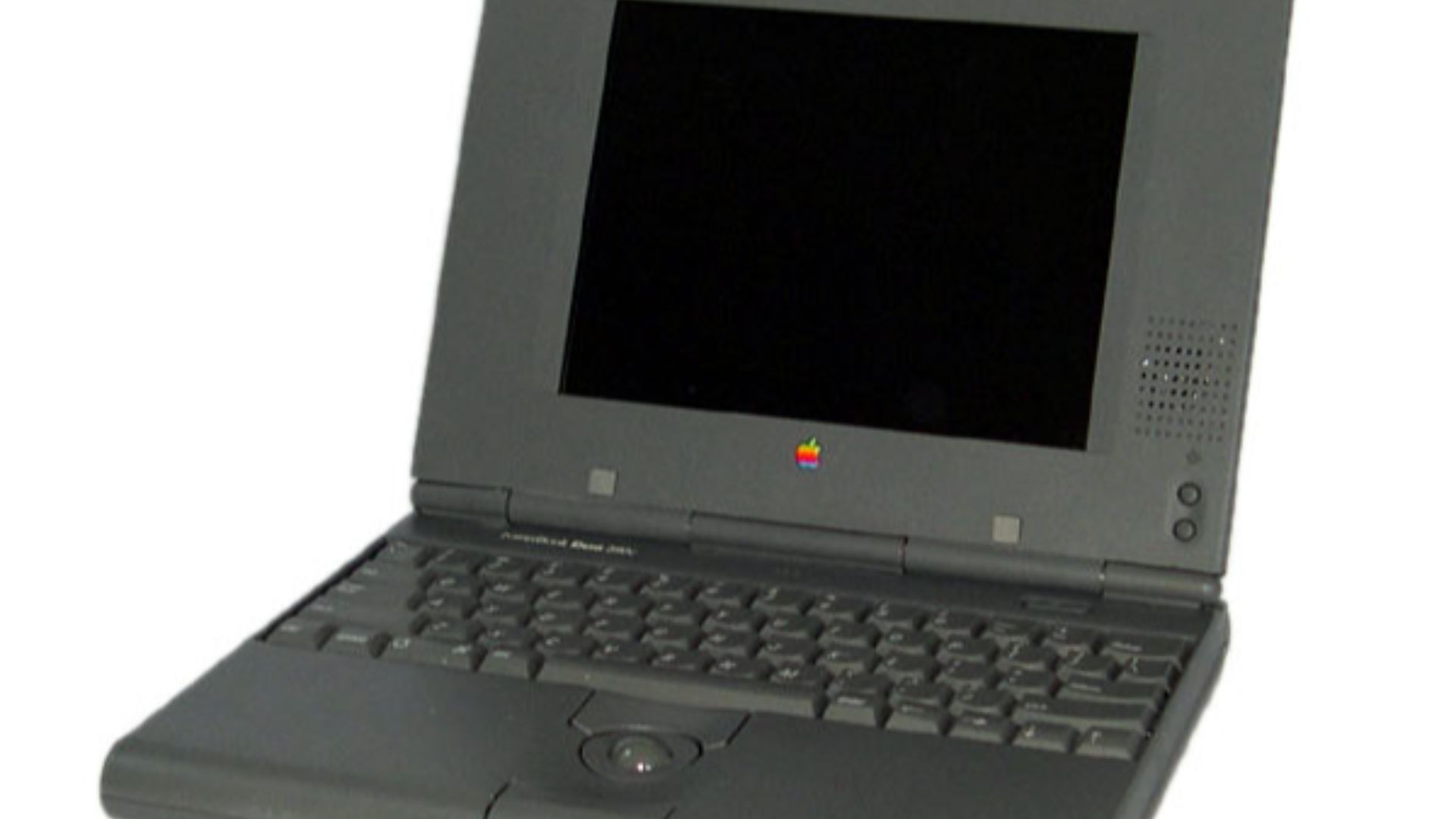
5. PowerBook Duo
The PowerBook Duo, launched in 1992, was Apple's attempt to give users one computer that could function differently depending on where they were. On its own, it was a compact notebook, but owners could slide it into a docking station that connected it to desktop peripherals and additional features. Modern laptops routinely connect to monitors and docks this way, but the Duo made the idea central to its design more than three decades ago.
 Alexander Schaelss on Wikimedia
6. Twentieth Anniversary Macintosh
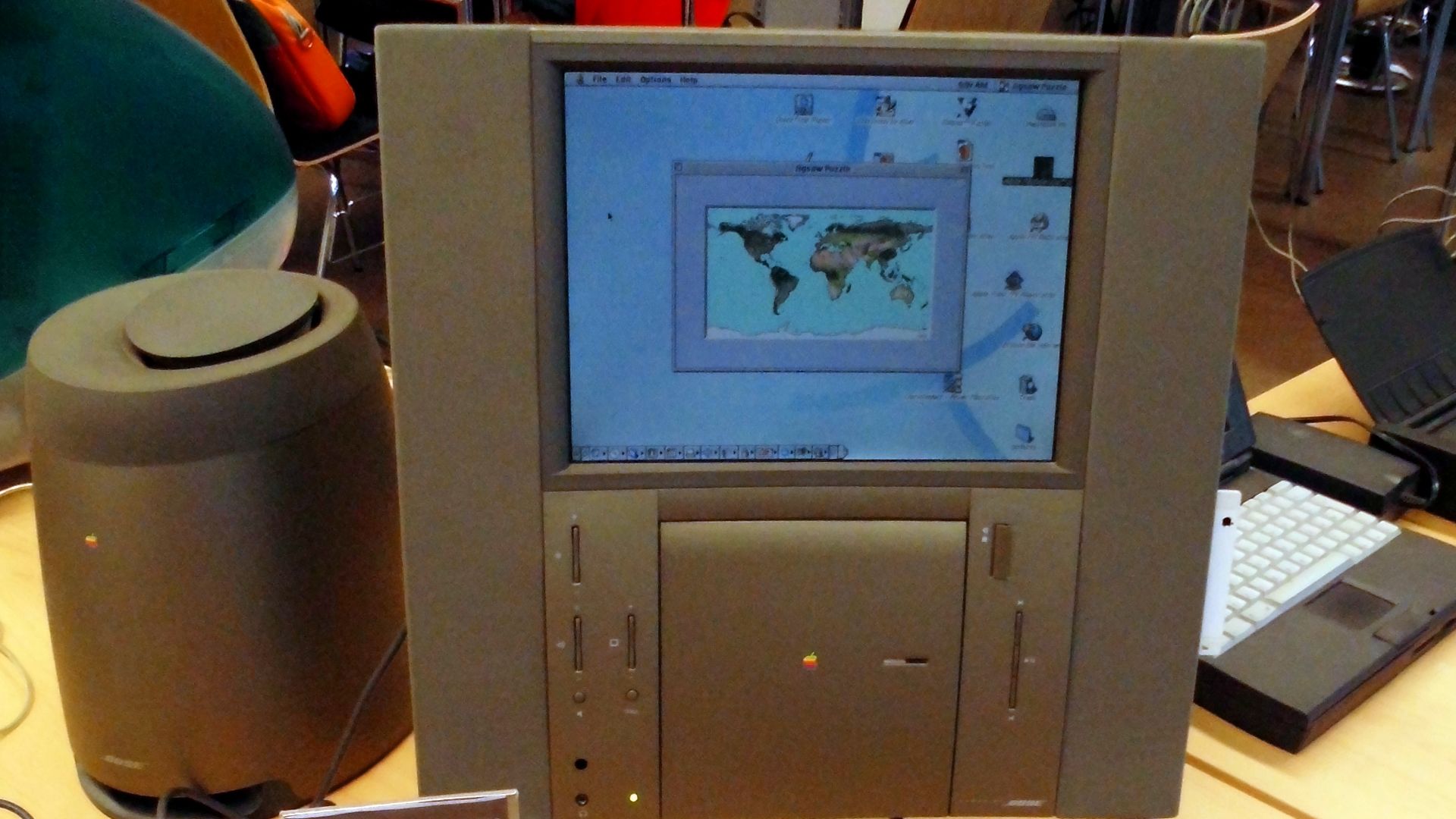
Released in 1997, the Twentieth Anniversary Macintosh packed a computer into a slim, vertically oriented design with an integrated LCD display. At a time when bulky beige desktop towers and CRT monitors were still everywhere, it looked remarkably futuristic. Its extremely high price kept it from becoming mainstream, but the basic idea of an elegant computer built almost entirely around a flat screen would become much more common.
7. iMac G3
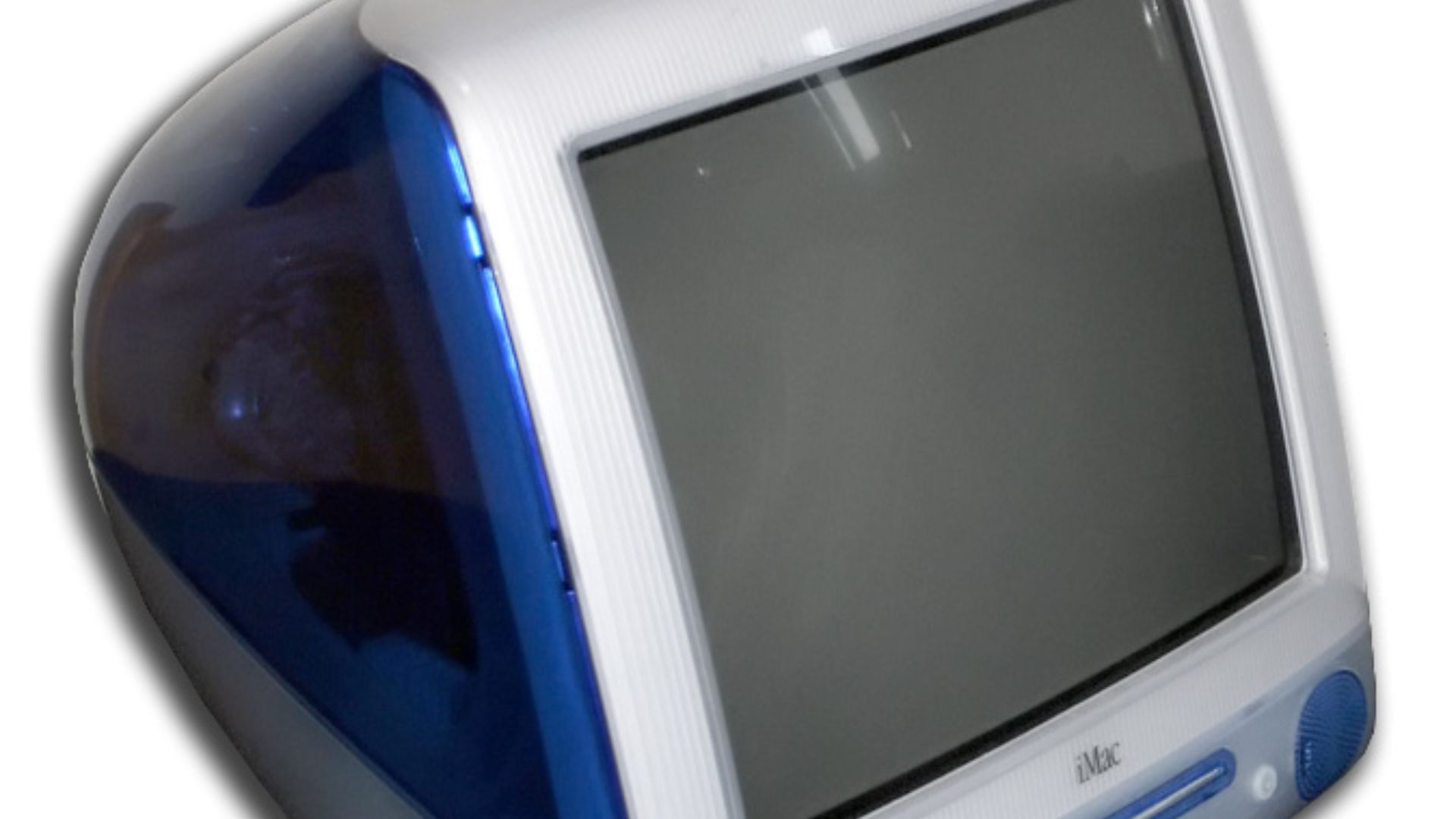
The original iMac from 1998 didn't just stand out because of its translucent colors. Apple controversially removed the floppy drive and focused heavily on newer technologies such as USB at a time when plenty of people still relied on older ports and disks. The decisions initially seemed restrictive, but the rest of the computer industry soon moved in much the same direction.
8. AirPort
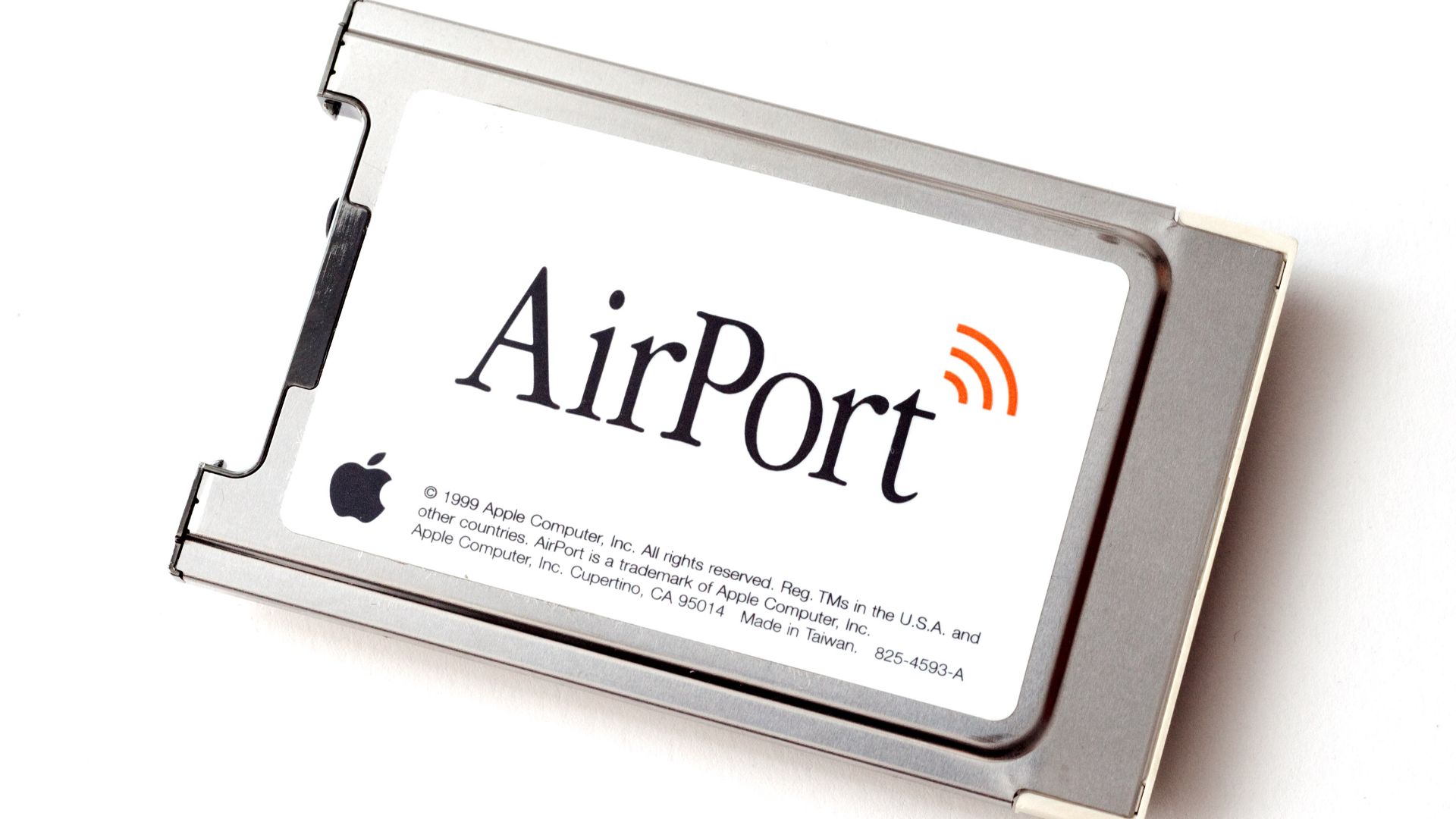
Wireless home networking was hardly an everyday expectation when Apple introduced AirPort in 1999. The system used the 802.11b standard and allowed compatible Macs to connect to a network without running cables across the room. Apple even built AirPort support into the original iBook, helping push Wi-Fi toward the simple consumer feature we now take for granted.
9. iBook G3
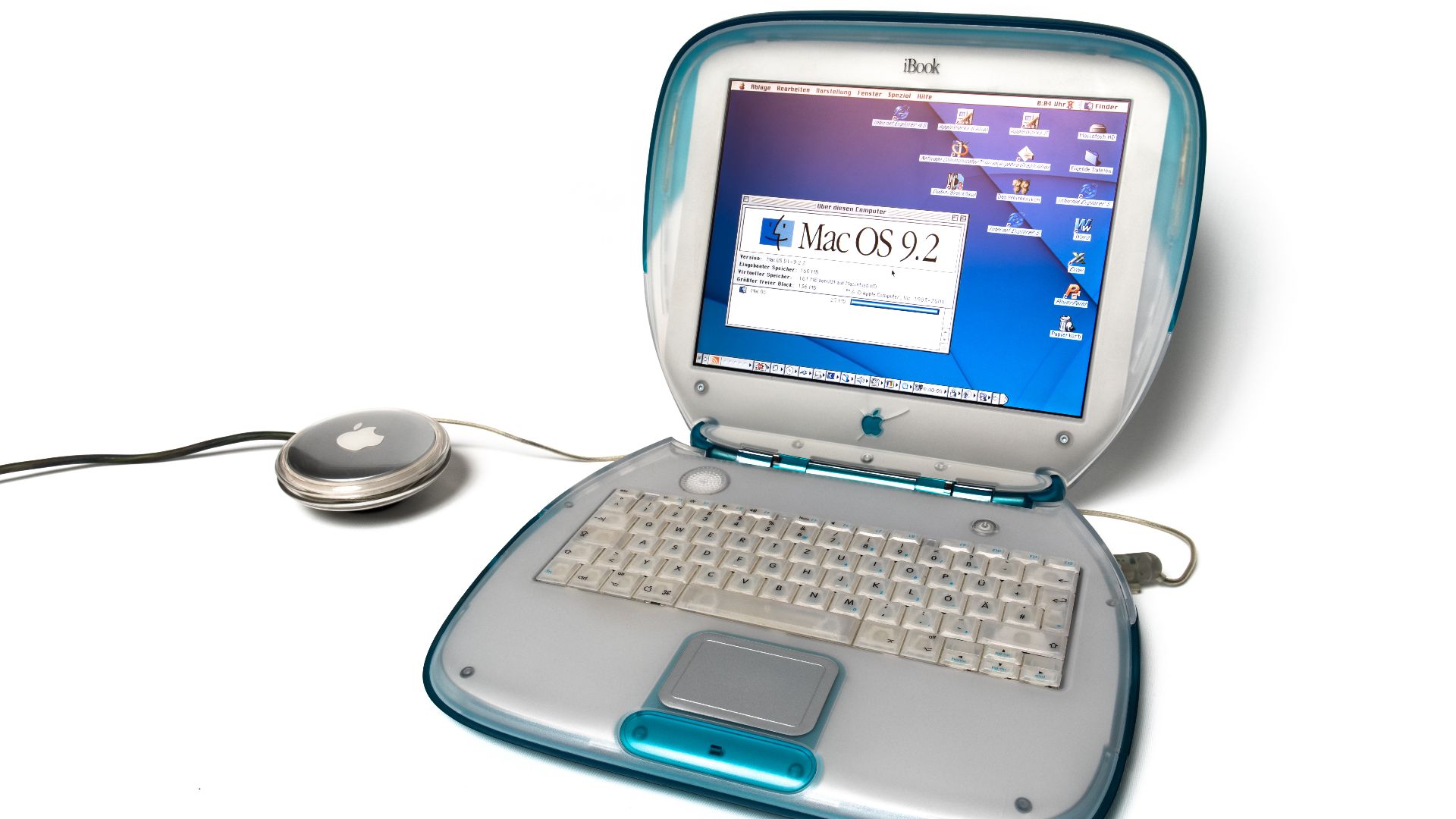
The colorful clamshell iBook wasn't exactly subtle, but its most important feature wasn't the design. Apple promoted it in 1999 as a consumer notebook capable of optional wireless Internet access through AirPort, something that still sounded futuristic in many homes. Today, buying a laptop without Wi-Fi would be almost unthinkable.
 Felix Winkelnkemper on Wikimedia
10. Power Mac G4 Cube
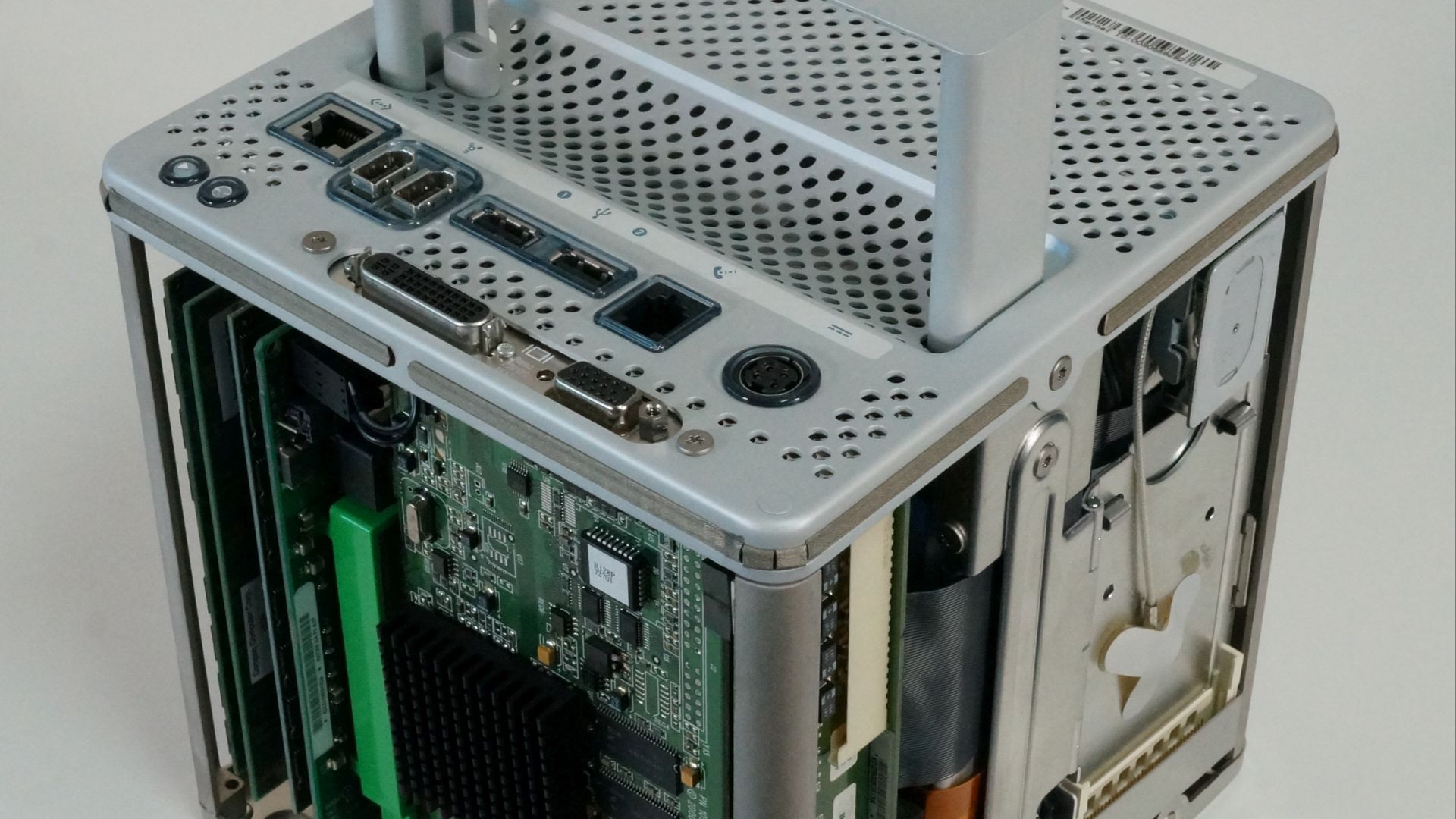
The Power Mac G4 Cube, released in 2000, squeezed a desktop computer into a remarkably compact enclosure that seemed more like a design object than traditional computer hardware. It avoided the big tower shape that dominated powerful PCs at the time. The Cube didn't sell particularly well, but compact desktop computers have since become far more common, including within Apple's own Mac lineup.
11. Apple Vision Pro
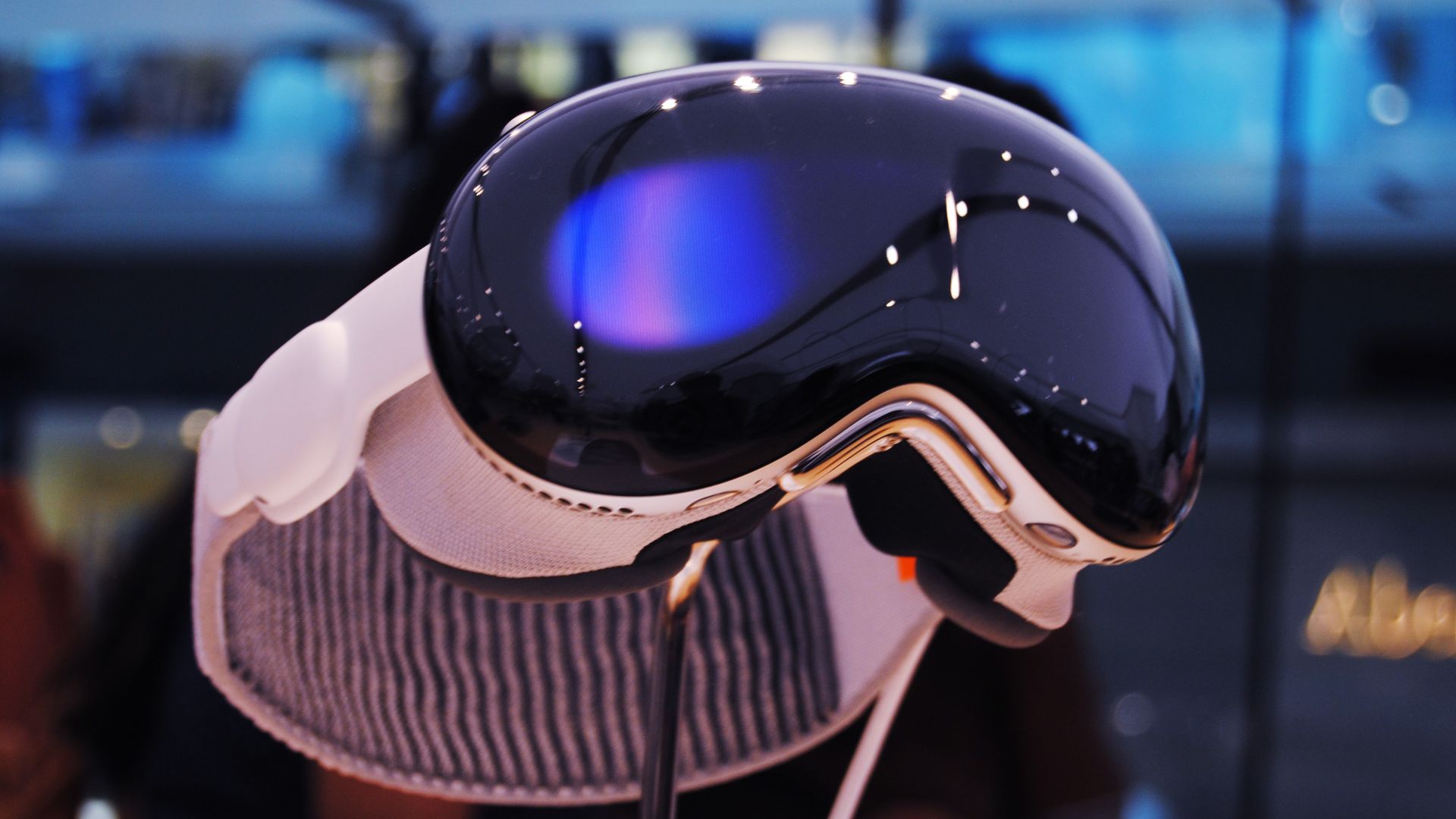
Apple Vision Pro arrived in 2024 with the ambitious idea that computing doesn't always need to happen on a physical screen. Users can control its three-dimensional interface primarily with their eyes, hands, and voice, while apps can appear throughout the space around them. Its high price and headset design have kept it from becoming an everyday device for most people, but concepts like spatial computing, eye-controlled interfaces, and virtual workspaces could become far more familiar in the years ahead.
12. iPod
The iPod wasn't the first portable digital music player, but Apple's 2001 version made carrying a large music library much more practical. Its compact hard drive held far more music than most people could reasonably carry on CDs, while the scroll wheel made navigating that collection manageable. It helped establish the expectation that your entire entertainment library should fit in your pocket instead of taking up an entire bookshelf in your home.
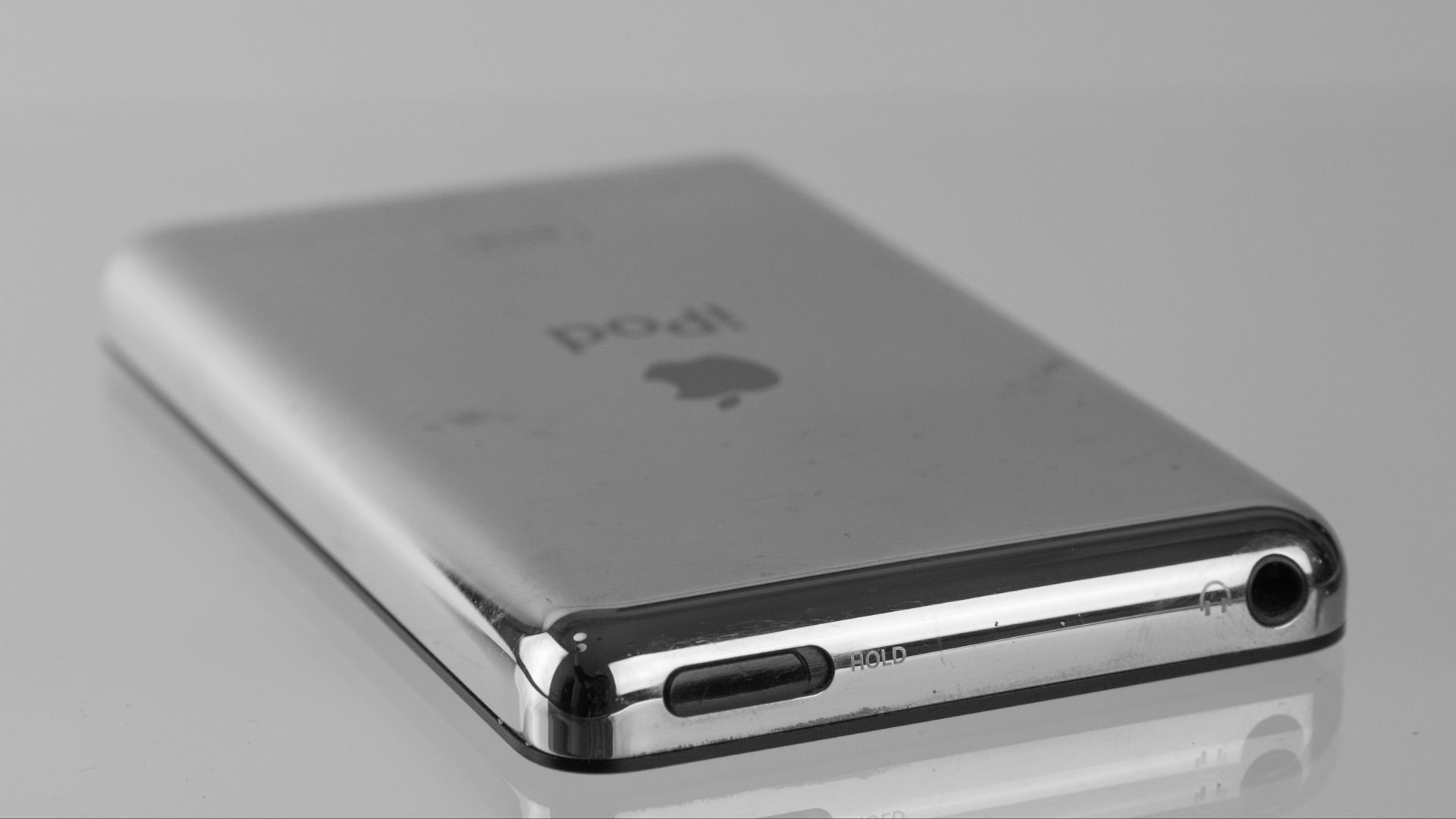
13. iSight
Apple's original standalone iSight camera arrived in 2003, when video calling was still far from a routine activity. The small FireWire webcam was designed to work with Apple's iChat software, giving Mac owners a polished way to hold video conversations online. Built-in laptop webcams would eventually make separate devices less necessary, but Apple was clearly betting early on face-to-face Internet communication.
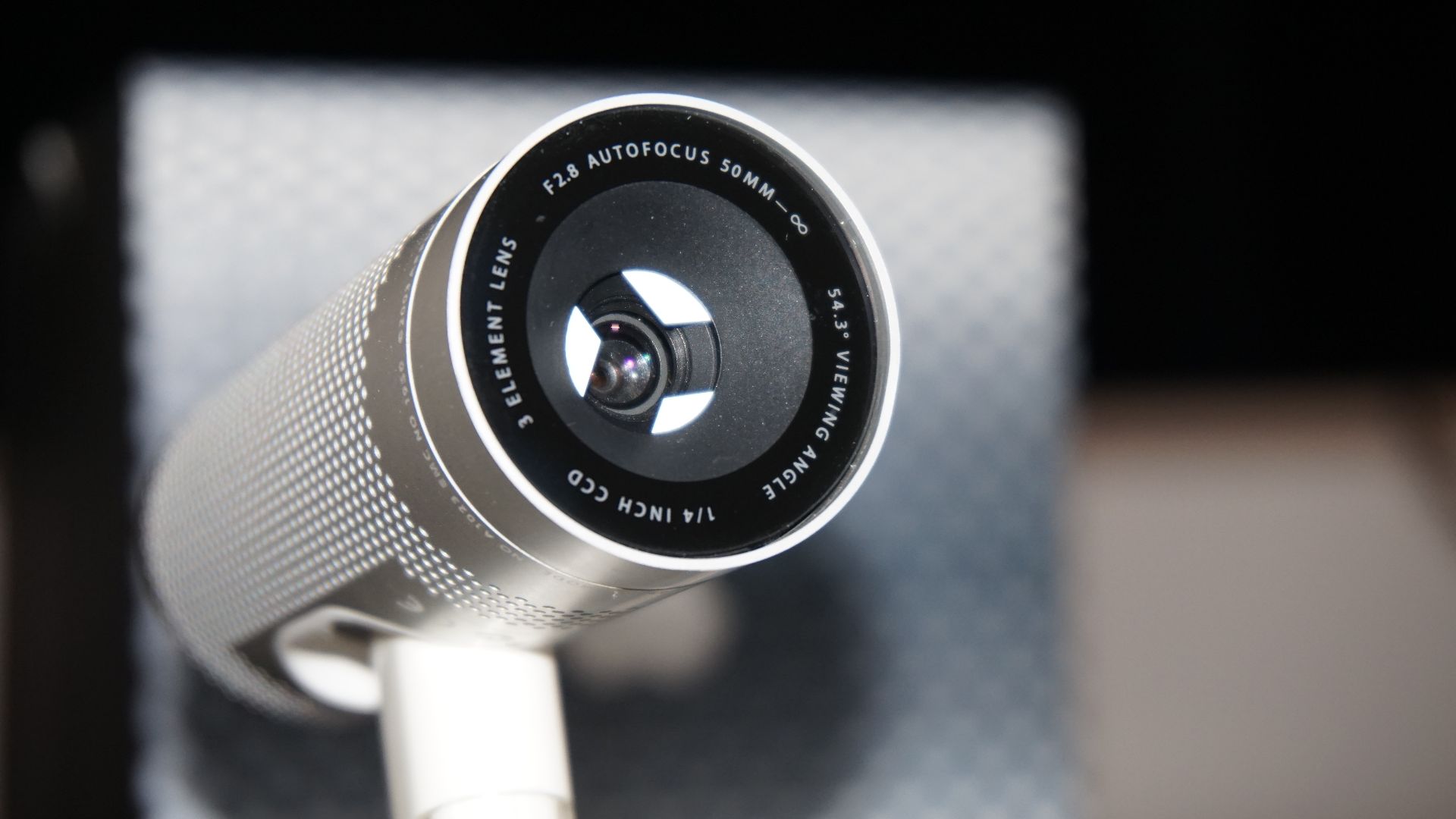
14. AirPort Express
The AirPort Express was more ambitious than a typical wireless router when it launched in 2004. In addition to providing Wi-Fi, it could send music wirelessly from a computer to a stereo through Apple's AirTunes technology. Multiroom speakers and wireless audio systems are everywhere now, but streaming music around the house still felt fairly novel at the time.
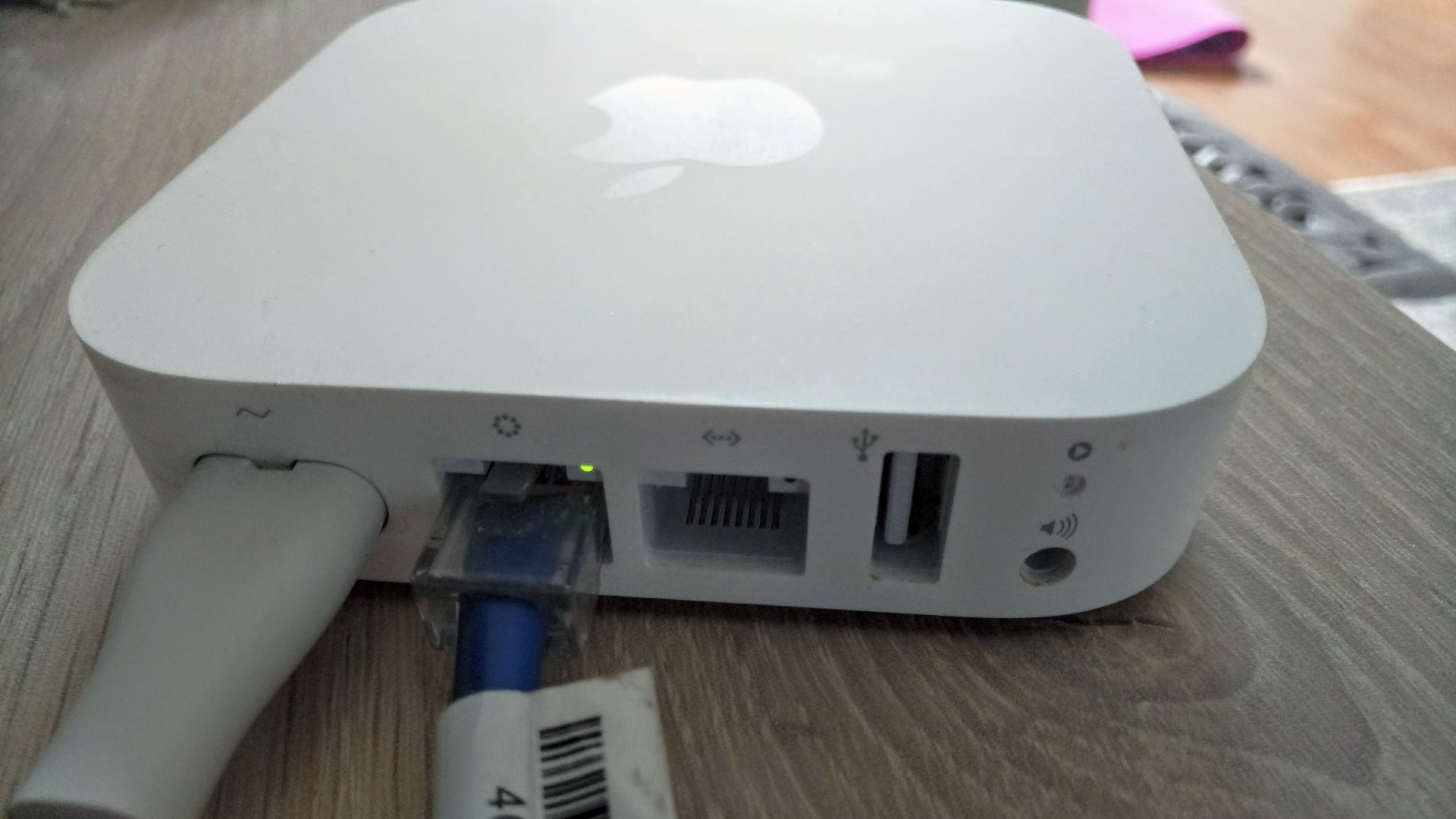
15. MacBook Air
When the first MacBook Air appeared in 2008, Apple prioritized extreme thinness over features that laptop buyers were accustomed to having. It lacked a built-in optical drive and included relatively few ports, decisions that initially looked inconvenient. As software downloads, streaming, cloud storage, and wireless accessories took over, the stripped-down approach became much easier to understand.
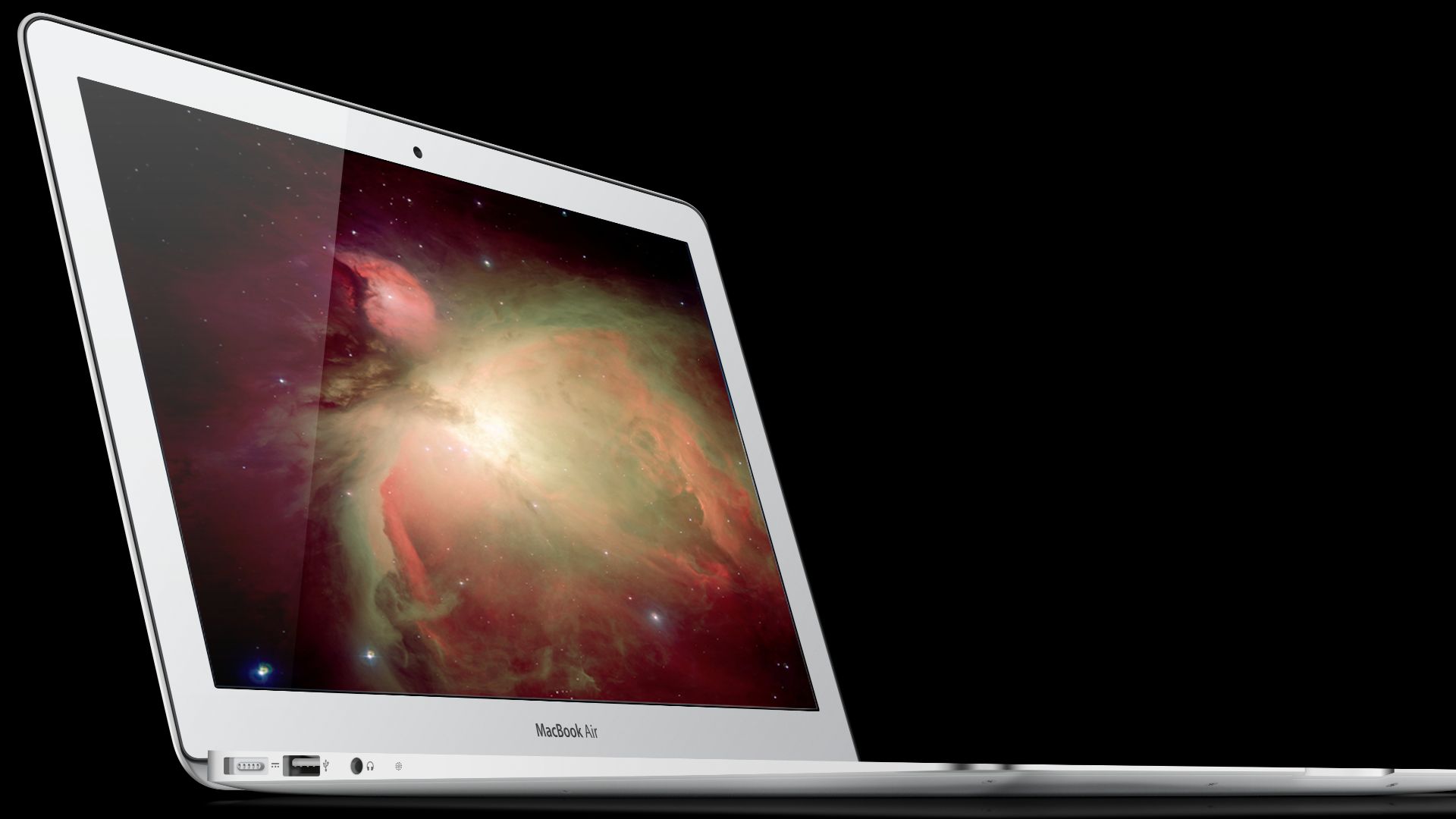
16. iPhone
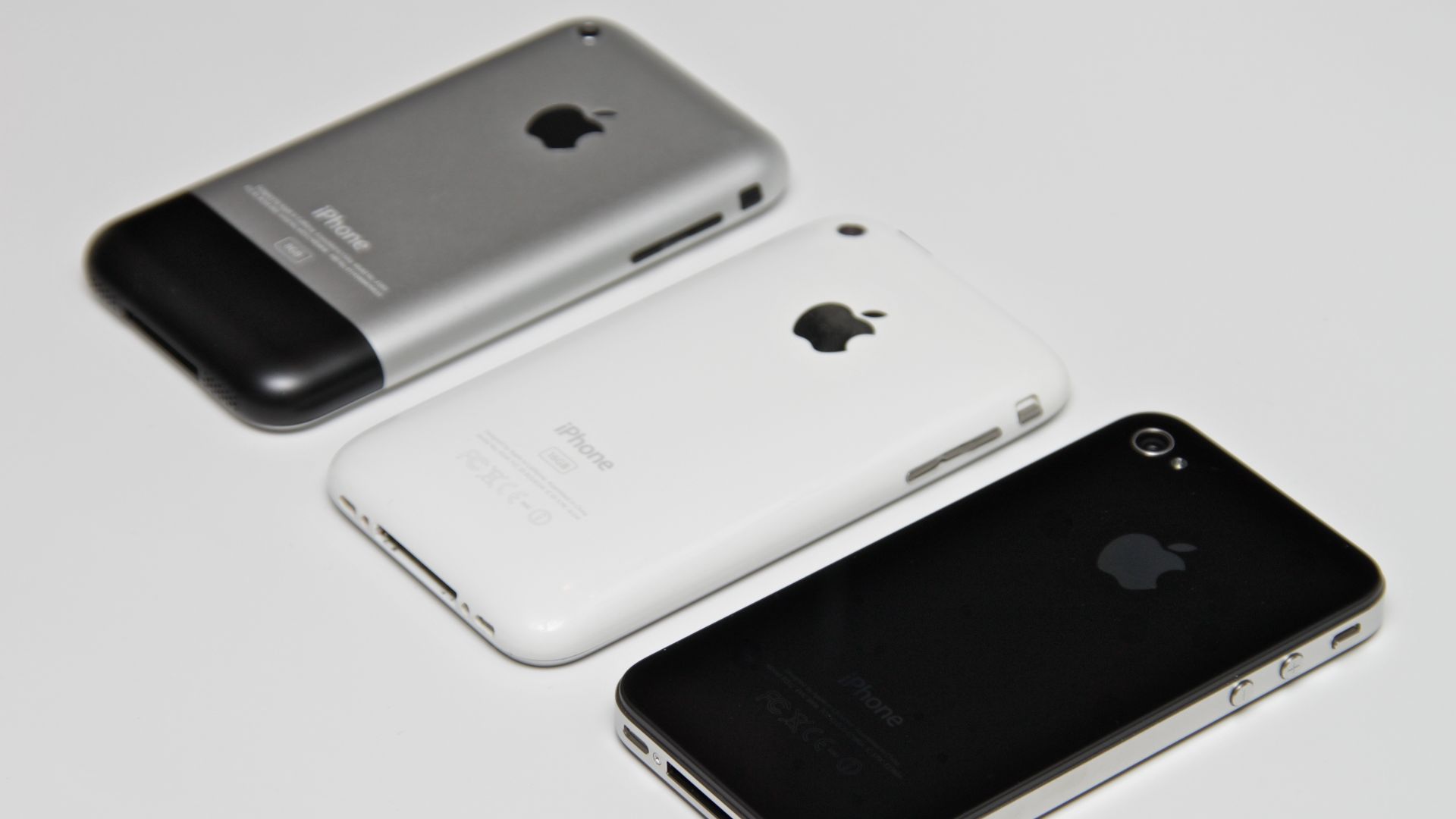
The first iPhone combined a phone, music player, Internet device, and large multitouch display into one product in 2007. Physical keyboards were still common on smartphones, so Apple's reliance on a touchscreen represented a major departure from what many users knew. Within a few years, that basic full-screen design had become the dominant shape of the modern smartphone.
17. Apple TV
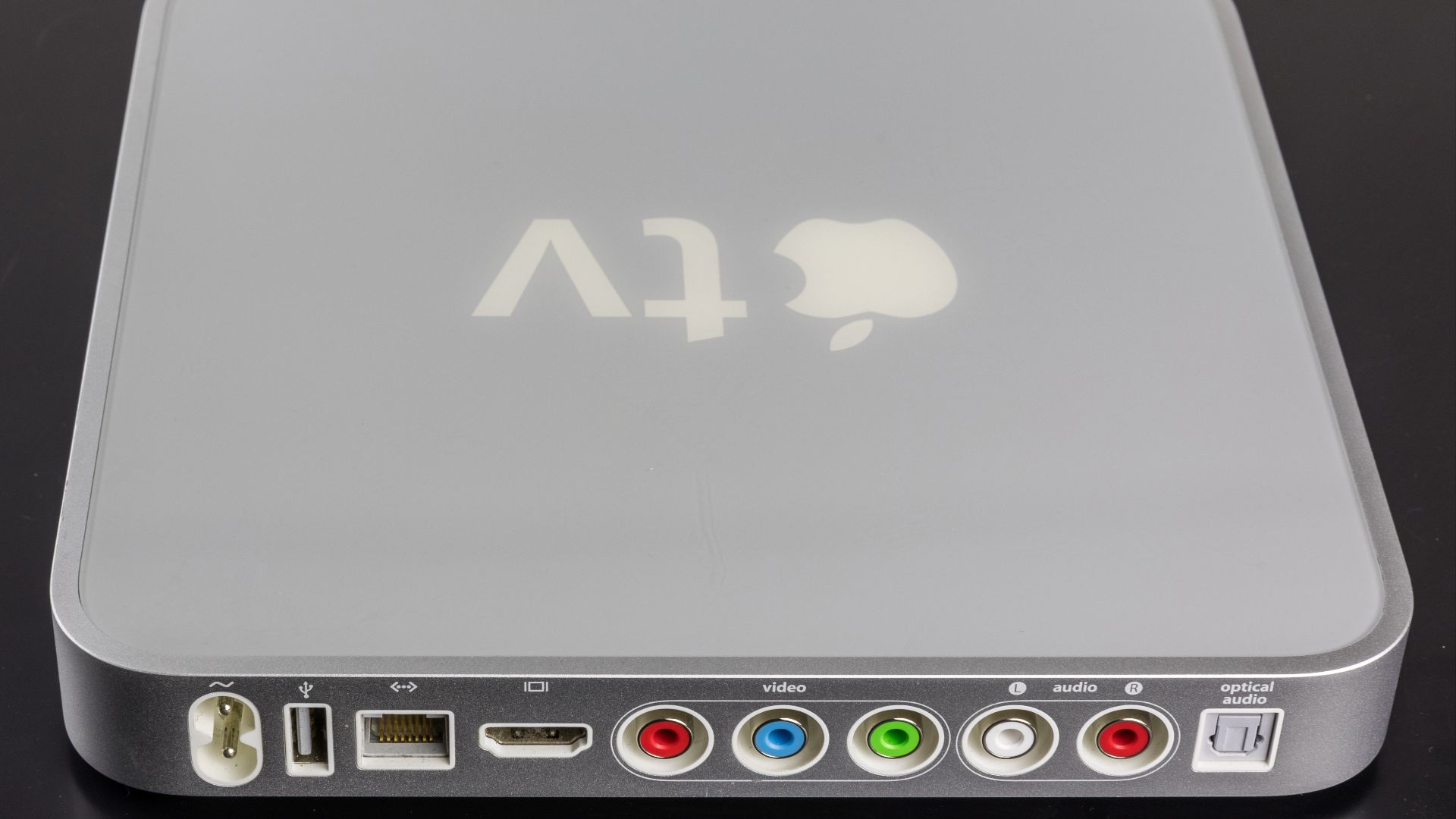
Apple began selling Apple TV in 2007, well before streaming boxes became common fixtures under televisions. The early models focused heavily on bringing iTunes content from a computer onto a TV, which could feel somewhat complicated compared with today's apps. However, the larger idea that digital media should increasingly reach your television through the Internet rather than physical discs or traditional broadcasts was exceptionally forward-thinking.
18. iPad
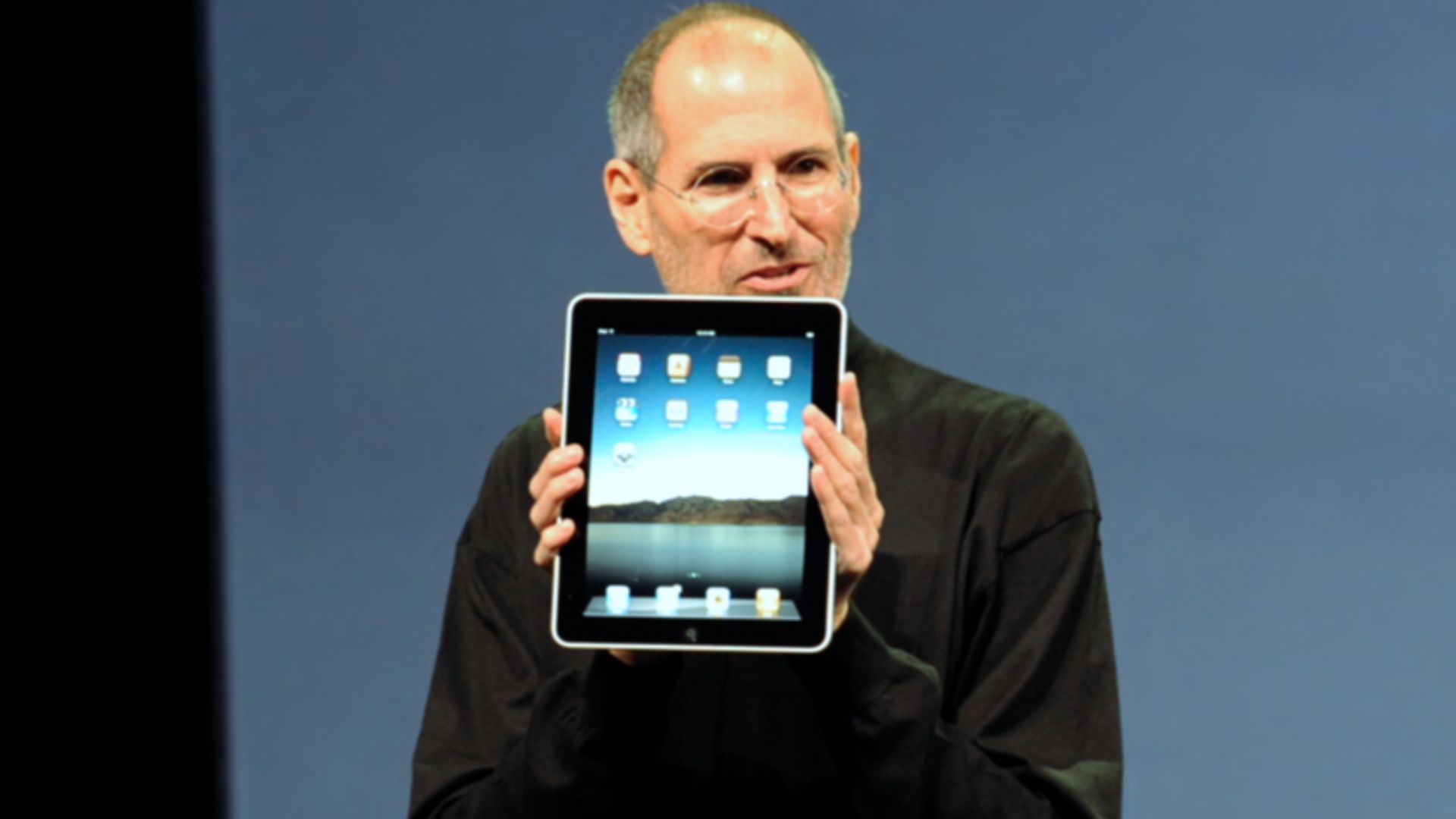
When Apple introduced the iPad in 2010, plenty of people questioned why anyone needed a large touchscreen device between a smartphone and a laptop. The answer became clearer as tablets found uses in entertainment, education, travel, retail, design, and countless professional settings. Apple wasn't the first company to attempt tablet computing, but the iPad helped turn the category into a genuine mass-market product.
19. Apple Watch
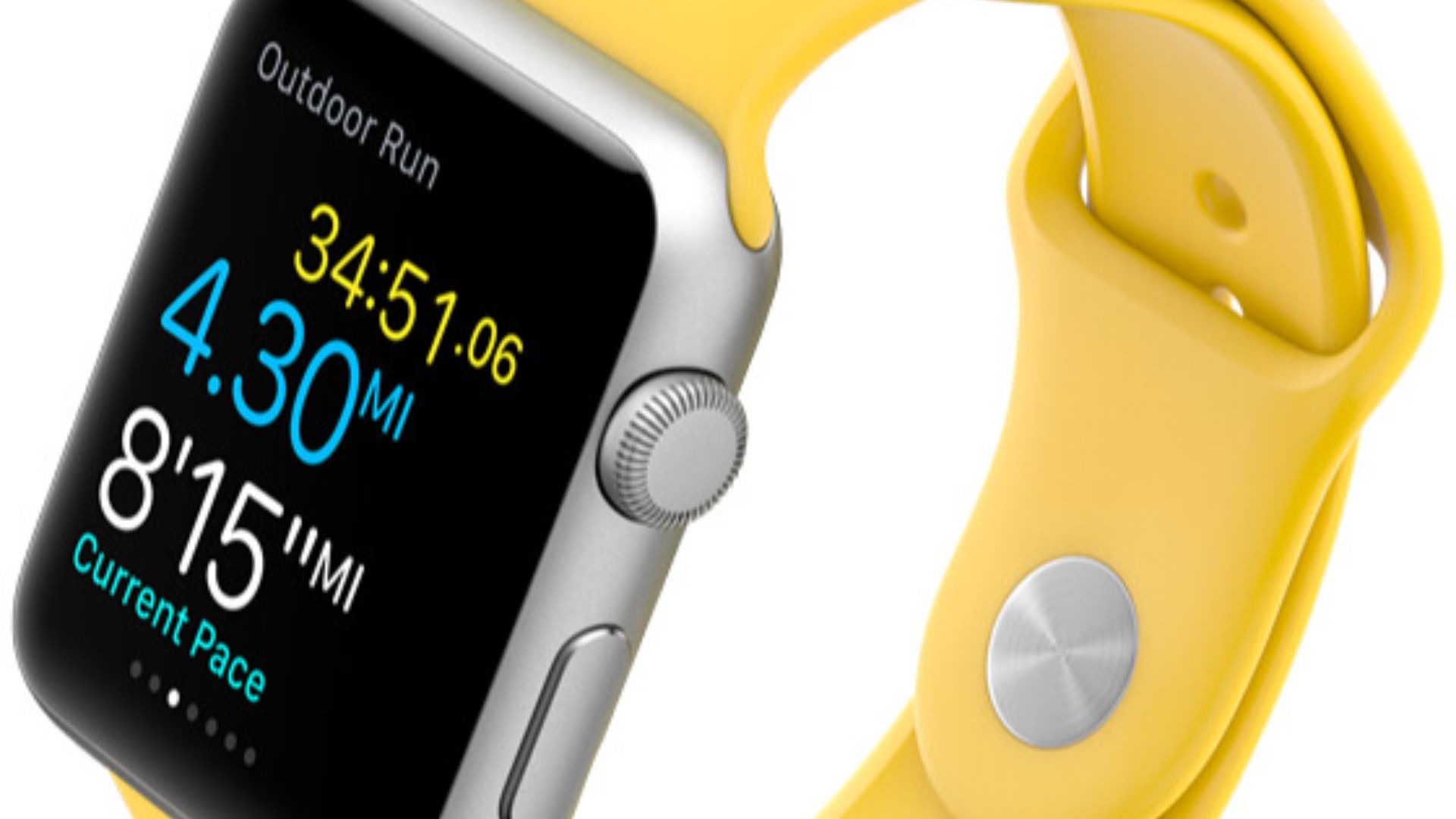
The Apple Watch arrived in 2015 with ambitions that went well beyond displaying notifications on your wrist. Over time, Apple's emphasis on activity tracking, heart-rate monitoring, health features, payments, and communication showed how much functionality could move away from the phone itself. Wearable technology had existed before it, but the watch helped make a wrist-mounted computer feel considerably more ordinary.
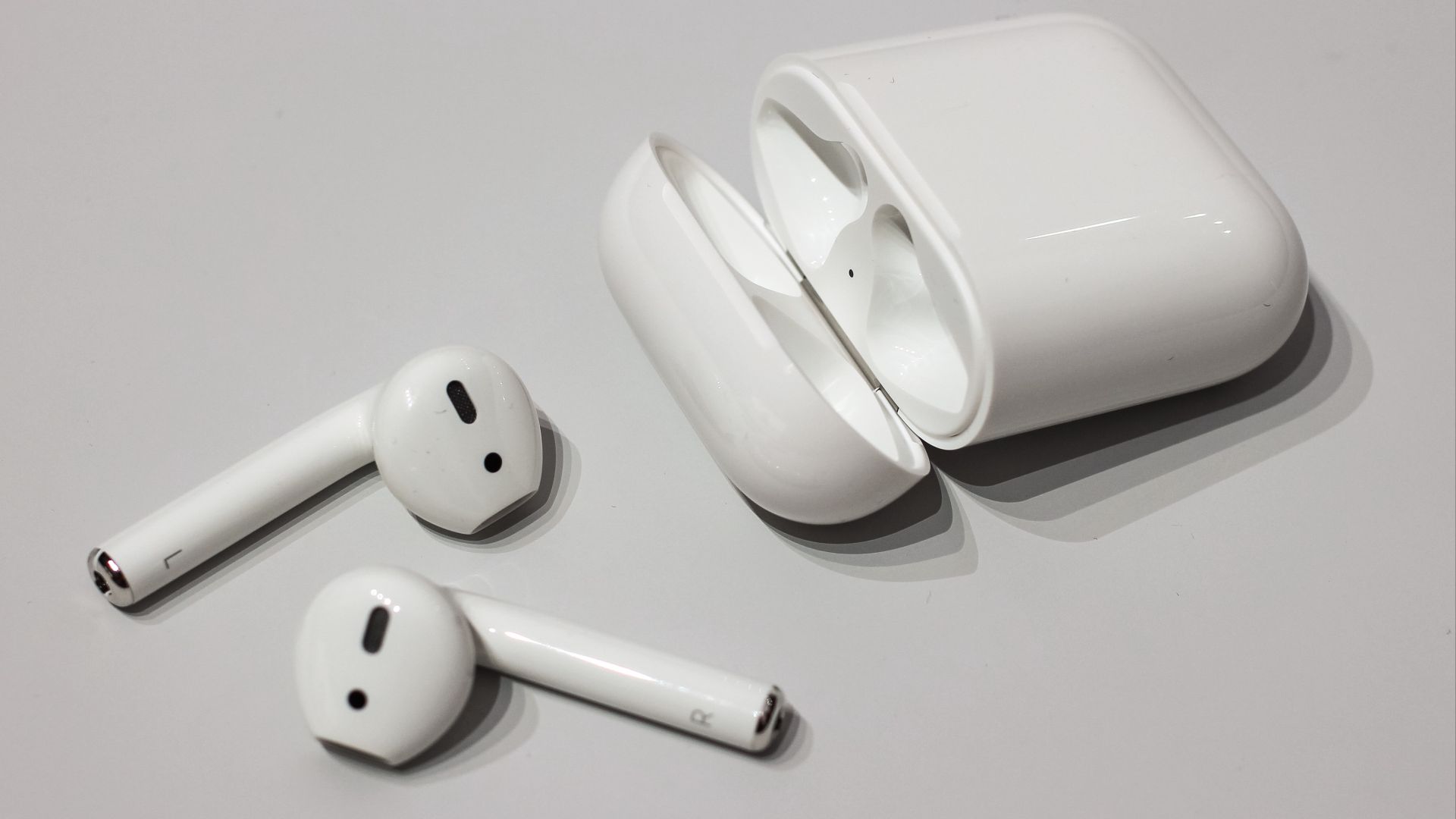
20. AirPods
Removing the headphone jack from the iPhone caused plenty of complaints in 2016, but Apple introduced AirPods at nearly the same time. The earbuds paired wirelessly, communicated with Apple's devices through a dedicated chip, and automatically handled actions such as pausing when removed from your ears. Truly wireless earbuds soon became one of the most common ways to listen to audio, making Apple's push away from wired headphones look much less unusual than it did at launch.
 Maurizio Pesce from Milan, Italia on Wikimedia