10 Reasons People Are Obsessed with Apple & 10 Times the Brand Completely Let Them Down
The Brand That Inspires Equal Parts Loyalty and Frustration
Few companies in the world command the kind of loyalty that Apple does, and fewer still have managed to turn that loyalty into a business model that's endured for decades. From its sleek hardware to its tightly controlled software ecosystem, Apple has built a reputation that keeps millions of people coming back with every new release. But for all the praise the brand receives, it's also racked up a list of missteps, controversies, and decisions that left even its most devoted fans scratching their heads.
1. The Ecosystem Actually Works
Once you're in the Apple ecosystem, everything connects almost effortlessly: your iPhone syncs with your Mac, your AirPods switch between devices automatically, and your Apple Watch keeps tabs on your health without you having to think about it. The integration between hardware and software is something Apple has refined over many years, and it shows in how seamlessly the devices communicate with each other.
2. The Design Language Is Unmistakable
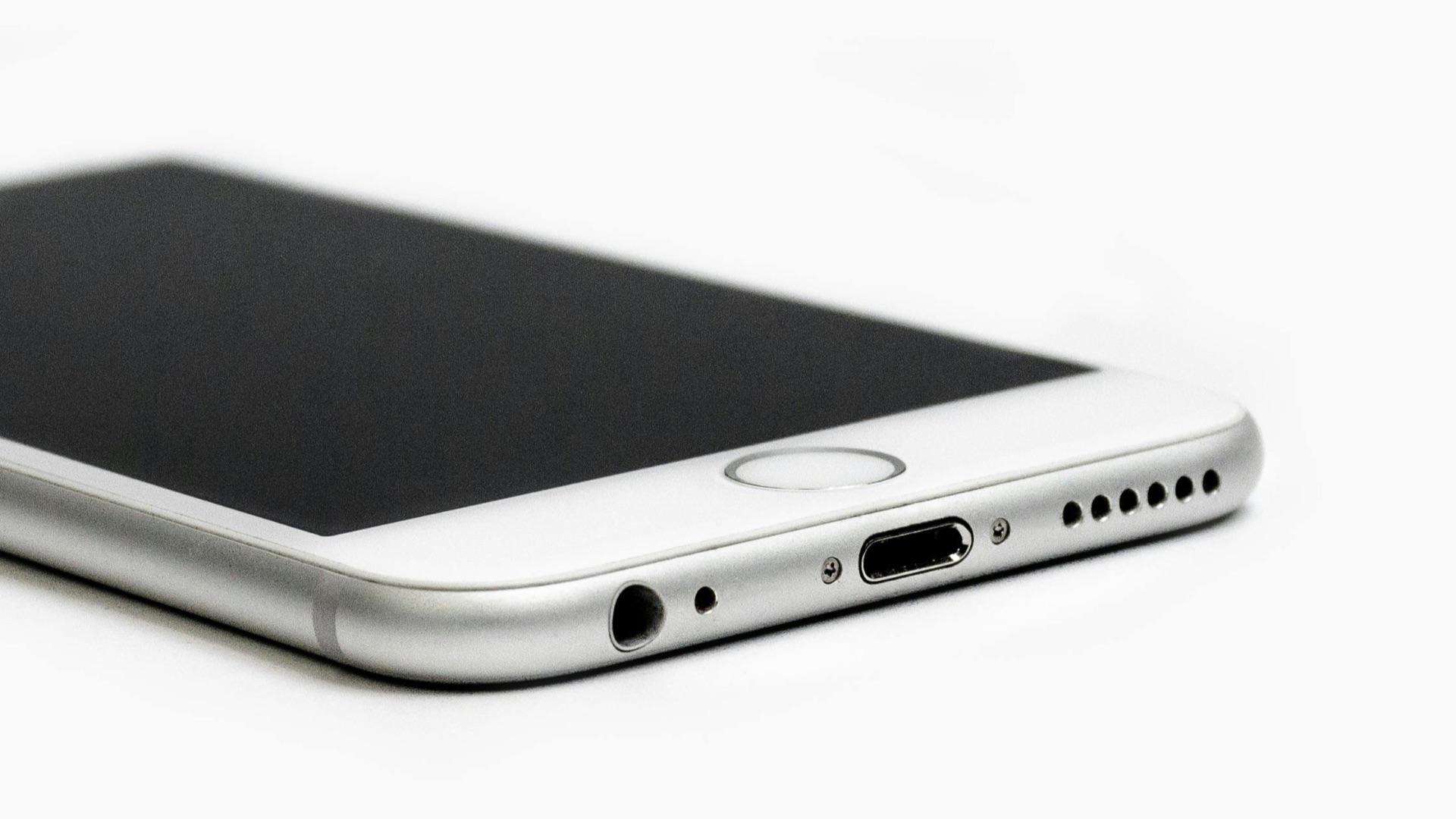
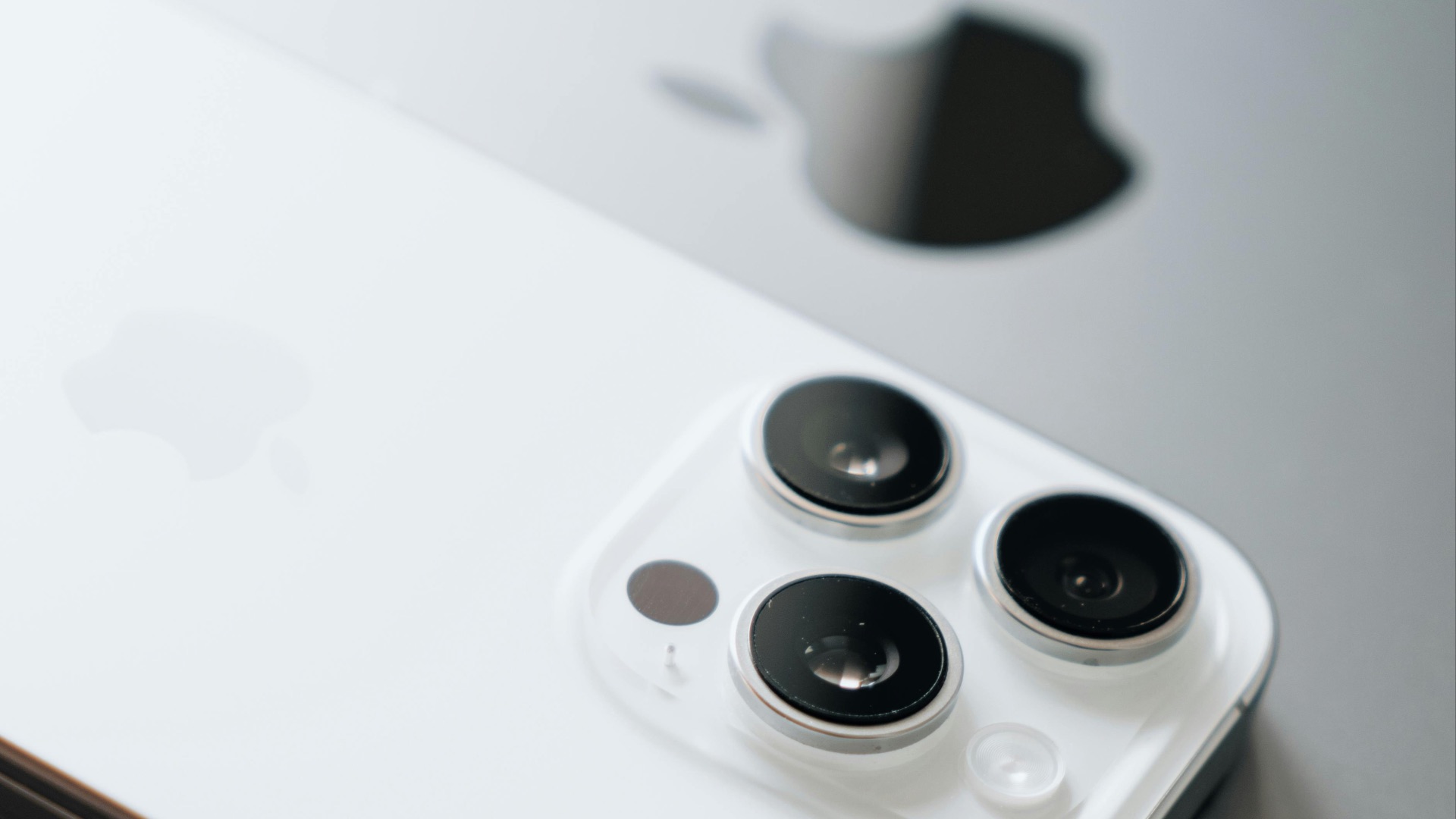
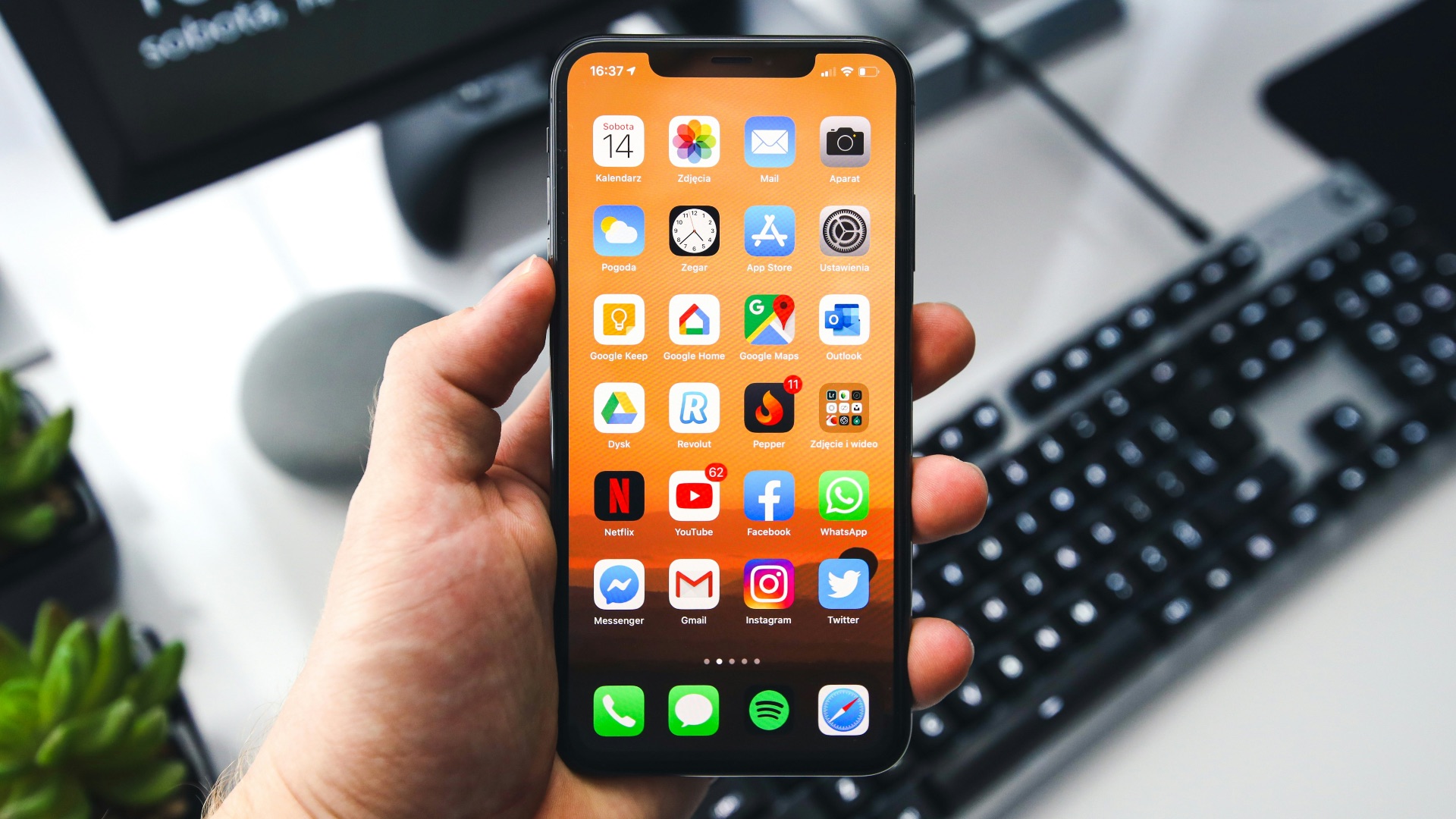
There's a reason people can spot an Apple product from across the room: the brand has maintained a design consistency that's become one of its most recognizable traits. Clean lines, premium materials, and a general sense of polish set Apple's devices apart from much of the competition, and that aesthetic has influenced the broader tech industry in ways that are still visible today. Whether it's the silver finish on a MacBook or the camera configuration on an iPhone, Apple's industrial design has always been a major part of its appeal.
 Sebastian Bednarek on Unsplash
3. Software Updates Are Supported for Years
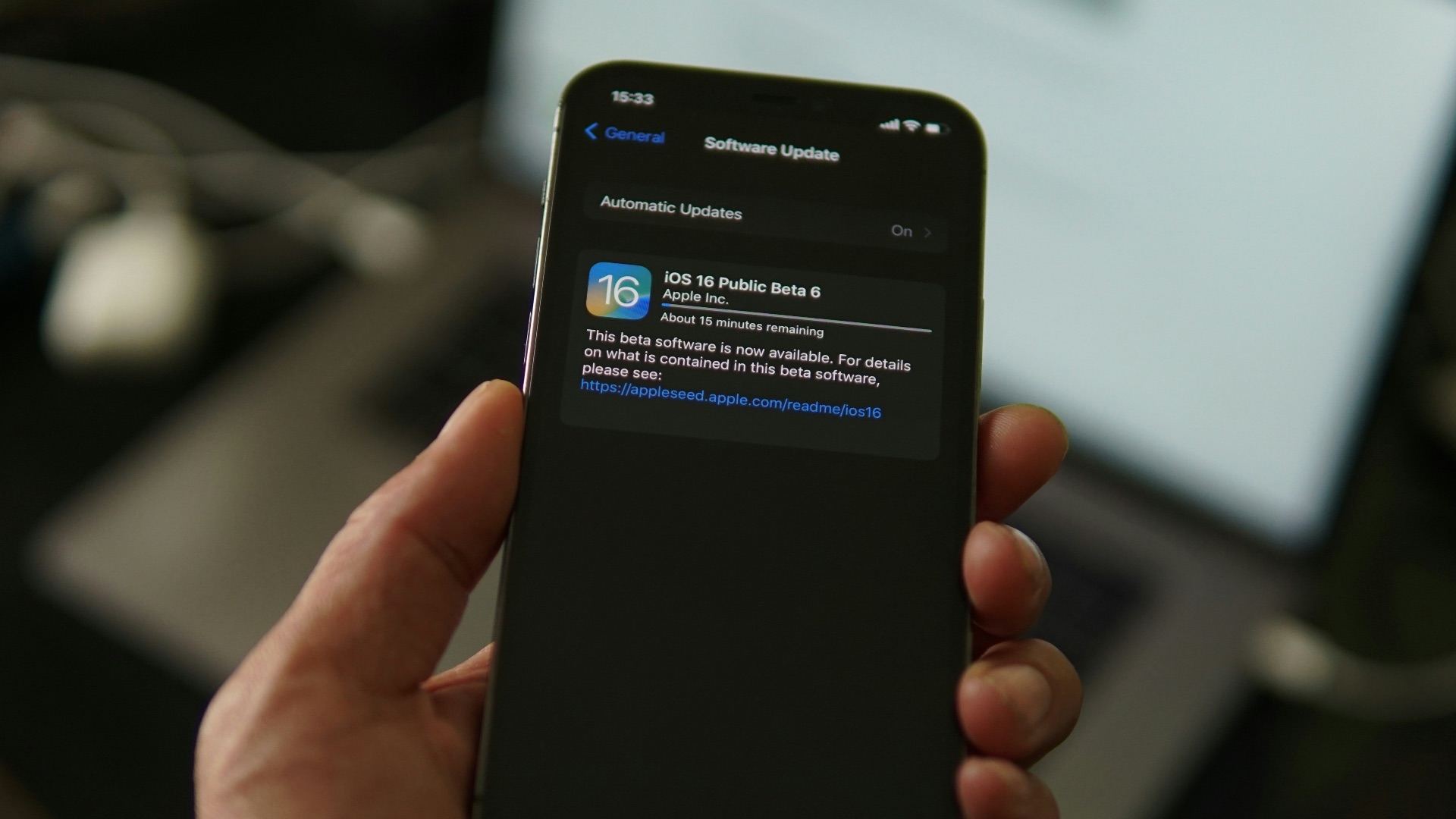
One of the more practical reasons people stay loyal to Apple is the longevity of software support, particularly on iPhones. While Android devices from smaller manufacturers stop receiving updates after a few years, Apple routinely supports its devices for five to six years or more, which is a significant value proposition when you're spending at least a grand on a phone. Knowing that your device will continue to receive security patches and new features well into the future makes the upfront cost feel a lot more justifiable.
4. Customer Service Sets a High Bar
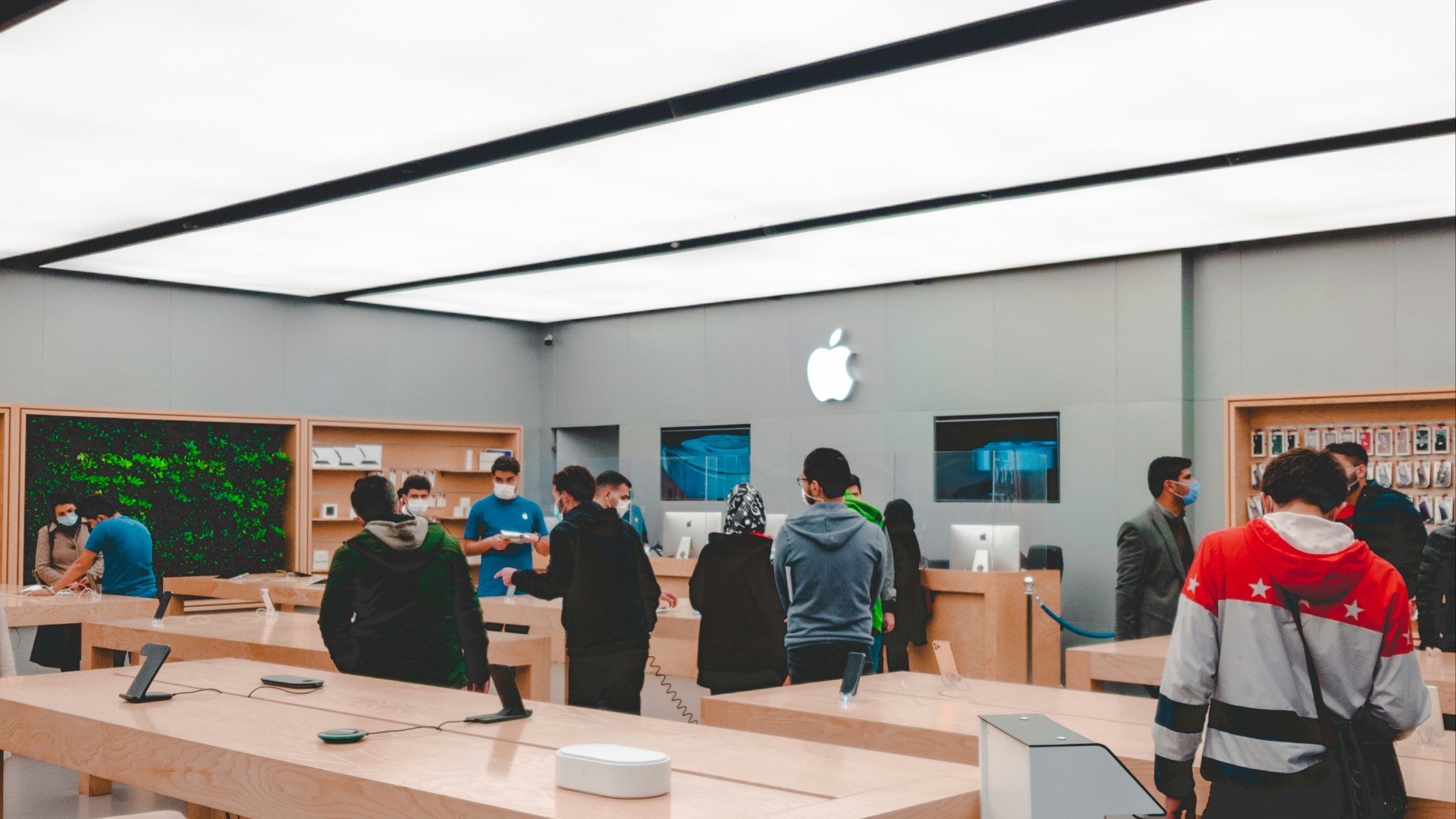
The Genius Bar concept—walk into an Apple Store and get hands-on help from a specialist—changed what people expected from tech retail, and it's still one of the brand's strongest selling points. Apple's in-store support experience tends to be faster and more personal than dealing with most other tech companies, where getting help often means navigating a phone tree or waiting days for an email response. For customers who aren't especially tech-savvy, having a dedicated place to bring a broken device and walk out with a solution is genuinely reassuring.
5. Privacy Has Become a Core Selling Point
In an era where data privacy concerns are at an all-time high, Apple has positioned itself as the brand that takes your personal information seriously, and that message has resonated with a lot of people. Features like App Tracking Transparency, on-device processing for Siri, and detailed privacy nutrition labels on the App Store all send a clear signal that Apple is at least trying to limit how much of your data gets shared with third parties. Whether or not the company fully lives up to that reputation is debatable, but the commitment to privacy as a brand value has been a meaningful differentiator for millions of users.
6. Resale Value Holds Up Better Than the Competition
If you've ever tried to sell a used Android phone, you already know that depreciation hits fast and hard; iPhones, by contrast, hold their value remarkably well compared to most other smartphones on the market. A two-year-old iPhone can still fetch a substantial resale price, which offsets the cost of upgrading and makes the overall ownership experience feel more economical over time. For people who like to stay current with their devices, resale retention is a practical financial reason to stick with Apple.
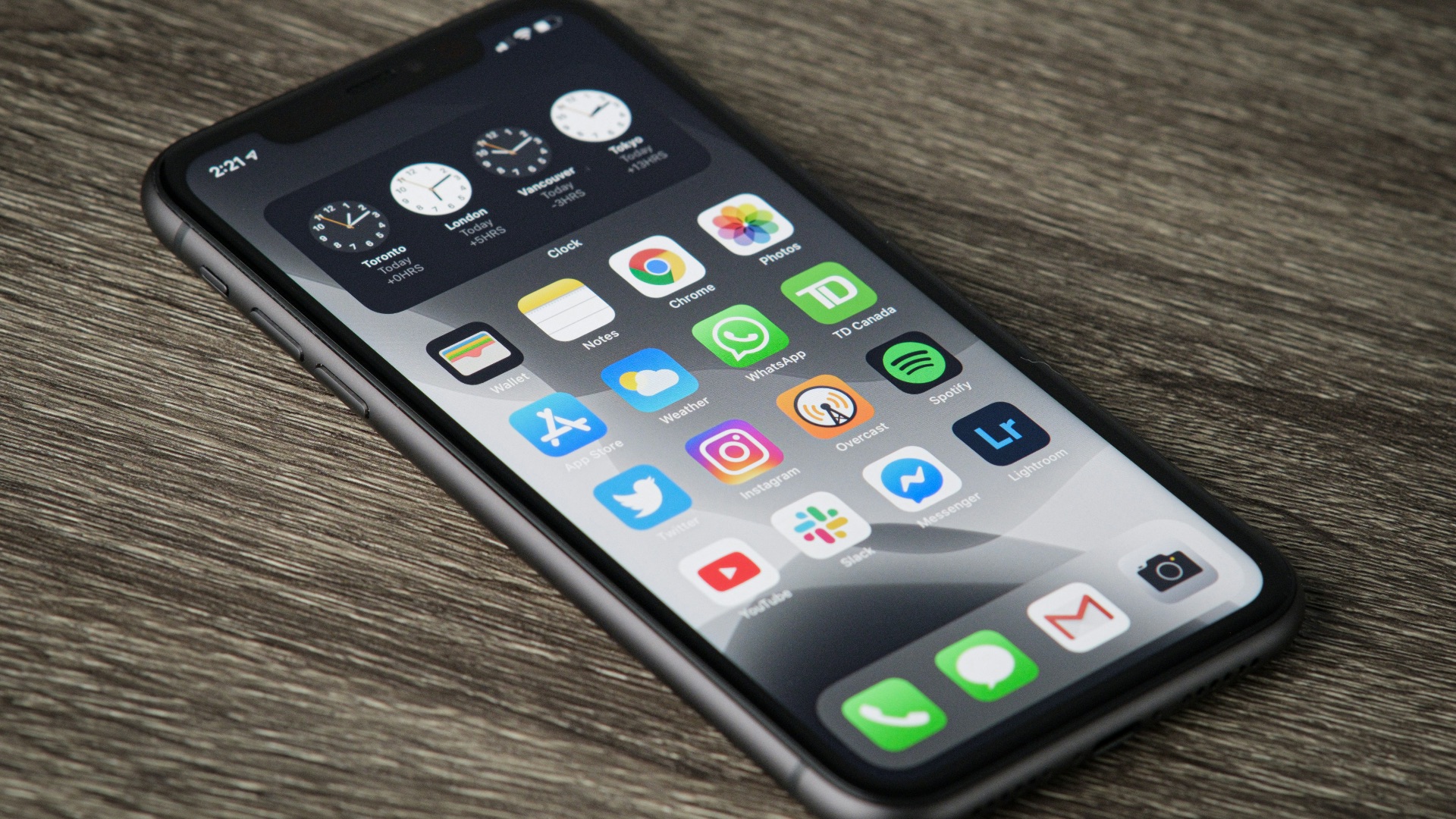
7. Accessibility Features Are Among the Best in the Industry
Apple has consistently pushed the boundaries of what accessibility tools can do, building features directly into its operating systems that make its devices usable for people with a wide range of disabilities. From VoiceOver and AssistiveTouch to Sound Recognition and customizable display settings, the depth of Apple's accessibility offerings is hard to match. The fact that these tools are built into the operating system rather than sold as add-ons reflects a commitment to inclusive design that a lot of users find worth supporting.
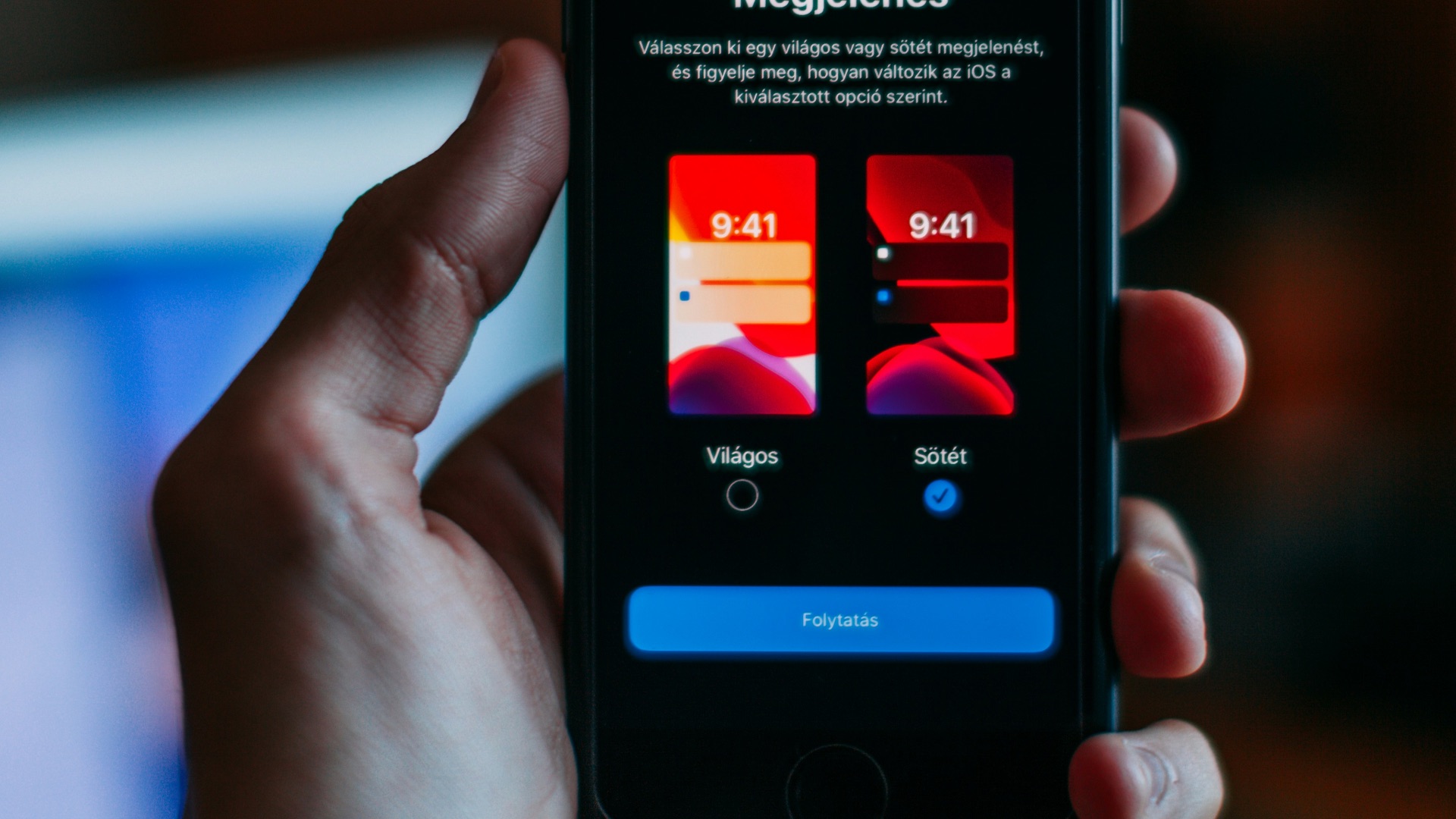
8. The App Store Quality Control (Mostly) Works
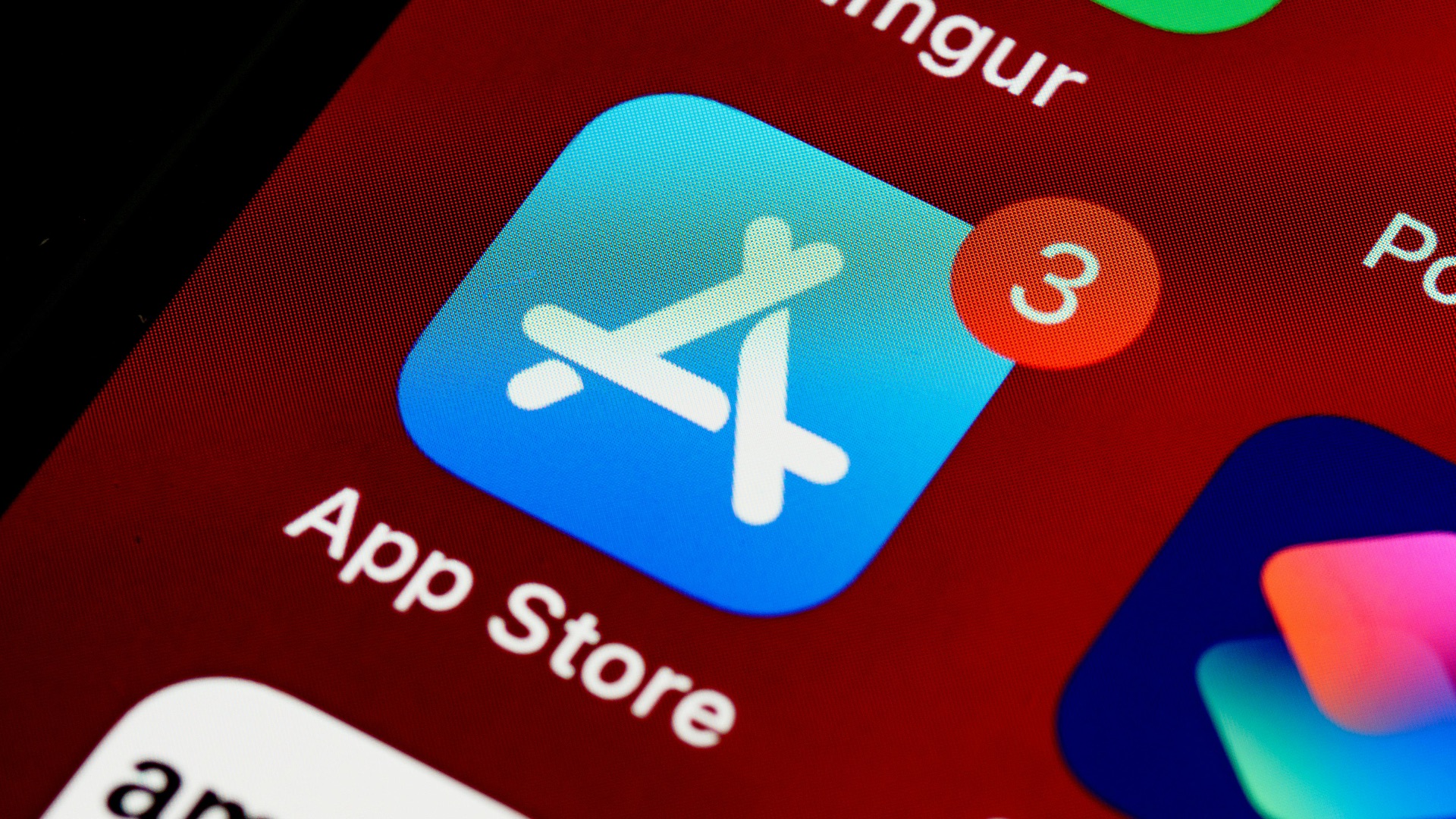
The App Store's curation process has its critics, but the result of Apple's tighter control over what gets published is a marketplace that's generally safer and more polished than its Android counterpart. Malware and low-quality apps do make it through from time to time, but the overall rate is lower than on platforms with less oversight, and users tend to feel more confident downloading from a store with some gatekeeping in place.
9. The Camera System Keeps Getting Better
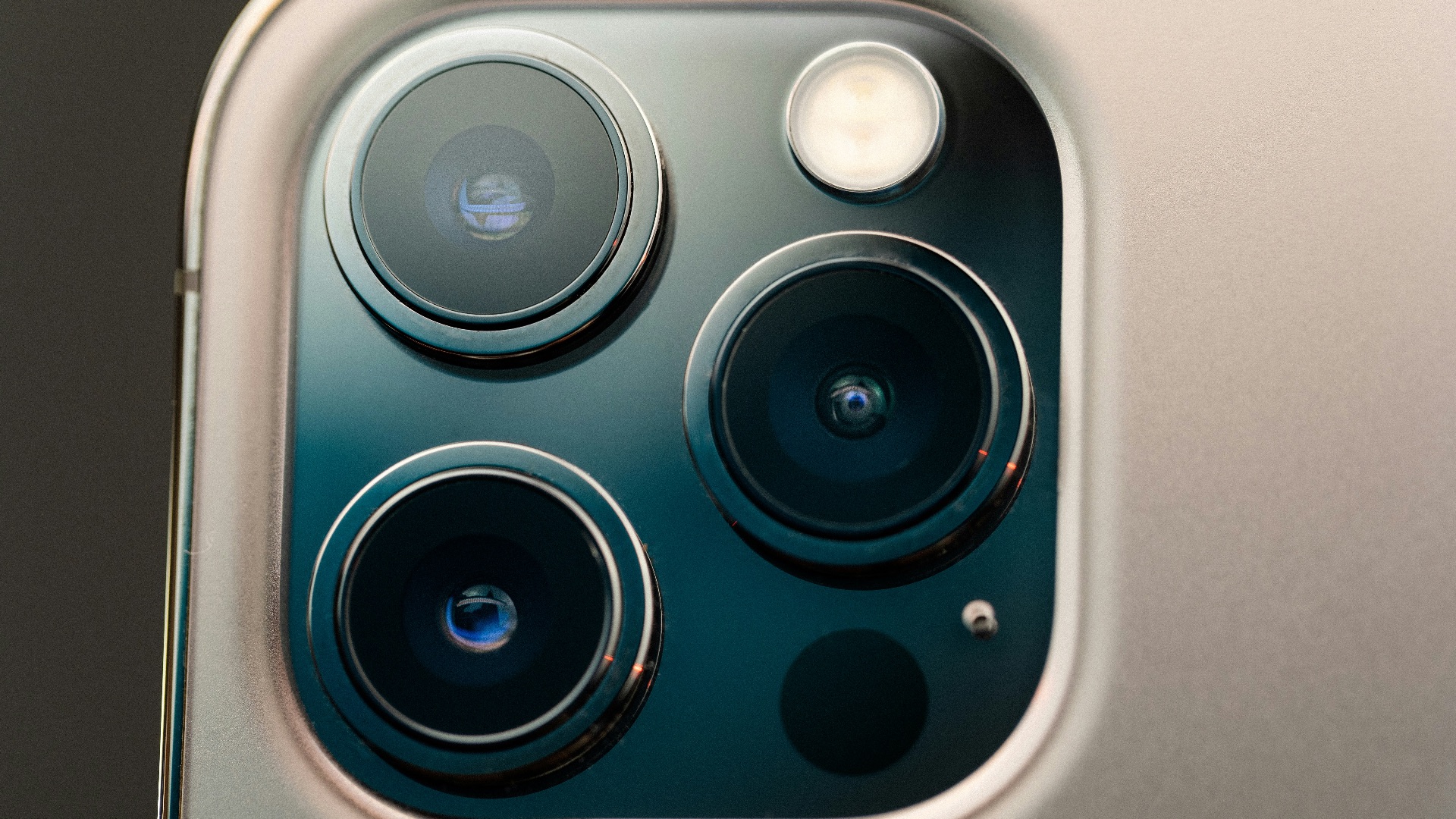
Apple's investment in computational photography has made the iPhone camera one of the most talked-about features in the smartphone world, and it's a big reason people upgrade year after year. From Night Mode to ProRes video recording on higher-end models, the camera capabilities Apple packs into its phones rival what dedicated cameras could do just a few years ago. For people who want to take great photos without carrying separate equipment, the iPhone camera is frequently the reason they choose Apple over anything else.
10. The Brand Carries a Cultural Cachet That's Hard to Ignore
It would be dishonest to talk about Apple's appeal without acknowledging that owning an Apple product still carries a certain social status in many parts of the world. The brand has been associated with creativity, innovation, and a certain lifestyle for so long that it's become a cultural shorthand, and that perception drives purchasing decisions whether people admit it or not.
Of course, no brand with this level of influence gets to coast on its wins forever, and Apple is no exception. For every feature that's earned the company a standing ovation, there's at least one decision that left its users feeling contrary. Here are 10 times the company let its fans down.
1. Removing the Headphone Jack
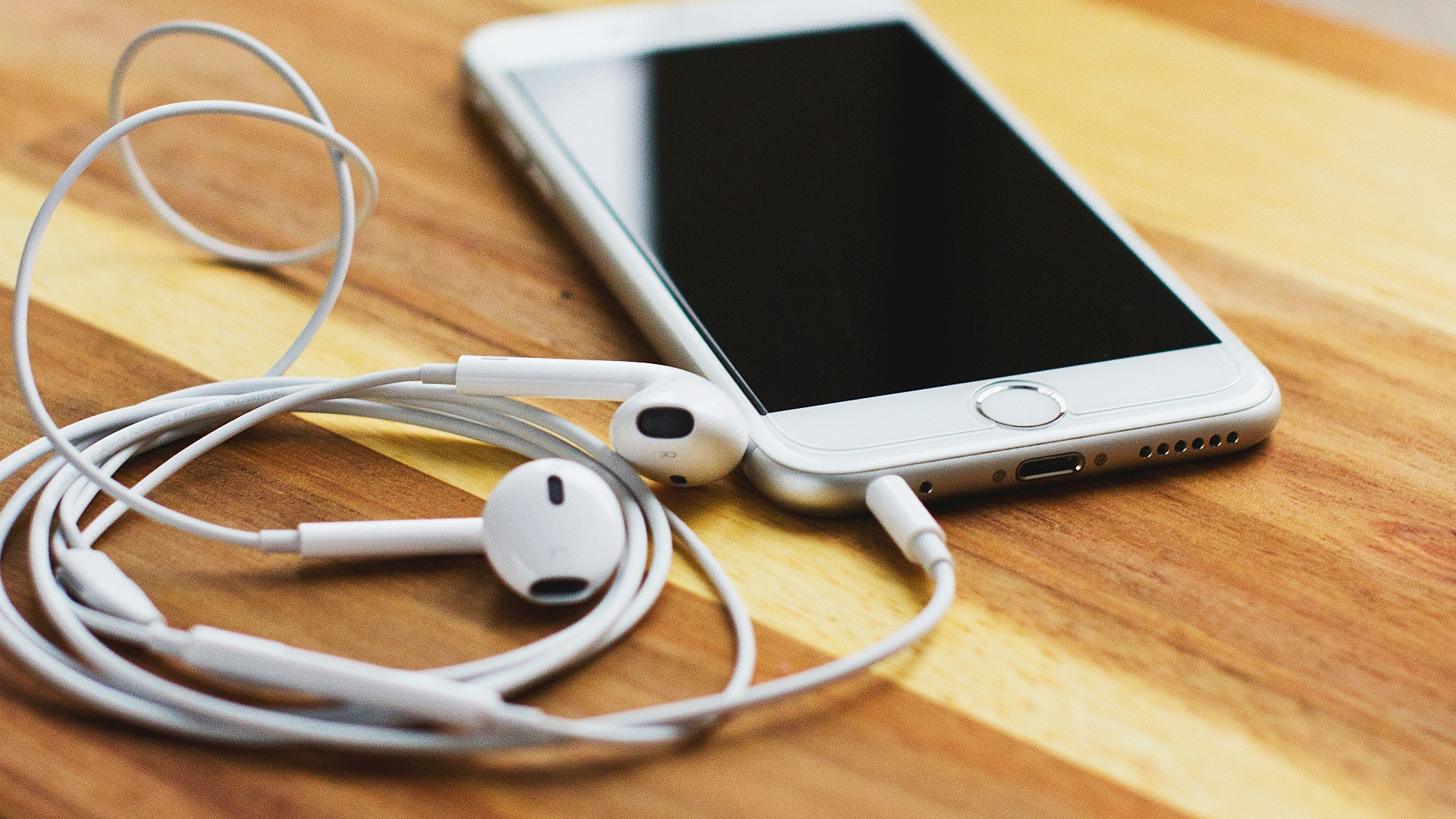
When Apple removed the 3.5mm headphone jack from the iPhone 7 in 2016, it promised that wireless audio was the future. At the time, though, that future came with a dongle, a learning curve, and a whole lot of inconvenience. Users who had invested in quality wired headphones suddenly found themselves needing an adapter just to use what they already owned, and the transition felt less like progress and more like a forced upsell toward AirPods. Even though Bluetooth wireless earphones are now the norm, it doesn't erase the fact that people who favored wired accessories were basically given a dead end.
2. Batterygate
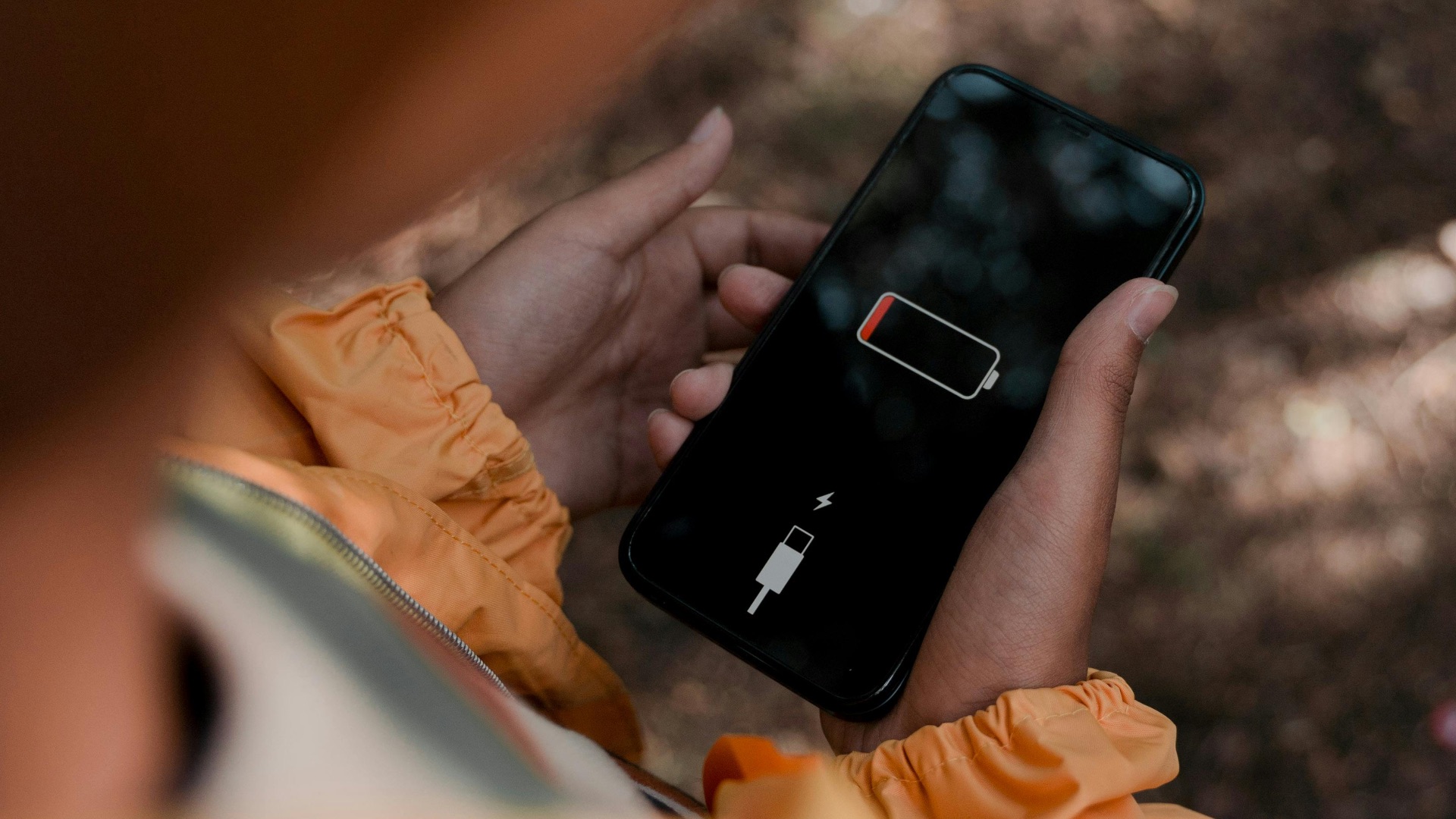
In 2017, it came to light that Apple had been intentionally slowing down older iPhones through software updates; the company's explanation (that it was protecting battery health) didn't land well, either. Many people had assumed their aging iPhones were just getting old and had upgraded to newer models without realizing their devices had been purposely throttled, which made the revelation feel like a betrayal. Apple eventually apologized, offered discounted battery replacements, and added a Battery Health setting, but the damage to its reputation for transparency took a long time to repair.
3. The Butterfly Keyboard
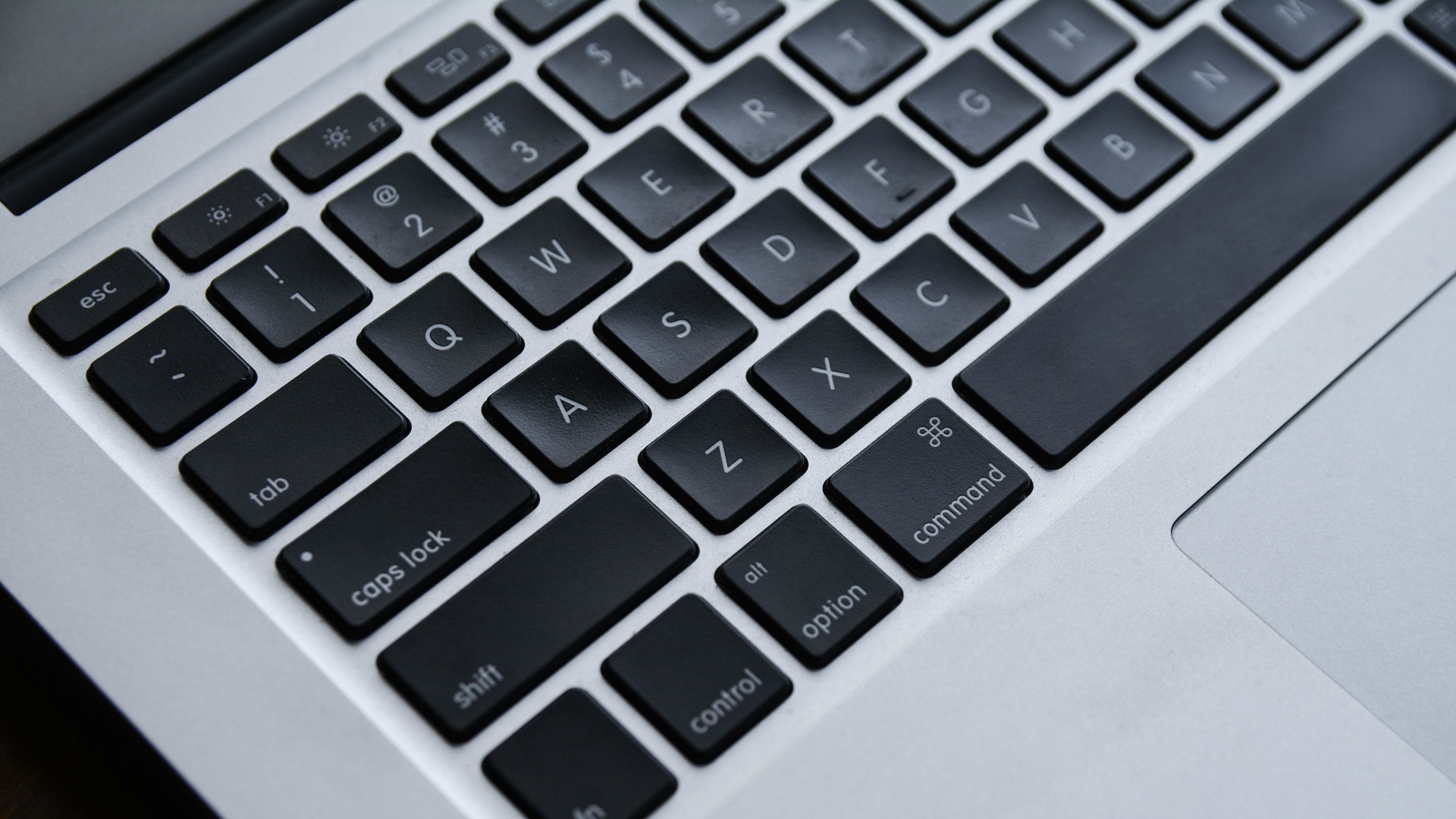
Apple introduced its ultra-thin butterfly keyboard mechanism in MacBooks starting in 2015, and what followed was one of the most prolonged hardware failures in the company's recent history. Keys would stop registering, double-type, or get stuck because of a single speck of dust, and Apple's initial response was to defend the design rather than acknowledge the widespread problem. It took until 2019 for the company to begin reverting to a scissor-switch mechanism, but by then many users had already dealt with costly repairs, lost productivity, and a serious erosion of trust in Apple's laptop lineup.
4. Apple Maps
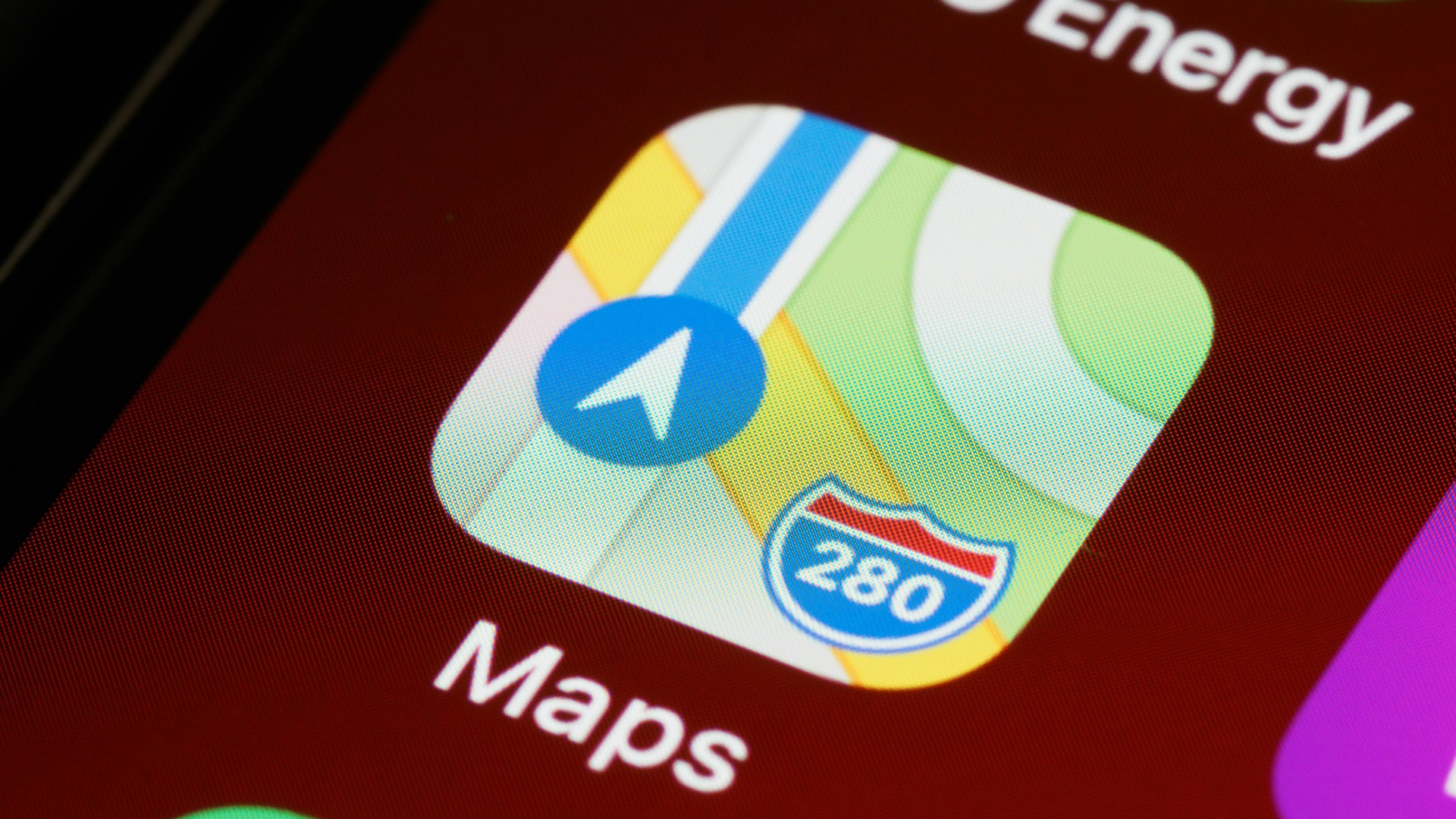
When Apple ditched Google Maps in favor of its own mapping app in 2012, the result was so buggy and inaccurate that it became a safety concern in some cases. Roads led to nowhere, landmarks were misplaced, and the app famously directed people to an airport runway in Alaska rather than the terminal. It's no wonder why people still stay loyal to Google Maps, despite all the updates and improvements Apple Maps has received.
5. iCloud Storage Limits
Apple gives every user a measly 5GB of free iCloud storage, which in our current era is hardly enough to back up a single iPhone, unless you store all your files externally. Android users, by comparison, get 15GB of free Google storage by default, making Apple's offering look stingy. The result is that millions of users are constantly hit with low-storage warnings and nudged toward paid iCloud plans, which only cause further frustration.
 Facundo Garcia Ciceri on Pexels
6. Siri
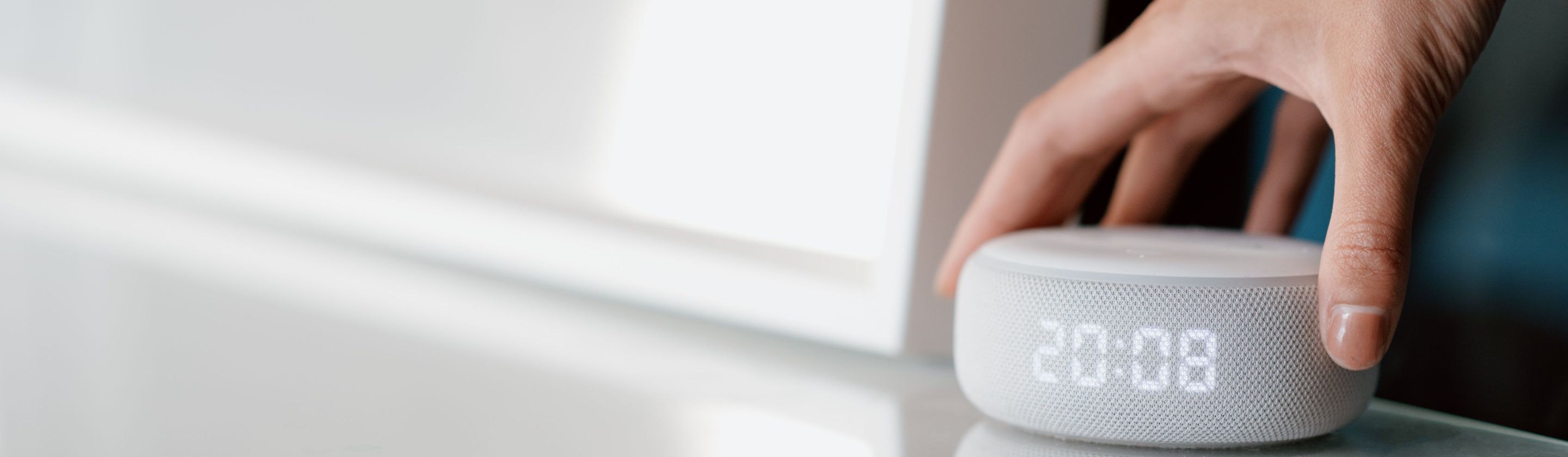
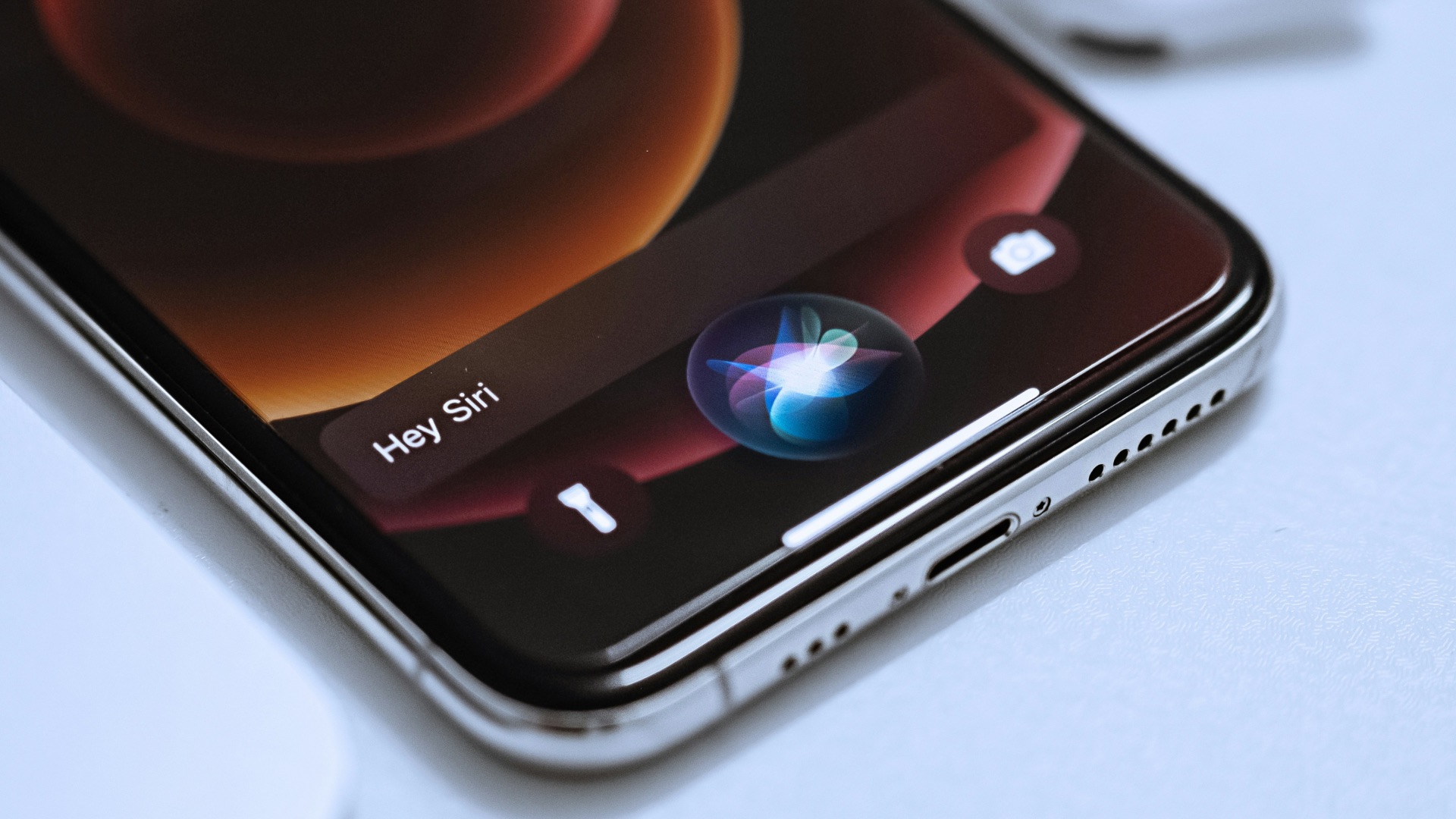
Apple introduced Siri in 2011 as a groundbreaking voice assistant, and for a brief moment, it felt like the future. But over a decade later, Siri still struggles with basic tasks that its competitors handle with ease. Google Assistant and Amazon Alexa have consistently outperformed Siri in accuracy, contextual understanding, and third-party integration, and Apple's attempts to improve the assistant have felt incremental at best. For a company that markets itself as being at the cutting edge of technology, having a voice assistant that users frequently complain about or simply stop bothering with is a significant and long-standing weak point.
7. Features That Come Years After Android
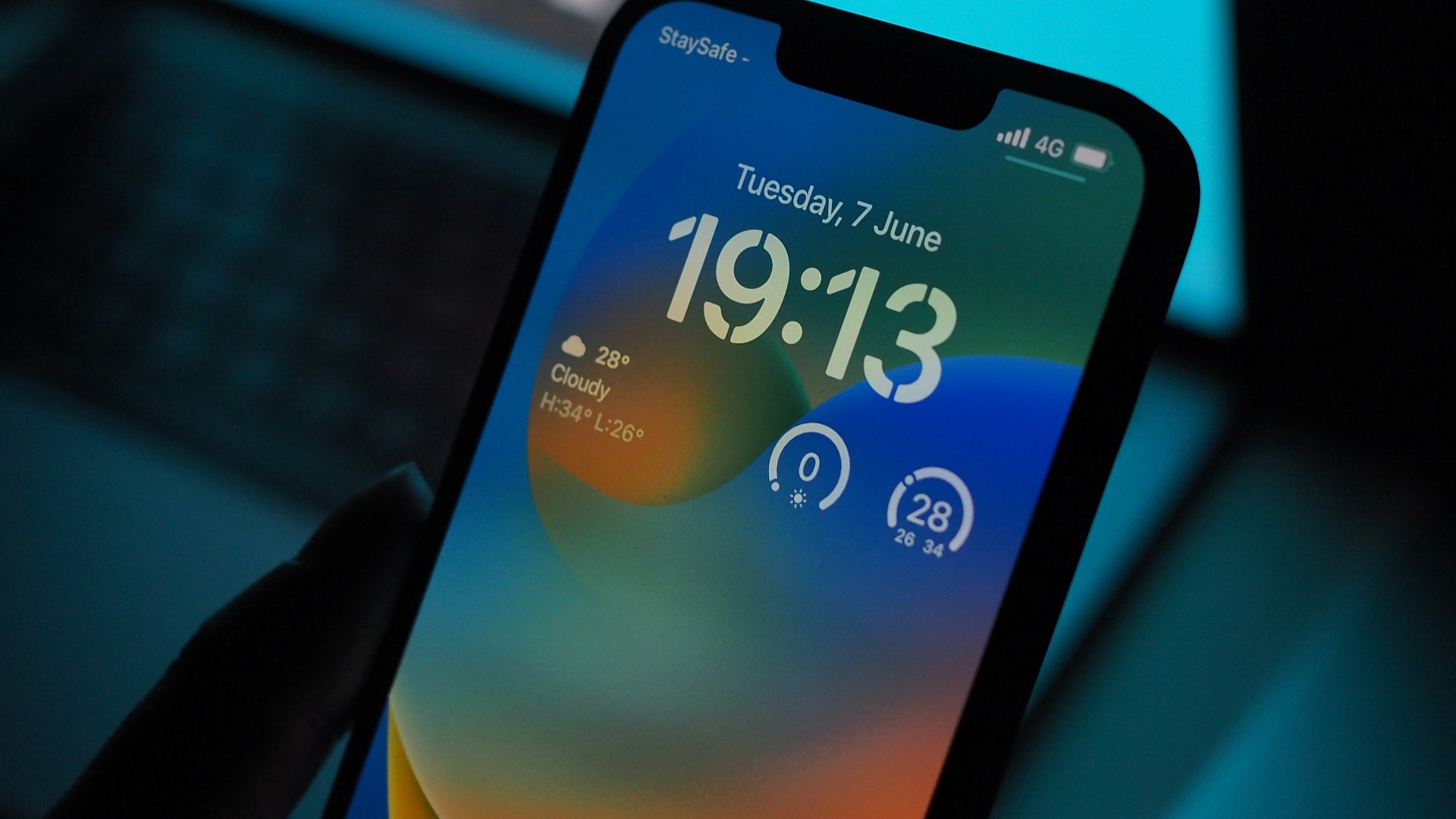
Some of the features that iPhone users celebrated as exciting additions were things Android users had been enjoying for years, which made Apple's rollout feel more like catching up than innovating. Always-on displays, customizable home screens, default app settings, and widgets were all standard on Android long before Apple got around to implementing them on iOS, and the delayed arrival often came with limitations that Android had already moved past. It's a pattern that's frustrated loyal iPhone users who couldn't understand why features that were clearly possible kept getting held back, cycle after cycle.
8. Right to Repair
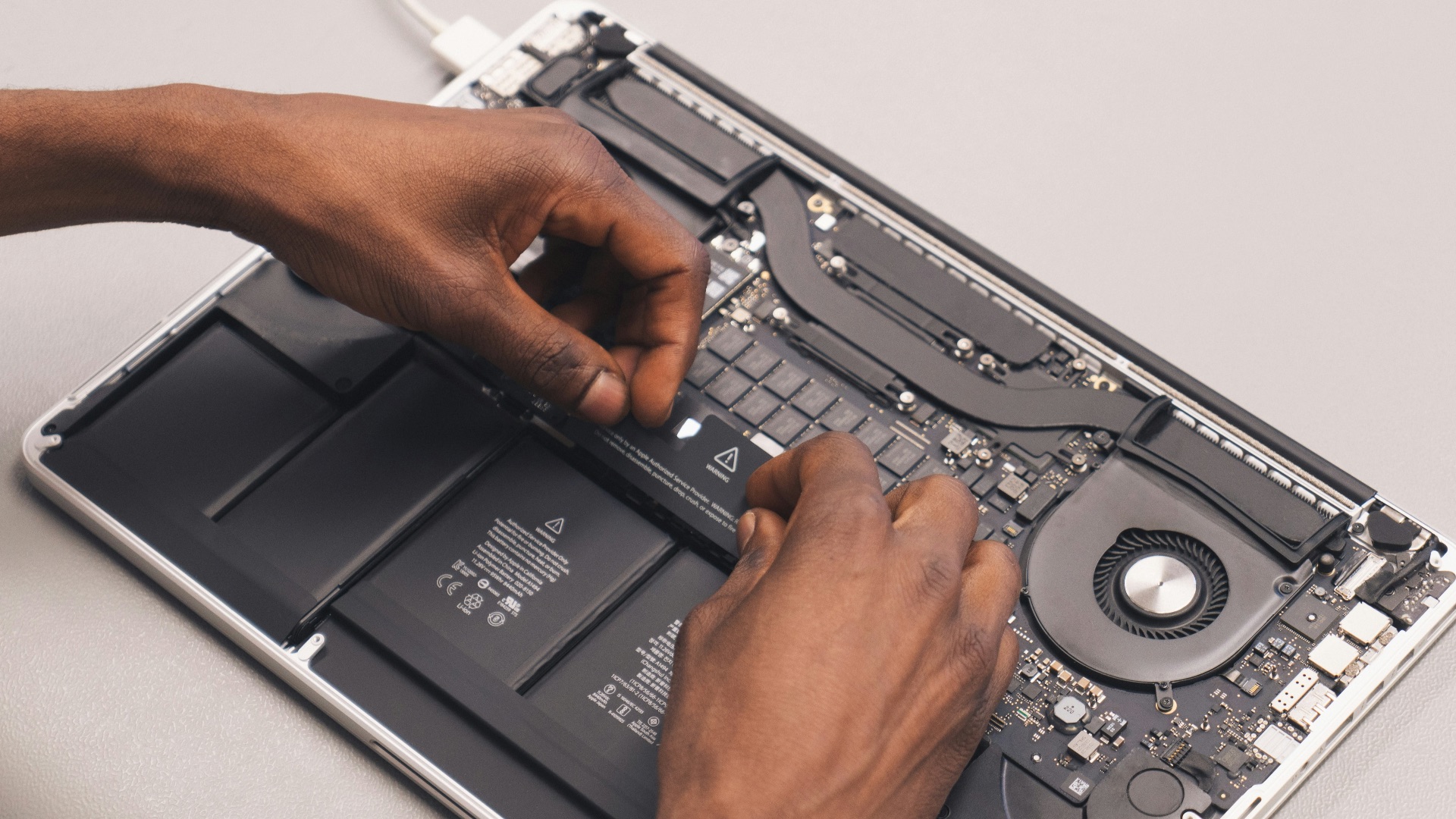
For years, Apple aggressively lobbied against right-to-repair legislation and made it extraordinarily difficult for independent repair shops to fix its devices, which forced users into expensive official repair channels or rendered broken devices essentially worthless. The company used software locks, proprietary screws, and parts pairing to make third-party repairs harder, a practice that drew sharp criticism from consumer advocacy groups and lawmakers alike. Apple has since made some concessions, including a self-repair program, but its track record on this issue left a lot of users feeling like they didn't actually own the products they'd paid for.
9. Unaffordable Products
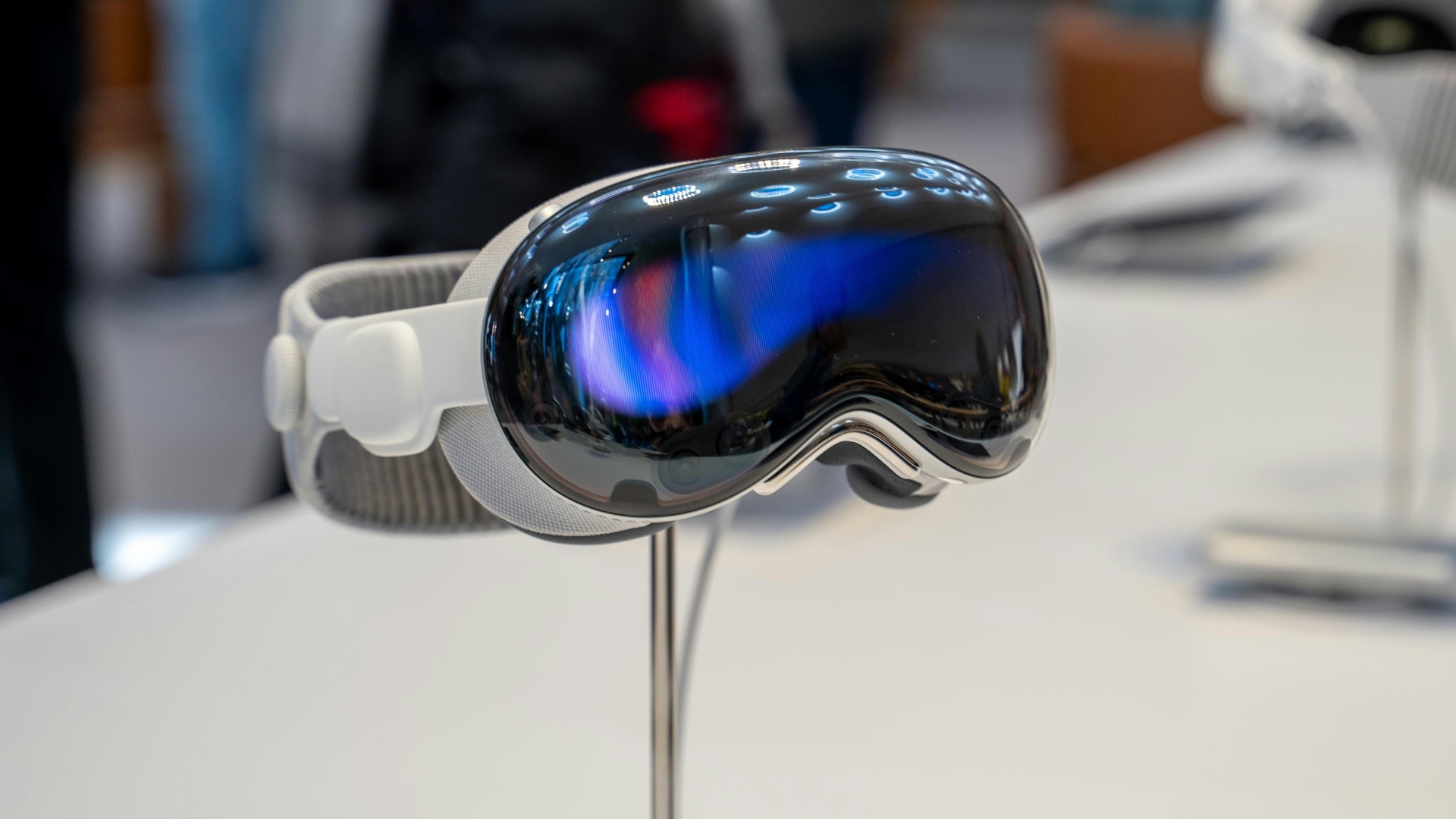
You get what you pay for, and with Apple, its premium products do come with hefty price tags. However, this means that many products in their lineup are often wholly unaffordable for the general consumer; take the Vision Pro headset, for example, which arrived in early 2024 with a price tag of $3,499. Even if it's a niche product that most people won't need or buy, the Vision Pro is far from being the only one that comes with too many dollar signs.
10. The Lightning Port Holdout
While the rest of the tech world standardized on USB-C, Apple held onto its proprietary Lightning connector for over a decade, forcing iPhone users to carry a separate cable that worked with almost nothing else. The company finally switched to USB-C with the iPhone 15 in 2023 (largely because the European Union mandated it), and the transition highlighted just how long Apple had prioritized its own ecosystem over the convenience of its users.