Why Adults Are Spending Thousands on Pokémon Cards Again
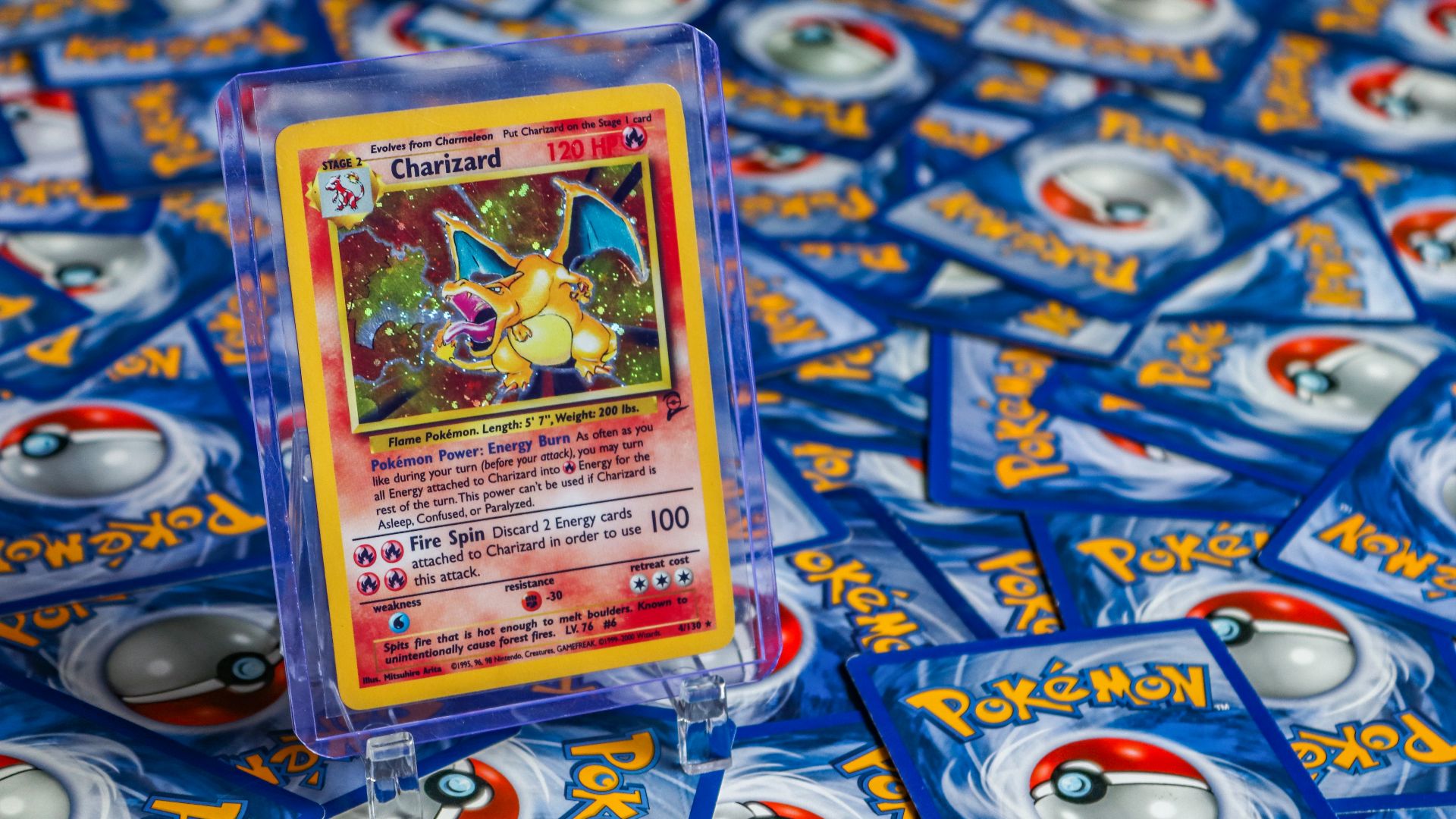
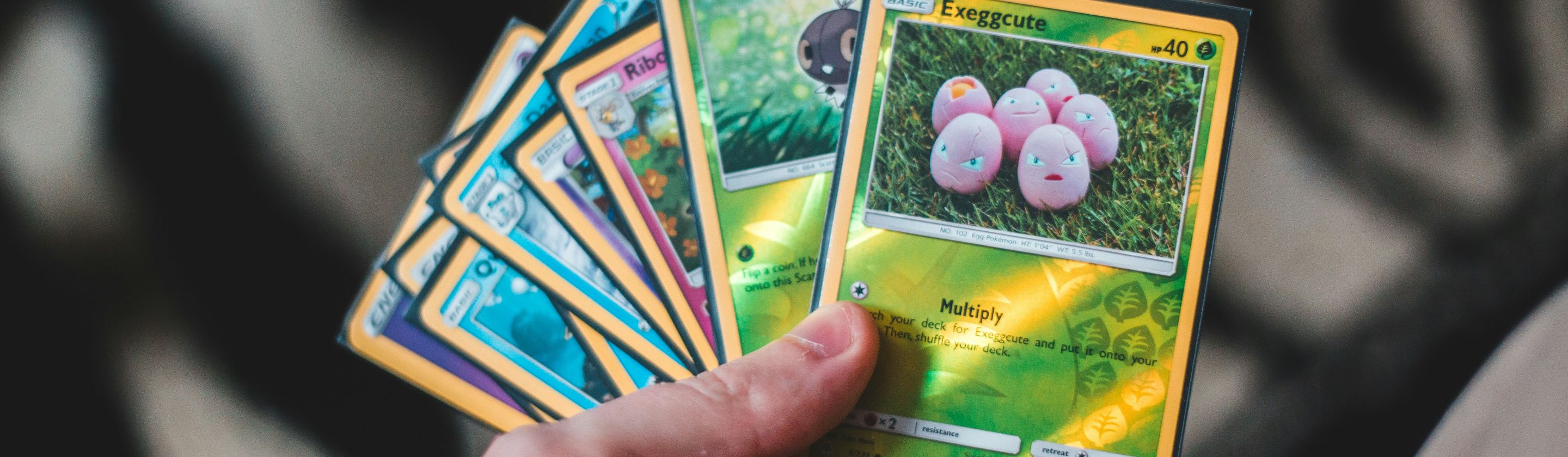
There was a time when Pokémon cards were simply something kids traded on the playground, hoping to score a shiny Charizard. A few decades later, those same kids are all grown up and spending hundreds, sometimes even thousands, of dollars on cards they once stuffed into shoeboxes. What began as a childhood pastime has turned into a serious collecting market, attracting nostalgic fans, dedicated enthusiasts, and even wealthy investors.
However, this renewed obsession isn't just about revisiting childhood memories. Rare Pokémon cards are now extremely valuable, and social media has introduced a new generation to the thrill of opening booster packs. With the franchise celebrating its 30th anniversary in 2026, it's worth exploring why so many adults are suddenly willing to spend serious money on colorful pieces of cardboard.
Childhood Nostalgia Is Bringing Collectors Back
For many adults, Pokémon cards bring back memories of trading with friends, completing collections, and watching their favorite characters on TV. Those who grew up during the franchise's original boom in the late '90s are now in their 30s and 40s, often with considerably more disposable income. Purchasing rare cards gives them an opportunity to reconnect with something that made their childhood exciting.
Unlike when they were kids, today's collectors obviously no longer have to depend on weekly allowances or birthday money to expand their collections. Someone who spent years wishing they owned a holographic Charizard might finally be able to afford the real thing. Fulfilling those childhood dreams is part of what makes certain cards so appealing, even when their price tags seem hard to justify.
The COVID-19 pandemic also helped reignite interest in Pokémon collecting. As people spent more time indoors, many returned to old hobbies and began searching online marketplaces for familiar childhood treasures. Pokémon cards saw a huge increase in attention, bringing former collectors back to a hobby that had evolved significantly since they last opened a pack.
What's particularly interesting is that this excitement isn't limited to people who grew up collecting Pokémon cards. Younger adults have discovered the franchise through video games, animated series, and newer card sets featuring increasingly impressive artwork. As a result, the collecting community now includes several generations of fans who might have discovered Pokémon in completely different ways.
Rare Pokémon Cards Can Be Worth a Small Fortune
Another major reason adults are spending so much on Pokémon cards is that some have become genuinely valuable collectibles. Certain vintage cards can fetch astonishing prices, especially when they're difficult to find and remain in exceptional condition. Early promotional releases, first-edition cards, and sought-after Charizard varieties have become particularly desirable among collectors willing to pay a premium.
Professional grading has further changed how people approach buying and selling these cards. Companies like Professional Sports Authenticator (PSA) carefully inspect collectibles and assign numerical grades based on their condition. A card awarded a perfect PSA 10 can command a much higher price than the exact same card with minor damage, meaning even the smallest imperfections can make a difference.
You don't necessarily have to look back to the 1990s to find expensive Pokémon cards, either. Modern sets feature elaborate illustrations, exclusive promotional releases, and other collectibles that sometimes attract impressive resale values. Some enthusiasts even spend hundreds of dollars on sealed products, hoping they'll uncover a particularly rare card that makes the purchase worthwhile.
Still, the possibility of making money comes with risks that new collectors should understand. Card prices can rise or fall sharply depending on demand, changing trends, and how many copies are available. While some collectors have made large profits, buying Pokémon cards isn't a reliable investment strategy, particularly when excitement pushes prices beyond what buyers might normally consider reasonable.
Social Media Has Made Pokémon Collecting a Spectator Sport
Opening Pokémon card packs has become an entertainment category of its own, particularly on YouTube, TikTok, and livestreaming platforms. Popular creators regularly record themselves opening expensive boxes and booster packs, keeping viewers interested with the possibility of discovering something incredibly rare. These videos can attract huge audiences because people get to enjoy the suspense of a valuable pull without spending their own money.
Online pack openings have also introduced fans to cards and products they might otherwise never have noticed. Seeing a creator discover a beautiful illustration card can encourage viewers to start hunting for the same collectible. When social media is constantly showcasing exciting discoveries and expensive cards, it's easy to understand how more people get drawn into the hobby.
Away from their screens, collectors also have plenty of opportunities to connect with fellow enthusiasts. Trading card conventions, neighborhood hobby shops, and organized gatherings give adults places to buy, sell, and trade their favorite Pokémon cards. For many people, the friendships and shared excitement that come with these events are every bit as enjoyable as adding something valuable to their collections.
Perhaps what's most fascinating about Pokémon's comeback is how much the hobby has evolved without losing the excitement that made it popular in the first place. Adults might now compare grading scores, discuss auction prices, and follow market trends instead of negotiating playground trades, but discovering a favorite Pokémon still feels special. Whether someone spends $10 on a few booster packs or $10,000 on a rare collectible, the motivation often comes back to the same simple enjoyment they remember from childhood.