
Already Installed Somewhere
Homes change slowly because replacing what's already there is expensive. A heating system can last decades, and even a small change to building codes can take years to show up in ordinary houses. That makes the future of housing somewhat easier to predict than the latest smart-home announcements suggest. The features most likely to become common by 2040 are already finding their way into new construction, where they have to prove they're worth the cost. Here are 20 with a real chance of becoming standard.
1. A Car That Powers the House
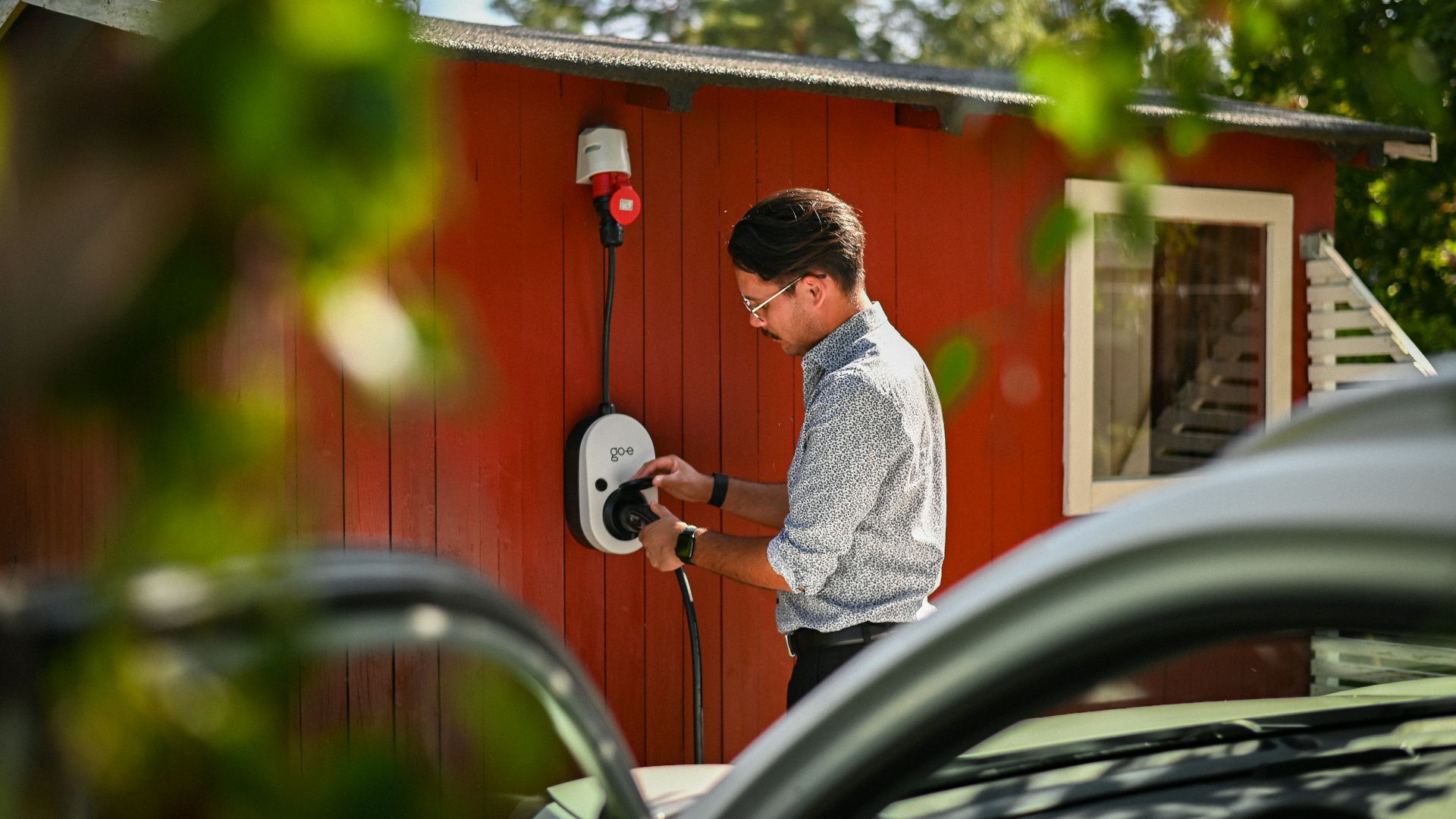
Bidirectional charging works today on the Ford F-150 Lightning, which can run a house through an inverter during an outage. ISO 15118-20, the standard that makes the handshake general across brands, is written. What's left is hardware cost and utility permission.
2. An Induction Range on a Regular Outlet
Putting a battery inside the appliance is the trick Impulse Labs uses, drawing burst power from the cells instead of the panel. The cooktop plugs into a standard 120-volt outlet, which removes the electrician visit that kills most gas-to-induction switches.
3. A Panel That Decides What Runs
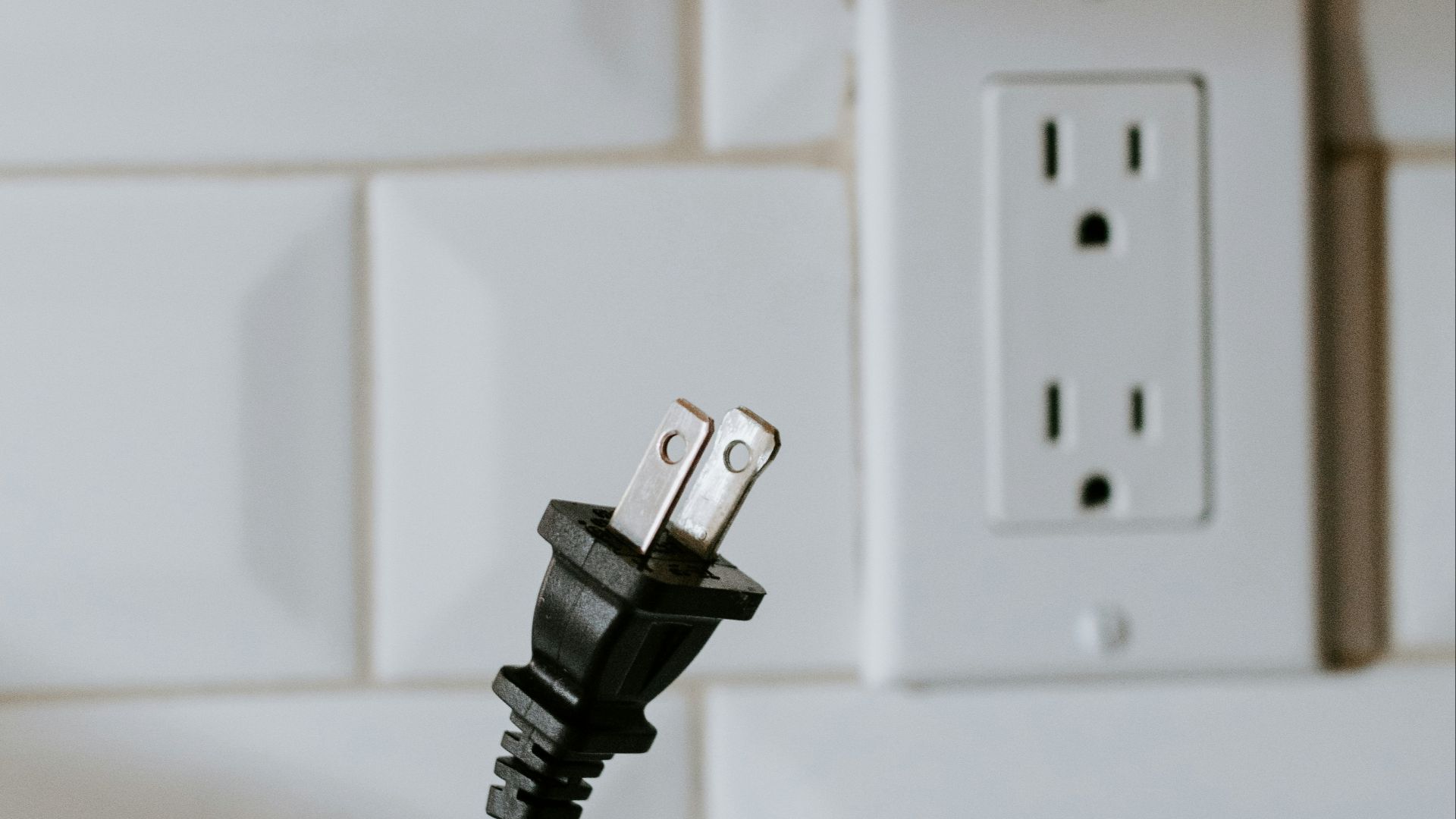
Smart electrical panels from companies like SPAN meter and switch individual circuits, letting a house add a car charger and a heat pump without upgrading its service. The alternative is a trench to the street and a wait for the utility.
4. A Water Heater the Utility Can Nudge
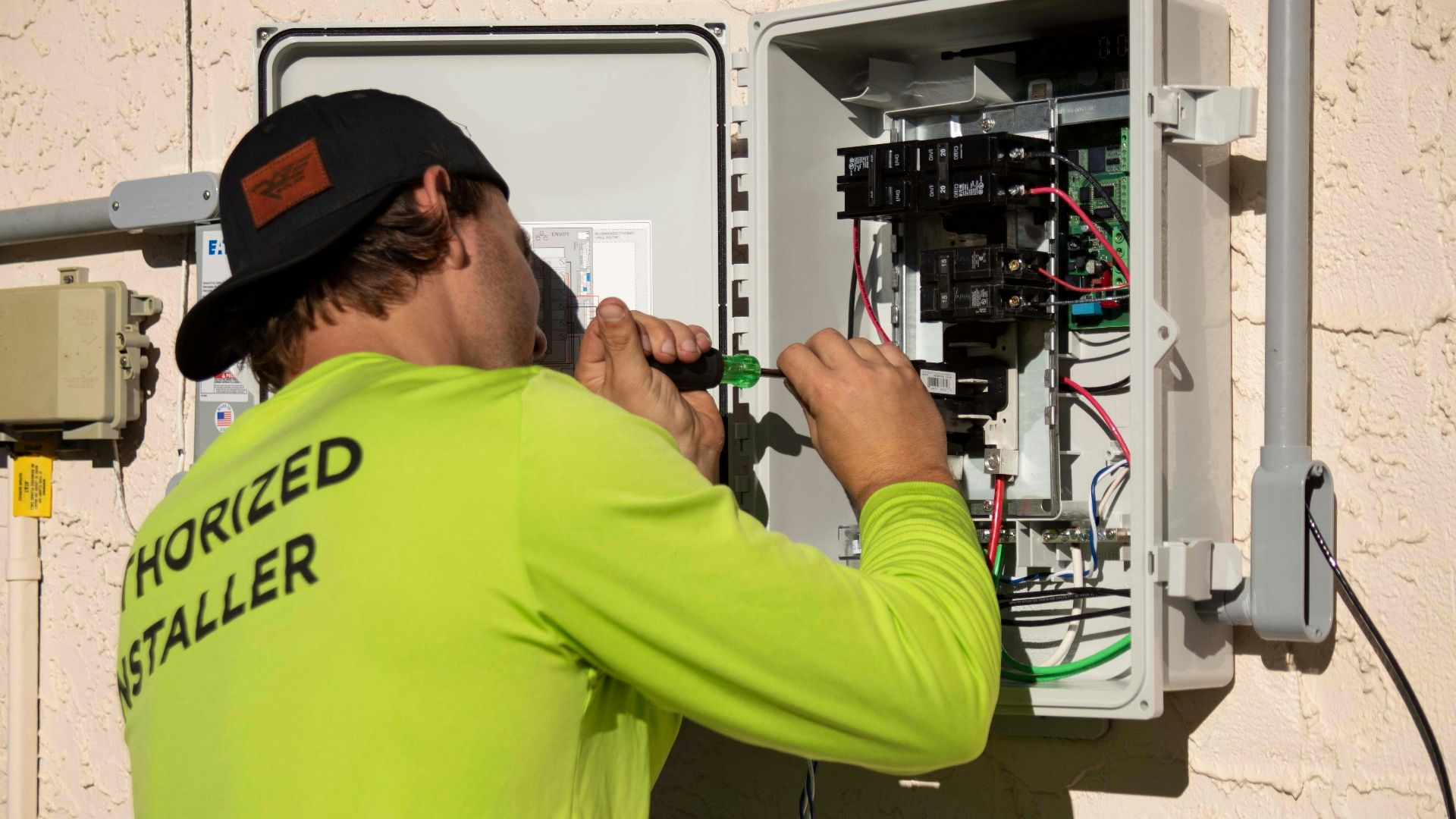
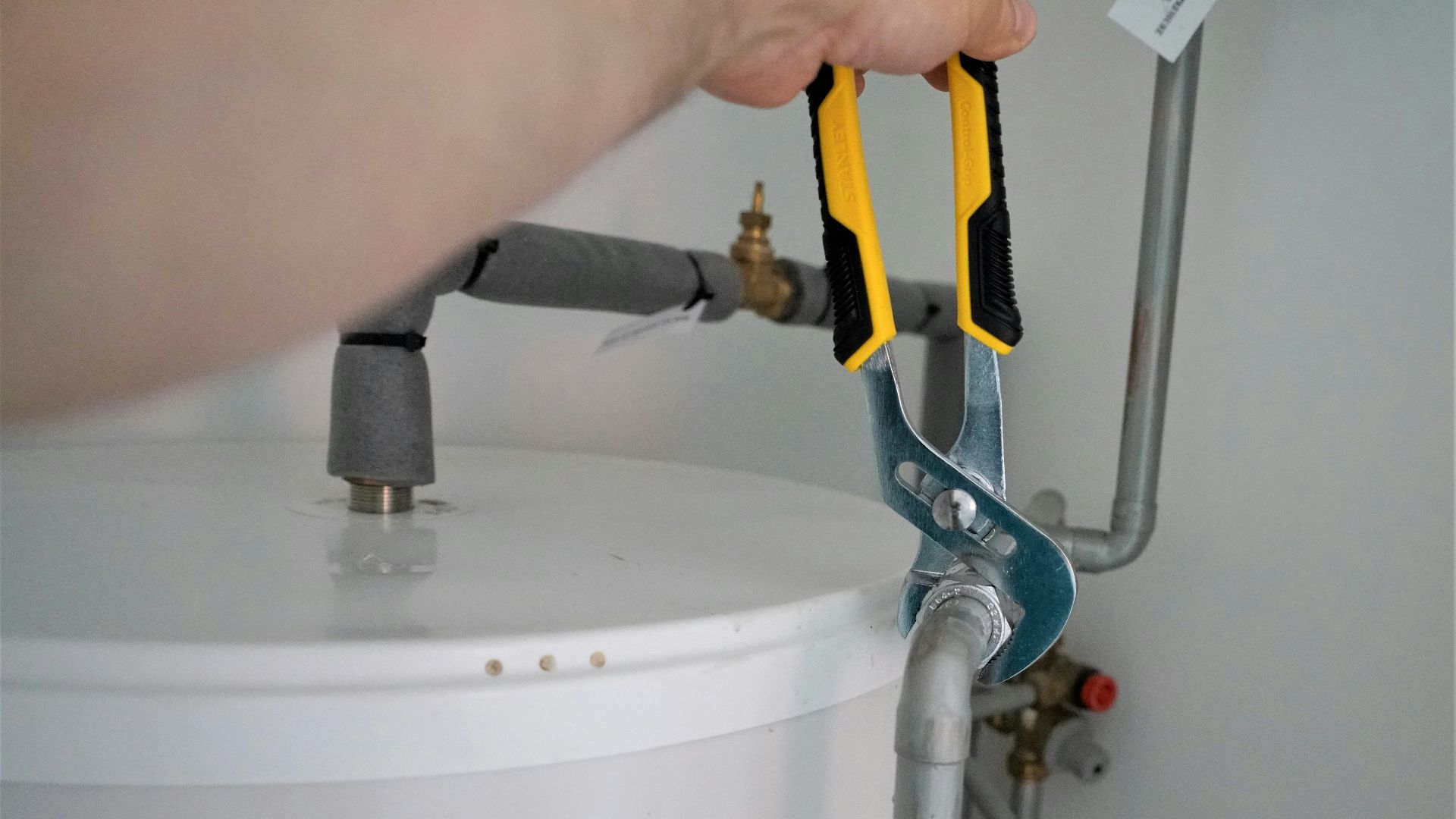
Some water heaters can now work with the electrical grid to reduce demand during busy hours. Models with an EcoPort connection allow participating utilities to schedule heating when electricity demand is lower. The insulated tank keeps the water hot until it's needed, effectively storing energy without a battery.
 Marian Florinel Condruz on Unsplash
5. A Dryer With No Vent
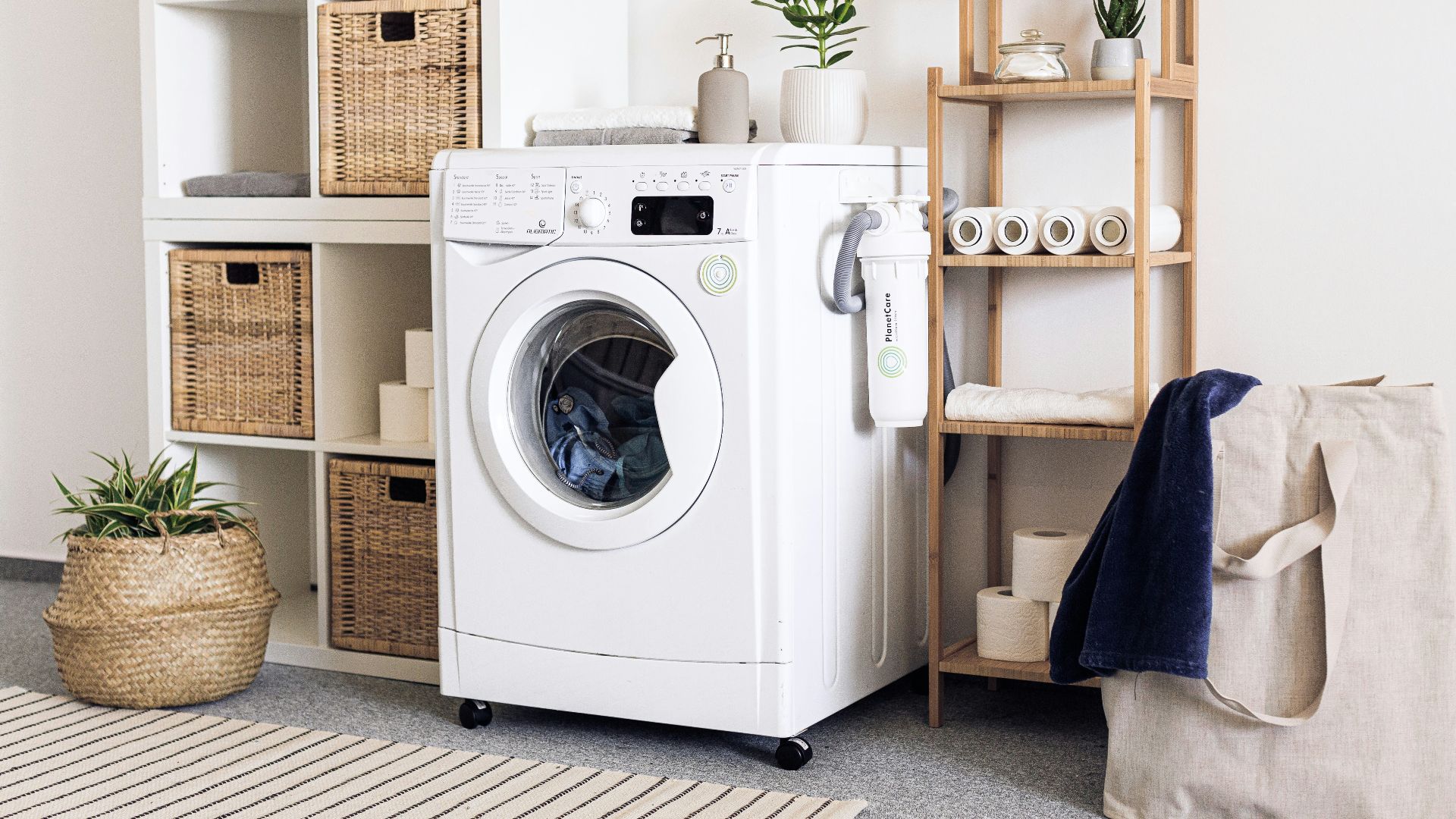
Heat pump dryers recycle their own heat instead of blowing conditioned air out through a hole in the wall. They take longer per load, which is the tradeoff that has kept them niche in the United States and ordinary across Europe.
6. Refrigerants That Don't Warm the Planet Much
Starting in 2025, new home air conditioners in the U.S. began switching to refrigerants that contribute less to global warming. Some heating and cooling systems in Europe and Japan already use alternatives such as propane or carbon dioxide, which have an even smaller climate impact.
7. Glass That Changes Its Own Tint
Electrochromic windows darken on command and are installed in office buildings now, held back mostly by costing more than blinds. Vacuum insulated glazing is the quieter one, sealing a gap thinner than a pencil line between panes to reach triple-glazing performance in a frame that fits an old opening.

8. Structure Made of Engineered Timber
The 2021 International Building Code added construction types permitting mass timber up to 18 stories, which moved the material out of the demonstration-project category. Cross-laminated panels show up precut and go together quickly, which matters more to a builder than the carbon math.

9. Concrete With a Carbon Limit
Building regulations are starting to account for the pollution created when construction materials are manufactured. Concrete is a major focus because cement production generates substantial carbon emissions. New standards are encouraging builders to use cleaner alternatives, which could become routine in future homes.

10. A Ground Loop Shared With the Neighbors
In Framingham, Massachusetts, a utility switched on a networked geothermal system in 2024 that ties a few dozen homes and businesses into one loop about a mile long. Everyone connected draws heating and cooling from the same underground pipe. The utility maintains it the way it maintains a gas main.
11. Walls Printed by a Gantry Robot
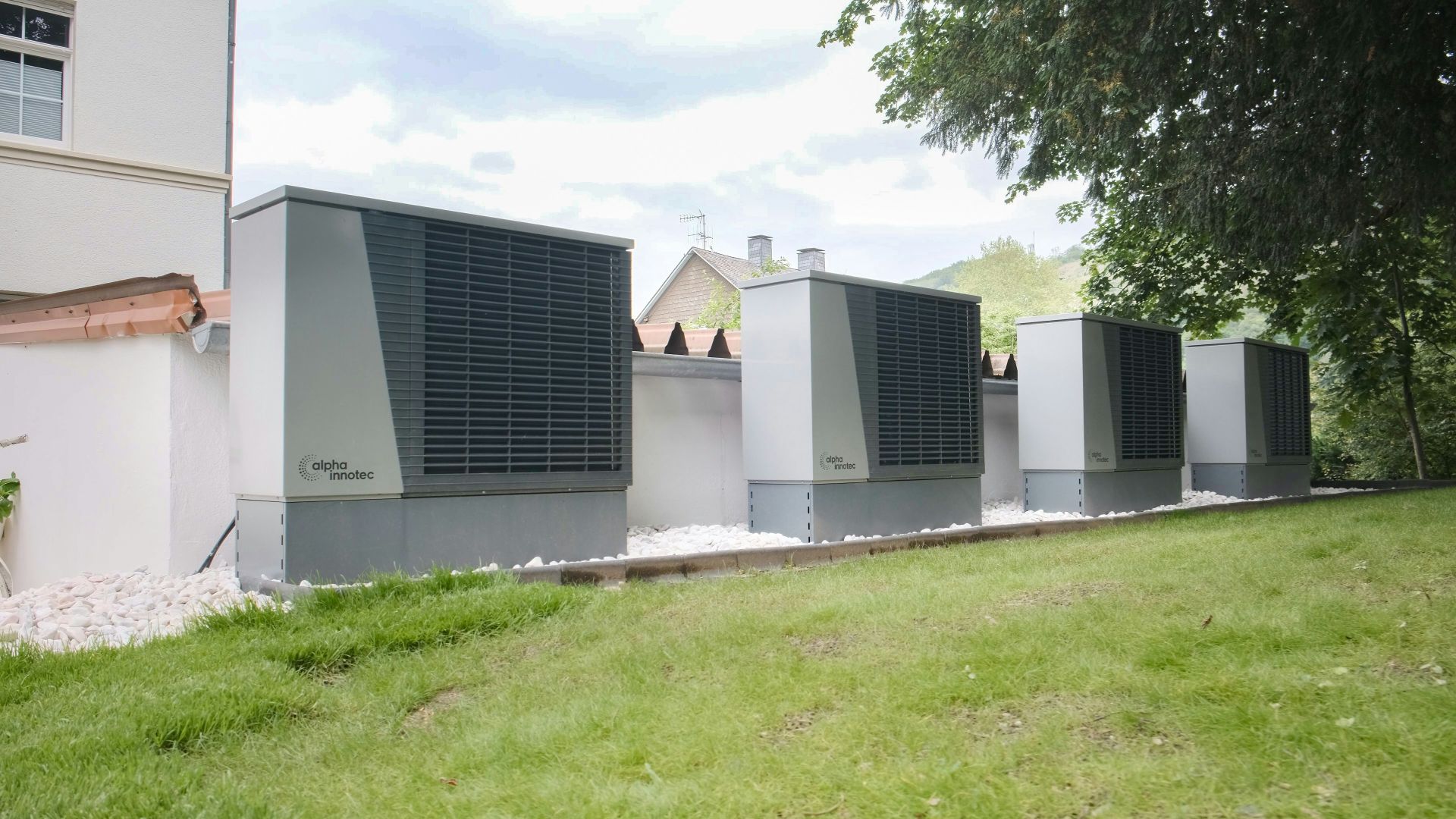
About 100 3D-printed houses went up in a single development in central Texas, the largest printed neighborhood built so far. A robot extrudes layered concrete for the wall structure while crews frame the roof the usual way. Printing takes over the part of the build that is hardest to staff.
12. A Heat Pump That Hangs in a Window
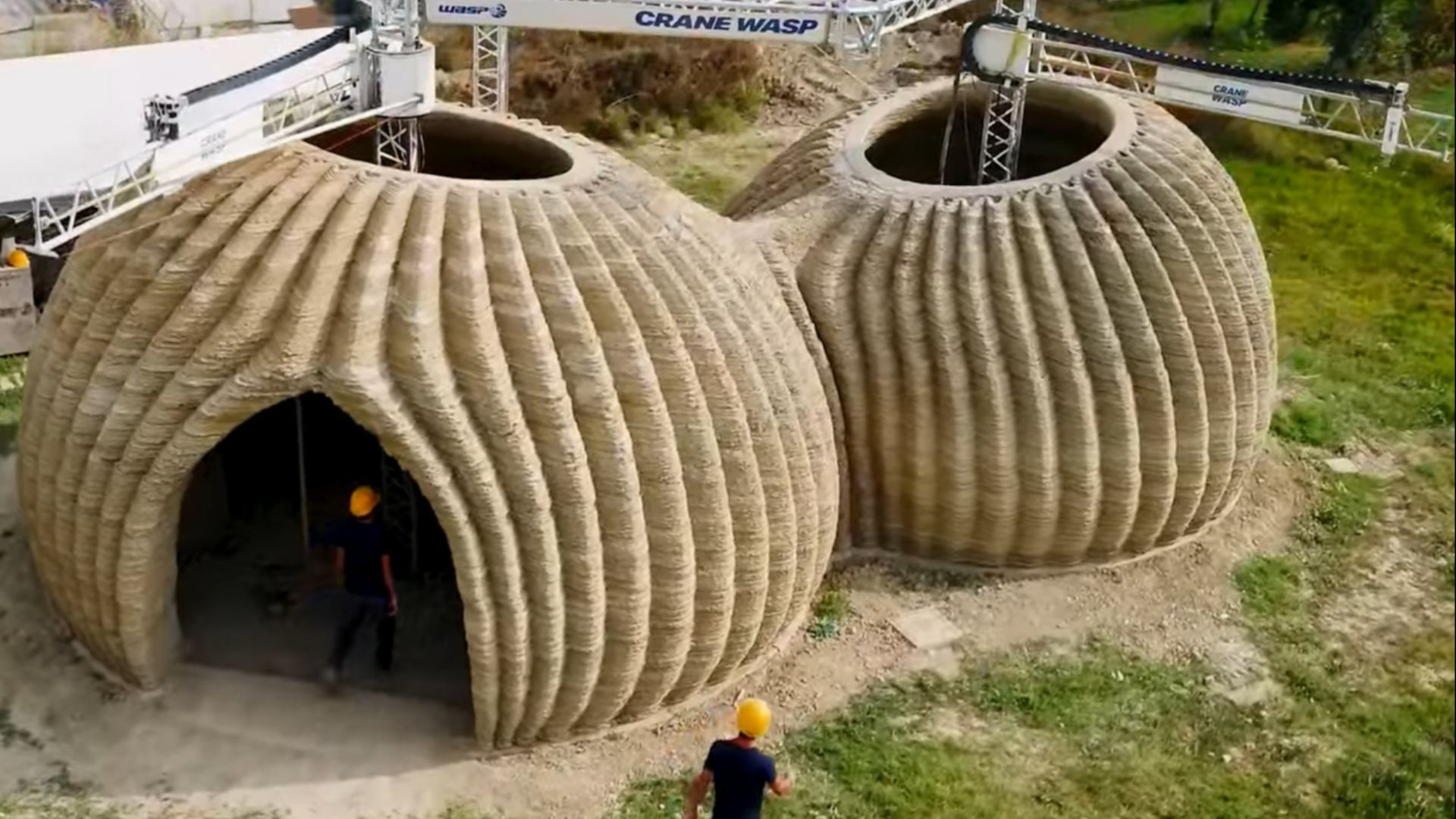
New York's public housing authority ran a competition that produced window-mounted heat pumps, with 30,000 units planned across its buildings. They install like a window air conditioner, with no refrigerant lines drilled through an exterior wall. That removes the obstacle keeping apartments and rentals on electric resistance heat.
13. Heat Pulled Back Out of the Shower Drain
A drainwater heat exchanger is a copper coil wound around the vertical drain stack, warming incoming cold water with heat on its way out of the building. Units cut domestic hot water energy by roughly 15 to 22 percent in a typical house. Manitoba's building code already requires them where the plumbing allows.

14. Air Sensors Wired to the Equipment
Cheap particulate and carbon dioxide sensors are everywhere now, and ASHRAE published Standard 241 in 2023 with airflow targets for cutting infectious aerosols. The missing piece is connecting the reading to the fan, so the house responds without anyone opening an app.

15. Devices That Pair Once
Matter, a shared standard released in 2022, lets smart home products from different manufacturers work together over Thread and Wi-Fi. A 2040 house plausibly has fewer apps and fewer dead hubs in a drawer.
 Sebastian Scholz (Nuki) on Unsplash
16. A Battery That Pays You
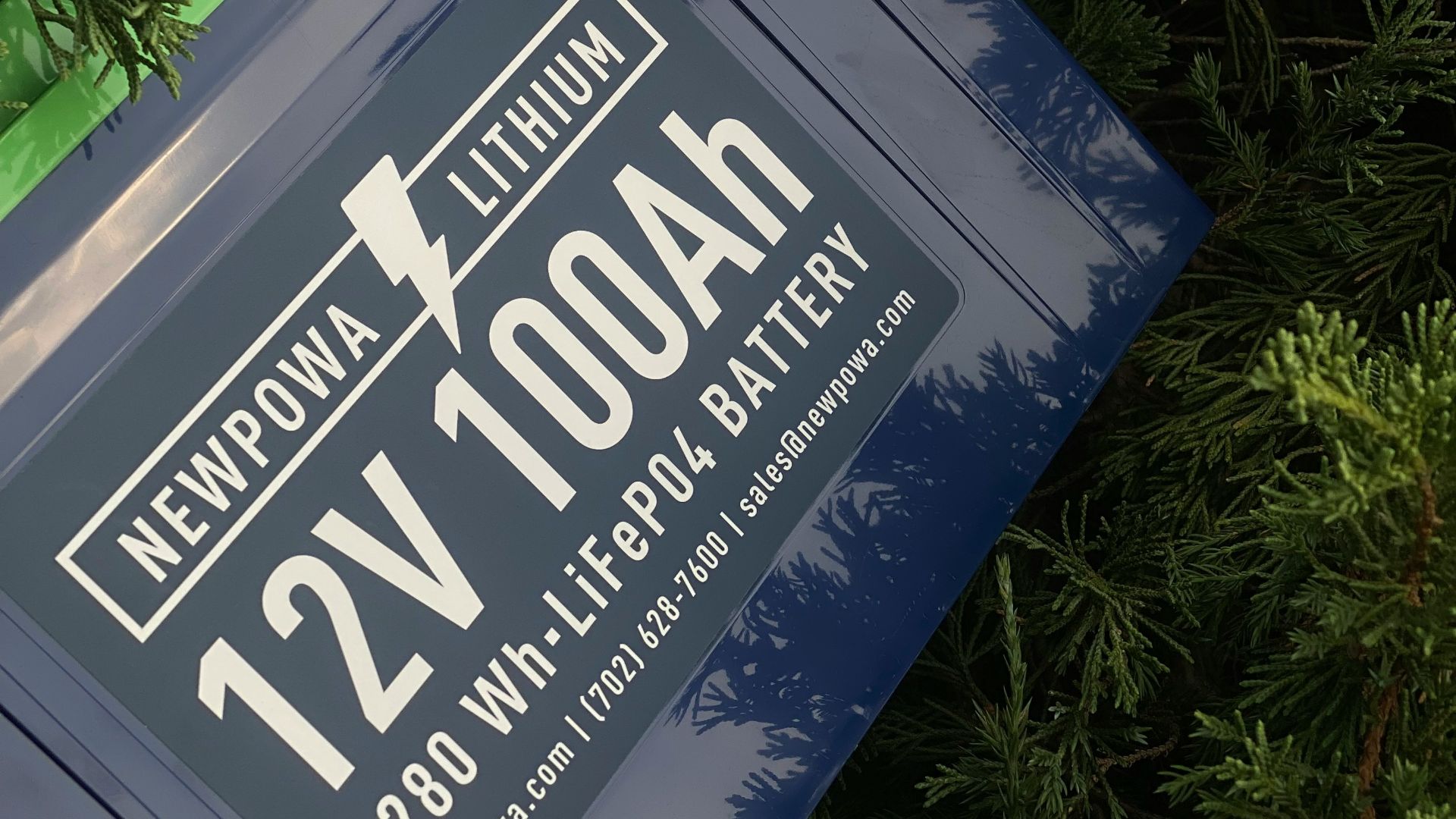
Utilities in several states now compensate homeowners for discharging batteries during peak demand, bundling thousands of houses into what gets called a virtual power plant. California runs some of the largest programs.
17. Radar Where the Motion Sensor Used to Be
Millimeter-wave presence sensors register a person sitting still, which the infrared motion detectors in most houses cannot manage. Consumer versions are already on the shelf, and the same sensing underpins fall detection for aging in place.

18. A Valve That Catches a Burst Pipe
Automatic shutoff valves watch flow patterns and close the main when something looks wrong, and several insurers discount premiums for having one. Water damage is among the most common homeowner claims, so the economics only point one way.
19. A Smart Home That Survives the Cloud
Local control means a light switch keeps switching after the manufacturer's servers go dark. Plenty of first-generation smart devices turned into plastic the week a startup folded, and running the logic on hardware inside the house is the fix the industry landed on.

20. A Roof That Is the Solar Array
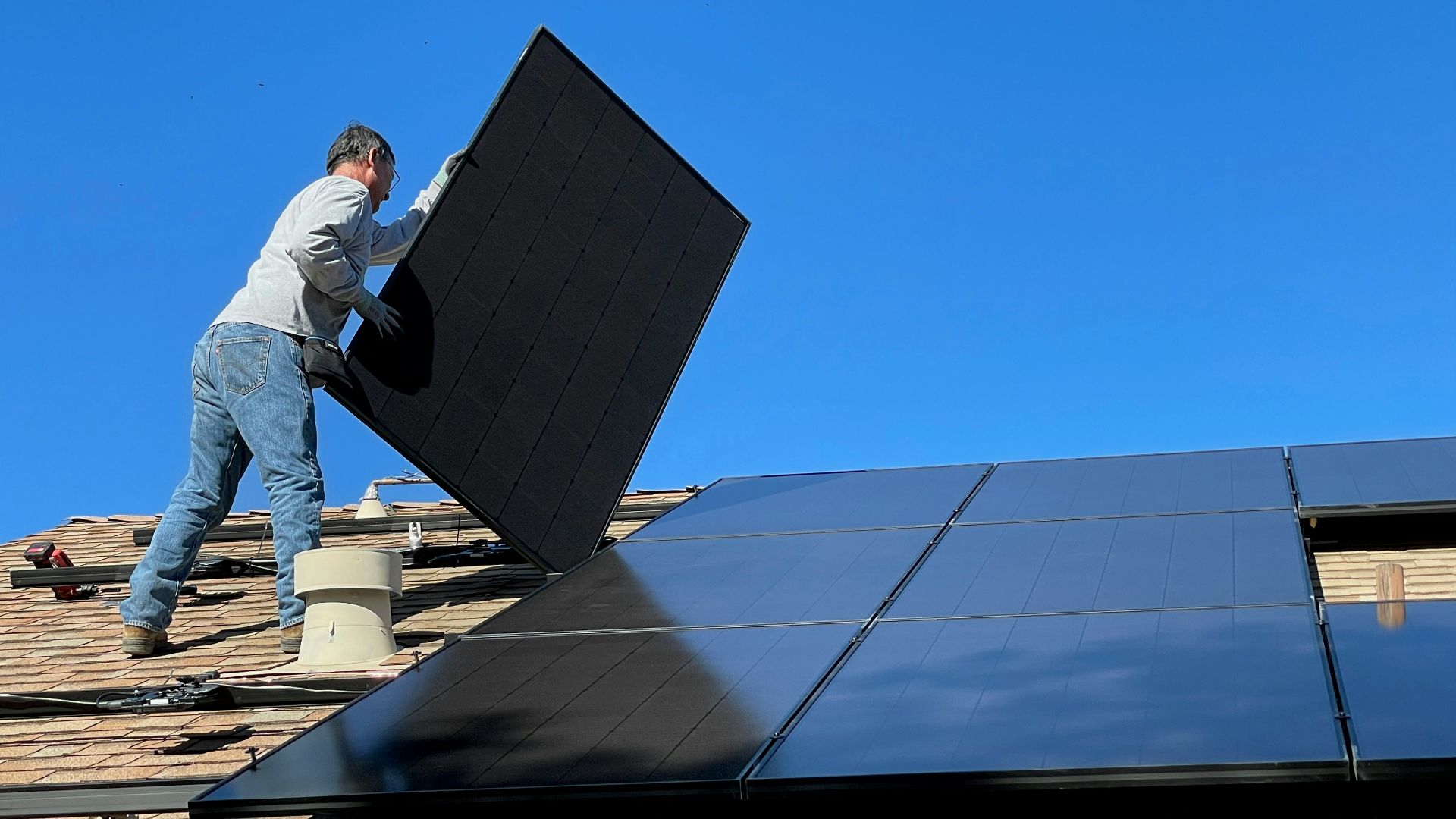
Nailable solar shingles put the generating surface where the roofing goes instead of bolting hardware above it. Several manufacturers sell them now, and the install becomes roofing work rather than two trades scheduled around each other.