 National Cancer Institute on Unsplash
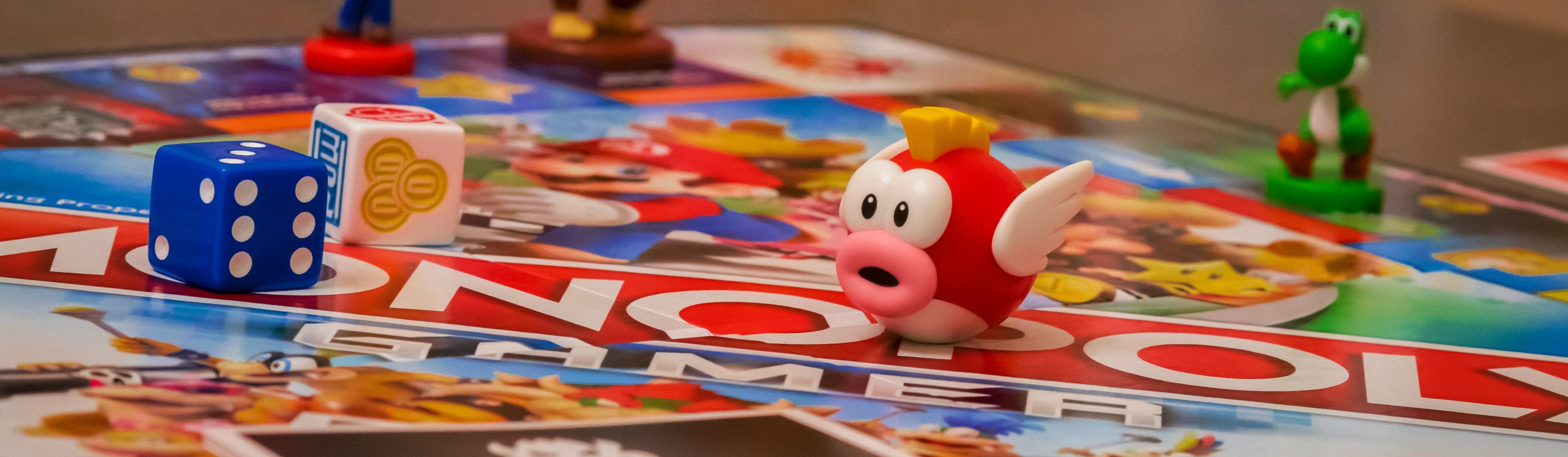
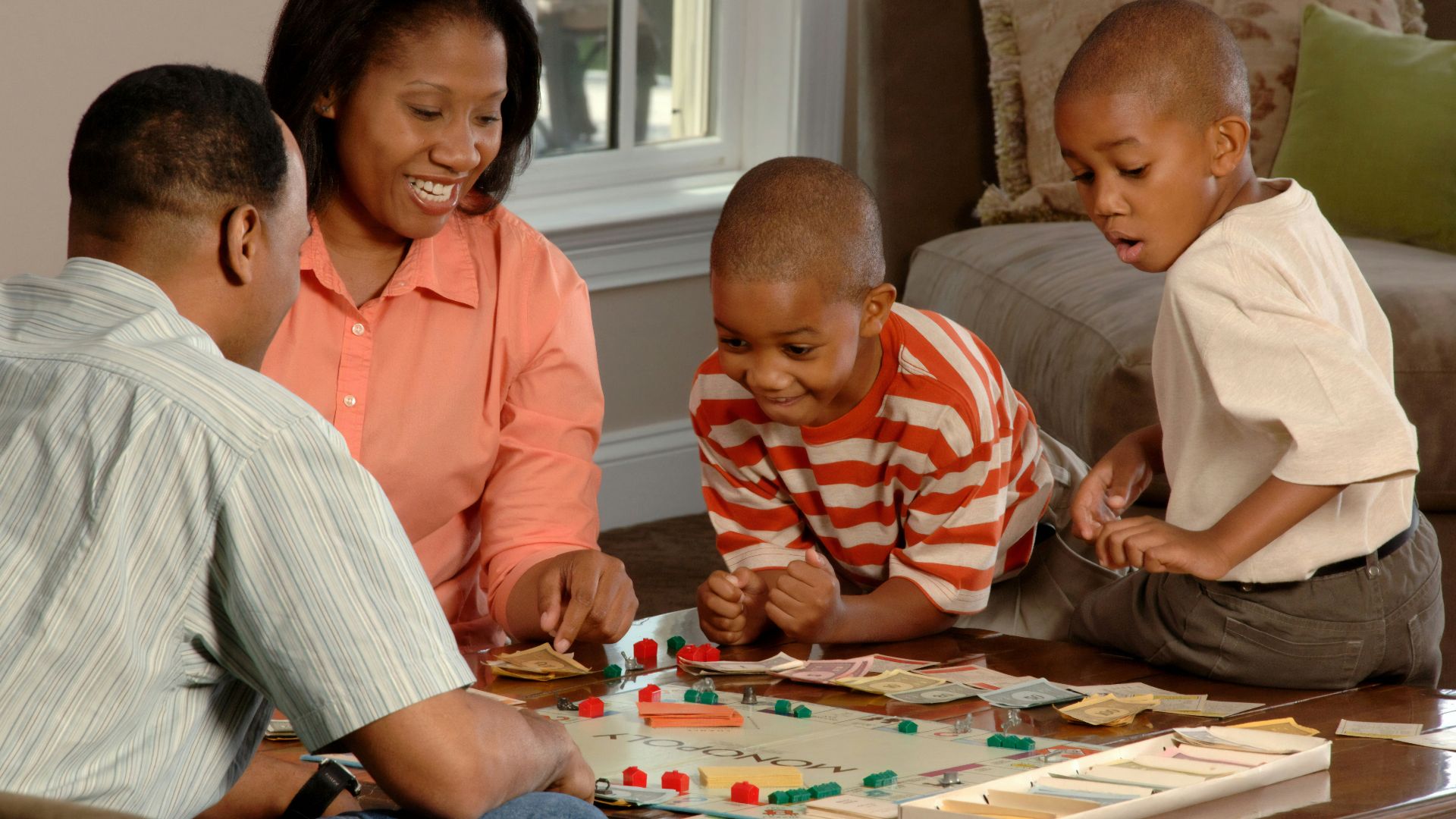
Anyone who has played Monopoly knows the emotional rollercoaster it brings. You start with a small stack of cash and a plan that falls apart the moment another player snatches the property you had your eye on. Kids experience all of this too, but beneath the laughs and friendly arguments sits something surprisingly educational.
Monopoly has a funny way of turning basic economic ideas into something kids can actually feel and react to while having fun. It becomes a tiny version of the real world, hidden neatly in a folding board. If you have ever wondered whether games can teach life lessons, this one definitely can, so let’s jump in and explore how it works.
Where Money Choices Start To Matter
The first thing kids learn without even realizing it is how money behaves when choices start piling up. Every turn brings a decision. They can buy a property or hold on to their cash for something else. They soon notice how easy it is to run short if they spend too quickly or how opportunities pass them by if they hesitate too long.
It becomes a comfortable way to practice budgeting without pressure. Kids begin to connect the idea of saving with security and spending with potential gain. Watching their pile of money shrink as they fix a hotel bill teaches that every action has a cost. By the time the game picks up pace, they have already absorbed an early understanding of how financial decisions shape long-term outcomes.
Experiencing Risk And Reward Firsthand
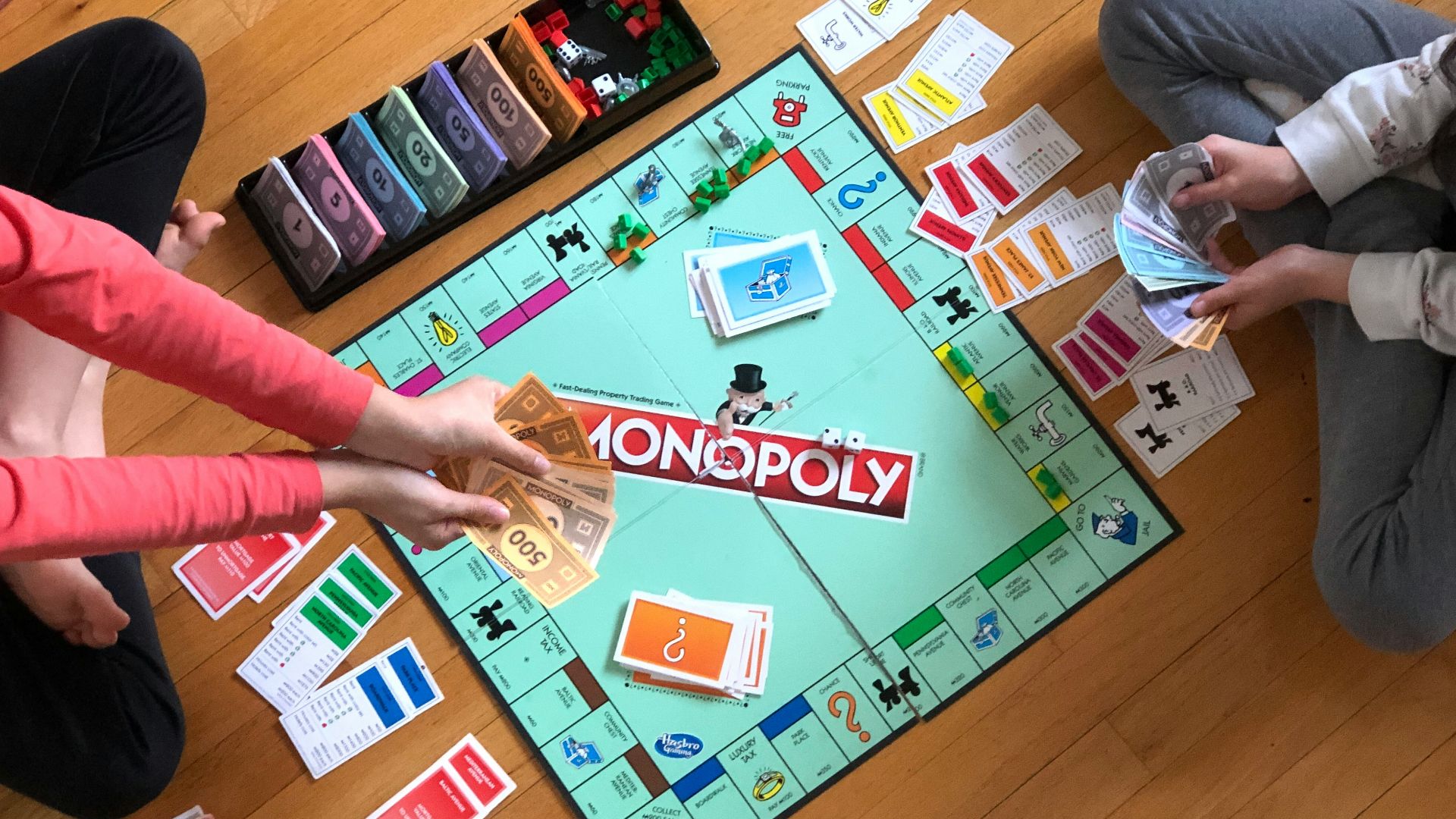
Monopoly gives kids a safe space to experiment with risk long before they face it in real life. Buying a property is a gamble. Building houses is another. You never know when the investment will pay off or when someone else will benefit instead. While adults may see it as luck, kids begin picking up on patterns and opportunities.
They start sensing which properties are smart investments and which ones feel risky. The game lets them explore what it means to take a chance and what it feels like when that chance turns into something profitable. Even losing becomes useful as it shows them that risk sometimes backfires, and recovering from it is part of the learning process. Instead of lectures about wise decisions, they get a hands-on preview of how risk and reward shape everyday choices.
Eventually, the board becomes crowded, and everyone starts talking about deals. This is where the game suddenly turns into a miniature economy. Kids realize that nothing moves without negotiation. Sometimes they need another player’s property to complete a set. These exchanges teach more than trading cards ever could.
In short, Monopoly may look like a simple board game, but it has a clever way of turning big ideas into practical experiences. So, if you want an easy way to make money lessons stick without turning them into a lecture, this classic game opens the door for you. You just have to roll the dice and let the learning unfold.