Is Professional Gaming A Viable Career Path? Here's Why Parents Still Don't Think So
Is Professional Gaming A Viable Career Path? Here's Why Parents Still Don't Think So
Kids take to all kinds of crazy notions when it comes to what they'll be when they grow up. But most parents would agree that professional gamer takes the cake. Or does it?
Bright lights flash, headsets hum, and entire arenas roar for players who never leave their chairs. For many teens, this is the dream: turning pixels into paychecks. Yet for parents, the concept still feels closer to gambling than to gainful employment. The truth sits somewhere in between—and it’s far more layered than most realize.
Big Wins, Short Careers
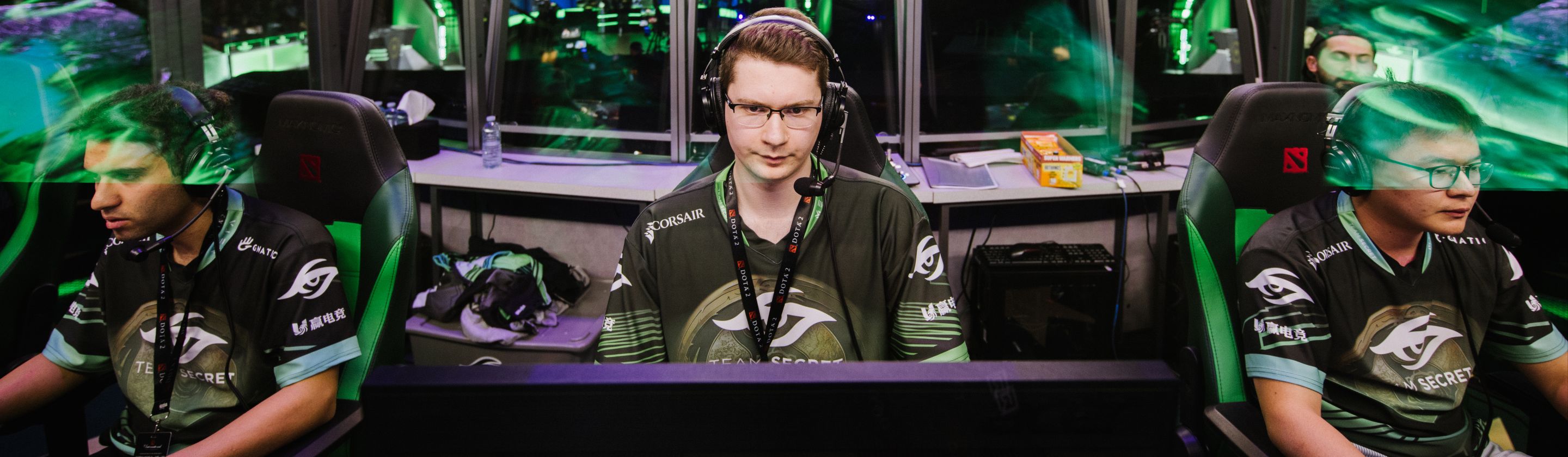
There’s no denying the numbers are tempting. The Dota 2 International tournament has paid out over $40 million in prize money, and Fortnite star Kyle “Bugha” Giersdorf earned $3 million at age sixteen in 2019. Professional gaming now mirrors traditional sports with contracts, sponsorships, and fan bases that rival NBA arenas. But success at that level is rare—and fleeting.
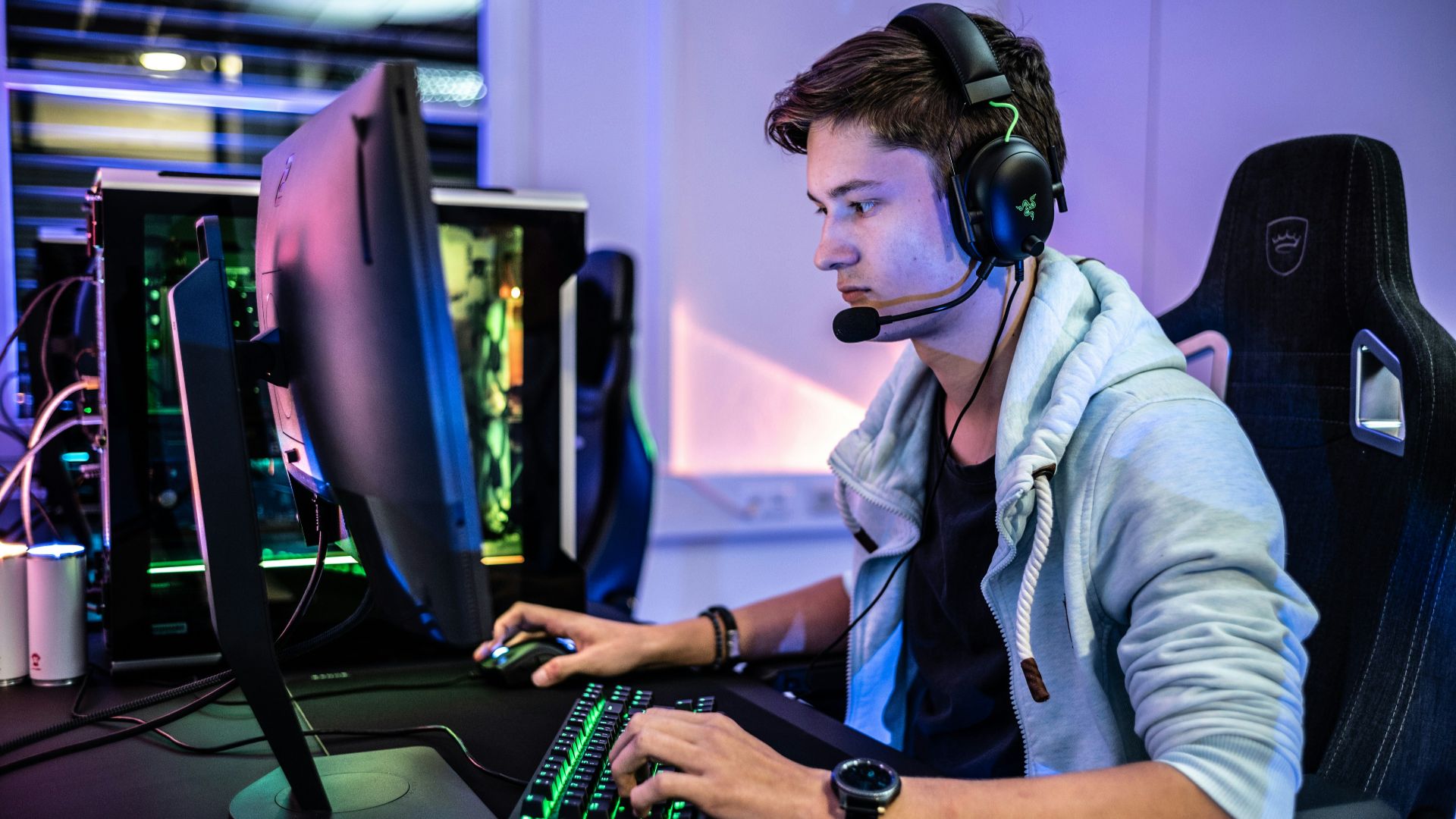
Most professional gamers peak before they hit 25, as reflexes slow with time and competition intensifies. Teams train up to 10 hours a day, sometimes in cramped rooms surrounded by glowing monitors and caffeinated air. Those long sessions come with a price—chronic wrist pain and eye strain. Parents watching their kids grind through sleepless nights can’t help but see health risks instead of career prospects.
What’s more, few players earn like Bugha. Outside top-tier leagues, average annual earnings for mid- and lower-tier players typically range from $40,000 to $80,000, before accounting for taxes, gear costs, and travel expenses. So while headlines love millionaire streamers, most professionals live paycheck to paycheck. For a generation that grew up valuing steady jobs with health insurance and retirement benefits, esports can look like a financial minefield.
Education, Pressure, And Parental Fear
Part of the tension comes from timing. Professional gamers start young (sometimes as early as 13 or 14), and parents see that as a risk to education. It’s hard to picture calculus homework fitting between practice blocks. Yet, universities are starting to change that narrative. Schools like the University of California, Irvine, now offer esports scholarships and dedicated training facilities.
Even so, the safety net remains thin. Most players retire early, and only a handful transition into coaching, team management, or content creation. The lack of a defined “afterlife” for players leaves parents nervous. For them, esports hasn’t yet proven it can sustain a full adult life with mortgages and all.
The emotional toll is another part that parents see clearly. Competition means public pressure and social isolation. The audience might cheer for victory, but it’s equally quick to turn toxic after losses. For parents used to physical sports, where teammates share a locker room and coaches monitor well-being, gaming can seem lonely and unguarded.
Final Score
So, is professional gaming a viable career path? For a select few, yes—exceptionally so. But for the majority, it’s a steep climb with few rails to hold onto. Parents’ hesitation isn’t ignorance; it’s realism born from experience.
Until esports offers structured career pipelines, healthcare coverage, and longer-term stability, many will keep their doubts. Still, every new college program and sponsorship deal nudges gaming a little closer to legitimacy. Maybe, one day soon, parents will see the headset not as a distraction, but as a career tool in its own right.