
 freestocks.org from Olsztyn, Poland on Wikimedia
Today, LEGO and Star Wars seem to go together like peanut butter and jelly, but it wasn't always this way. It may be hard to believe now, but there was a time when LEGO was almost out of business. Its partnership with the movie franchise in 1999—the first collaboration of its kind—saved it from financial ruin.
In the late 90s, LEGO was on the brink of collapse. Sales were plummeting as an increasing number of kids were turning towards video games. Many of the company's attempts to rebrand and stay relevant ended up being expensive misfires. Partnering with Star Wars was essentially its final gamble.
A radical departure
Before this venture, LEGO had always been based on open-world building and vehemently opposed linking itself to a specific franchise or fad. That's why tying itself to Star Wars and presenting kids with instruction manuals was so radical.
First sets
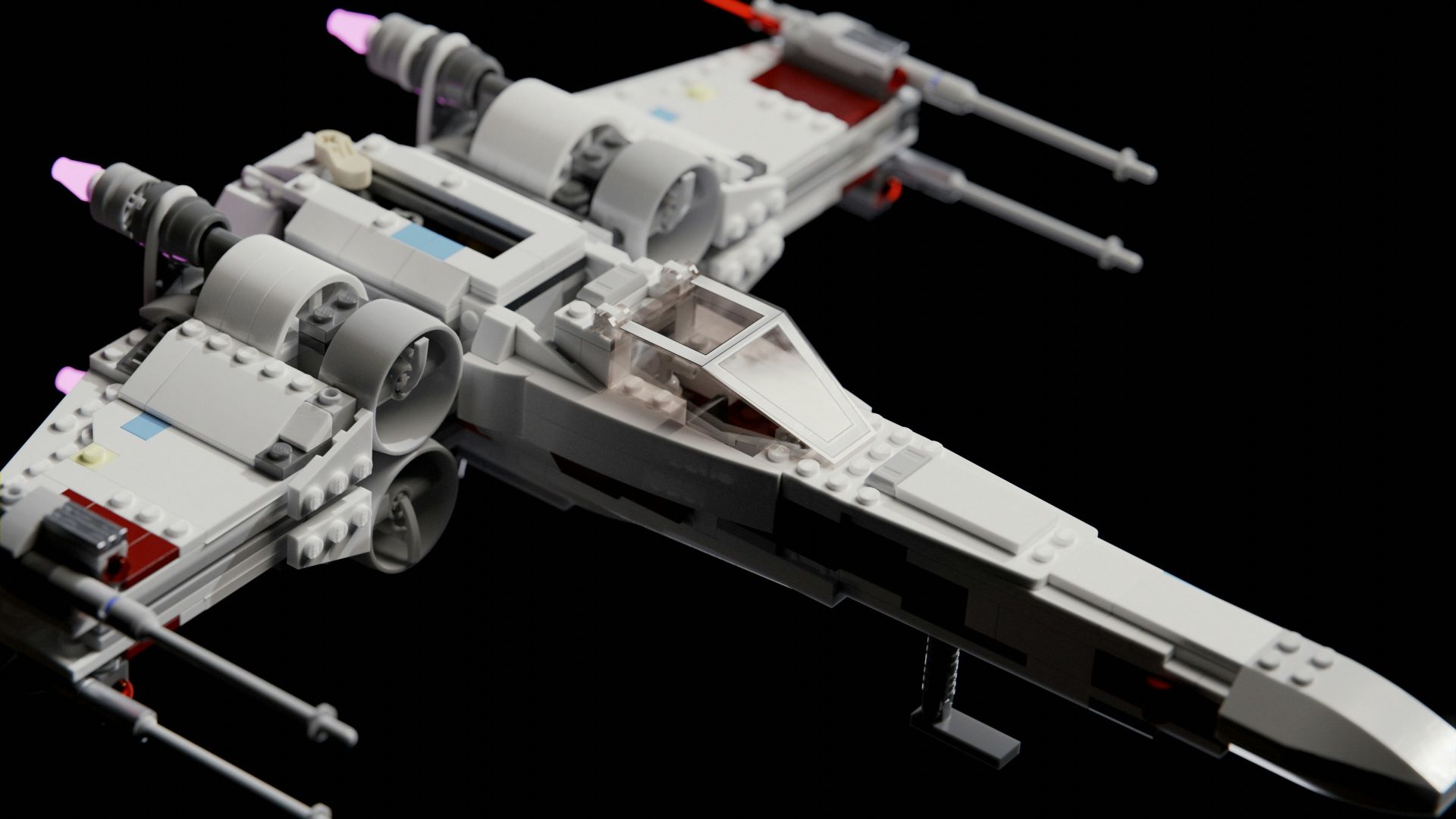
The first LEGO Star Wars sets launched in 1999, and they were an instant global phenomenon. They generated $130 million in the US alone and exceeded sales forecasts by a whopping 500 percent. They had both play value for kids and nostalgic appeal for adults.
It was the first time the company had tapped into a fandom that extended far beyond children. Sets like the X-Wing, Snowspeeder, and Naboo Starfighter flew off shelves, becoming some of the company’s best-selling products of the decade.
Beyond profits
This success didn’t just boost sales—it fundamentally reshaped LEGO’s business model. The partnership proved that licensed themes could be massively profitable, paving the way for future collaborations with Harry Potter, Marvel, DC, Minecraft, and Disney.
One could even argue that the modern LEGO empire began with Star Wars. Without that jump into licensed content, the company may not have survived long enough to adapt to the 21st century toy market.
Transitioning to the 21st century
The early aughts saw the release of premium LEGO Star Wars “Ultimate Collector Series” sets, attracting devoted adult fans willing to spend hundreds of dollars on intricate models. The company even made a foray into gaming with the release of LEGO Star Wars video game in 2005, which introduced a whole new generation to both LEGO and the galaxy far, far away. These games became best-sellers in their own right.
At the turn of the century, LEGO was running a deficit. By the mid-2000s, it became one of the strongest toy companies in the world, and many credit the Star Wars partnership for turning things around.
Today, LEGO Star Wars remains one of the company’s most successful and enduring product lines, with new sets released every year. In 2015, the company recorded a record 19 percent growth in revenue, with net profit growing 31 percent, largely due to their collaborations with Star Wars and other franchises.
Paul Southern who has been a LEGO executive since the original Star Wars deal in 1998 told CNBC that part of the reason the collaboration works so well is because of the longevity of the relationship. "They’re like family now," says Southern. "It’s very frank, it’s very open, very collaborative.”