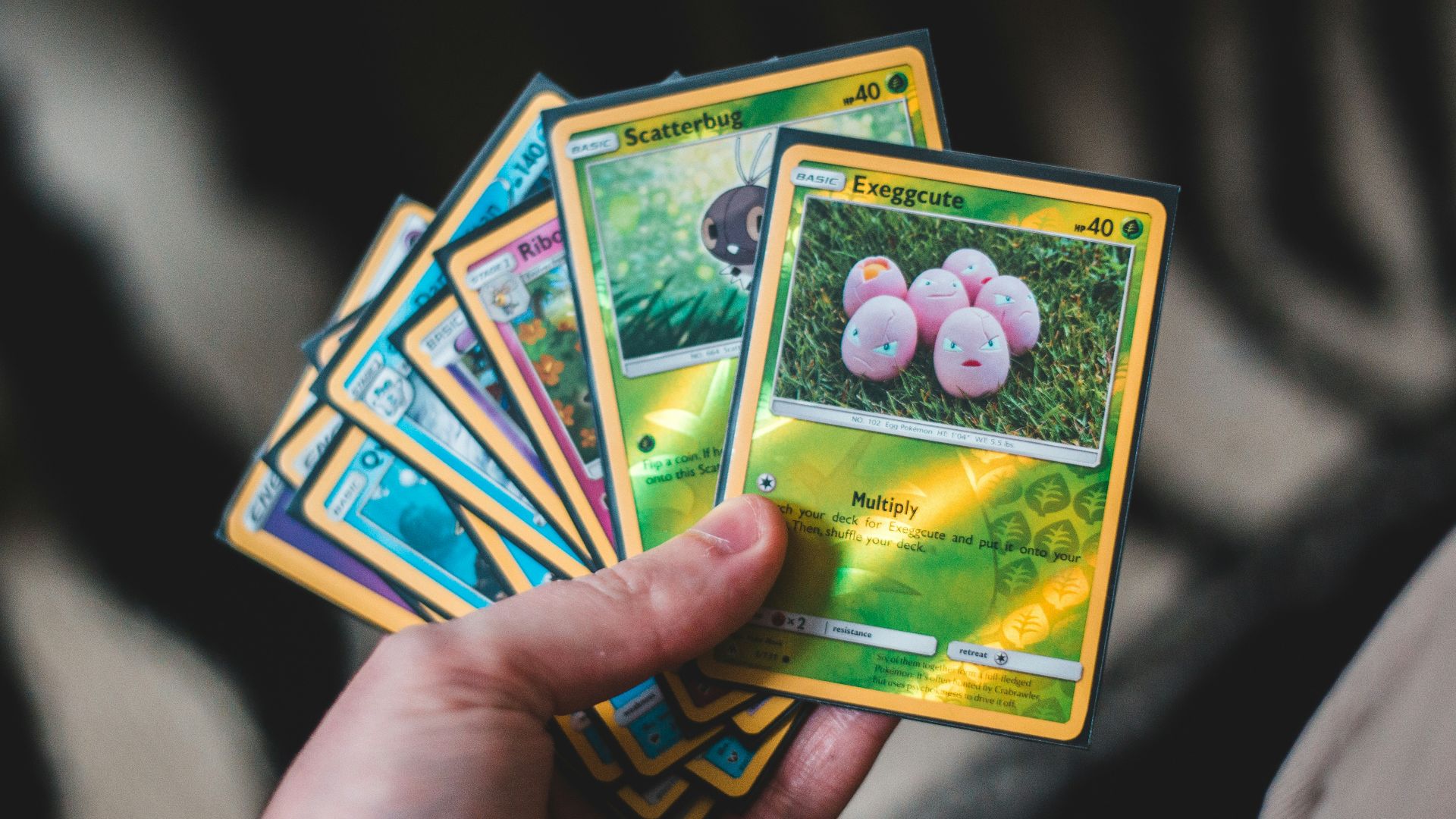
Remember when you could walk into a store and actually buy Pokémon cards? When pre-ordering the latest game meant you'd get it on release day without paying double? Those days feel like ancient history now.
For fans who grew up trading cards at lunch tables and camping outside stores for new releases, the Pokémon scenario has fundamentally changed—and scalpers are primarily to blame. What was once an accessible hobby built on community and nostalgia has turned into a cutthroat marketplace where bots beat real fans to the punch, and childhood memories come with premium price tags.
The Perfect Storm That Created A Scalper's Paradise
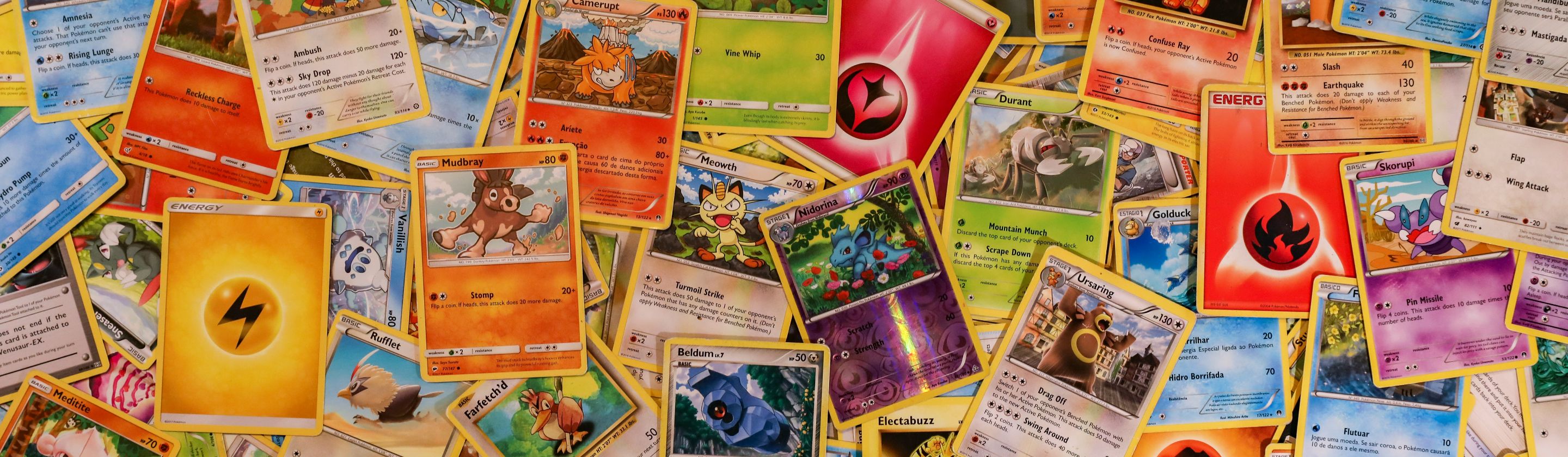
The scalping crisis didn't emerge from nowhere. When the pandemic hit in 2020, millions of people returned to nostalgic hobbies, and Pokémon experienced a massive resurgence. Logan Paul's $5 million PSA 10 Pikachu Illustrator Card purchase made headlines worldwide, suddenly positioning Pokémon cards as legitimate investments rather than childhood collectibles. Simultaneously, stimulus checks gave people disposable income, and influencers began opening vintage packs on YouTube and Twitch, creating a viral frenzy.
Scalpers recognized the opportunity immediately. Armed with sophisticated bot networks, they could purchase entire stocks within seconds of products going live online. The 25th Anniversary celebrations in 2021 were particularly brutal—special edition products sold out instantaneously, only to reappear on eBay at three to five times retail price. Even mainstream retailers couldn't keep up, with Target temporarily banning Pokémon card sales in-store after fights broke out between scalpers. The Pokémon Company increased production, but scalpers simply bought more inventory, creating an artificial scarcity that drove prices even higher.
What Long-Time Fans Have Lost
The damage extends far beyond inflated prices. Local card shops, once community hubs where fans gathered for tournaments and trades, struggle to maintain inventory when scalpers clear them out within hours. Parents who want to share Pokémon with their children face the impossible choice of paying scalper prices or disappointing their kids. The organic trading culture that defined Pokémon's early years has eroded. Why trade when you can flip cards for profit?
Pre-orders have become meaningless gambles, with scalpers using multiple accounts and addresses to secure dozens of units while genuine fans receive cancellation notices. Special edition consoles, plushies, and even video games aren't safe. The recent Scarlet and Violet OLED Switch bundle sold out in minutes, flooding resale markets at double the cost. Veterans who've collected for decades watch helplessly as their hobby transforms into an investment market where newcomers view cards as stocks rather than beloved characters.
The Community Fights Back
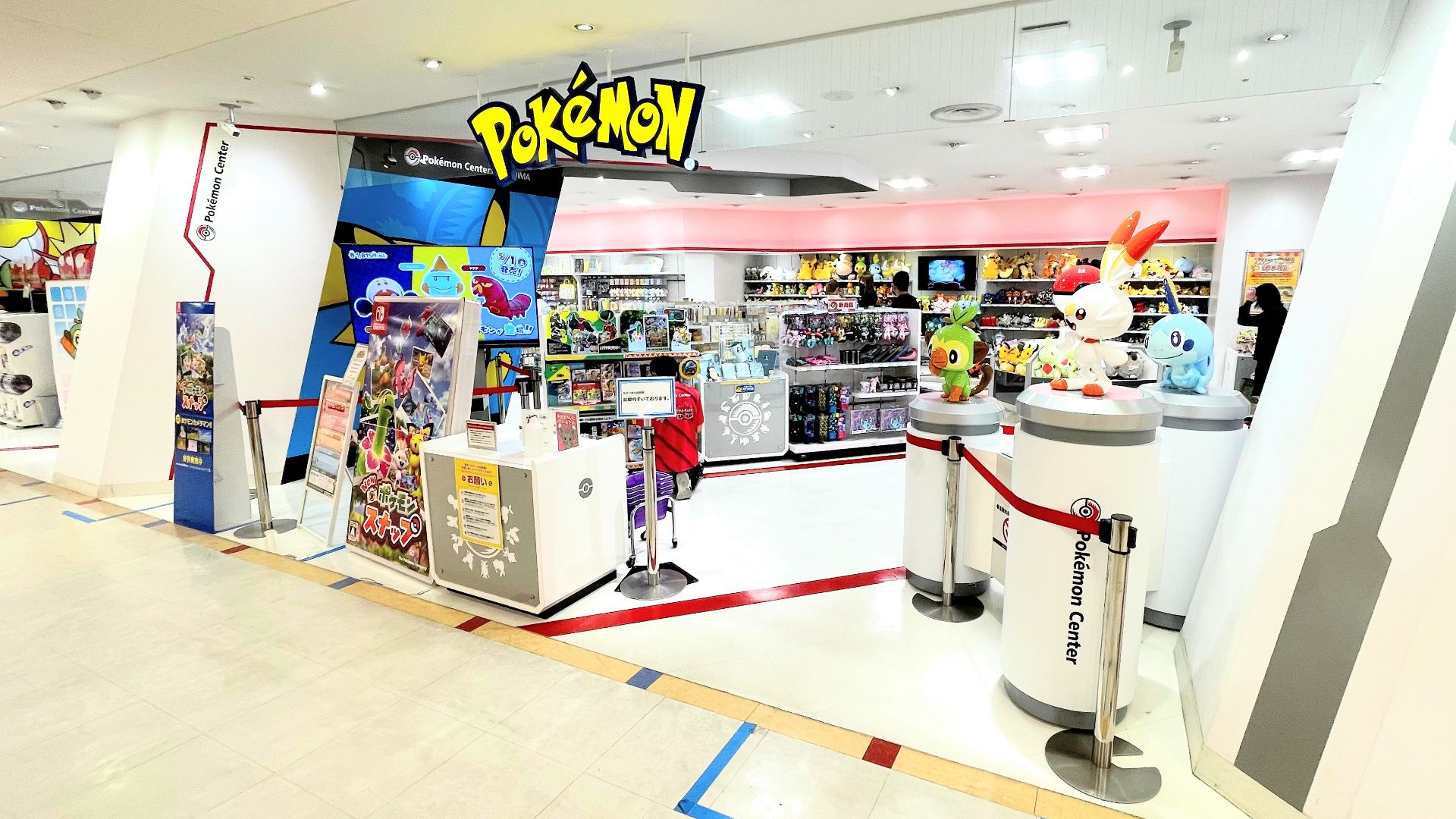
There's hope on the horizon, even though progress feels frustratingly slow.
Some retailers now implement purchase limits and require in-person pickup to deter bot purchases. The Pokémon Company has ramped up reprints of popular sets, flooding the market to undercut scalpers who hoarded inventory expecting eternal scarcity. Online communities share real-time stock alerts and call out known scalpers, creating a grassroots resistance network that's helped thousands of fans secure products at retail prices.