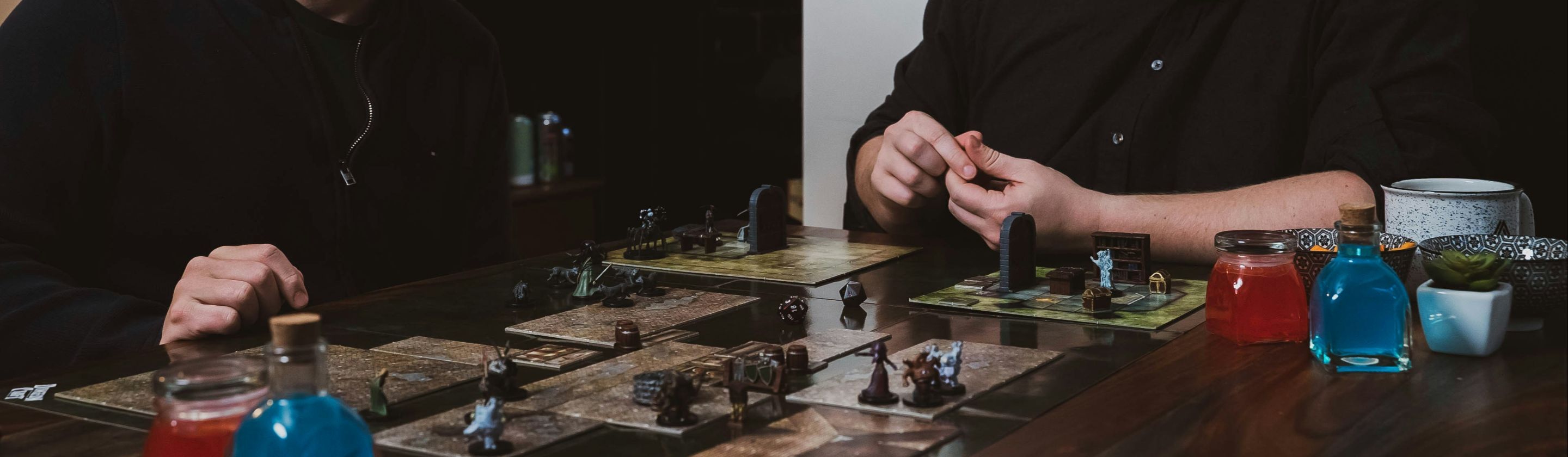
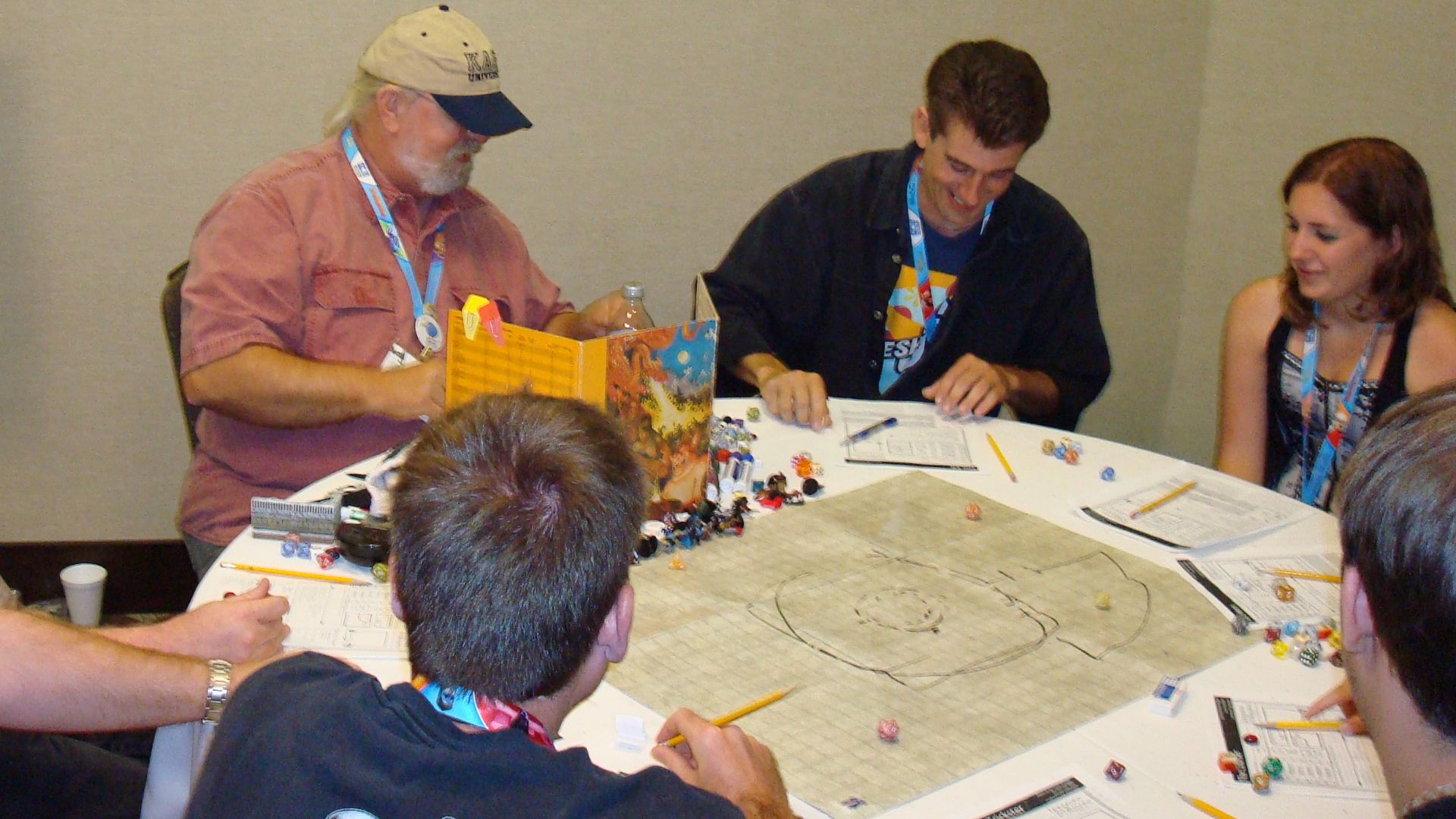
Imagine a dimly lit basement in 1974. A group of guys huddle around a table cluttered with hand-drawn maps, oddly shaped dice, and stacks of paper. They're not playing a board game—they're living out epic fantasies as wizards, warriors, and rogues.
To the outside world, they looked ridiculous. Fast forward fifty years, and those same dice-rolling adventures have become a cultural phenomenon loved by celebrities, streaming millions, and even your cool neighbor who definitely wasn't into this stuff in high school. So how did Dungeons & Dragons go from social suicide to the hottest ticket in town?
When D&D Was Social Kryptonite
For decades, D&D carried a stigma that could clear a room faster than mentioning your Magic: The Gathering collection. Throughout the 1980s and 90s, playing this famous game was considered the ultimate marker of social awkwardness. The same became entangled in the "Satanic Panic," with concerned parent groups claiming it promoted devil worship and witchcraft. Television movies such as Mazes and Monsters portrayed players as dangerously detached from reality. Schools banned it. Churches condemned it. If you admitted to playing this game, you were essentially volunteering for wedgies and lonely Friday nights.
The stereotype crystallized: D&D players were basement-dwelling, socially inept losers who couldn't talk to girls and lived with their parents well into their thirties. Hollywood reinforced this image relentlessly. Even as late as the 2000s, shows like Freaks and Geeks and movies like The 40-Year-Old Virgin used D&D as shorthand for "this person has zero social skills." The game survived through the dedication of its core fanbase, but it remained firmly underground, a guilty pleasure whispered about rather than celebrated.
How Streaming Changed Everything
The change didn't happen overnight. It exploded in 2015 when a group of voice actors launched Critical Role, a web series where they played D&D live on camera. What started as friends having fun quickly became a phenomenon, with episodes regularly drawing hundreds of thousands of viewers. Suddenly, D&D wasn't something to hide—it was entertainment. The show proved that watching skilled storytellers and improvisers play the game could be as compelling as any scripted drama.
Stranger Things delivered the knockout punch in 2016. The hit Netflix series made D&D central to its plot, with the game serving as both a bonding activity for its lovable protagonists and a metaphor for their real supernatural adventures. Millions of viewers who'd never touched a twenty-sided die suddenly understood the appeal. When Eleven and the gang played D&D, it looked fun, creative, and even kind of cool.
D&D's Mainstream Takeover
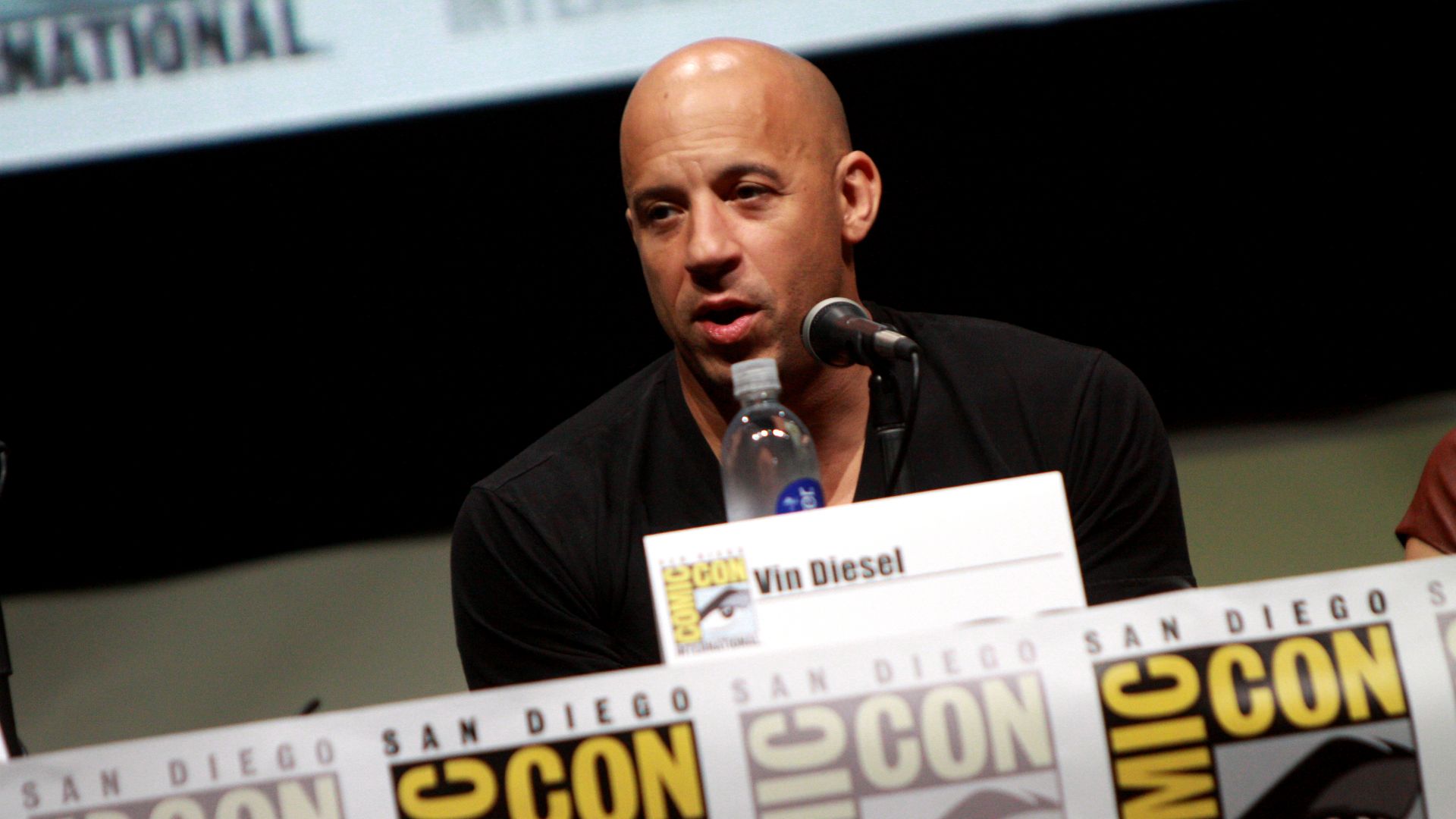 Gage Skidmore from Peoria, AZ, United States of America on Wikimedia
Today, this game has achieved something once unthinkable: cultural cache.
Celebrities openly discuss their campaigns. Vin Diesel, Joe Manganiello, Stephen Colbert, and Deborah Ann Woll are proud evangelists. The game's publisher, Wizards of the Coast, reported that 2020 was D&D's biggest year ever, with over 50 million people playing.