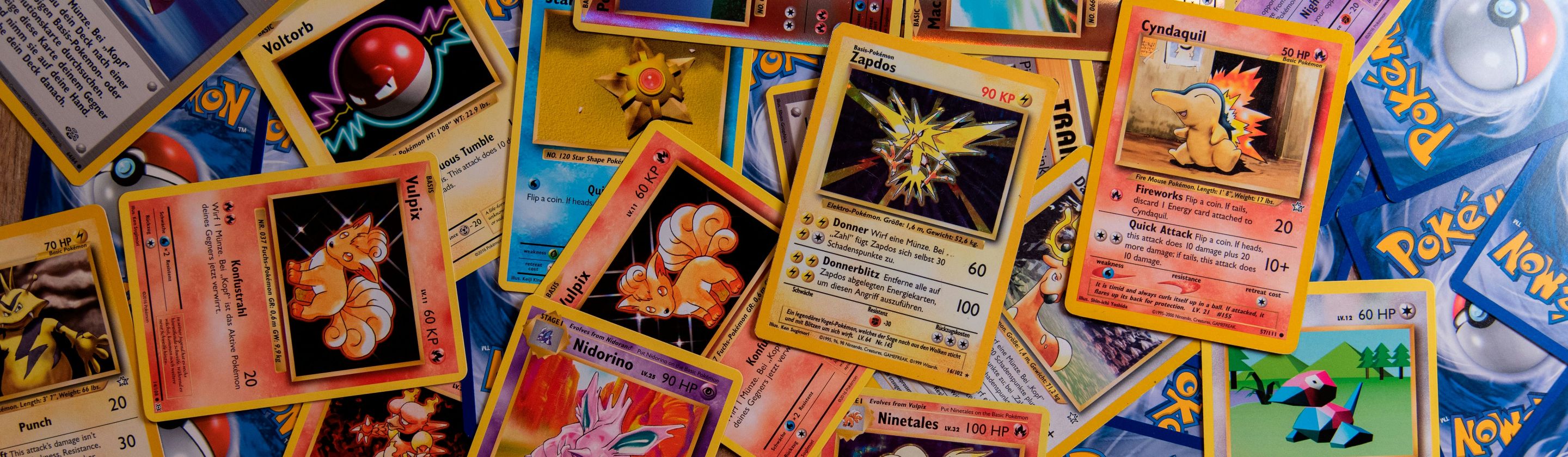
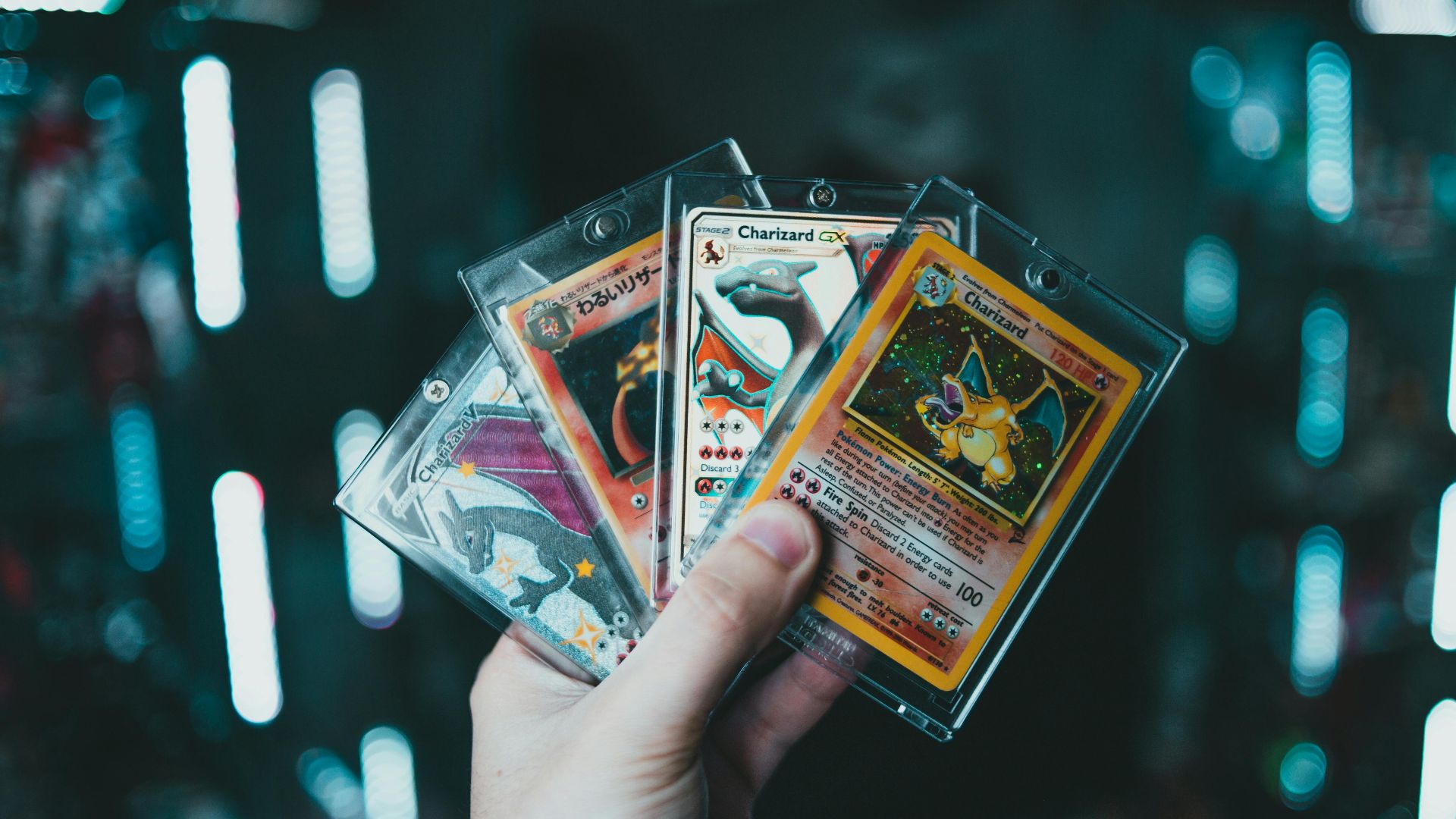
The second-hand Pokémon card market exploded as rare cards hit crazy prices, which brought scammers crawling out alongside genuine collectors. Whether you're chasing vintage finds or filling collection gaps, knowing how to spot fakes keeps your wallet happy and the hobby fun.
Getting burned on bogus cards absolutely stings, so let's talk about shopping smarter and how you can avoid the major pitfalls that leave you vulnerable to scams.
Learning To Spot Fake Cards Through Physical Details
The easiest place to start is flipping the card over and checking the back. Real Pokémon cards have this consistent deep blue color with super crisp text, while fakes usually look a little off with weird blue tones or blurry printing. If you can grab a card you know is real and hold them side by side under good light, those differences jump out way faster than judging fakes alone.
Beyond color, the font on counterfeit cards frequently looks slightly wrong in ways that bug experienced collectors. Letters appear too thick, too thin, or spaced funny compared to authentic printings. What really gives away tons of fakes, though, is texture. Real cards have specific cardstock that feels substantial without being too thick or flimsy, whereas counterfeits often feel slippery or way too glossy, like cheap playing cards from a dollar store.
Also check those energy symbols and attack costs closely because counterfeiters mess these up constantly with wrong colors or weird placement. Holographic patterns on rare cards follow specific designs that fakes can't replicate accurately, showing random sparkle instead of consistent patterns.
Recognizing Seller Red Flags Before Problems Start
Once you've got the basics of spotting physical fakes down, shifting attention to seller behavior protects you from different problems. Anyone refusing to send extra photos when asked is hiding something, guaranteed, because legit sellers happily snap more close-ups proving their stuff is authentic. Prices sitting way below market value should also make alarm bells go off since nobody sells valuable cards for half their worth unless something's seriously wrong.
Next, watch for vague descriptions like "good condition" without detailed photos showing every angle, which usually means they're concealing damage. Brand new accounts with zero feedback selling expensive cards deserve major side-eye. Communication style tells you a lot too—pushy sellers rushing you into immediate decisions or refusing platform protections want your cash before you discover their hidden problems.
Building Safe Buying Habits That Actually Protect You

The smartest approach with unfamiliar sellers involves starting small by purchasing cheaper cards first to test reliability before risking serious money. Once they prove trustworthy through smooth transactions, then consider bigger purchases. Always stick with payment methods offering buyer protection, like PayPal, rather than options that leave you screwed if things go sideways.
In addition to spotting fakes and vetting sellers, joining Pokémon card communities on Reddit or Discord connects you with experienced collectors who share authentication tips and maintain lists of known scammers. For high-value vintage cards, buying professionally graded specimens from PSA or BGS eliminates counterfeit worries since experts have already verified them. Local game stores are also a safer bet than anonymous internet sellers.