
Some People Actually Prefer Older iPhones
When Apple introduced the original iPhone in 2007, smartphones looked very different from the devices we carry today, and plenty of people weren't convinced that a touchscreen phone could replace their trusty keypad. The first model combined a phone, an iPod, and an internet communicator into one device, setting the stage for a major shift in how people communicate, work, and entertain themselves. Nearly two decades later, the iPhone has evolved through countless hardware upgrades, software changes, and new features that would've seemed far-fetched in its early days.
1. The Screen Has Gotten Much Bigger
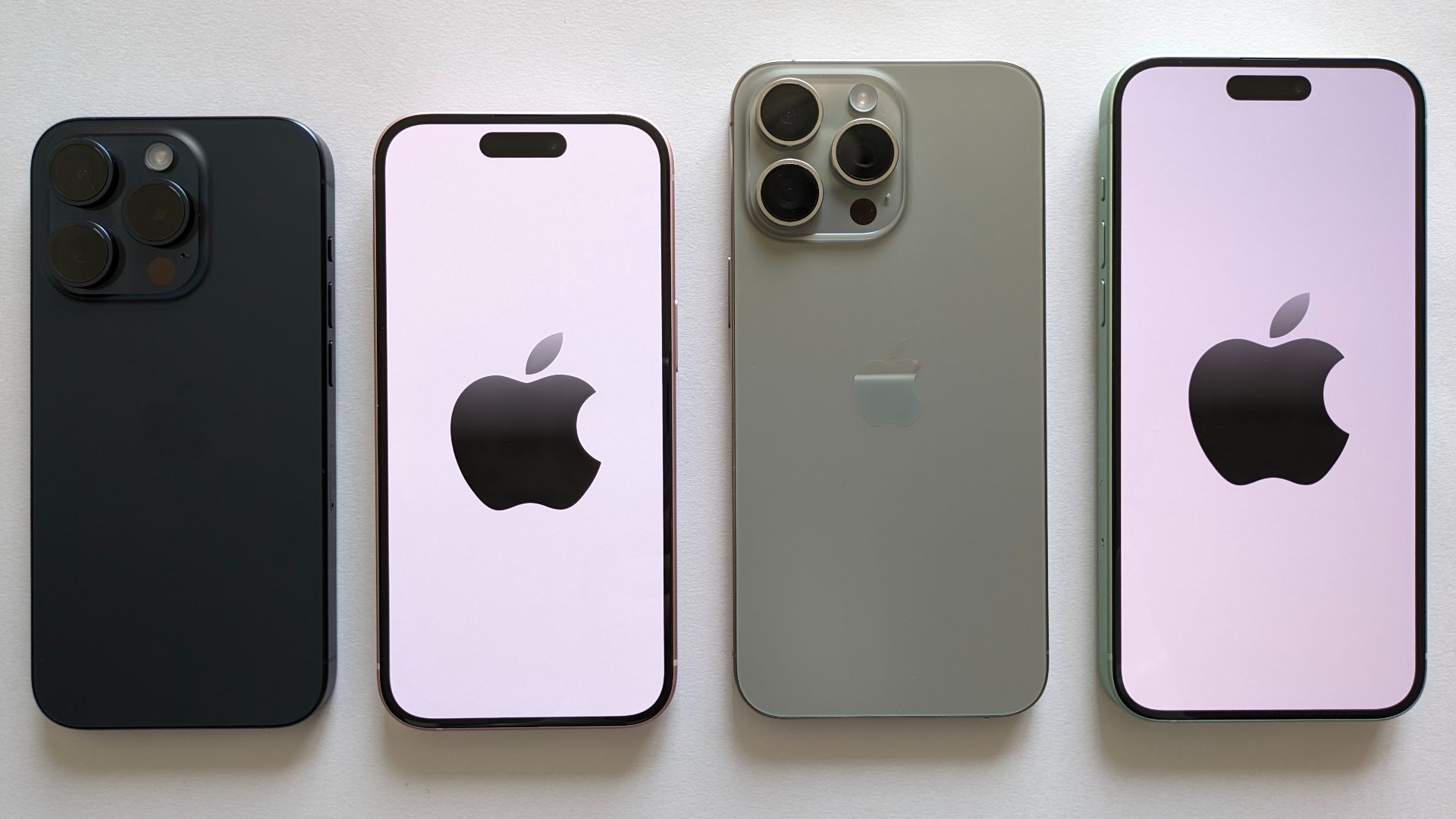
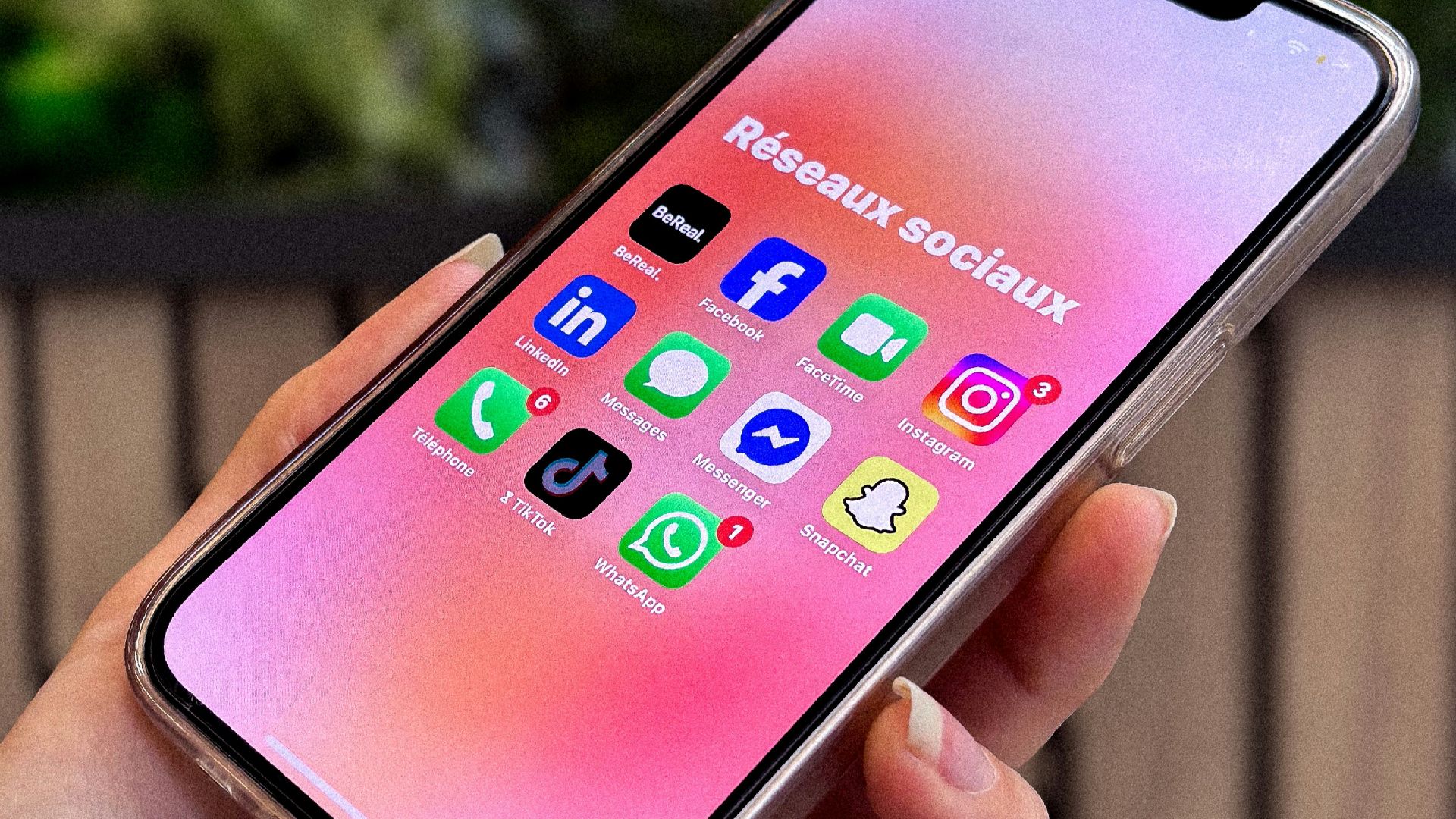
The iPhone originally had a 3.5-inch screen, which wasn't that bad at the time, but when you look at the latest models, it's minuscule. Now we have iPhones with screens that are close to 7 inches. This gives you more room to watch content, read articles, play games, and multitask.
2. Physical Buttons Have Mostly Disappeared
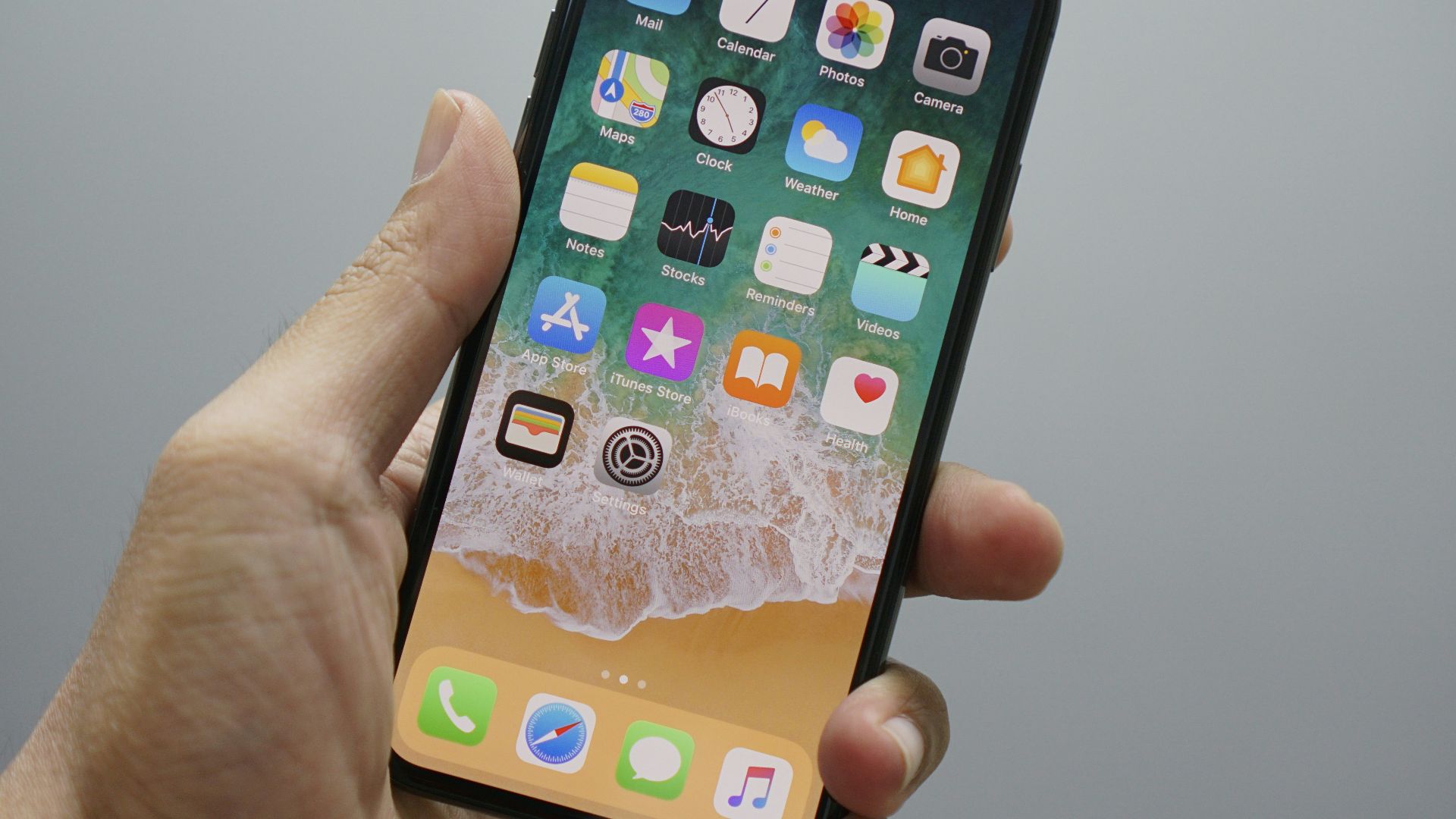
With the original iPhone, there was only one physical button on the phone, which was the Home button. For many years, Apple kept this feature until 2017, when the iPhone X got rid of the Home button. This allows you to use swipes to go to your Home screen or other screens you need to get to.
3. The Camera Has Become a Serious Photography Tool
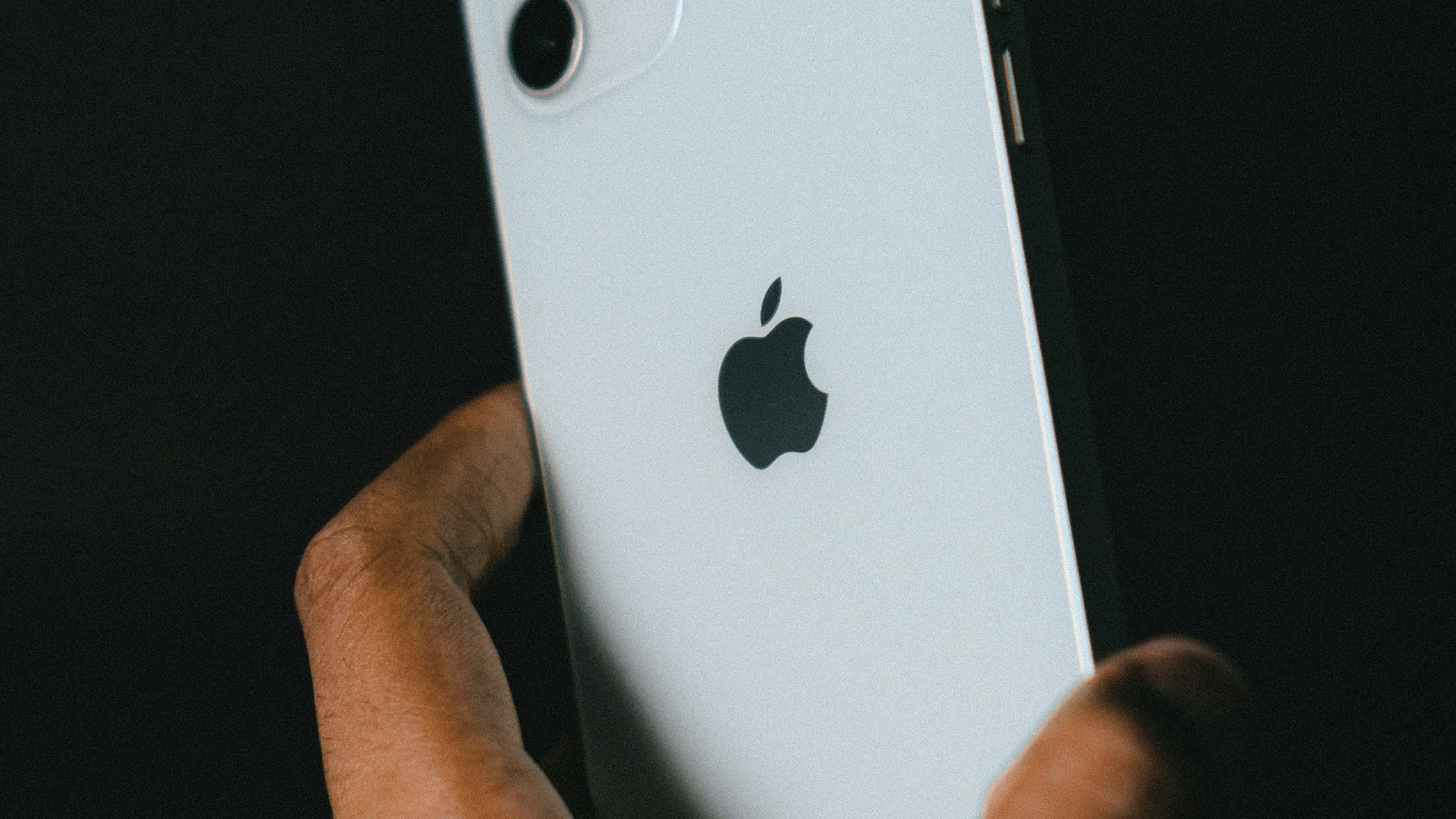
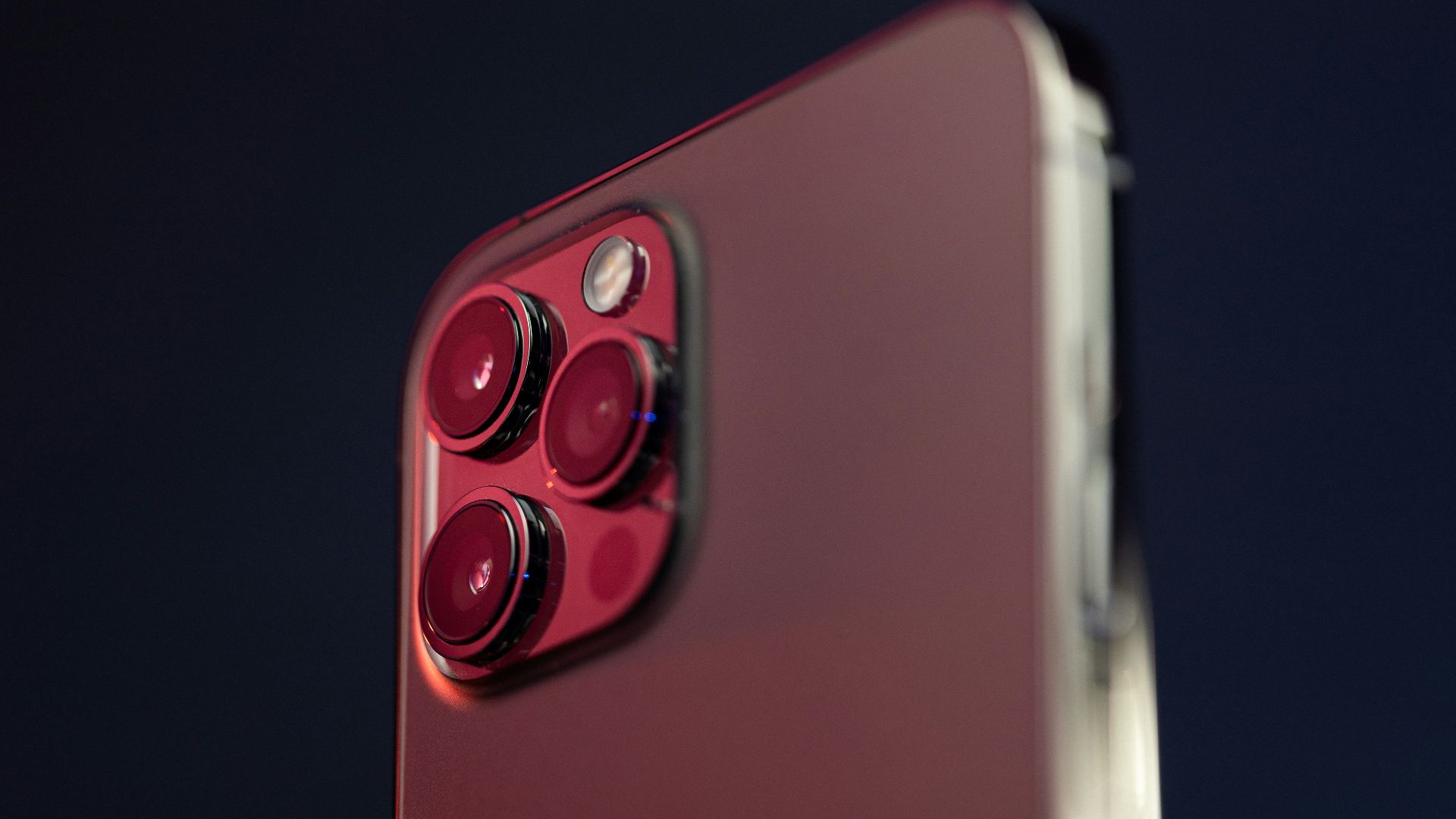
Originally, when the iPhone first came out, it only had a 2 MP rear-facing camera. It didn't allow you to record video or even use autofocus. It also didn't have a front-facing camera, which is something most phones now come with. The newer models allow you to take pictures with their built-in cameras that can look as if you have a professional camera.
4. Apps Have Transformed What a Phone Can Do
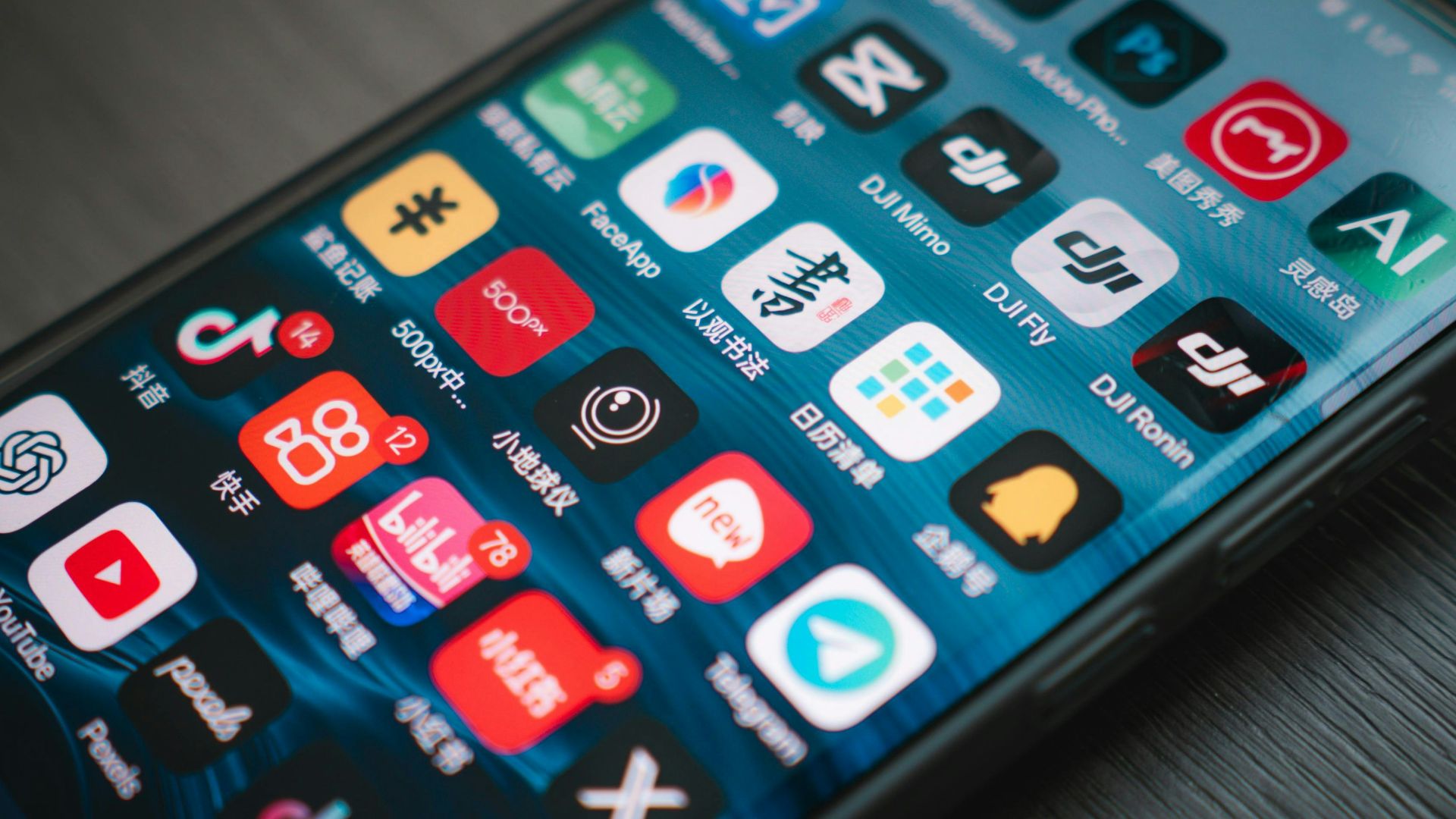
When the original iPhone launched, it didn't have the App Store, so users were limited to Apple's built-in applications and web-based experiences. This meant you were limited to what Apple could program for you or what you could access from your web browser. Once Apple came out with the App Store, it allowed users to download the apps they wanted and make the iPhone more enjoyable.
5. Mobile Internet Has Become Much Faster
The original iPhone relied on EDGE cellular data, which could make loading websites a slow and sometimes frustrating experience. This made getting online slow and, at times, frustrating. Phones now come with 5G, depending on the model, allowing you to download files faster and video chat with family and friends.

6. Face Recognition Replaced Fingerprint Unlocking on Many Models
For years, Touch ID allowed users to unlock their iPhones by placing a finger on the Home button. You can now unlock your phone by looking at it. Not only does this allow you to unlock your phone, but it also lets you make purchases and unlock certain apps.
7. Storage Capacity Has Increased Dramatically
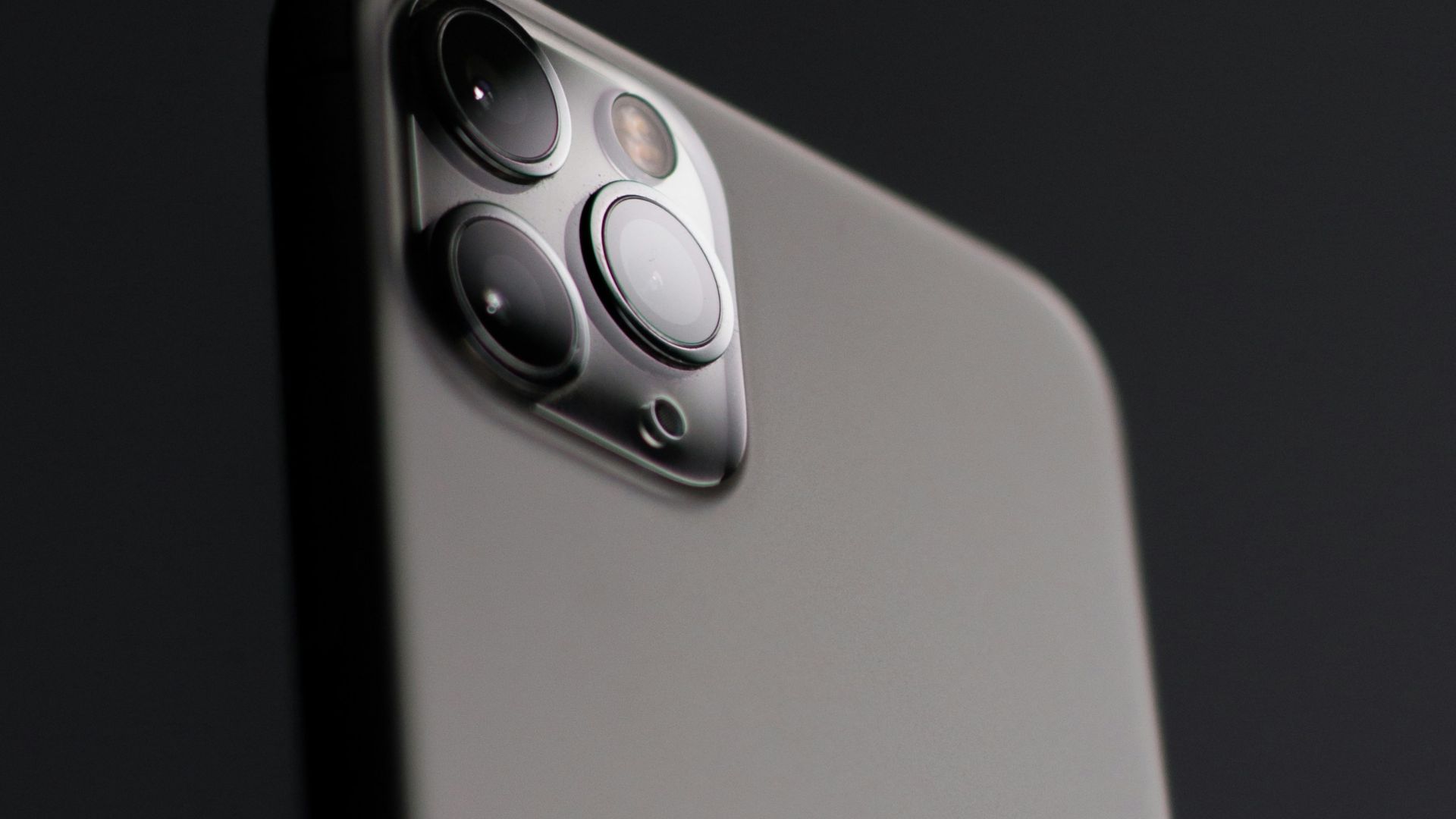
The original iPhone launched with 4GB, 8GB, or 16GB of storage, which might sound surprisingly limited if you're used to downloading large apps and recording hours of video. Over the years, Apple introduced increasingly generous storage options, with certain modern models offering several terabytes of capacity. Higher-resolution photos, demanding games, and lengthy videos all consume more space, so that extra storage can make a noticeable difference.
8. The Home Screen Has Become More Customizable
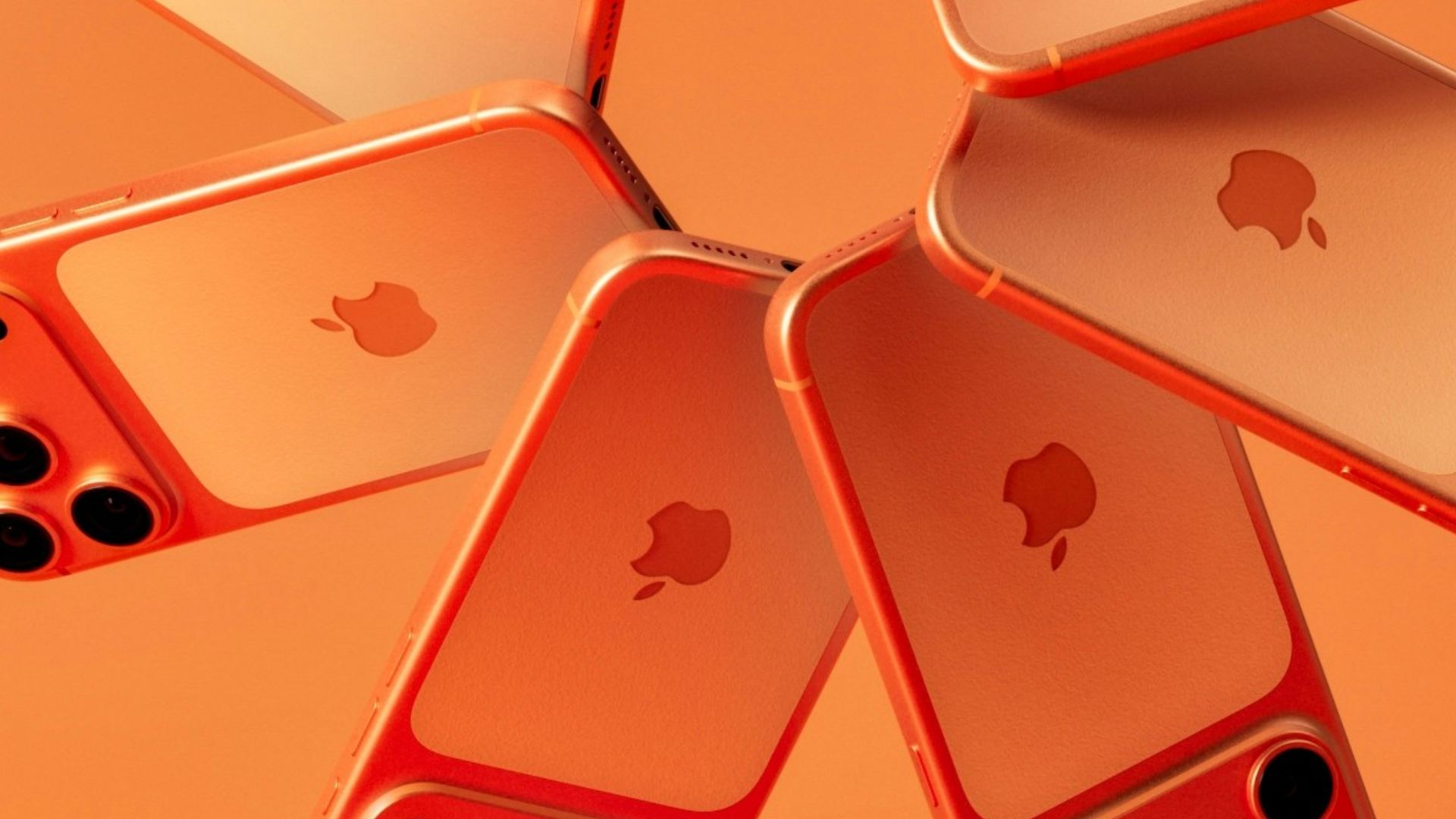
You were always limited in how your iPhone looked. Apple has allowed us to add widgets and change our Lock screens. Now, with the latest updates, you can customize how your apps look on your Home screen and how you want them to appear.
9. Wireless Charging Has Eliminated Some Cable Clutter
You had to plug your iPhone in to charge for a long time. Wireless charging was added to the iPhone 8 and iPhone X in 2017. This allowed you to place your phone on a charging dock to charge it. Apple introduced MagSafe with the iPhone 12 lineup, allowing compatible wireless chargers to attach to the back of your phone.
10. Water Resistance Has Become Standard on Modern Models
There was no official water-resistance rating on the original iPhone. If you dropped your phone in water, you would most likely lose your phone. In 2016, Apple started making its phones water-resistant with the iPhone 7. Depending on your phone, you may have an IP67 or IP68 rating.
11. Siri Made Voice Commands Part of Everyday Phone Use
When you first got your iPhone, you had to tap the screen to navigate through what you wanted to do. Apple introduced Siri, which allowed you to talk to your phone and have it perform certain tasks. You could ask questions, make notes, send texts, and do so much more.
12. Video Recording Has Reached Impressive Heights
There was no ability to record video on the original iPhone, which is crazy when you think about how often people film themselves nowadays. When Apple added video recording to the iPhone 3GS in 2009, it initially offered lower-resolution video than what modern models can capture. With newer models, however, you can record HD video and even shoot in 4K.
13. Headphone Jacks Disappeared
When you got your phone, you could plug your regular headphones in and listen to your music. That was no longer an option when Apple came out with the iPhone 7 in 2016. Apple made it so you had to buy its AirPods or find compatible headphones that could connect to your iPhone through its Lightning port or wirelessly.
14. The Charging Port Has Changed
The original iPhone used what was called a 30-pin connector. This was used on many Apple products, including iPods. Apple changed to Lightning cables in 2012, which were smaller and allowed more space inside the phone. Beginning with the iPhone 15 lineup in 2023, Apple switched to USB-C, bringing the iPhone in line with a connector already used by many laptops, tablets, and other electronic devices.
15. Mobile Payments Have Replaced Some Physical Wallet Trips
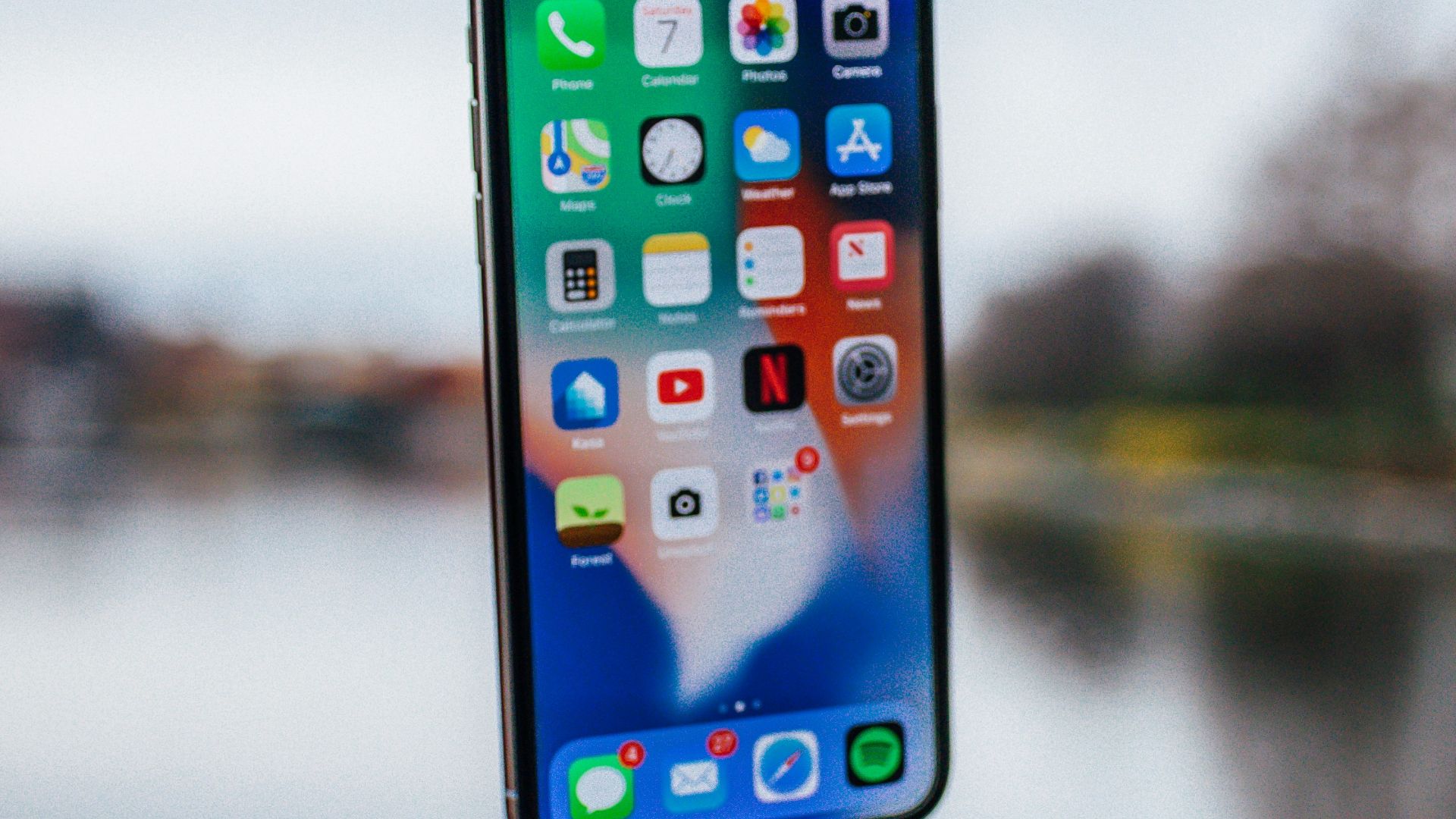
Back in the day, there was no way to pay for things with your iPhone. In 2014, Apple introduced Apple Pay, which allowed you to pay for things at stores that accepted it. Now there are many options that let you use your phone to pay for things instead of reaching for your wallet.
16. GPS Turned the iPhone Into a Navigation Device
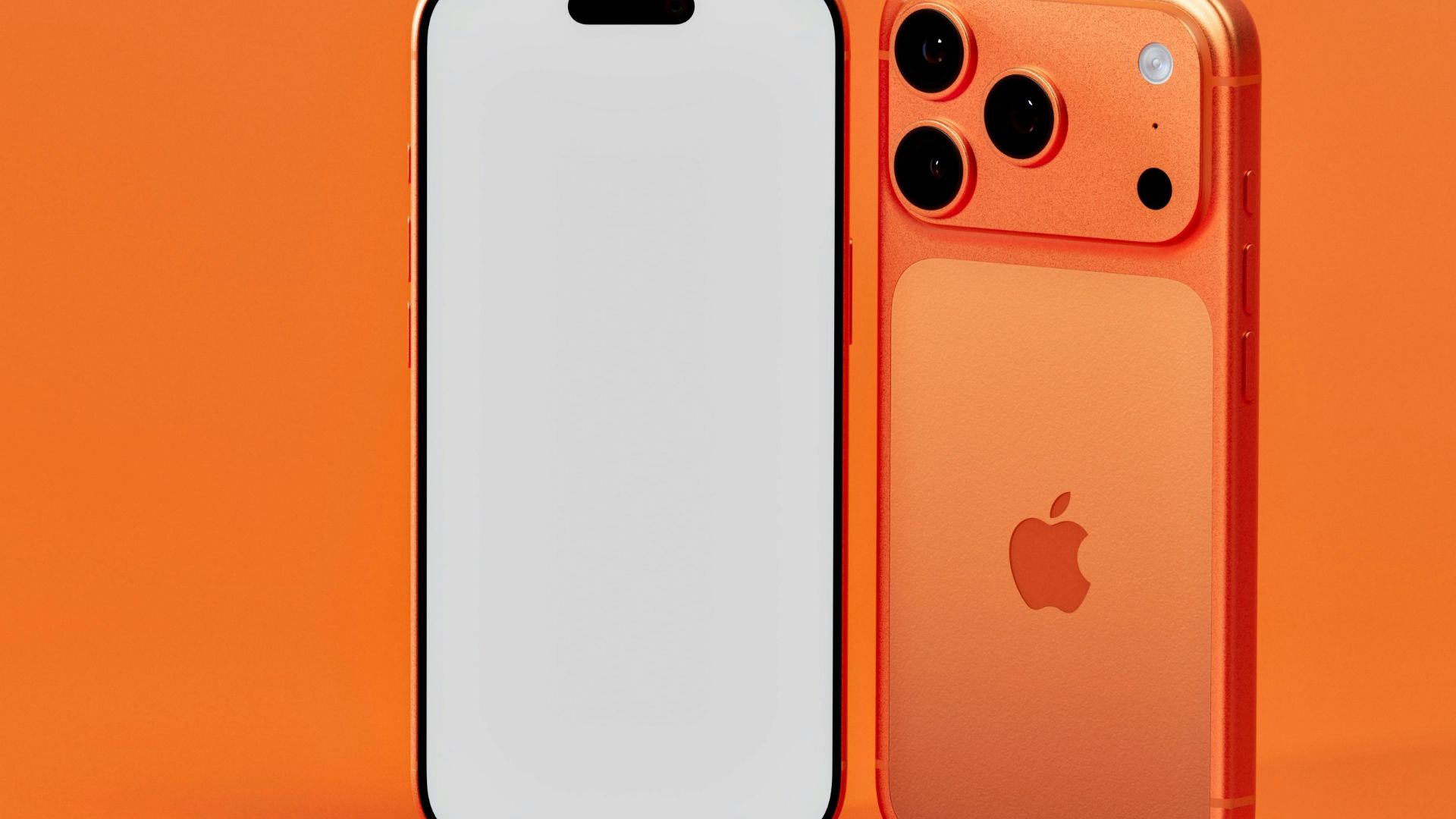
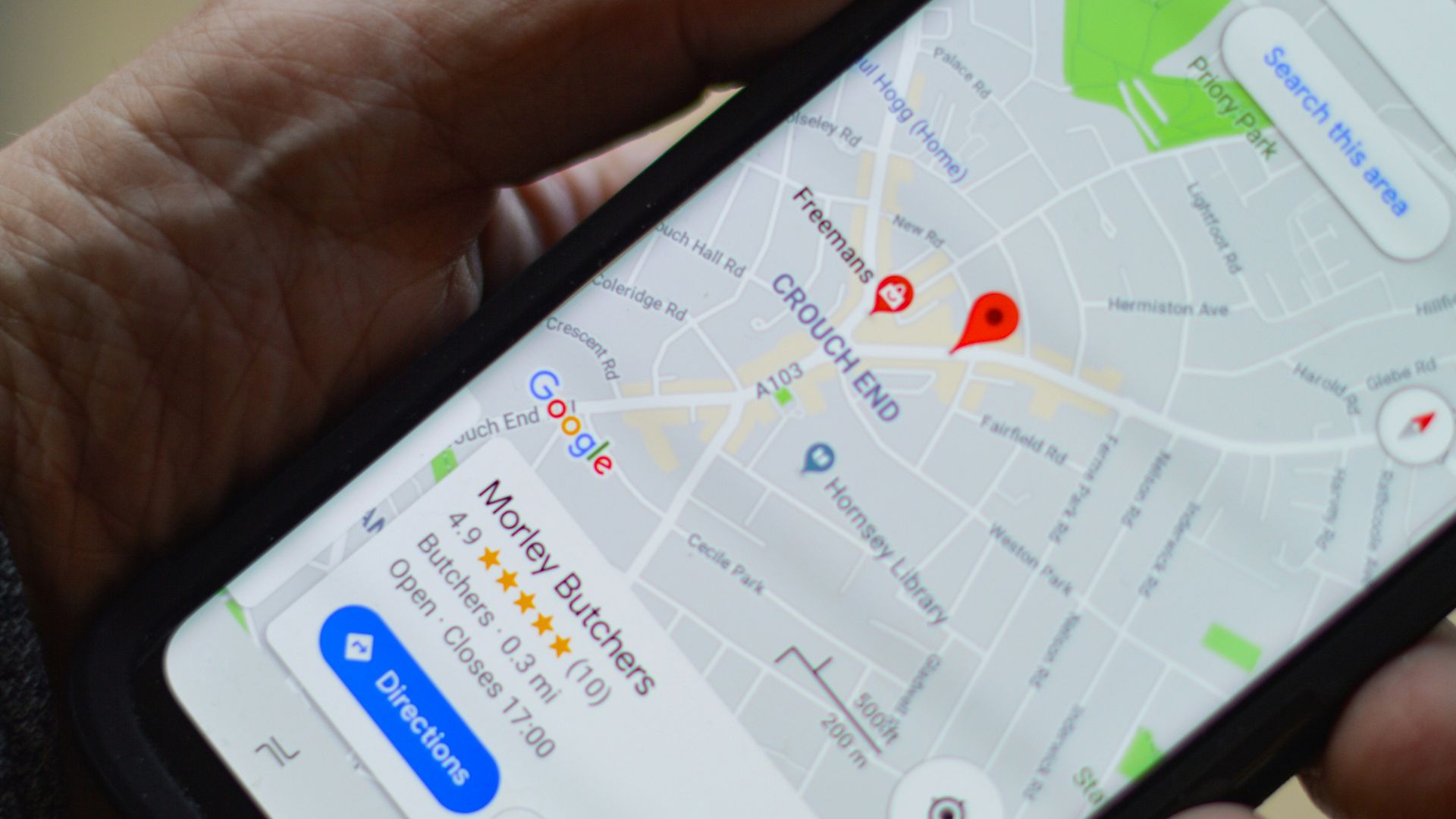
You were able to use the iPhone to determine your location, but it didn't initially offer turn-by-turn GPS navigation. Apple introduced its Maps app in 2012. Now, with your iPhone, you can use GPS to find places you want to visit. You can even use your iPhone to navigate home if you end up getting lost.
17. Battery Life and Charging Speeds Have Improved
Battery life on your iPhone was meant to last while you made phone calls and listened to music. Apple has improved battery efficiency and power management over the years. Depending on your phone and how you use it, your battery will last for a certain amount of time.
18. Security Features Have Become Much More Advanced
Early iPhones offered basic passcode protection, but today's devices include several additional layers of security and privacy controls. Face ID or Touch ID, encrypted data, app permission settings, and features such as Stolen Device Protection help protect personal information against unauthorized access. Apple has also expanded controls over location tracking and app data collection, giving users more ways to manage what information they share.
19. The iPhone Has Become a Gaming Device
Your phone only had a couple of games when you first got it. There was no App Store to download more games that you liked. With the introduction of third-party apps, people were able to develop games and make them available for download on the iPhone. More powerful processors and improved graphics capabilities have since allowed supported iPhone models to run increasingly demanding games, including selected console and PC titles adapted for mobile.
20. The iPhone Has Become Part of a Connected Apple Ecosystem
The original iPhone was a revolutionary standalone device, but it didn't offer the extensive connections between Apple products that users can access today. Features such as AirDrop, Handoff, iCloud synchronization, and continuity between compatible Macs, iPads, Apple Watches, and iPhones make it easier to move between devices. You can start writing something on your phone, finish it on your computer, and access your photos across multiple devices.