From GTA’s “Crime Pays” to Pokémon’s Captivity Clauses
Video games are usually a blast, but if you actually stop to think about the messages they’re sending, things get pretty weird pretty fast. We’ve all spent hours completing quests or leveling up characters without realizing that our digital heroes are often doing things that would get them a life sentence in the real world. From rewarding reckless destruction to suggesting that theft is the only way to get ahead, these games aren't exactly teaching us how to be model citizens.

1. Grand Theft Auto: Crime Pays Well
The quickest way to afford a fancy car and a penthouse in Los Santos is through theft and complete lawlessness. The game actively rewards your most devious impulses with cold, hard cash and prestige. You’re essentially taught that as long as you can outrun the cops, there’s no reason to ever work a traditional job.

2. Mario’s Destructive Home Invasion
While he looks like a friendly plumber, Mario spends most of his time breaking into castles and smashing the personal property of local inhabitants. You're encouraged to punch every brick in sight just to see if a gold coin might pop out for your trouble. It’s a strange message to send when you realize he’s basically just a wealthy vigilante destroying public infrastructure for fun.

3. Pokémon’s Competitive Captivity
Snatching wild animals from their families and making them fight to the death is this franchise’s entire reward loop. They want you to believe it’s all about “friendship,” but you’re still stashing your little friends in Pokéballs until it’s time to battle. It’s a bit odd to think that the ultimate goal is to catch every living thing on the planet just to complete a digital checklist.

4. BioShock’s Harvesting Choice
This game presents you with a "moral" choice that involves either saving little girls or literally harvesting them for a power-up. While the game tries to make you feel bad for the darker path, it still gives you immediate mechanical advantages for choosing the cruelest option possible. It suggests that your personal survival and power are worth any cost, even the lives of the innocent.
 Nikita Kachanovsky on Unsplash
5. The Sims: Playing God Poorly
You have pure control over your Sims’ lives, which naturally encourages players to experiment with negative forms of gameplay. Trapping Sims in rooms without windows and removing pool ladders are normalized because you can do anything literally. The Sims conditions you to treat people like NPCs with needs that must be managed.

6. Call of Duty: The End of Diplomacy
Most military shooters send the message that every single global conflict can and should be resolved by pulling a trigger. There’s rarely a moment when you can sit down and talk through your differences with the opposing side. It creates a world where the only "good" people are the ones who are better at aiming their weapons than the "bad" guys.

7. Katamari Damacy: Absolute Materialism
The entire point of this game is to roll up everything in the world into a giant ball of trash to please your eccentric father. You start by collecting paperclips and end by consuming entire continents and their populations. It’s a whimsical way of saying that the entire universe exists solely for you to consume and repurpose for your own amusement.

8. God of War’s Eternal Grudge
Kratos spends several games fighting an entire pantheon of gods because he’s incredibly angry about his own past mistakes. Rather than working through his issues or forgiving his divine foster-father, Kratos simply ends reality itself. If you’re powerful enough, you can selfishly lash out at everyone who wrongs you and get away with it.

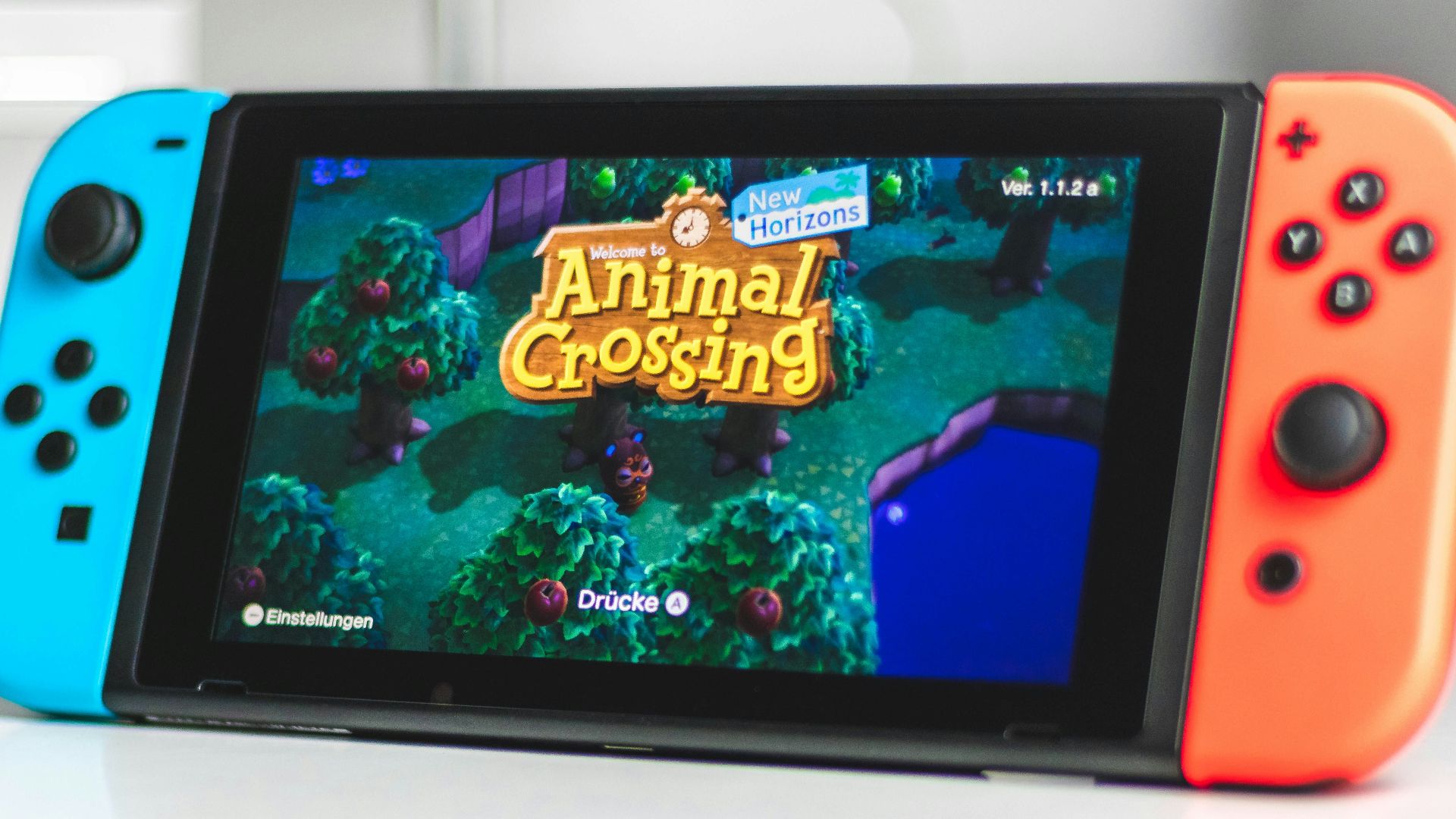
9. Animal Crossing’s Debt Trap
You relocate to a deserted island species only to rack up a debt so large your local raccoon will own half your home. Animal Crossing convinces you that your self-worth is entirely derived from purchasing things and overworking yourself. There’s no escaping the capitalist cycle, not even in paradise.
10. Mortal Kombat’s Gruesome Finish
While most fighting games end when someone is knocked out, this series demands that you mutilate your opponent after the fight is already over. The "Fatality" system teaches you that victory isn't enough; you really need to go that extra mile to humiliate and destroy your rival. It’s a pretty dark lesson in sportsmanship.

11. Overcooked: Stress Is Productivity
You’ll never run a functional kitchen if your chefs are cool, calm, and collected. Overcooked rewards you for working under extreme stress and putting all your guests in mortal danger. Why bother with safety procedures like noticing traffic when a customer’s order is at stake?
 micheile henderson on Unsplash
12. Untitled Goose Game’s Pure Spite
You play as a goose whose only goal is to ruin the day of every person living in a quiet English village. The game rewards you for being a literal pest, from stealing a child’s glasses to locking a shopkeeper in a garage. It’s a masterclass in the idea that being a jerk is actually quite rewarding if you’re clever enough to get away with it.

13. Assassin’s Creed: Secret Extremism
The underlying philosophy of the series is that "nothing is true, everything is permitted," which is a pretty wild thing to tell a teenager. It justifies political fatalities as long as the person doing the stabbing believes they’re on the right side of history. You're basically encouraged to solve complex societal problems through violence.

14. RollerCoaster Tycoon’s Guest Neglect
Theme parks are all about finding new ways to gouge money from your guests until they can’t take it anymore. Once guests complain about your attractions, you can always remove the exit path so they can never leave. Guests don’t pay you to have fun; they pay you to suffer.

15. Metal Gear Solid’s Trust Issues
From the get-go, Solid Snake is told that everyone from his loved ones to the government is lying to him. You learn to trust no one and question any authority figure that offers you help. While it may make for exciting gameplay, it doesn’t offer any real-world solutions to heal a fractured society.

16. Pac-Man’s Bottomless Hunger
The original gaming icon is just a yellow circle that moves through a maze, eating everything in sight while being chased by ghosts. There is no end to his appetite, and he never seems to get full or find any lasting satisfaction. It’s a subtle nod to the idea that life is just a repetitive cycle of consumption until something eventually catches up to you.

17. Watch Dogs: Total Surveillance
As a hacker, you can invade everyone’s bank account and read their private conversations on street cameras. Rather than helping the innocents you victimize, you usually find ways to rob or sabotage them for your amusement. Privacy is nothing but an illusion.

18. Harvest Moon’s Workaholic Spirit
Games in the Harvest Moon series expect you to toil away at your farm until you pass out from exhaustion. Often, you’re faced with the moral dilemma of either powering down your crops or your spouse for the day. You should always work until you drop.

19. Hitman’s Professional Detachment
Agent 47 is a master of blending into crowds to eliminate targets in the most creative and public ways possible. The game rewards you for being a cold, unfeeling machine who views people merely as obstacles or tools. You’re basically being told that if you’re professional enough, taking a life is just another day at the office.

20. Fallout’s Wasteland Hoarding
Living in a post-apocalyptic world apparently means you should pick up every single piece of junk, from bent tin cans to burnt books. You’re taught that your survival depends on being a massive hoarder. It turns the player into a scavenger who values a pile of rusty scrap more than the actual reconstruction of civilization.