Test Your Knowledge
Even if you’ve watched every episode of Star Trek, there are still plenty of behind-the-scenes details and surprising facts that most fans don’t know. The franchise has been shaping science fiction, pop culture, and even real-world technology ideas for decades. From production choices to linguistic inventions, it’s full of unexpected stories that go beyond what you see on screen.
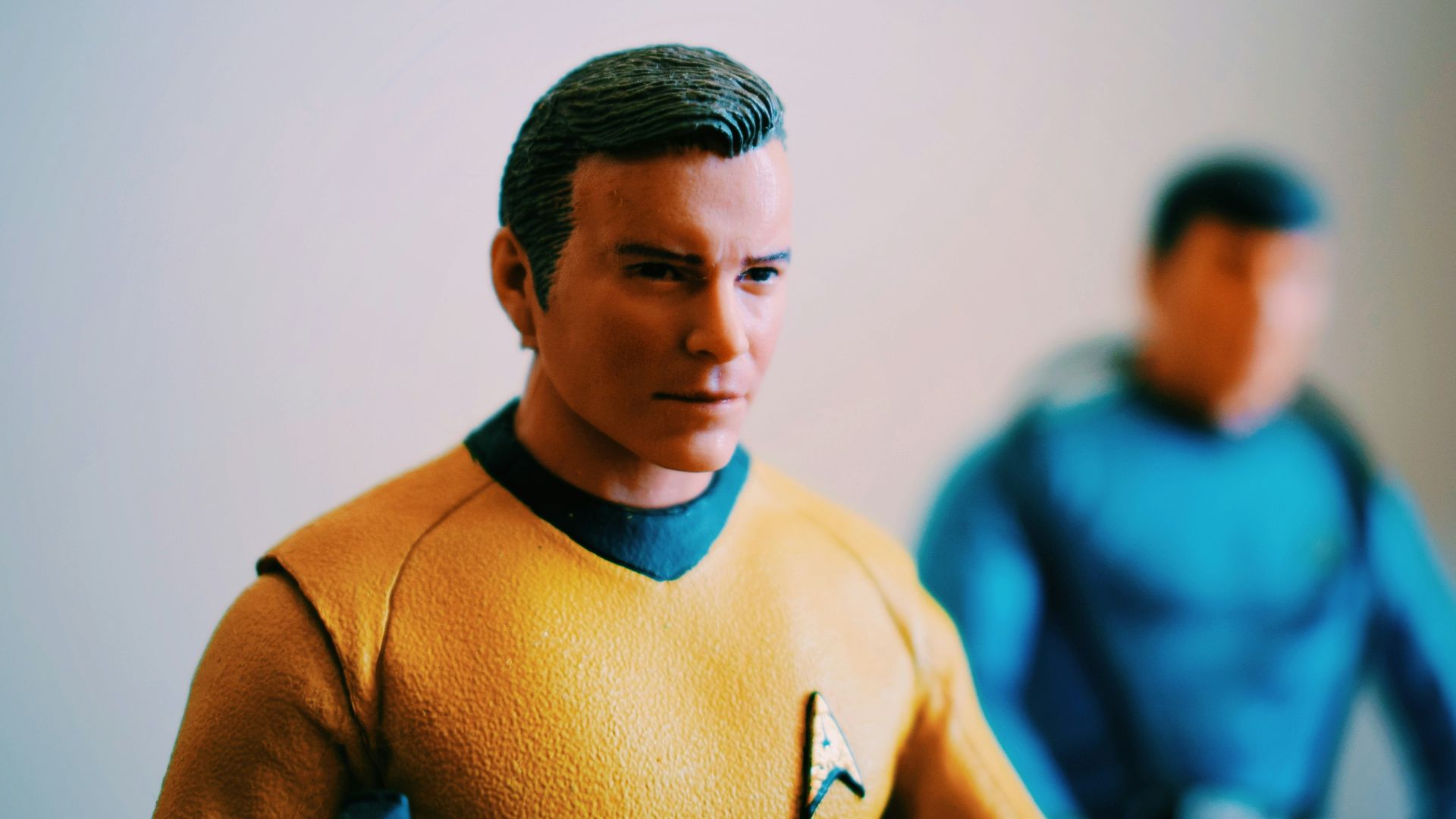
1. The Original Pilot Nearly Got Rejected Completely
The first pilot episode of Star Trek wasn’t initially approved by the studio, and it almost ended the series before it began. NBC found it too intellectual and slow, which led to a second pilot being ordered. That unusual decision actually saved the show and introduced a new tone that balanced storytelling and action. Without that extra chance, the franchise might never have existed.

2. Spock Was Inspired by a Surprising Mix of Ideas
Leonard Nimoy actually borrowed the hand gesture from a childhood prayer he remembered growing up. It later became adopted in the Star Trek universe as the “live long and prosper” salute. It has likely been seen outside of Star Trek at this point.

3. The Vulcan Salute Has Real-World Origins
The famous Vulcan salute wasn’t just made up on set for dramatic effect. Actor Leonard Nimoy drew inspiration from a Jewish blessing gesture he remembered from childhood. It was later adapted into the iconic “live long and prosper” symbol within the story. You’ve probably seen it referenced far beyond the show itself at this point.
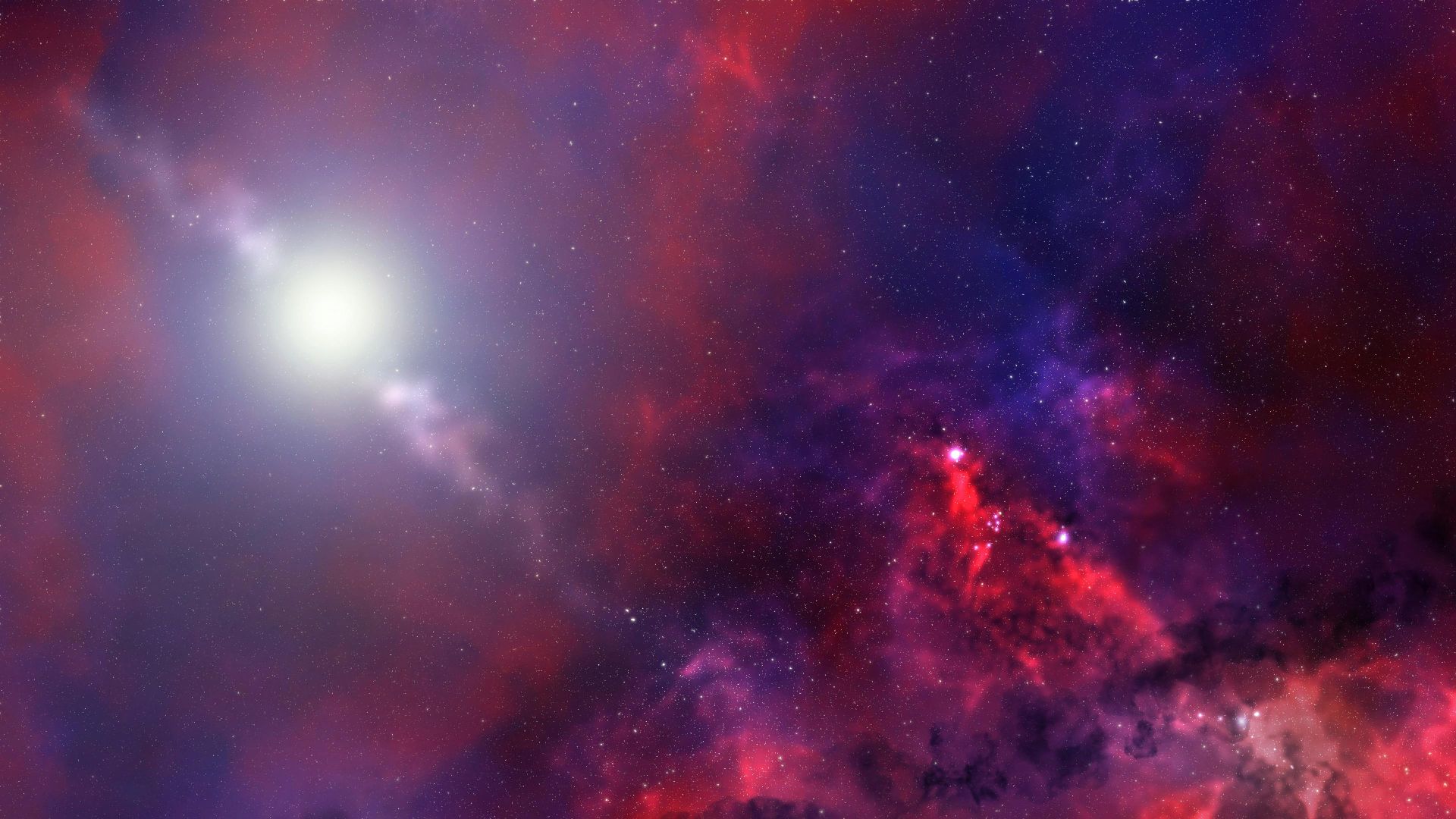
4. Kirk’s Style Was Shaped by Budget Constraints
Money was tight on the production, so they went with simple colors that popped for Kirk’s uniform. They likely didn’t realize they were making one of TV’s most iconic uniforms at the time. Now it’s everywhere.
5. The Communicator Inspired Real Mobile Phones
Handheld communicators seemed like such a cool idea on Star Trek that actual cell phone developers took notes. In fact, you’re basically living in a Star Trek episode with a smartphone these days. Predictions like this helped make Trek into science fiction gold.
6. Klingon Language Became a Full-Fledged Language
Klingon started as some nonsense phrases in the show, but it was eventually developed into an actual language with full grammar. Language experts fleshed it out, and now you can learn it if you’re so inclined. It’s not every day you can speak an imaginary language.

7. The Transporter Was a Budget-Friendly Solution
The transporter effect wasn’t just futuristic storytelling; it was also a cost-saving tool. Instead of filming landing scenes with expensive sets and effects, characters simply “beamed” down. That creative decision ended up becoming one of the show’s most iconic technologies. You can thank budget limitations for that classic effect.

8. Red Shirts Became an Unofficial Warning
Security crewmen began wearing red shirts, and sadly, they never seemed to make it through an episode. It quickly became a joke among Trekkies that red shirts were bad news. It is widely known that they are going to get blasted the second they set foot on that planet.

9. The Holodeck Was Decades Ahead of Its Time
The holodeck concept from later series introduced fully immersive simulated environments. At the time, it felt like pure science fiction, but today it resembles virtual reality technology. Developers and researchers have cited it as inspiration for immersive systems. It’s one of the franchise’s most forward-thinking ideas.
10. Picard Brought a Different Leadership Style
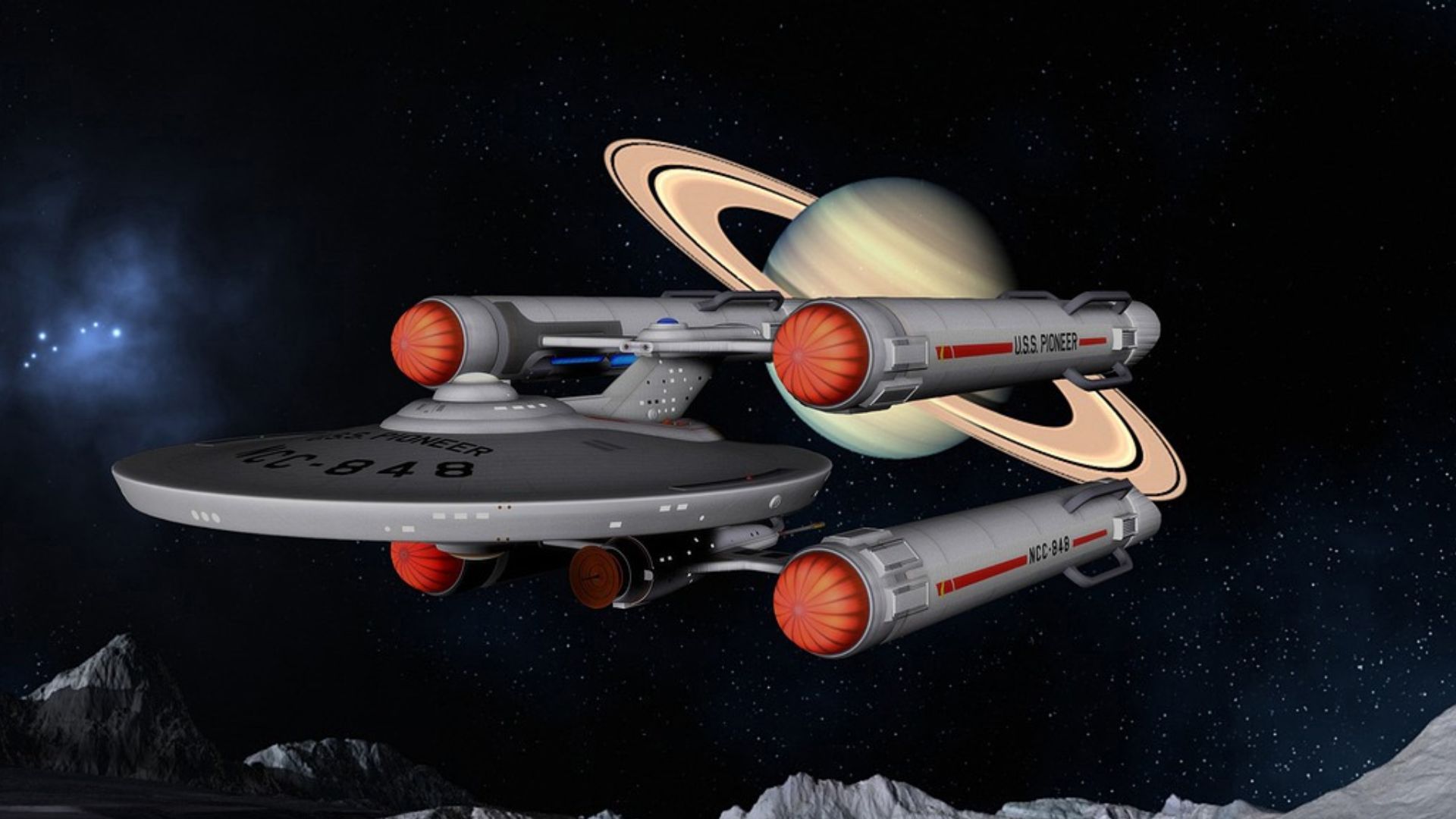
Jean Luc Picard was very different from Kirk. He was more diplomatic and level-headed when solving problems, whereas Kirk was quick to jump into action. Picard showed audiences a different way to lead a starship.
11. Tribbles Were Created for Comedy Relief
The small furry creatures known as tribbles were introduced to lighten the tone of an episode. They multiply rapidly and cause chaos aboard the ship, which creates both humor and tension. Writers didn’t expect them to become such a fan favorite. They ended up returning in later episodes and spin-offs.

12. The Starfleet Uniform Colors Have Meaning
Different uniform colors represent different divisions within Starfleet. Command, operations, and sciences each have distinct palettes that help viewers identify roles quickly. The design choice also helped simplify storytelling visually. You’ll notice it once you start paying attention.
13. The Series Influenced Real NASA Scientists
It’s no secret that kids grew up watching Star Trek and dreaming of space. What may not be known is that actual NASA scientists looked to the stars because of Star Trek. Who knew science fiction could help inspire a new generation of scientists?

14. Ferengi Rules of Acquisition Became a Running Joke
The Ferengi species developed a long list of “Rules of Acquisition” focused on profit and business. These rules were often humorous and exaggerated, adding comic relief to episodes. Writers kept expanding them over time because fans enjoyed them so much. They became part of the franchise’s broader lore.

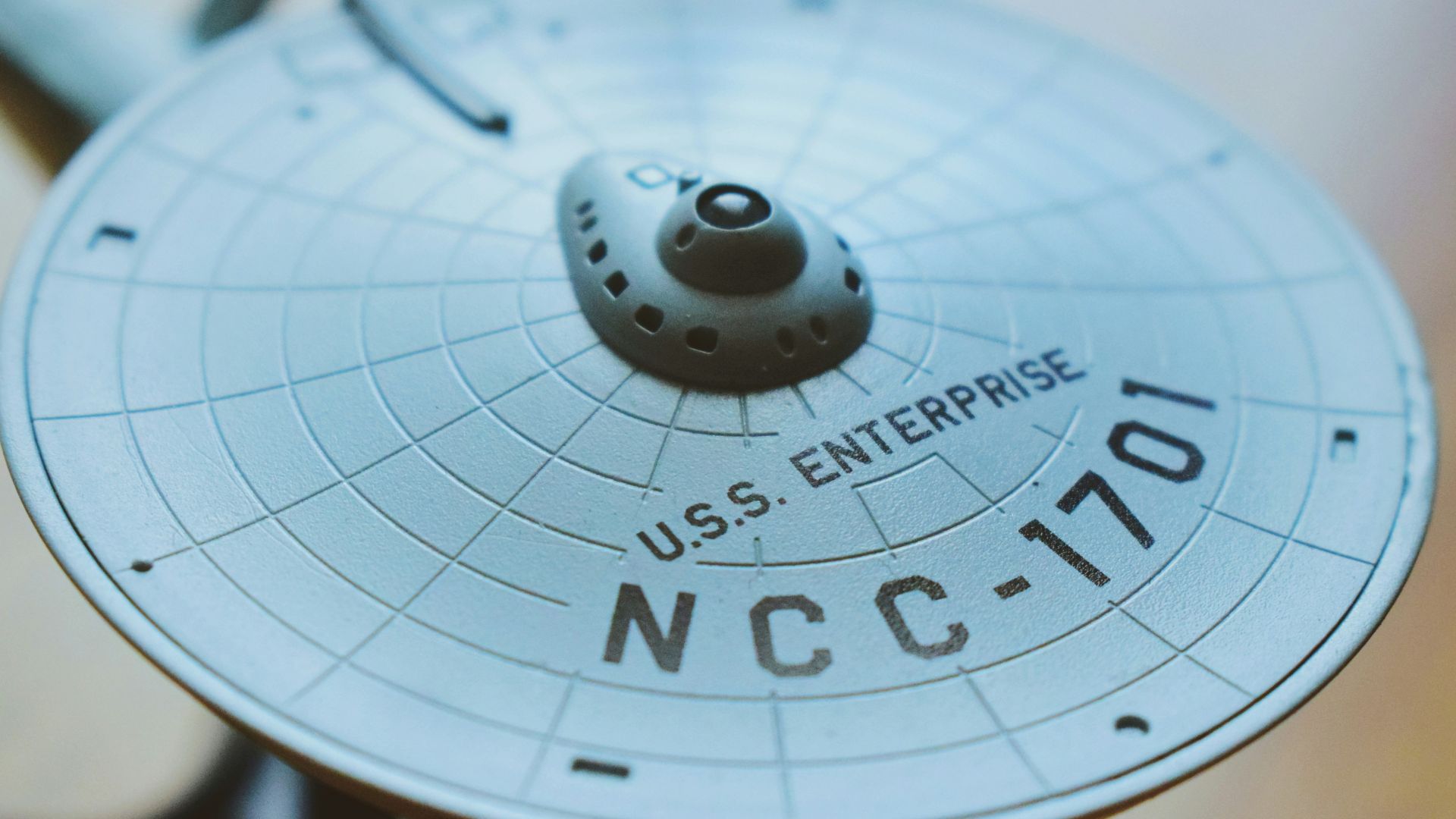
15. The Enterprise Name Has a Long History
The name “Enterprise” was used in multiple versions of the ship across the franchise. It was chosen to honor real naval history and previous spacecraft names. Each version of the ship carries its own legacy while staying connected through the name. That continuity helps tie the series together.
16. Some Episodes Were Written in Just Days
Some episodes only had 48 hours to be written, filmed, and turned into a coherent episode. Incredible huh? While some fan favorites were written as quickly as two days, others took months. You’ll have to let us know if you notice any differences in pacing.

17. The Bridge Design Was Built for Efficiency
The layout of the ship’s bridge was carefully designed for filming practicality. Cameras needed clear angles while actors had to move naturally within a tight space. That setup became one of the most iconic sets in television history. It also influenced later sci-fi productions.
18. Vulcans Were Designed to Represent Logic and Restraint
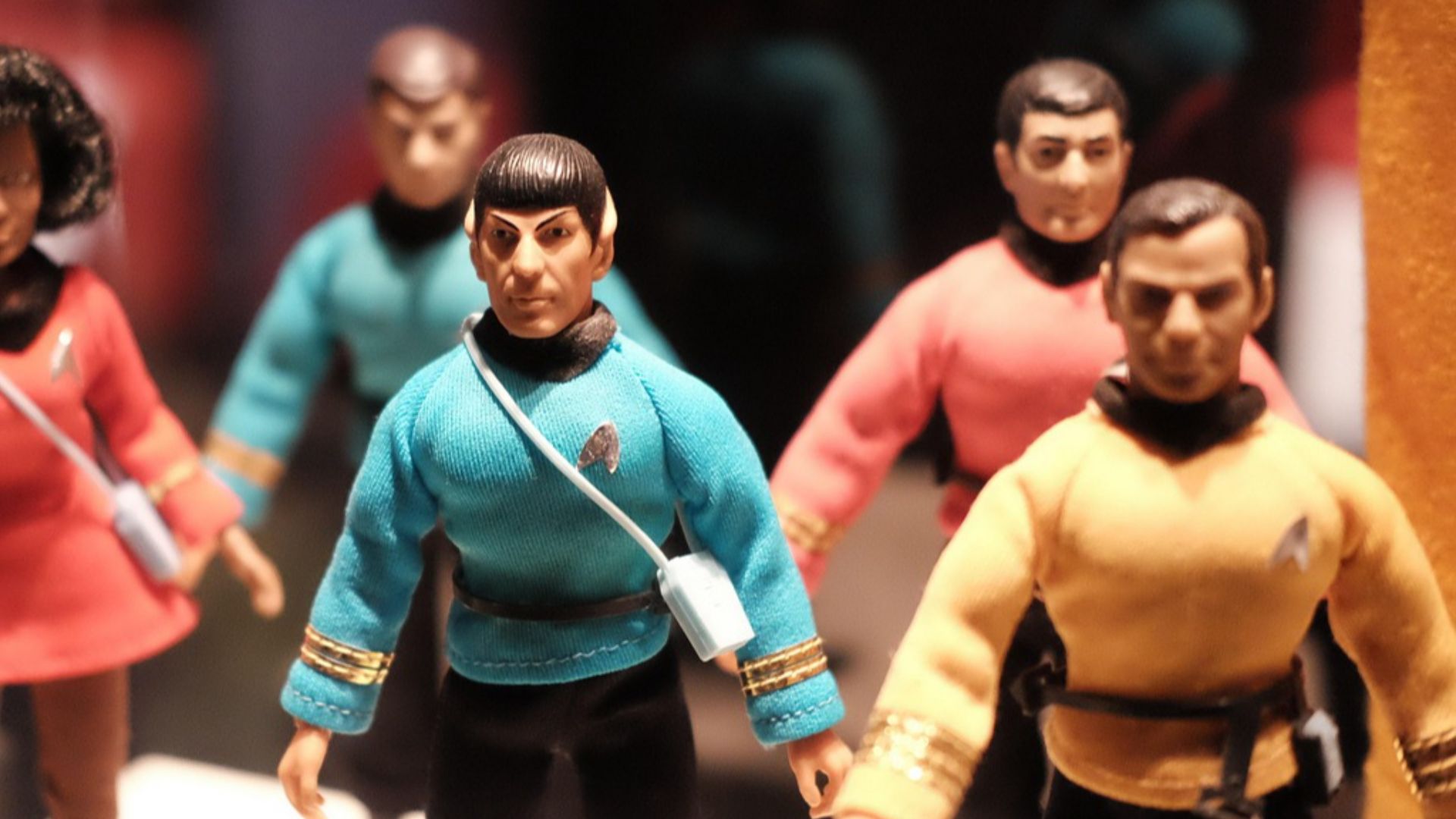
Vulcan culture was created to contrast human emotion with structured logic. Writers used them to explore themes of control, reason, and emotional balance. You can see how that dynamic plays out in many storylines. It adds depth to the series’s philosophical side.
19. The Theme Music Almost Sounded Very Different
Gerald Thompkins, who composed the original background music, spent hours perfecting what is now the iconic opening theme. Many drafts were produced until he landed on the current version known today. Take a moment and hum it out loud. You’re probably doing it wrong.
20. Star Trek Was Canceled and Revived Multiple Times
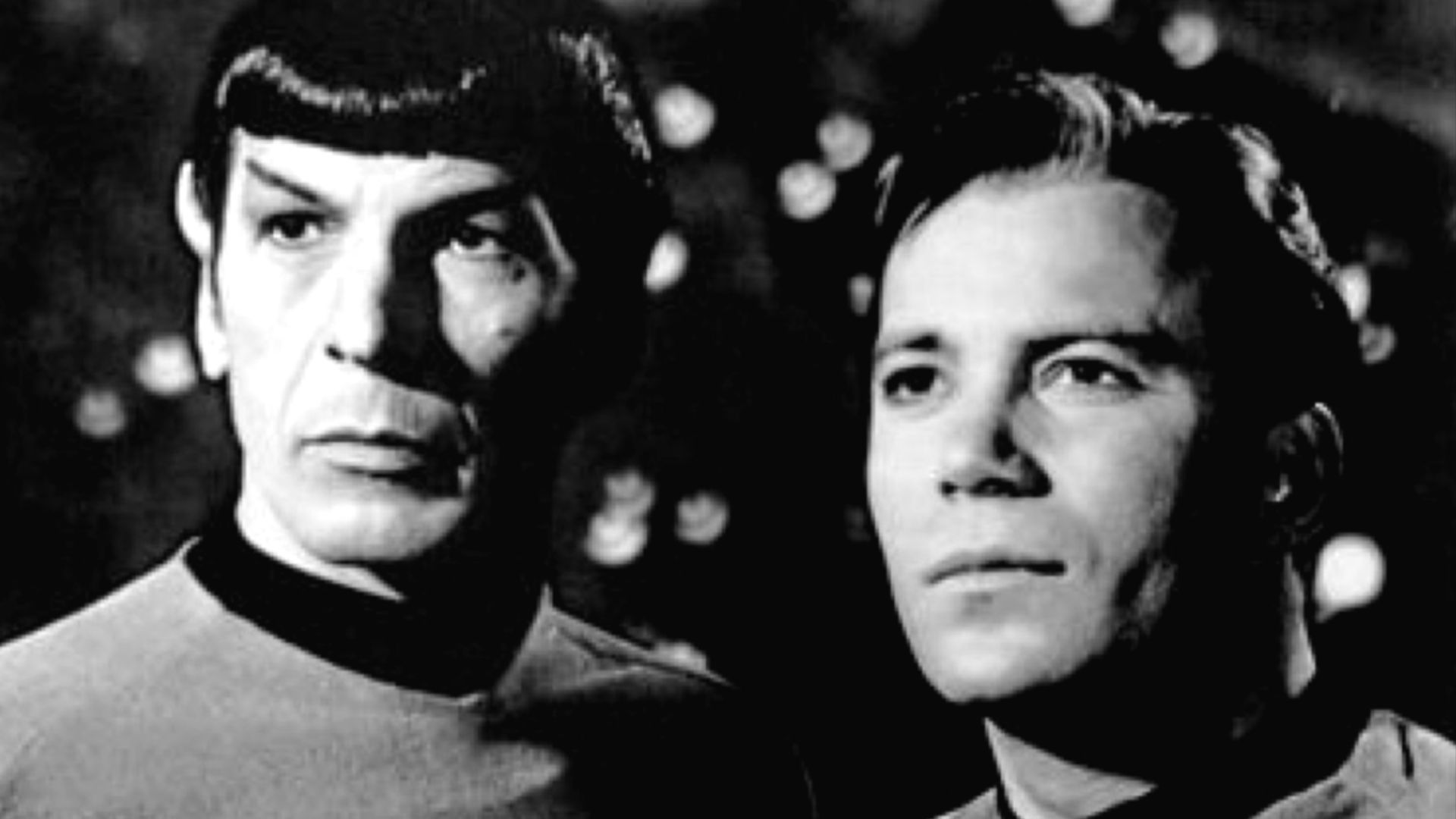
The franchise has faced cancellation more than once, but always found a way to return. Fan support played a major role in bringing it back during key moments. That loyalty helped expand it into a long-running cultural phenomenon. Few shows have had such a resilient history as Star Trek.