


Role-playing games promise players the freedom to become almost anyone they want, from a noble knight who saves an entire kingdom to a power-hungry villain who wouldn't think twice about betraying a friend. Whether that be a righteous knight who will go through fire and brimstone to save a kingdom or an evil mastermind who would sell out their best friend in an instant, players have plenty of choices. However, many players find that once they're put in a situation where they can do something bad, it's not that fun. They may go back and reload a save because they chose that one bad dialogue option or try to convince themselves they shouldn't take the money if it means someone else won't get it.
People like to stay on the right side of morality when given the choice. There have been many studies that show that people like to play as the good guy in video games. Several factors help explain why choosing the villain's path can feel surprisingly uncomfortable, even when the consequences exist entirely within a fictional world.
Players Want to Make Choices They Can Live With
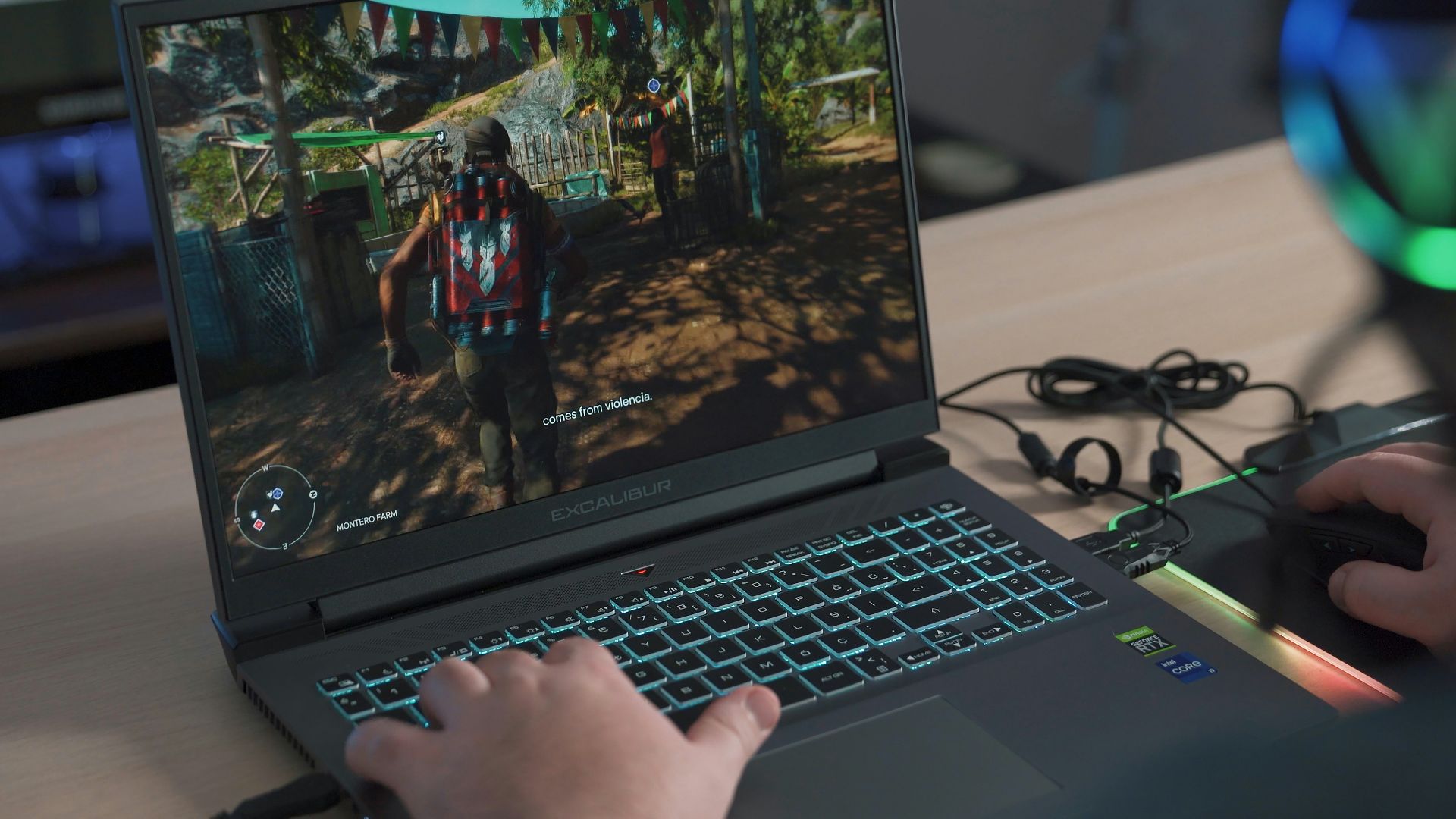
One reason players gravitate toward heroic decisions is that their real-world values can influence how they behave in games. A 2022 experimental study involving Detroit: Become Human found that participants generally favored morally sound choices over immoral ones, regardless of how their characters were framed. This doesn't mean everyone follows the same moral code, but it suggests that simply playing a fictional character doesn't automatically switch off a person's usual preferences. If helping someone feels right to you outside the game, refusing to help them inside it might not feel particularly satisfying.
A well-written RPG encourages players to care about its characters, even though those characters aren't real. When a companion expresses disappointment or a vulnerable character asks for help, the interaction can feel emotionally meaningful because players have invested time in the story. Research on narrative engagement has examined how moral choices relate to players' identification with characters and their experience of a game's story. Consequently, betraying a trusted companion might feel less like selecting a different dialogue option and more like damaging a relationship you've spent hours developing.
Games Make Being Good Feel More Rewarding
RPGs allow their companions to have personalities. They can agree or disagree with what you choose to do, which can influence whether or not you decide to go against your morals. You may want to follow through with your decision because you don't want to lose your companion's approval. This goes for games that have long-term relationships between characters and allow them to react to what you do as well. You don't want to ruin your companion's view of you when you can just pick another answer.
Another reason you may want to stay away from being evil is that you may gain rewards for helping someone out. There can be quests unlocked or items gained from helping people out. Studies have found that RPGs can allow you to benefit from being kind. Research on moral choice systems has noted that games can reward altruistic actions with tangible benefits, making heroic behavior appealing for both narrative and gameplay reasons. When kindness pays off, there's less incentive to experiment with the less pleasant alternatives.
Some games present morality as a straightforward choice between good and evil, with each option clearly labeled and assigned predictable consequences. This approach can make villainous decisions feel less like genuine role-playing and more like deliberately selecting the unpleasant option. A 2014 survey of 1,067 gamers by Amanda Lange found that many respondents preferred moral choices that reflected their own values, while some expressed frustration with systems that forced complicated decisions into simplistic categories. Players may be more willing to explore questionable behavior when a game allows them to make nuanced decisions rather than simply behave like a cartoon villain.
Being Evil Is Easier When There's Less at Stake

Once you've completed an RPG, the pressure to protect your first experience begins to disappear. You already know the main story, understand the consequences of major decisions, and have probably formed opinions about the characters you encountered. That makes a second run an excellent opportunity to explore dialogue options you previously avoided or discover an entirely different ending. Lange's survey found that players who replayed games were more likely to experiment with evil paths, suggesting that familiarity can make alternative choices easier to consider.
Some people may not want to role-play using their moral compass in a game. Whether it's a mercenary trying to work his way to the top of society, a politician who only cares about themselves, or maybe a rogue who can never say no to some sweet cash, it all comes down to what type of character you're playing and why you're doing what you're doing. As long as you're able to understand what type of person you're playing, it should be easy to understand why you're doing something you may not want to do in real life.
You don't always have to be the devil. Just because an option is there doesn't mean you're going to take it. Maybe you're a selfish villain who likes to give his friends things. Perhaps your villain will kill anyone to improve their business but won't hurt little children. Or maybe you think your evil ways will benefit others in the end. Some games allow you to go this far with their morality systems and have multiple storylines, which I think is more fun than just picking good or bad. After all, there's a difference between playing a character with a believable worldview and clicking every unpleasant dialogue option to see what happens.
People aren't always afraid of role-playing an evil character. Most players like to help the good guys out or finish quests that they know will benefit them at the end of the day. Studies have shown that people tend to choose good morals more often than not, but again, it all depends on the person and the game. And if you still can't bring yourself to betray your favorite companion for a rare weapon, don't worry: you can always save that questionable decision for your next run.