

Can't Focus? It's Probably Social Media
How long can you go without reaching for your phone? How many times have you said you would only watch one TikTok, but then end up scrolling for three hours? Don't worry—you're not alone in these habits, and you're definitely not the only one who feels as though your attention span has shortened drastically in the last few years. If you're ready to break the habit, read on. In this article, we'll take a look at some of the ways that social media is rewiring our brains, and how you can get your focus back on track.
1. Endless Scrolling
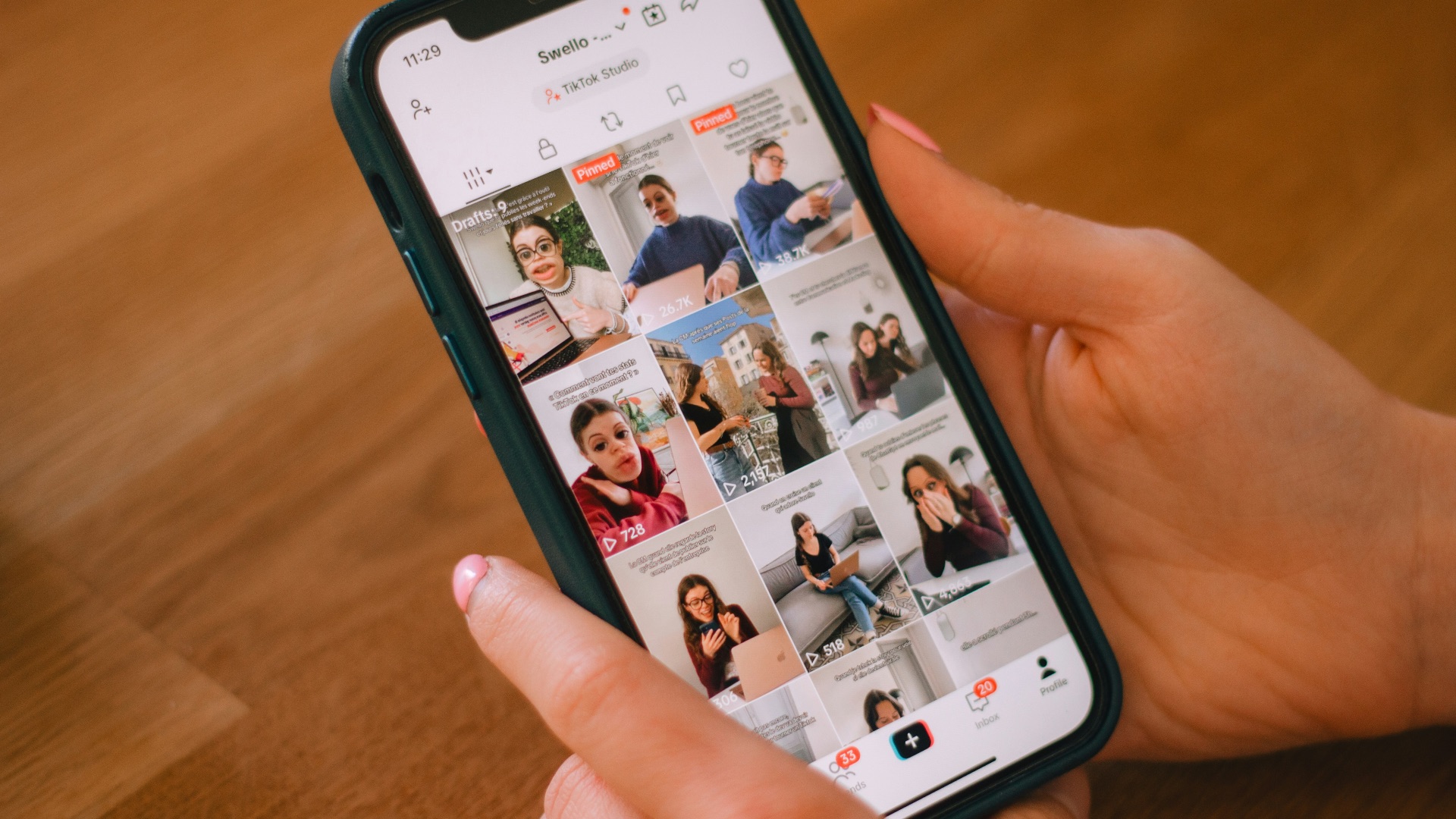
Most social media apps are designed to be scrolled through endlessly, meaning there's never just a hard stop at the end. Without a stop built in, however, it makes it much more difficult to break from the scrolling ourselves. Over time, we get used to swiping up to load more content.
2. Bite-Sized Reels
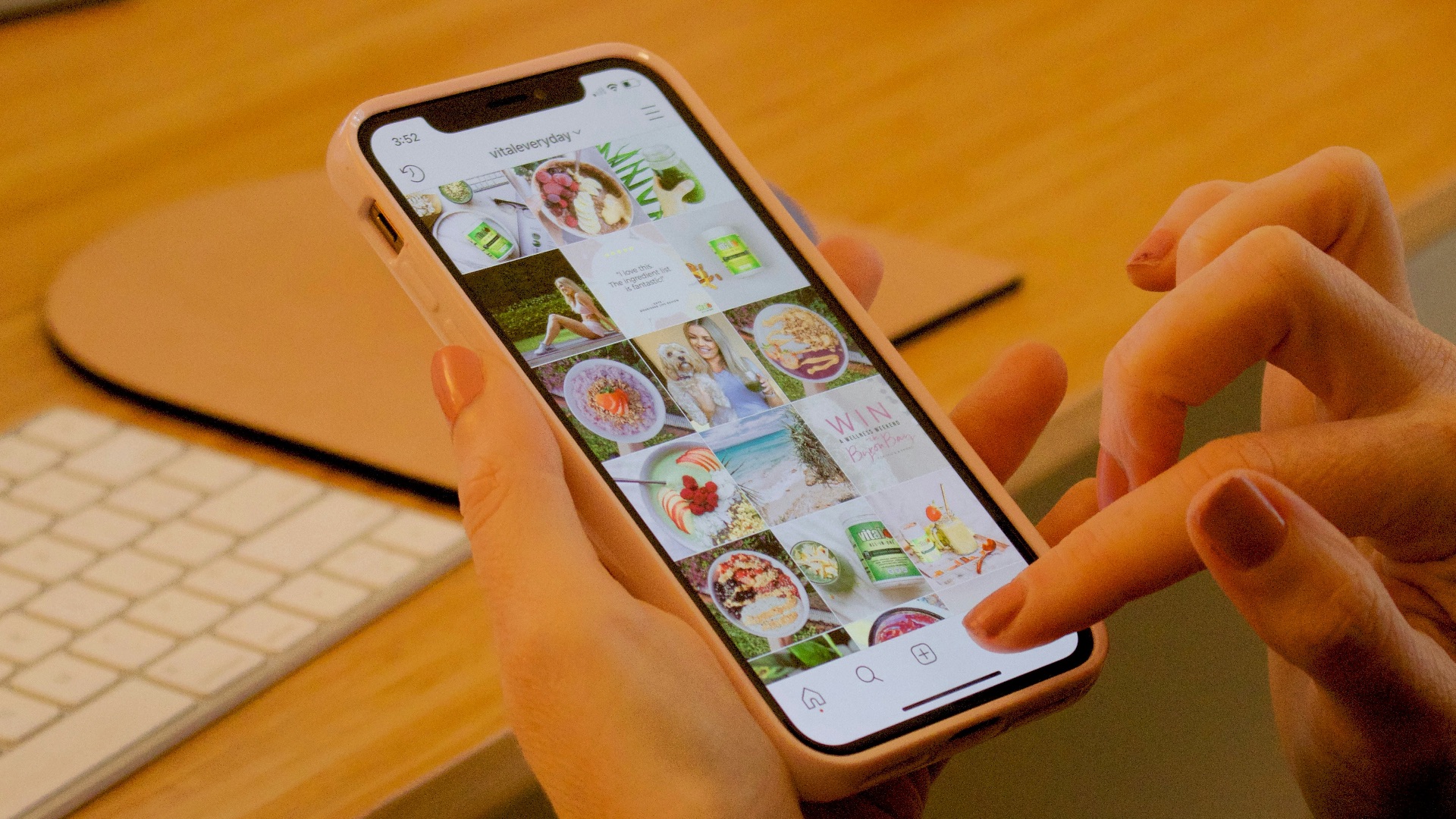
It doesn't help that social media usually presents us with short-form content. TikTok, Instagram, and YouTube have bite-sized reels that allow us to continuously scroll through. And because these clips are only so long, our attention gets hooked in more easily.
 Gabrielle Henderson on Unsplash
3. Multitasking Became the Default
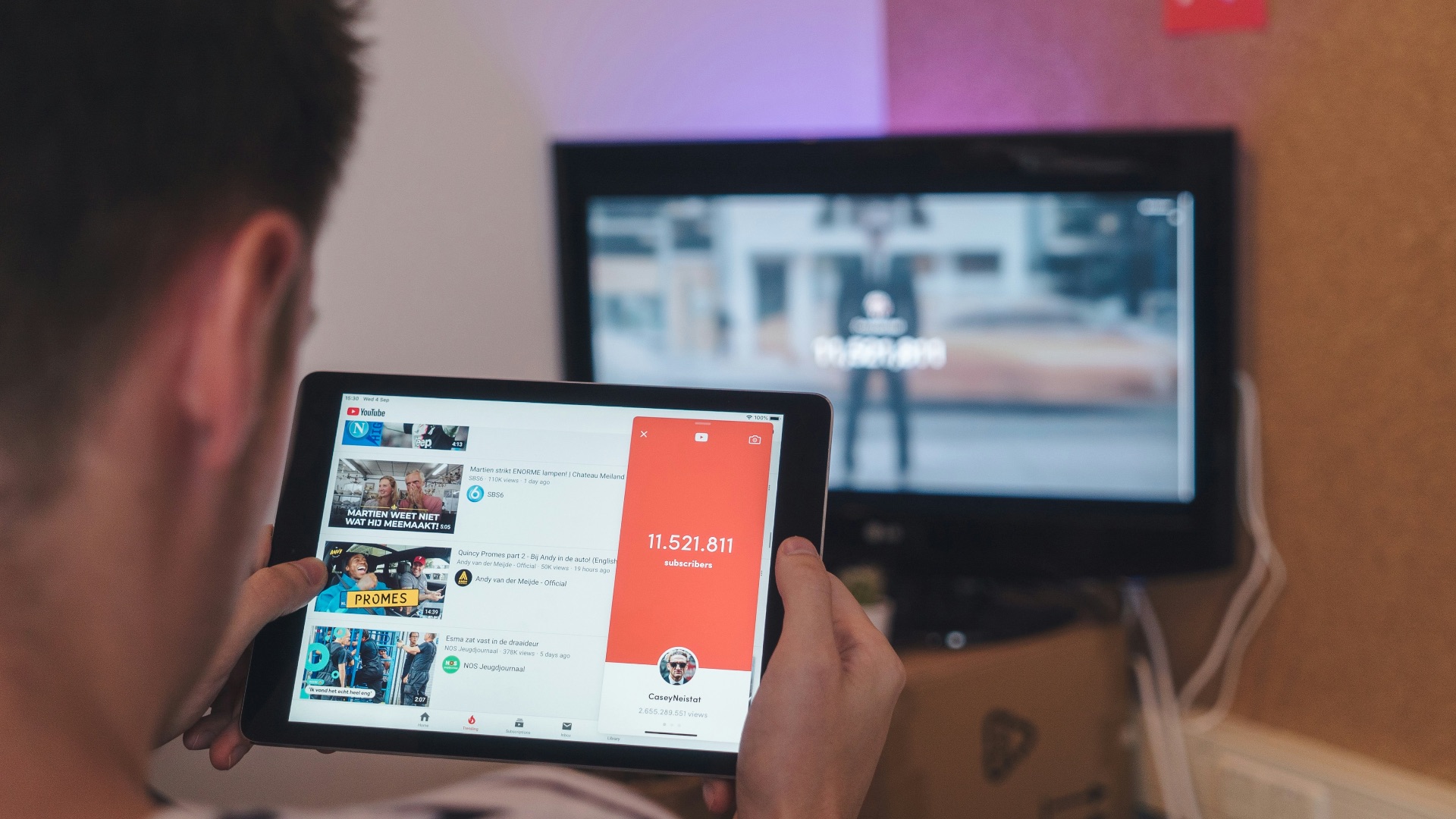
When was the last time you watched a TV show without scrolling on your phone? Or did work without having your phone by your side so you could swipe through it every time you had a break? If you're like most, you probably can't pinpoint a time you were without your phone. After all, social media and smartphones have made multitasking almost our preferred default, even if we're not actually great at doing two tasks at once.
4. Any Long-Form Content Feels Like a Chore
Since short-form content is the default we're used to, anything longer than that default immediately makes us bored. It's not just videos, though; anything that requires us to read more than a few paragraphs will also cause us to lose interest. Some may even resort to asking AI to summarize it for them.
5. Personalized Algorithms
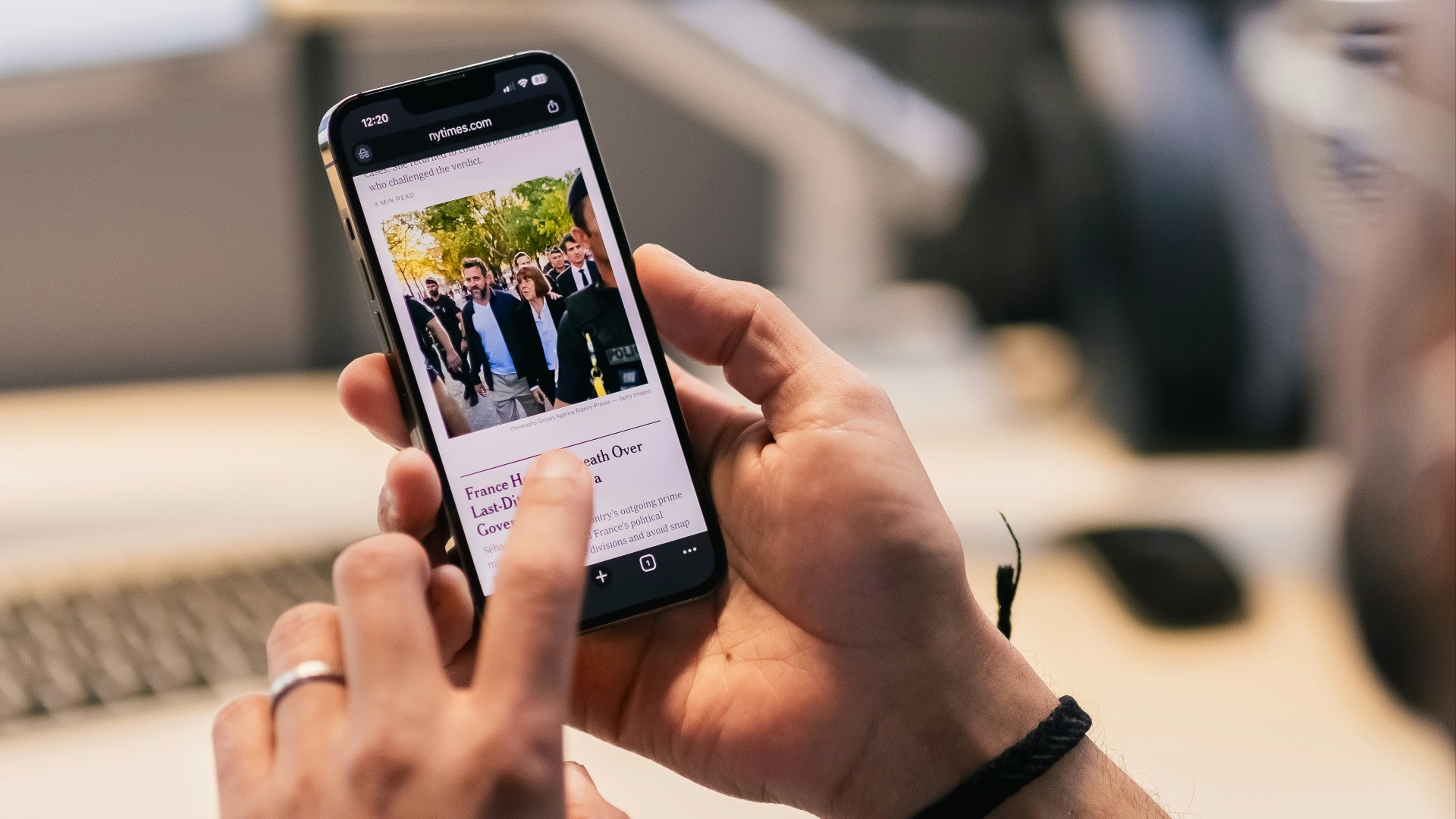
Another way that social media keeps our attention hooked? Personalized algorithms. This makes us more likely to want to continue scrolling, because the content we see is actually something we like or relate to. That's also why our attention spans are affected: the second the content no longer pertains to us, we lose interest.
 Christian Wiediger on Unsplash
6. Constant Notifications
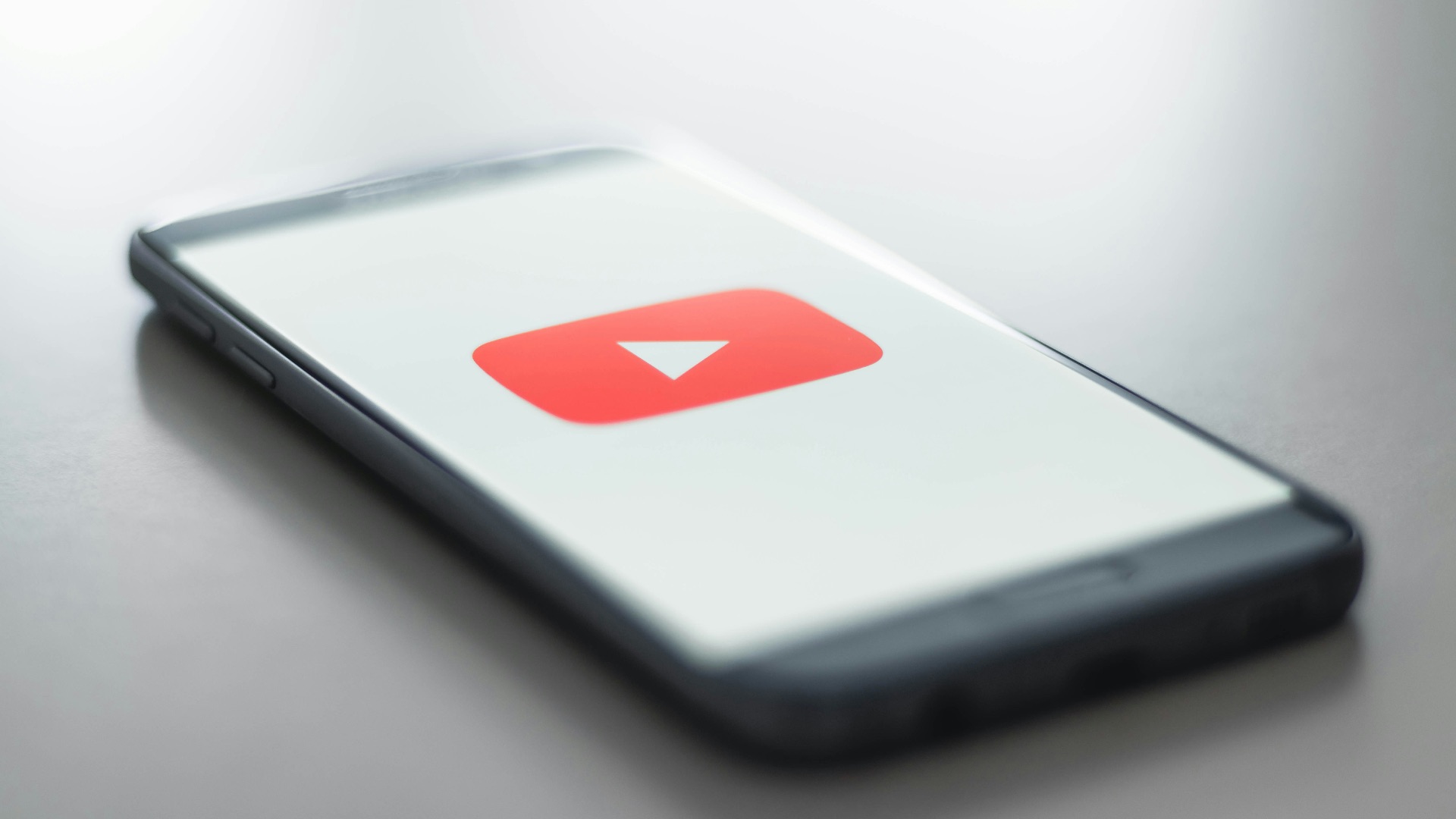
Notifications from social media can also detract our attention away from important tasks, then keep it trained on whatever content they have to offer. These constant breaks in our attention can wreak havoc on our productivity levels, because we become accustomed to letting our focus drift every couple of minutes.

7. Phone Addiction
It's not just the notifications that pull our focus away, though. Most of us are likely addicted to our smartphones, meaning we always feel the itch to check them, even if it's only been a few minutes since we last swiped through. This can, again, have negative effects on our attention spans.

8. Playback Speed
Remember how we mentioned we're now more accustomed to short-form content? Well, the result of that means every time we're presented with long-form content, we instinctively change the playback speed so that the content gets condensed to something we're more familiar with. But doing this only reinforces that short-form content is the default, and that trains our brains and attention spans even more.
9. Quick Dopamine Hits
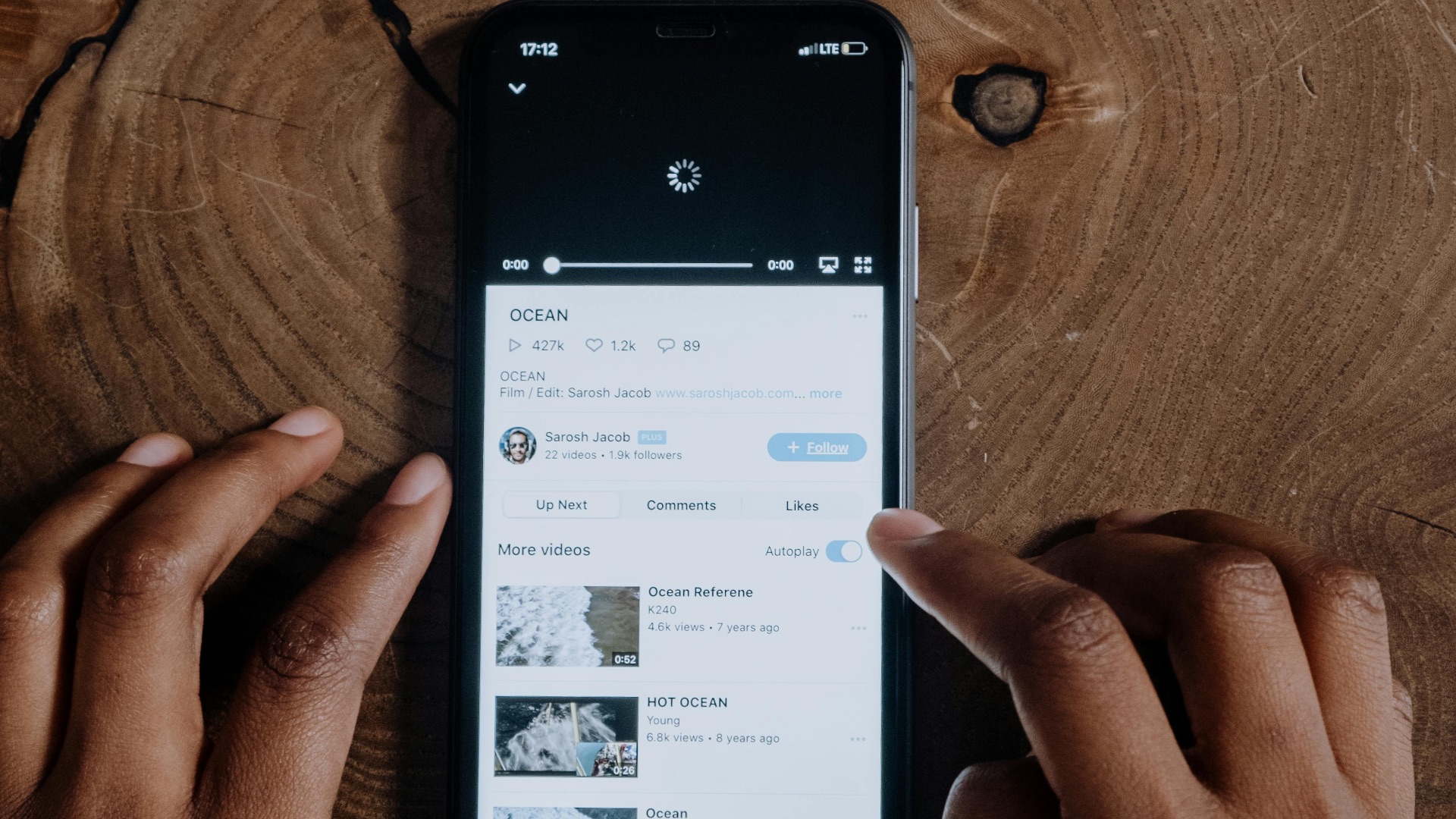
Every time we come across short-form content on social media that makes us happy, that triggers our brain's reward system, giving us quick dopamine hits. Then, it becomes an addiction, and we're constantly searching for more ways to continue feeling good. Tack on endless scrolling, and it's no wonder why it feels impossible to stop once you've started.
10. "Just One More"
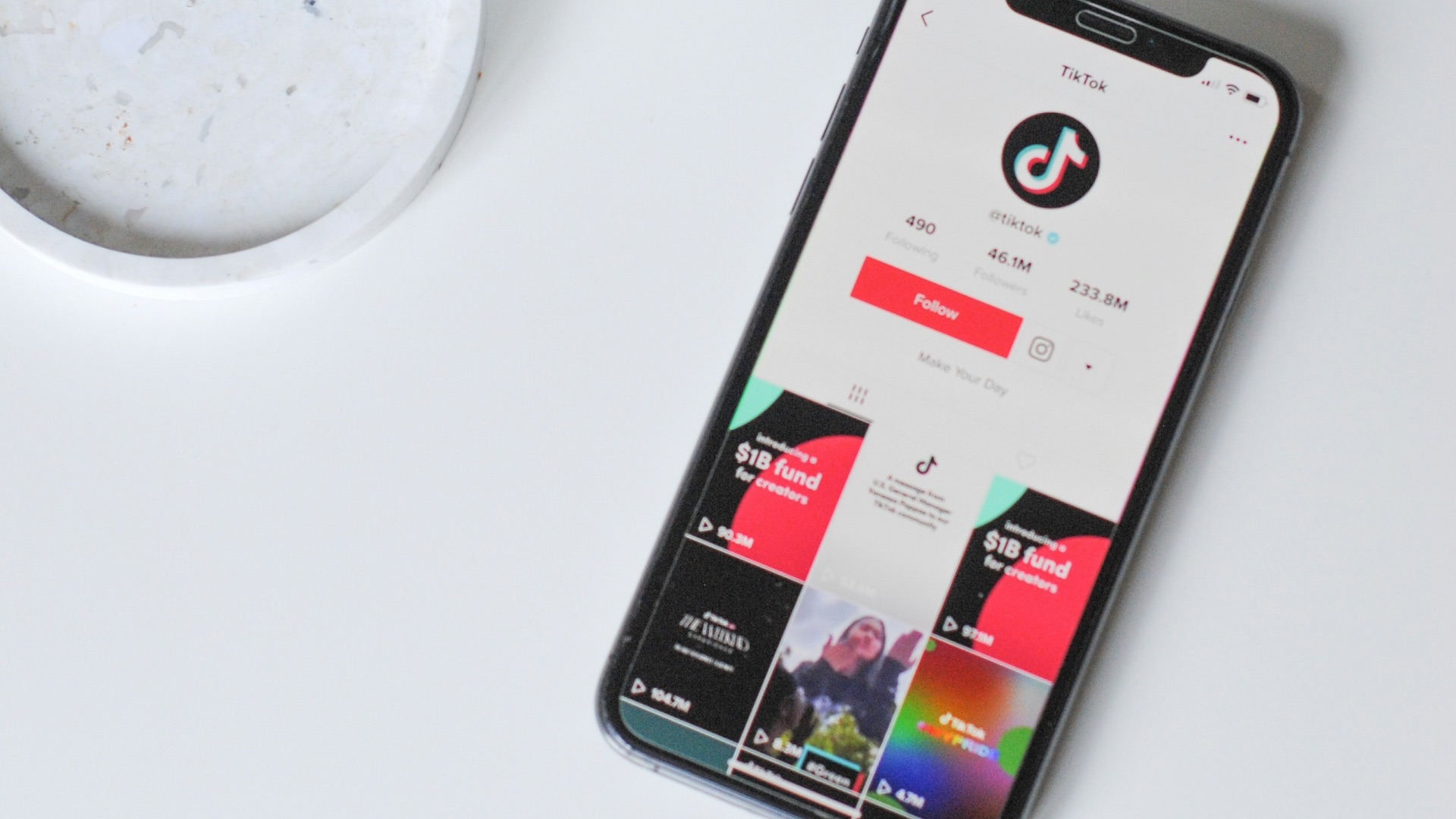
Building off the previous point, these quick dopamine hits mean we're never satisfied with just one. When was the last time you watched just one TikTok? Probably never, right? Instead, your brain is always searching for more reels, more clips, and more content that keeps your attention engaged; you're always chasing that next pleasurable hit. So two TikToks become five, five TikToks become 15, 15 becomes 30, and so on.
How, then, can we possibly retrain our brains and regain our focus? Here are 10 tips that might help you fix your attention span.
1. Limit Screen Time
If you already find that you spend too much time using screens, whether it be your phone, TV, tablet, or computer, it might be time to set limits. You can do this through the devices themselves, and once you've set it up, it's a good way to break your habits and get back on track.

2. Limit App Usage
If there are a few apps in particular that always distract you and hurt your productivity, consider setting limits for those specific applications. That way, you won't be able to scroll endlessly through TikTok or Instagram anymore, and you'll get reminders for when to stop.
3. Get Back into Reading
Because we've gotten so accustomed to short-form content, our attention drifts whenever we're presented with anything longer than that default. One way that might help fix this is to get back into reading. Once you get into the groove of reading full-length books, you'll likely have more patience to delve in other long-form content.

4. Turn Off Non-Essential Notifications
Are you always getting sidetracked because of notifications? If so, it might help to turn off non-essential ones, or to set your phone on a Do Not Disturb mode. This way, your attention won't drift when you're supposed to be focused on work.
5. Schedule Breaks from Screens
Setting screen time limits is one thing, but if you really want to break your phone addiction habit, it's best to set your device aside and schedule blocks in the day where you're away from it. This will eventually train your brain not to reach for it whenever you're bored or need entertainment.
6. Put Your Phone Out of Reach When Working
Another thing you can do to lock in your focus is to put your phone somewhere out of reach. This might mean storing it away in another room, not bringing it to work with you, or turning it off completely. Because you can't so easily grab it, you'll eventually unlearn the habit.
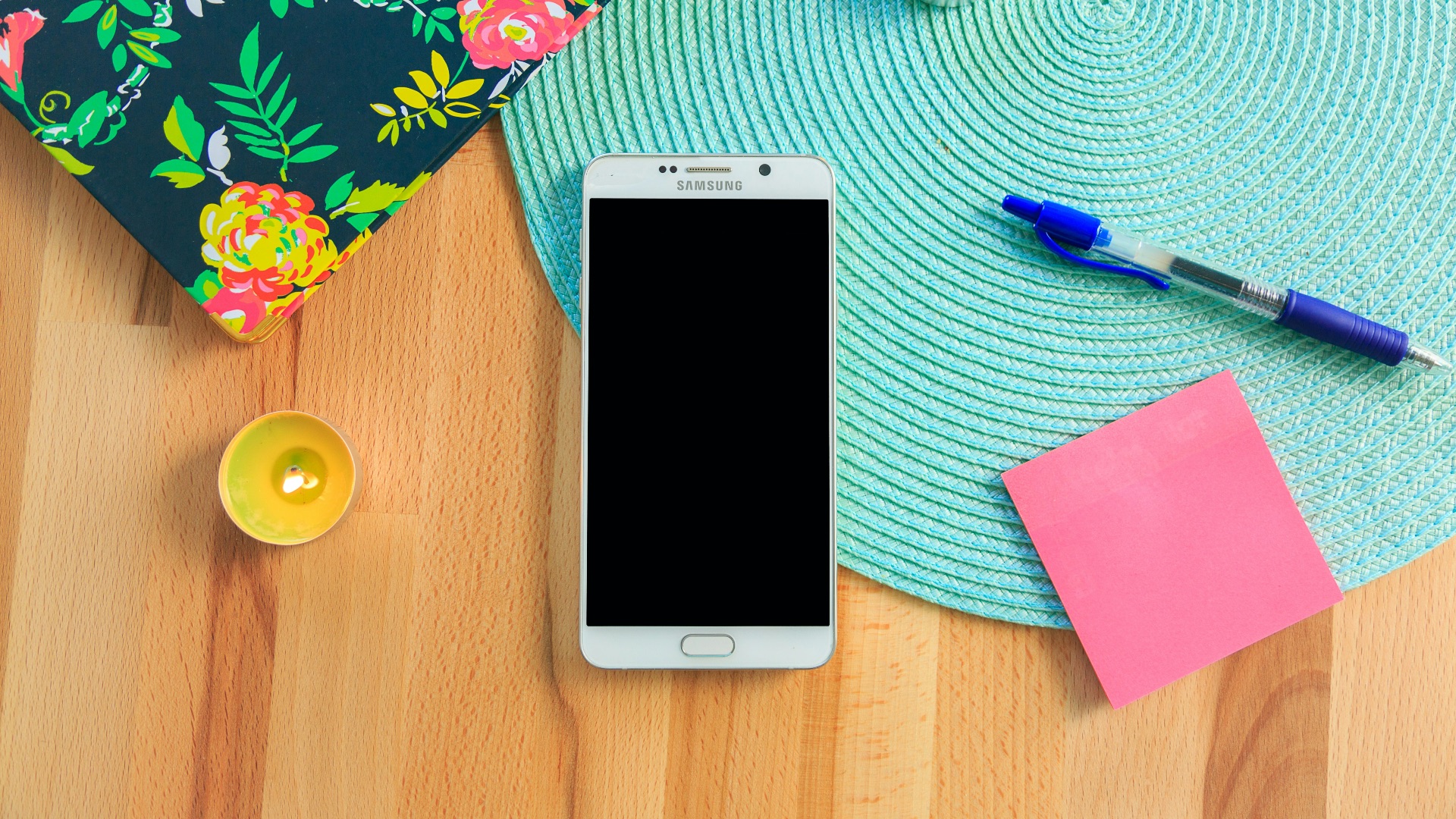
7. Focus on One Thing at a Time
Social media has trained us to multitask, meaning we're simultaneously on our phones while doing something else. But we're not naturally good at doing two things at once—our brains can only focus consciously on one thing at a time. So, instead of trying to juggle between different tasks, hone your concentration on just one thing.
 Glenn Carstens-Peters on Unsplash
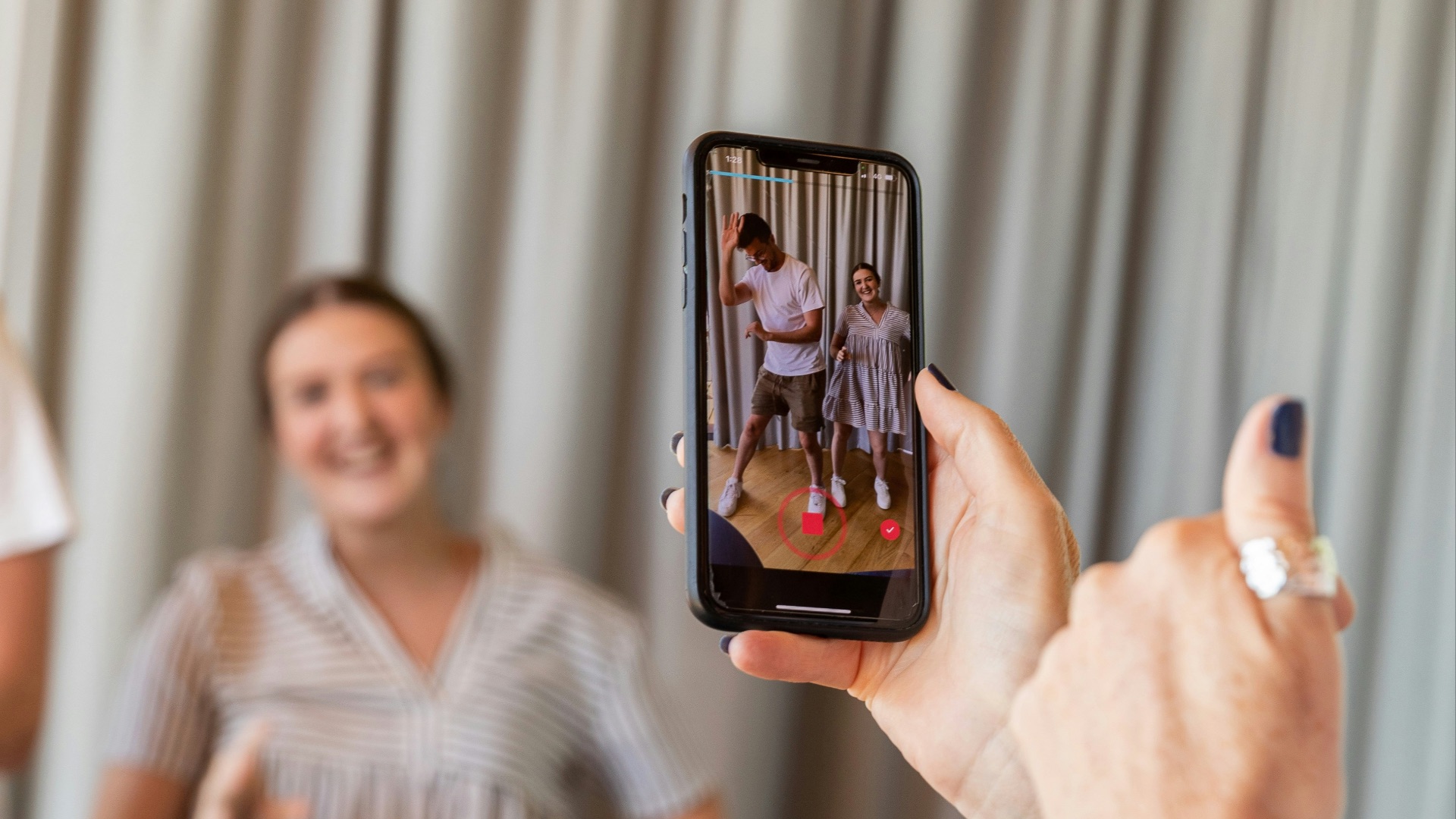
8. Use Social Media Intentionally
Instead of using social media passively, meaning you're just scrolling through without actively posting, liking, commenting, or interacting with content, try to use it intentionally. This may help you better understand the effort and time it takes to create content, and, in turn, it may rewire your attention.
 S O C I A L . C U T on Unsplash
9. Replace Scrolling with Another Low-Level Activity
If reading isn't an activity you enjoy, you can also replace scrolling with something else. Puzzles, crosswords, Sudokus, or other low-stimulation activities and games work as well. The key is to stop yourself from automatically reaching for your phone whenever you're bored.

10. Go for a Walk
Instead of cooping up indoors and scrolling on your phone, head outside! Go for a walk around the neighborhood or run a quick errand. This may help break the urge to scroll on social media and give your brain something else to focus on.