10 Trading Cards Worth a Fortune & 10 That Were Everywhere
The Cards That Made Binders Feel Like Treasure Chests
Nerdy trading cards have a special kind of power because they can turn a childhood binder into a serious collector’s item, or at least make you dig through an old closet with a little too much hope. Pokémon, Magic: The Gathering, Yu-Gi-Oh!, and superhero cards all have their legendary pulls, but they also have plenty of cards that seemed to be everywhere. Some cards became valuable because they were rare prizes, early printings, or impossible to find in perfect condition, while others were printed in huge numbers and passed around like spare change. Here are 10 nerdy trading cards worth a fortune, followed by 10 that were absolutely everywhere.
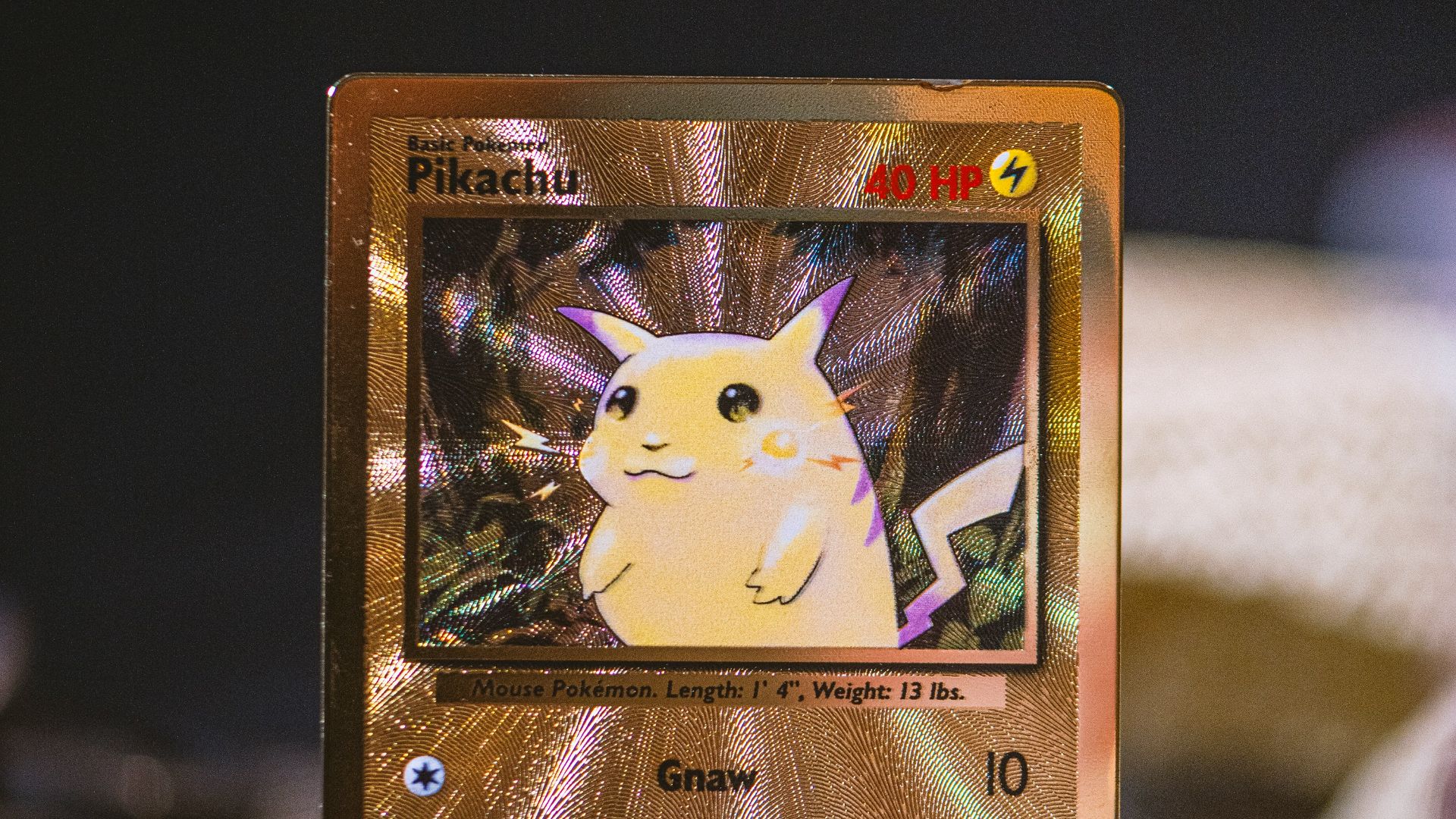
1. Pikachu Illustrator
Pikachu Illustrator is one of the most famous Pokémon cards ever made. The card was originally awarded through a Japanese illustration contest in the late 1990s, which means it was never something most kids could pull from a regular pack. Logan Paul’s PSA 10 copy sold for a record $16.5 million at auction in 2026, making it the most expensive trading card ever sold at auction.
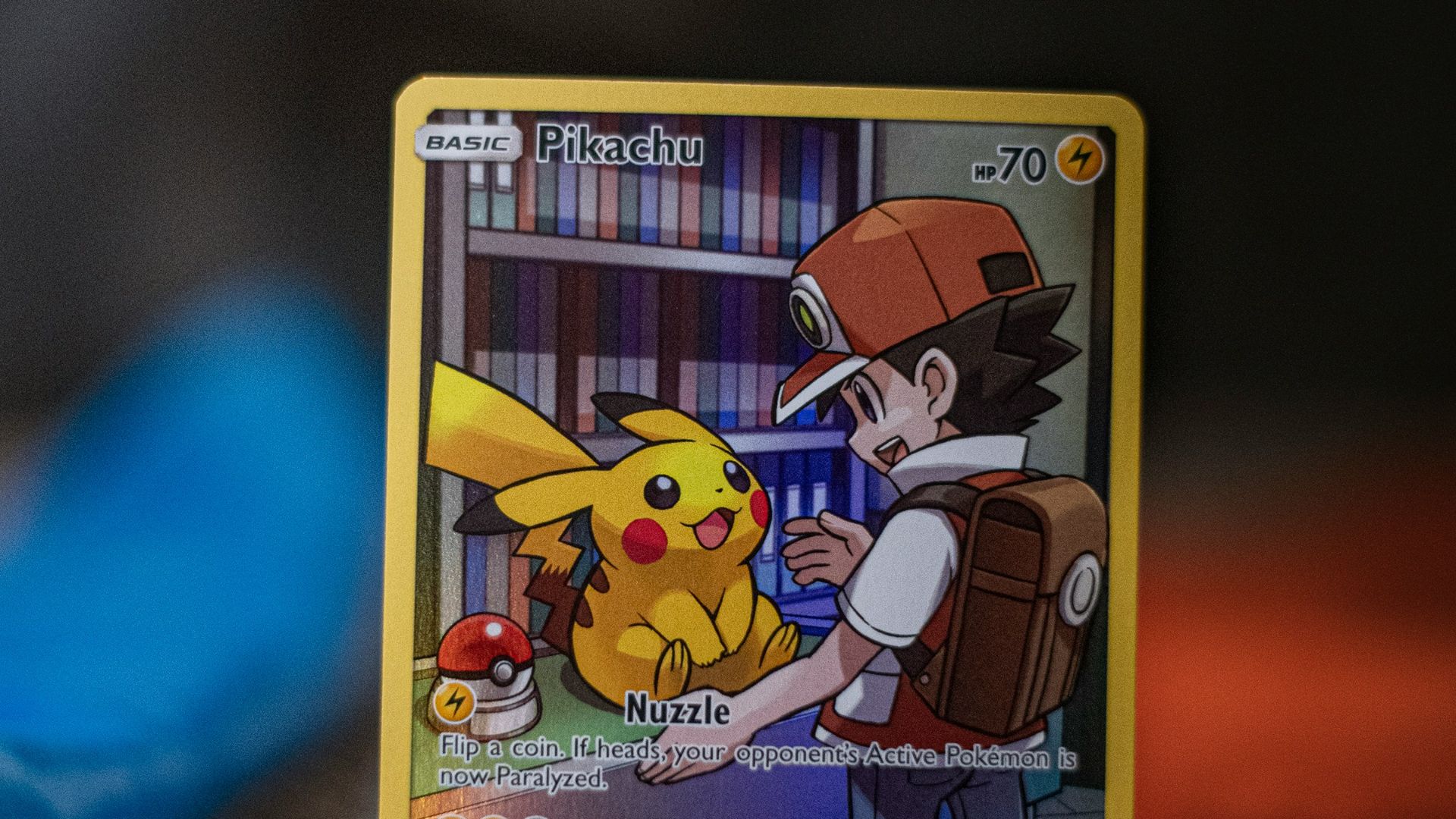
2. Alpha Black Lotus
Black Lotus is the Magic: The Gathering card that even non-players have heard about. It came from the earliest days of the game, and its powerful effect made it legendary long before collectors started treating it like a trophy. A PSA 10 Alpha Black Lotus, signed on the case by artist Christopher Rush, sold for $511,100 in 2021, demonstrating just how serious the market can become for top-condition copies.

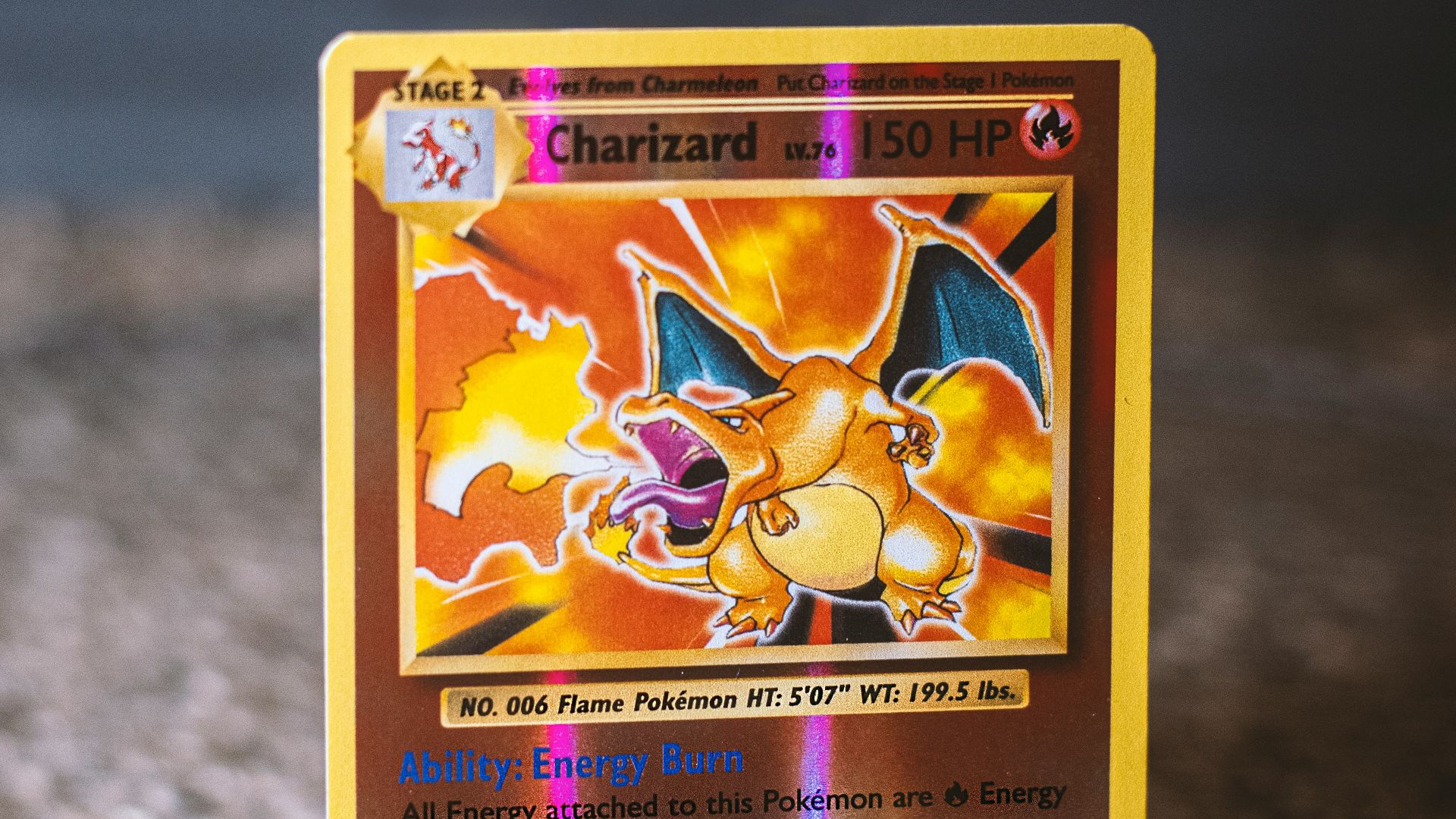
3. First Edition Shadowless Charizard
First Edition Shadowless Charizard is the Pokémon card that launched a thousand childhood grudges. It was already the card everyone wanted because Charizard looked powerful, rare, and cooler than almost anything else in the binder. Today, top-grade copies can sell for huge amounts because so many were scratched, traded, played with, or shoved into backpacks.
4. Tyler the Great Warrior
Tyler the Great Warrior is one of Yu-Gi-Oh!’s most unusual collector stories. The card was made as a one-of-a-kind item for Tyler Gressle through the Make-A-Wish Foundation, and it became legendary because there was nothing else quite like it. When it eventually sold, reports placed the auction above $300,000, making it one of the most expensive Yu-Gi-Oh! cards ever publicly sold.
 © Kazuki Takahashi© Studio Gallop© TV Tokyo on Wikimedia
5. Pokémon Trophy Kangaskhan
The Trophy Kangaskhan card is another Pokémon prize card that collectors take very seriously. It was awarded through a parent-and-child tournament in Japan, which gives it a sweet backstory as well as real scarcity. Unlike regular set cards, it was never widely distributed, so finding one in strong condition is a major event.

6. Yu-Gi-Oh! Tournament Black Luster Soldier
The tournament prize version of Black Luster Soldier is one of the most talked-about cards in Yu-Gi-Oh! collecting. Its reputation comes from its extreme rarity, prize-card status, and the mystery that surrounds its collector-market value. Regular Black Luster Soldier cards are easy enough to recognize, but this special version belongs in a completely different category.
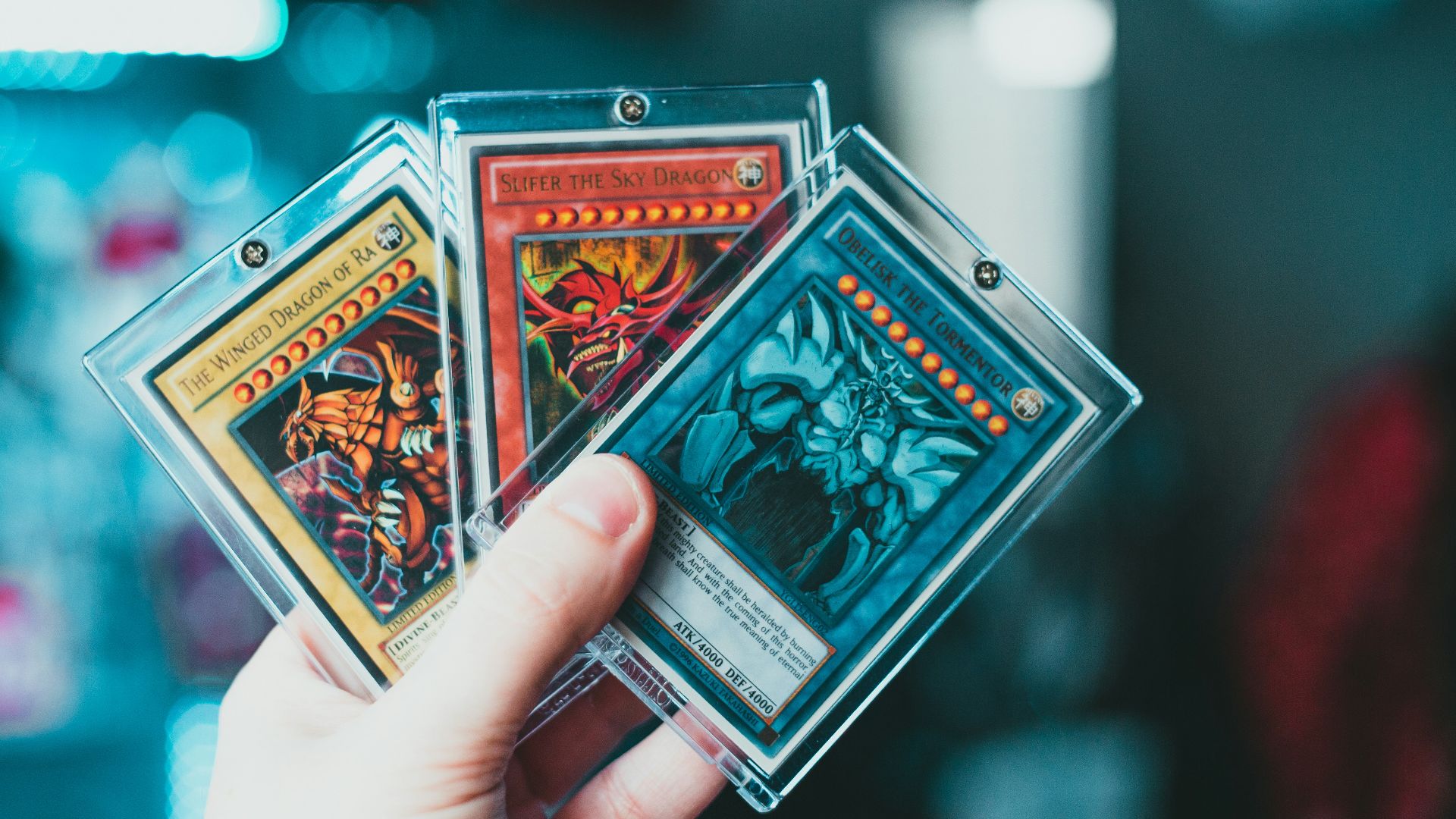
7. Magic: The Gathering Mox Sapphire
Mox Sapphire is one of Magic’s legendary Power Nine cards, which already puts it in elite company. Like Black Lotus, it comes from the earliest era of the game, when nobody knew these little fantasy cards would become major collectibles. Its value comes from age, power, condition, and the fact that early Magic cards weren’t always treated gently.
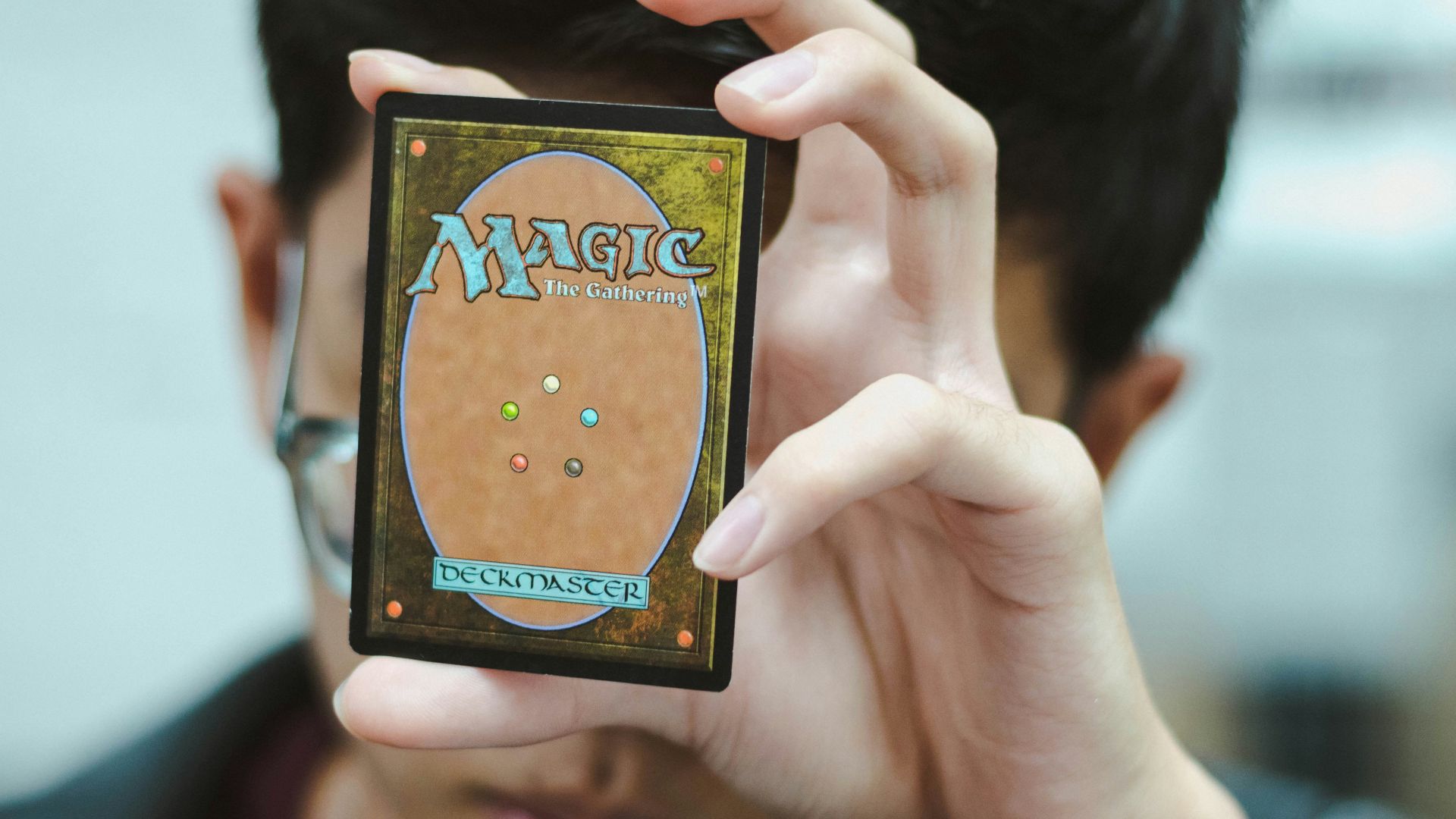
8. No. 1 Trainer Pokémon Trophy Card
The No. 1 Trainer cards are some of the rarest Pokémon cards because they were awarded at major events rather than sold in packs. That prize-card history gives them a special collector appeal, especially when tied to early competitive Pokémon. They don’t have the same mainstream recognition as Charizard, but serious collectors know exactly why they matter.
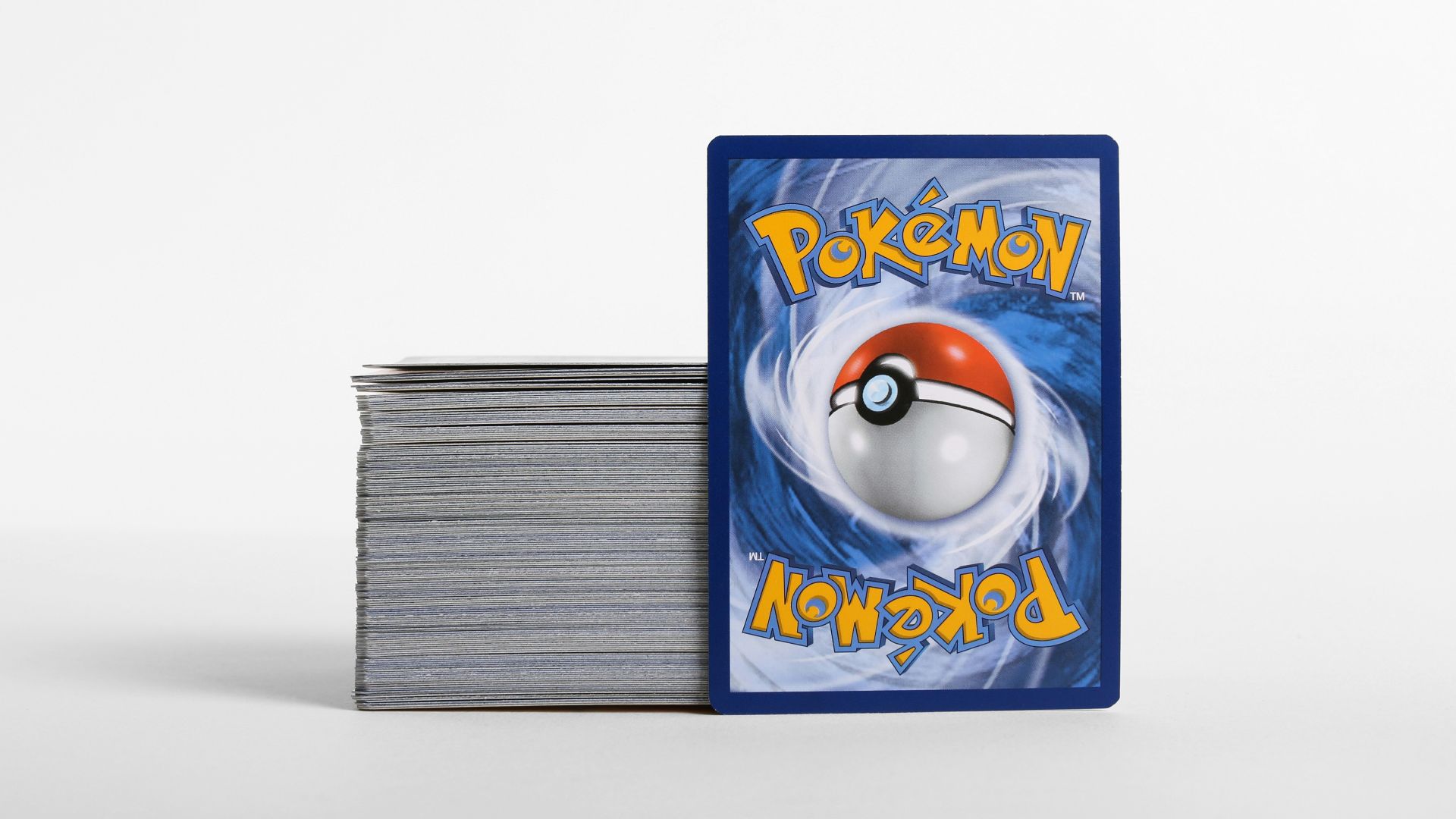
9. 1990 Marvel Universe Wolverine Hologram
The 1990 Marvel Universe Wolverine hologram is one of the superhero cards that collectors still get excited about. Wolverine was already a massive fan favorite, and the hologram treatment made the card feel extra special when it first appeared. While most 1990s superhero cards were printed in big numbers, standout inserts like this can still draw strong interest in high-grade condition.
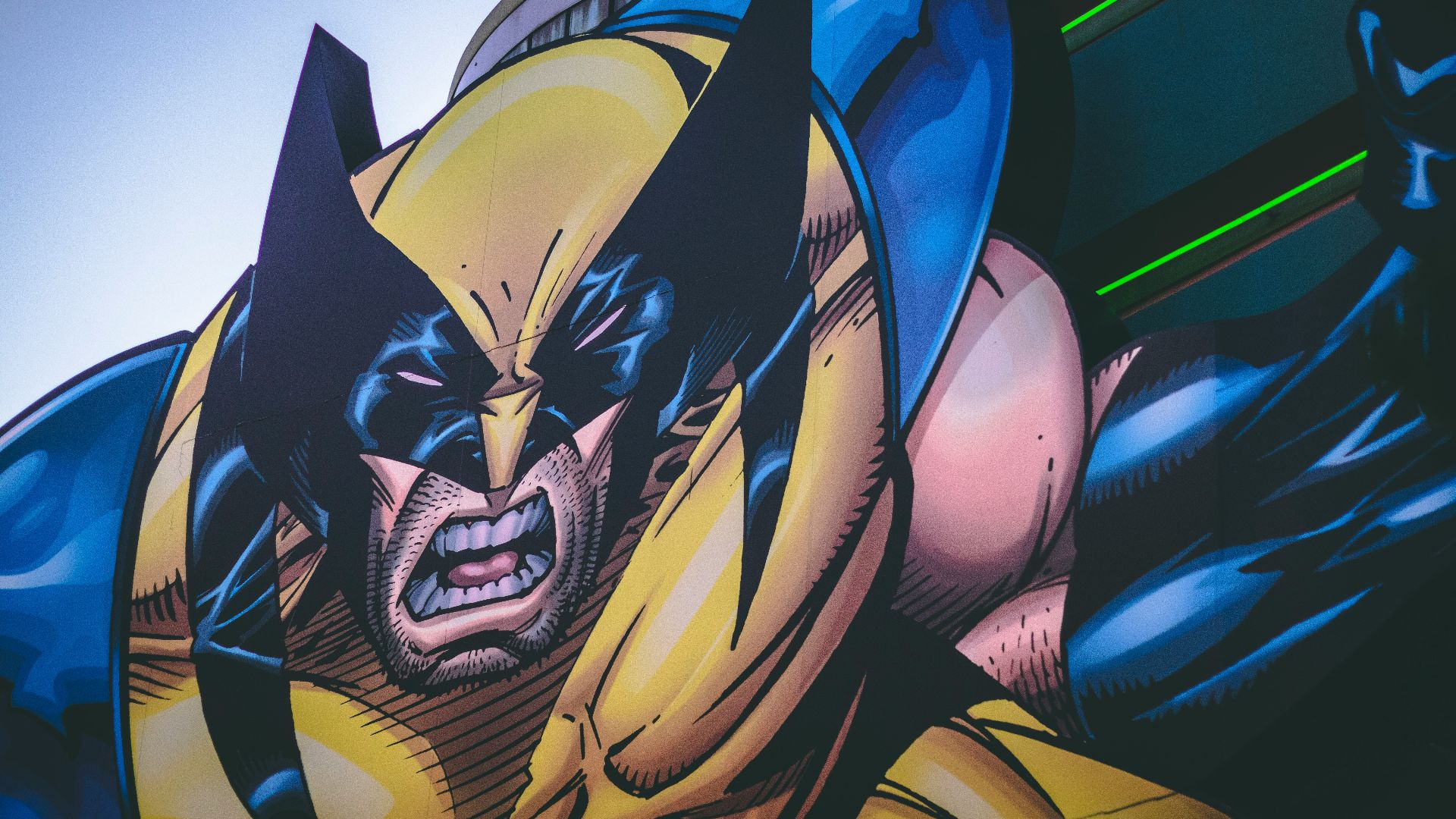
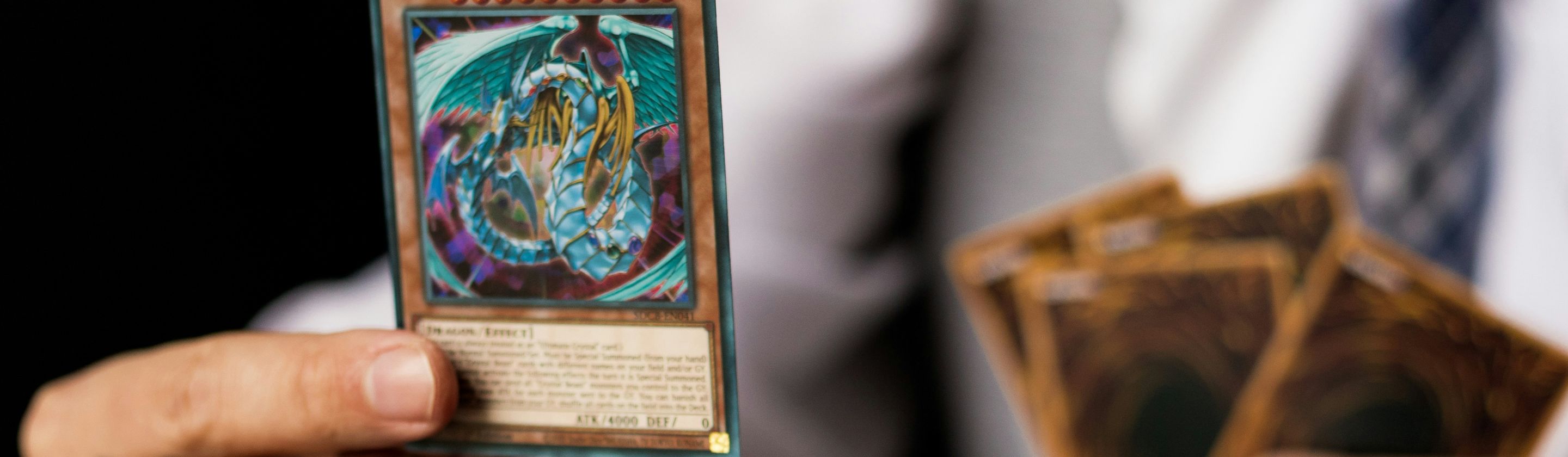
10. Blue-Eyes White Dragon First Edition
Blue-Eyes White Dragon is the Yu-Gi-Oh! card that defined the franchise for a lot of early fans. First Edition copies from the earliest sets, especially in excellent condition, can command major money because the card has both nostalgia and character recognition behind it. It helps that Blue-Eyes was tied so closely to Kaiba, making it feel important even before collectors cared about grading.
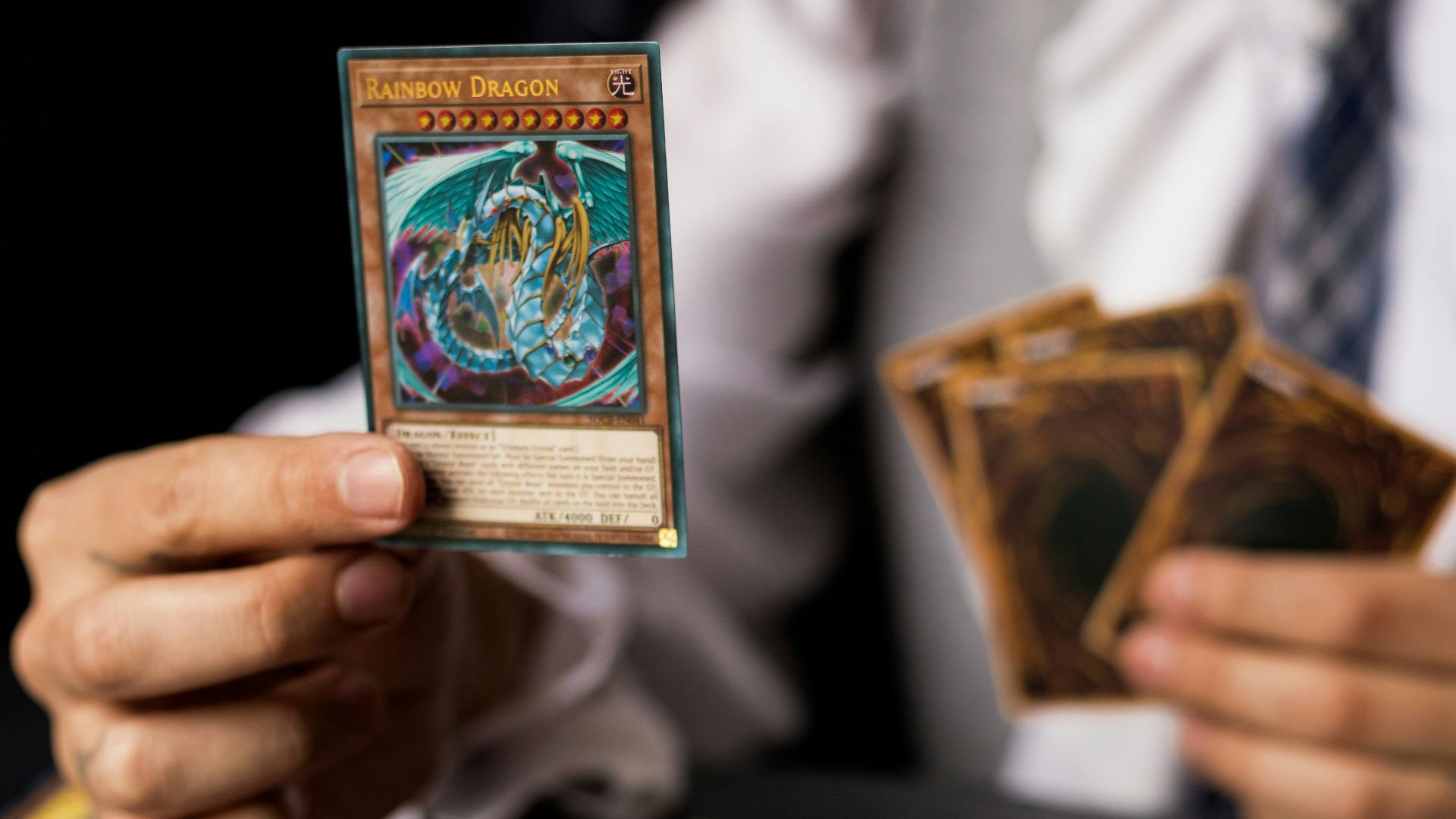
Now that we've covered the 10 trading cards that are worth a small fortune, let's talk about the ones that were everywhere.
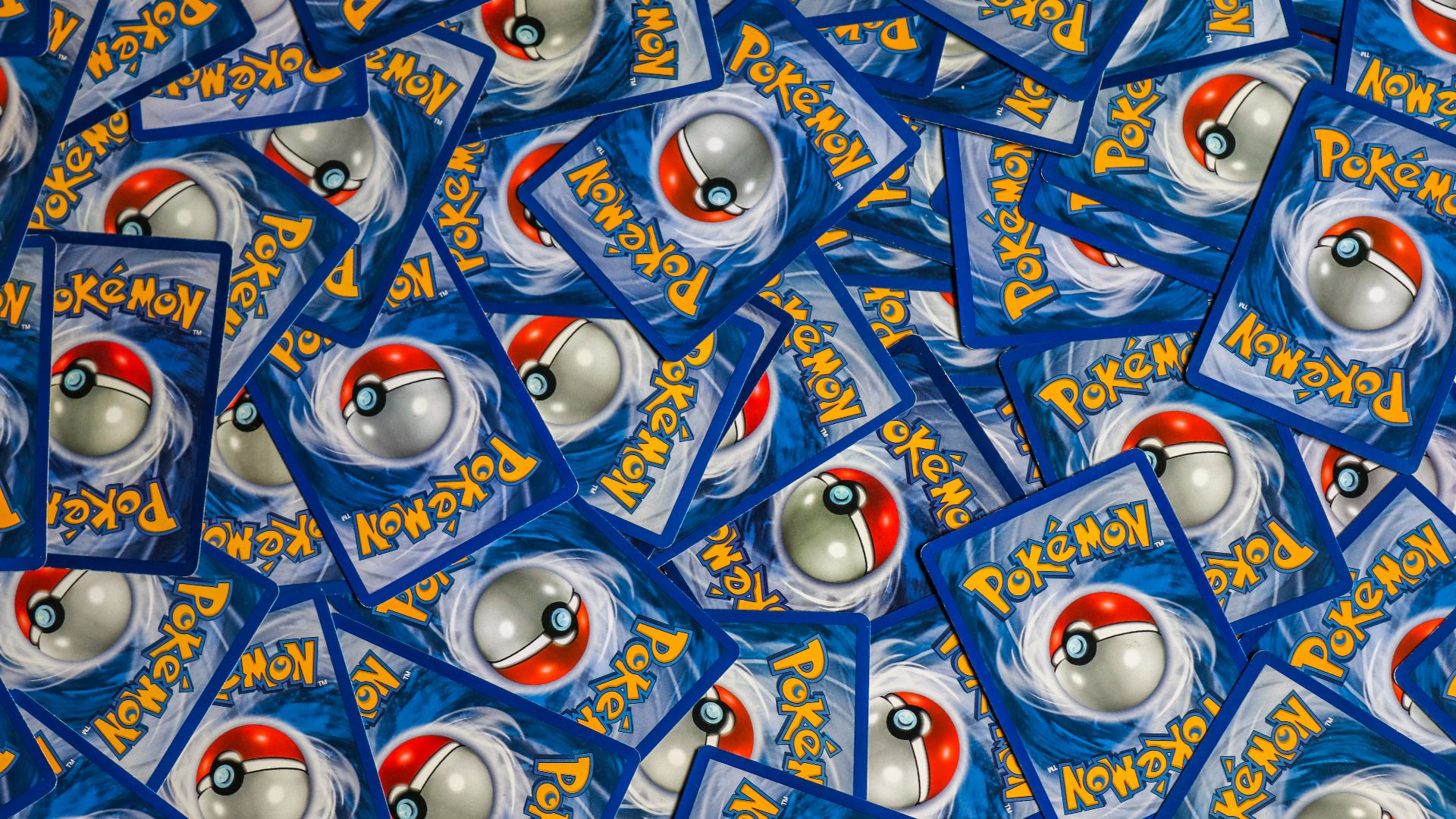
1. Pokémon Base Set Energy Cards
Pokémon Energy cards were everywhere if you played or collected in the late 1990s. You needed them to play the game, but opening one never felt as exciting as pulling a holographic rare. Most kids ended up with piles of Fire, Water, Grass, and Psychic Energy cards, whether they wanted them or not. They were useful, familiar, and rarely the reason anyone screamed after opening a pack.
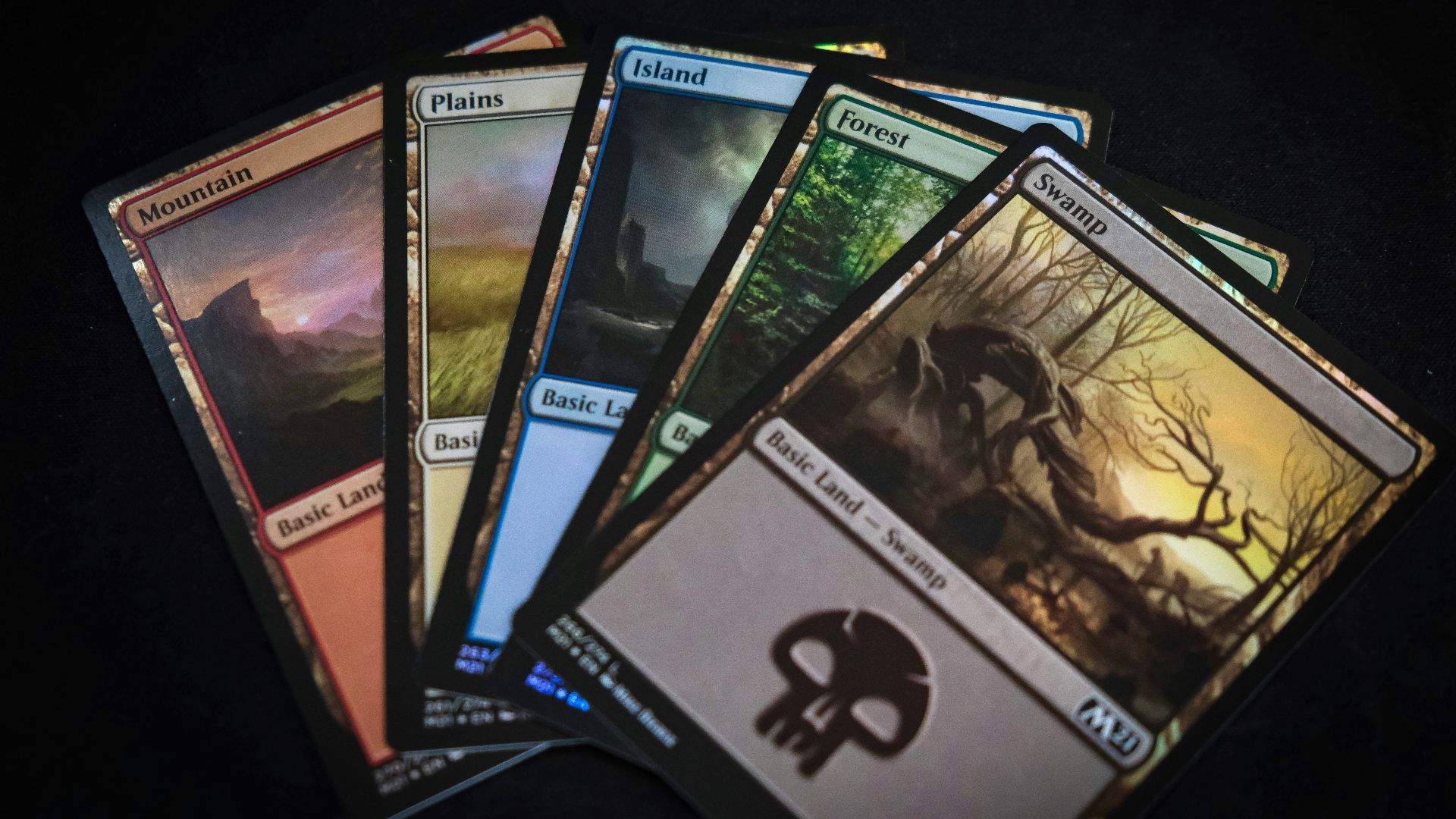
2. Magic: The Gathering Basic Lands
Basic lands are the cards every Magic player has handled by the stack. Forests, Islands, Mountains, Plains, and Swamps are essential for playing, but most versions were printed in huge quantities. That means they were constantly floating around game stores, kitchen tables, and deck boxes. A few special lands can be valuable, but the ordinary ones were the background noise of Magic collecting.
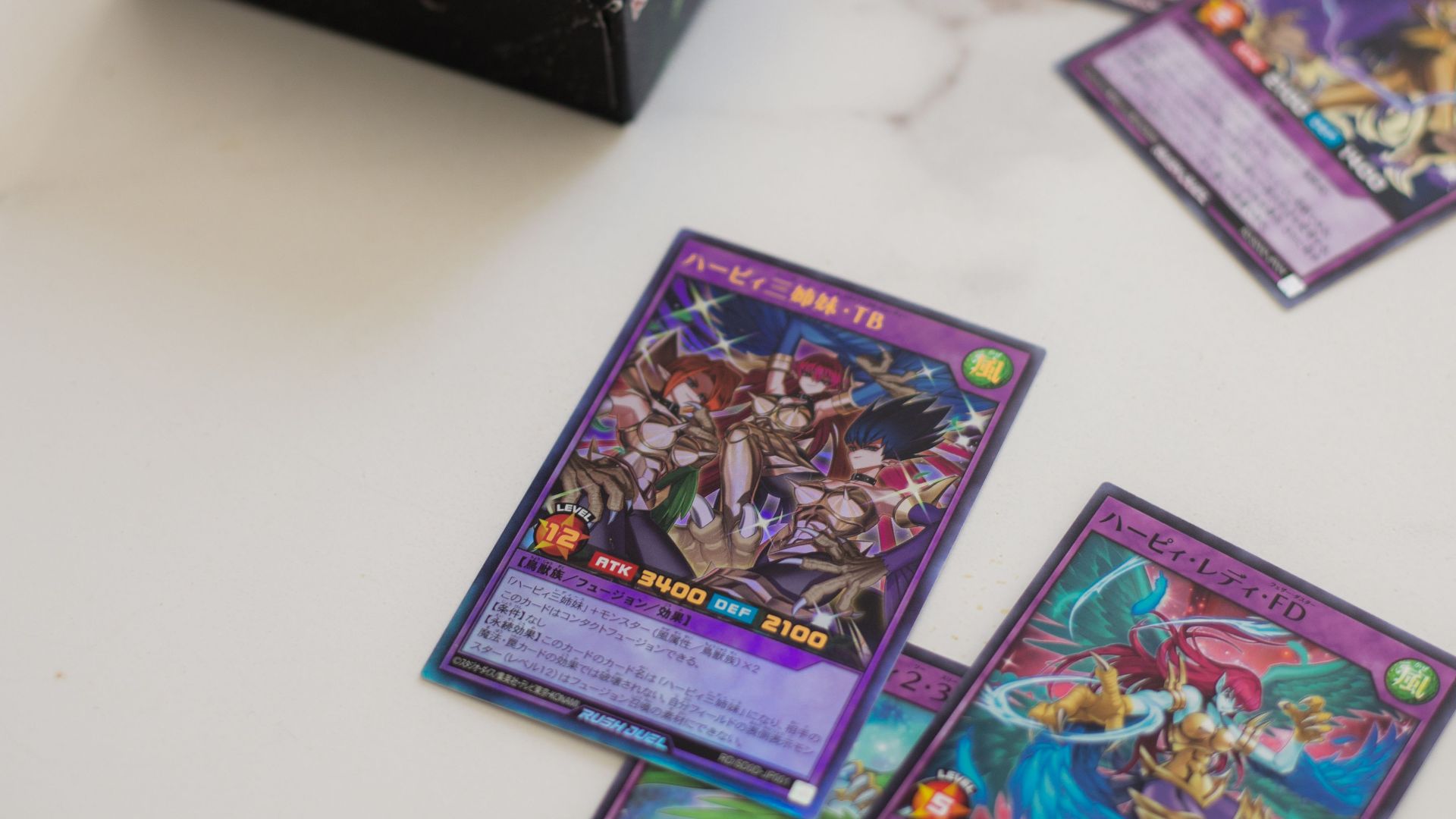
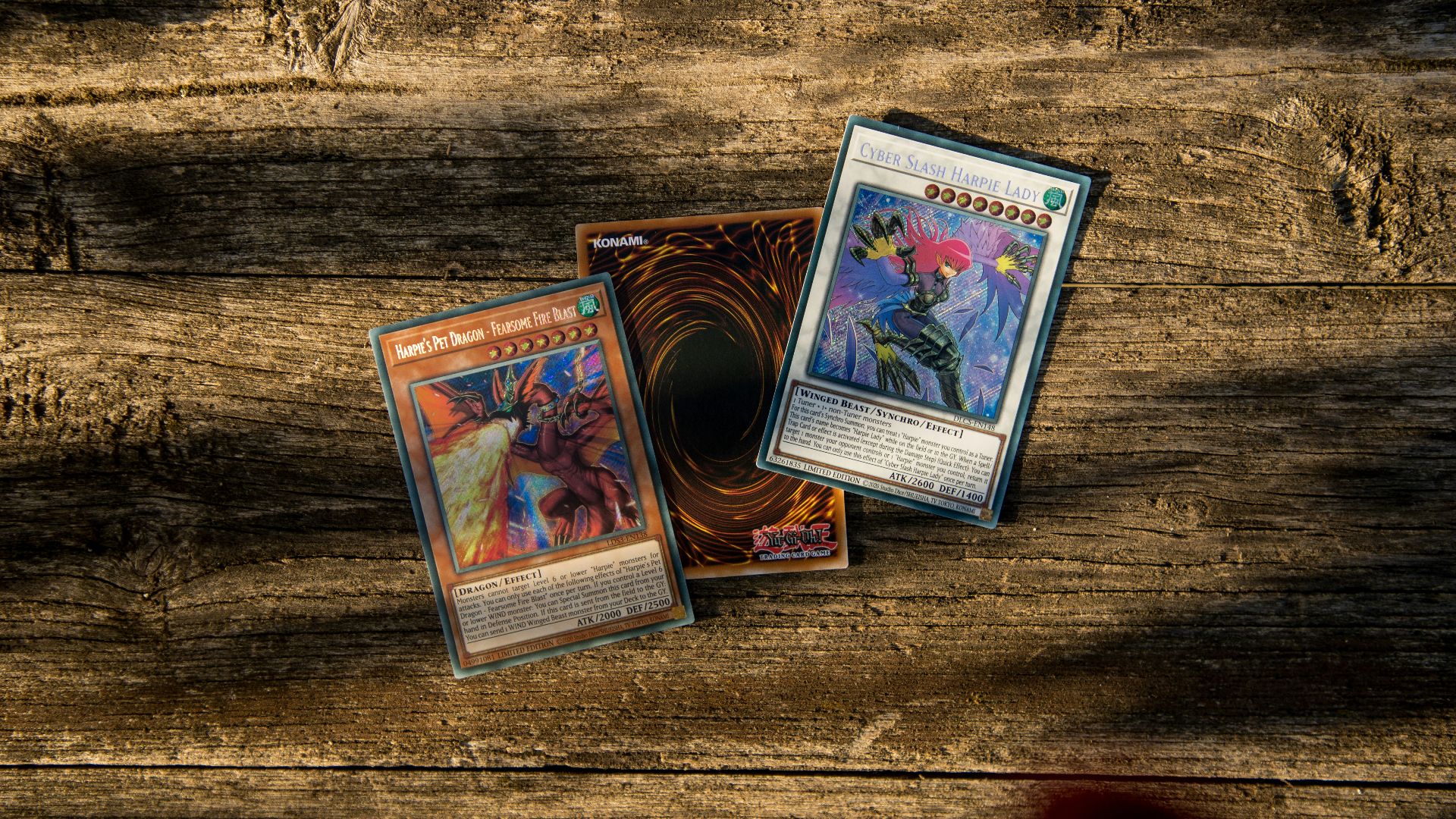
3. Yu-Gi-Oh! Mystical Elf
Mystical Elf was one of those early Yu-Gi-Oh! cards that seemed to show up all the time. It had enough defense points to be useful for beginners, so plenty of players kept it around even when their decks got stronger. The card also had that classic early-anime feeling, which made it memorable beyond its actual gameplay value. It wasn’t a fortune-maker, but it was definitely a familiar face.
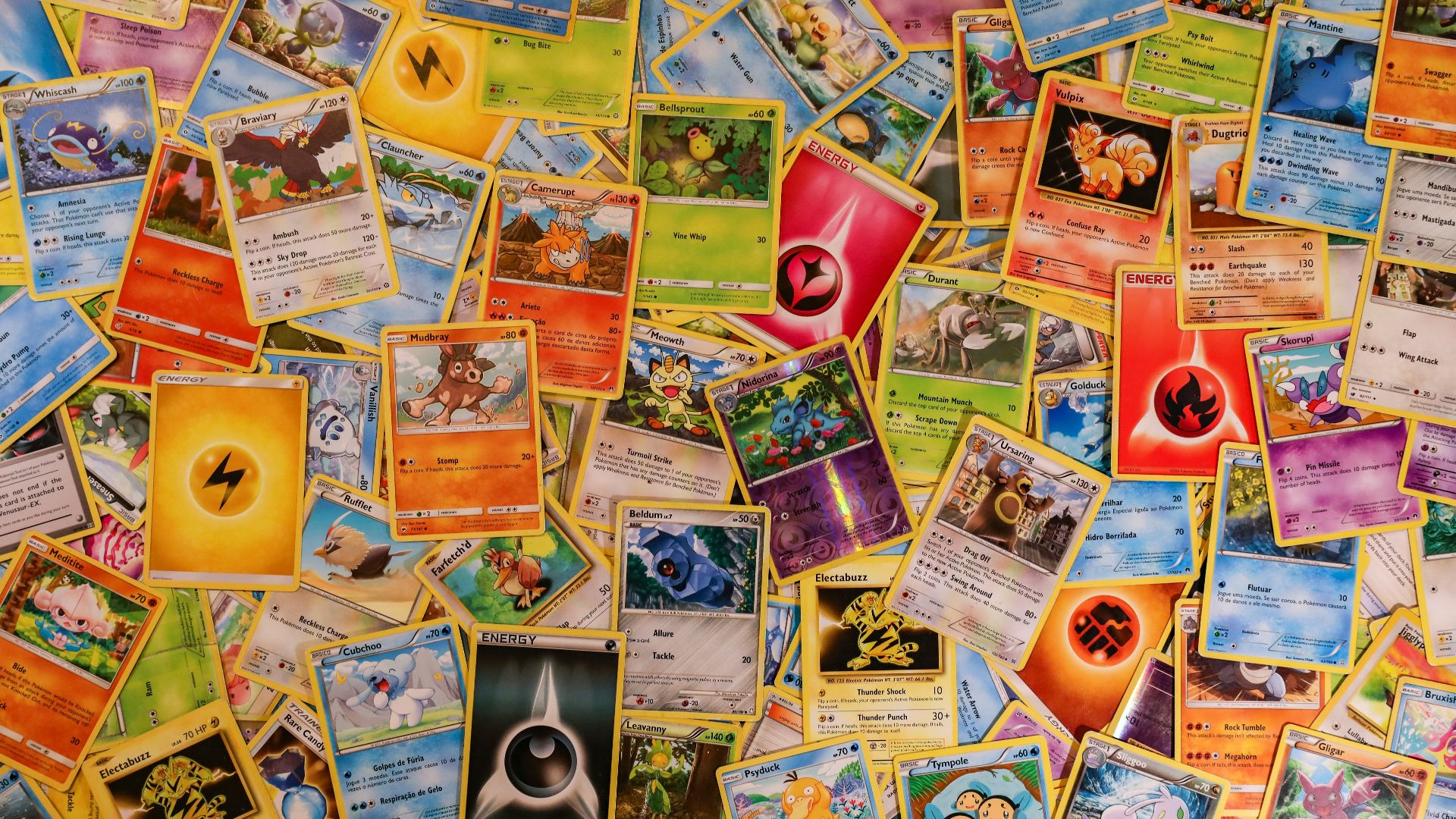
4. Pokémon Base Set Machop
Machop was one of those Pokémon cards that felt impossible to avoid. It was common, easy to pull, and recognizable enough that almost every kid had at least one. You might not have treasured it the way you treasured a holo, but it probably spent time in your binder anyway. For many collectors, Machop is less about value and more about instant childhood recognition.
5. Yu-Gi-Oh! Beaver Warrior
Beaver Warrior became one of the early Yu-Gi-Oh! commons that players remember with a strange amount of affection. It wasn’t the strongest monster, and it wasn’t exactly intimidating, but it appeared often enough to become part of the game’s early identity. Lots of kids had one sitting in a deck simply because it was there.
6. 1990 Marvel Universe Base Cards
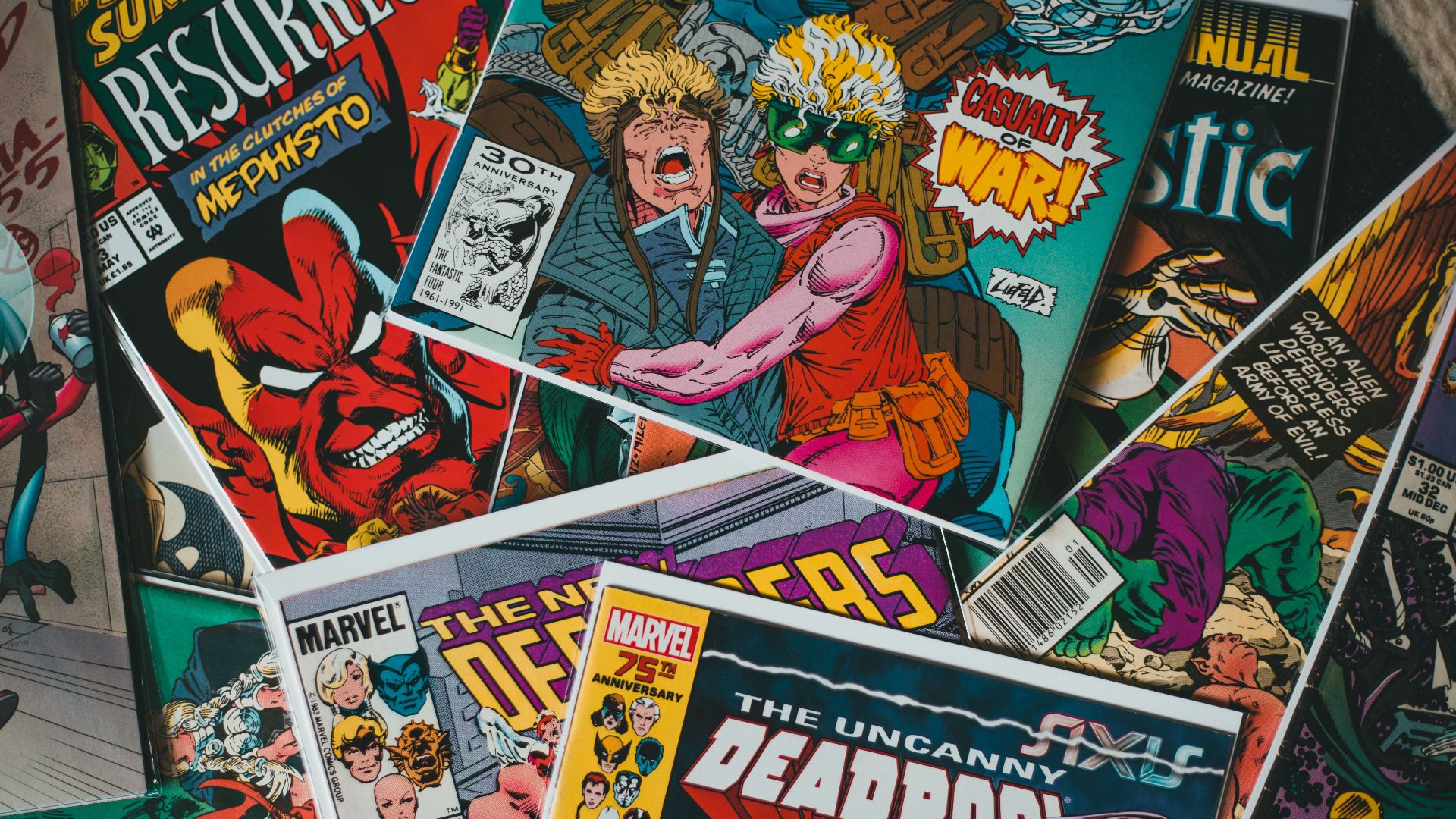
The 1990 Marvel Universe set was everywhere for superhero fans who loved stats, character bios, and dramatic comic art. Base cards featuring heroes and villains like Spider-Man, Captain America, and Doctor Doom filled plenty of binders. Most of them weren’t especially rare, but they made comic collecting feel interactive in a fun way.
7. Pokémon Base Set Rattata
Rattata was another Pokémon card that seemed to appear in everyone’s collection. It was common, simple, and not exactly the card people bragged about pulling. Still, it had a place in the early Pokémon experience because kids were collecting everything, not just the shiny cards.
8. Magic: The Gathering Llanowar Elves
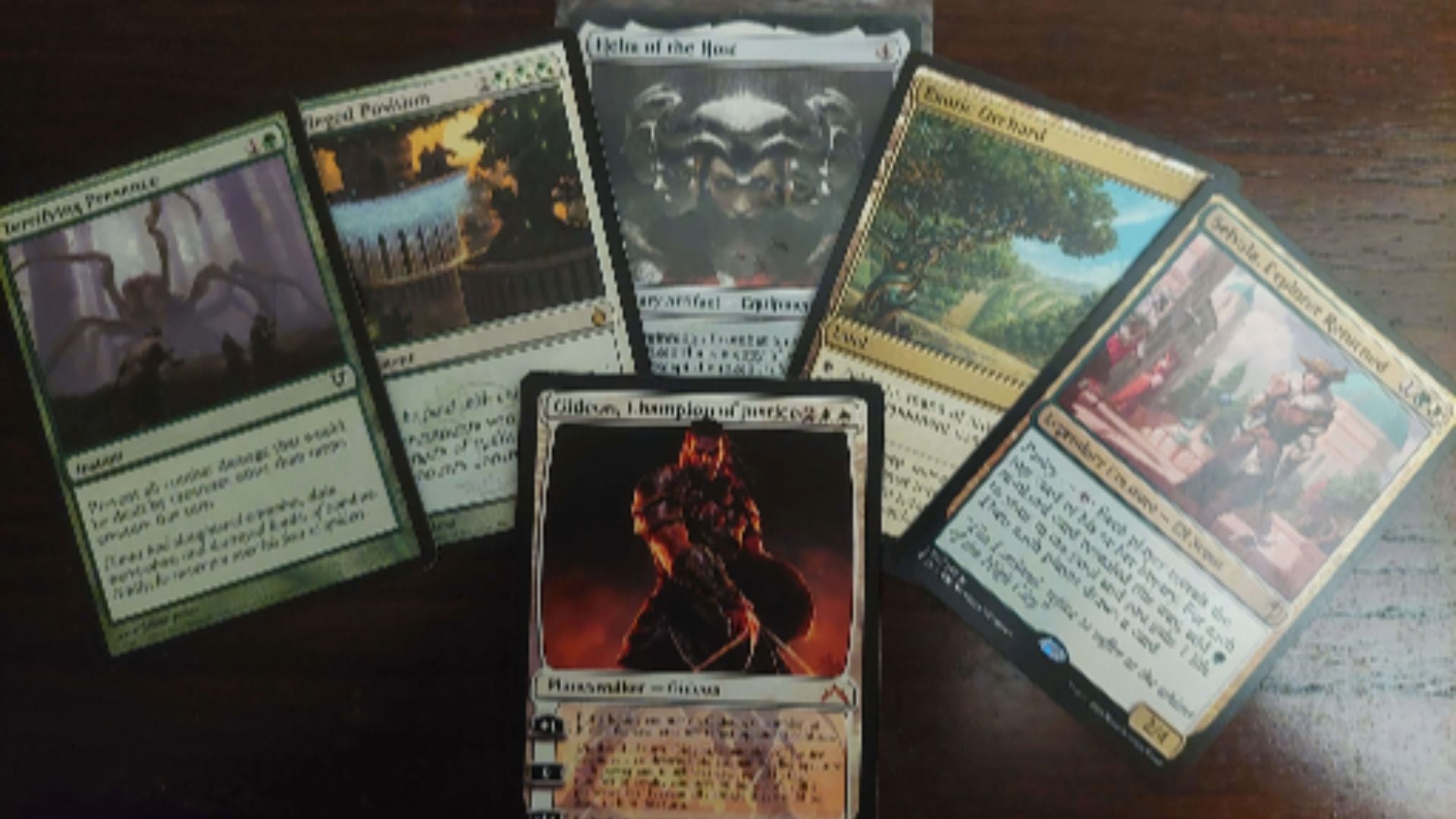
Llanowar Elves has been printed and reprinted enough times to become one of Magic’s most familiar creatures. Unlike some common cards, it was actually useful, which helped it stay relevant for years. Many players learned early on that a simple green creature could still do important work in a deck. It wasn’t rare, but it earned its spot in Magic history through sheer usefulness.
9. Yu-Gi-Oh! Polymerization
Polymerization was everywhere because it was tied to one of Yu-Gi-Oh!’s most exciting ideas: fusing monsters together. Even casual fans recognized it from the anime, and plenty of early players kept copies around for their dream fusion summons. It wasn’t always the most practical card in every deck, but it felt important because the show made fusion summoning look dramatic. If you played early Yu-Gi-Oh!, you probably saw this card constantly.
10. 1990s X-Men Trading Card Commons
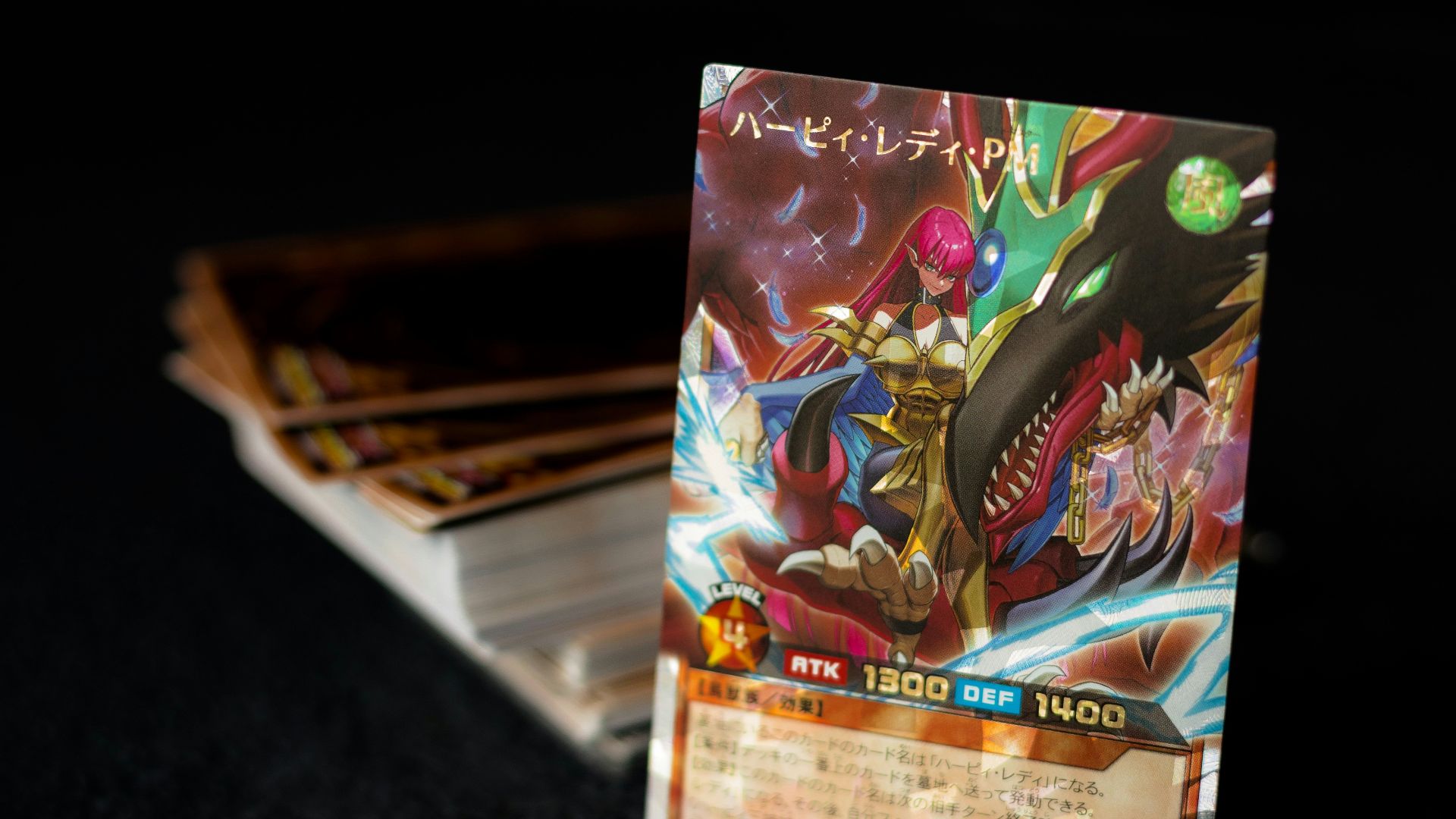
X-Men trading cards were all over the place in the 1990s, especially when the team’s popularity was booming. Commons featuring Cyclops, Jean Grey, Beast, Storm, Gambit, and other favorites filled binders without necessarily becoming rare treasures. The artwork was often the real draw, especially for fans who loved seeing different versions of the characters.