The Switch 2 Still Leaves a Lot to Be Desired
Nintendo took its time bringing a true successor to the original Switch to market, but once the Switch 2 finally landed, it delivered a pretty substantial leap forward in almost every category that mattered to longtime fans. From the display and processing power to the redesigned Joy-Cons and dock, the hardware changes address years of complaints that Switch owners had voiced since 2017. That said, no console launch is perfect, and even with all these improvements, there's still a solid list of features and refinements that players are hoping Nintendo adds down the road. Here's a rundown of the 10 biggest upgrades the Switch 2 brought to the table, followed by 10 things we're still crossing our fingers for.
1. A Much Bigger, Sharper Screen
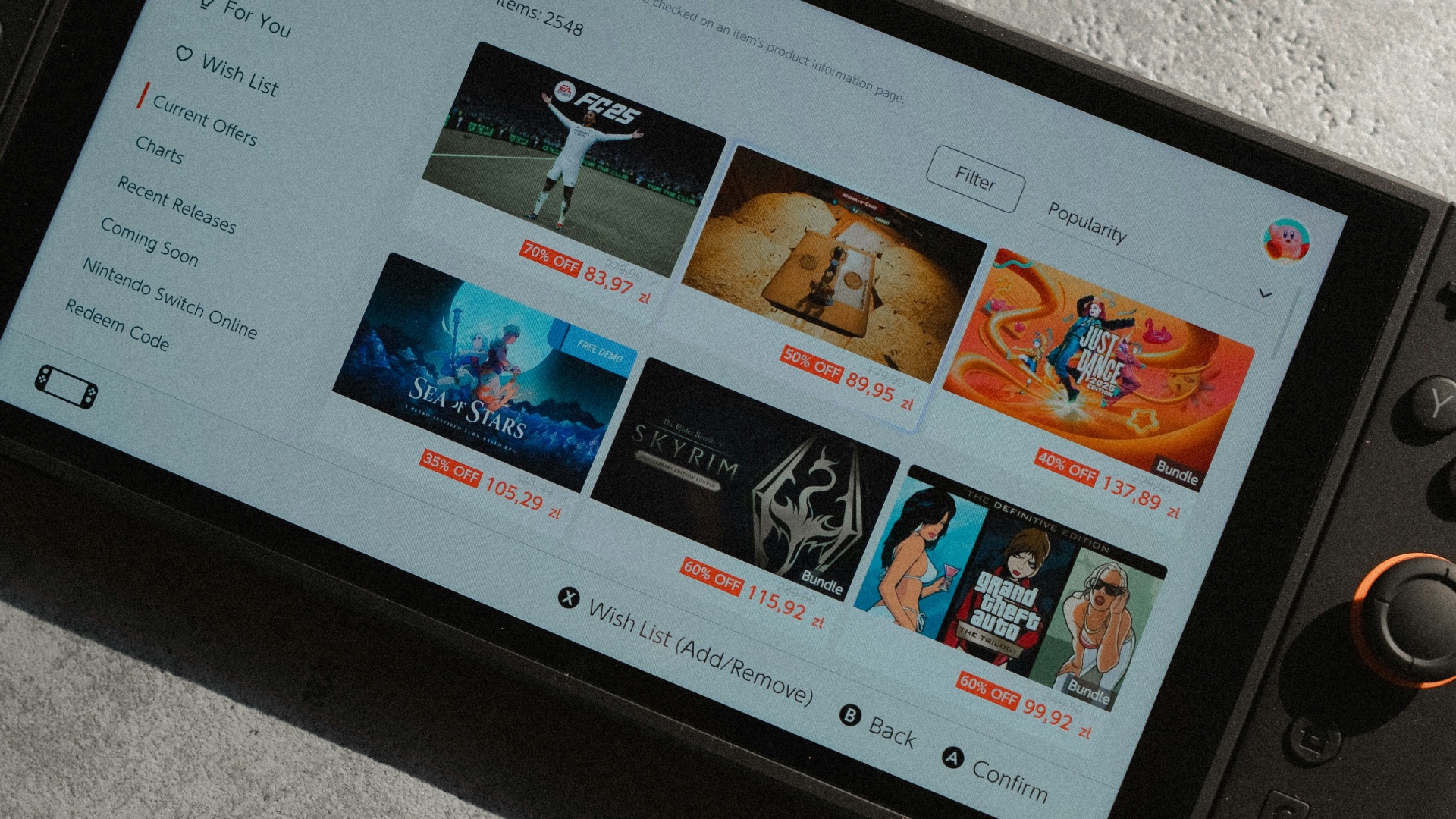
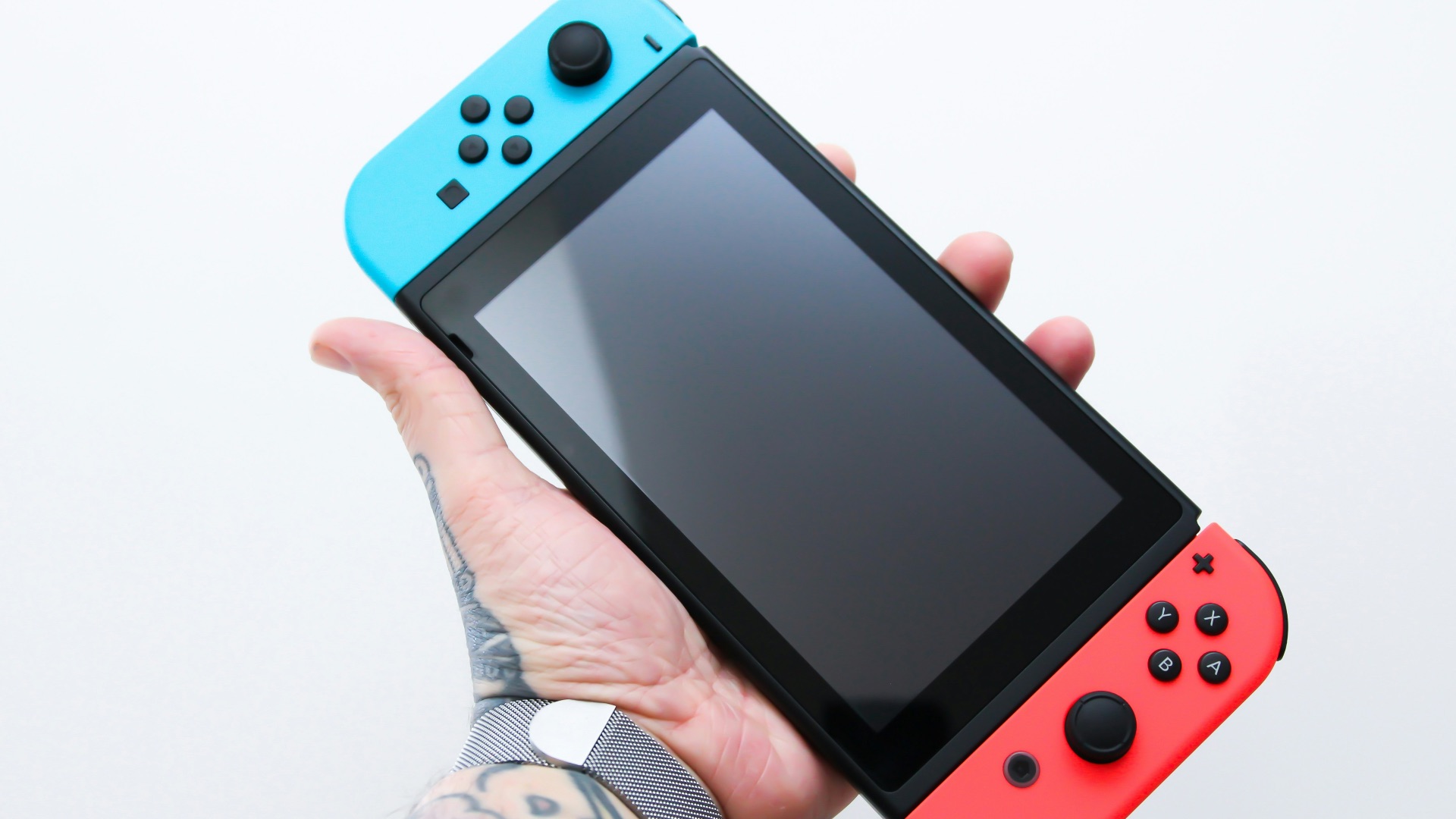
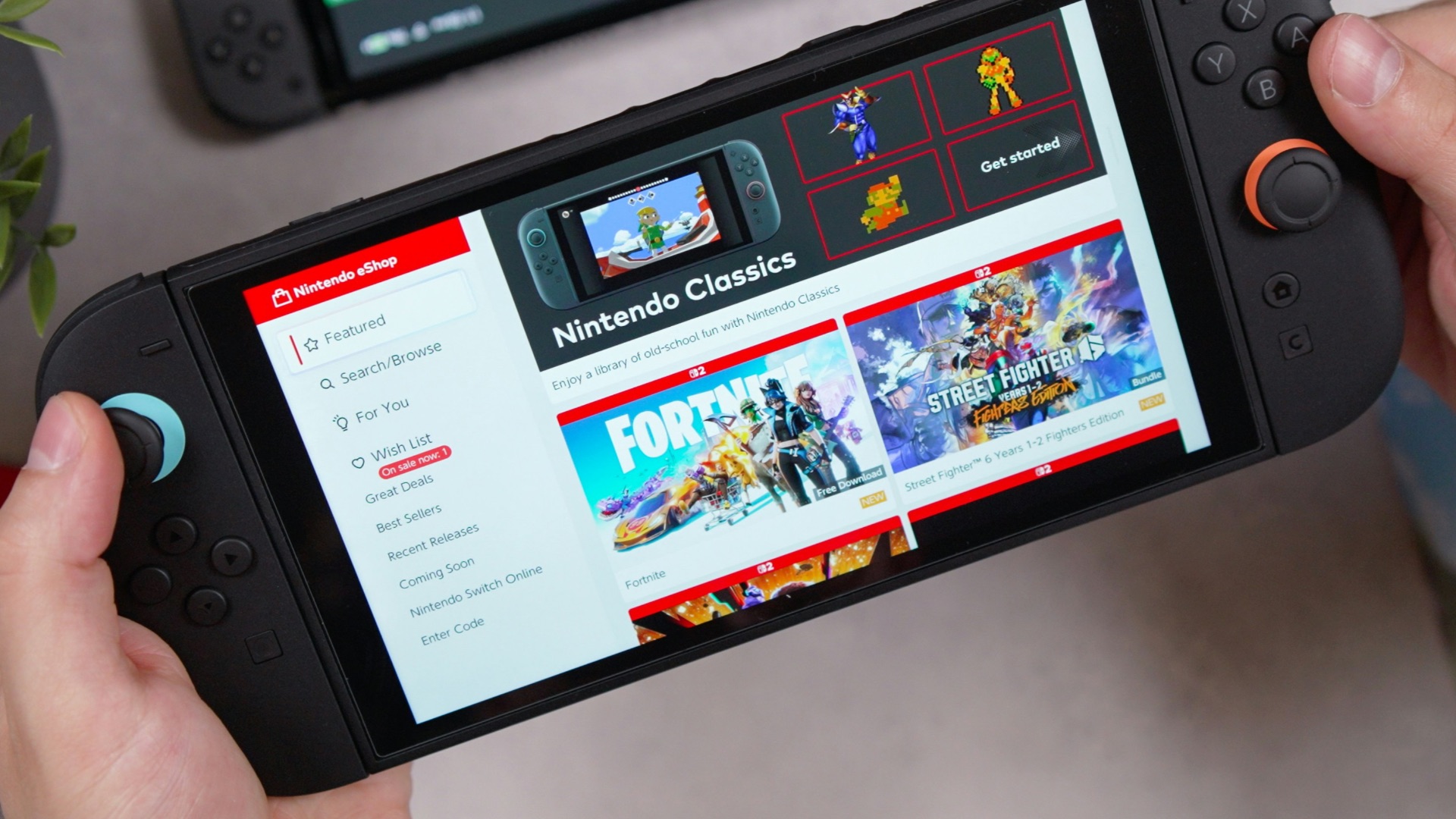
The original Switch shipped with a 6.2-inch display that felt cramped even back in 2017, and Nintendo clearly heard the complaints about it. The Switch 2 bumps the screen up to 7.9 inches, giving handheld players an extra inch and a half of real estate to work with. That size increase pairs with a jump from 720p to 1080p resolution in handheld mode, so everything from text to character detail looks noticeably crisper.
2. HDR Support Finally Arrives
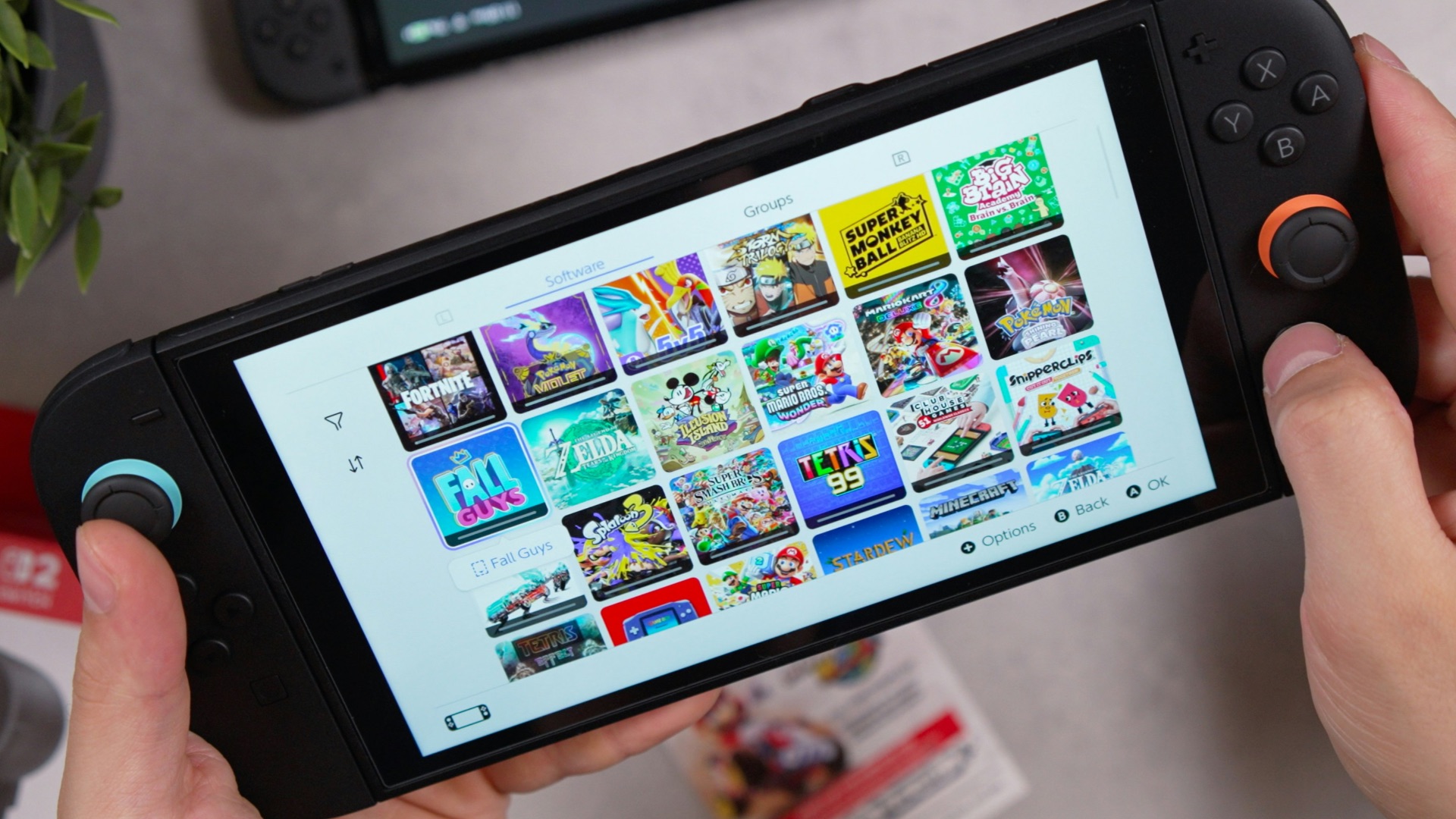
Color and contrast got a serious glow-up with this generation, since the original Switch never supported HDR at all. The Switch 2 brings HDR10 into the mix, letting compatible games display richer colors and deeper shadow detail than the older hardware could ever manage. This upgrade matters most when you're playing docked on a modern TV, where the difference in vibrancy really shows up on screen.
3. Faster Refresh Rates for Smoother Gameplay
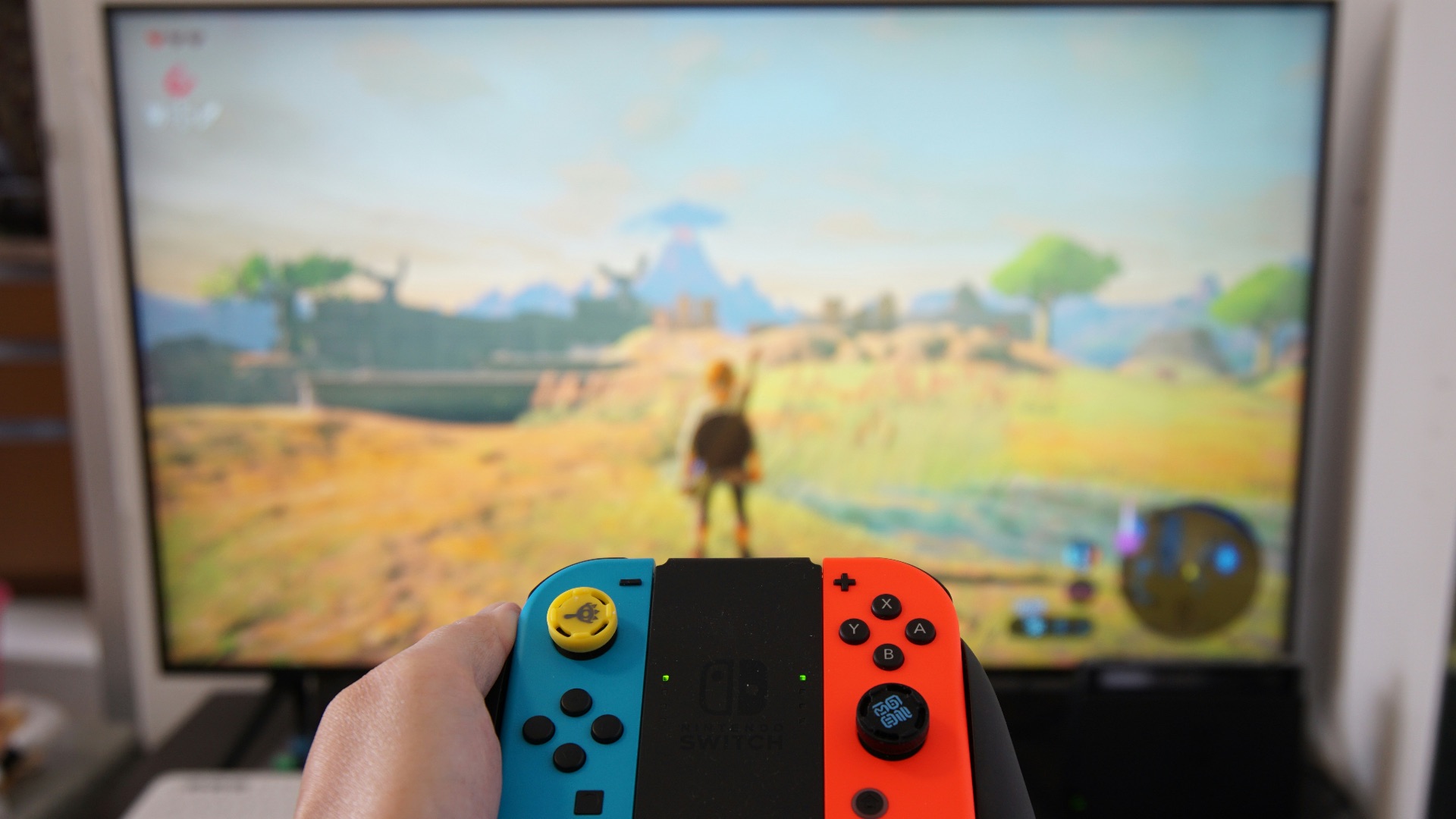
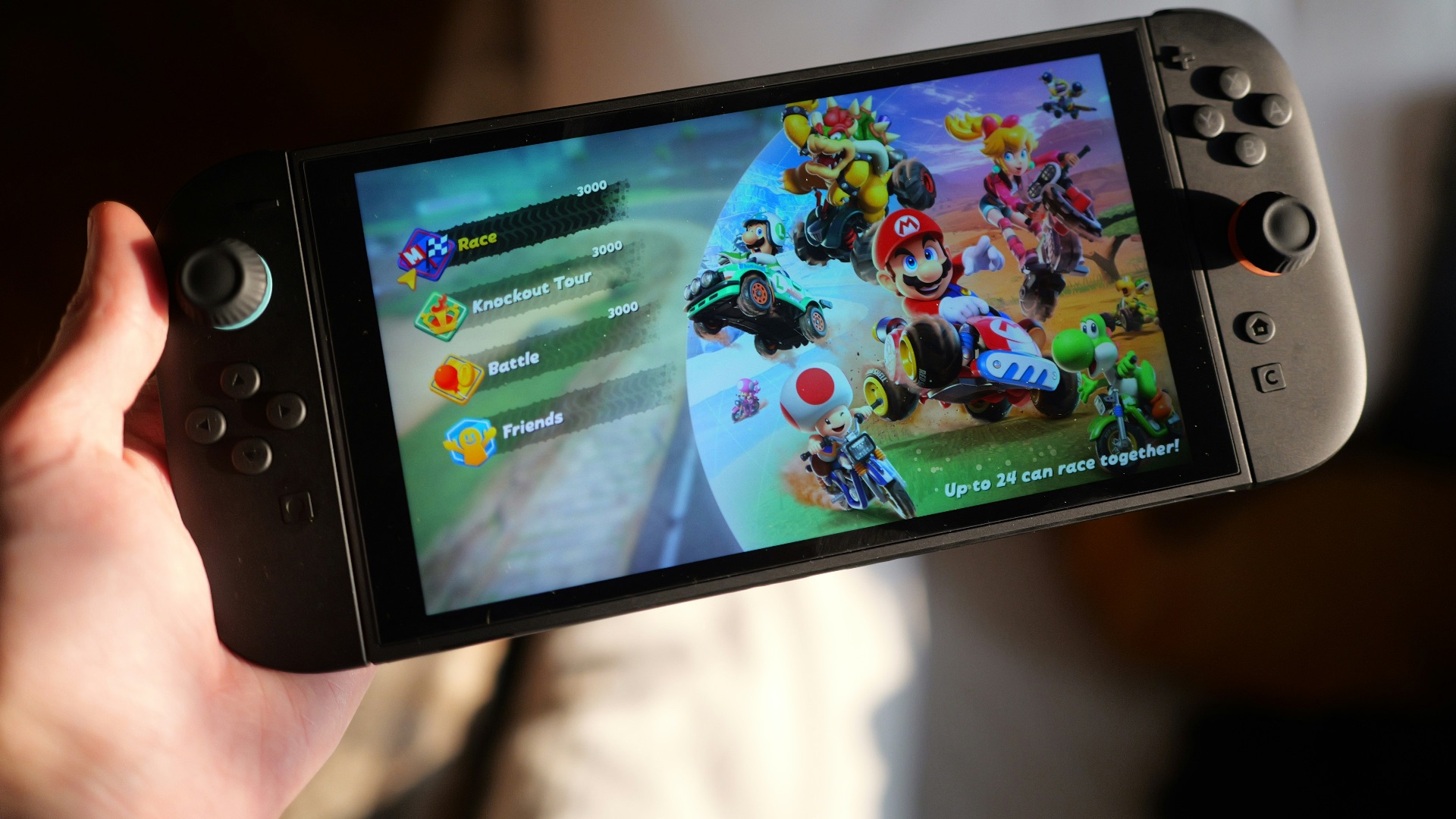
Gamers who care about fluid motion will appreciate that Nintendo didn't just stop at resolution improvements. The Switch 2 supports up to 120Hz, a considerable jump over the original Switch's 60Hz ceiling, and that means smoother animation during fast-paced action. Whether you're racing through a kart track or dodging attacks in a boss fight, the difference in motion clarity is easy to notice once you've spent time with both systems.
4. Eight Times the Storage
Anyone who owned the original Switch remembers the frustration of running out of space almost immediately, since it only came with 32GB of storage. Nintendo addressed that head-on with the Switch 2, offering eight times more space out of the box at 256GB, and pairing it with noticeably faster storage speeds. You'll still want to grab extra storage if you plan on downloading a large library, but you won't be juggling deletions after just a handful of games anymore.
5. A Kickstand That Actually Works
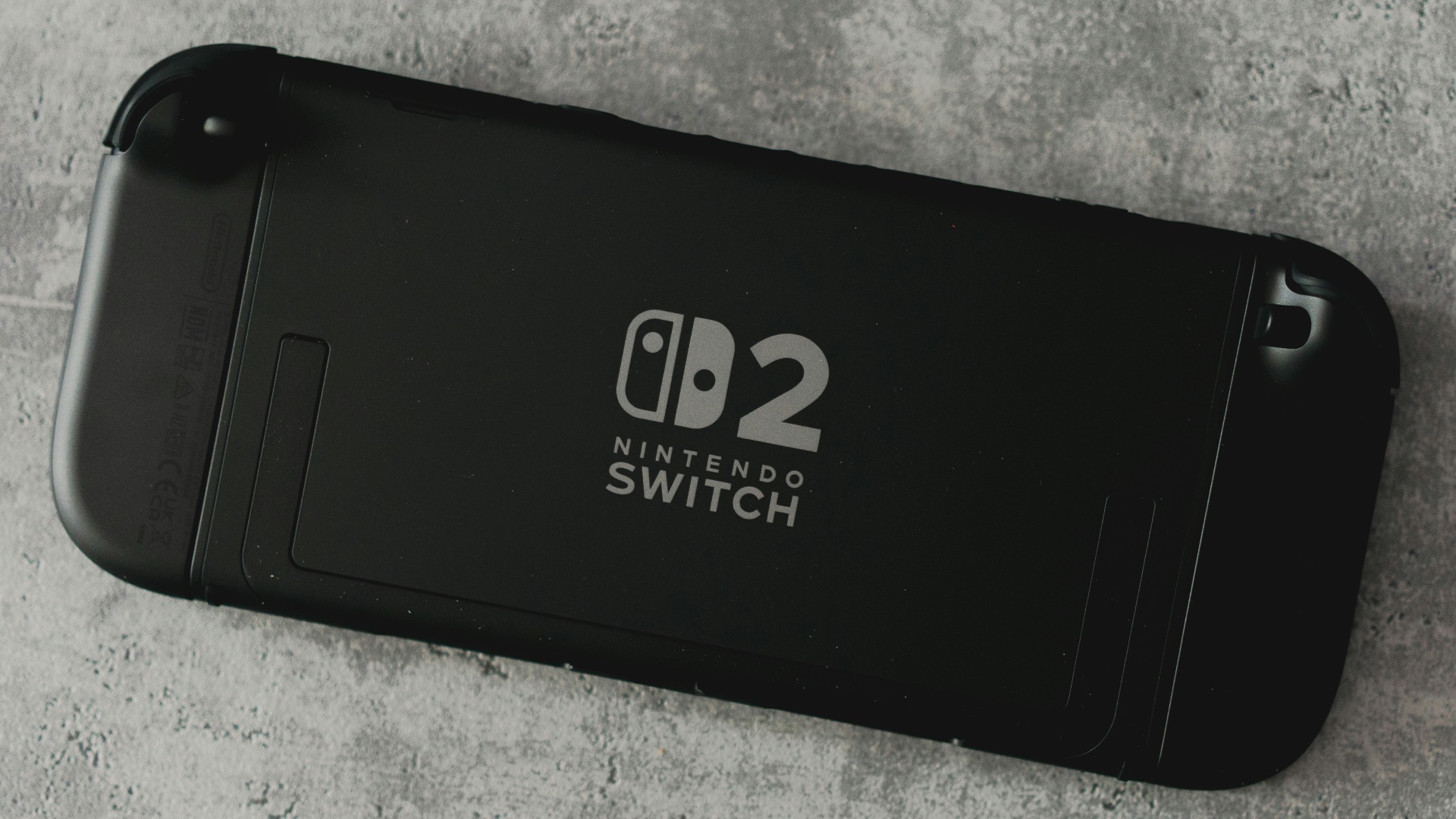
Tabletop mode on the original Switch was held back by a tiny, flimsy kickstand that snapped constantly and only offered one fixed angle. The redesigned stand on the Switch 2 runs the full length of the console and offers a wide range of viewing angles, making tabletop mode genuinely usable for the first time. It's a small design change on paper, but anyone who dealt with a broken kickstand on their old console will tell you it makes a massive practical difference.
6. Two USB-C Ports Instead of One
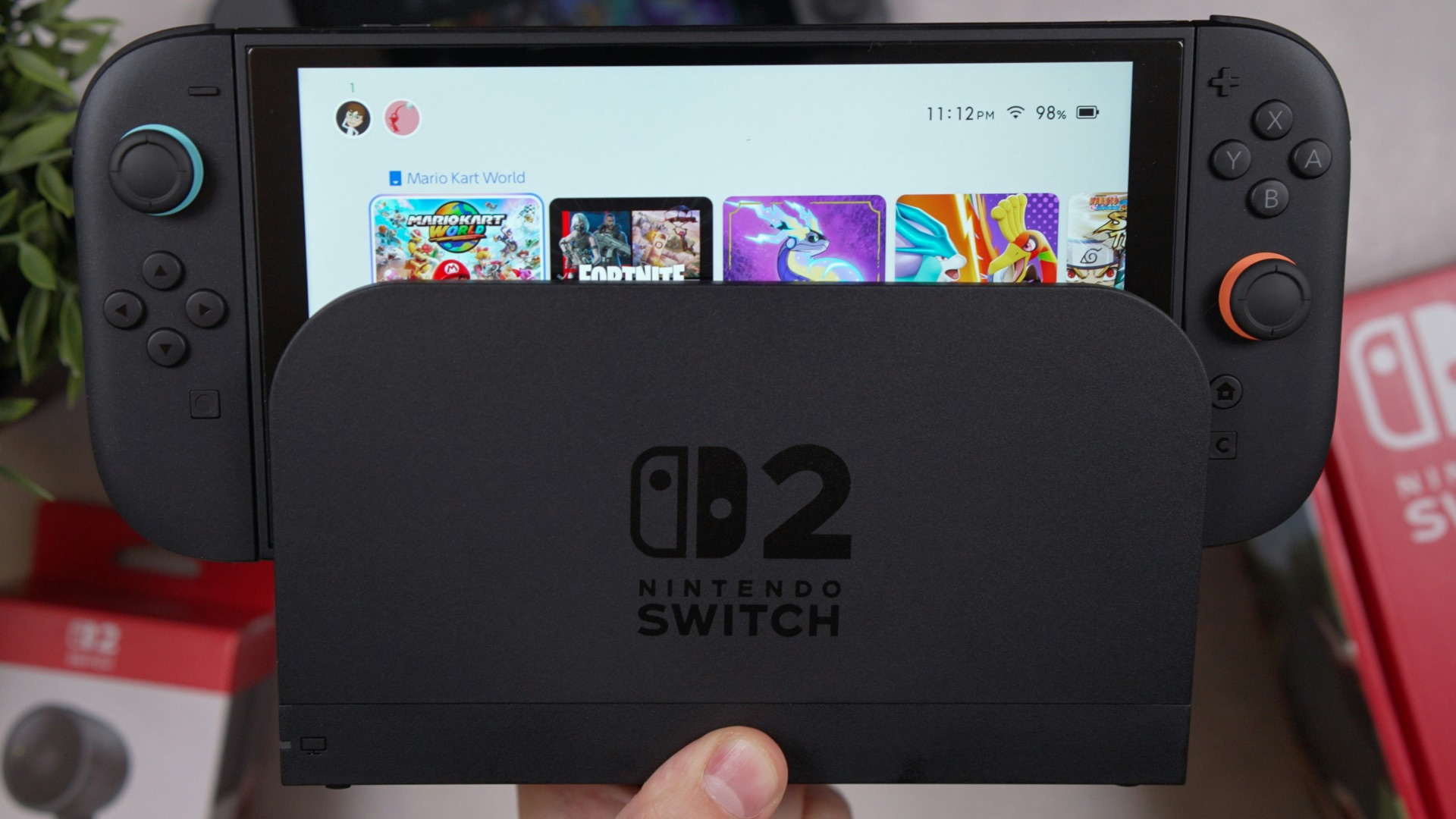
Charging while playing in tabletop mode used to be a headache because the original Switch only had a single USB-C port on the bottom. Nintendo fixed that oversight with the Switch 2 by adding a second USB-C port on the top of the console, so you can charge no matter which way you've got it propped up. It's the kind of fix that feels obvious in hindsight, but it took an entire console generation to finally show up.
7. Joy-Cons That Actually Fit Adult Hands
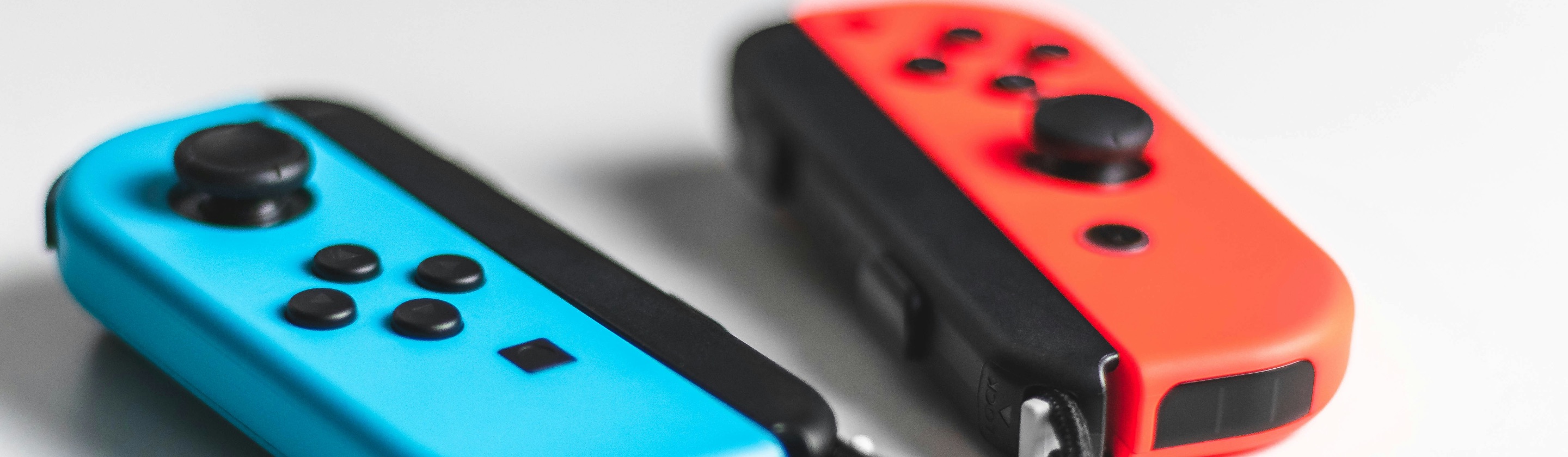
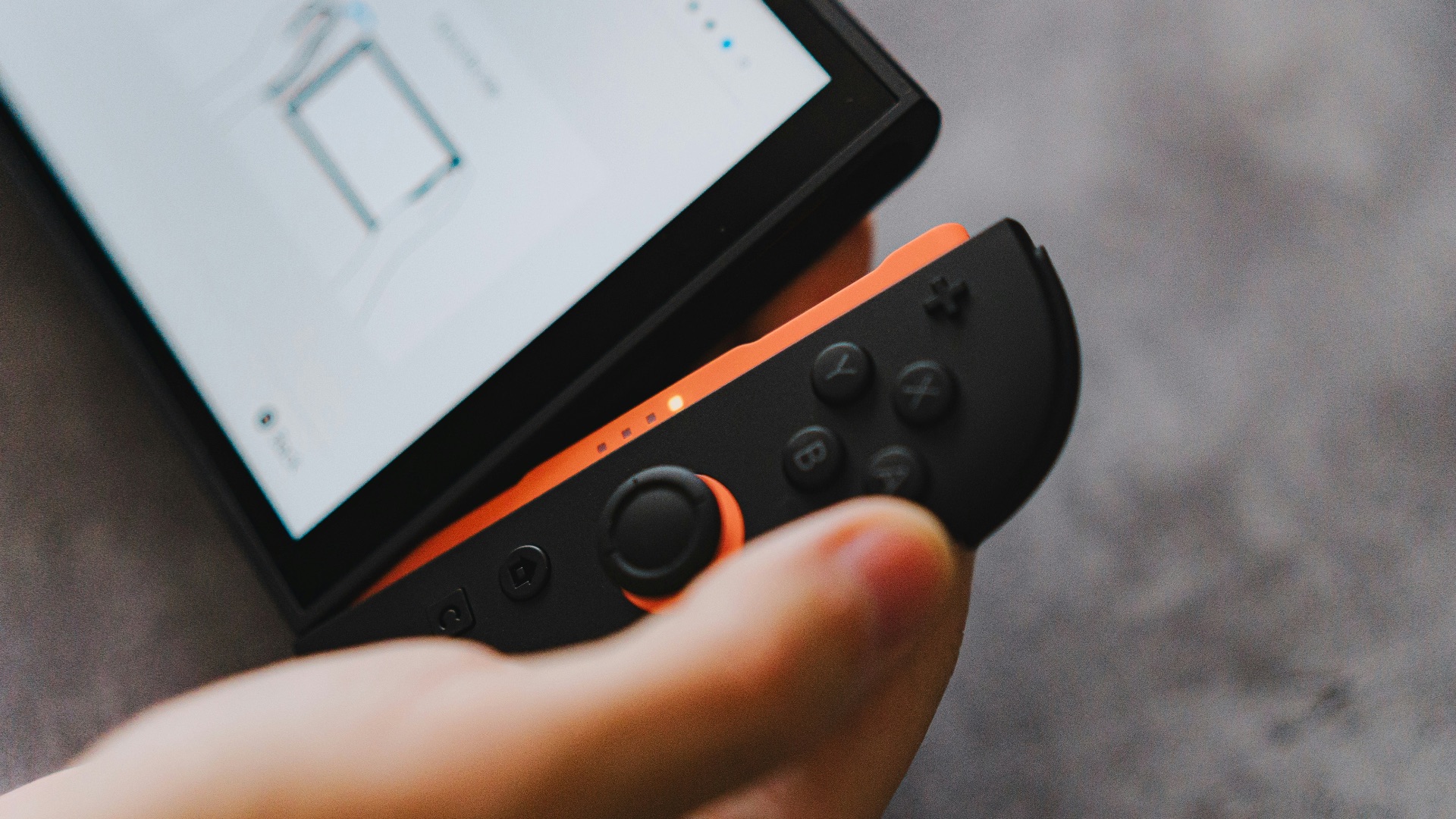
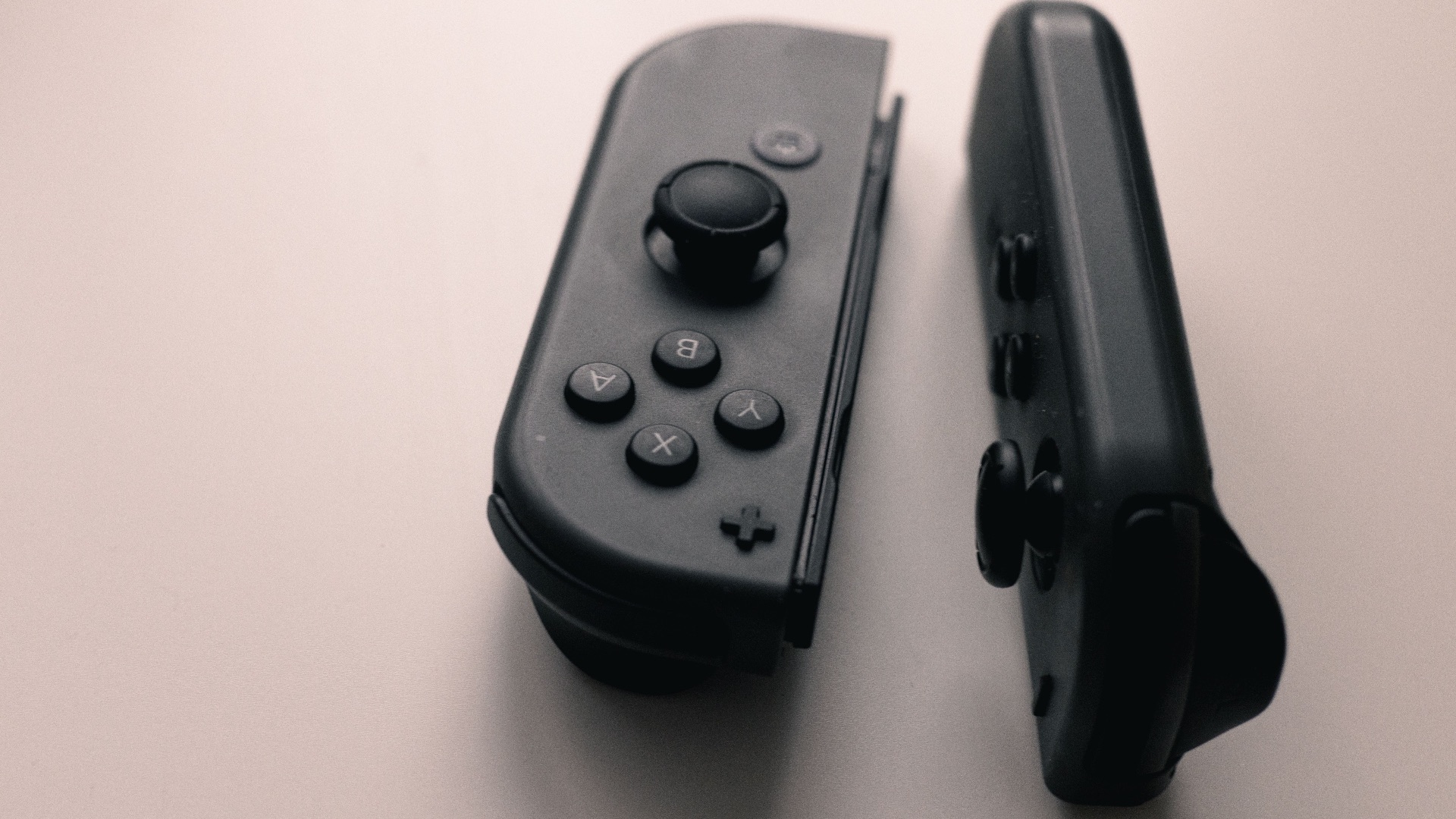
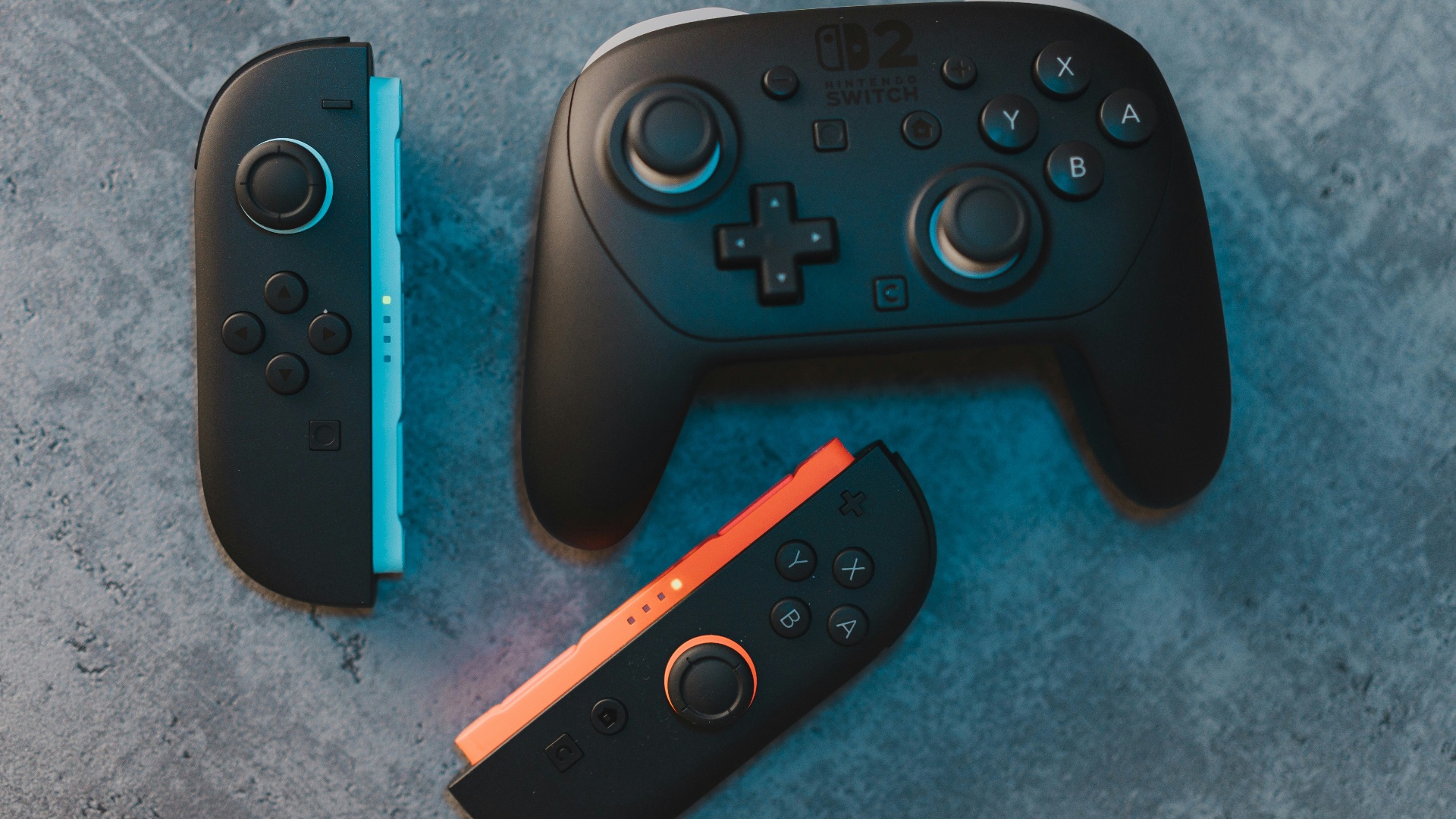
The original Joy-Cons were revolutionary when they launched, but their tiny buttons and cramped sticks led to real discomfort during long sessions. The new Joy-Con 2 controllers keep the same split design but scale up the analog sticks, triggers, and face buttons, giving them a noticeably more substantial feel in your hands. They still don't match the comfort of a full-size Pro Controller, but the improvement over the originals is impossible to miss once you've held both side by side.
8. Magnetic Attachment Replaces the Old Rail System
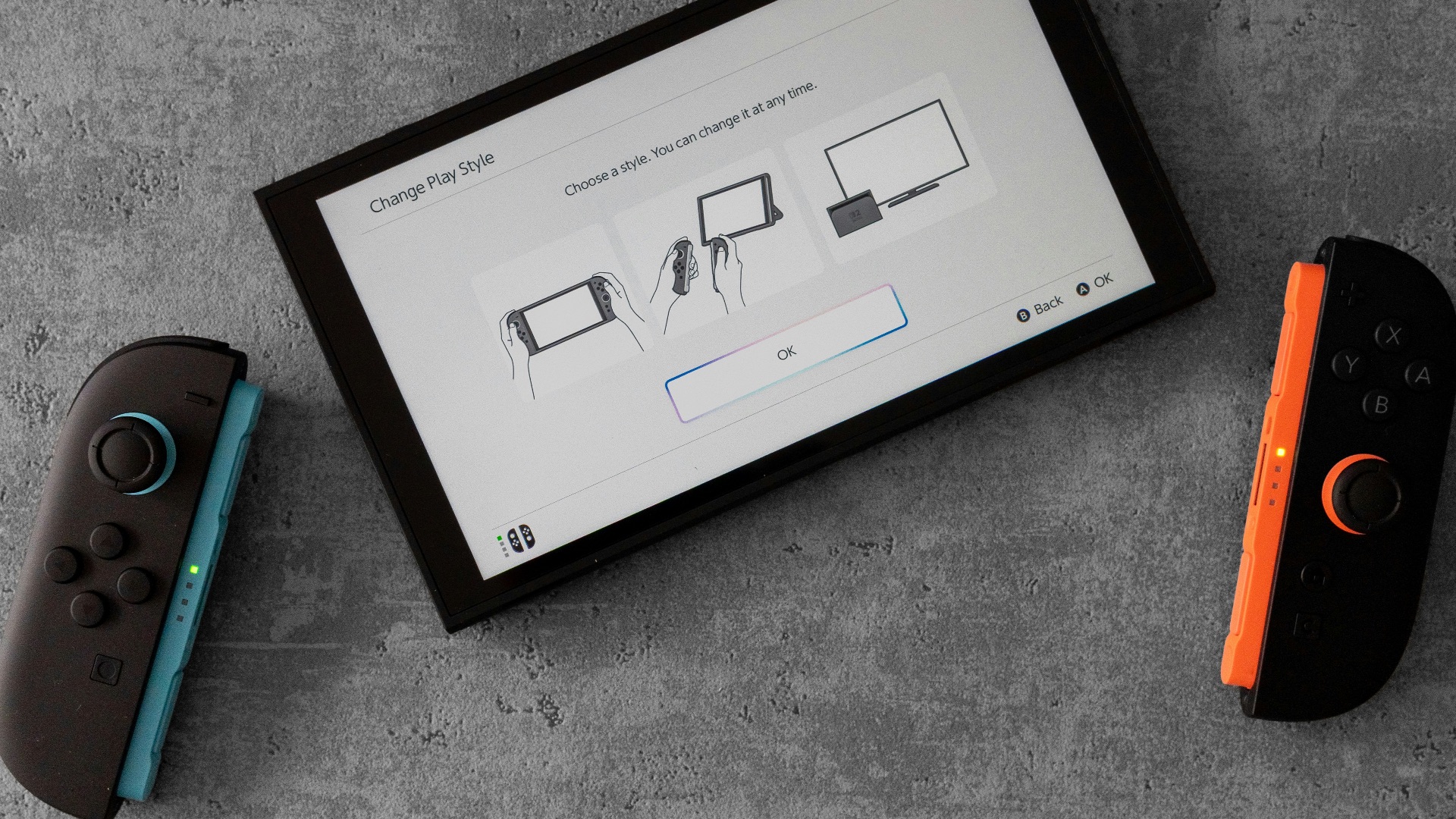
Anyone who dealt with a Joy-Con sliding loose mid-game will appreciate this change more than almost anything else on this list. The Joy-Con 2 controllers now attach using magnets instead of the old rail-and-latch system, which eliminates the wear-and-tear issue that used to cause controllers to pop out unexpectedly. Detaching them is just as simple as before, but you get a much sturdier connection while they're locked in place.
9. A Brand New Mouse Mode
Few people expected Nintendo to add mouse functionality to a home console controller, but that's exactly what happened with the Switch 2. Each Joy-Con 2 controller includes a mouse sensor that turns surfaces like a table or your lap into a makeshift mouse pad, and both controllers can even be used simultaneously for two-handed mouse control. It opens up genuinely new ways to play certain titles, and reviewers who were initially skeptical about the feature came away impressed once they tried it firsthand.
10. Real Hardware Muscle Under the Hood
None of the other upgrades would matter much without the processing power to back them up, and that's where the Switch 2 makes its biggest leap. The console doubles the CPU cores compared to the original, jumping to 8 ARM cores, while also introducing 12GB of faster LPDDR5 memory in place of the old 4GB pool. That extra horsepower translates into smoother load times, more stable frame rates, and support for modern features like ray tracing that the original hardware simply couldn't handle.
Those 10 upgrades show just how far Nintendo pushed things with this new generation of hardware, addressing years of pent-up complaints in one release. Still, plenty of Switch 2 owners have already started compiling their own wish lists for future updates or a potential revised model, and these next 10 features top most of those lists.
1. An OLED Screen Option
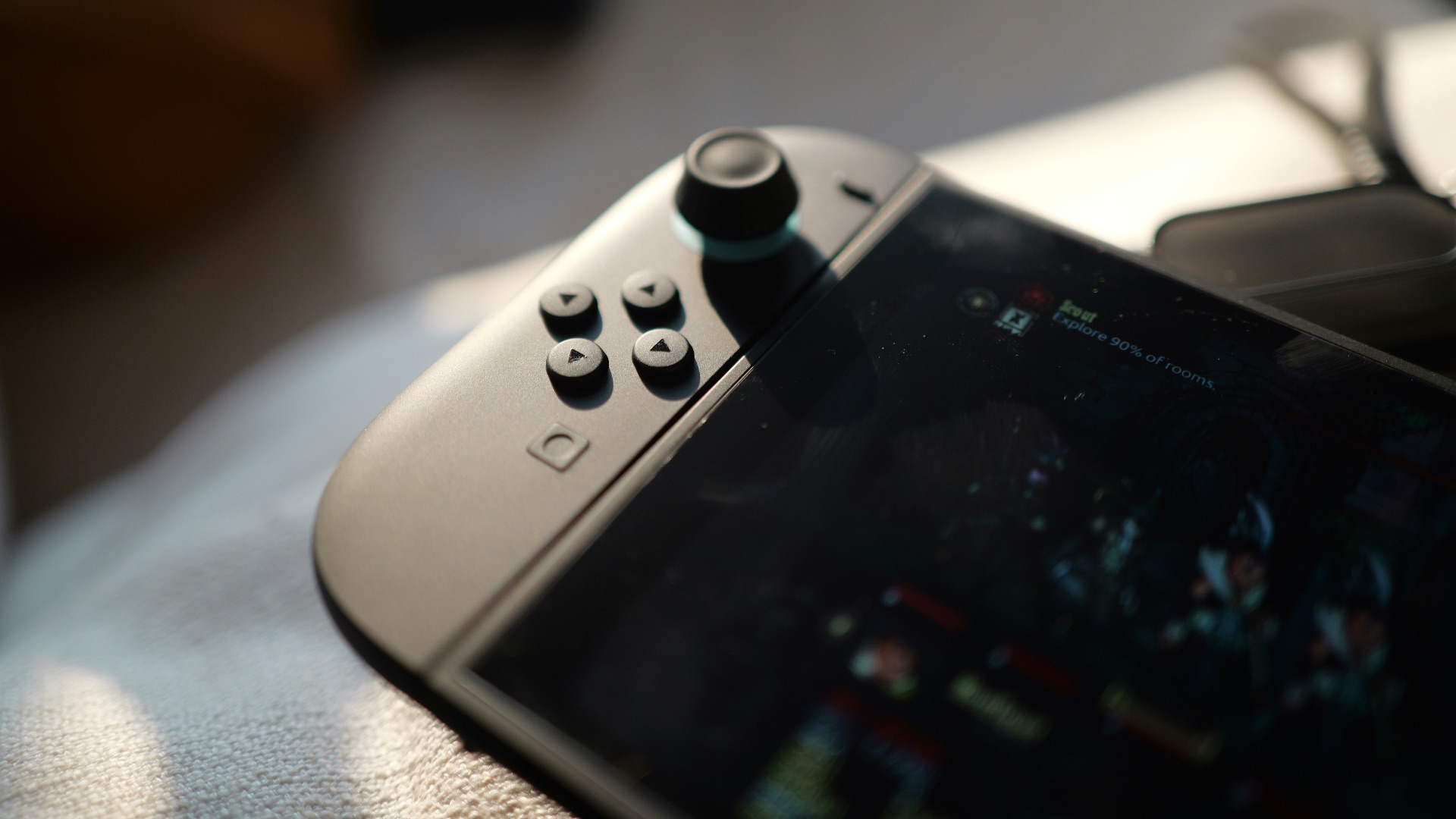
Even with the jump to 1080p and 120Hz, the Switch 2 traded away the punchy contrast and true blacks that made the Switch OLED model so beloved among handheld players. The OLED panel on the older model still delivers perfect blacks and richer colors that the Switch 2's LCD screen physically cannot replicate. Plenty of fans are hoping Nintendo eventually releases a Switch 2 OLED variant that combines the new horsepower with that gorgeous display technology.

2. Longer Battery Life
More power under the hood came with a real trade-off, and it's one that frequent travelers and commuters have already started to notice. Because the Switch 2 packs more demanding hardware, it generally drains faster than the original hardware despite carrying a larger battery, especially during longer sessions away from a charger. A future revision that stretches playtime without sacrificing performance would go a long way toward making the console a better travel companion.
3. More Built-In Customization
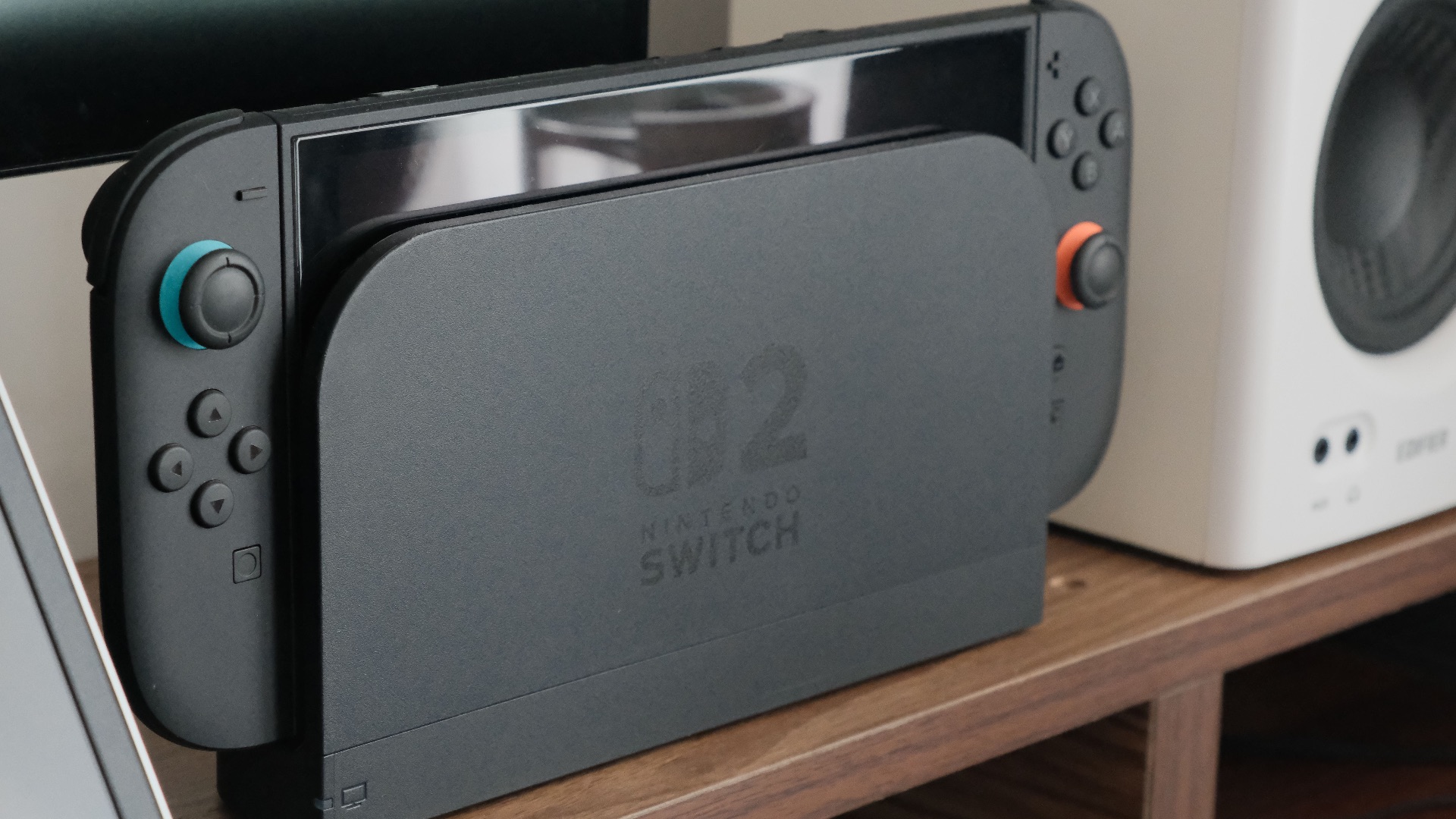
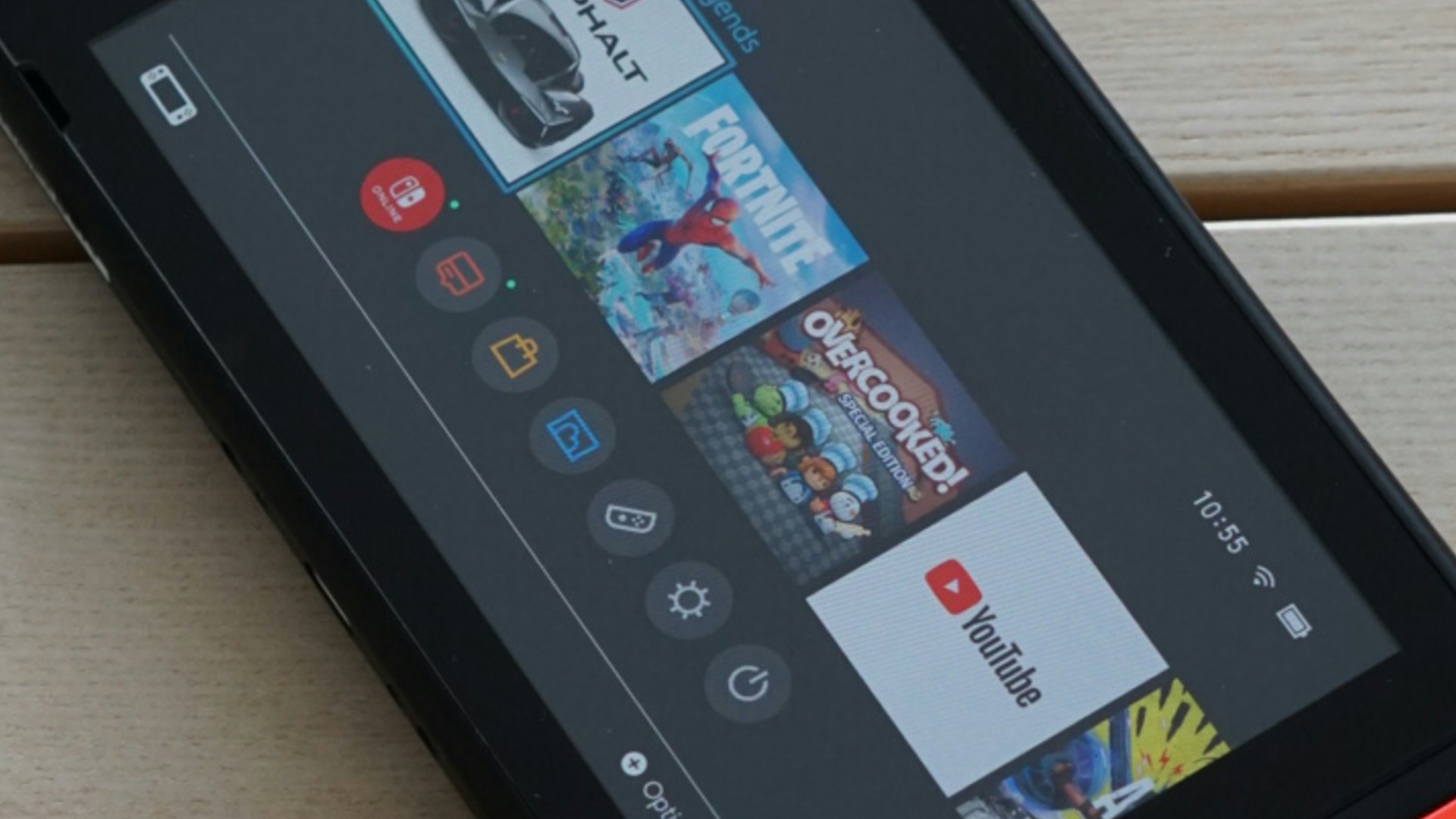
Nintendo’s home screen has always been simple, but some players want more control over how their library looks. Folders helped on the original Switch, yet themes, custom layouts, and stronger sorting tools would make a big difference. When you own dozens of games, organization becomes more than a nice extra.
4. Cheaper microSD Express Cards
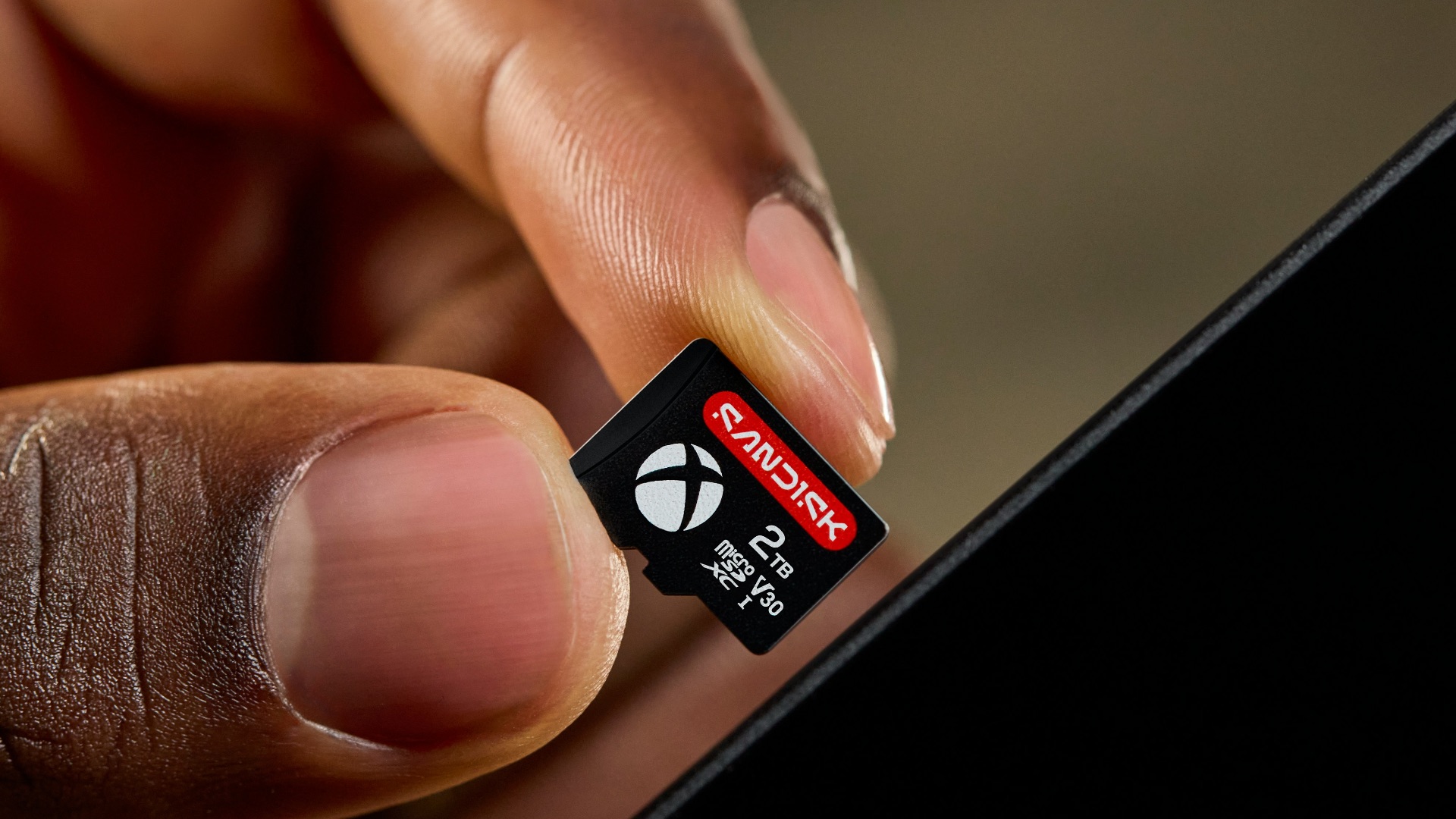
Storage capacity got a massive boost this generation, but the accessories needed to expand it haven't kept pace with player expectations. Existing Switch microSD cards aren't compatible with the new system since it requires pricier microSD Express cards, which currently cost considerably more for the same amount of space. Cheaper Express cards, or wider availability from more manufacturers, would make expanding your library far less painful on the wallet.
5. A True Handheld-Only Lite Model
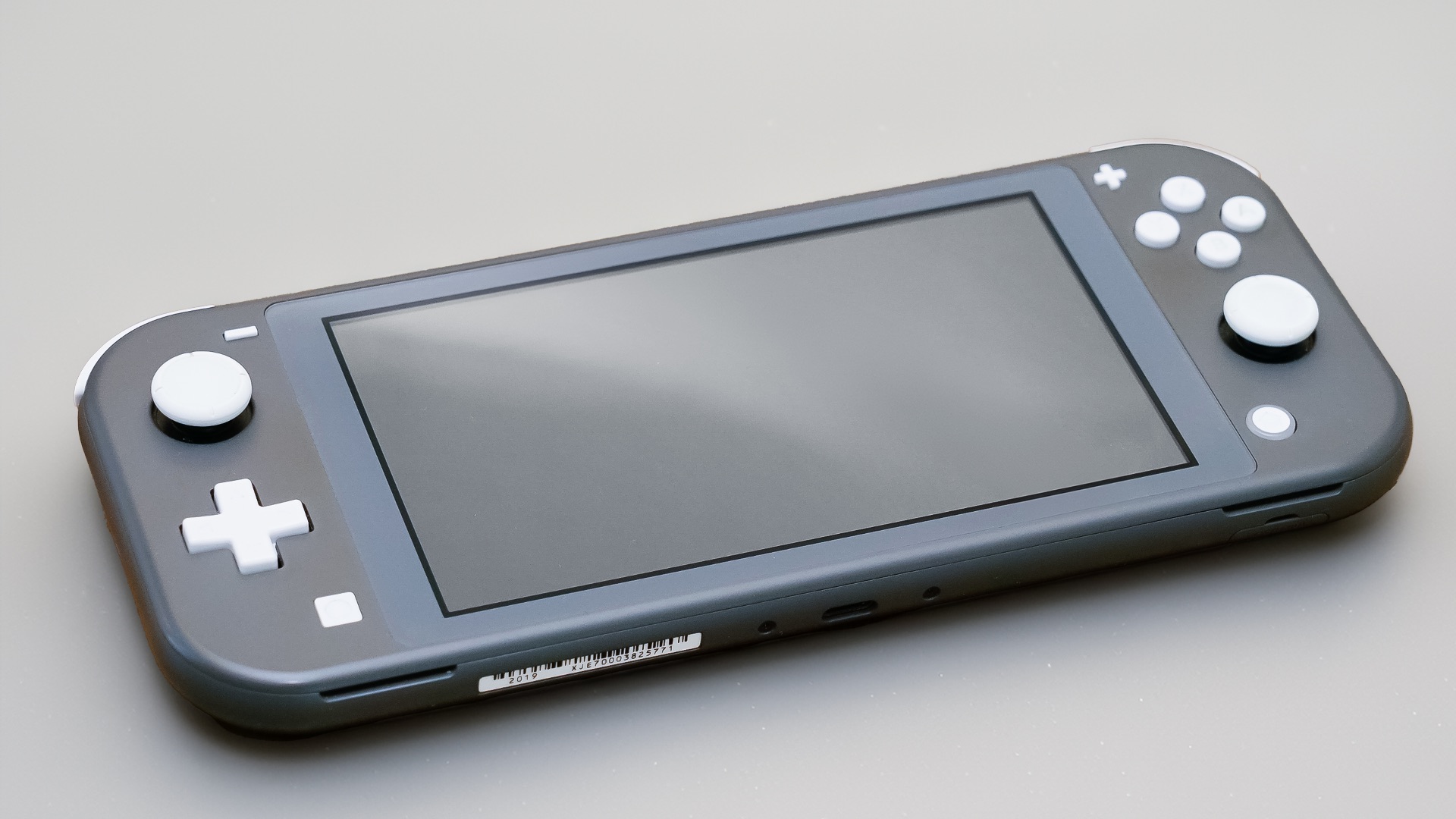
The original Switch Lite carved out a real niche for players who never used docked mode and wanted a lighter, cheaper device. Rumors have circulated about a Switch 2 Lite for a while now, but nothing has been confirmed by Nintendo as of this writing. A slimmed-down, portable-only version at a lower price point would open the ecosystem up to buyers who found the standard Switch 2 too pricey or too bulky for their needs.
6. Wider Game Compatibility for Mouse Mode
The mouse functionality built into the Joy-Con 2 controllers turned out to be one of the console's most surprising features, but very few games actually take advantage of it right now. Reviewers who tested the feature came away impressed with how well it worked in the titles that support it, yet the overall list of compatible games remains fairly short. More developers embracing this control scheme would help the feature feel like a core part of the system rather than an underused novelty.
7. Universal Replaceable Battery Access
Battery longevity over the lifespan of the console has become a growing concern among players who plan on keeping their hardware for years. Nintendo has reportedly started rolling out a replaceable battery option in certain regions due to local regulations, but that convenience hasn't extended everywhere yet. Making battery replacement simple and available to every Switch 2 owner, regardless of location, would go a long way toward extending the useful life of the console for everyone who bought one.
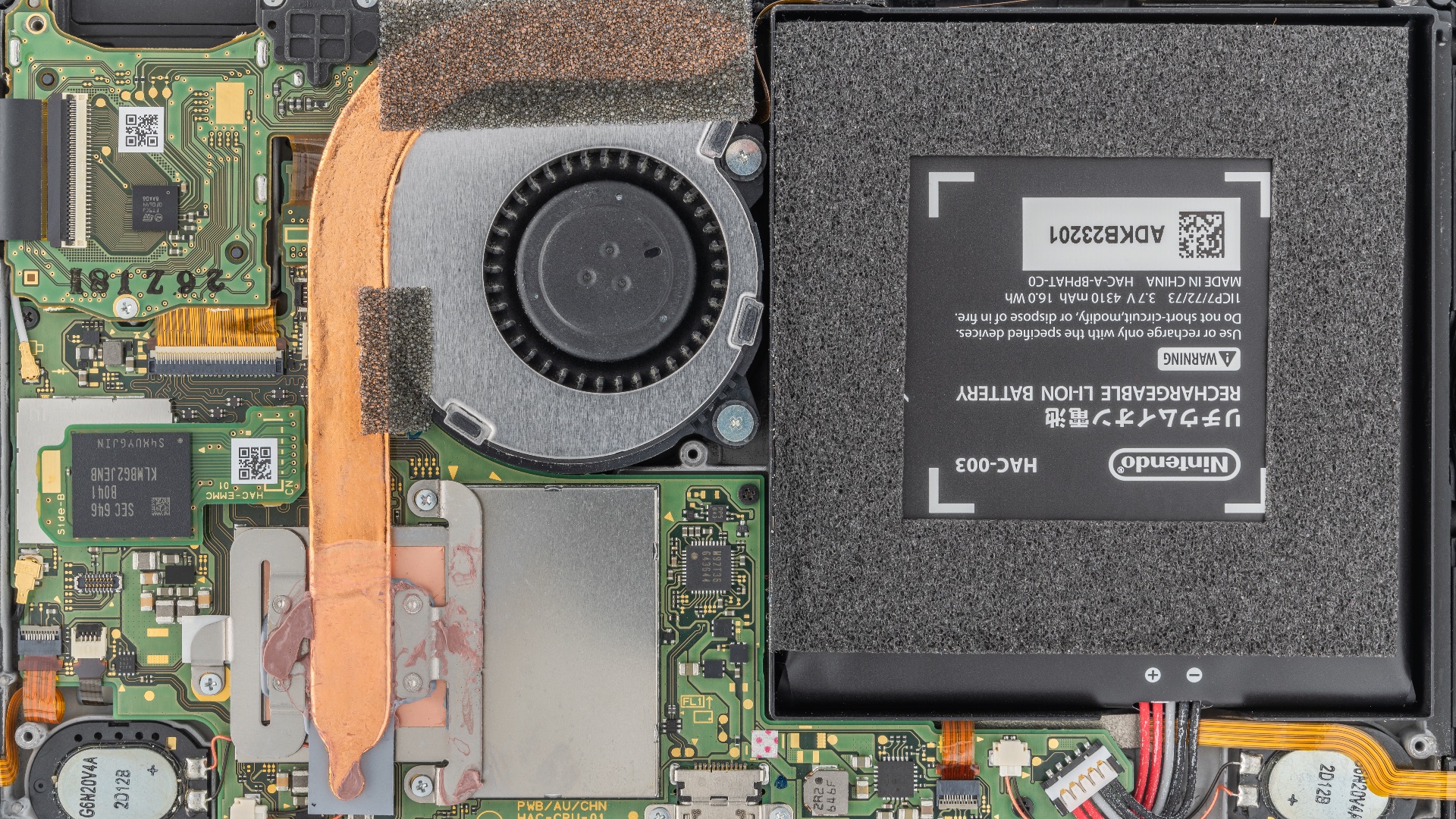 PantheraLeo1359531 on Wikimedia
8. Better Cooling for Extended Play Sessions
Running more demanding games at higher resolutions and frame rates naturally generates more heat, and some players have reported the console running noticeably warmer during long stretches of docked play. Nintendo did add internal cooling improvements along with a fan in the redesigned dock, but there's still room for refinement here. A future hardware revision with quieter, more efficient thermal management would make marathon gaming sessions feel a little more comfortable.
9. A Larger, More Diverse Exclusive Library
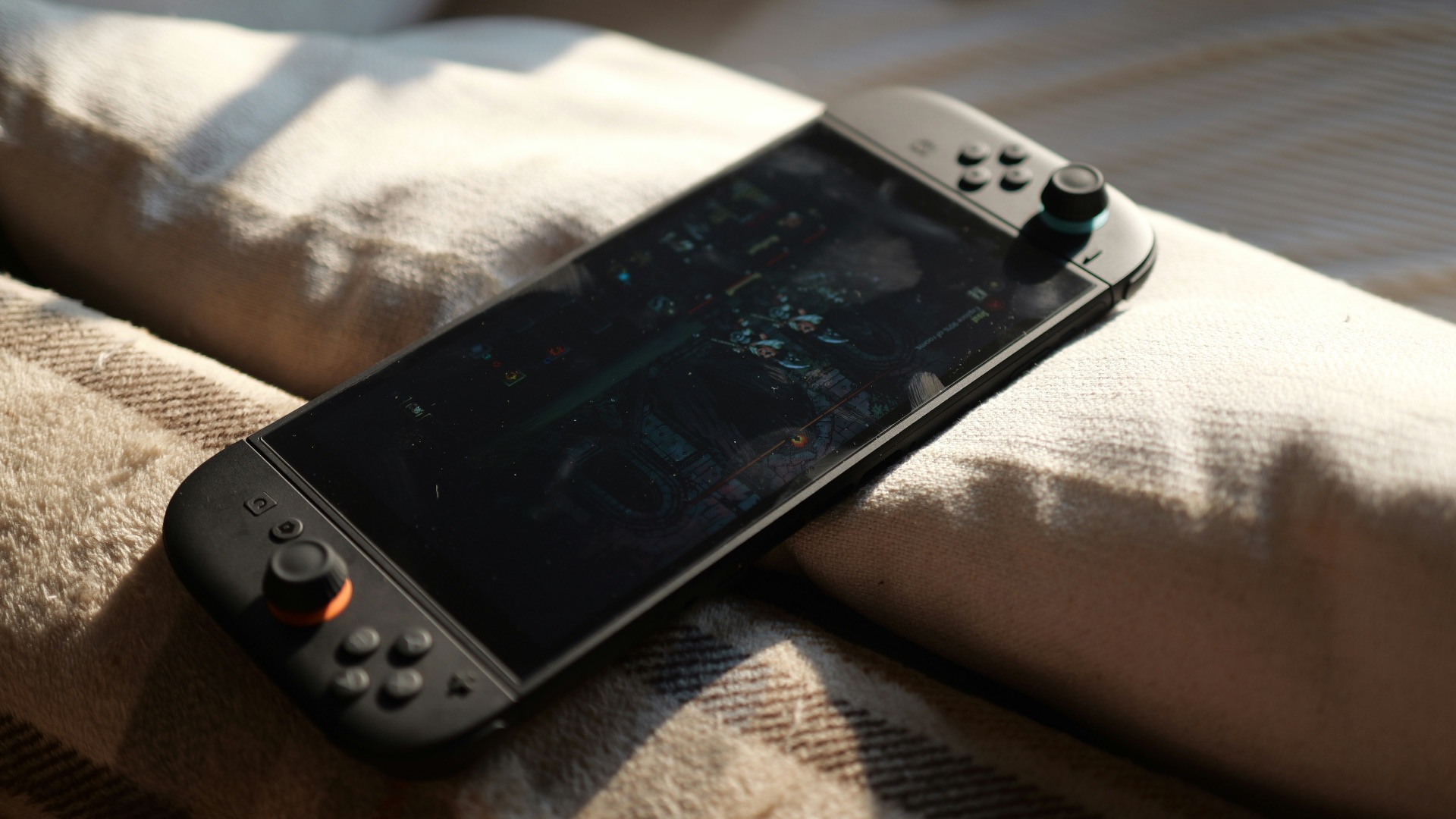
Launch lineups are rarely packed with variety, and the Switch 2 leaned heavily on a single marquee title to carry its early months on shelves. Players are hungry for a broader range of exclusive experiences that fully showcase what the new hardware can do, rather than relying on just one or two flagship releases. As more studios get comfortable developing for the improved specs, fans expect this wish list item to resolve itself naturally over the next year or two.
10. More Affordable Pricing Across the Board
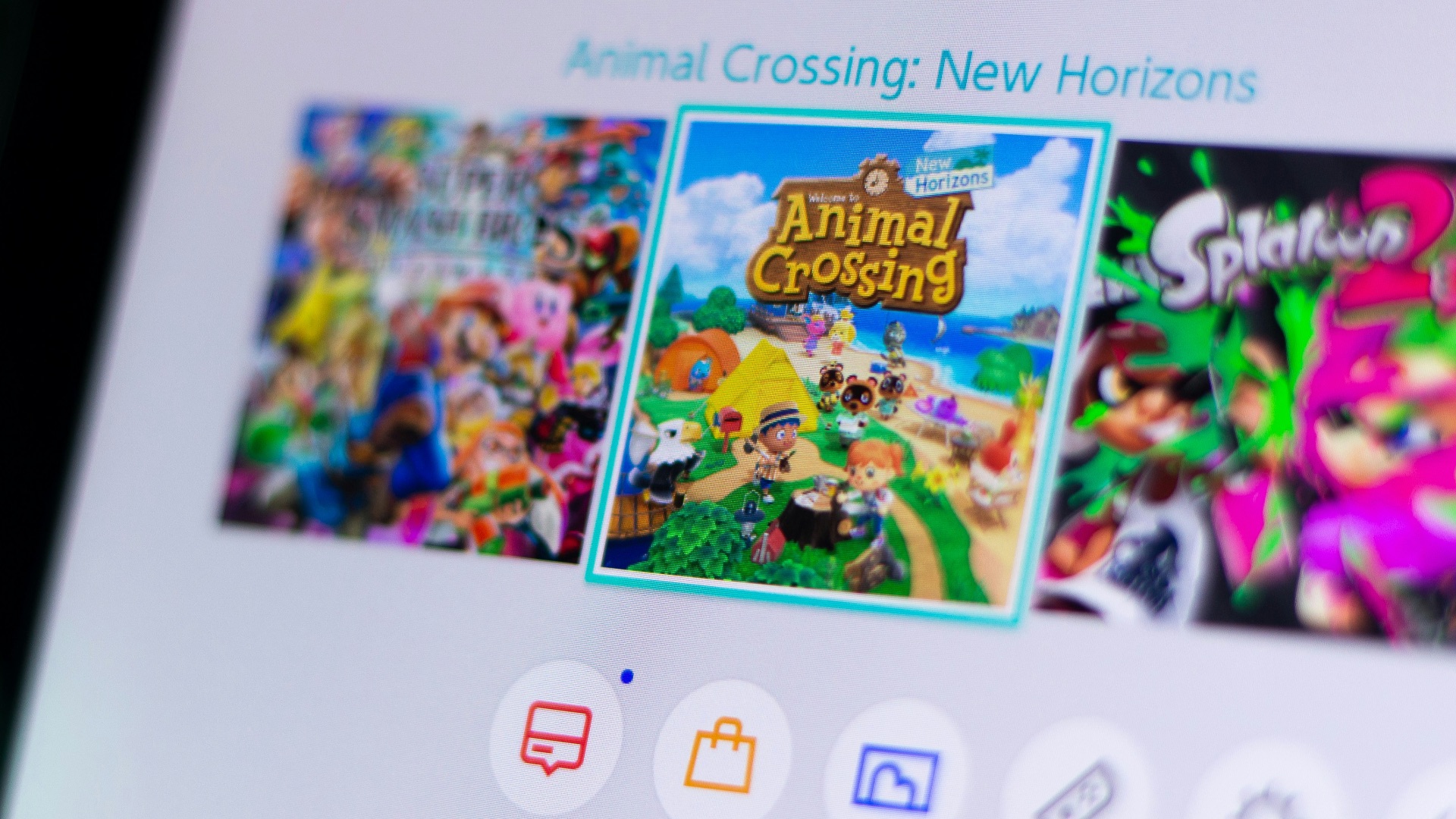
Between the console itself and its growing list of required accessories, the overall cost of entry for the Switch 2 ecosystem has climbed noticeably compared to the original launch. At $449.99 for the console alone, plus the added expense of pricier storage and other accessories, the total investment adds up quickly compared to the original Switch's $299.99 starting price. A price drop over time, or bundled accessory deals, would help make the platform more accessible to newer or budget-conscious players.