The Sensible and the Absolutely Indefensible
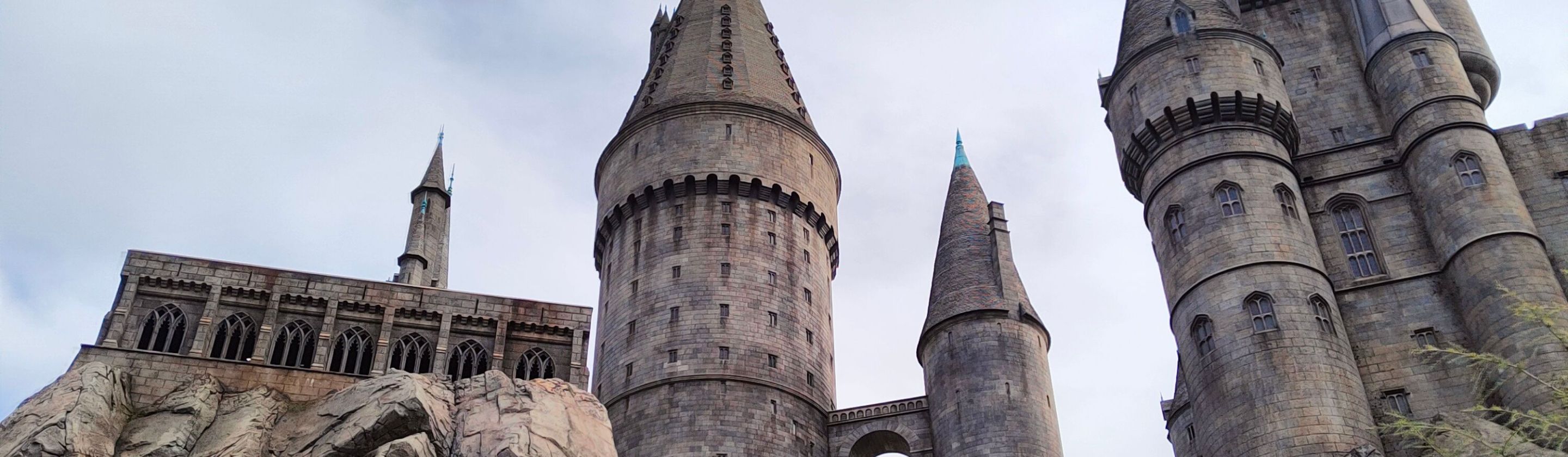
Hogwarts is presented throughout the Harry Potter series as the safest place in the wizarding world, protected by ancient magic and the watchful eye of one of the greatest wizards who ever lived. And yet students are regularly endangered, occasionally hospitalized, and in several cases nearly killed by the school's own curriculum. The rules exist on a spectrum from genuinely sensible precautions to baffling institutional decisions no real governing body would sanction. Here's 10 Hogwarts rules that held up, and 10 that didn't survive mild scrutiny.

1. The Forbidden Forest Is Off-Limits
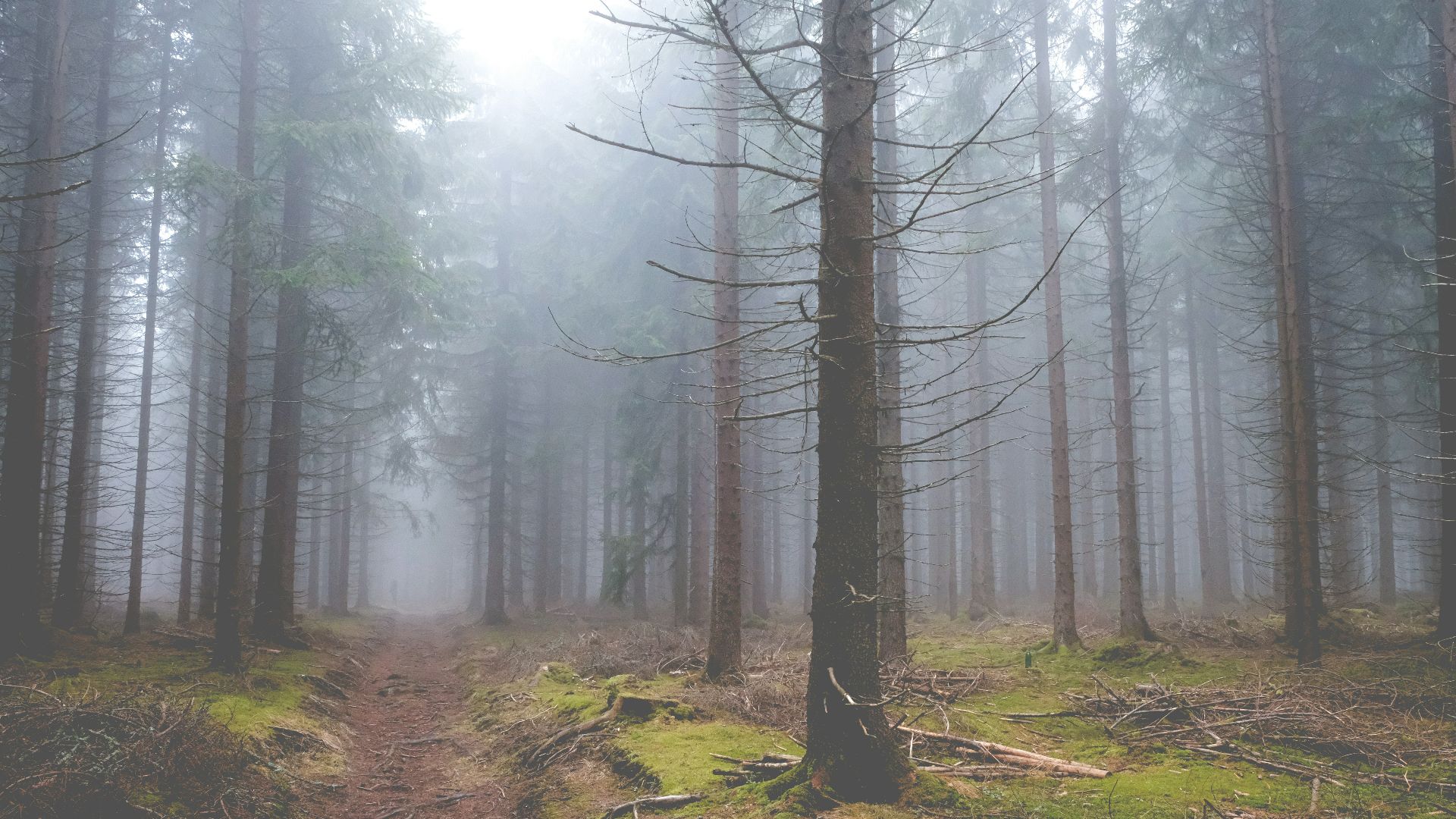
Keeping students out of a forest full of giant spiders, centaurs, and dark creatures is a reasonable institutional decision. The forest is genuinely dangerous, and the rule exists for obvious protective reasons. The fact that it doubles as a detention location somewhat undermines the point, but the rule itself is sound.
2. No Magic in the Corridors
Restricting unsupervised spell-casting in crowded hallways makes obvious sense. Wand accidents in controlled classroom settings are already a documented hazard. Allowing first-years to cast freely between classes would produce injuries on a daily basis, and the rule exists to prevent exactly that.
3. No Visiting Other Houses' Dormitories
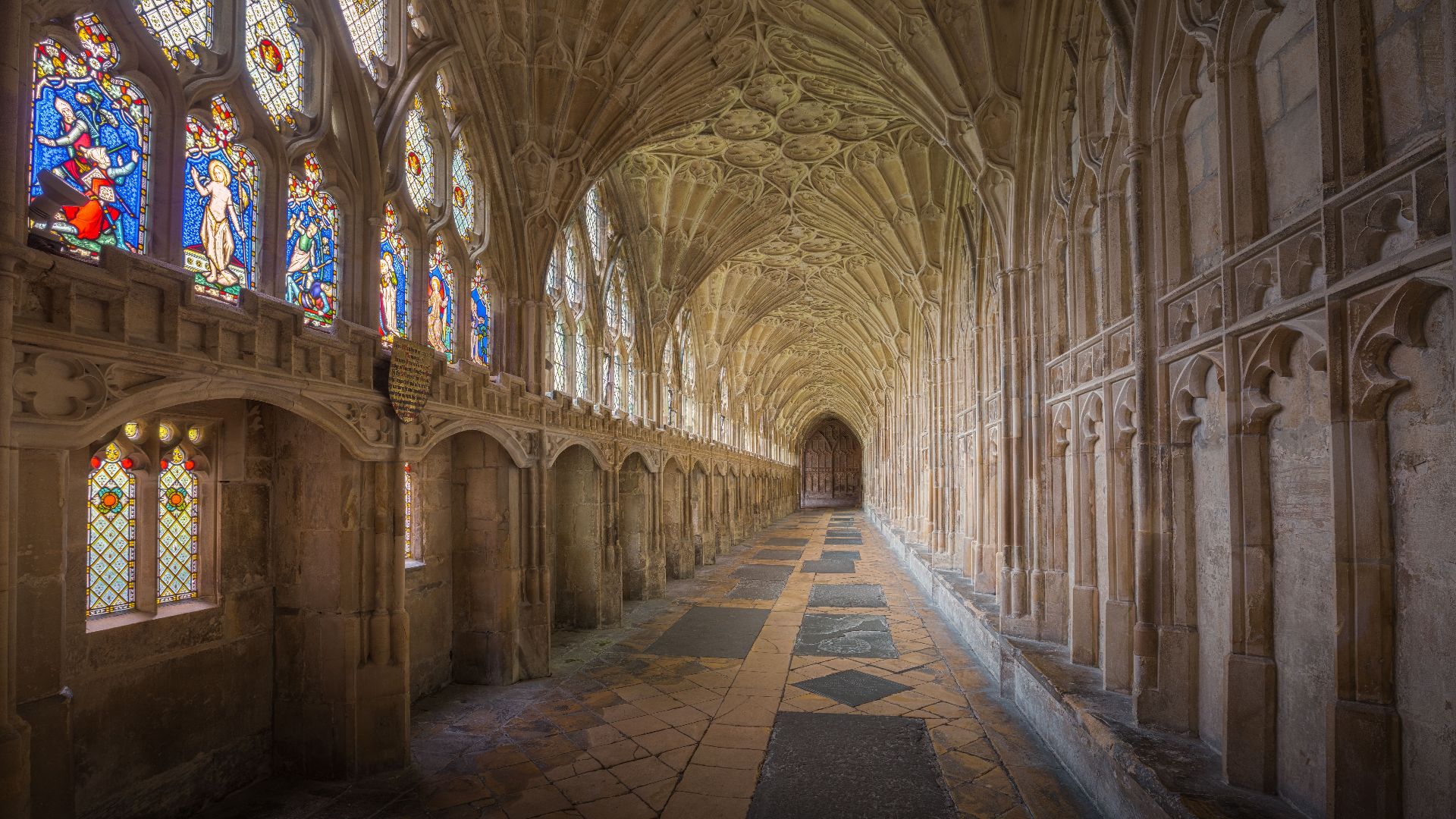
Keeping students in their own residential areas after hours prevents the kind of nocturnal socializing that makes supervision impossible. It also reduces opportunities for inter-house conflict in unsupervised settings, which matters given that Slytherin and Gryffindor students left alone in the dark tend to escalate quickly.
4. First-Years Cannot Have Their Own Broomsticks
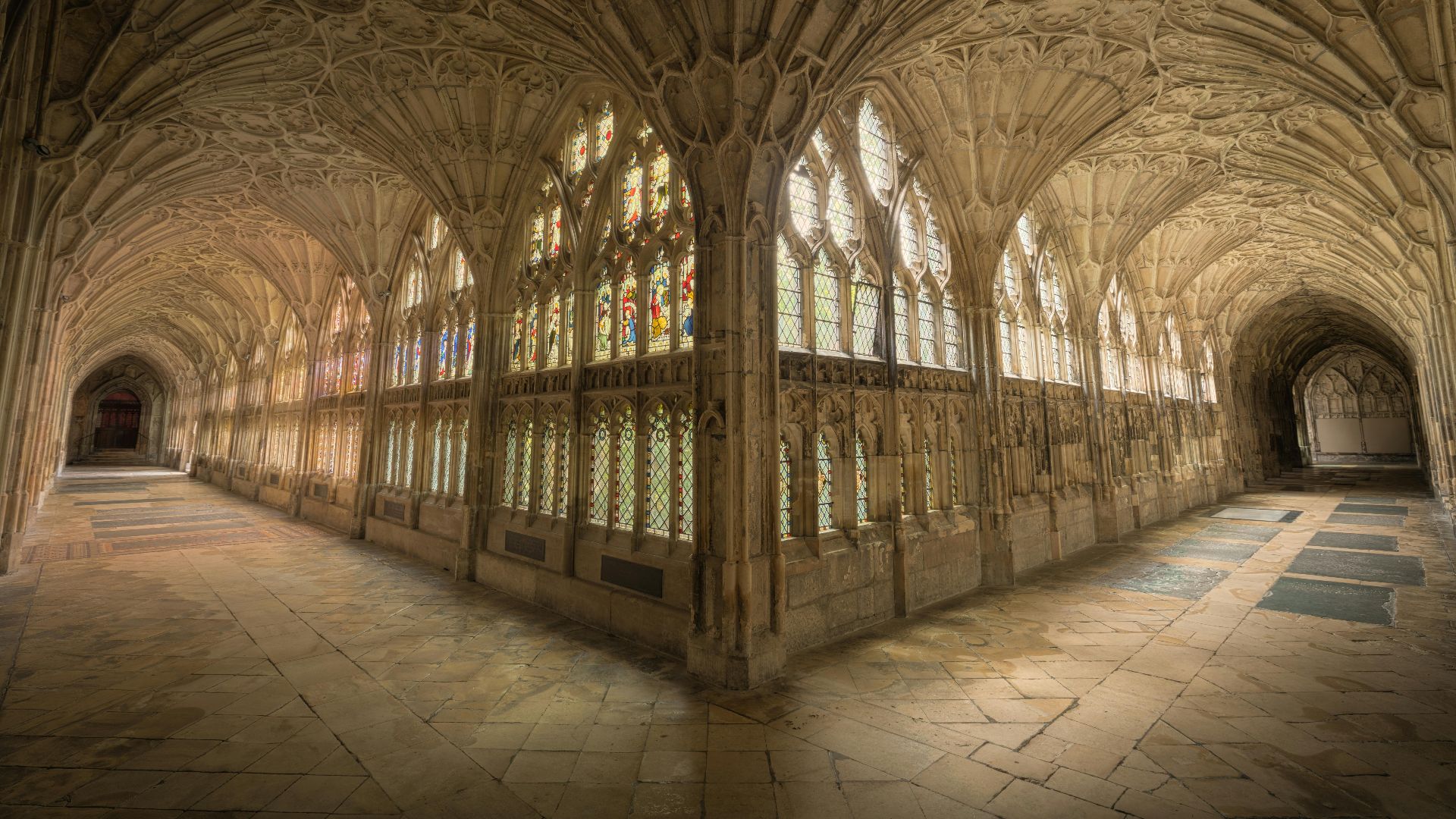
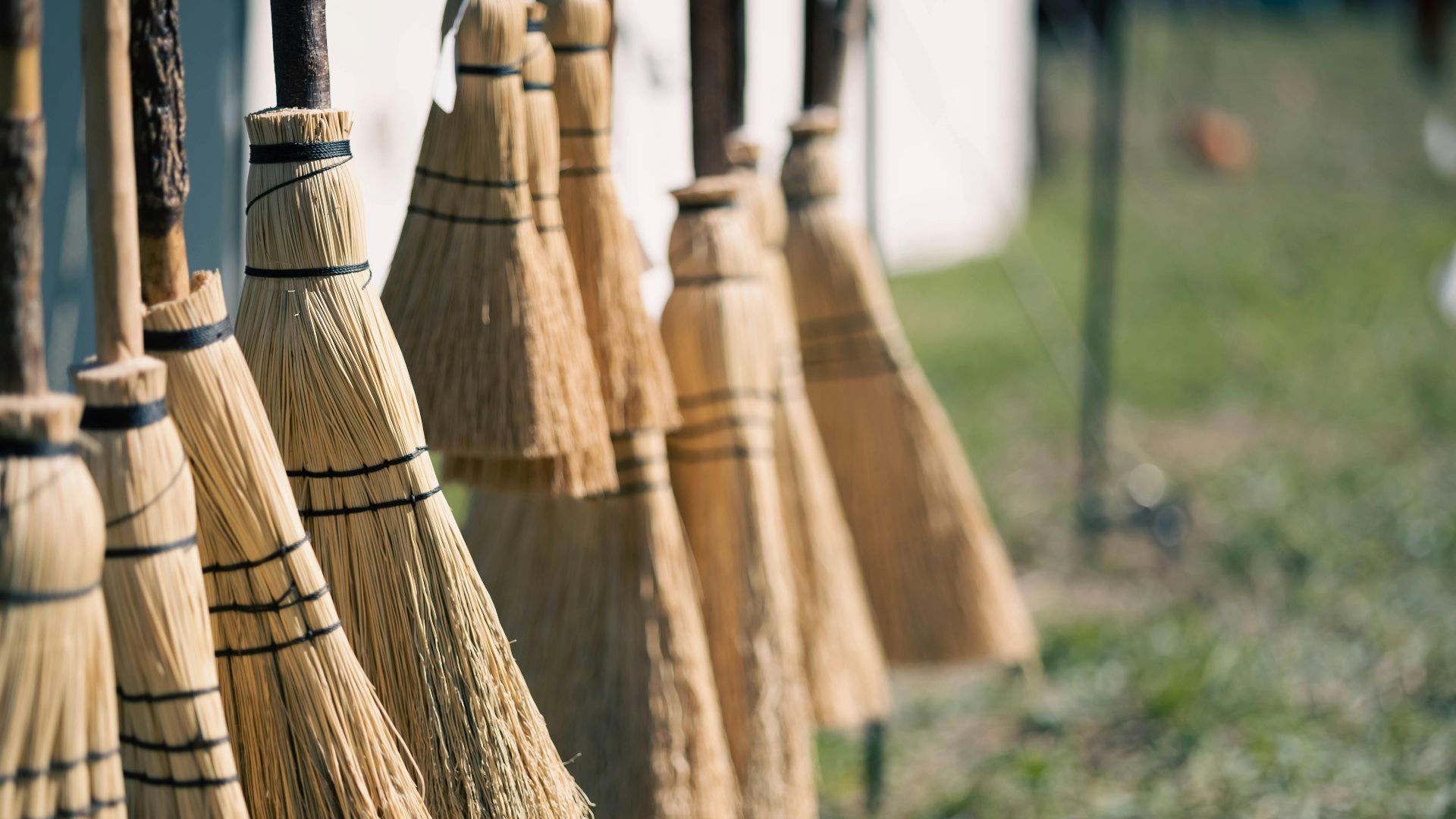
Restricting personal broomstick ownership for first-years limits unsupervised flying before students have demonstrated basic competence in the air. It's a sensible graduated approach. Harry's exception in his first year was personally authorized by Dumbledore, not a routine policy carve-out.
5. The Restricted Section Requires Permission
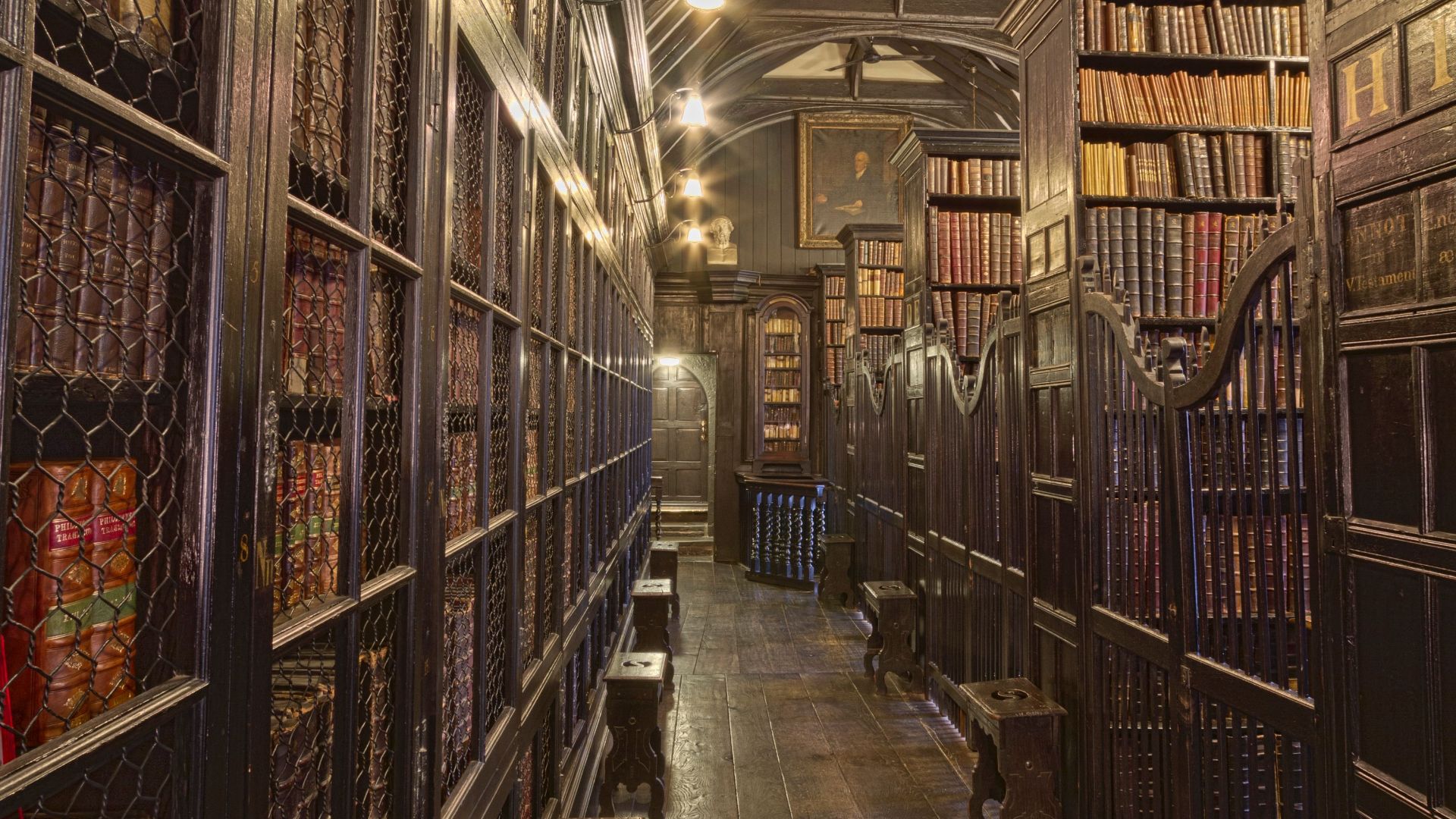
Some magical knowledge is genuinely dangerous in the wrong hands. Limiting access to texts on dark curses and advanced dark magic until students are mature enough is a reasonable educational precaution. The permission slip system is a low bar, but the underlying principle is correct.
6. Owls Must Be Kept in the Owlery
Centralizing magical animal communication in one supervised location prevents owls from disrupting classes, colliding with students, and delivering potentially cursed correspondence directly into living spaces without any opportunity for interception. One of Hogwarts' more quietly sensible administrative decisions.

7. No Apparating on School Grounds
Preventing students from Apparating within Hogwarts eliminates an enormous range of security vulnerabilities. A school where students could teleport freely would be impossible to secure, and restricting Apparition to supervised practice sessions is one of the more clearly justified magical rules in the series.

8. Quidditch Has Supervision
By the standards of a sport played at significant altitude with metal balls designed to injure players, Hogwarts manages Quidditch reasonably well. Madam Hooch presides over matches, there are referees, and students receive flight instruction before being handed a broomstick. The sport is dangerous, but the school's oversight of that danger is at least visible.
9. Underage Magic Is Restricted Outside School
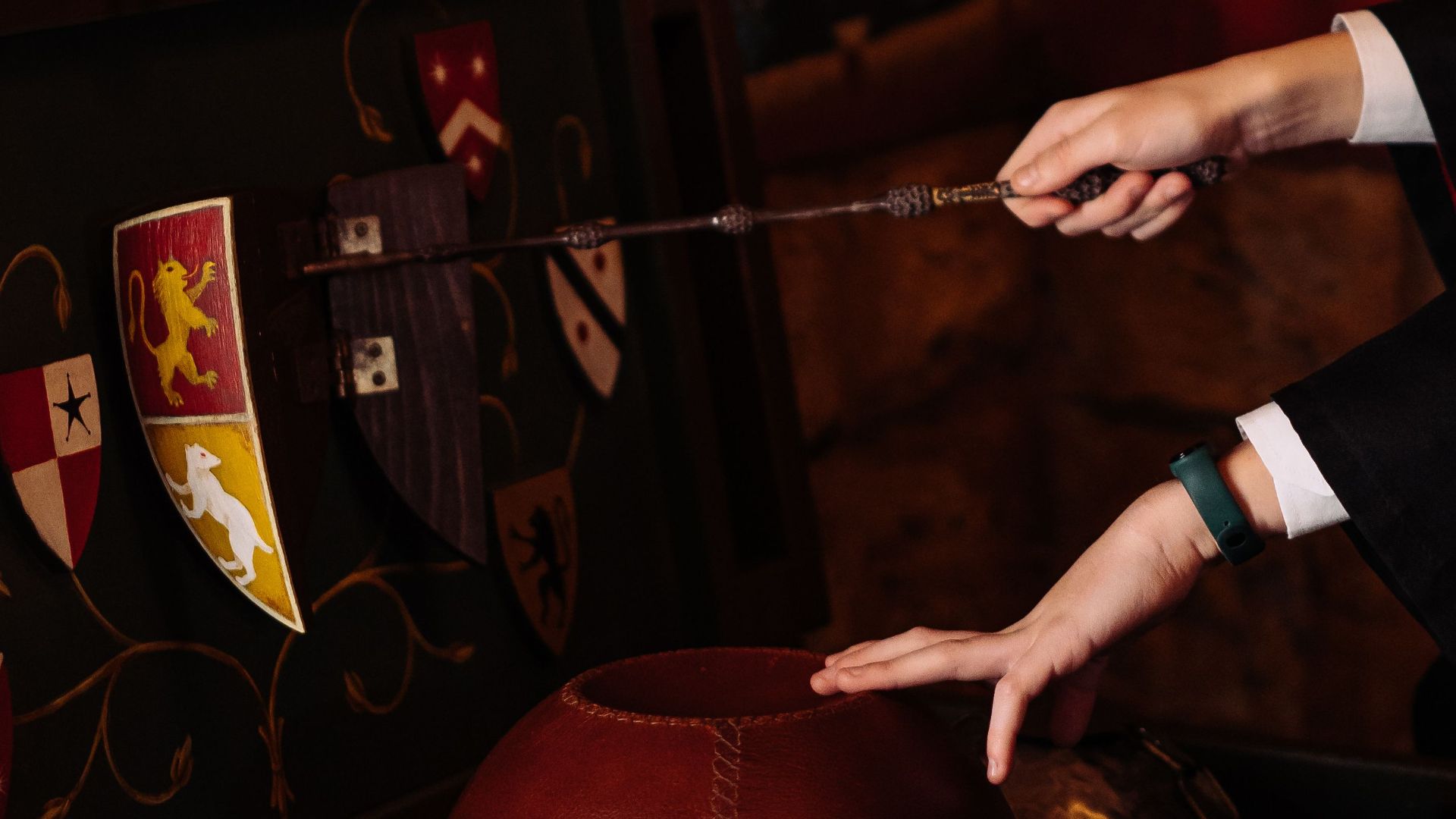
The Ministry's decree restricting underage wizards from performing magic outside school is a legitimate safety and secrecy measure. It prevents magical accidents in Muggle-populated areas and limits unsupervised practice of dangerous spells. The Trace is an enforcement mechanism that actually functions as described.

10. Teacher Accompaniment in Certain Areas
Hogwarts is a large and architecturally unpredictable castle with moving staircases and areas sealed for unknown reasons. Requiring teacher accompaniment in designated sections is a reasonable response to an environment that is genuinely difficult to navigate and occasionally hostile to people who wander into the wrong place.
Now, here's 10 that made considerably less sense.

1. The Forbidden Forest as Detention
Hogwarts officially prohibits the forest because it is dangerous, then sends students into it as punishment. Harry and his classmates are dispatched into the forest at night in their first year to investigate something killing unicorns, supervised by one adult and a dog. The rule and the punishment are in direct contradiction, and nobody in the books finds this remarkable.
2. Announcing the Third-Floor Corridor
At the start of Philosopher's Stone, Dumbledore tells a hall full of eleven-year-olds that the third-floor corridor will kill anyone who enters it. Telling children that something will kill them is not a security protocol. It is an invitation, and Harry, Ron, and Hermione investigate almost immediately, which suggests it worked exactly as poorly as one would expect.
3. The Triwizard Age Restriction
The Age Line drawn by Dumbledore is the primary safeguard preventing underage students from entering a tournament with potentially fatal tasks. Fred and George immediately attempt a workaround. The restriction exists, but its implementation suggests minimal thought about anyone trying to get around it, which is a significant oversight for a binding magical contract.

4. Keeping the School Open During Chamber of Secrets
When students begin being Petrified, Hogwarts remains open and classes continue largely as normal. The administration issues warnings rather than evacuating or significantly restricting movement through a castle with an active monster attacking its student body. No governing board in any universe should have sanctioned that risk management decision.
5. Stationing Dementors Around the School
Dementors cause severe psychological trauma, force people to relive their worst memories, and can permanently destroy a person's soul. The Ministry places them around a school full of children and expresses surprise when students are affected. Everyone who approved this decision failed at a fundamental level.
6. No Curfew Enforcement
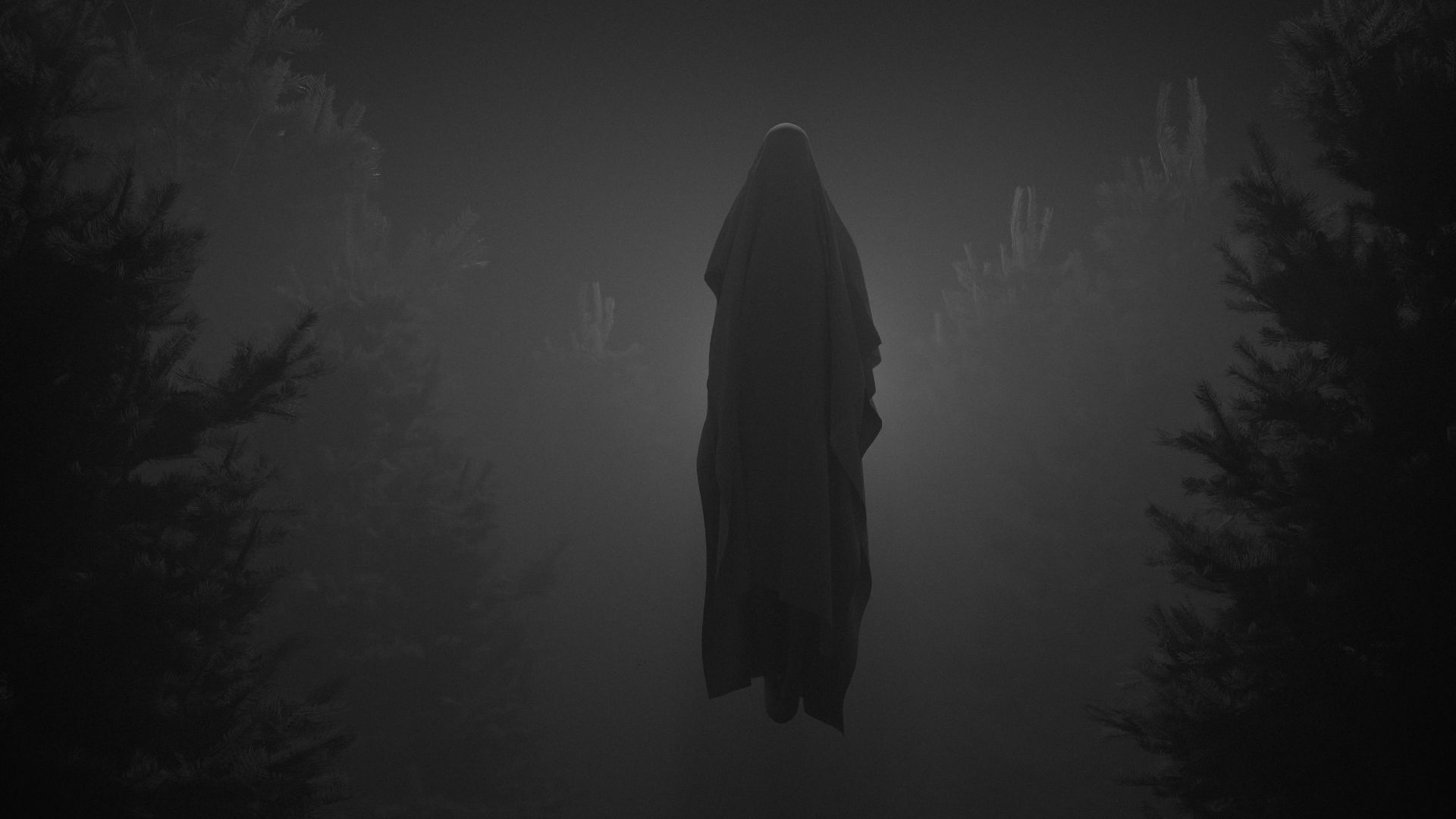
Hogwarts has a curfew. Students violate it constantly across all seven books with minimal consequences. Harry alone is out of bed without permission dozens of times, sometimes with catastrophic results. The rule exists in name, enforcement is arbitrary, and the castle is large enough that students face no meaningful deterrent.
7. No Policy on Invisibility Cloaks
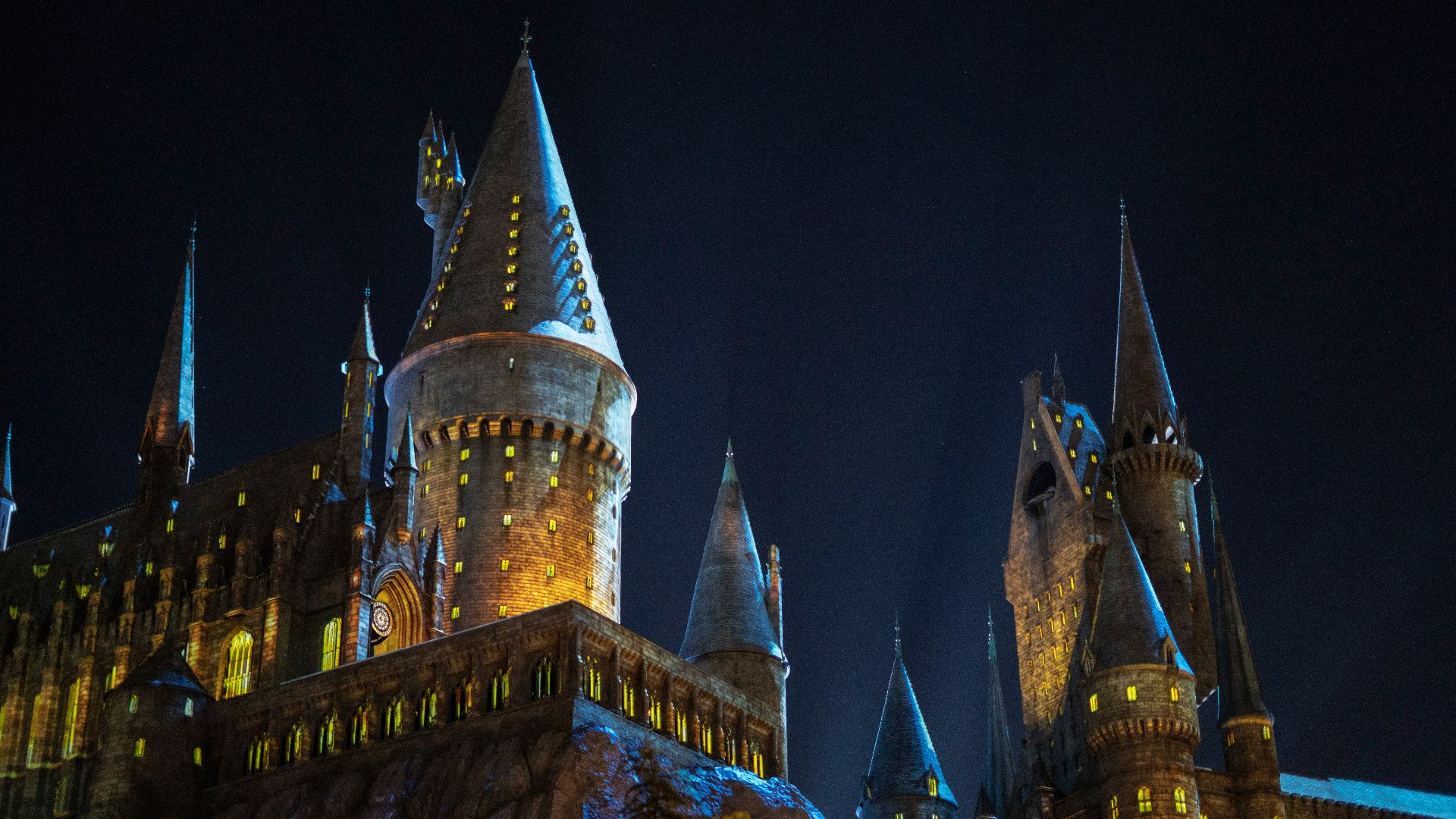
Hogwarts has no apparent policy for dealing with invisibility cloaks, despite the fact that they allow students to go anywhere undetected. Harry uses his to bypass virtually every security measure the school has, repeatedly across multiple years, without prompting any institutional response. A school that cannot account for its students' locations has a supervision problem it appears entirely uninterested in solving.
8. Dangerous Creatures in the Curriculum
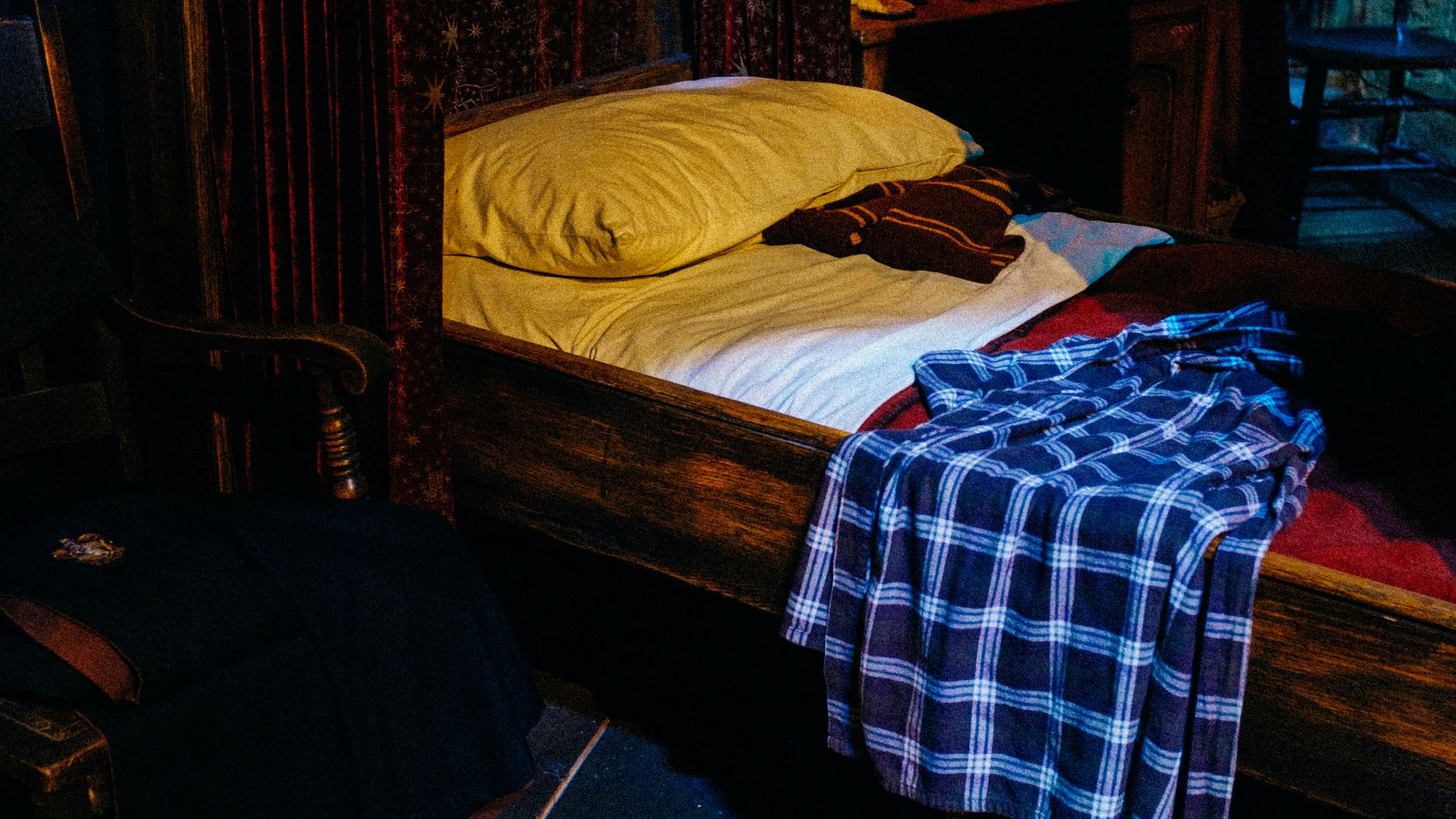
Hagrid introduces third-years to Hippogriffs on the first day of class and a student is hospitalized within the hour. The curriculum's approach to dangerous magical creatures appears to be learning by proximity, with consequences addressed after the fact and safety protocols that range from minimal to nonexistent.

9. No Voldemort Emergency Protocol
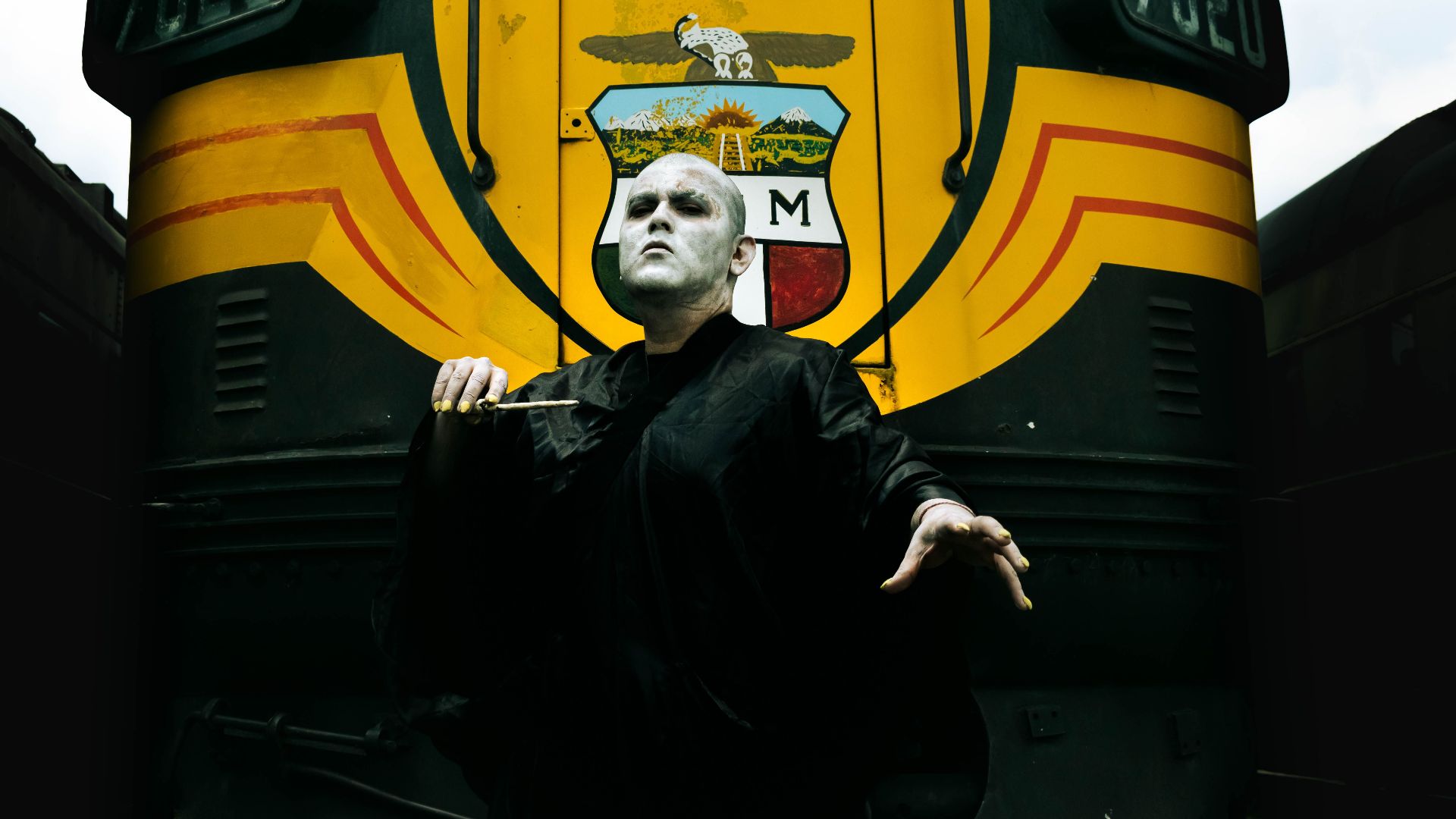
When Voldemort returns at the end of Goblet of Fire, the institutional response is essentially Dumbledore making individual decisions while the Ministry denies everything. There is no evidence any standing protocol existed for a school that had already survived one period of his terror, which is a remarkable oversight.
 Arturo Rodríguez Ortega on Pexels
10. No Support for Student Trauma
Hogwarts has Madam Pomfrey for physical injuries, and she is efficient and capable. It has no visible equivalent for psychological welfare. Students who witness violent deaths, experience the Cruciatus Curse, or survive direct contact with Voldemort are sent back to class. The complete absence of any structured support for student trauma is the most quietly baffling gap in a school that otherwise considers itself exceptionally well-run.