
10 Greatest Mentor Characters & 10 That Gave Terrible Advice
Some Guides Change Heroes for the Better & Some Really Should've Stayed Quiet
Mentor characters are supposed to help heroes grow, sharpen their instincts, and keep them from making really big mistakes. In some stories, though, that role can go in two very different directions, because some mentors offer wisdom that shapes entire worlds while others hand out guidance that's far too messy or vague to do any good. Here are 10 mentors who truly earned the title and 10 who made “learning the hard way” feel less like a lesson and more like a trap.
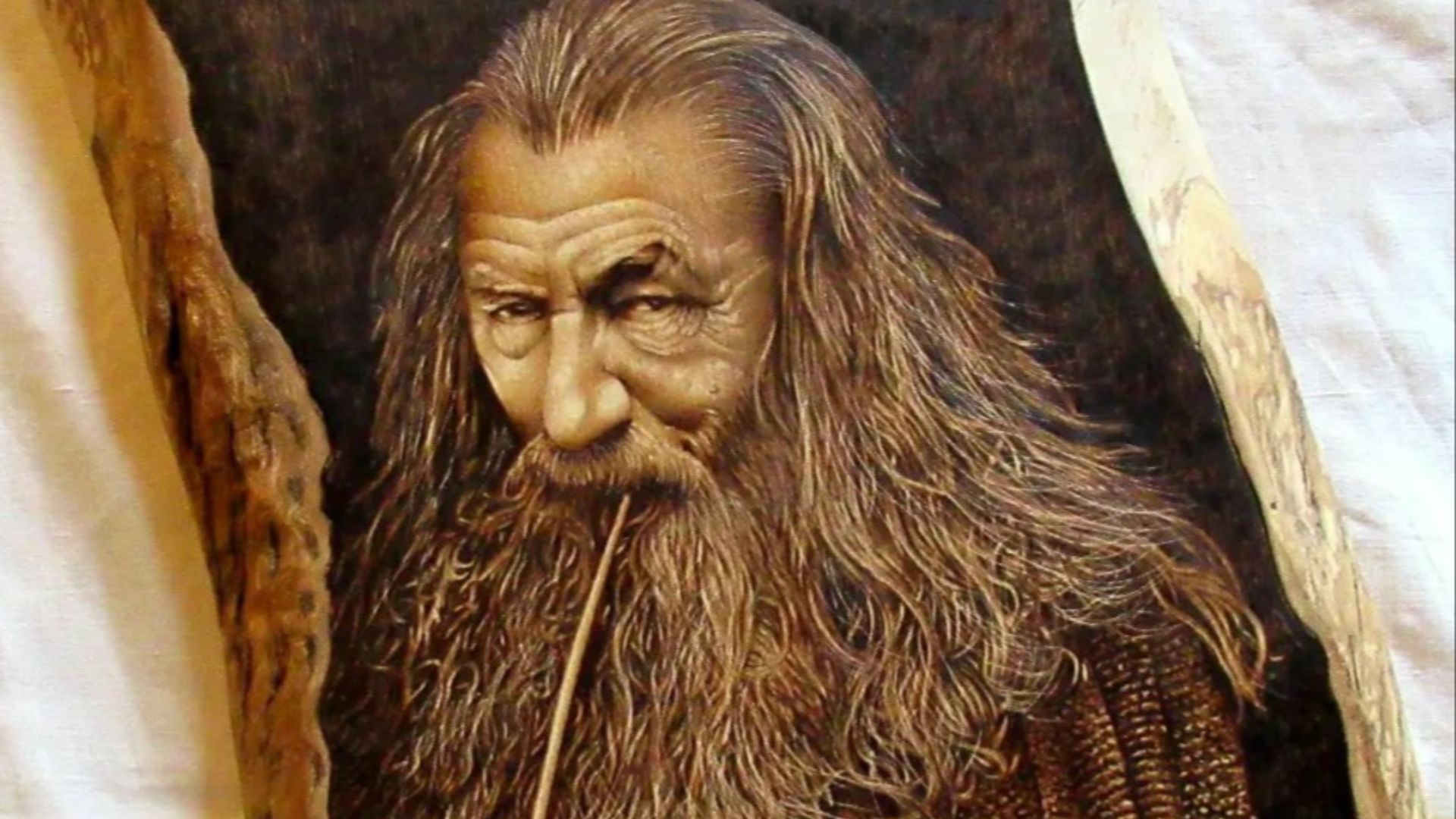 Roberto Frangioni Piroritrattista Framàr on Wikimedia
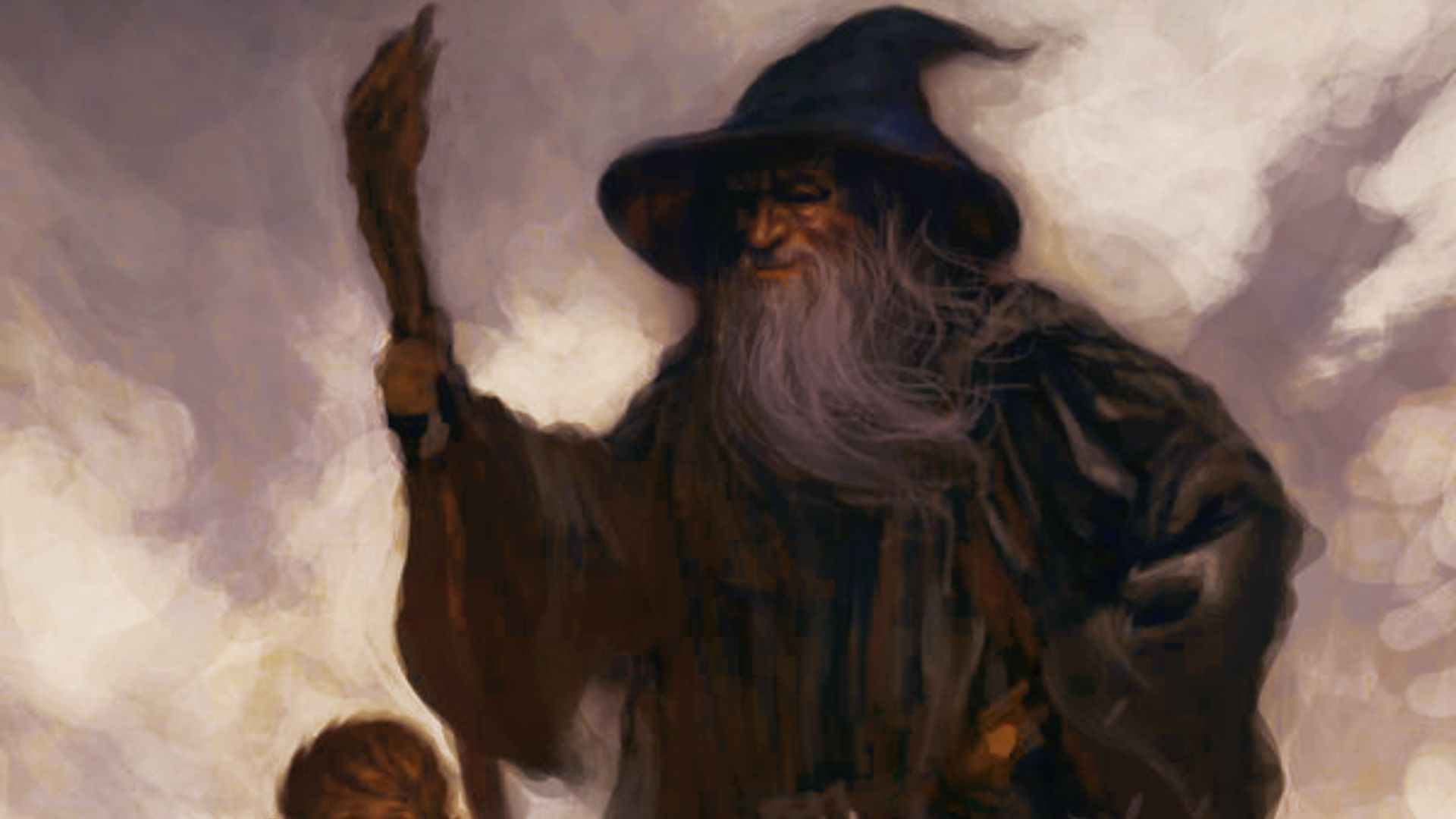
1. Gandalf
Gandalf is the classic mentor for a reason. He manages to guide people without smothering them. He gives counsel, sees the bigger picture, and still knows when others need to make their own choices.
 Joel Lee (maxbat) on Wikimedia
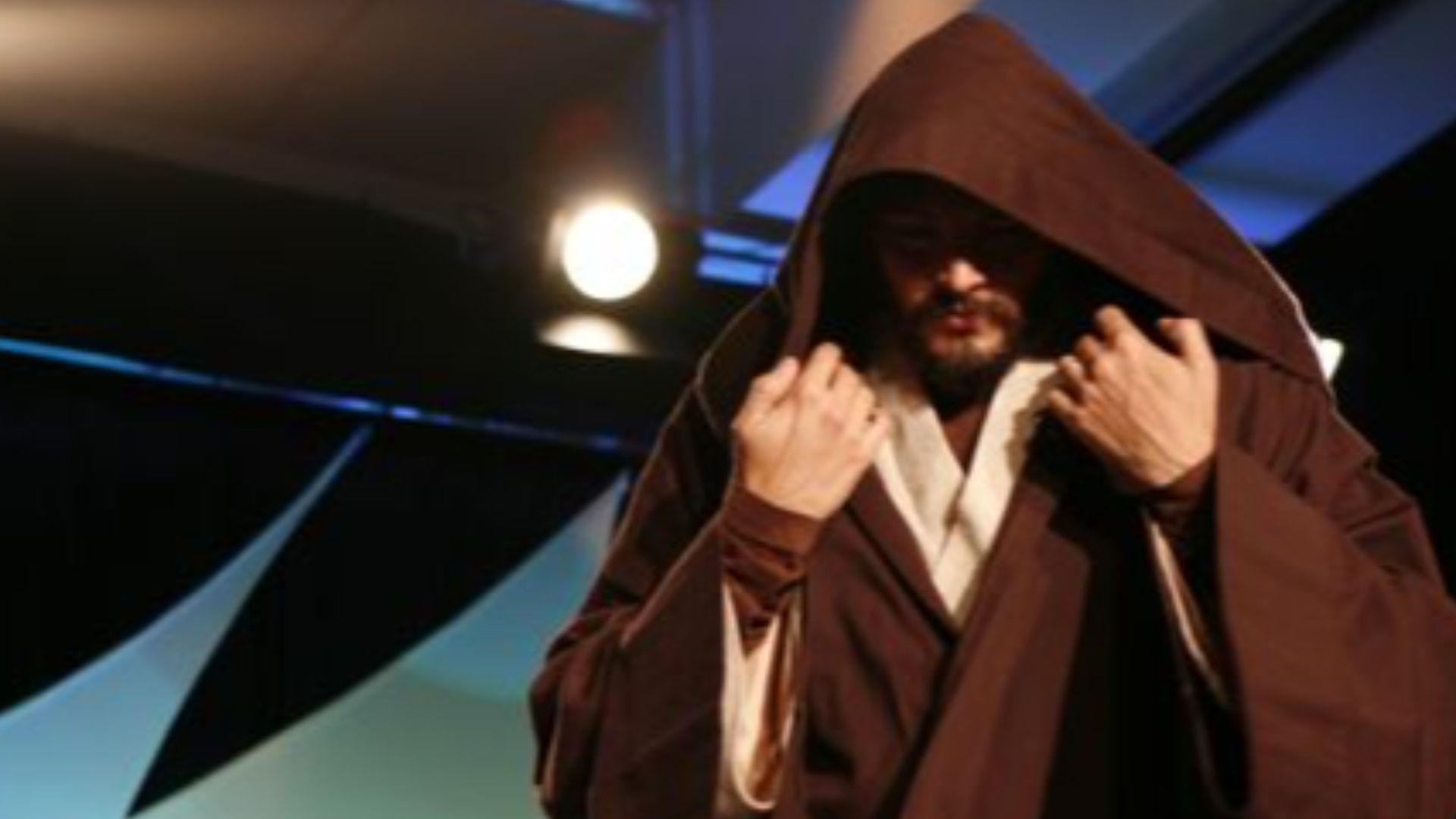
2. Obi-Wan Kenobi
Obi-Wan may not be perfect, but he's still one of the great mentor figures in fantasy and science fiction. He teaches discipline, responsibility, and the ability to stay grounded while the galaxy loses its mind around him. Even when his guidance is painful, it usually comes from a real understanding of what heroism costs.
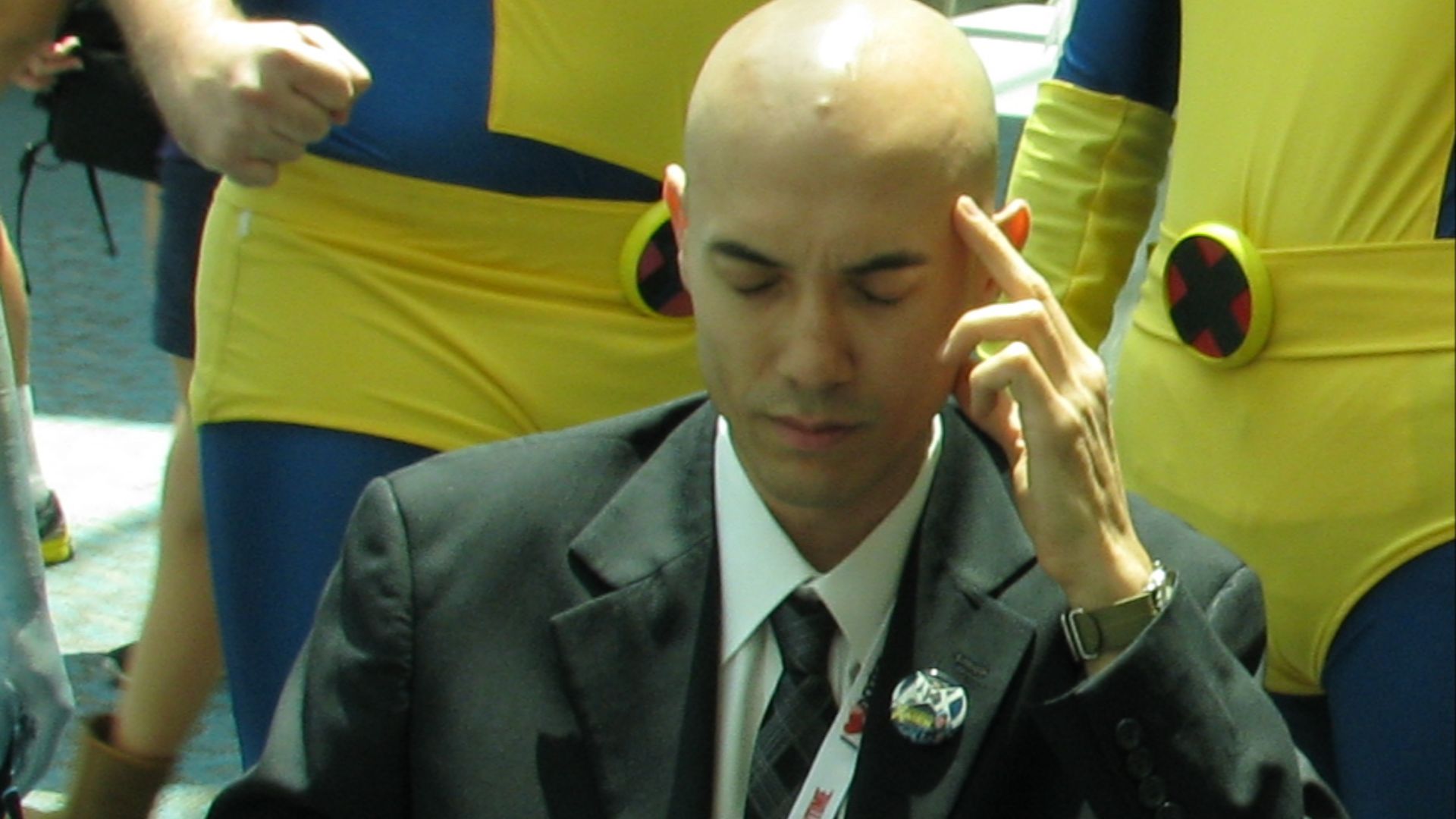
3. Professor X
Charles Xavier works best as a mentor when he is helping young mutants understand both their powers and their place in a world that fears them. He doesn't just teach control, because he also teaches purpose and community. At his best, he gives the X-Men a reason to become something more than frightened outsiders.
 William Tung from USA on Wikimedia
4. Alfred Pennyworth
Alfred is one of the few mentors who can deliver emotional support, practical advice, and perfectly aimed sarcasm in the same conversation. He helps shape Bruce Wayne not by feeding the Batman fantasy, but by reminding him of the human being underneath it. That balance is exactly why he matters so much.
 Manfred Werner / Tsui on Wikimedia
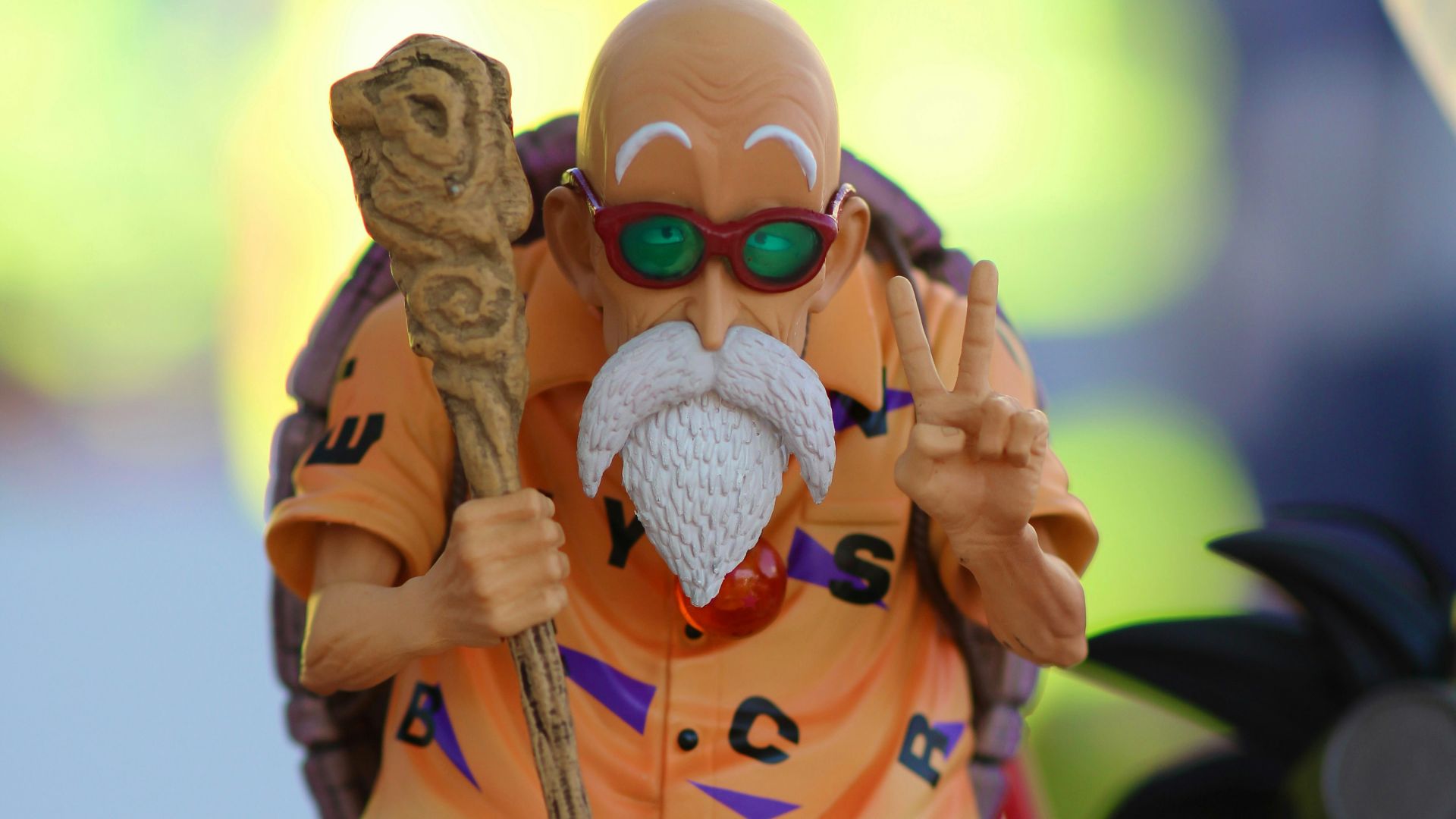
5. Master Roshi
Master Roshi is chaotic, flawed, and often ridiculous, but as a mentor, he knows how to push his students toward real growth. He teaches Goku and Krillin that strength isn't just about fighting harder, because discipline, humility, and steady effort matter just as much. Beneath all the comedy and silliness, his lessons actually stick.
6. Dumbledore
Dumbledore is a flawed mentor, but he's still one of the most effective and memorable examples in fantasy. He gives Harry a framework for courage, sacrifice, and moral choice that goes far beyond classroom learning. Even when he withholds too much, he still helps shape the person who can finish the story.

7. Splinter
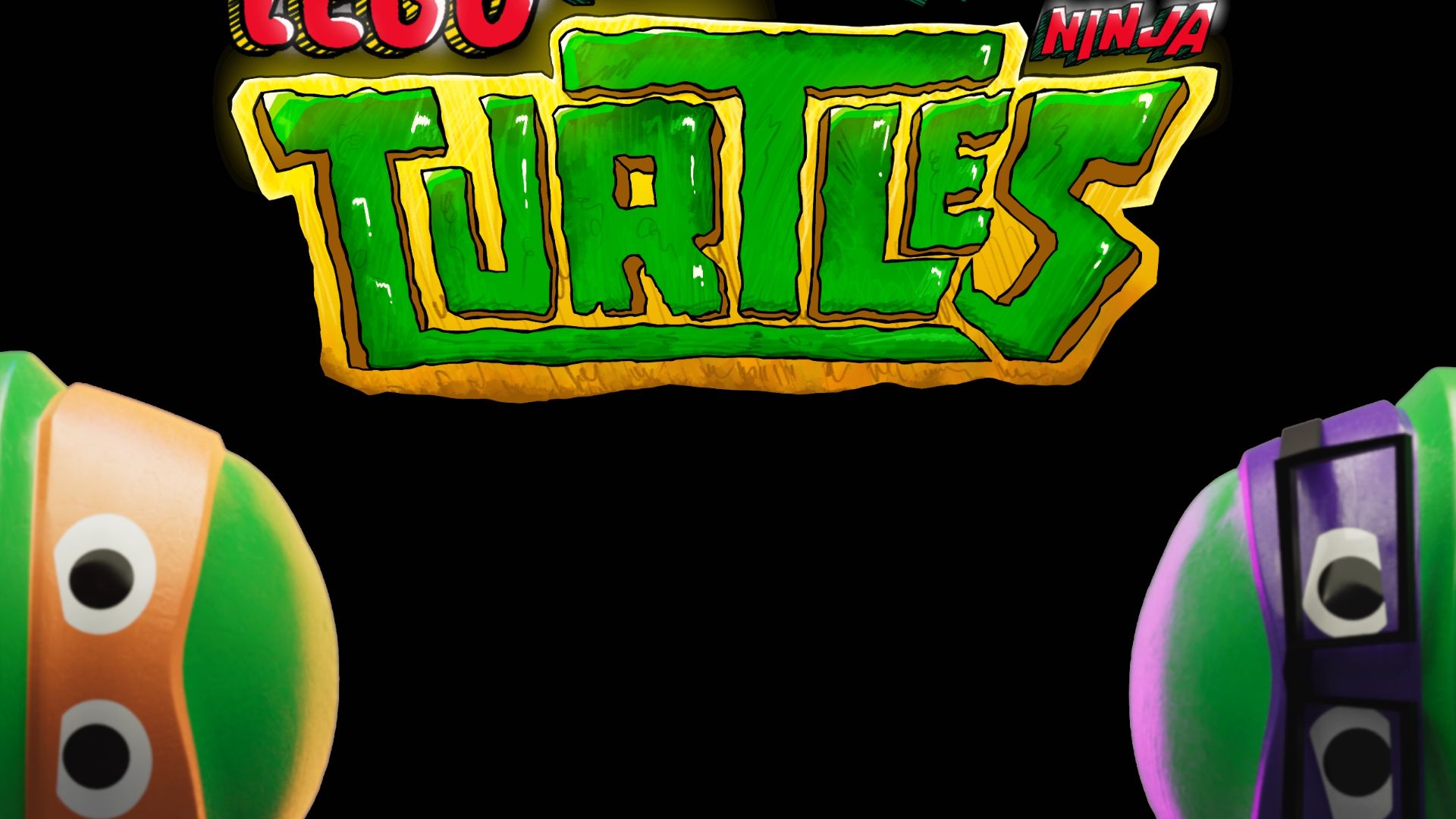
Splinter from Teenage Mutant Ninja Turtles does more than train fighters. He raises four very different sons and gives them discipline, values, and enough emotional grounding to keep their personalities from flying apart completely. A mentor who can teach combat and family at the same time is doing serious work.
8. Yoda
Yoda’s advice can be cryptic, but it's rarely empty. He teaches patience, self-mastery, and the danger of fear in a way that makes the Jedi philosophy feel bigger than sword lessons and acrobatics. You may not always enjoy getting a lecture from him, though you can usually see why it matters later.

9. Jiraiya
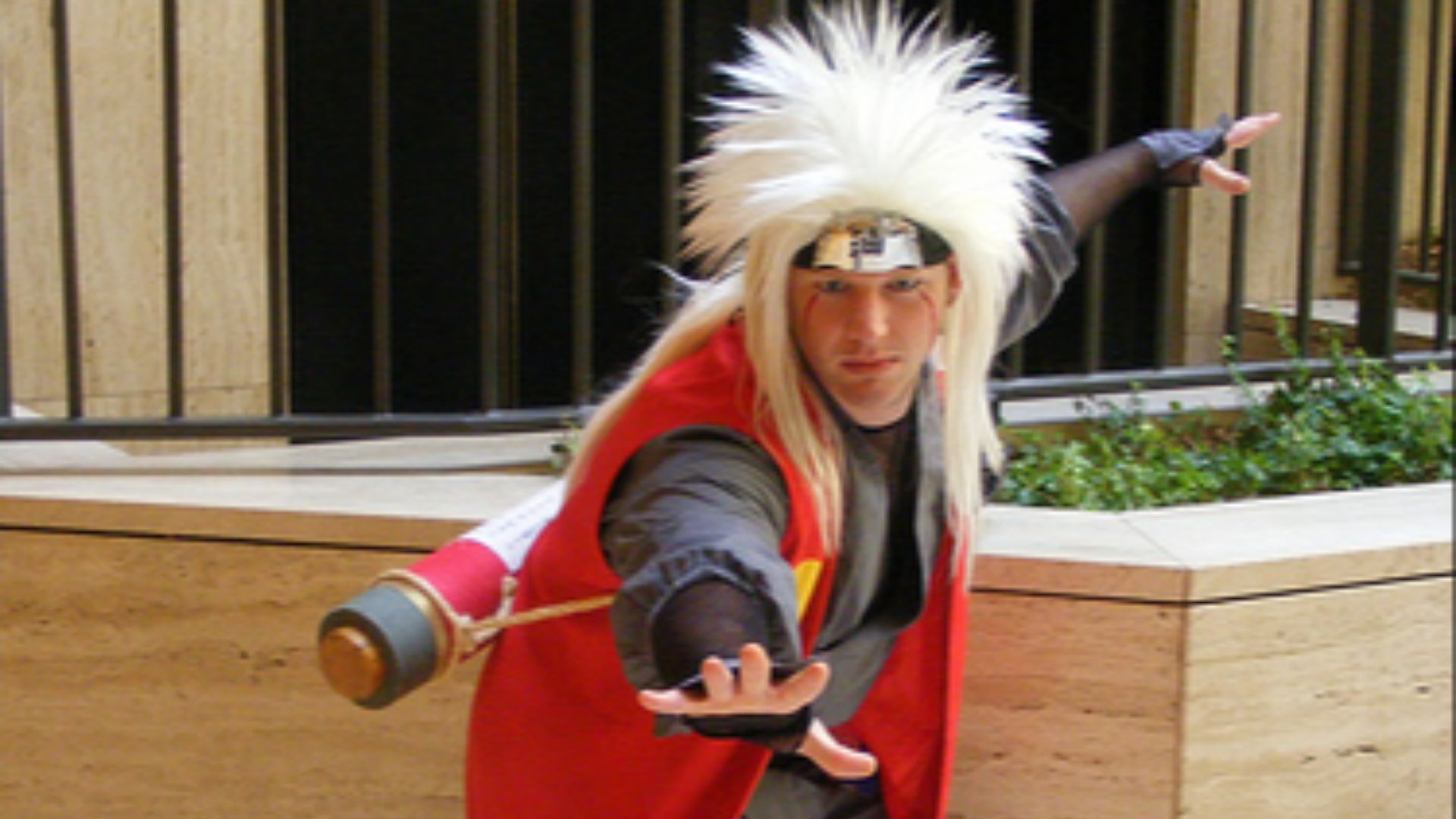
Jiraiya brings an unusual mix of comedy, recklessness, and real wisdom to the mentor role. He helps Naruto grow stronger, but more importantly, he helps him grow into someone who can carry enormous emotional weight without losing himself. That combination gives his mentorship much more staying power.
10. Brom
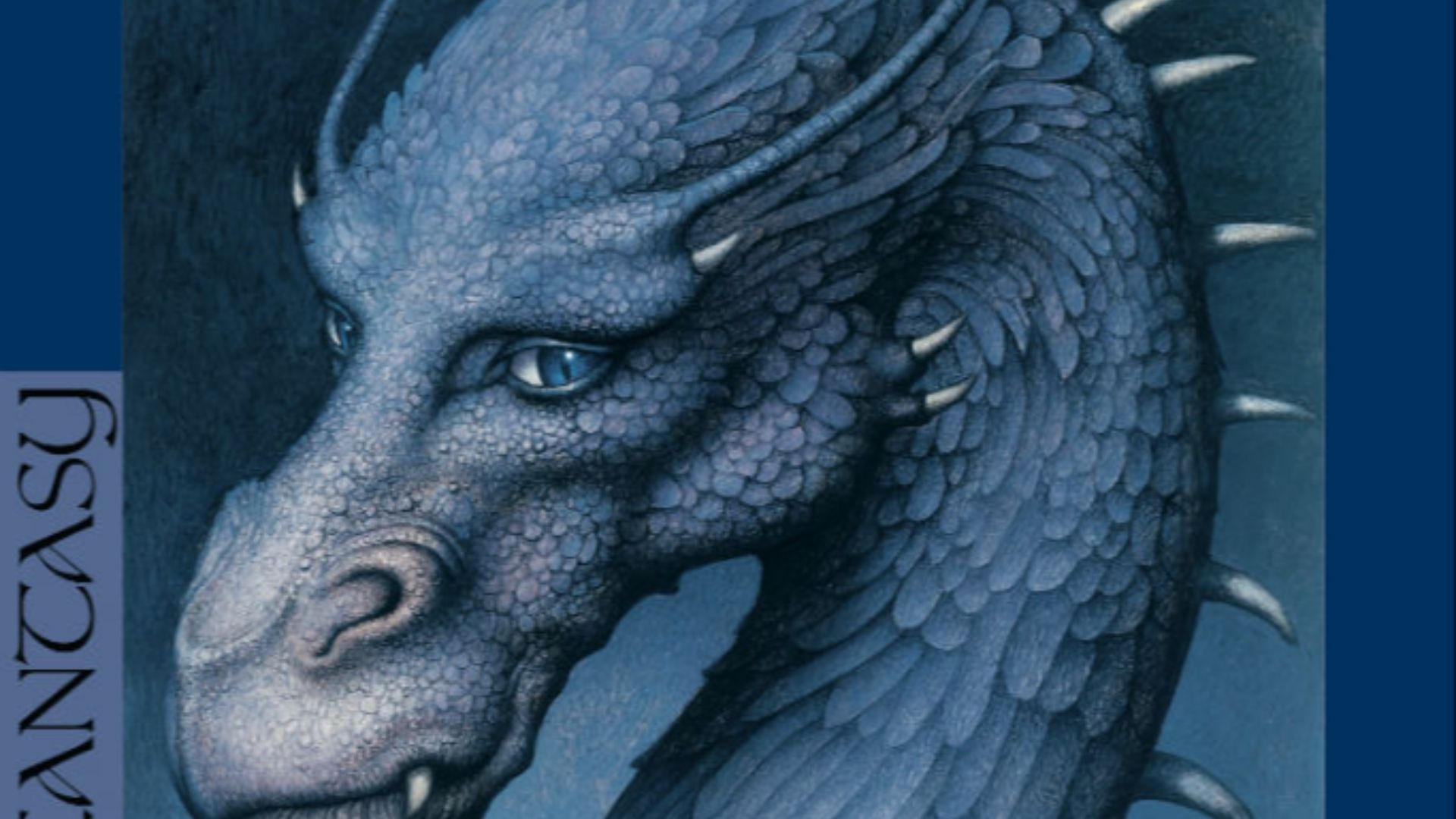
Brom works because he teaches from lived pain rather than abstract wisdom. He gives Eragon practical training, hard truths, and just enough mystery to keep the journey feeling larger than one boy and one dragon. By the time you understand everything he was carrying, his role lands even harder.
 Verlagsgruppe Random House (talk) on Wikimedia
Now that we've covered the 10 greatest mentor characters, let's discuss the ones who really weren't great at giving advice.
1. Kreia
Kreia from Star Wars: Knights of the Old Republic II is fascinating, brilliant, and often deeply terrible for anyone trying to build a healthy moral compass. She critiques nearly every action, distrusts compassion when it is too direct, and makes growth feel like an endless philosophical ambush. You can learn a lot from her, but you probably won't feel emotionally better for it.

2. Jor-El
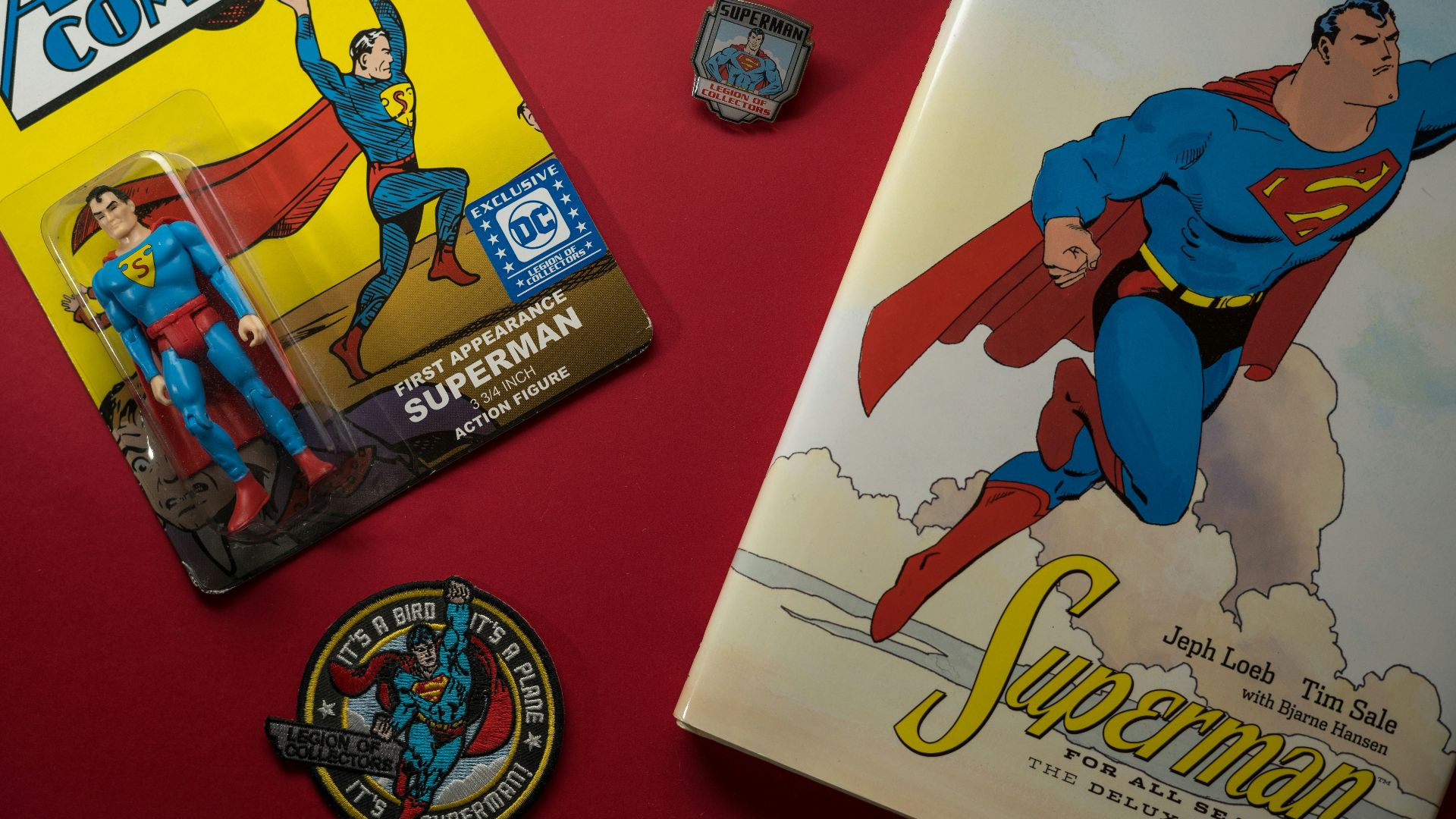
Jor-El from the Superman comics can be inspiring in the better versions, but in plenty of portrayals, he ends up sounding distant, rigid, or weirdly burdening for a son who didn't ask to become a symbol. His lessons sometimes push Clark toward duty so heavily that ordinary human life starts looking like a distraction. That may be noble, but it's not always great advice for a person trying to stay whole.
3. Magneto
Magneto is one of the most compelling figures in Marvel, but as a mentor, he can turn righteous anger into a whole operating system. He teaches strength and pride, which are not bad things on their own, yet he often pairs them with suspicion so intense that coexistence starts looking naive. That can produce powerful followers, but it doesn't always produce healthy judgment.
 William Tung from USA on Wikimedia
4. Horace Slughorn
Horace Slughorn may not be evil, but he's a pretty flawed mentor nevertheless. He gives attention mostly to students he finds impressive, useful, or well-connected, which means his guidance often comes with favoritism built right into it. He can be charming and genuinely supportive, but the whole Slug Club dynamic teaches students that influence and status matter a little too much.
 Scottish Documentary Institute on Wikimedia
5. Batman
Bruce Wayne is an incredible crime-fighter, but he's not always a healthy mentor. Depending on the comic, he teaches discipline through pressure, emotional distance, and expectations that would make most therapists quit on sight. His protégés often become impressive, but they also spend a lot of time recovering from being trained by Batman.

6. The Jedi Council
As a group, the Jedi Council offers Anakin a truly impressive amount of unhelpful guidance. They sense his fear, isolation, and instability, then respond with caution, repression, and institutional coldness instead of actual care. It's hard to watch that and not think they practically sponsored his collapse.

7. Moiraine
Moiraine in The Wheel of Time is intelligent and deeply committed, but she often treats information like a luxury nobody else deserves. That means her guidance can feel less like mentoring and more like dragging confused young people through destiny on a need-to-know basis. Some secrecy makes sense, though she definitely overcommits to the concept.

8. Odin
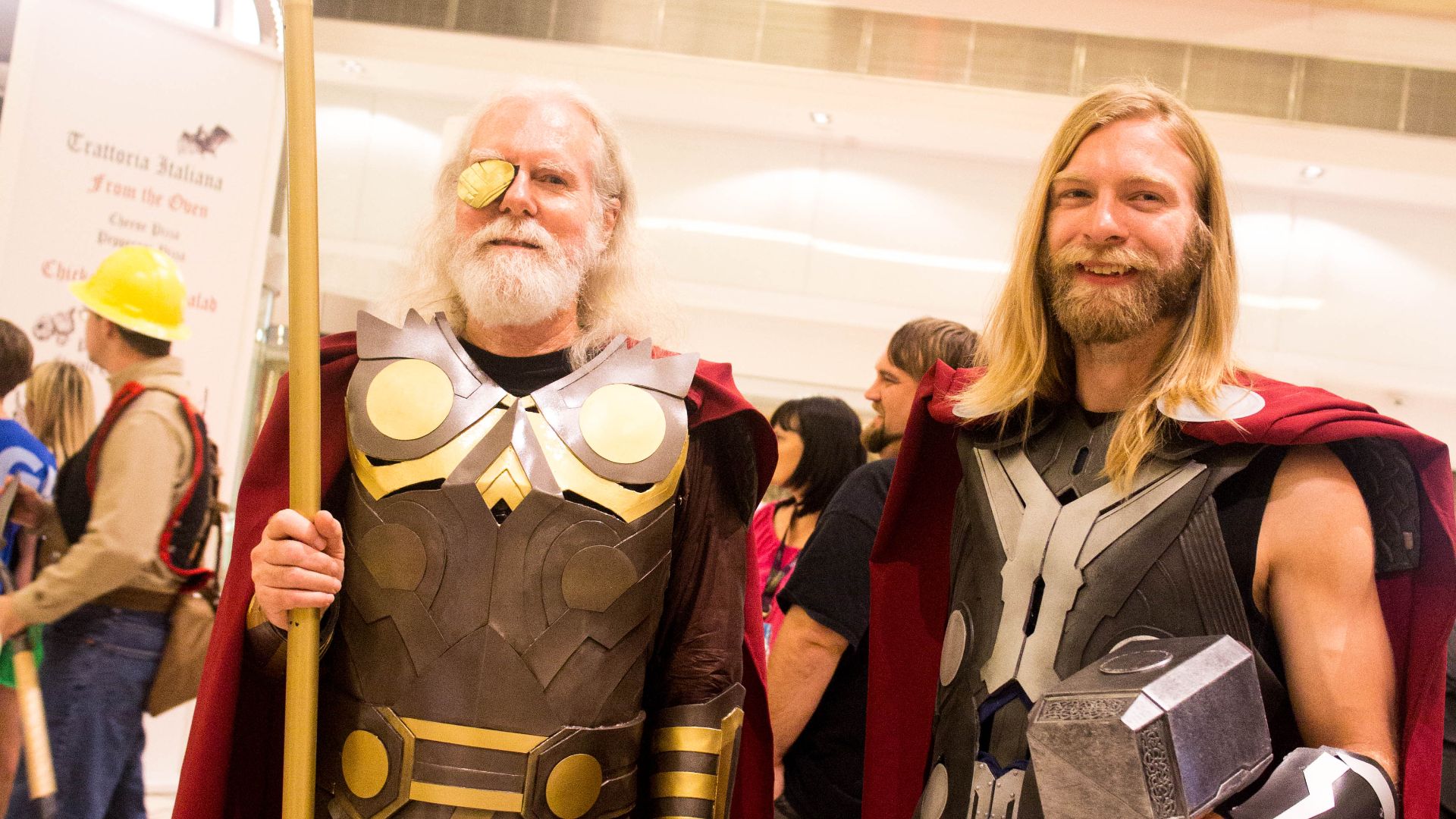
Odin loves a lesson that arrives wrapped in pride, punishment, and emotional confusion. He may believe he's forging Thor into a wiser ruler, but his parenting and mentoring style often creates as many problems as it solves. If your wisdom keeps producing fresh family trauma, it may be time to revisit the method.
9. Handsome Jack
Handsome Jack from the Borderlands pre-sequel sounds persuasive right up until you notice that every lesson points toward selfishness, paranoia, and cruelty. He frames ego as strength and brutality as practicality, which is a pretty rough educational philosophy. If your mentor is basically teaching villainy with better branding, something has gone wrong.
 Gaudencio Garcinuño on Wikimedia
10. Dutch van der Linde
Dutch from Red Dead Redemption 2 presents himself as a visionary father figure, but his advice becomes more destructive the longer you listen. He keeps preaching freedom and loyalty while making decisions that grow more reckless, manipulative, and detached from reality. By the end, he looks less like a mentor and more like a man using charisma to drag everyone down with him.