
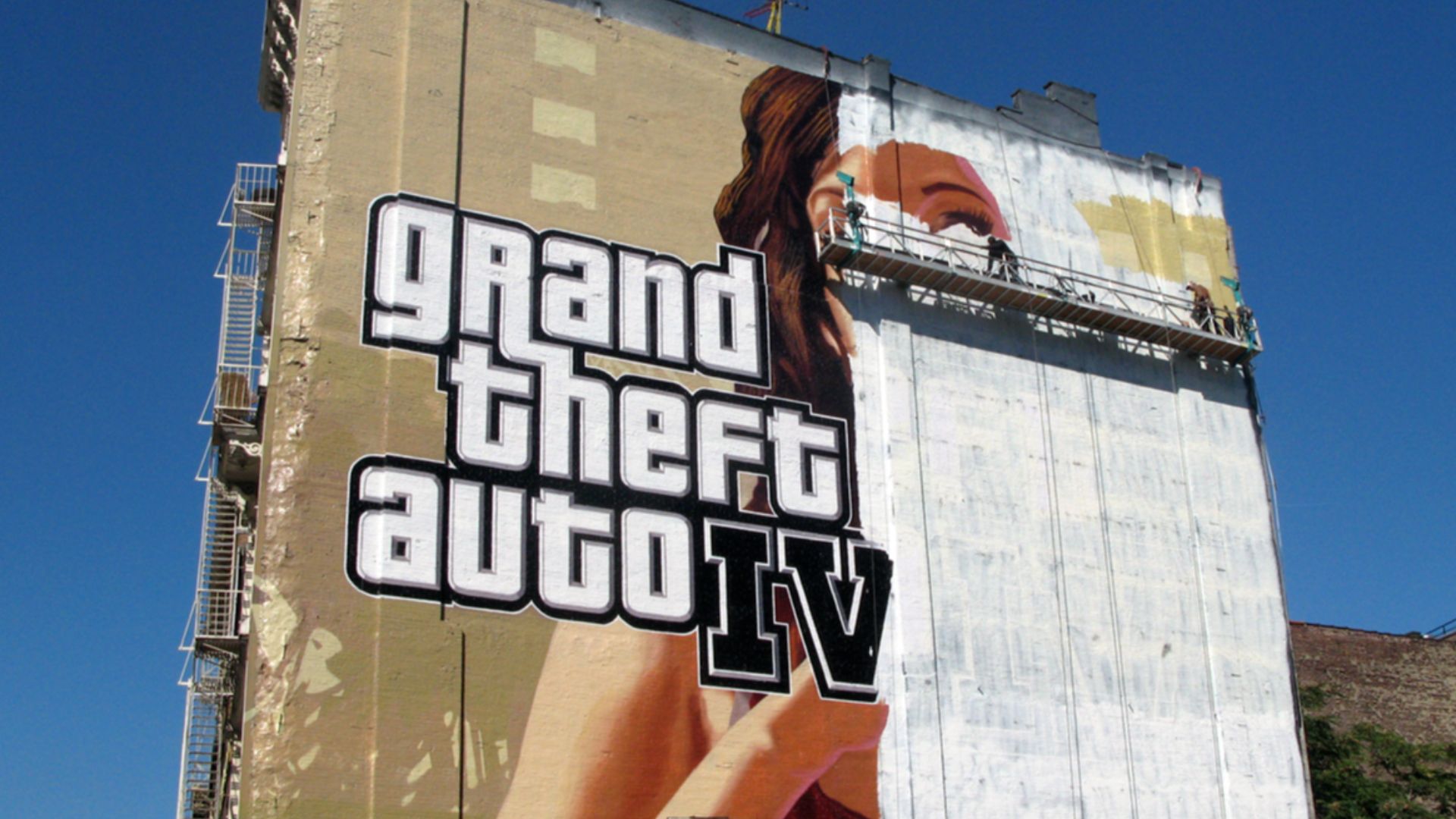
Have you ever noticed how every time Rockstar Games releases a new Grand Theft Auto, the internet explodes with outrage and headlines that make it sound like the world is ending?
It’s not just a coincidence—Rockstar has a knack for turning controversy into blockbuster success. So, let’s take a closer look at why Rockstar didn’t just accept bad publicity for GTA, but actually paid for it, and how this bold strategy shaped the game’s legendary status.
Controversy Became The Perfect Spotlight
In the early 2000s, the industry relied heavily on reviews and chatter from anyone who followed gaming news. Rockstar noticed something interesting during this period. Whenever a GTA game stirred strong reactions, more people began paying attention. Every heated debate sent curious players searching for the game. Even those who never touched a console began talking about it in schools and offices.
Rockstar leaned into this behavior. They built missions that mirrored real headlines because they understood how quickly these moments spread. They shaped characters who tested boundaries that most studios avoided. Television panels picked up these details and turned them into talking points, and that attention kept the series in the public eye for far longer than a traditional promotional cycle ever could.
Why Outrage Worked Better Than Polished Advertising
GTA never tried to present itself as a safe or delicate experience. It invited players into a world that encouraged exploration and personal choice. Whenever someone on television questioned the game’s influence, players saw it as a challenge. That tension created curiosity, and curiosity eventually turned into sales.
Rockstar understood this pattern and used it carefully. Instead of fighting criticism, they let the world argue while they focused on delivering experiences that felt bold and culturally aware. Every conversation added another layer to the series’ identity. People began buying GTA not only for the gameplay but also to understand why the world seemed so divided about it.
This approach also positioned Rockstar as a studio willing to take creative risks. While many companies preferred soft, broadly appealing material, Rockstar moved in the opposite direction. They tapped into an audience that wanted stories filled with grit and humor. That audience rewarded the studio with attention that simply refused to fade.
How It Shaped Rockstar’s Legacy

The success of this strategy changed more than sales figures. It reshaped the studio’s relationship with players. The series gained a cultural presence that others struggled to match. Rockstar’s willingness to use controversy as fuel also encouraged other studios to rethink their own strategies. Some tried subtle versions of the approach, and others attempted louder ones, yet few managed to capture the same spark. The difference lay in how naturally GTA carried that rebellious identity.
Today, the series continues to generate excitement the moment a rumor appears, keeping fans eager and the industry constantly on edge.