The video game industry is at the forefront of tech. It's constantly breaking barriers and integrating cutting-edge graphics and mind-bogglingly complex open worlds. That's why it's so ironic that young gamers seem to have a growing appetite for retro consoles and games.
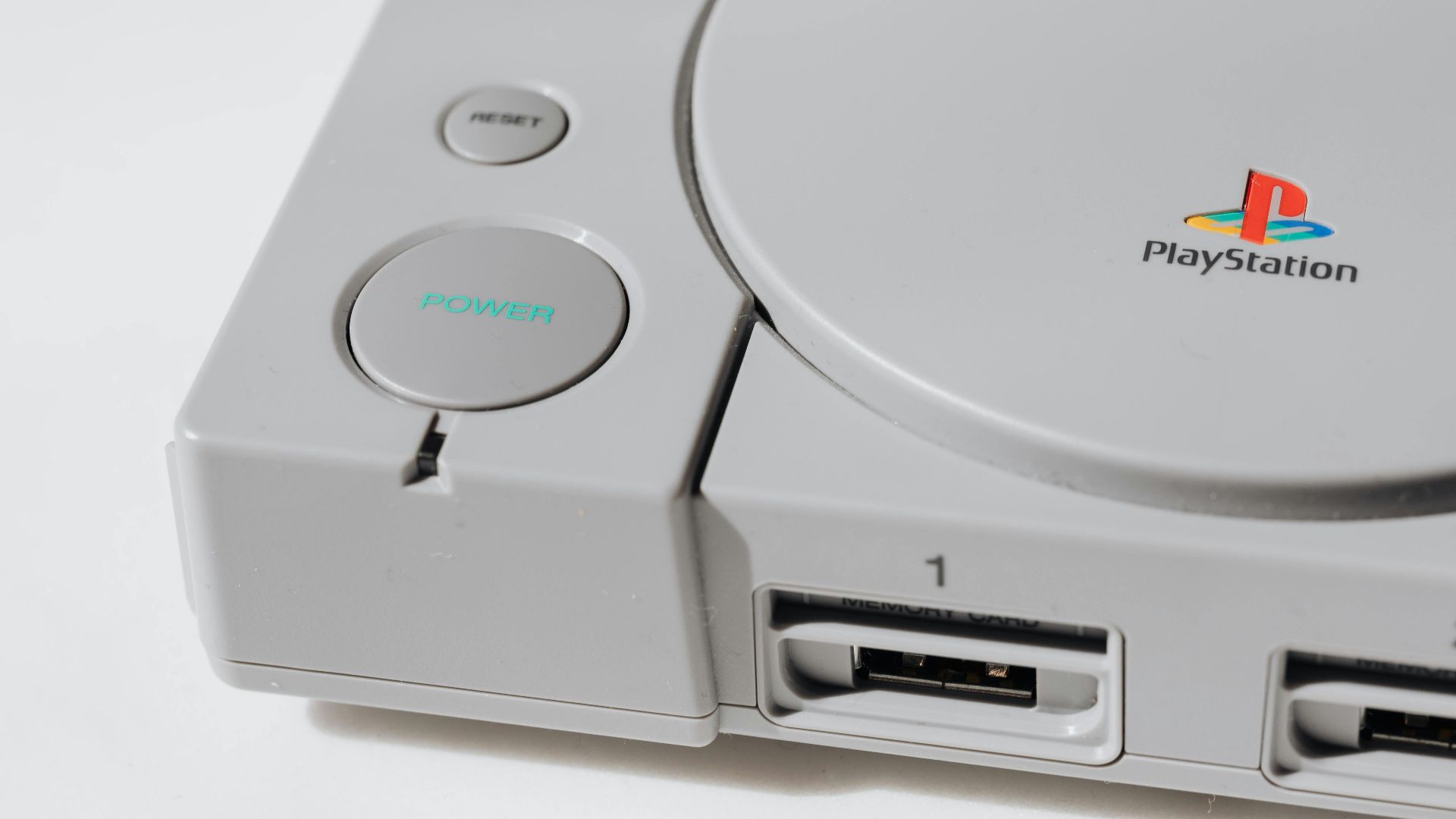
In recent years, retro gaming consoles— from official mini versions of the NES and Sega Genesis to homebrew and FPGA-based systems—have surged in popularity. The retro gaming console market was valued at a remarkable $3.8 billion this year, and it's expected to grow to $8.5 billion by 2033, outpacing several traditional gaming divisions.
Nostalgia
At the core of this resurgence is the strong emotional pull of nostalgia. Many adults, now with disposable income, grew up playing 8-bit or 16-bit consoles. They now associate those games with fond memories of their youth. Rediscovering classic titles provides a comforting escape from modern life’s complexities and offers a way to reconnect with fond recollections.
However, this nostalgia isn't limited to older gamers; even young gamers who never even owned a Sega Genesis are discovering these games through remastered collections, mini consoles, and streaming content. Platforms like Twitch and YouTube introduce fans to classic gameplay, opening the door to a whole new audience.
For Gen Zers who are already known to like retro technology, including manual transmissions, vinyl, and physical cameras, their love of retro gaming consoles makes a lot of sense, fitting neatly into the pile.
Simplicity & accessibility
Modern gaming tends to be complex and demanding, and requires you to constantly download updates. Retro gaming offers a different experience. With an old console, you just plug it in and play. The controls are intuitive, instantly recognizable, and don't require online accounts. For gamers who simply want to unwind and have some fun, they're sometimes preferable over modern games.
Manufacturers have embraced this by releasing affordable, compact versions of classic consoles preloaded with beloved games. This gets rid of the hassle of finding and maintaining vintage hardware, making old-school gaming accessible to everyone with a TV.
Old-school gaming made better

Beyond making carbon copies of old cartridges, retro gaming has managed to adapt old games to be better, using modern technology to iron out many of the old problems. Emulation software and FPGA-based systems like the Analogue Pocket recreate vintage hardware behavior while adding modern conveniences like an HDMI output and save states.
Dedicated preservation efforts by groups and hobbyists help archive old software and make classic libraries more accessible. Without these initiatives, many games risk being lost to time.
Collector culture & community
Just like we've seen with vinyl records, retro gaming has evolved into a collector's market and a social hobby. Rare consoles and cartridges have become coveted items, with fans tracking down mint copies, limited editions, and iconic titles. For example, an old Nintendo PlayStation sold at auction for $360,000 in 2019, while a Super Mario 64 game sold for $1.56 million in 2021. Much like with vintage shopping, the thrill of the hunt and finding old treasure adds a layer of excitement.
Online communities add another element to the trend as gamers share memories, tips, and gameplay strategies on social platforms like Reddit. This interaction makes it feel like they're part of the next big thing, growing it together.
In the age of scrolling and online interactions, it makes sense that young people are developing a preference for analogue, tactile, simpler experiences. Retro gaming fits neatly into this category. Whether you’re reliving childhood memories or discovering classics for the first time, retro gaming offers timeless appeal.