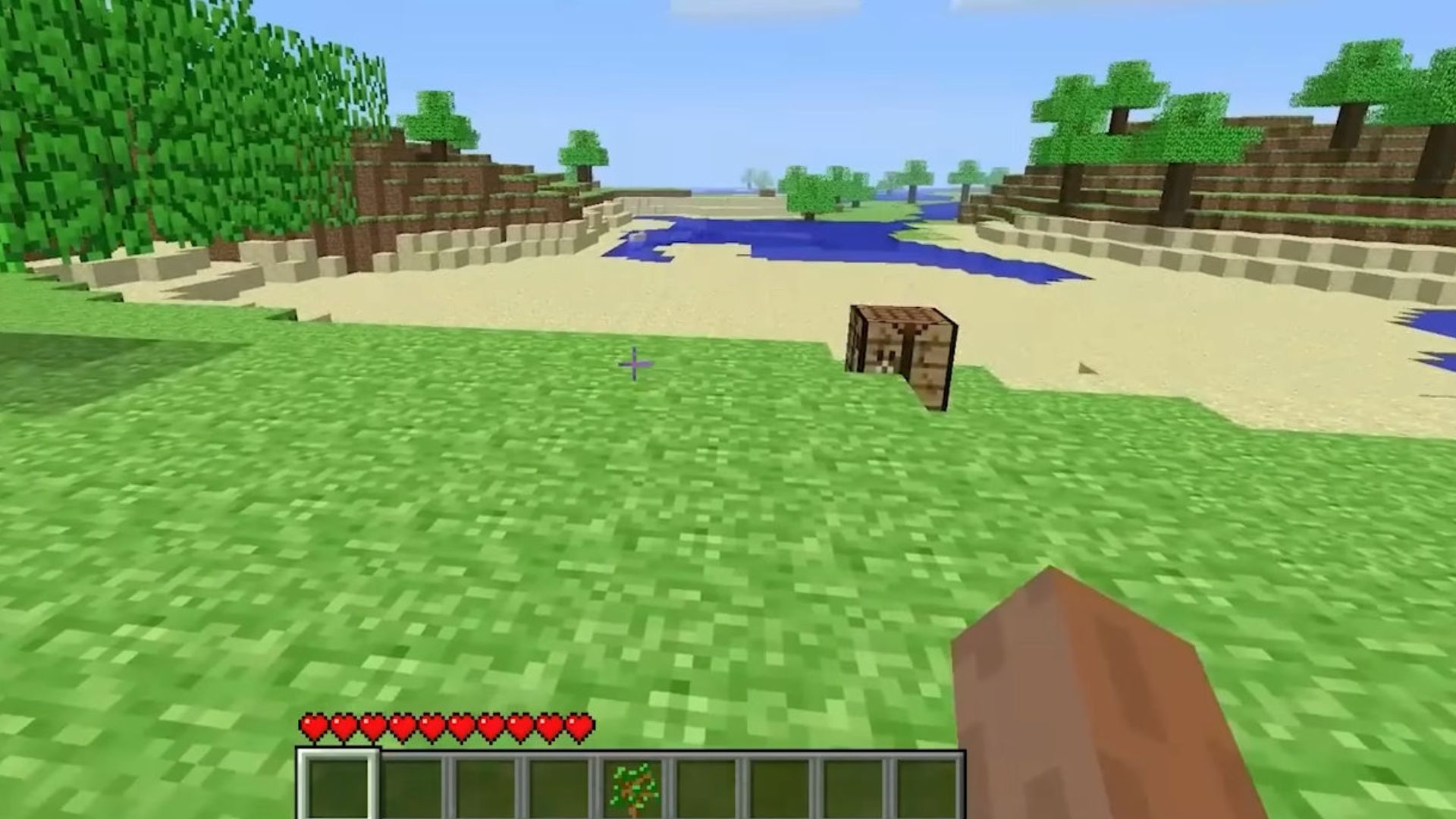
At first glance, Minecraft seems like an unlikely champion of the gaming world. Its blocky graphics look dated compared to today's hyper-realistic titles, and there's no sweeping storyline to follow or final boss to conquer. Yet walk into any classroom, and you'll hear kids excitedly sharing their latest builds, redstone contraptions, and survival mode adventures. This pixelated phenomenon has gripped an entire generation, selling over 300 million copies and showing no signs of slowing down.
What makes this deceptively simple game such an enduring force in children's entertainment? Let's dig deeper into the blocks that built an empire.
A World That Expands With Every Idea
Children gravitate toward spaces where imagination grows easily, and Minecraft offers exactly that. The game’s world begins as a wide stretch of terrain, and players fill it with shapes and designs that reflect their own style. Blocks become towers, tunnels, rivers, or farms, and each project feels personal because it evolves entirely through the child’s choices.
This freedom encourages experimentation. Kids place a few blocks and gradually develop structures they didn’t expect to create at first. That sense of progress builds confidence and keeps them engaged. Minecraft essentially gives them a studio where every attempt leads somewhere interesting, even if the path changes along the way.
A Focused Experience That Feels Rewarding
Another powerful element lies in how easily children slip into a steady rhythm while they play. Organizing items and shaping their surroundings requires attention without overwhelming them. This creates a calm flow that feels satisfying and grounding.
Many tasks inside the game encourage kids to think ahead. They choose materials and work through obstacles that appear during construction. When they finally see a building or pathway take shape, the accomplishment feels personal. That emotional reward becomes one of the reasons they return. The game reminds them that patience leads somewhere meaningful and that every small effort contributes to something larger.
A Social Space That Grows With Friendships
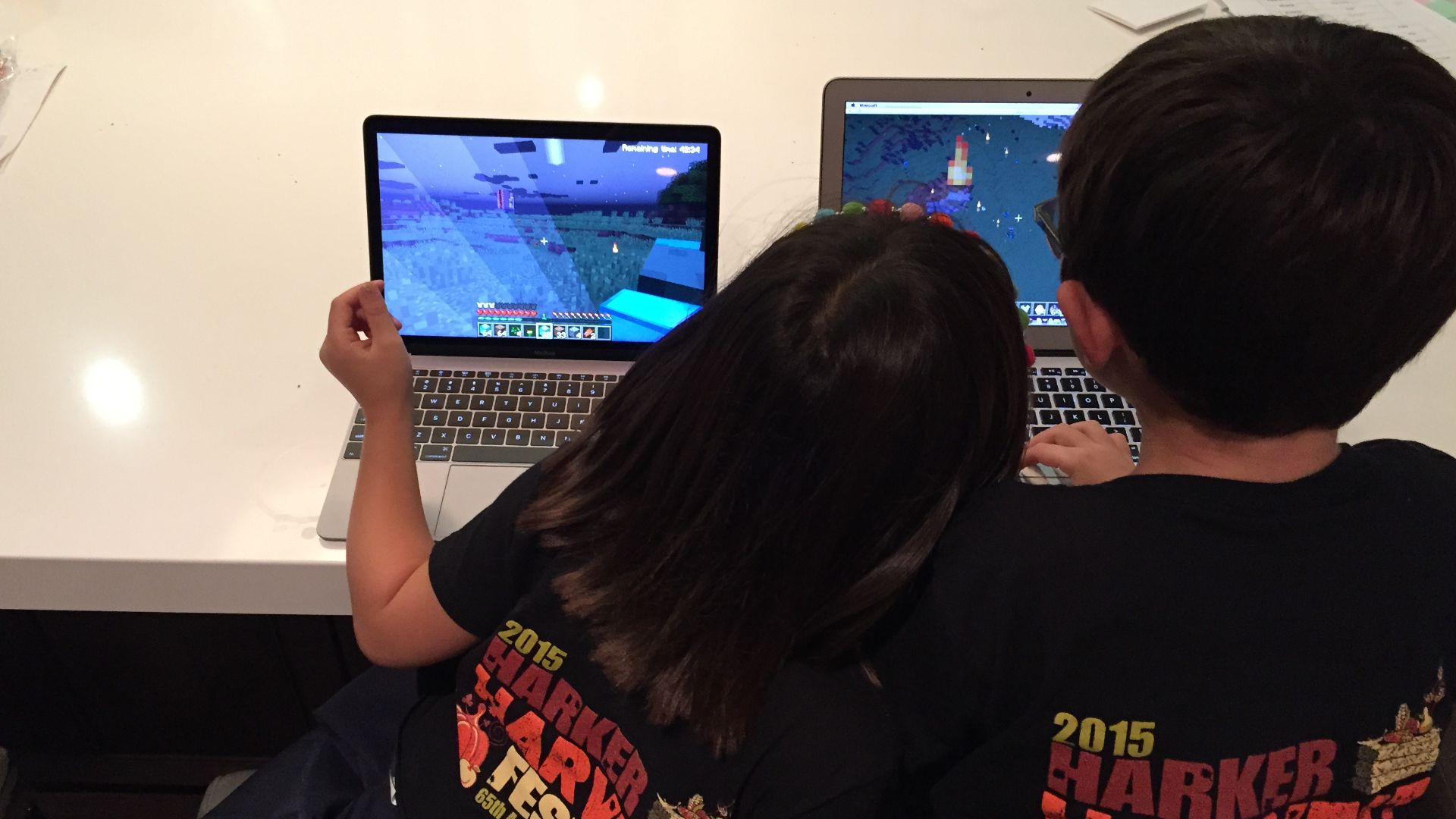
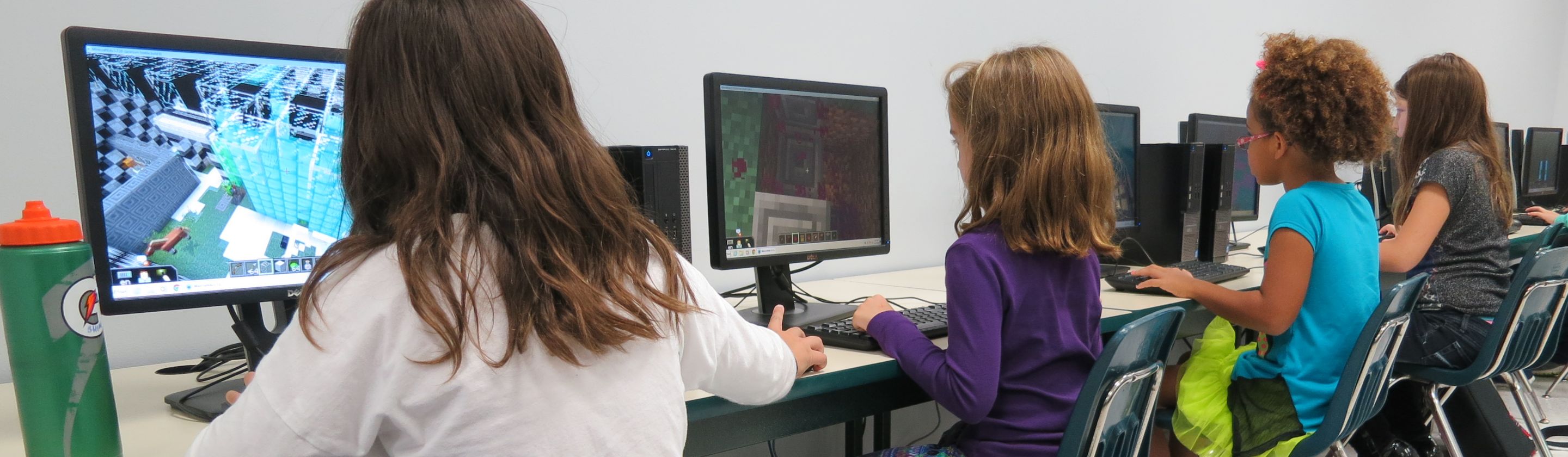
Minecraft also carries a strong appeal because it becomes a shared playground. Children connect on servers and build projects together. These sessions create memorable moments because every decision feels like part of a team effort.
The game gives kids a place to coordinate and support each other through playful challenges. They communicate regularly while shaping villages, exploring caves, or defending their bases. These interactions strengthen friendships in a natural way and help kids practice cooperation without pressure or structure. The shared worlds they create often become stories they retell long after the session ends.
A Game That Stays Fresh Through Constant Discovery
The game’s lasting appeal comes from the mix of creativity and surprise it offers.
Children feel capable inside their world, and they enjoy seeing their ideas come alive. Minecraft can look simple on the surface, but the experience grows deeper with every session and gives kids a place where imagination feels truly unlimited.