
Masters Behind Gaming’s Greatest Worlds
Some creators shape worlds that live rent-free in our minds long after the game ends. Their mechanics redefine play, their stories reshape emotion, and their influence spreads far beyond the screen. Yet many brilliant designers remain overshadowed—visionaries whose fingerprints are on gaming’s greatest moments but whose names fade from the spotlight. This list celebrates both kinds of architects of play. Let’s begin with the most famous game designers who changed everything.
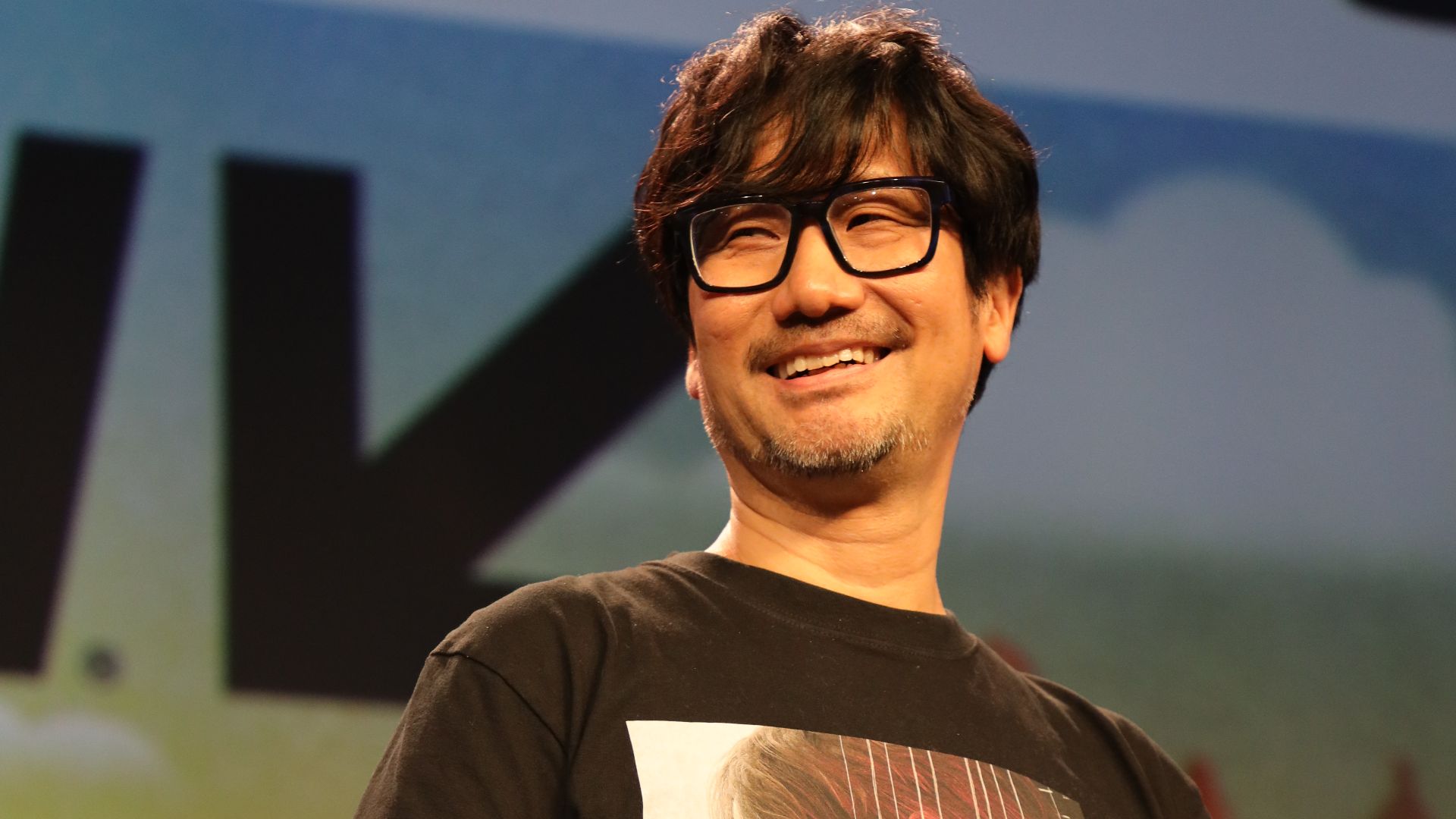
1. Shigeru Miyamoto
Few creators have shaped play as deeply as Shigeru Miyamoto, whose imagination birthed Super Mario and The Legend of Zelda. Inspired by his countryside explorations as a child, he later became Nintendo’s creative cornerstone and the first inductee into the Academy of Interactive Arts & Sciences (AIAS) Hall of Fame in 1998.
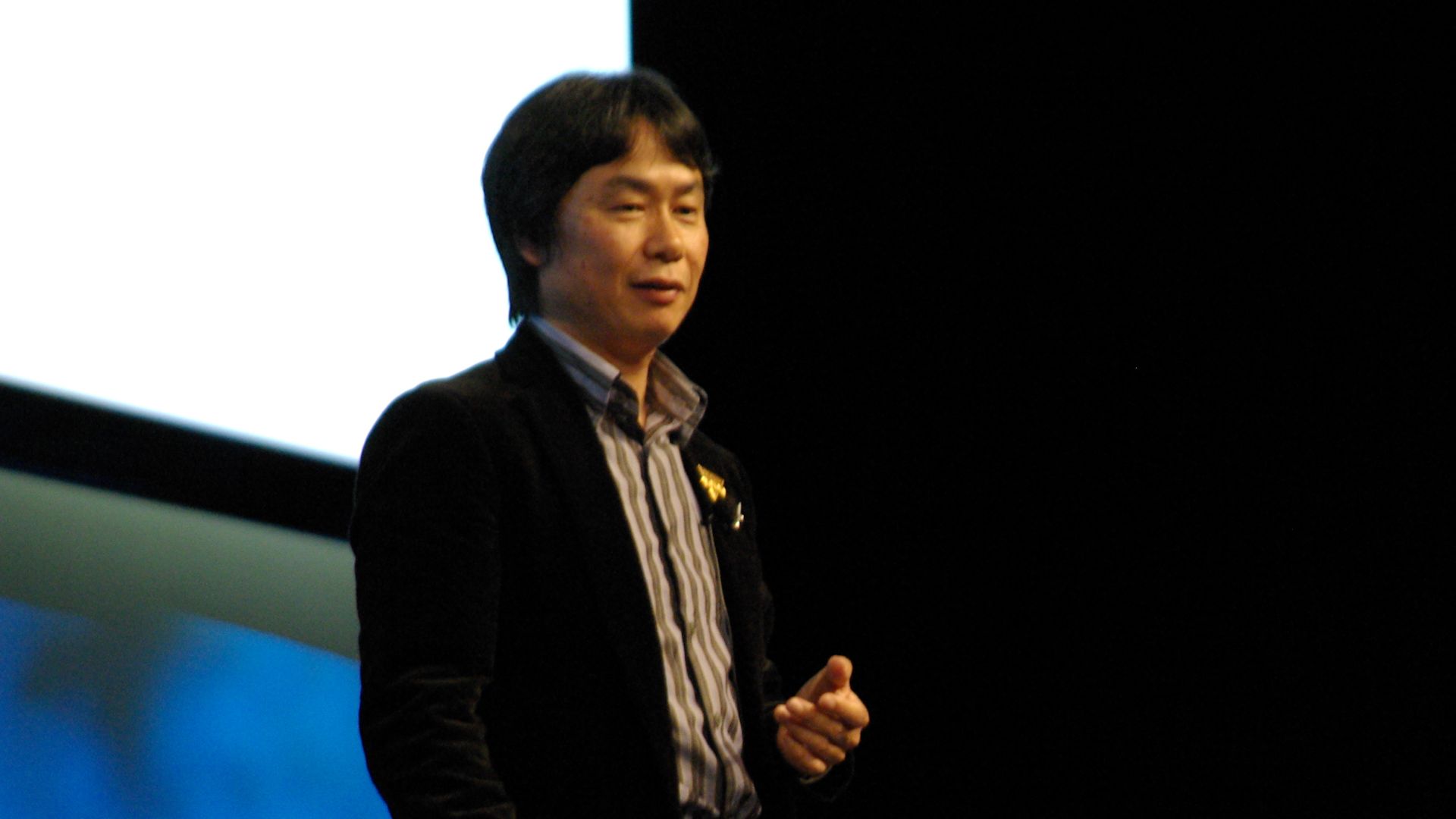 Vincent Diamante from Los Angeles, CA, USA on Wikimedia
2. Yuji Naka
Speed defined Yuji Naka’s vision for Sonic the Hedgehog. As Sega’s lead programer, he engineered Sonic’s physics engine to give the blue blur his iconic loops and lightning pace. He later led the Sonic Team and founded Prope, a studio devoted to unrestrained creative experimentation.

3. Sid Meier
When strategy games needed a face, Sid Meier gave them one. Co-founding MicroProse allowed him to redefine simulation and strategy through creativity and precision. The Civilization series carried his name as a promise of depth, leading to his AIAS Hall of Fame induction in 1999.
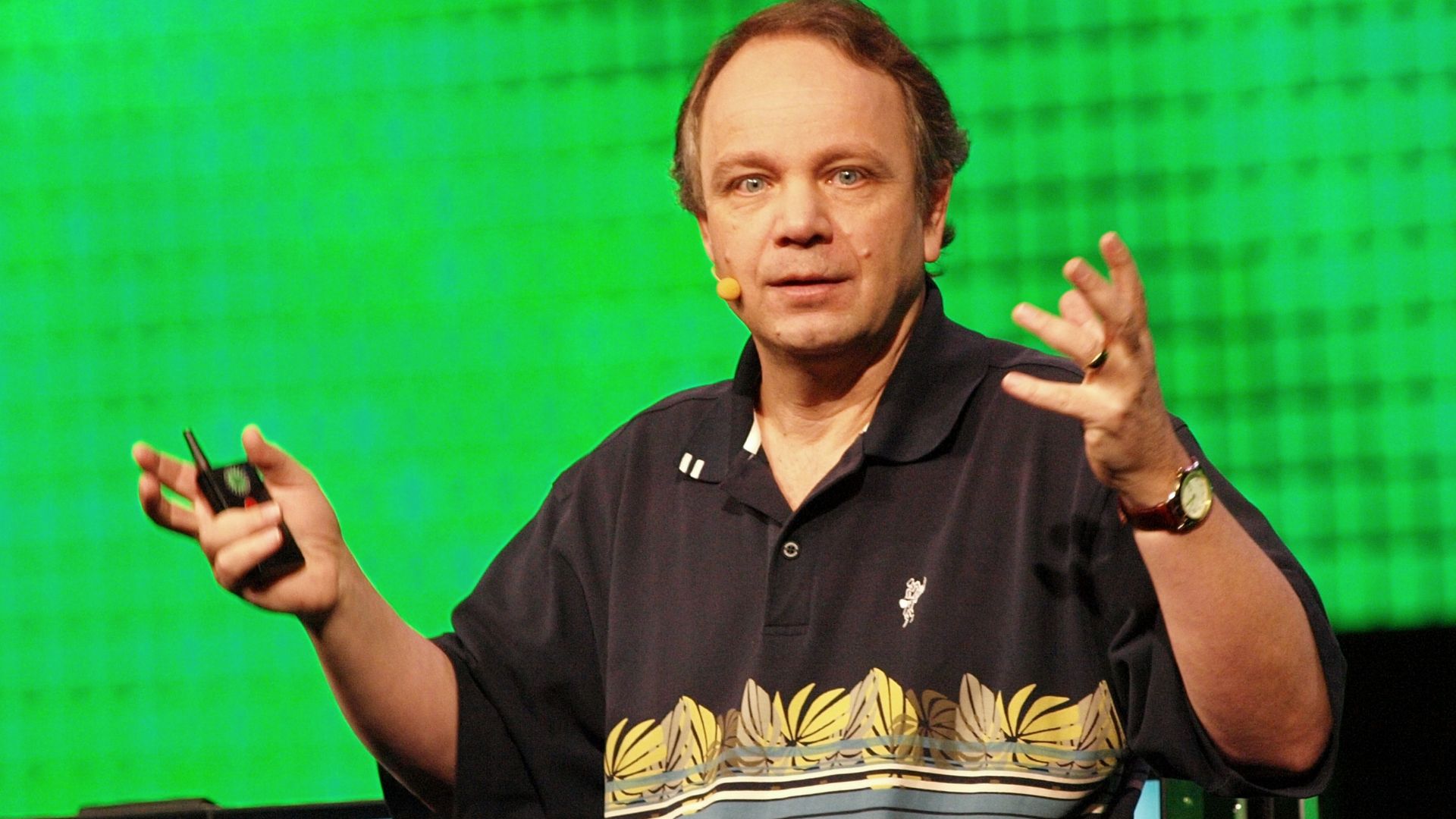
4. Satoshi Tajiri
What began with childhood afternoons catching insects grew into Pokémon, the global sensation Satoshi Tajiri envisioned. He turned his magazine, Game Freak, into a development powerhouse while avoiding the spotlight himself—a reclusive genius behind one of entertainment’s most successful empires.

5. Markus Persson
Before the billions and before Microsoft, Minecraft was Markus Persson’s personal experiment in creativity. Known as “Notch,” he founded Mojang to grow the phenomenon, eventually selling both for $2.5 billion. The game’s humble solo origins remain the blueprint for player-driven worlds.
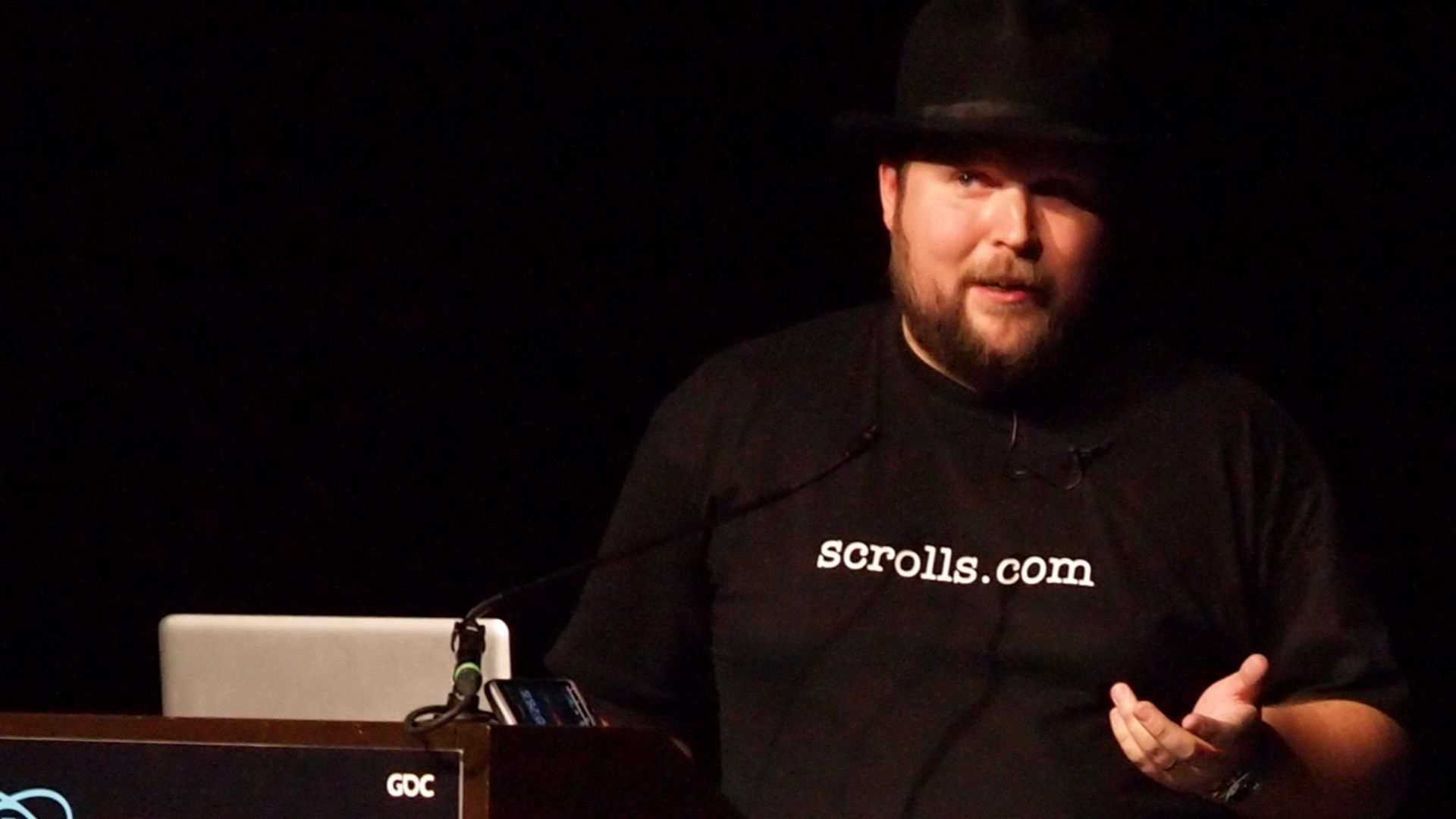
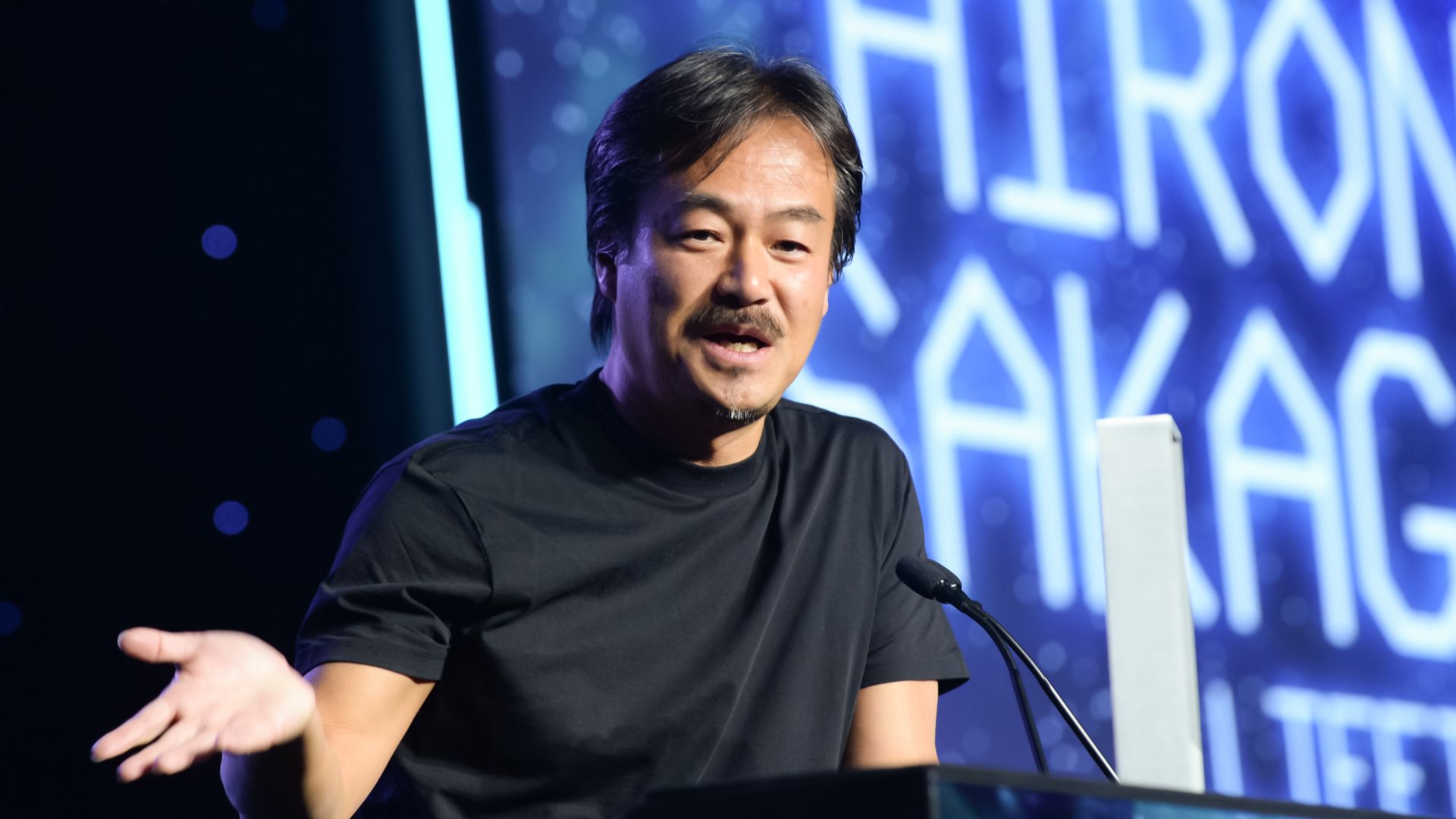
6. Hironobu Sakaguchi
Hironobu Sakaguchi named Final Fantasy out of desperation—Square’s “final” gamble before bankruptcy. The success of that gamble redefined the RPG genre and rescued the company. Years later, he formed Mistwalker, where games like Lost Odyssey and Blue Dragon carried his storytelling mastery into new eras.
7. Shinji Mikami
Terror took on a new shape under Shinji Mikami’s vision. His creation, Resident Evil, defined survival horror and reshaped gaming tension. With Resident Evil 4, he reinvented third-person action. Later, he established Tango Gameworks and introduced players to The Evil Within and the eerie Dino Crisis series.

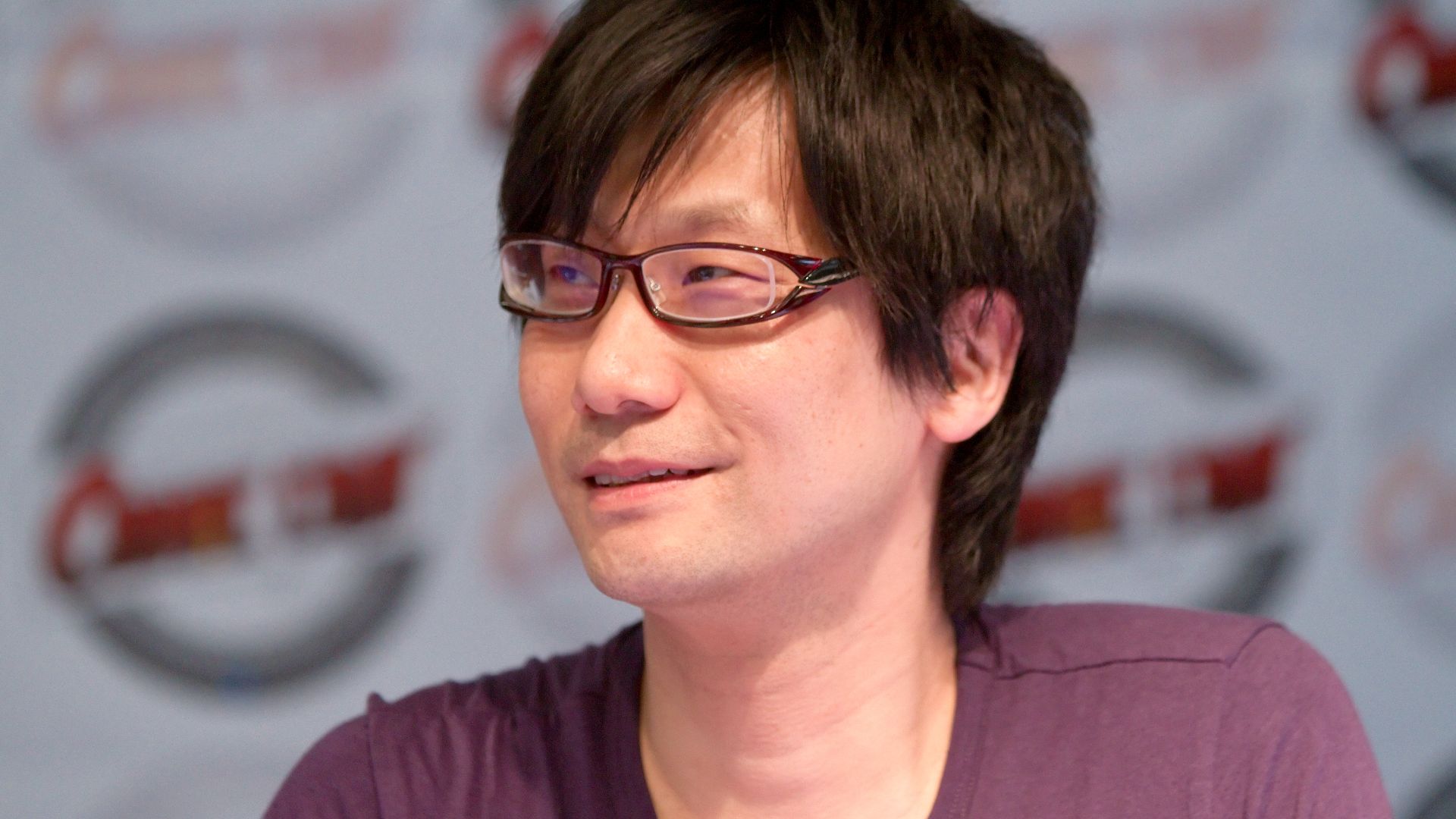
8. Hideo Kojima
Cinema met controllers when Hideo Kojima launched Metal Gear, blending espionage with narrative depth. After departing Konami, he founded Kojima Productions and crafted Death Stranding, a star-filled odyssey of connection. Known for humor and self-awareness, Kojima often slips his own likeness into his creations.
 Georges Seguin (Okki) on Wikimedia
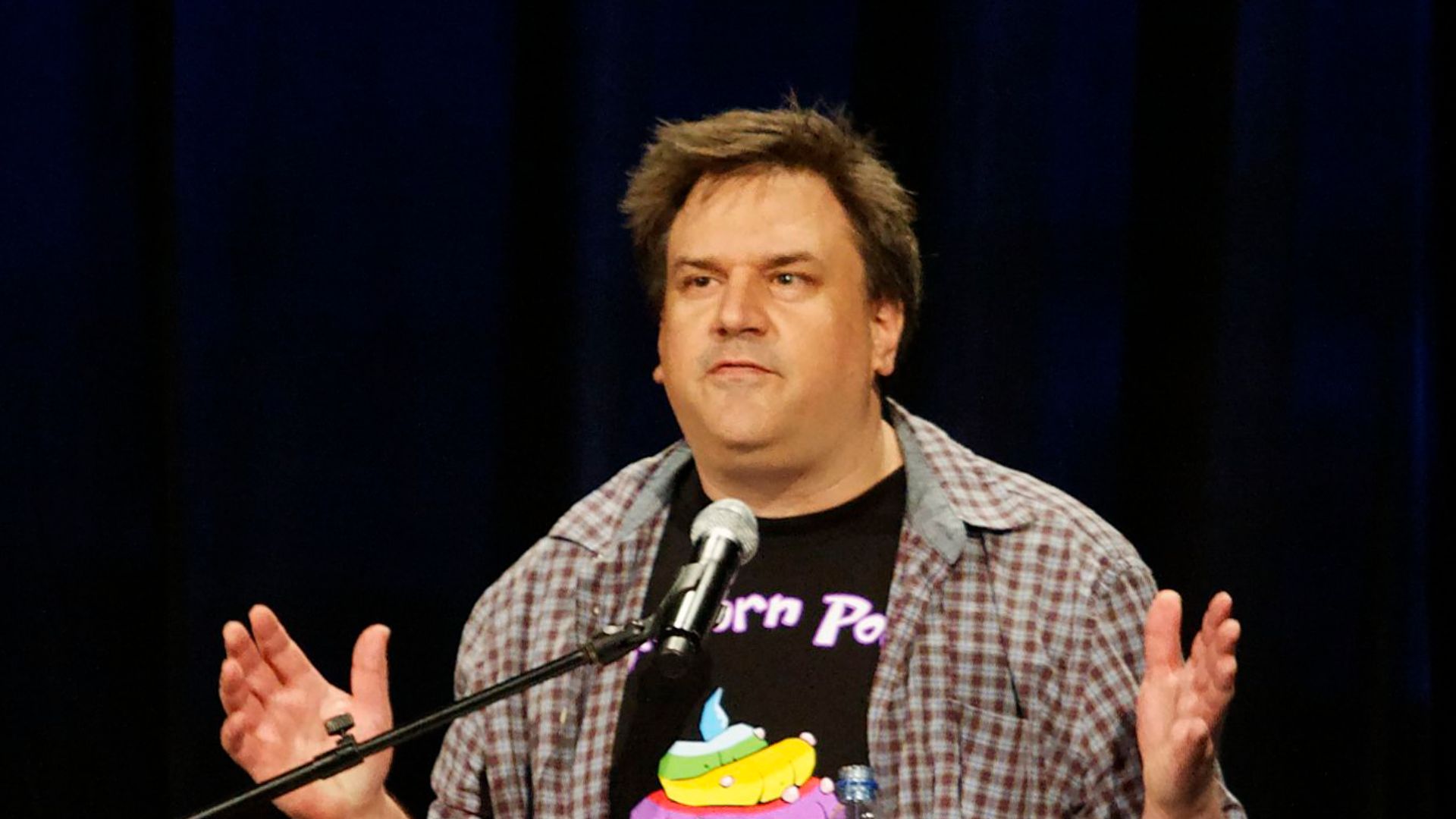
9. Ron Gilbert
Adventure gaming found its humor in Ron Gilbert’s Monkey Island. He built the SCUMM engine, the backbone of LucasArts classics, and set a standard for witty dialogue few have matched. In 2022, he revisited his masterpiece with Return to Monkey Island, which thrilled longtime fans.
 Ronald Woan from Redmond, WA, USA on Wikimedia
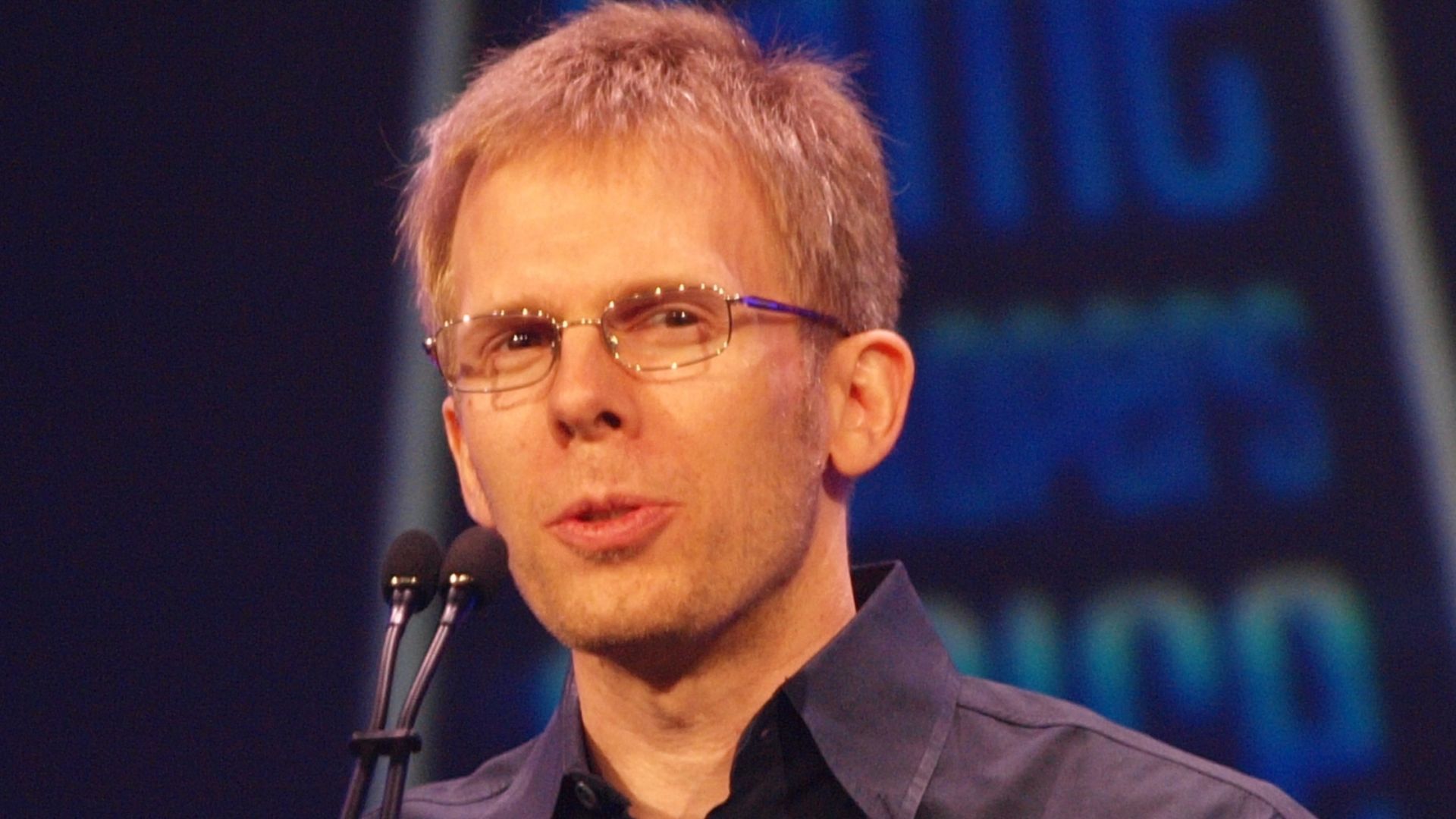
10. John Carmack
Before 3D graphics ruled gaming, John Carmack was writing the rules. His programming breakthroughs powered Doom and Quake to give rise to the modern first-person shooter. As id Software’s co-founder, he pushed boundaries further—into space with Armadillo Aerospace and into VR innovation at Oculus.
Not every genius in gaming got their spotlight—these ones should have.
1. Erik Wolpaw
A sharp comedic mind turned storyteller, Erik Wolpaw helped Portal sweep three Game Developers Choice Awards, including Game of the Year. He even co-wrote Psychonauts to earn a Writing award in 2006. Before that, he wrote Atari programs and ran the satirical site Old Man Murray.
 Gdc_2012_wolpaw_faliszek_pinkerton.jpg: Official GDC derivative work: Masem (talk) on Wikimedia
2. Jason Rohrer
Rohrer approaches games like philosophy experiments. Passage transforms life and mortality into minimalist art, while Sleep Is Death turns storytelling into collaboration. Once, he buried his physical game, A Game for Someone, in the Nevada desert to ensure that his ideas lived beyond code and into legend.

3. Peter Molyneux
Few creators balanced brilliance and controversy like Peter Molyneux. Populous sold millions and defined the god game genre, and Fable showcased his boundless imagination. Bold ideas sometimes outpaced reality, yet his experiments forever changed how players interact with worlds driven by choice and consequence.
 Georges Seguin (Okki) on Wikimedia
4. Clint Hocking
Ideas drive Clint Hocking’s work more than spectacle. Far Cry 2 showcased his love of emergent design, and his 2007 critique of BioShock introduced “ludonarrative dissonance” into game theory. He later directed Watch Dogs: Legion, where every NPC could step into the spotlight.

5. Keita Takahashi
Once dreaming of sculpture, Keita Takahashi found joy in play instead. His creations Katamari Damacy and Noby Noby Boy broke design rules with gleeful absurdity. Even his canceled Nottingham playground captured his playful spirit. It’s proof that imagination, not convention, defines great design.

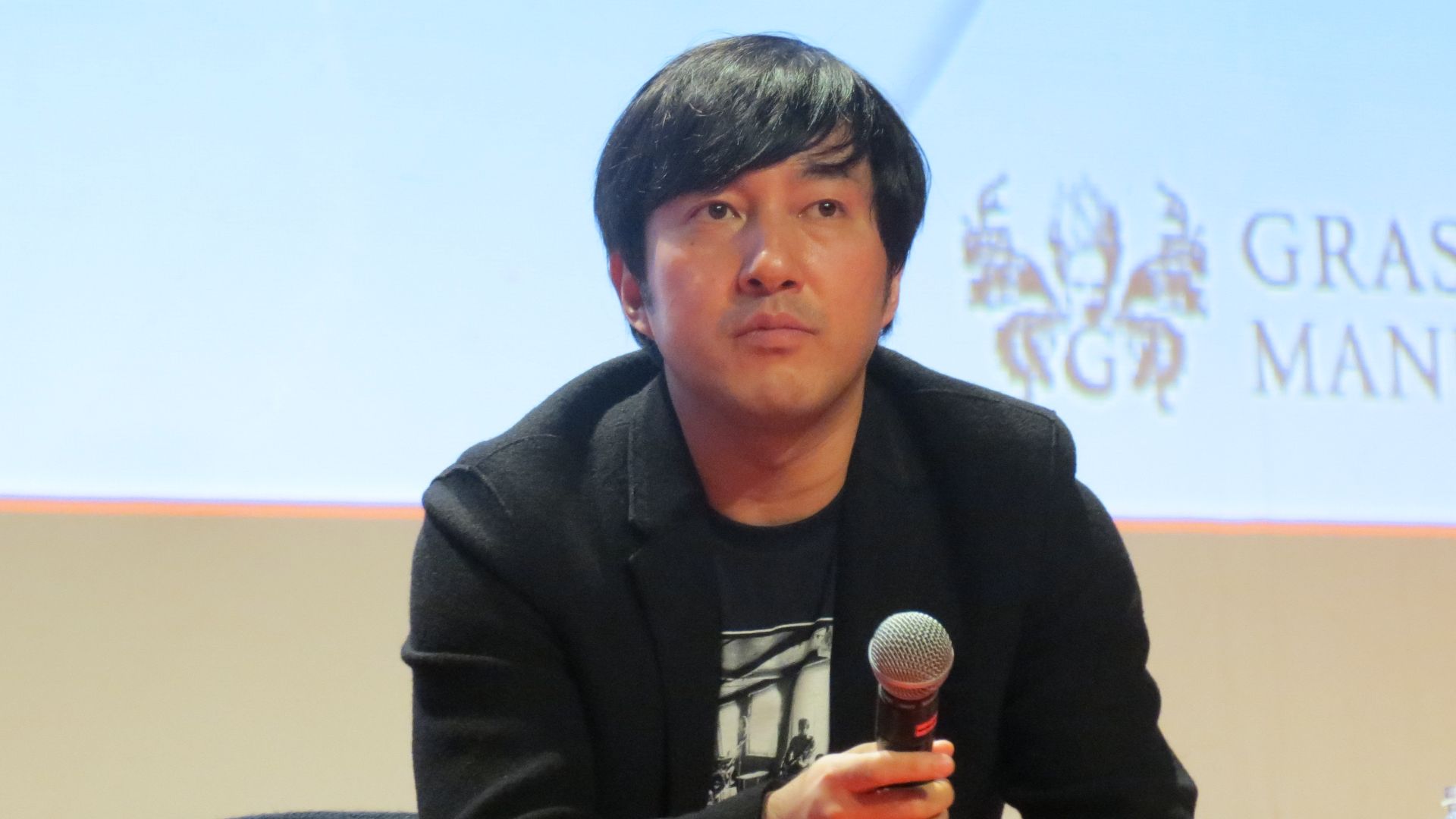
6. Goichi Suda
Goichi Suda, or Suda51, built a career on audacity. No More Heroes mixed satire with stylish chaos, while his studio, Grasshopper Manufacture, became a haven for creative risk. Before entering gaming, he worked as an undertaker—an origin story fitting his darkly humorous vision.
7. Al Lowe
Comedy found its champion in Al Lowe. At Sierra On-Line, he created Leisure Suit Larry, pairing adult humor with clever puzzles. To keep kids away, he added an infamous age quiz. A jazz musician by trade, he composed every melody his characters danced to.
 Tim Bartel from Cologne, Germany on Wikimedia
8. Yoko Taro
A grinning mask hides one of gaming’s boldest philosophers. Through NieR and Drakengard, Yoko Taro turns sorrow and morality into haunting reflection. Unpredictable and fearless, his stories peel back the layers of human frailty to reveal beauty within despair and purpose within chaos.

9. Amy Hennig
Few writers have elevated games like Amy Hennig. Her direction on Uncharted set a new standard for cinematic pacing and heart. Earlier, she built the Legacy of Kain universe’s emotional core. Trained in film, she blended Hollywood craft with the interactivity of modern storytelling.

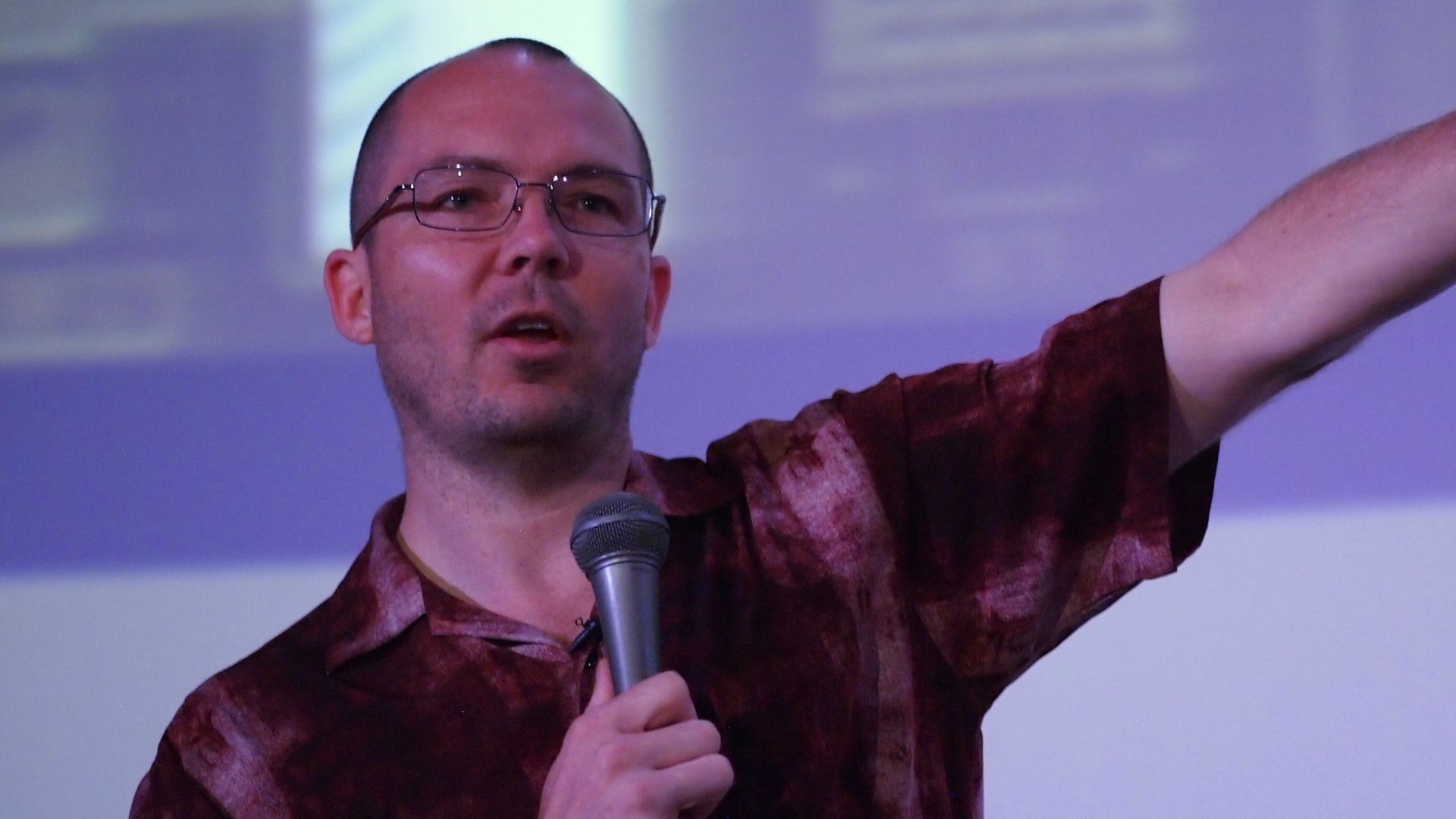
10. Jonathan Blow
Instant rewards have never interested Jonathan Blow. Braid bent time into a puzzle of regret, and The Witness transformed observation into revelation. Funding his projects alone preserved his creative control, allowing him to shape indie gaming with intellect and unshakable conviction.
 Ethan Allen Smith on Wikimedia