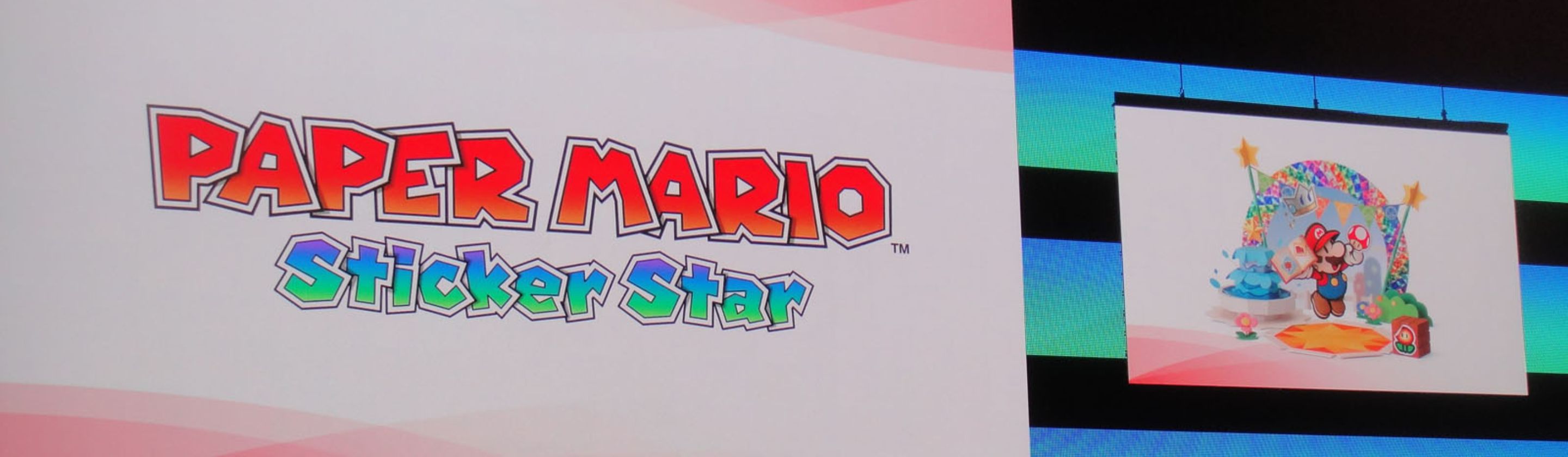
For a series built on personality and a surprising amount of heart, Paper Mario usually delivers something special.
Yet in 2012, Paper Mario: Sticker Star arrived on the Nintendo 3DS with an entirely different spirit. It made long-time players blink at a game that somehow carried the brand name but none of the soul. So let’s walk through why this entry earns its reputation.
A Combat System That Stops The Adventure Cold
Turn-based battles used to be the beating heart of the series. Sticker Star replaced all that with disposable attacks attached to stickers that vanish after a single use. On paper, the system sounds novel. In practice, it slows the pace and pushes players into constant backtracking just to refill a binder that never feels full enough.
The frustration grows as battles stop being rewarding. Most encounters turn into chores that players try to avoid, which works against the spirit of a role-playing adventure. Instead of encouraging experimentation, the game turns combat into an errand where every choice feels like burning money.
A Flat World With No Standout Characters
Before Sticker Star, partners carried personality, delivered jokes, solved puzzles, and made each new chapter feel like an episode from a charming paper-crafted sitcom. Removing them erased an emotional anchor the series relied on.
The level structure adds another layer of distance. Instead of one connected world, the game follows a stage-select format that resembles a traditional platformer. This shift breaks the feeling of being on a true adventure.
Puzzle Design

Every Paper Mario game uses puzzles to bring the story to life, but Sticker Star ties progress to “Things” that must be turned into powerful stickers. These objects are hidden across levels in ways that rarely feel intuitive.
The boss battles underline the problem. Many of them require a specific sticker to win efficiently. Without it, players can spend long stretches chipping away at health bars with weak attacks or, worse, be forced to leave, search random levels, and return later. Instead of feeling clever when solving challenges, players often feel blindsided. The game asks you to guess what it wants, not figure it out.
A Missed Opportunity
Sticker Star isn’t a disaster. It has charming visuals and flashes of humor that remind players why the series has such a loyal following. Yet the core experience feels disconnected from the personality that made earlier games shine. The adventure ends up feeling thin, as if the game was flattened into something simpler than the series could support.
And maybe that’s why Sticker Star remains such a fascinating case. It reminds us how fragile the balance of gameplay, story, and personality can be. When one piece shifts too far out of place, the whole structure feels different. The confidence and charm that defined earlier adventures disappear, replaced by a strange quiet that doesn’t suit a world made of bright paper and bold characters.