
Few games can hold the world’s attention for two decades, but World of Warcraft did just that—and it’s still going strong. Since its launch in 2004, Blizzard Entertainment’s online universe has drawn in millions of players, from college students in dorms to retirees exploring Azeroth after dinner.
It wasn’t luck that kept the game alive this long—it was a balance of nostalgia and reinvention. Inside that digital realm, friendships formed and entire communities thrived long after most games faded into memory. So what’s its secret? The answer lies in how WoW evolved while staying true to its roots.
The Power Of Community And Connection
At its core, WoW thrived because it gave people a world to share. Long before social media took over, WoW provided a space where teamwork meant something tangible. Players grouped up to slay dragons or trade crafted goods. Those connections became real friendships that crossed borders and years.
In many ways, WoW was a digital version of an old hometown, as the players left, then returned to find familiar faces still wandering the same places. That sense of belonging anchored its audience. Even during tough expansions or subscription declines, communities remained intact and waited for the next adventure.
Player Feedback Shaping The Game
Blizzard has always listened to its players, and that's a big reason WoW is still around. When fans kept asking for the old-school experience, Blizzard delivered Classic WoW in 2019—basically the game as it was back in 2004.
But it goes deeper than nostalgia. Player complaints and suggestions have shaped everything from class tweaks to dungeon difficulty and handy features like better quest tracking. When leveling felt too grindy, they sped it up. When something felt broken, they fixed it. By actually paying attention to what the community wants, Blizzard has kept WoW from becoming outdated. It's evolved with its players, not against them.
Storytelling That Ages Well
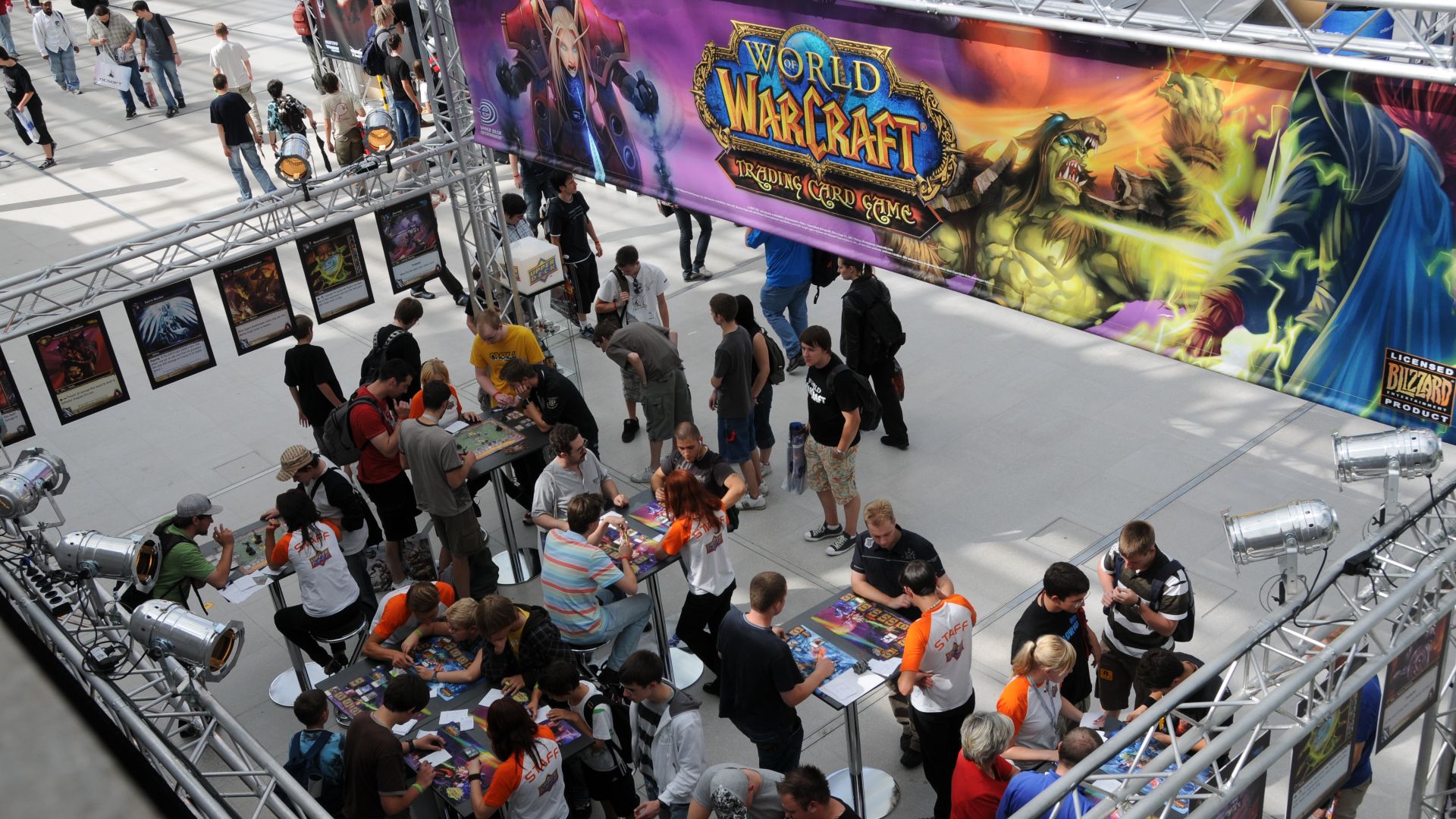 Kuba Bożanowski from Warsaw, Poland on Wikimedia
Unlike fleeting action games, WoW hooked players with detailed stories and lore dense enough to fill novels.
Heroes rose, and entire worlds hung in the balance. Blizzard’s ability to evolve its narrative kept players emotionally invested. Each expansion continued a legacy as the characters aged and myths were expanded on, leaving players with a reason to keep coming back years after launch.
Legacy Of An Online Titan
WoW has stayed fresh by rolling with the times. Blizzard keeps things interesting with cross-platform play and seasonal events that make Azeroth feel alive. Even in 2025, the game pulls in over 6 million players monthly, with around 1 million jumping in daily, as per ActivePlayer.io data.
What really helps is the thriving community—esports tournaments give top players a stage, while mods and add-ons let everyone customize their experience. Plus, in-game boosting services mean casual players can still tackle endgame content. It's this mix of accessibility and player creativity that keeps WoW going strong after all these years.
The game also expanded beyond screens—books, conventions, and lasting friendships all grew from it. It became less of a pastime and more of a shared legend between players, young and old.