This Game Breaks People: The Saddest Video Game You Should Never Play More Than Once

There are video games that entertain, some that excite, and others that haunt you. Soma belongs to the latter category. Released by Frictional Games in 2015, Soma doesn’t scare you with cheap jump scares. Instead, it takes you deeper, into the recesses of the mind, the self, and the very meaning of being human. Isolated in the decaying undersea research station PATHOS-II, Soma will make you question your own sense of self, identity, and consciousness. Its existential dread sticks with you long after the game is over.
A Story That Sticks
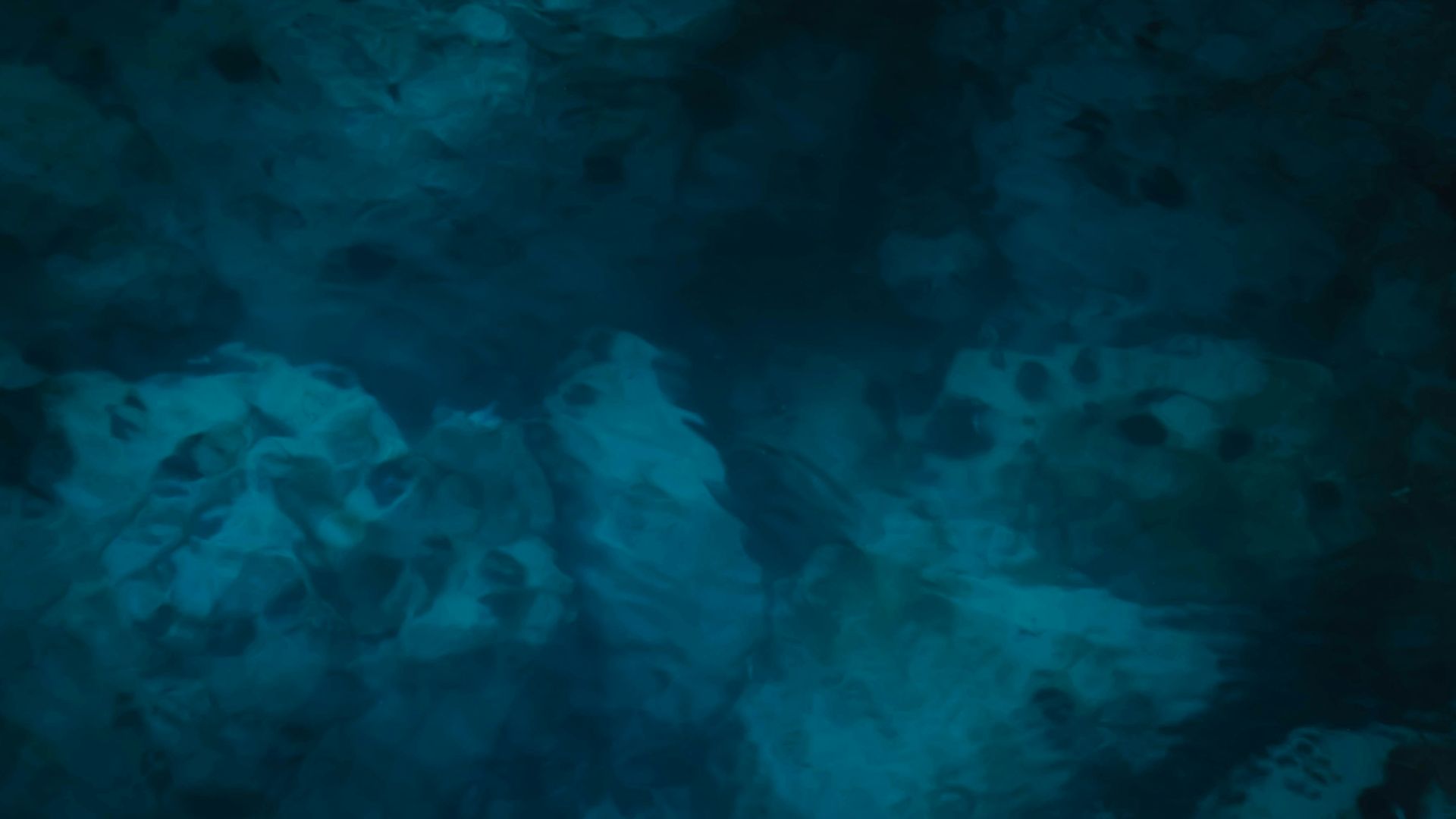
Soma centers on Simon Jarrett, a man struggling to recover from a traumatic brain injury. One day, Simon inexplicably wakes up in PATHOS-II, an underwater facility full of bizarre, humanlike machinery, robots with distinct personalities, and clues to the lives of the crew who perished decades ago. He begins to explore the strange, oppressive world around him, and over time uncovers the game's central themes, which concern questions of identity, artificial intelligence, existentialism, isolation, and morality.
Soma is an action-adventure game that breaks from the common conventions of survival horror. Players spend more time with the story and characters than battling foes. Simon has to evade threats, solve puzzles, and confront moral dilemmas that are as intellectually challenging as they are emotionally difficult. The world he finds himself in is as alien as it is terrifying, and in exploring it, players are forced to confront hard questions: What makes a person? Is consciousness bound to the body? If you can be replicated, which of you is the “real” you?
The Emotional Weight

Soma is a game that asks a lot of questions about the human experience, particularly one's sense of self. The station itself, which takes life at all costs, does this by taking the living parts of people and grafting them to machines, as the WAU AI is constantly using the remnants of the crew in new and questionable ways. The abandoned ship, tucked away in the deepest, darkest corners of the Earth's oceans, is a horror setting all on its own, not to mention the sheer loneliness of the place. The player, placed in Simon's position, faces a dilemma: to make the right choices, to outsmart the monsters, to solve the puzzle.
By the end of the game, the stakes are personal. The Sairento's ARK is a "safe space" for human consciousness, where anyone can upload themselves, live a digital life, and hopefully wait for rescue. Simon, in this state of near-despair, is desperate. His only chance to save himself is to upload his own mind into the ARK. But of course, Soma punishes Simon's optimism: to enter the ARK, his mind must be transferred, not uploaded. He's being copied, not saved. The Simon that remains will stay in the station with him, though now in the grip of death. He'll waste away, while the copy of his mind experiences his new life.
The ending to the game is a punch to the gut. You'll see virtual Simon in the ARK experience a moment of peace and bliss, before returning to the ship and seeing his original self, trapped in the dark, with no way out. Soma plays with players' expectations for an ending and a win. It inverts the entire point of the game on its head, a nightmarish exploration of existential futility. No wonder few people play Soma twice.