
The operating room and the gaming console might seem worlds apart, but mounting scientific evidence suggests they share more common ground than anyone expected.
Over the past two decades, researchers have been uncovering a fascinating link between video game experience and surgical performance that's forcing the medical community to rethink how surgeons develop their skills, as well as how we look at video games and their practical use in real life.
The Research That Changed Everything
The groundbreaking moment came in 2007 when researchers published a study that made surgeons everywhere reconsider their hobbies. As per the study, they found that doctors who played video games for at least three hours per week made about 37% fewer errors during laparoscopic surgery and completed procedures 27% faster than their non-gaming colleagues.
Even more striking, surgeons who had extensive video game experience in their past were significantly better at suturing and other precision tasks. The study tracked performance metrics across dozens of procedures, revealing that gaming history correlated directly with reduced tissue damage, fewer accidental instrument slips, and improved patient outcomes during complex operations.
Why Gaming Skills Transfer To The Operating Room
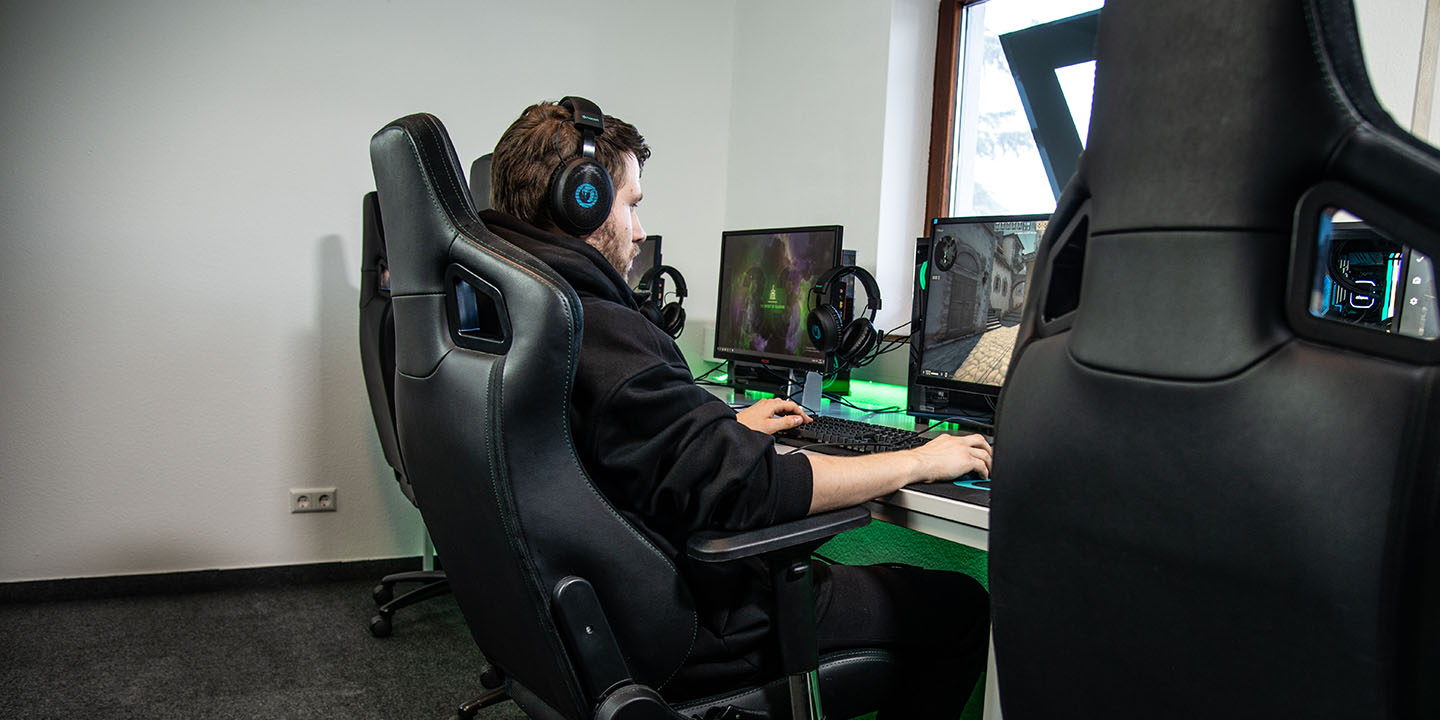
The connection makes sense when you break down what modern surgery actually requires. Laparoscopic and robotic surgeries demand exceptional hand-eye coordination, the ability to work with indirect visual feedback through cameras and monitors, and lightning-fast decision-making under pressure. Video games, particularly action games and first-person shooters, train exactly these cognitive and motor skills.
Gamers develop what researchers call "fine motor precision" and "visuospatial ability"—fancy terms for being able to track multiple moving objects while coordinating your hands to respond accurately. Surgeons using robotic surgical systems like the da Vinci robot are essentially operating sophisticated controllers while watching screens, a setup that's remarkably similar to gaming interfaces. The neural pathways strengthened by gaming—quick reflexes, depth perception on 2D screens, and the ability to filter relevant information from visual clutter—are precisely what surgeons need when they're manipulating instruments they can't directly see or feel.
The Future Of Surgical Training

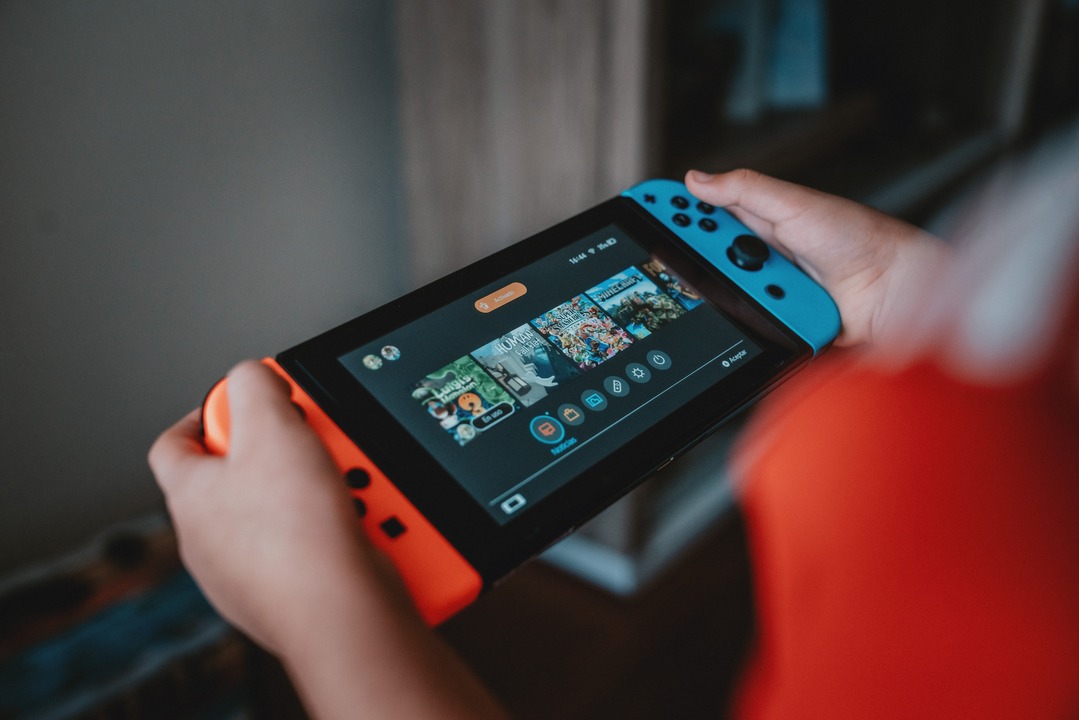
Major medical institutions are now incorporating video games into formal surgical training programs. The University of Rome has medical students training on Nintendo Wii systems before moving to actual surgical simulators. Some residency programs also consider gaming experience as a legitimate factor in evaluating manual dexterity potential.
This doesn't mean anyone can pick up a controller and become a surgeon, but it does suggest that the stigma around gaming as a waste of time deserves serious reconsideration, at least in certain professional contexts. The skills are transferable, measurable, and increasingly, they're being deliberately cultivated as part of professional medical development. What was once dismissed as mere entertainment is now recognized as legitimate preparation for saving lives in high-stakes environments.
The question is no longer whether video games help surgeons improve, but rather how medical education can best harness gaming's potential to create the next generation of highly skilled practitioners.