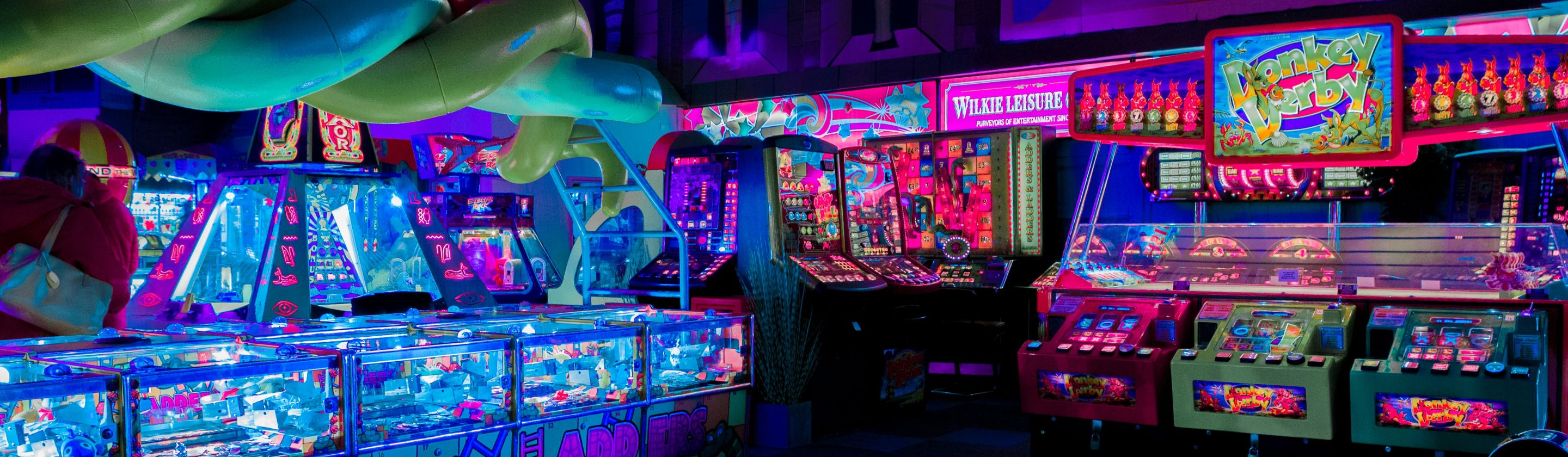
A few decades ago, walking into an arcade meant entering a buzzing arena of laughter and competition. Those days seemed to fade as home consoles, smartphones, and online gaming took over. But what if arcades aren’t relics of the past at all? What if, with the right strategy, they could become one of the most relevant entertainment models in today’s world?
The idea isn’t far-fetched. Across the U.S., experiential entertainment is booming. The rise of escape rooms and retro barcades shows there’s room for arcades to return. So, let’s find out how arcades could realistically thrive again.
The Demand For Shared Experiences

In an age dominated by screens and digital isolation, there’s a growing hunger for in-person fun. Arcades once provided that, and can again. People are increasingly drawn to activities that blend social connection with light competition. This trend has real data behind it: according to Eventbrite, about 78% of millennials prefer paying for experiences over buying things.
That shift in spending habits creates a strong opportunity for arcades to make a comeback. A well-designed arcade offers exactly what online gaming can’t: real human presence, spontaneous interaction, and a lively group atmosphere. It’s the same reason bowling alleys and other social entertainment spaces continue to succeed.
Nostalgia As A Revenue Stream
Nostalgia sells, and not just to those who lived it. Brands like Nintendo, Coca-Cola, and even Netflix’s Stranger Things have tapped into retro aesthetics to build massive engagement. The 80s and 90s aesthetic is everywhere in American pop culture right now. Arcades have a natural advantage: they are the source material for that nostalgia.
But nostalgia alone isn’t enough. For arcades to succeed today, they need to blend the old with the new. That’s why modern venues like Barcade (with locations in New York, Los Angeles, and Philadelphia) or Free Play in Texas have found sustainable success. They’ve combined classic arcade cabinets with a craft bar model, hosting themed nights, tournaments, and live DJ events.
The Social Economy Advantage

If arcades return, they’ll fit perfectly into the “social economy” as a business model where connection and community are the products. After years of social distancing and remote lifestyles, people are craving spaces that encourage face-to-face engagement.
Arcades naturally foster that. Group events, birthday parties, tournaments, and themed nights can easily turn a simple gaming venue into a community hub. The rise of esports also presents an untapped opportunity: hosting local competitions or amateur gaming leagues.
The economics make sense, too. Arcade cabinets today can generate higher margins because of contactless systems and flexible payment models. Combine that with food, drinks, and events, and you’ve got a diversified business model. With thoughtful planning, modern arcades can position themselves as multipurpose spaces, part gaming venue, part social lounge, and part local event hub.