
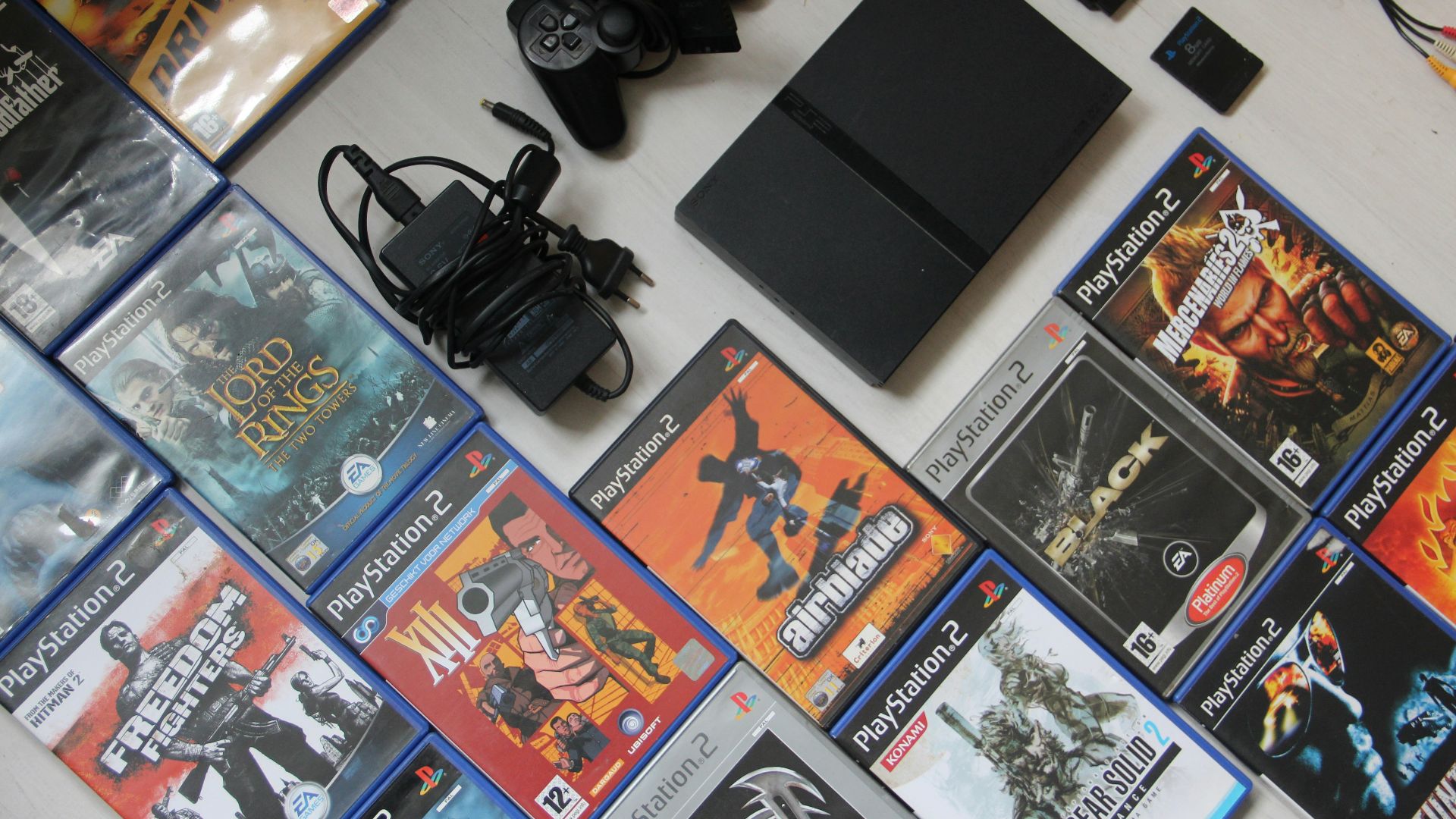
For many gamers, buying a game feels like the beginning of the fun. You spot a huge discount, see a highly praised release, or discover an interesting indie title, and suddenly it seems perfectly reasonable to add another game to the collection. The problem is that purchasing a game takes a few minutes, while actually playing it might require dozens of hours.
That difference has created the modern gaming backlog, a collection of games that you own but haven't started, haven't finished, or haven't touched in years. Research into gaming purchases has even identified "backlog purchasing" as a distinct behavior, describing situations in which players buy inexpensive games that they don't necessarily expect to play immediately.
Buying games has never been easier than it is right now. Spending a couple bucks on a discounted title feels like such a small price to pay that you buy the game even if you know you already have half a dozen others you haven’t gotten around to. Steam's famous sales helped make this behavior particularly familiar, but discounts and promotions are now a standard part of digital gaming.
What’s hilarious is that the more a game is discounted, the easier it becomes to justify buying it with no real intention of playing it. You're not necessarily thinking, "I'm going to play this tonight." Instead, you're thinking, "I'll definitely play this someday," which is a much easier promise to make.
Games can also feel rewarding to own on their own. Having a library that’s constantly expanding feels like you have interests, opportunities for fun, and games to play. It’s rewarding even if you haven’t opened most of the games within it. Researchers studying video game purchases have argued that buying games can have value beyond simply obtaining entertainment from playing them.
This also transforms your library from a list of games you feel like you’ll get to into more of a collection. You might find value in knowing that a game is there when you’re ready to play it. In that sense, purchasing and playing aren't always part of the same activity, even though they ultimately involve the same piece of software.
New Releases Keep Resetting Your Priorities
Then another game comes along. A highly anticipated release appears, friends start discussing it, reviews arrive, and suddenly the title you've been meaning to play for six months doesn't seem quite as urgent. This cycle repeats whenever another interesting game catches your attention.
The sheer number of new releases makes this especially difficult. More than 19,000 games were listed as released on Steam during 2025, according to SteamDB data reported by PC Gamer, demonstrating just how much new content competes for players' attention.
The largest divide between buying and playing comes down to one thing: playing takes time. You can purchase an armload of games while on sale in mere minutes, but it can take dozens of hours to finish a single role-playing game. Your bank account may bounce back from a sale cash drop far quicker than your calendar.
That creates an unusual situation in which your library can grow much faster than your available free time. Even if you stop buying games entirely, the existing backlog doesn't become easier to finish simply because you're aware of it. You still have to sit down, choose something, and actually spend the hours.
Starting a game also requires more mental effort than purchasing one. You have to learn the controls, understand the story, remember where you left off, and decide whether you want to keep playing. If the game is particularly long, completing it can become a substantial commitment.
This is why having 50 games doesn't mean you have 50 equally attractive entertainment options. Some might require considerable effort before they become enjoyable, while others may immediately appeal to you. When you have limited free time, returning to a familiar favorite can therefore be much easier than beginning something completely new.
A gigantic backlog can cause another less expected issue: deciding what to play. When you have three games, choosing one to play is easy. When you have 100, every decision comes at the cost of ignoring dozens of others. The backlog therefore becomes less about a lack of entertainment and more about an abundance of it.
Steam's yearly Replay tool highlights just how focused gamers' activities can be. During 2025, new releases accounted for just 14% of all Steam users' playtime. Titles released at least eight years ago took up 40%. Simply put, even if players have endless fresh games they could try, they're not going to stop playing the ones they know.
Your Backlog Isn't Really A Homework Assignment
One reason backlogs feel stressful is because sometimes we treat them like obligations. We put a game on a list and then that list can start to feel like homework instead of games you want to play. There's no actual requirement, however, to complete every game you've purchased.
If you stopped having fun with a game, it doesn’t become a better game just because you paid money for it. And if a game caught your eye in a sale, that doesn’t mean you’ll still find it interesting half a year down the line. Permitting yourself to bail will let you take the hobby much more lightly.
Similarly, there’s no rule that says the newest game you bought is the one you need to play first. Steam's 2025 playtime data actually shows that older games remain enormously popular, with titles eight years old or more accounting for 40% of total Steam playtime.
Your backlog doesn’t need to be tackled in order, then. You aren’t required to finish that game you bought three years ago before you play the game you bought yesterday. If one of your older games catches your eye, feel free to dive straight into it.
Ultimately, the gaming backlog exists because purchasing and playing demand completely different things from you. Buying rewards curiosity, discovery, collecting, and the excitement of finding something at a great price, while playing requires time, attention, and commitment. Once you recognize that difference, having an enormous library doesn't necessarily mean you're failing to keep up.
Your backlog can simply be a record of possibilities rather than a list of responsibilities. Some games will become favorites, some will eventually be forgotten, and others will sit untouched until the exact right mood arrives. After all, the goal of having a game collection isn't to prove that you finished everything in it; it's to have something enjoyable waiting whenever you're ready to play.