A Love Letter Written in Quarters
Arcades used to feel mystical. Electric. Dangerous. They weren't just full of games, they were places to congregate, to compete, to brag in front of crowds of spectators that might someday be your toughest competition... or your greatest allies. This isn't your typical villain origin story. There is no clear-cut villain here. What follows is a slow and complicated collection of wrecking balls that swung and demolished arcade culture into oblivion.

1. Home Consoles Got Too Good
The home consoles began to catch up quickly when they could replicate arcade graphics and sound quality. Why would you pay for every minute of play when you could play at home for free? After that, arcades had to prove they were still relevant, and that became more difficult each year.
2. Games Stopped Being Designed for Arcades
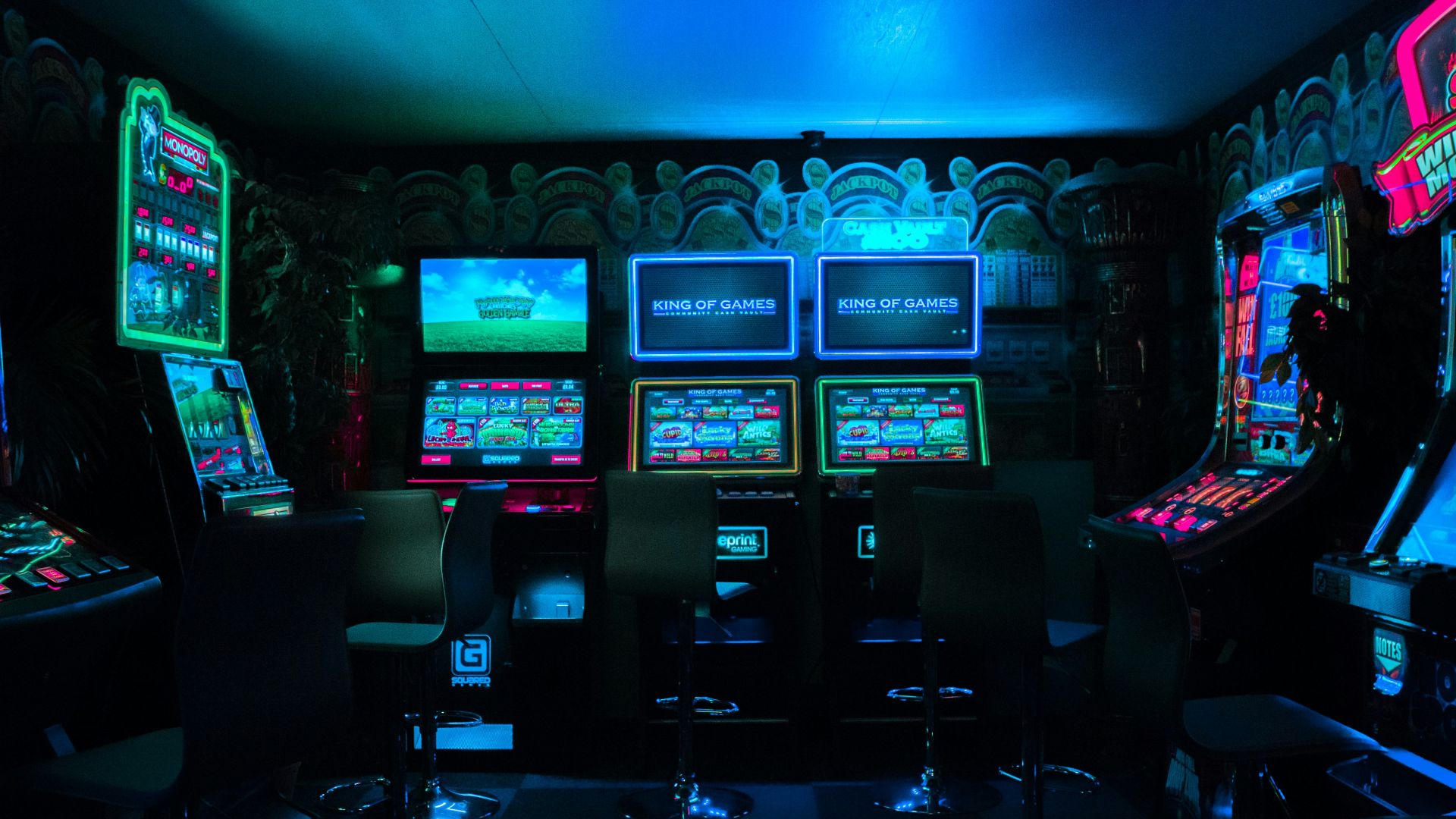
Arcade games tended to be short and quick because they relied on you continuing to play to earn money. Video games have gotten longer over time, focusing on storytelling and creating substantial experiences. You can’t reasonably expect someone to pay for each life when the game wants them to play for hours.
3. Rising Costs Made Owners Sweat
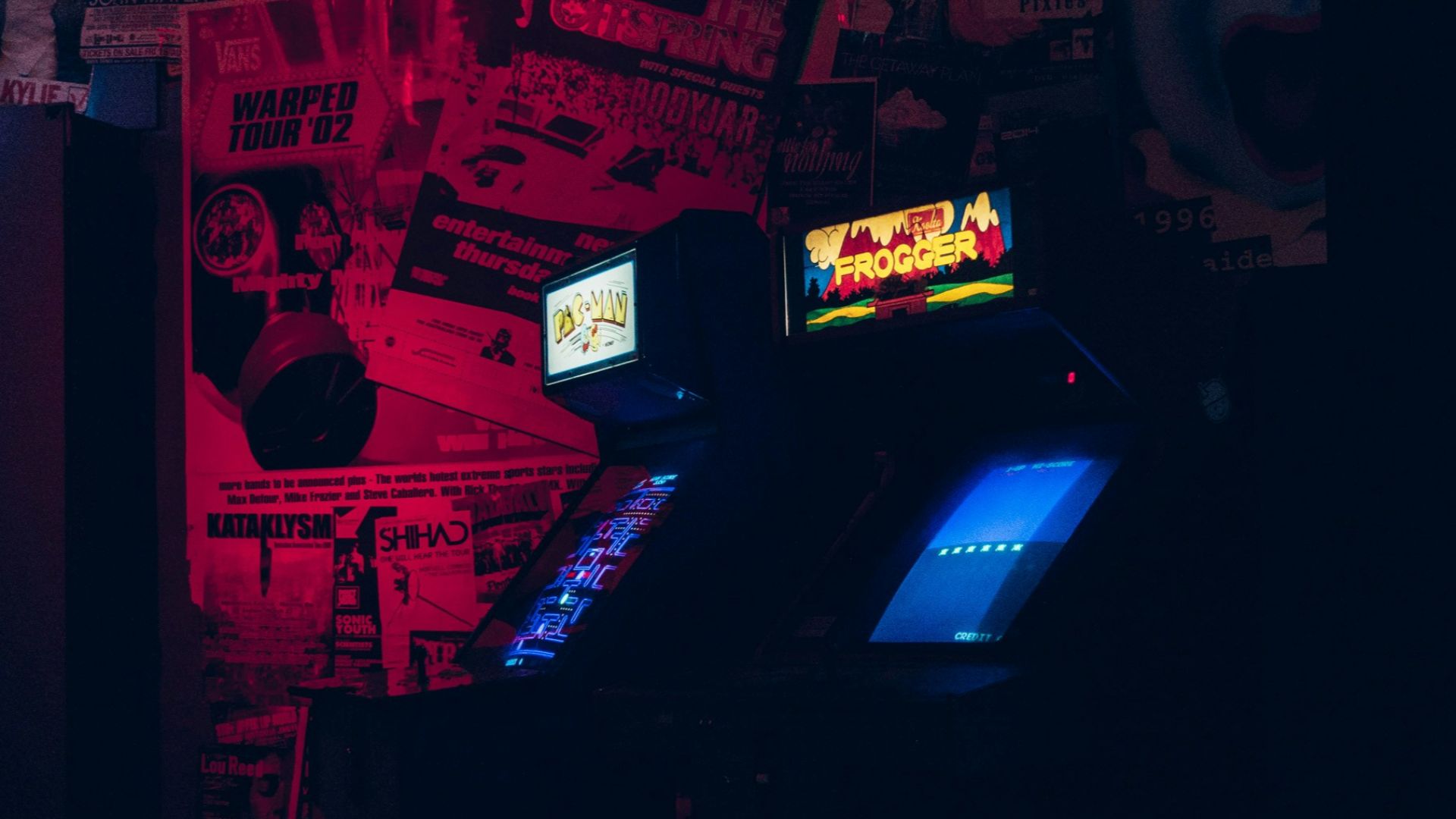
Arcade cabinets weren’t cheap to purchase. Especially when repairs or replacements were needed. Rent, electric bills, maintenance, and other ownership costs grew while profits didn’t always increase.
4. The Quarter Economy Fell Apart
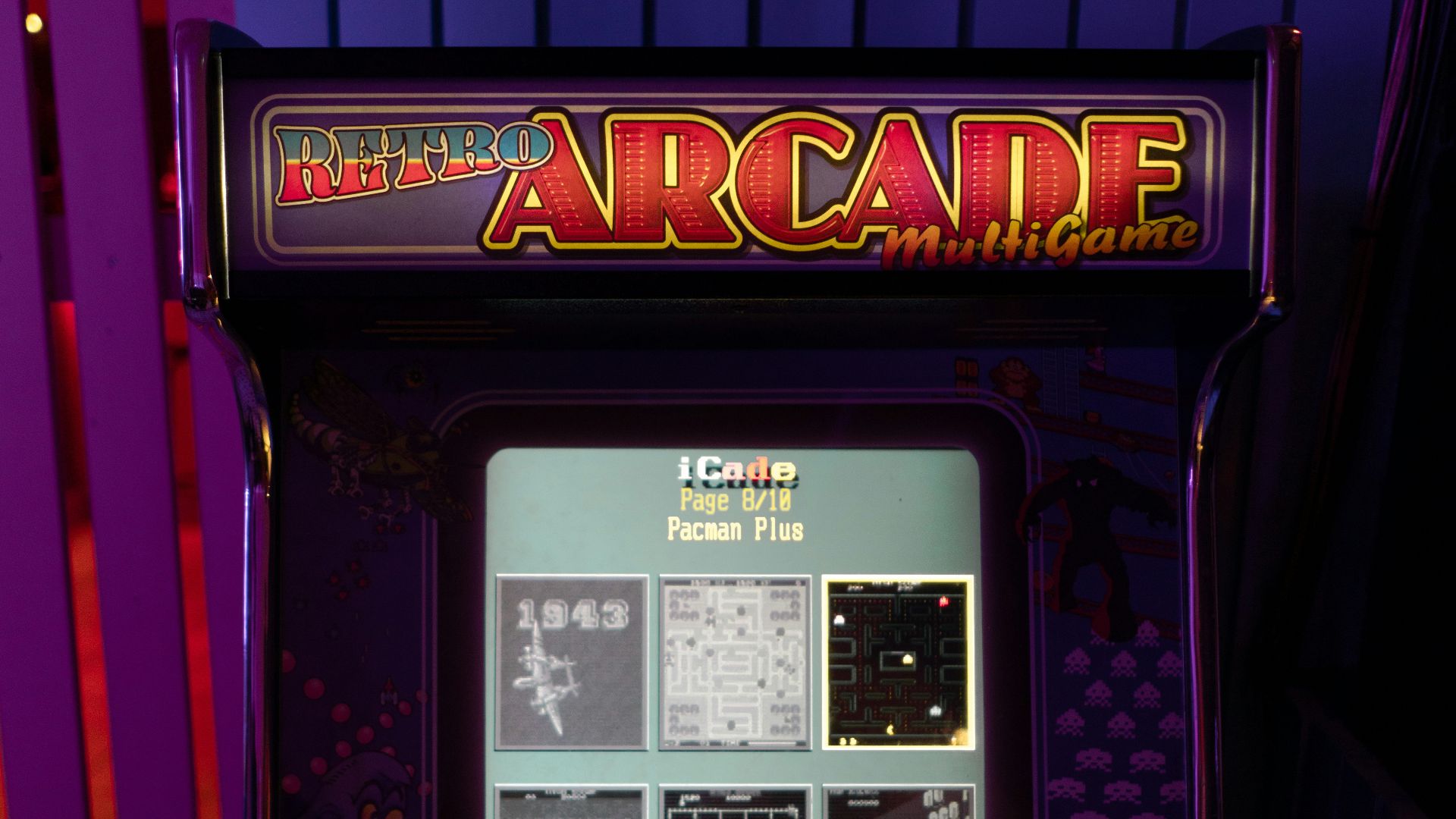
At one point, using coins made sense. Everyone had them, and they were easy to use. As society moved away from carrying change around, that started to feel old. Slipping a card in or tapping your phone never gave you the same feeling, slowly eroding what made arcades special.
5. Multiplayer Moved Online
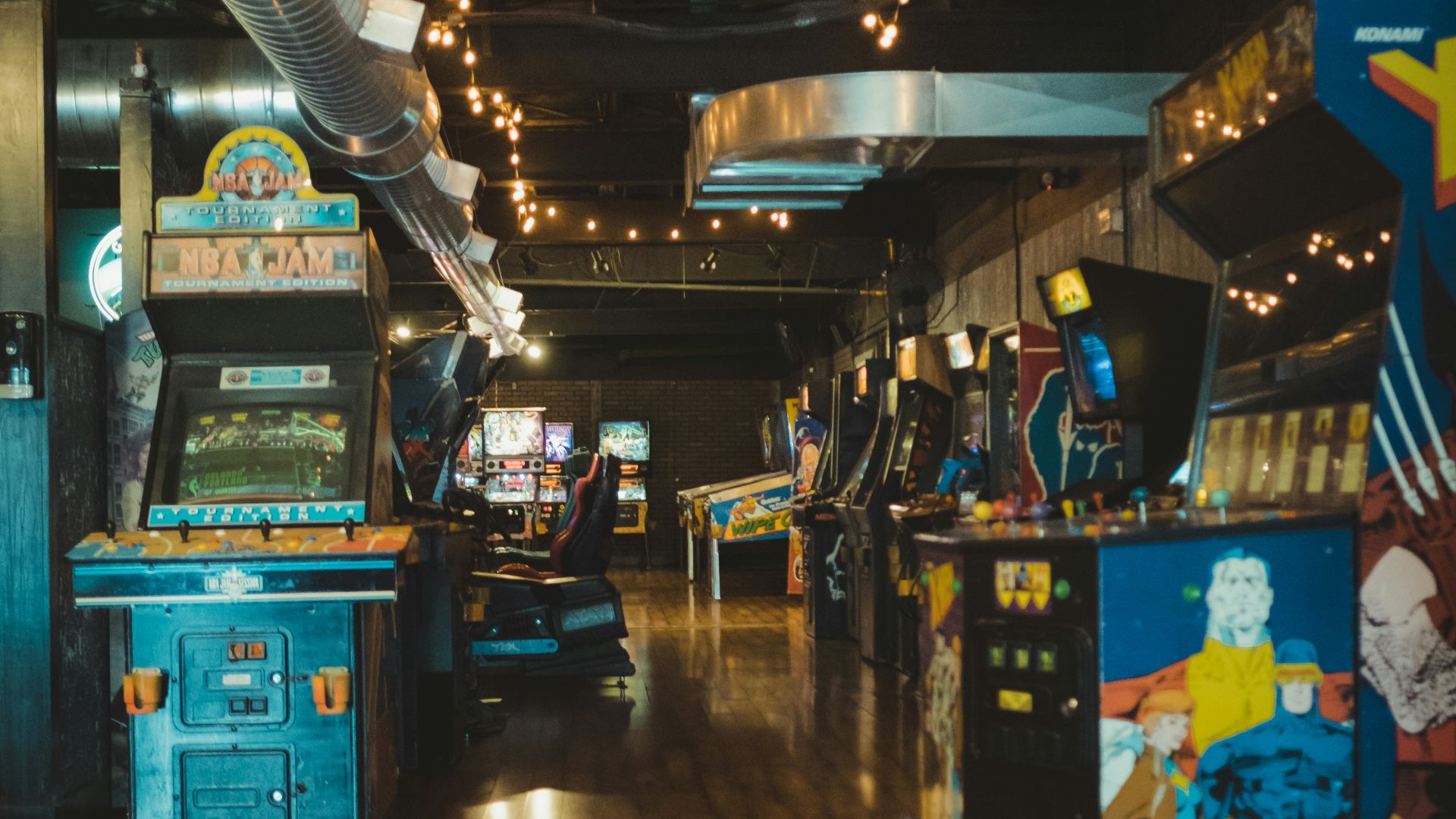
Arcades were meant to be social spaces where everyone played side by side. Once you could play with someone on the other side of the world without leaving your couch, local play slowed down. The community aspect didn’t disappear, but it migrated online.
6. Kids Had More Entertainment Options
Kids and teenagers used to spend their free time at arcades. They now have more options with services like Netflix, phone games, social media, etc. When you have to compete with dozens of things for someone’s attention, you’re bound to lose them sometimes.

7. Parents Became More Cautious
Parents used to generally be fine with their children at arcades. Many now worry about the area, people there, and what they are doing. That makes parents less likely to let their kids spend hours at an arcade.
8. Skill-Based Games Felt Less Welcoming
Watching someone who excels at a game can be amazing. But for someone just starting, playing against them is frustrating. Telling a new player they have no chance of winning is a surefire way to ensure they don’t enjoy your game.
9. Mobile Games Ate Casual Play
Cell phones allowed people to play games anywhere they could steal a few seconds. If you can wait in line at the doctor’s office and play your favorite game, why travel to play? Portability and low costs ate away at arcade’s casual play.
10. Arcades Failed to Evolve Fast Enough
While some went out of their way to modernize, many kept their arcades the same. Relying on older cabinets without any new technology or games made them feel outdated. Nostalgia is fun, but it won’t help you pay your bills.
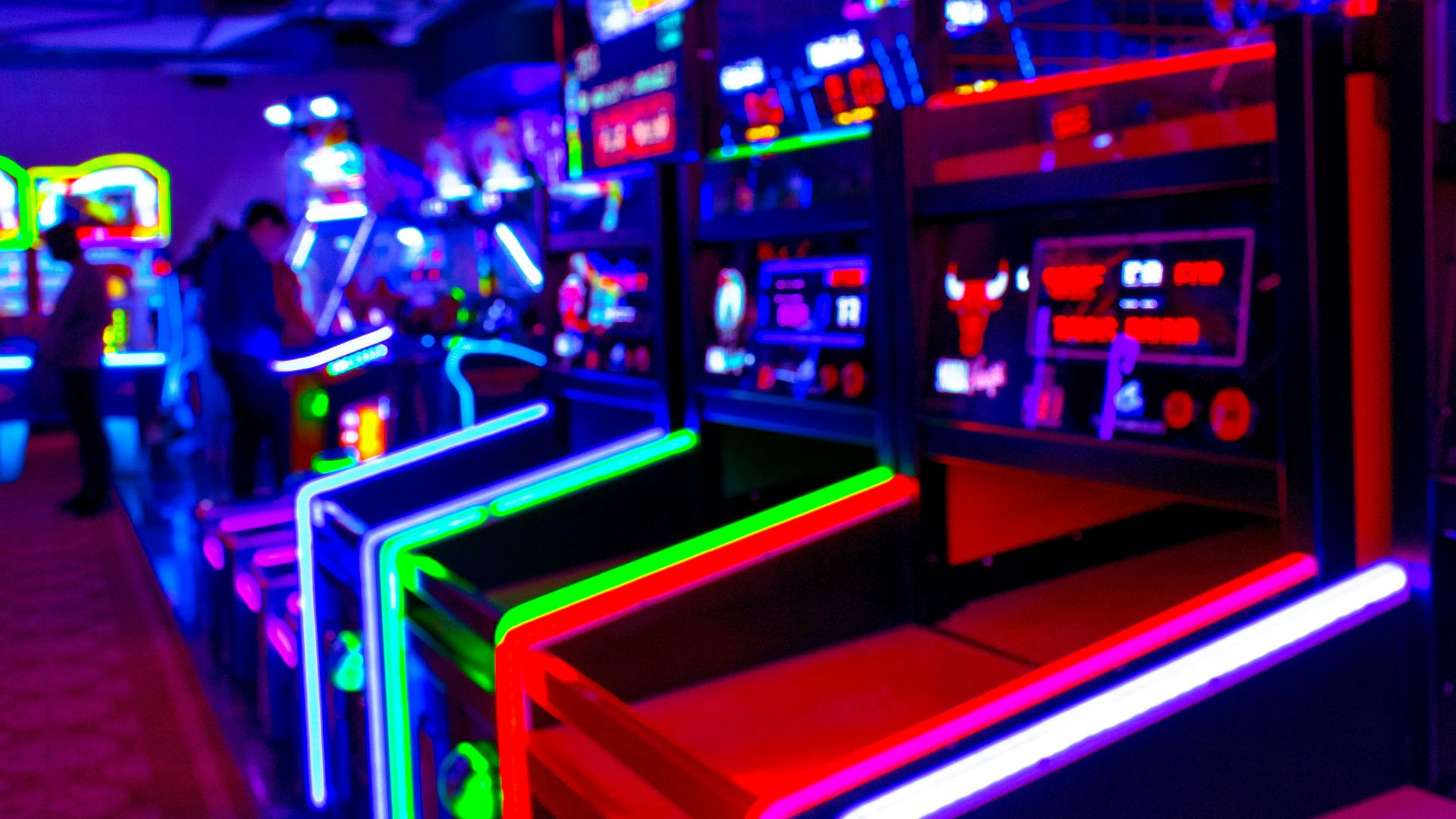
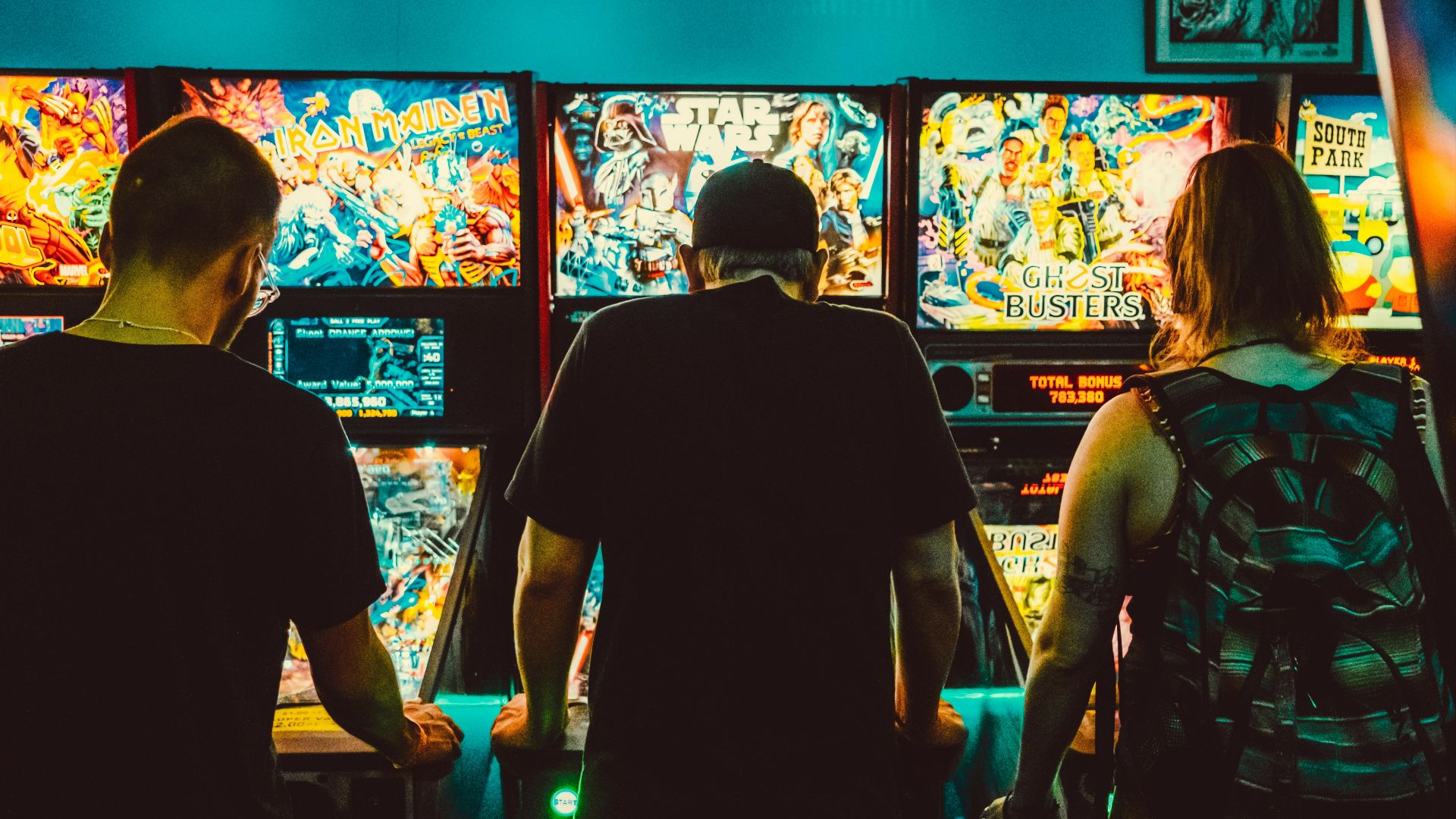 Louie Castro-Garcia on Unsplash
11. Competitive Gaming Found New Homes
Competitive gaming became huge, but not at your local arcade. Competition shifted to PCs, consoles, and online matchmaking. Arcades missed out on a major opportunity to be at the forefront of that movement.
12. Game Difficulty Turned Off Modern Players
Arcade games used to be purposefully difficult. Few people nowadays have the patience for instant takedowns, tricky level designs, and quick game over screens. Modern gamers want tutorials, save points, and mercy lives.
13. Maintenance Downtime Ruined Momentum
It’s discouraging when your favorite game isn’t available because the machine broke. When you have an entire corner of your arcade that’s out of order, that’s lost money. No one wants to play at a place that can’t keep their games running.

14. The Social Scene Drifted Away
Going to the arcade used to be something everyone did. As the hangout scene shifted away from malls and arcades, that foot traffic declined. Without groups of friends showing up, many arcades just felt abandoned.
15. Licensing and Legal Headaches Grew
Music became big business, and owning the rights to a song or brand became expensive. Running certain games became too expensive when fees and payments were involved. Who wants to jump through hoops just to keep your favorite game?

16. Gambling Associations Hurt Their Image
Some arcade games were deemed too close to gambling. That led to a lot of unnecessary attention and restrictions being applied to arcades. You can only be so family-friendly when legislators keep taking your games away.
17. Game Lengths Didn’t Match Modern Schedules
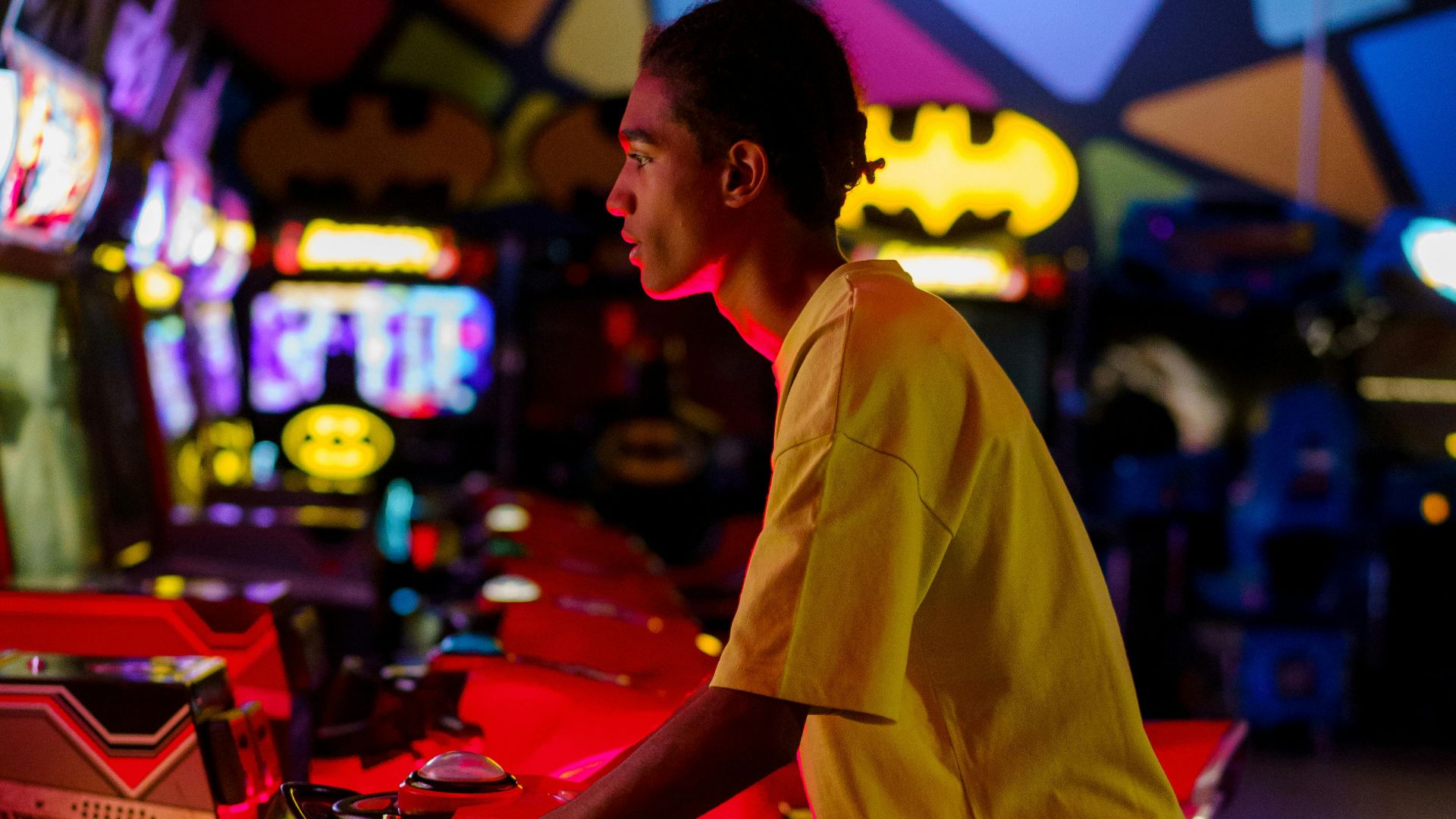
Life has become go-go-go, and we’re busier than ever. Many people see kicking back at an arcade as a whole-day event. These days, people prefer to grind their games in short periods.
18. VR and New Tech Didn’t Fully Save Them
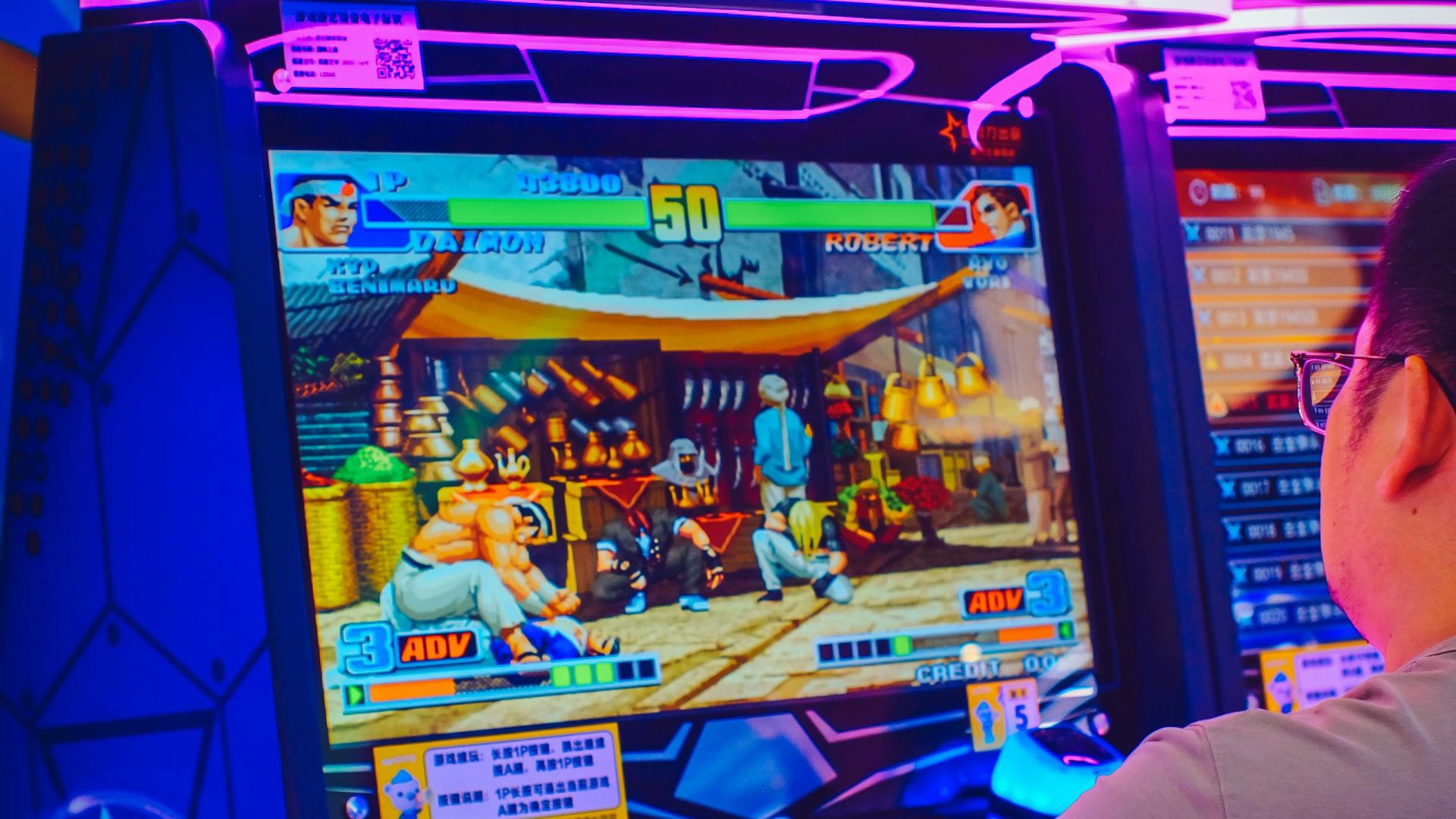
VR gave arcades a shot of adrenaline, at least for a short while. Nobody wanted to pay ten dollars for a five-minute experience on repeat. Not every arcade could buy those systems and risk banking on them.
19. Nostalgia Became the Main Selling Point
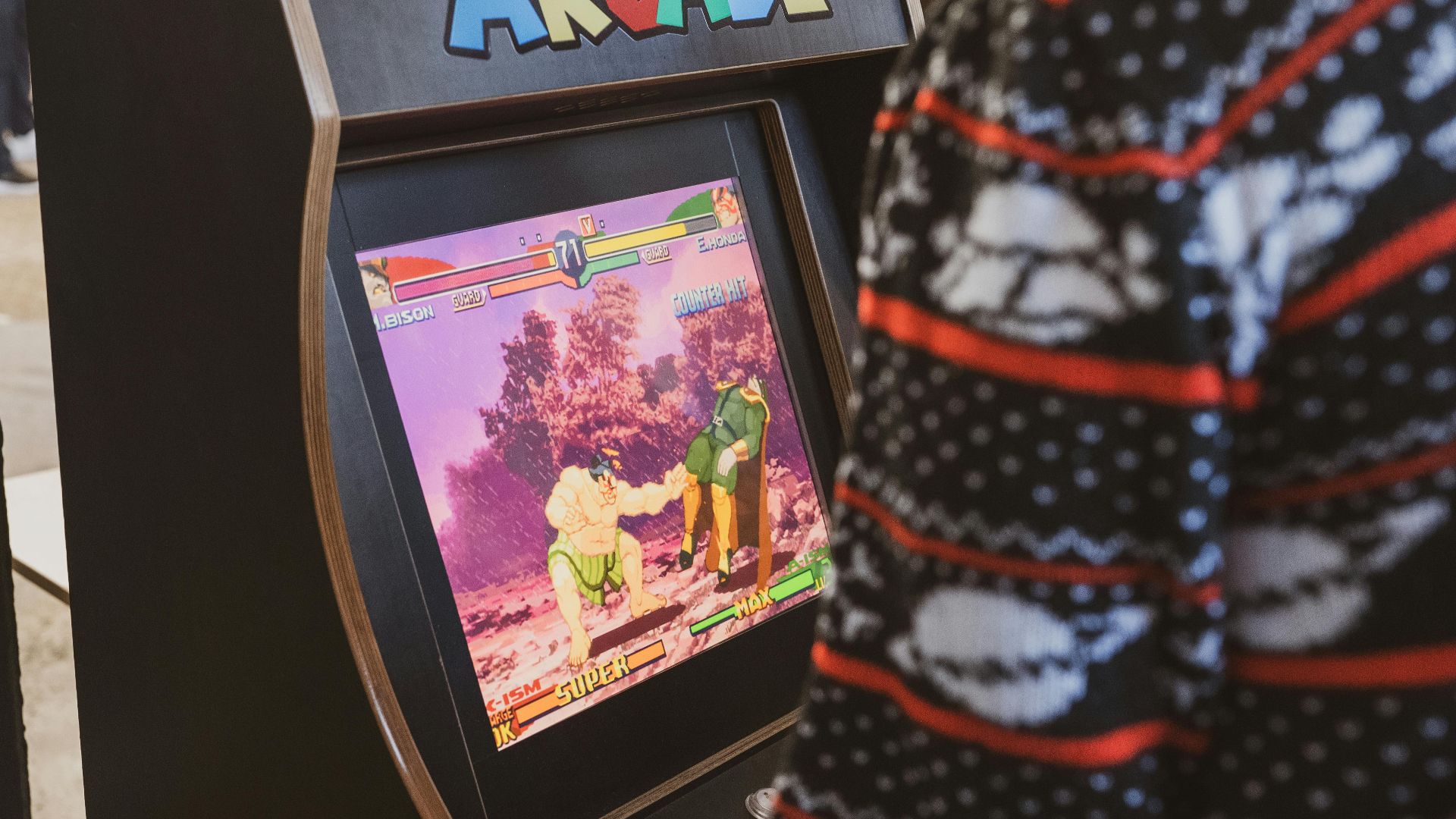
Running an arcade solely on nostalgia will only get you so far. Sure, older players would return to visit their old favorites, but that’s about it. Once you can’t grow your consumer base, your business will die.

20. Convenience Ultimately Won
Why deal with any friction when life gives you none? Between home gaming, mobile gaming, and online communities, there’s no reason to go to an arcade. Arcades didn’t fade because of one thing. They lost little pieces of themselves until there was nothing left.