

20 Things Resident Evil Gets Completely Wrong About Surviving a Zombie Outbreak
Surviving Raccoon City Would Be a Lot Harder Than You Think
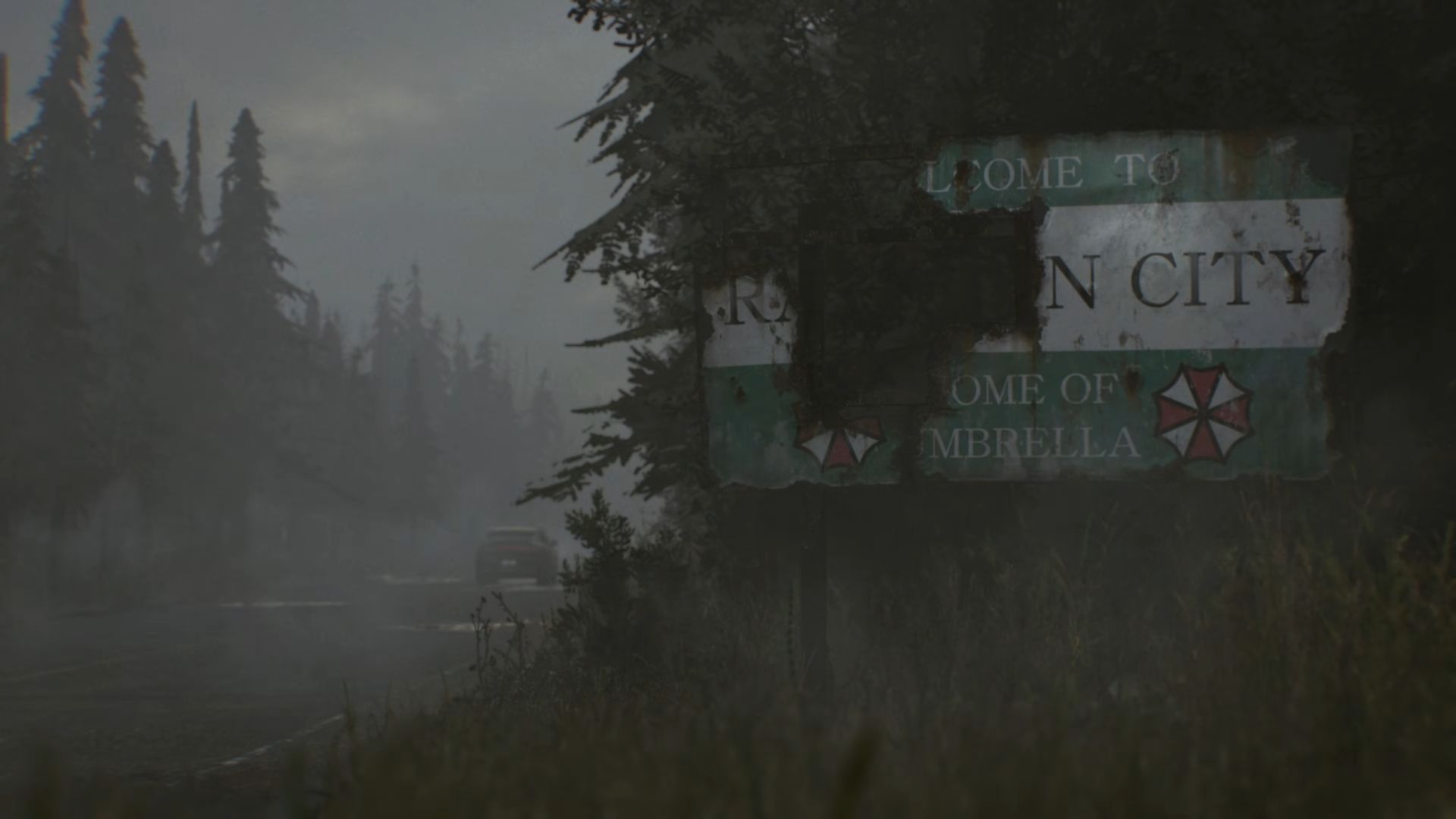
The Resident Evil franchise has spent decades teaching players how to survive terrifying creatures, deadly viruses, and cities filled with the undead. Between collecting ammunition, solving elaborate puzzles, and healing yourself with suspiciously powerful herbs, the games make surviving a zombie outbreak seem surprisingly manageable. However, plenty of those familiar survival strategies wouldn't work nearly as well in real life. If you ever found yourself in Raccoon City, here's what Resident Evil gets completely wrong about staying alive.
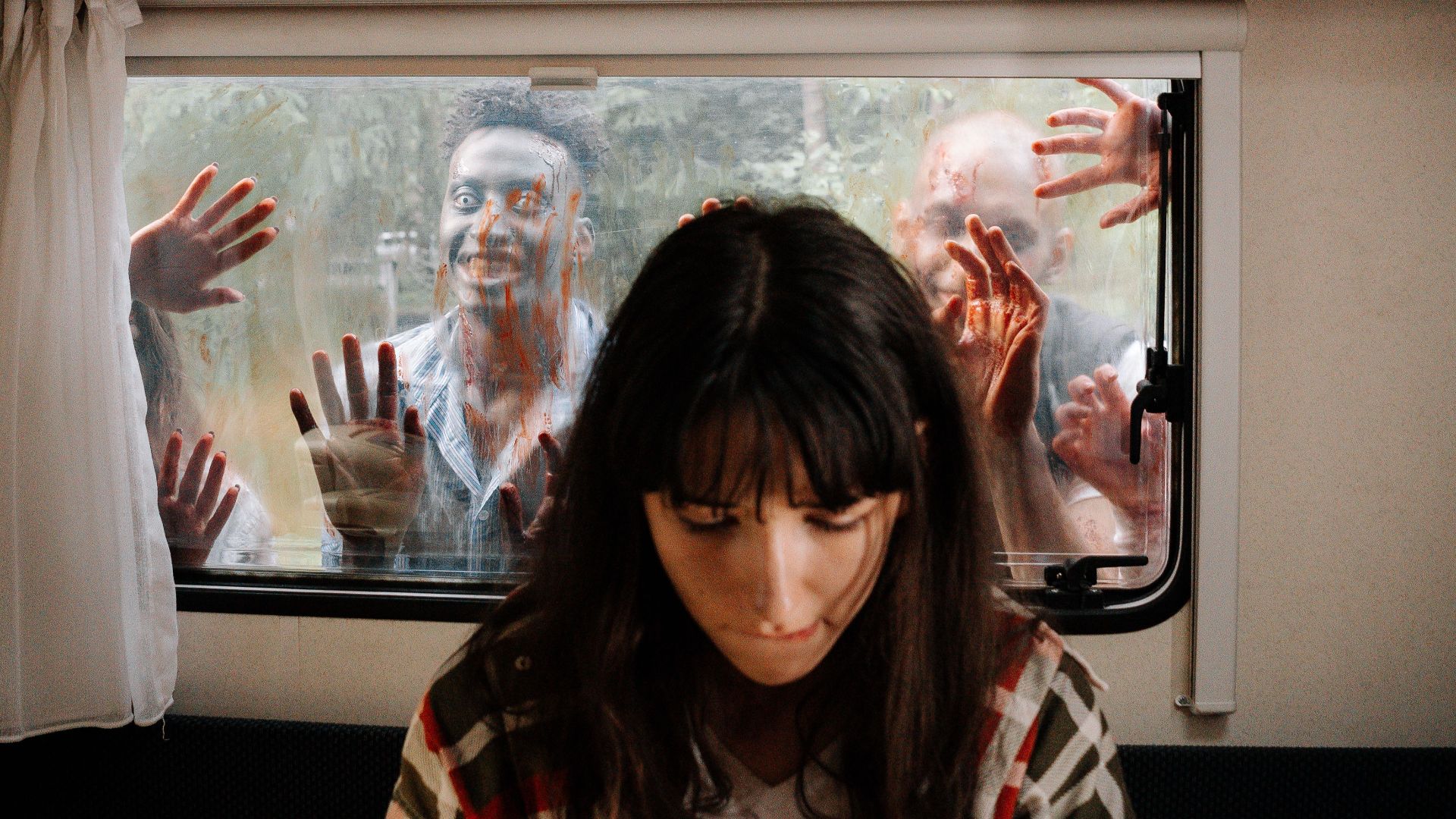
1. Healing Serious Injuries With Green Herbs
Resident Evil characters can recover from terrible injuries simply by using a handful of green herbs. Unfortunately, real plants don't work that quickly, especially when you're dealing with deep wounds or significant blood loss. You'd need proper medical treatment, and even minor injuries could become dangerous without adequate supplies.

2. Carrying an Entire Arsenal Everywhere
Characters like Leon Kennedy somehow manage to carry multiple firearms, ammunition, explosives, and healing supplies without becoming completely exhausted. In reality, that much equipment would seriously limit your mobility and make escaping dangerous situations considerably harder. You'd probably regret carrying three different weapons once you needed to sprint up several flights of stairs.

3. Finding Ammunition Conveniently Scattered Around
Whether you're exploring an abandoned mansion or a police station, Resident Evil usually rewards you with ammunition hidden in surprisingly convenient locations. Realistically, you wouldn't find perfectly compatible bullets sitting inside random drawers or storage cabinets. Ammunition would also become increasingly difficult to obtain as supply chains collapsed and stores were emptied.

4. Surviving Without Regular Sleep
Resident Evil protagonists can spend hours fighting monsters, exploring buildings, and solving puzzles without ever stopping for a proper night's rest. Actual humans would quickly experience exhaustion, slower reactions, and impaired judgment under those circumstances. Even experienced soldiers need sleep, making those nonstop adventures considerably less realistic than they appear.

5. Solving Complicated Puzzles During Emergencies
Imagine discovering that your only escape route requires finding three decorative medallions and arranging them inside a statue. That's a perfectly normal Tuesday in Resident Evil, where buildings contain elaborate mechanisms that prevent anyone from leaving. In a real emergency, you'd be searching for accessible exits rather than spending precious time interpreting mysterious symbols.

6. Surviving Multiple Zombie Bites
Characters frequently endure attacks from infected enemies without immediately becoming zombies themselves. Although the franchise has explanations for certain characters' resistance and immunity, the gameplay rarely treats every bite as a potential infection. In a realistic outbreak involving a transmissible pathogen, you'd need to take possible exposure seriously rather than simply restoring your health and continuing.

7. Trusting That Safe Rooms Are Completely Safe
Few things feel better than entering a Resident Evil safe room and hearing that familiar, comforting music. Unfortunately, an ordinary room wouldn't automatically protect you from infected creatures simply because it contained a typewriter and storage chest. You'd have to consider entry points, ventilation, available supplies, and whether your hiding place could actually withstand an attack.

8. Fighting Every Zombie You Encounter
Resident Evil encourages players to eliminate enemies when necessary, especially when dangerous creatures are blocking important routes. Outside the games, unnecessary confrontations would expose you to injuries, exhaustion, and potentially contaminated bodily fluids. Avoiding infected individuals would generally be much safer than deliberately approaching them whenever you entered a new area.
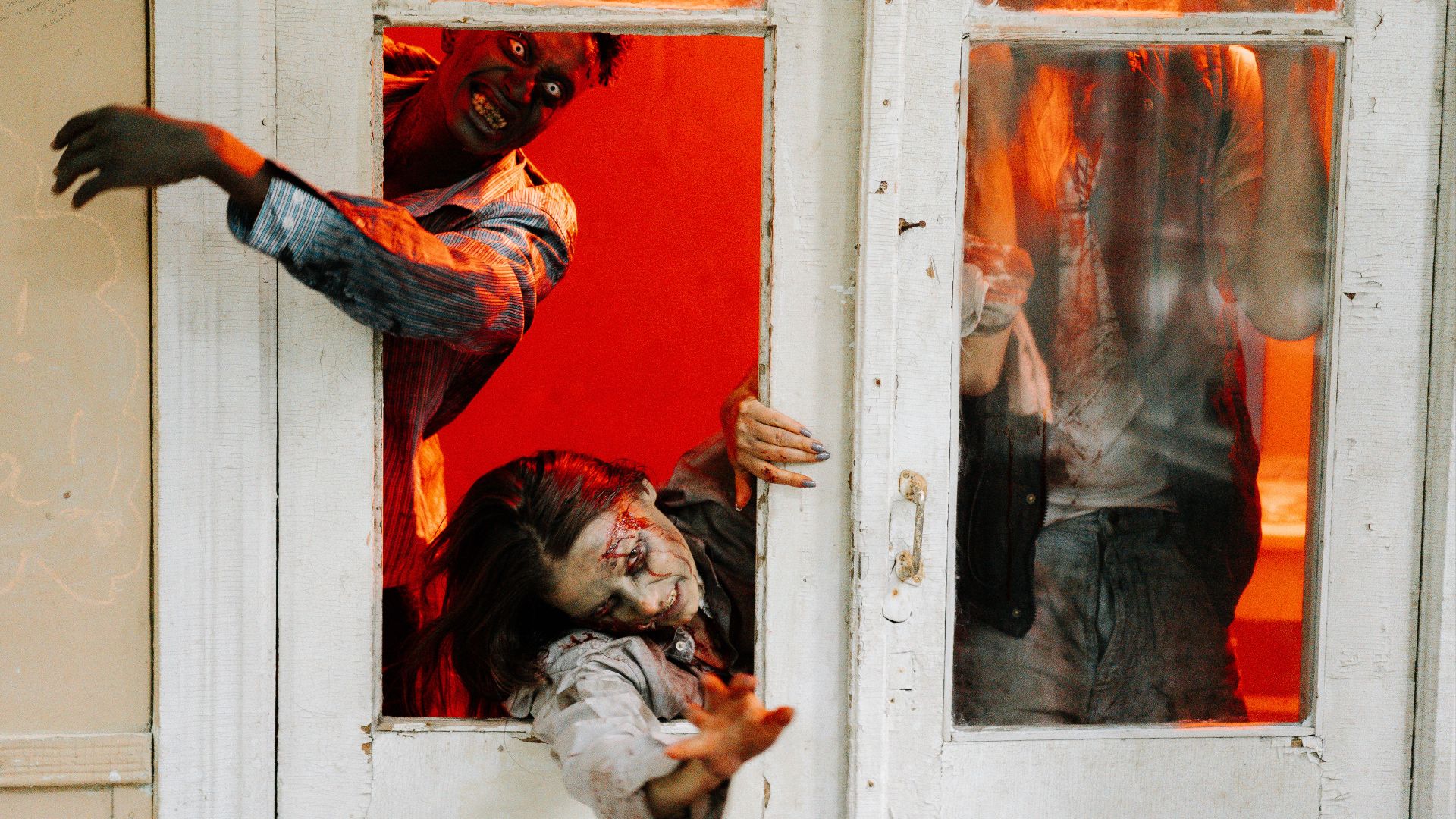
9. Finding Perfectly Functional Vehicles
Leon and other characters occasionally escape dangerous situations using vehicles that remain surprisingly operational despite the surrounding destruction. However, abandoned cars might have dead batteries, mechanical damage, or empty fuel tanks. Even if you found a working vehicle, blocked roads and widespread traffic congestion could make driving out of the city nearly impossible.

10. Ignoring Food & Water
You can spend an entire Resident Evil campaign collecting ammunition and medical supplies without giving much thought to your next meal. Actual survival would require a reliable supply of drinking water, along with enough food to maintain your strength. Dehydration could become a serious problem long before you encountered another enormous mutant.

11. Recovering Immediately After Major Injuries
Ethan Winters experiences some particularly gruesome injuries throughout Resident Evil 7 and Village, although his unusual biology helps explain his remarkable recovery. Ordinary humans wouldn't be nearly as fortunate after suffering comparable physical trauma. Broken bones, severe burns, and deep wounds can require extensive treatment and lengthy recovery periods, not a quick application of medicine.
 Brian Patrick Tagalog on Unsplash
12. Relying on One Person to Save Everyone
Resident Evil regularly places the responsibility for stopping enormous biological disasters on a handful of exceptionally capable individuals. While characters like Jill Valentine and Chris Redfield have specialized training, managing a real outbreak would require coordinated efforts from medical professionals, emergency responders, and public health authorities. No matter how experienced you are, handling an entire city's emergency alone wouldn't be practical.
 William Tung from USA on Wikimedia
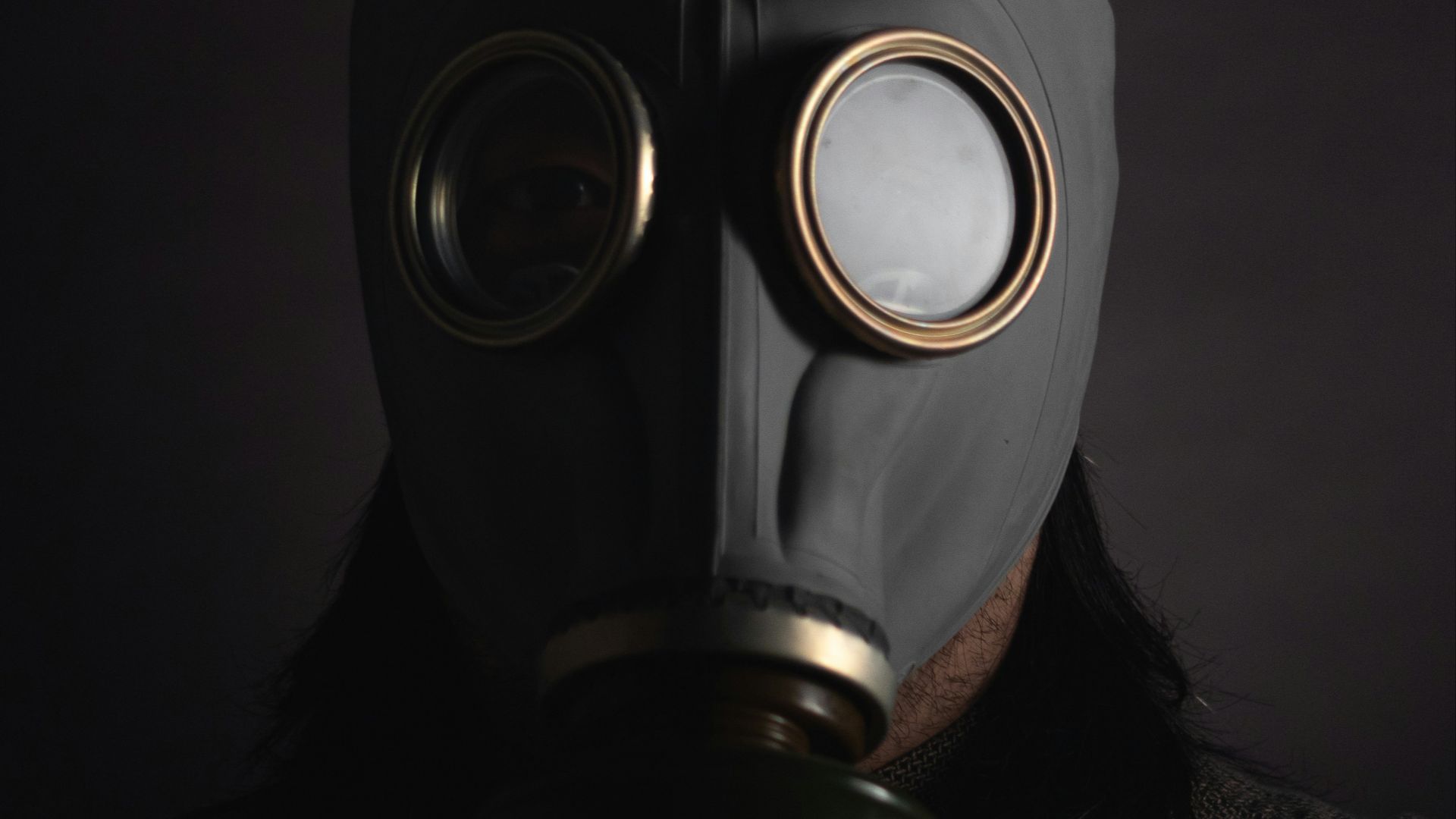
13. Treating Gas Masks as Optional Equipment
Despite entering underground laboratories and contaminated environments, Resident Evil characters don't always wear protective equipment appropriate for the hazards around them. In reality, exposure risks would depend on how a pathogen spreads, making properly selected protective gear extremely important. Walking into a potentially contaminated facility wearing everyday clothing would be an unnecessary gamble.
14. Escaping Through Underground Sewers
Resident Evil protagonists have an unfortunate habit of discovering that the only available route involves crawling through filthy sewer systems. Beyond the possibility of encountering infected creatures, those environments can contain dangerous gases, harmful microorganisms, and unpredictable water levels. You'd want to explore safer escape options before voluntarily entering an unfamiliar drainage network.

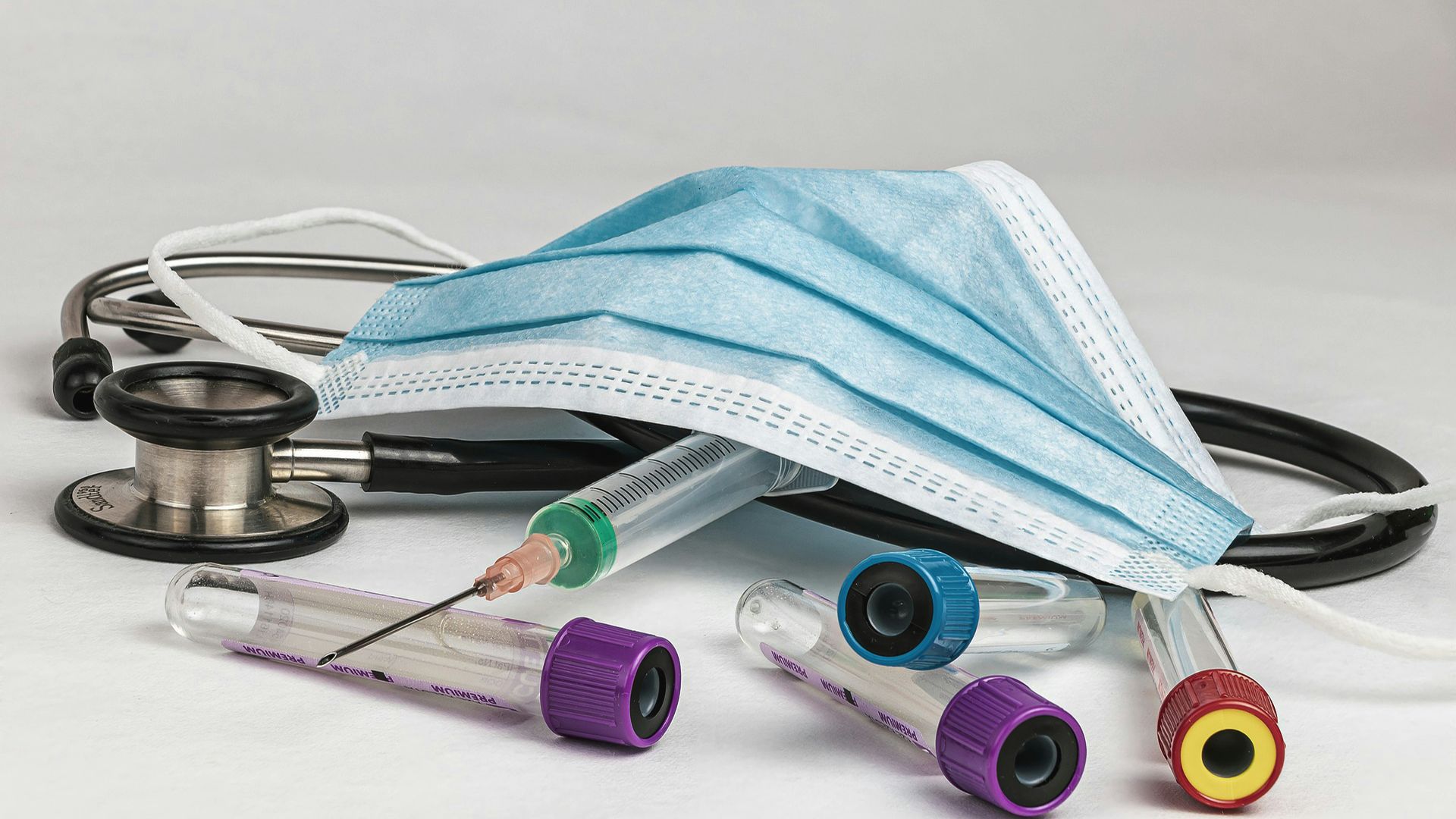
15. Finding Medical Supplies That Work Instantly
First aid sprays can restore a character's health almost immediately, allowing them to return to combat after taking significant damage. Real emergency medicine doesn't offer a universal treatment capable of repairing every injury within seconds. Depending on your condition, you might require stitches, surgery, antibiotics, or extensive rehabilitation before returning to normal activities.
16. Depending on Flashlights That Never Die
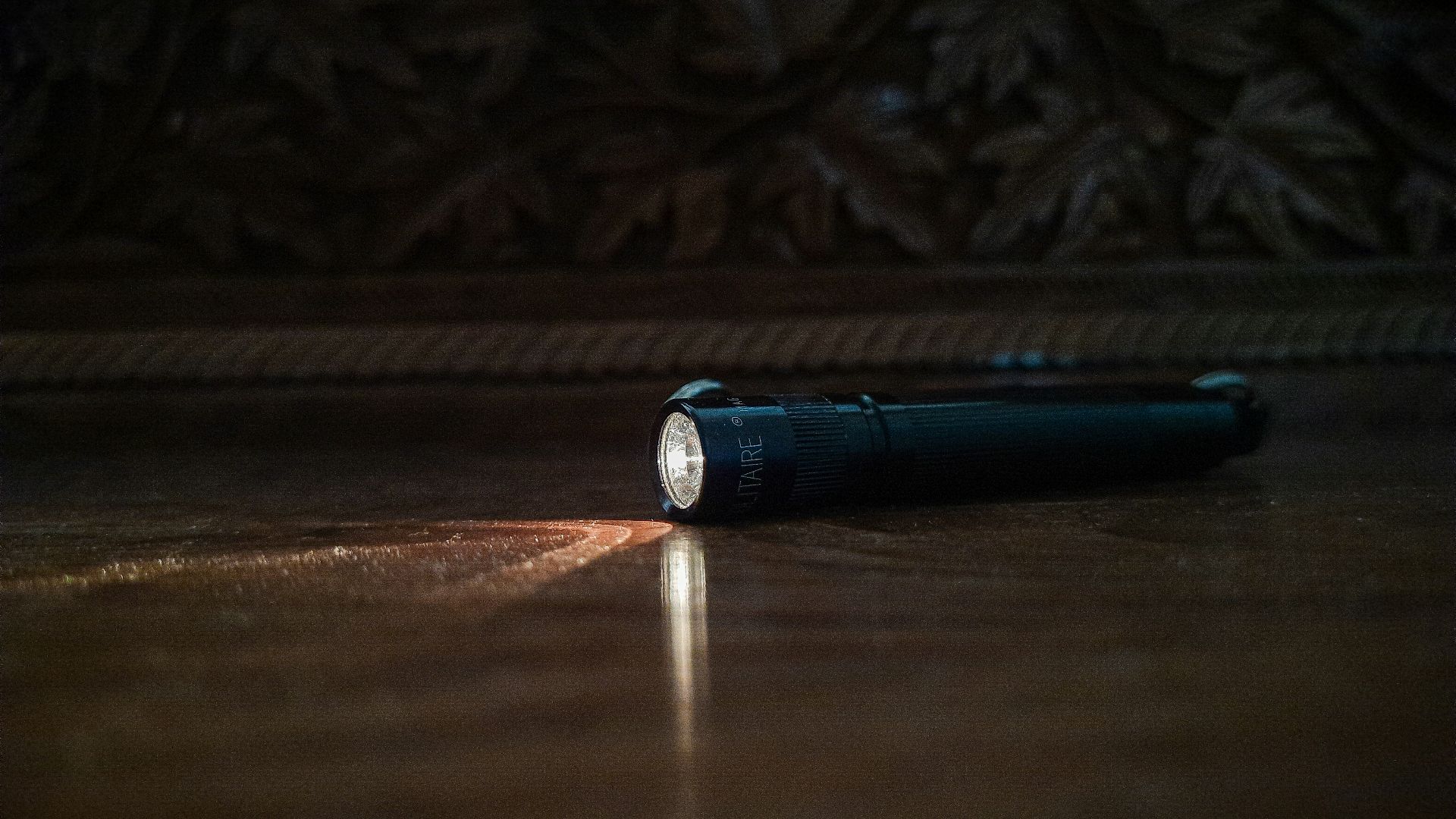
Exploring dark environments becomes much easier when your flashlight continues working throughout an entire adventure. Real flashlights depend on batteries or rechargeable power sources, both of which can eventually run out. During a prolonged emergency, you'd need spare batteries, charging options, or another dependable source of light to avoid getting stranded in darkness.
17. Assuming Every Infected Creature Behaves the Same Way
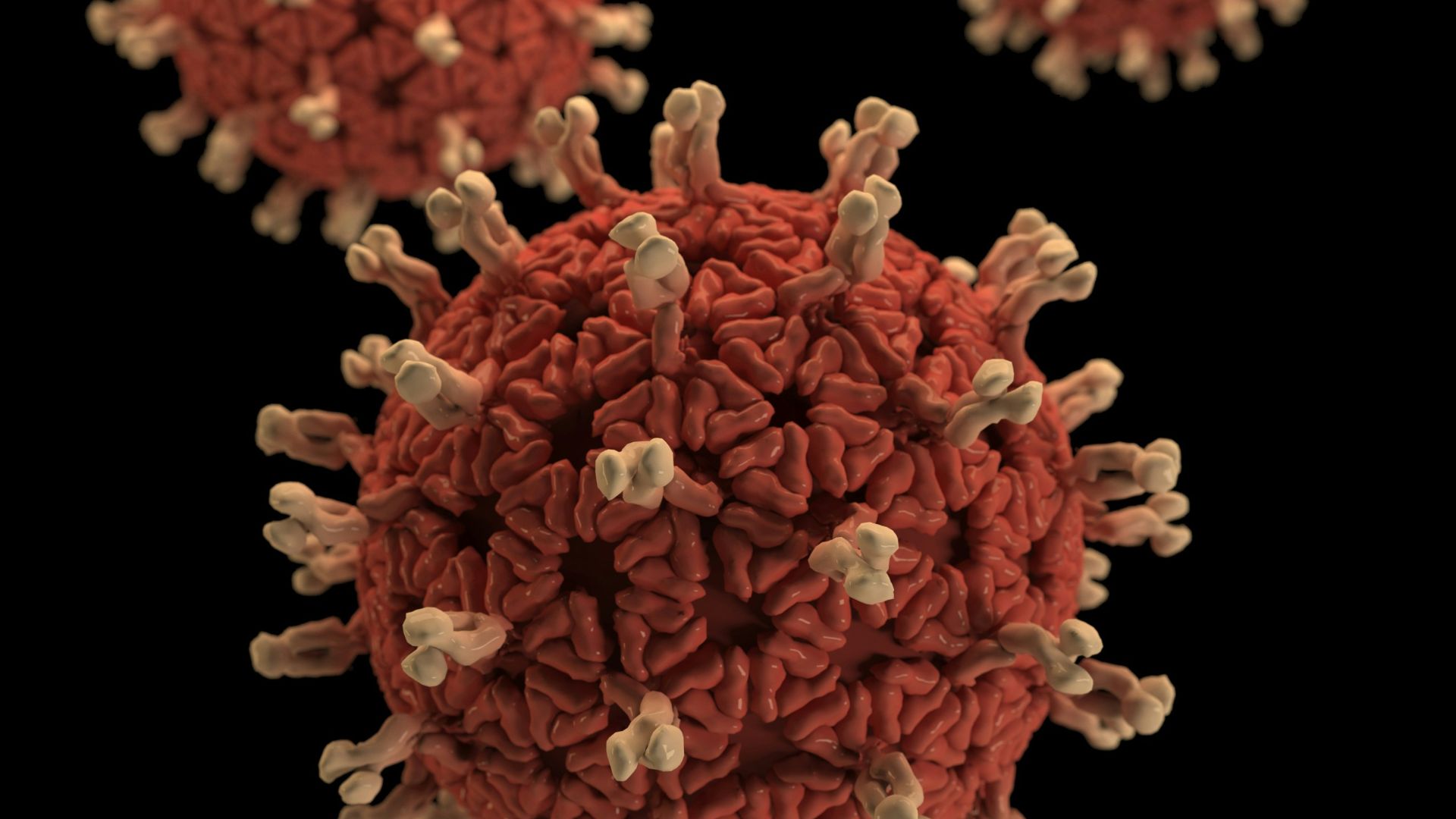
Basic zombies in Resident Evil often display predictable behavior, allowing experienced players to anticipate their movements. Actual infectious diseases can produce different symptoms depending on the pathogen, the individual, and the stage of illness. Since a real zombie outbreak remains fictional, there's no scientific reason to assume infected people would move slowly, chase sounds, or behave consistently.
18. Wearing Impractical Clothing During Dangerous Missions
Ada Wong has become famous for completing dangerous assignments while wearing outfits that aren't exactly designed for emergency survival. High heels, exposed skin, and restrictive clothing would create unnecessary problems when running across debris or climbing through damaged buildings. Sturdy footwear and protective clothing would offer considerably more practical benefits than looking fashionable during an outbreak.

19. Keeping Supplies in Magical Storage Boxes
One of Resident Evil's most convenient features is the ability to store equipment in one location and retrieve it from another connected item box. Unfortunately, real storage containers don't magically share their contents across different buildings. You'd need to physically transport essential supplies, making careful planning and deciding what to carry much more important.

20. Assuming Escaping the City Means You're Safe
Resident Evil often ends with survivors escaping an infected area, often shortly before something explodes behind them. However, leaving the immediate danger wouldn't necessarily eliminate the possibility of exposure, infection, or other health complications. Depending on the pathogen involved, survivors might still require medical evaluation, monitoring, or isolation to prevent further transmission. Getting out of Raccoon City would be an enormous achievement, but it wouldn't automatically mean your problems were over.
 Capcom France (Capcom Co., Ltd.) on Wikimedia