Small, Fast, Weird
The internet does not really move in big eras anymore. It moves in moods, small obsessions, and highly specific aesthetics that can take over your feed and disappear again in a matter of days. That is what makes micro-trends feel so fleeting: they are often too small to count as full cultural moments, but once you notice them, they seem to be everywhere. Some are visual, some are behavioral, and some are just familiar human impulses in updated form, like wanting to look effortless, distinctive, and slightly above the noise. Here are twenty internet micro-trends you are seeing everywhere, whether you have a name for them or not.
1. Anti-AI Texture
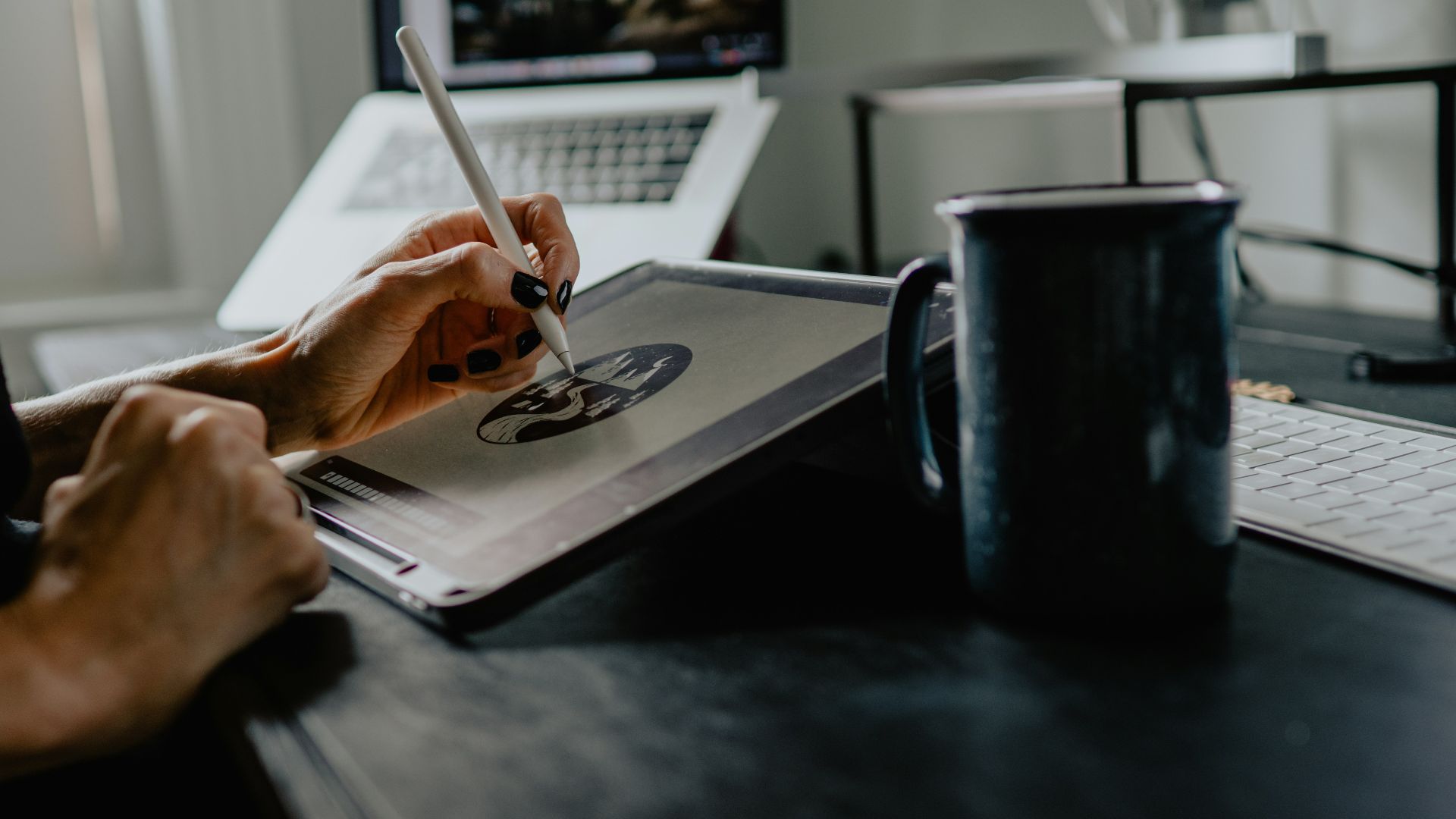
People are suddenly very attached to anything that looks obviously made by a human hand. You can see it in rougher editing, visible imperfections, handwriting, messier photography, and captions that sound like a person typed them without running them through a personality-flattening machine first.
2. Purposeful Over-Explaining
Captions, voice-overs, and comments have gotten more specific, more confessional, and a little more rambling on purpose. The polished one-liner is still around, but a lot of people now seem to trust content more when it sounds like somebody is talking a little too long at the kitchen counter.
3. Soft Luxury Without The Label
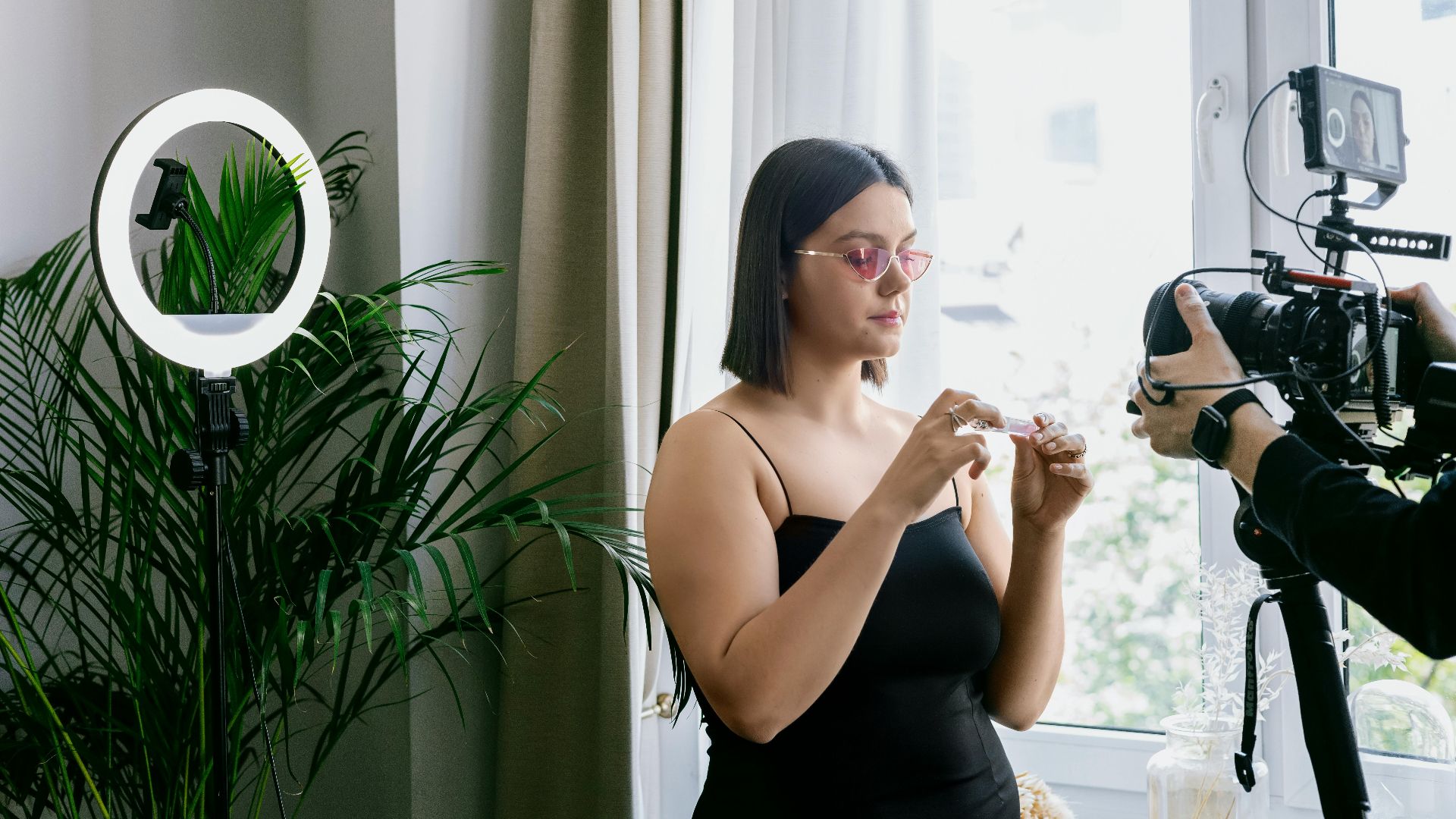
Quiet luxury never fully left, but now it shows up in smaller, more wearable ways that feel less boardroom and more everyday errand run. You see it in neutral outfits, expensive-looking basics, clean accessories, and the general internet fixation on looking put together without looking like you spent three hours building the illusion.
4. Tiny Glam Details
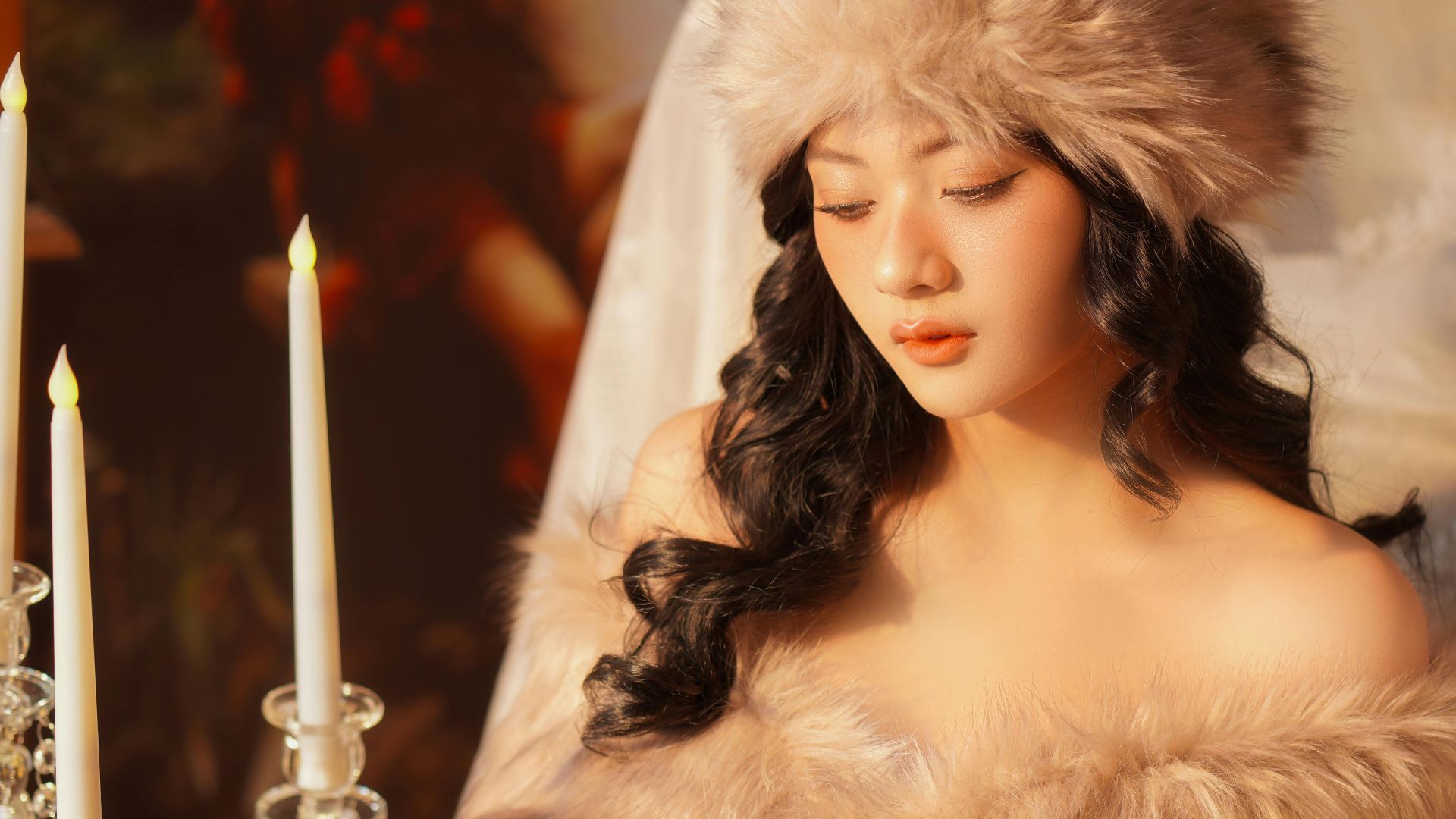
Big statement style is not always back in full, but little flashes of obvious prettiness absolutely are. Gem nails are one example, because they take a mostly simple look and add just enough sparkle to say you are not committed to minimalism in a moral way.
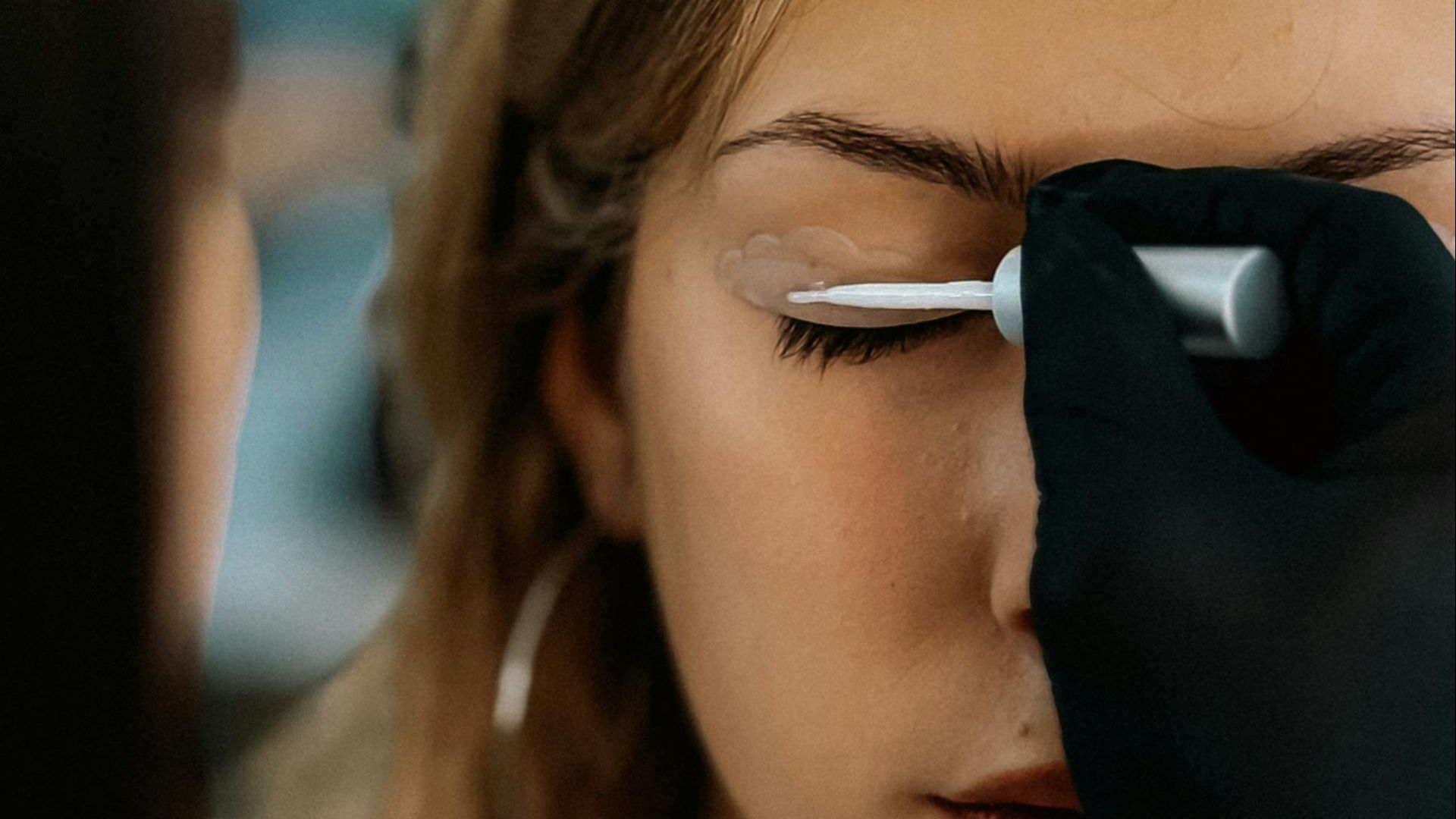
5. Blurred, Lived-In Makeup
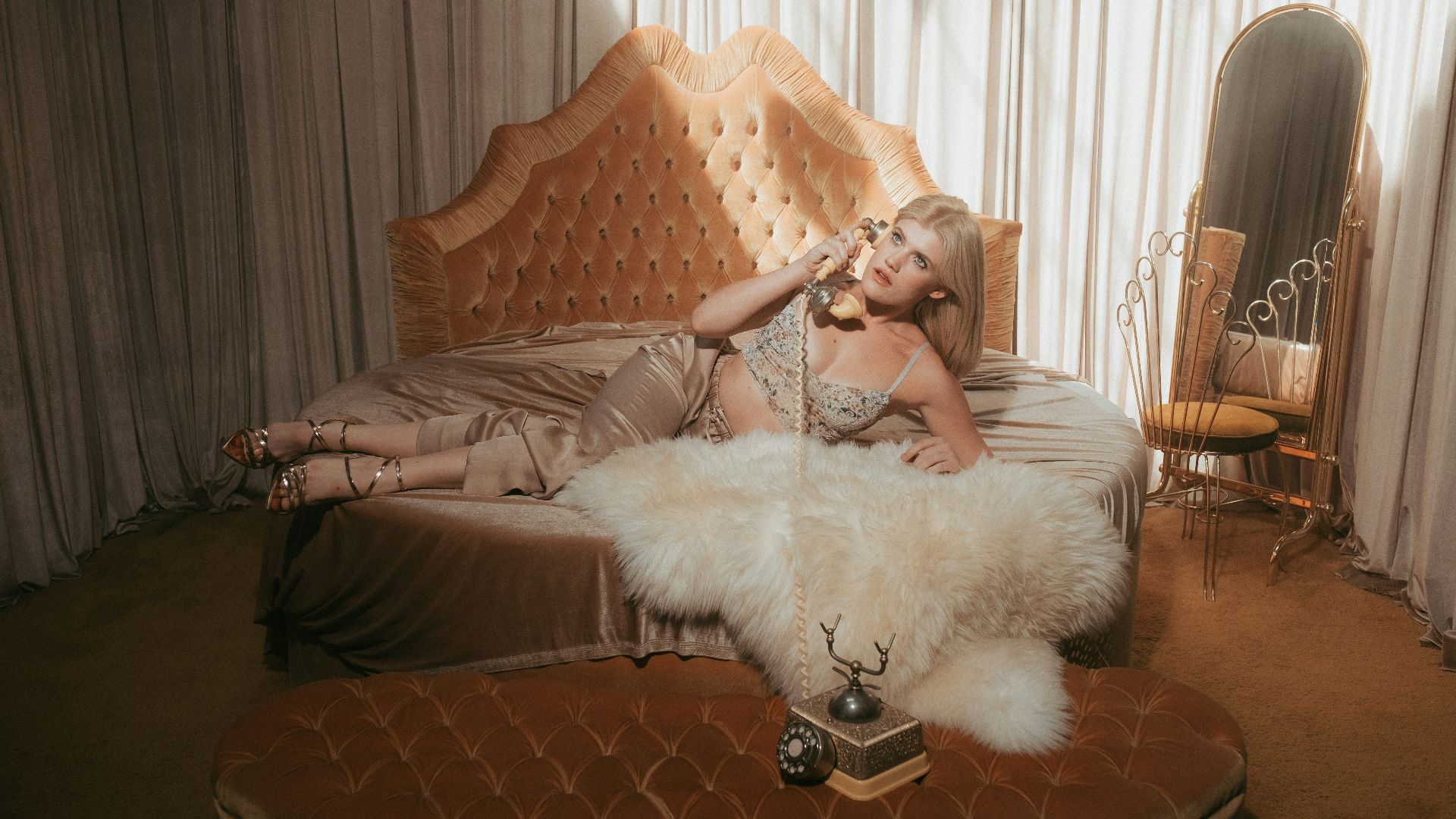
The face of the moment is less “perfectly done” and more “softly finished in flattering bathroom light.” Trends like ballet-slipper lips and diffused lip lines fit because they look gentle, a little nostalgic, and just undone enough to suggest you woke up looking better than you did.
6. Unserious Fitness
Not everybody wants to be filmed deadlifting in a warehouse gym lit like a superhero movie anymore. There is a visible swing toward walking content, cute workout sets, Pilates language, lighthearted wellness routines, and exercise framed less as punishment and more as something you do because being alive feels better when your body is not mad at you.
7. Hyper-Niche Taste Signaling
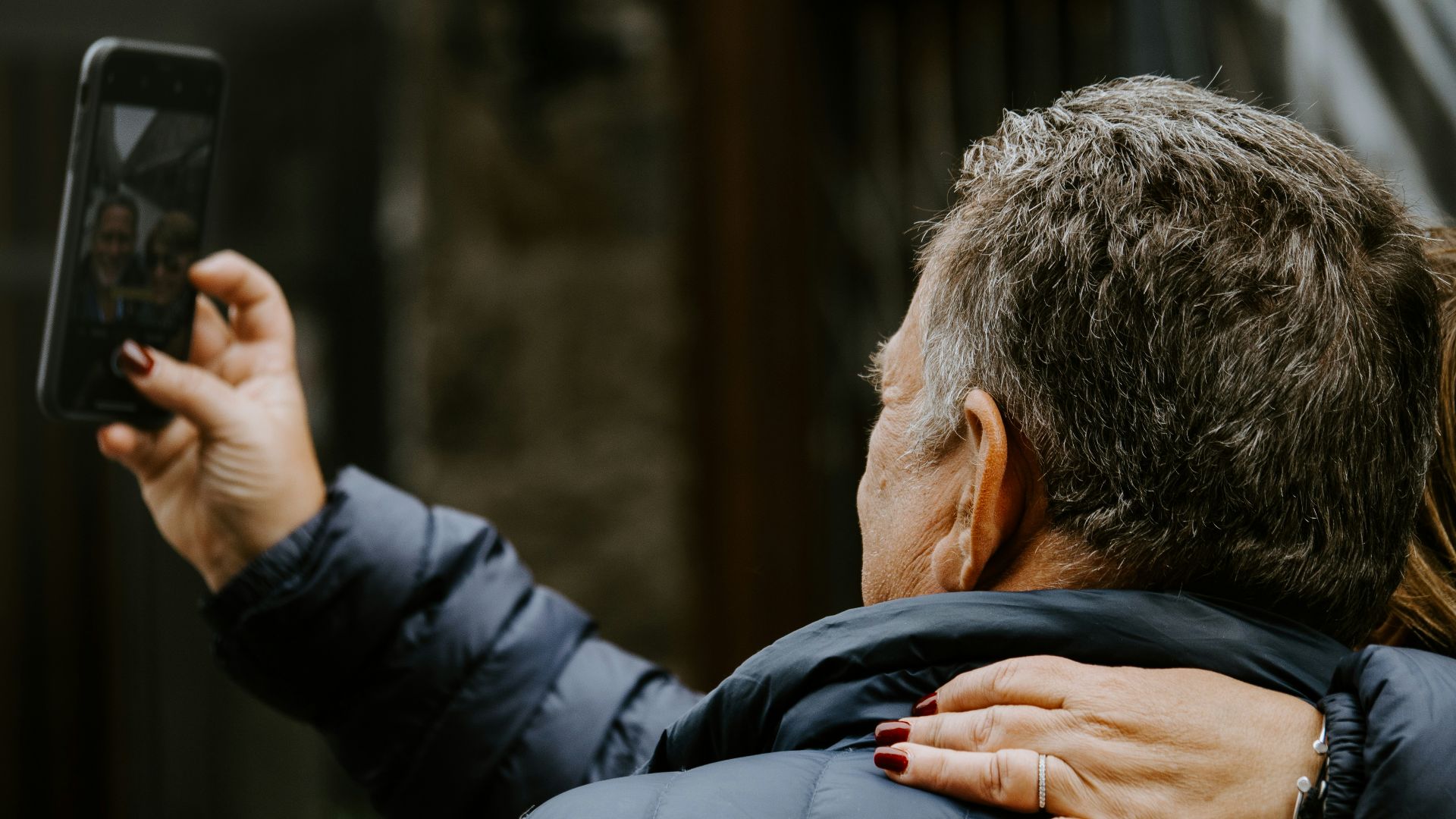
People are getting more specific about what they like, partly because broad taste does not buy you much online anymore. Liking music, movies, skincare, or fashion is not enough; now the internet wants the subcategory, the overlooked version, the tiny preference inside the preference, the thing that proves you are not just consuming but curating.
8. “Found” Home Aesthetic
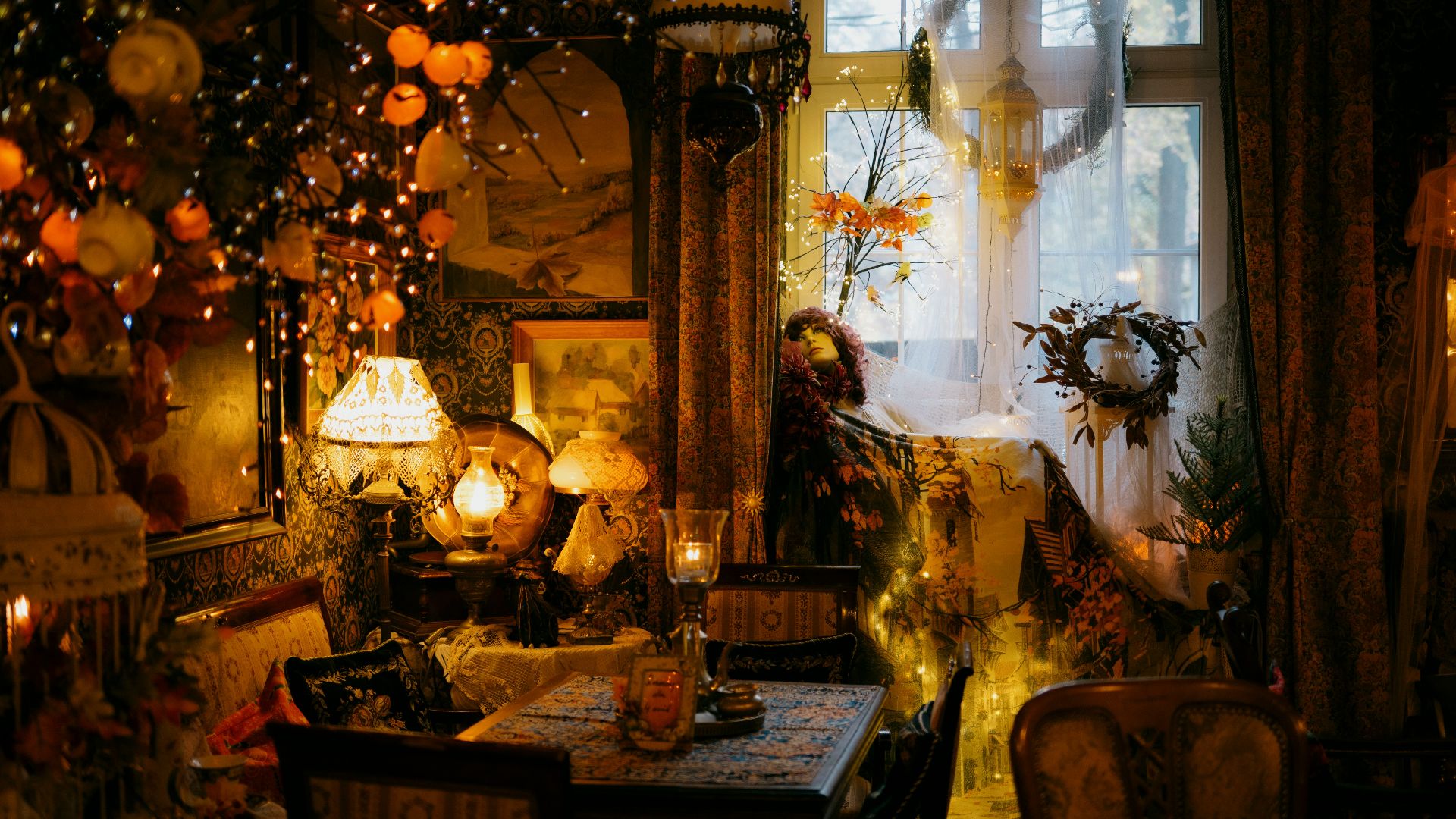
Rooms are looking less showroom and more accumulated, like they belong to someone who has lived there long enough to drag home odd lamps and slightly impractical side tables. The vibe is less perfect matching set, more “this ceramic bowl is weird, but it stays.”
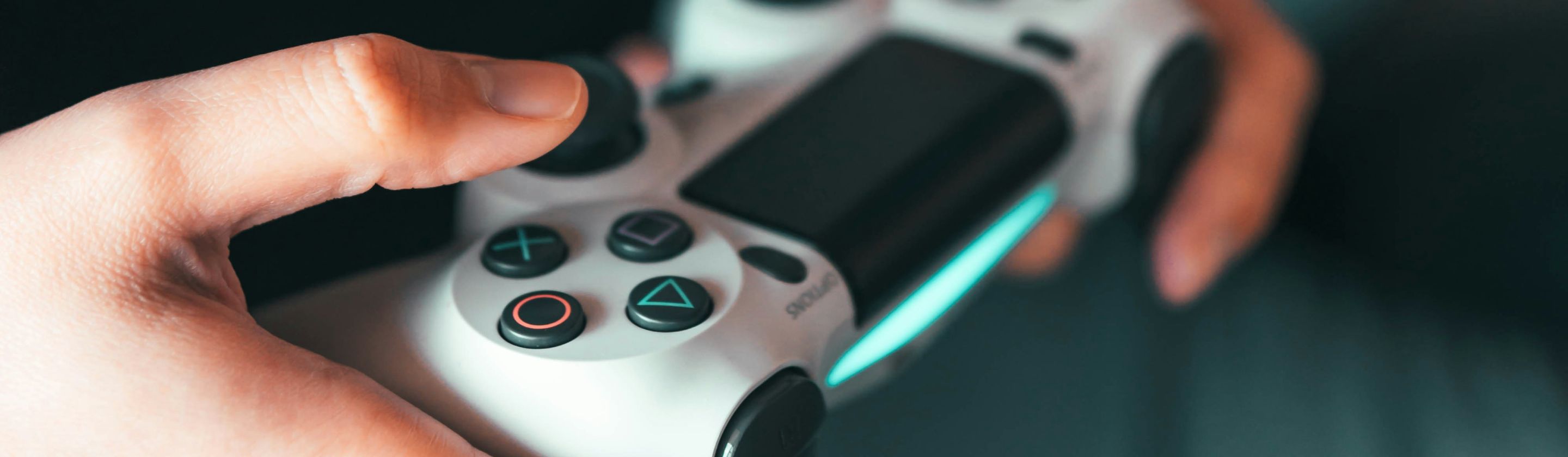
9. Cute Tech
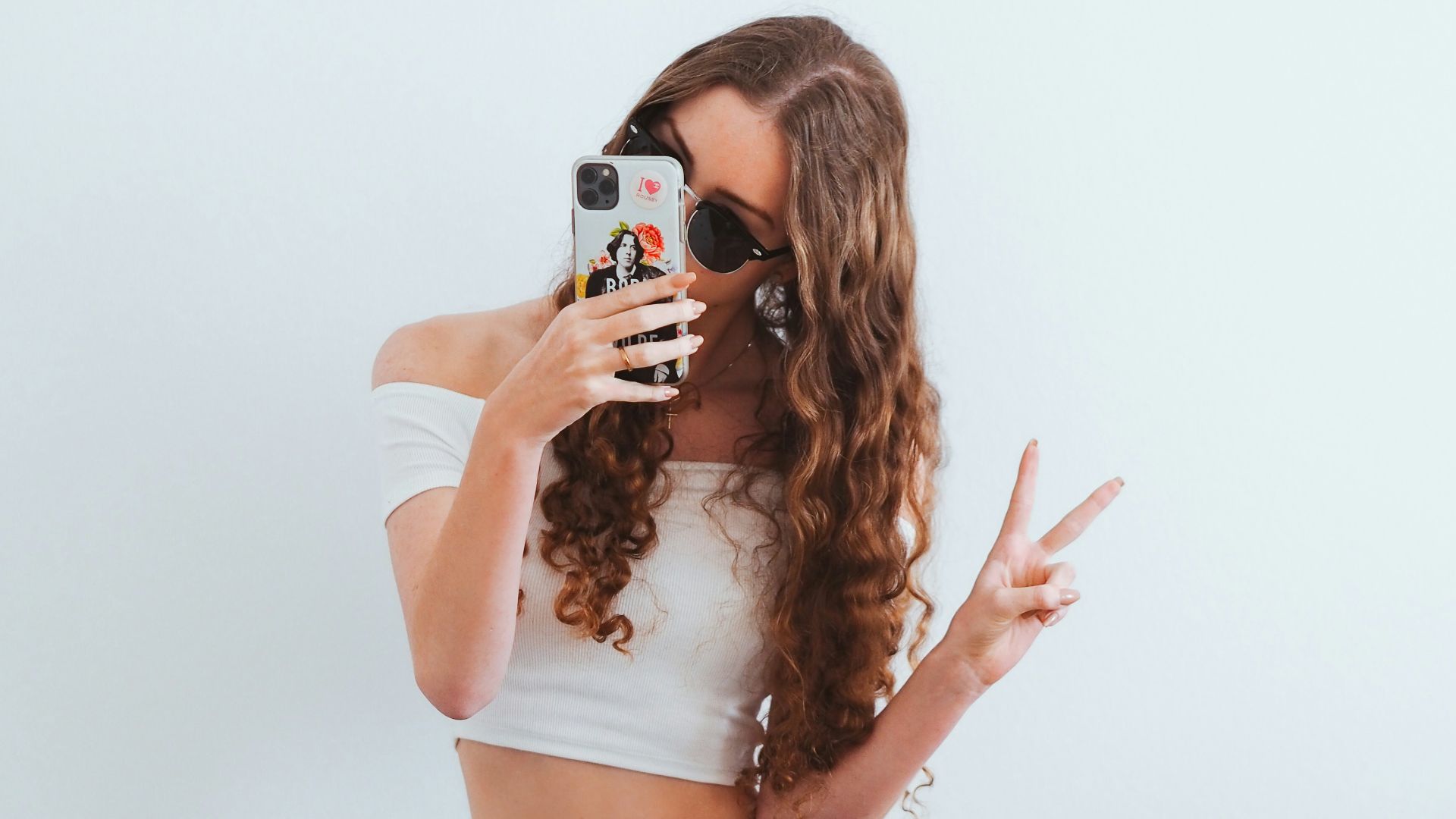
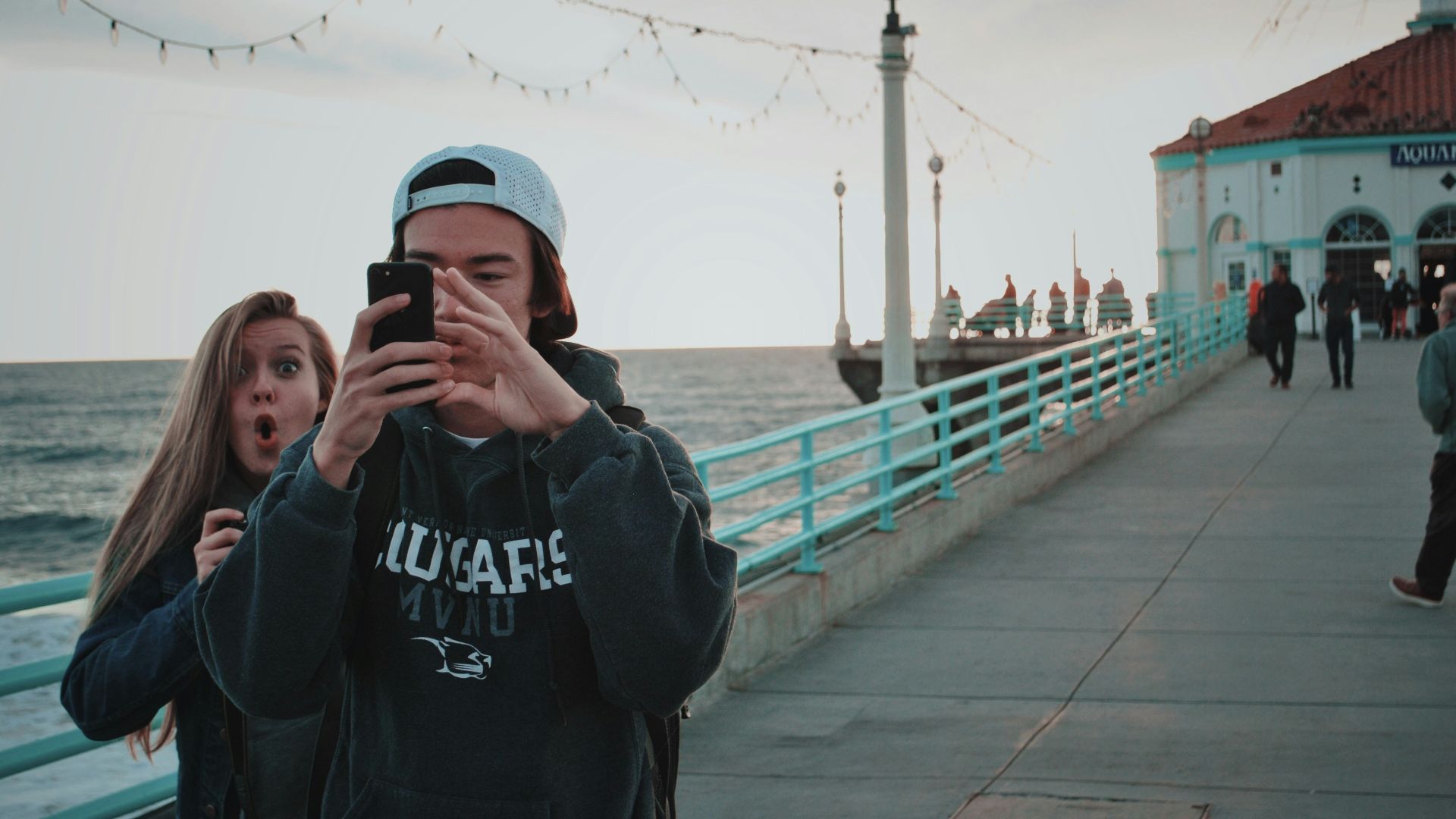
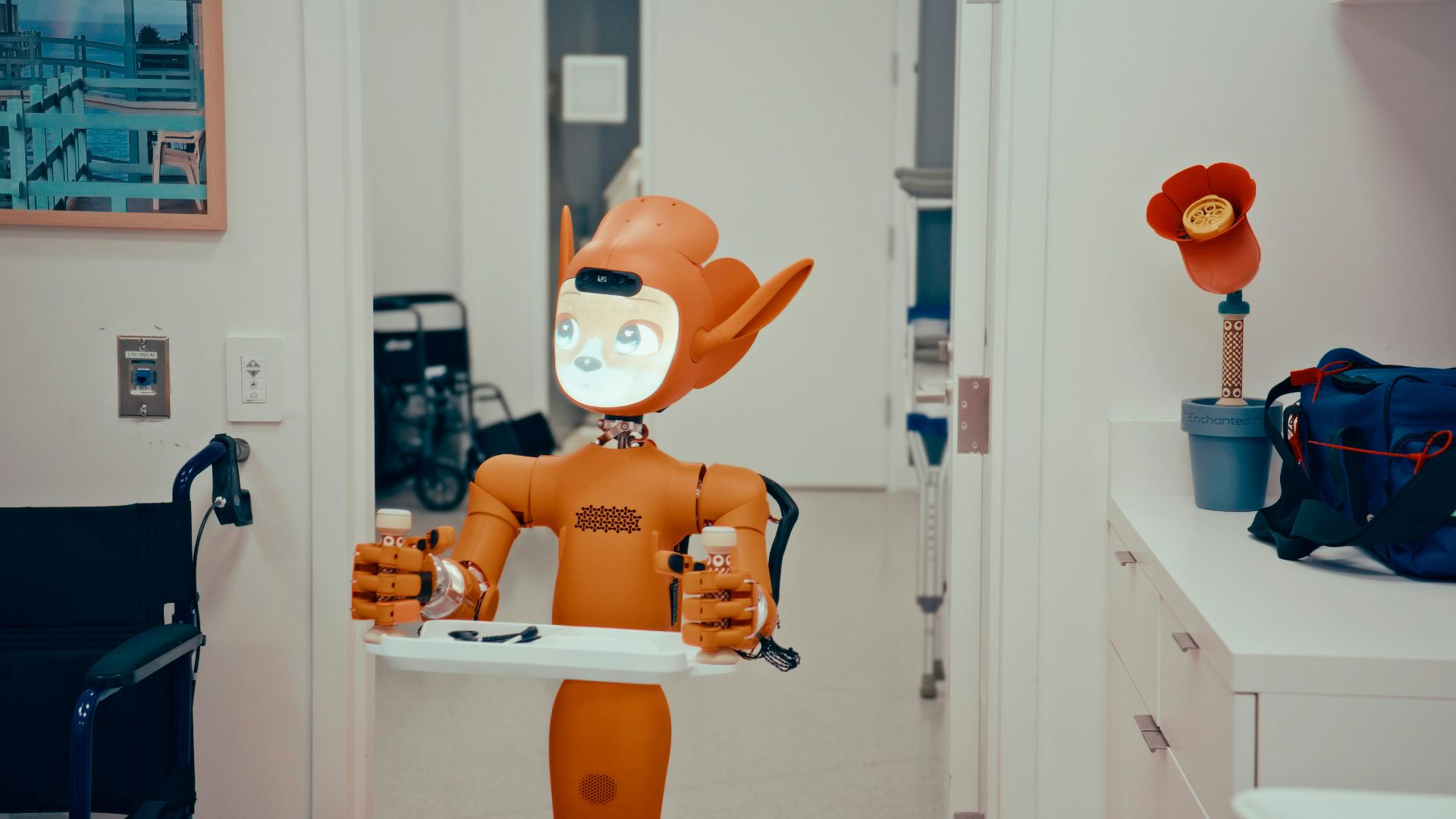
Tech is getting styled like an accessory again, not just a tool. Vogue has pointed to “cute tech” as part of the 2026 conversation, and you can feel that in the way devices, cases, wearables, and even utilitarian gadgets are being folded back into fashion and personal image.
10. Privacy Paranoia Content
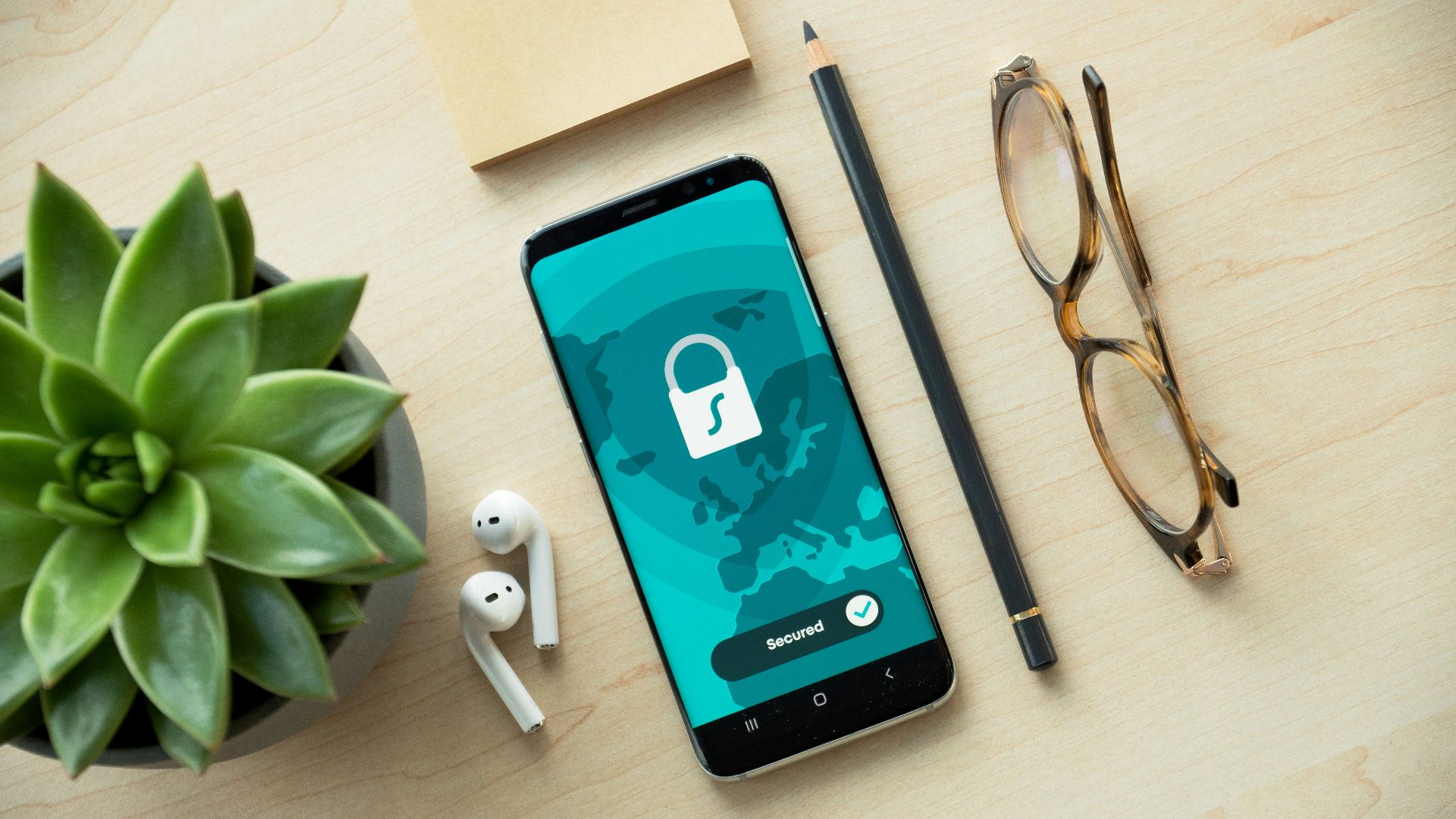
People are much more alert to being watched, recorded, scraped, or turned into content without permission. That anxiety has become its own genre online, especially around AI-enabled wearables and discreet recording devices, where the fear is not abstract anymore but social and immediate.
11. Sensorymaxxing
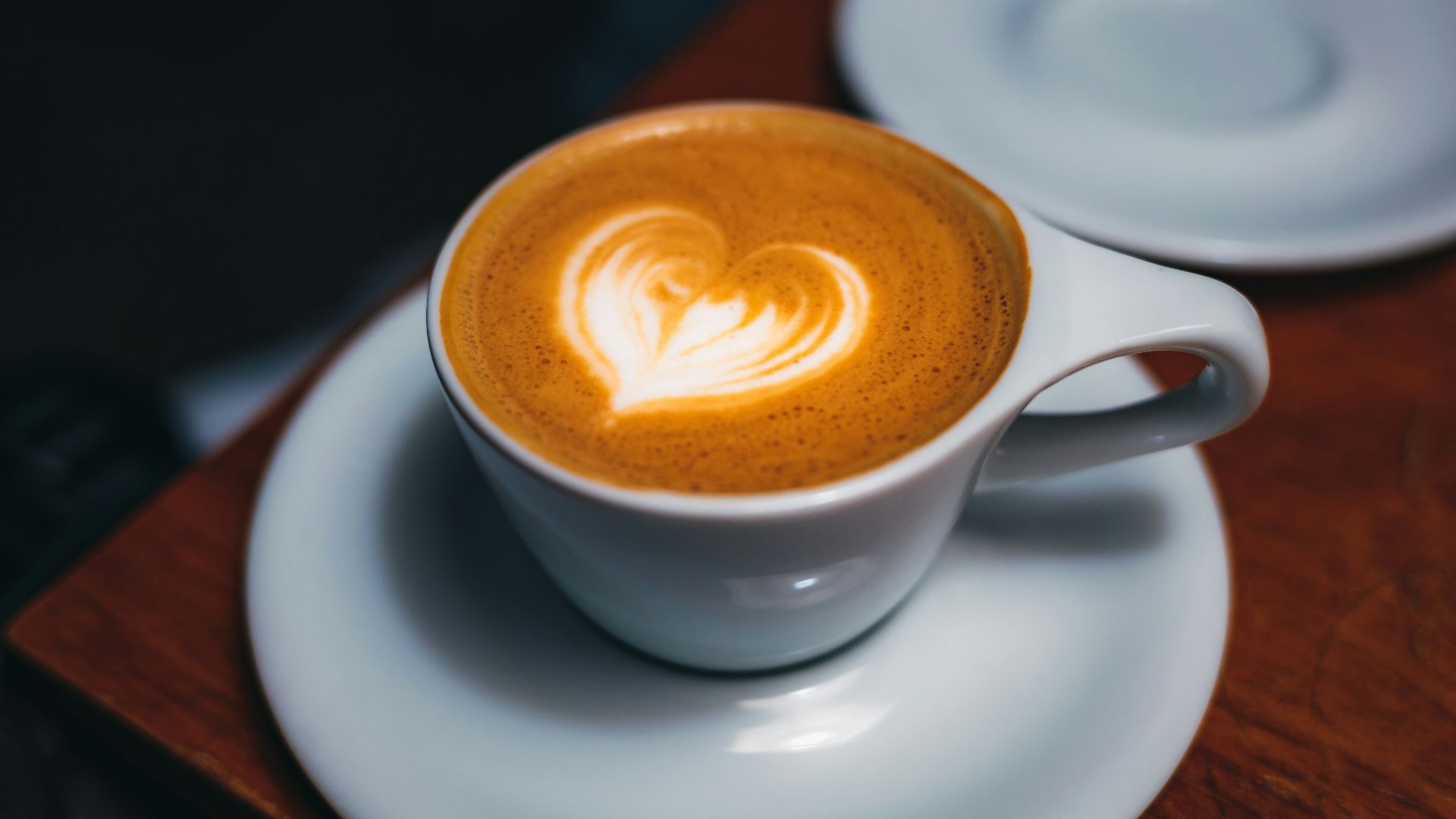
Everything has to feel richer now: the lighting, the fabric, the sound design, the café foam, the click of the nail against the cup. The word can be silly, but the impulse is real, especially in a digital environment where people are trying to create the feeling of texture and immersion through a screen.
12. Tiny Domestic Rituals
The internet is full of people acting like little household habits are sacred ceremonies, and honestly that tracks. Morning drinks, five-minute resets, bedtime routines, desk arrangements, and absurdly specific snack plates all offer the same promise, which is that life may be messy, but at least this one corner of it has a sequence.
13. Creator-as-Friend Energy
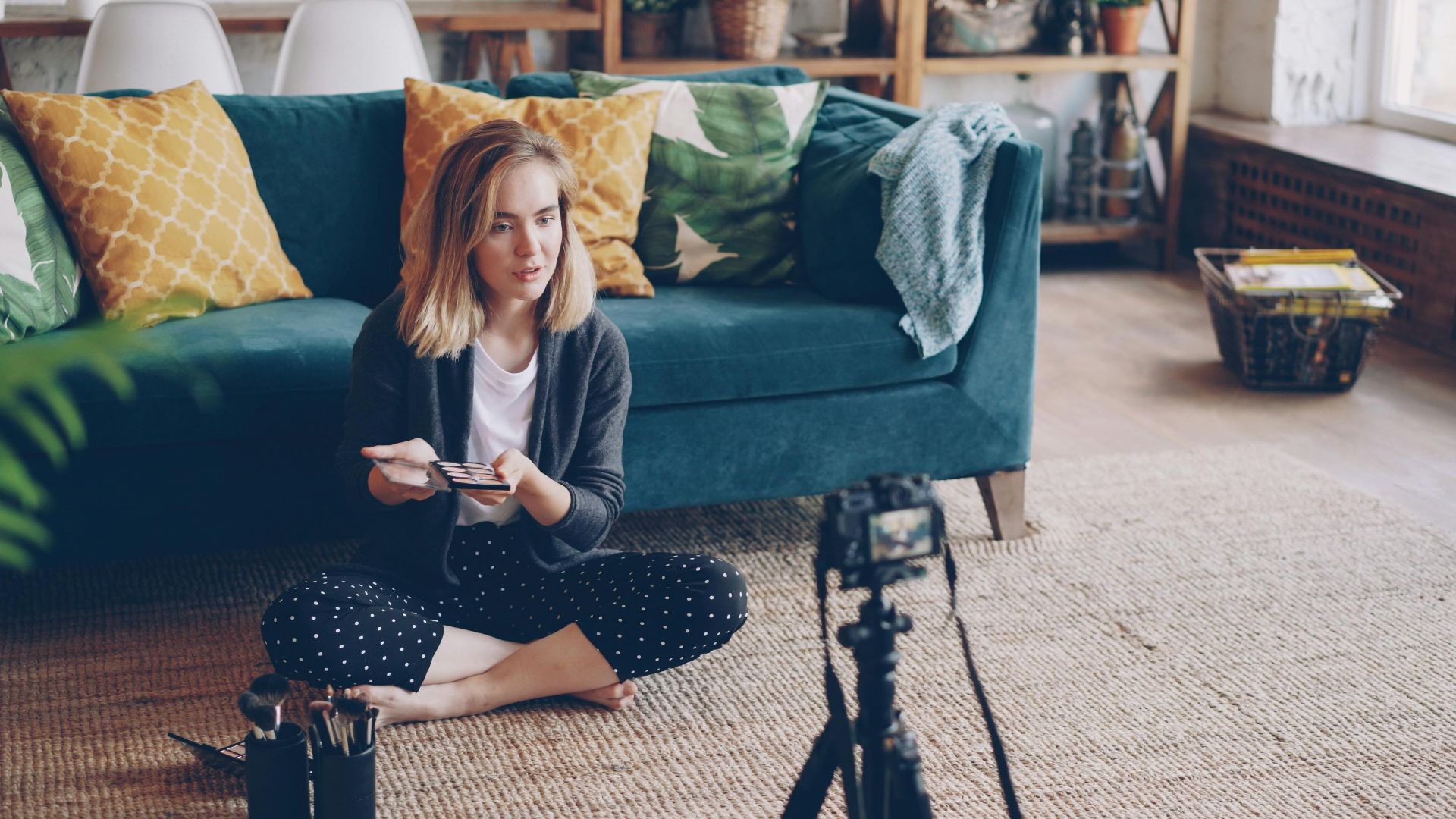
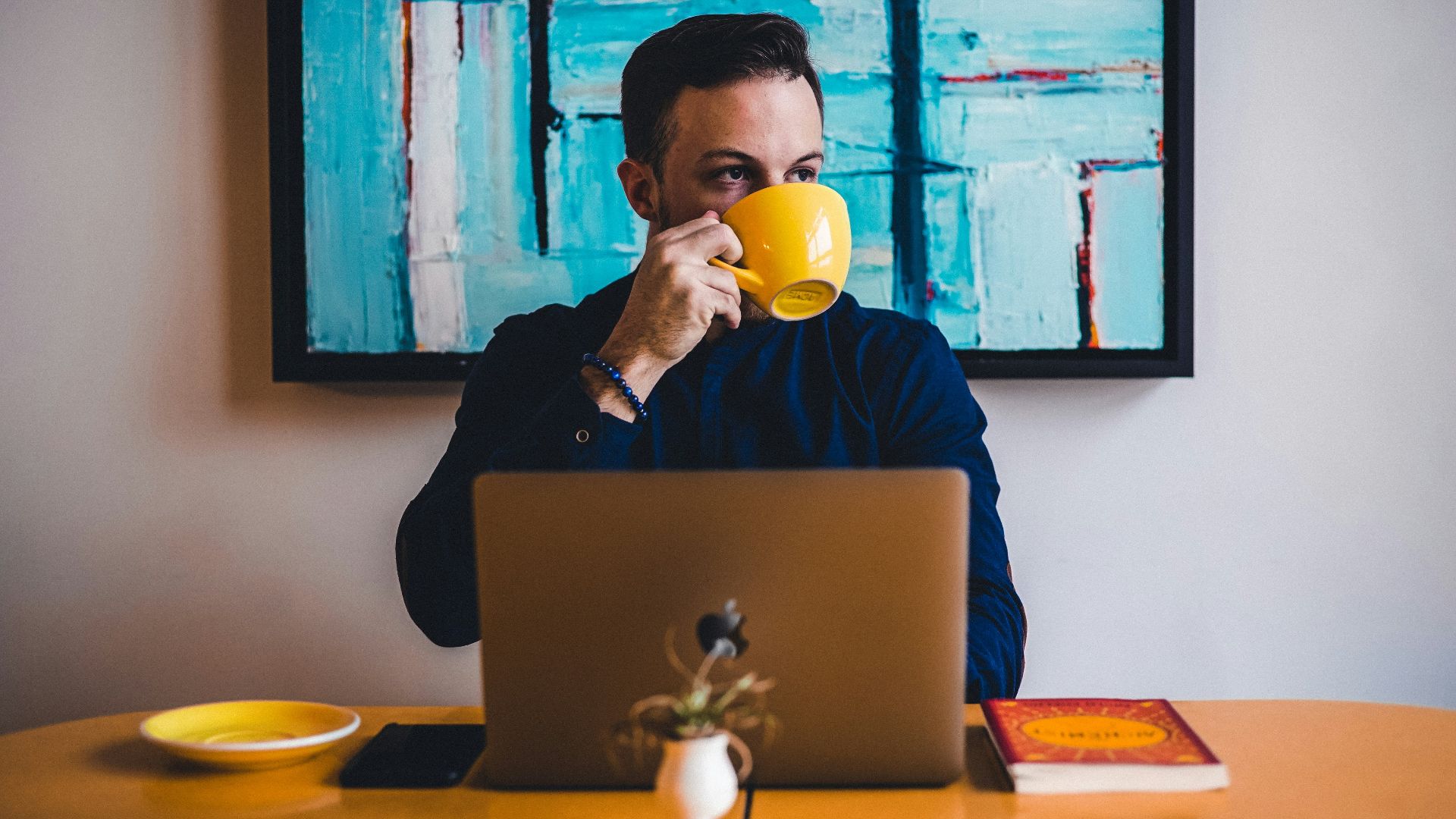
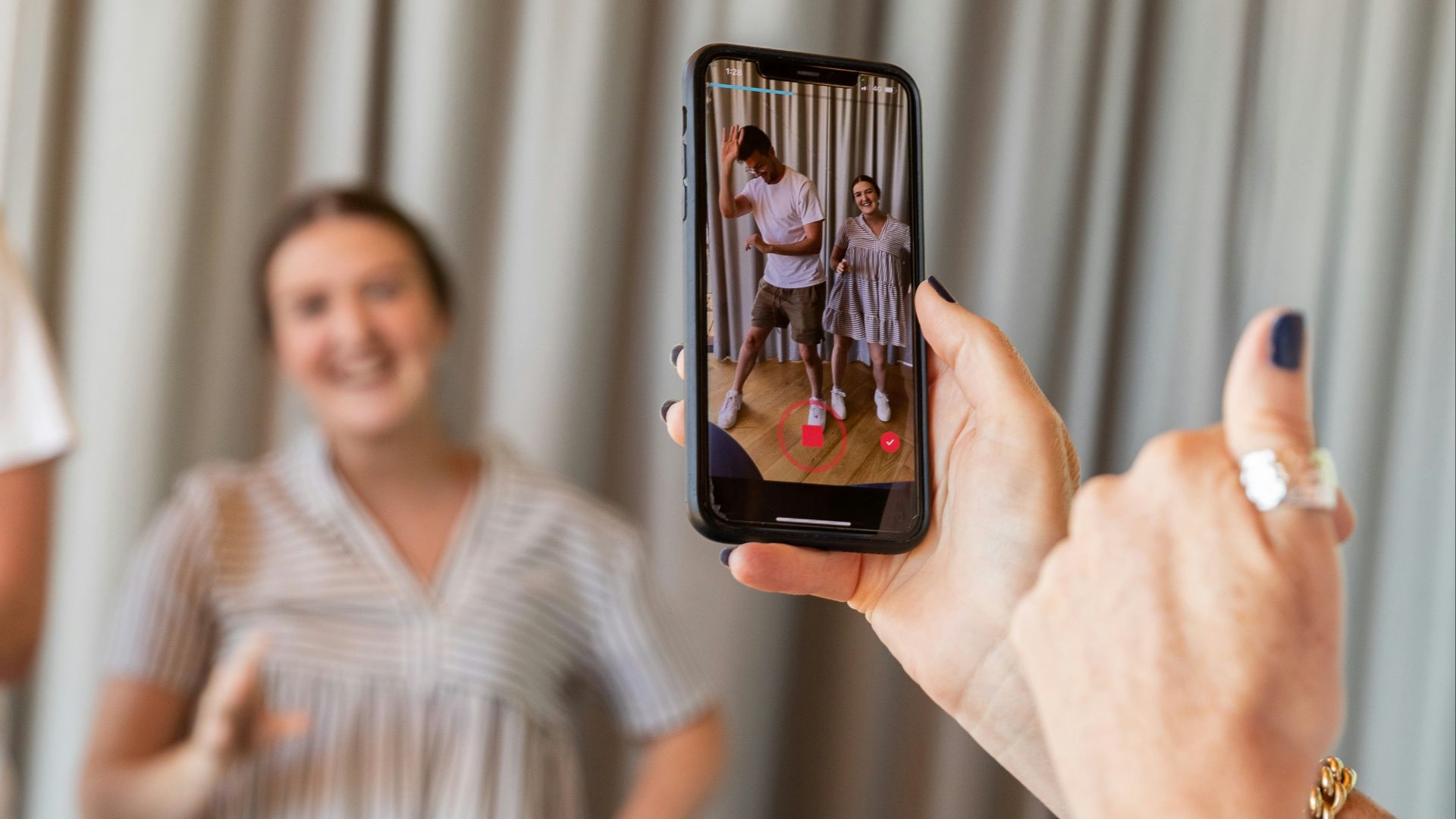
The polished influencer voice is giving way to something more conversational and less glossy. Even major brands are leaning harder on creators who feel personal and trusted, because audiences increasingly respond to specificity and familiarity over generic aspirational polish.
 S O C I A L . C U T on Unsplash
14. Long-Form As A Flex
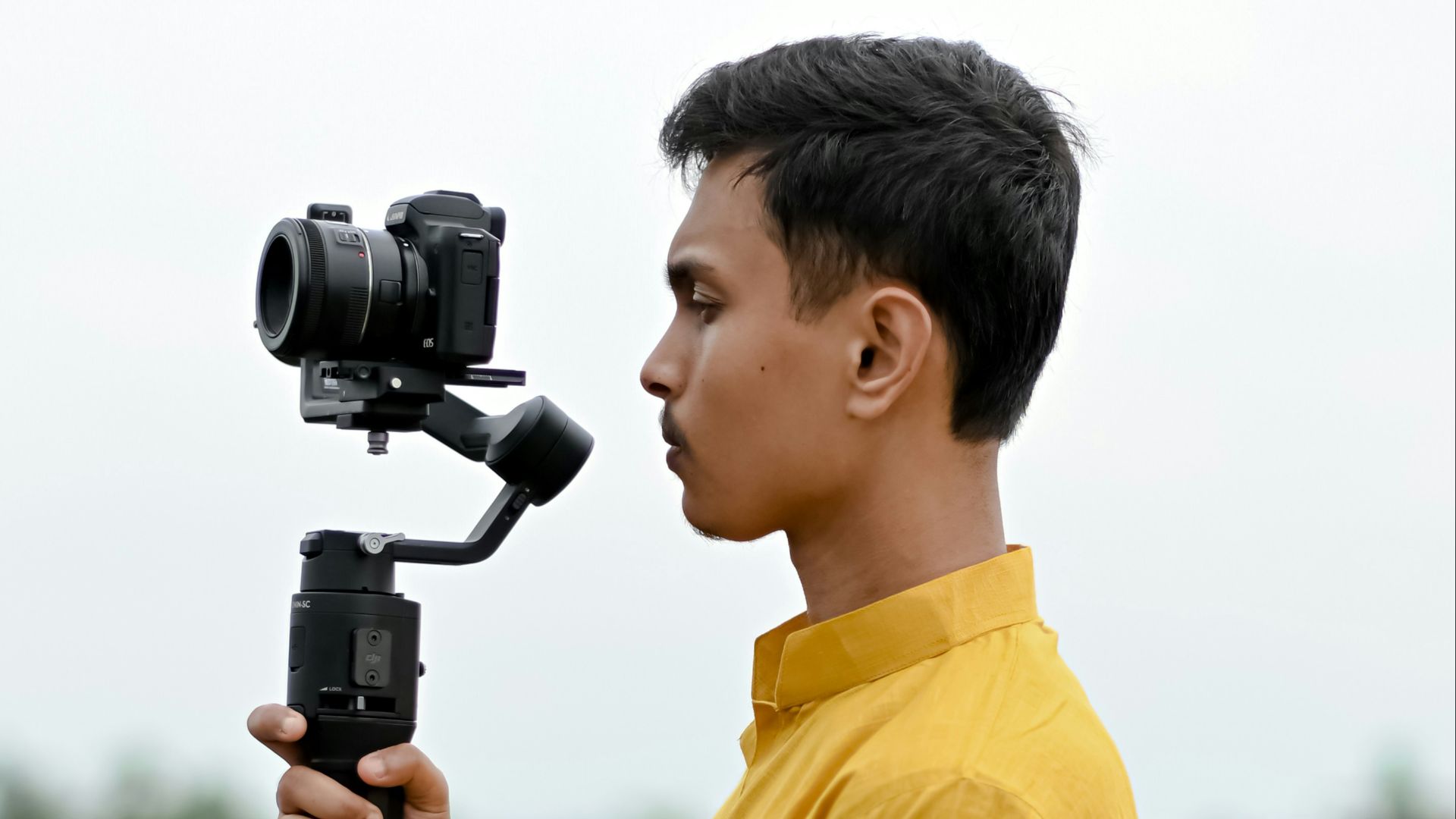
Short-form still rules attention, but there is also a noticeable return to longer videos, newsletters, essays, and voice-led storytelling. Part of the appeal is simple: in an internet full of chopped-up noise, taking your time now reads as confidence.
15. Chaos With A Point
A lot of current internet humor looks deliberately sloppy, overstimulating, or barely held together, but not in the old random-internet way. Hootsuite has called out “chaos culture,” and that feels right, because the tone now is less pure mess and more self-aware performance of mess.

16. Review Culture As Identity
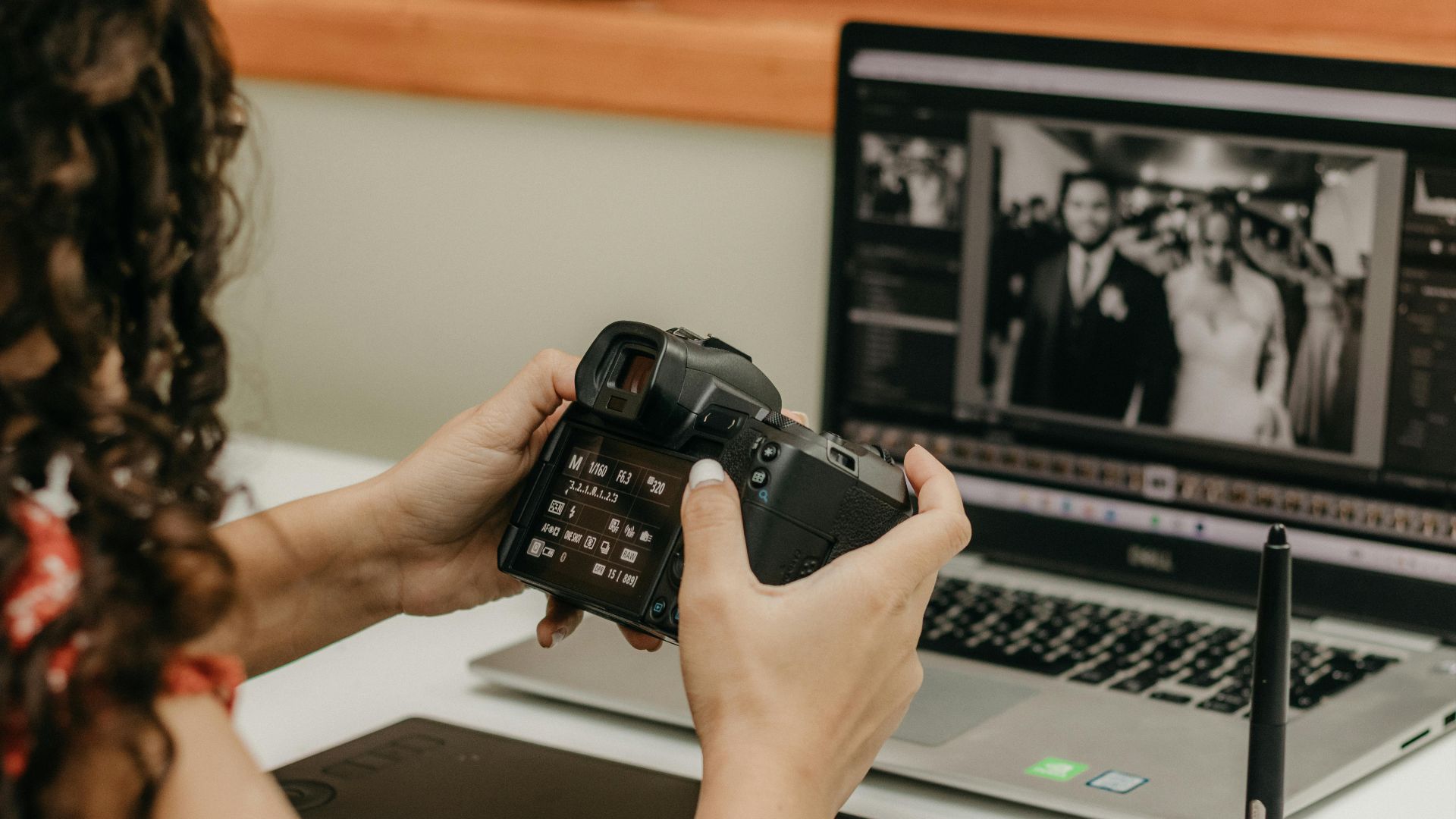
People do not just want recommendations anymore; they want ranking systems, judgment, receipts, and explanations. Reviews have become a form of personality online, which is why “things I would never buy again,” “products actually worth it,” and oddly intense side-by-side comparisons keep spreading so fast.
17. Snowballing Trends
One tiny post becomes a format, then a reaction format, then a parody, then a backlash, all before you have finished lunch. Social strategy reports are already talking about this accelerated pile-on effect, and you can feel it every time the same joke mutates across five platforms in forty-eight hours.
18. Superfandom In Smaller Doses
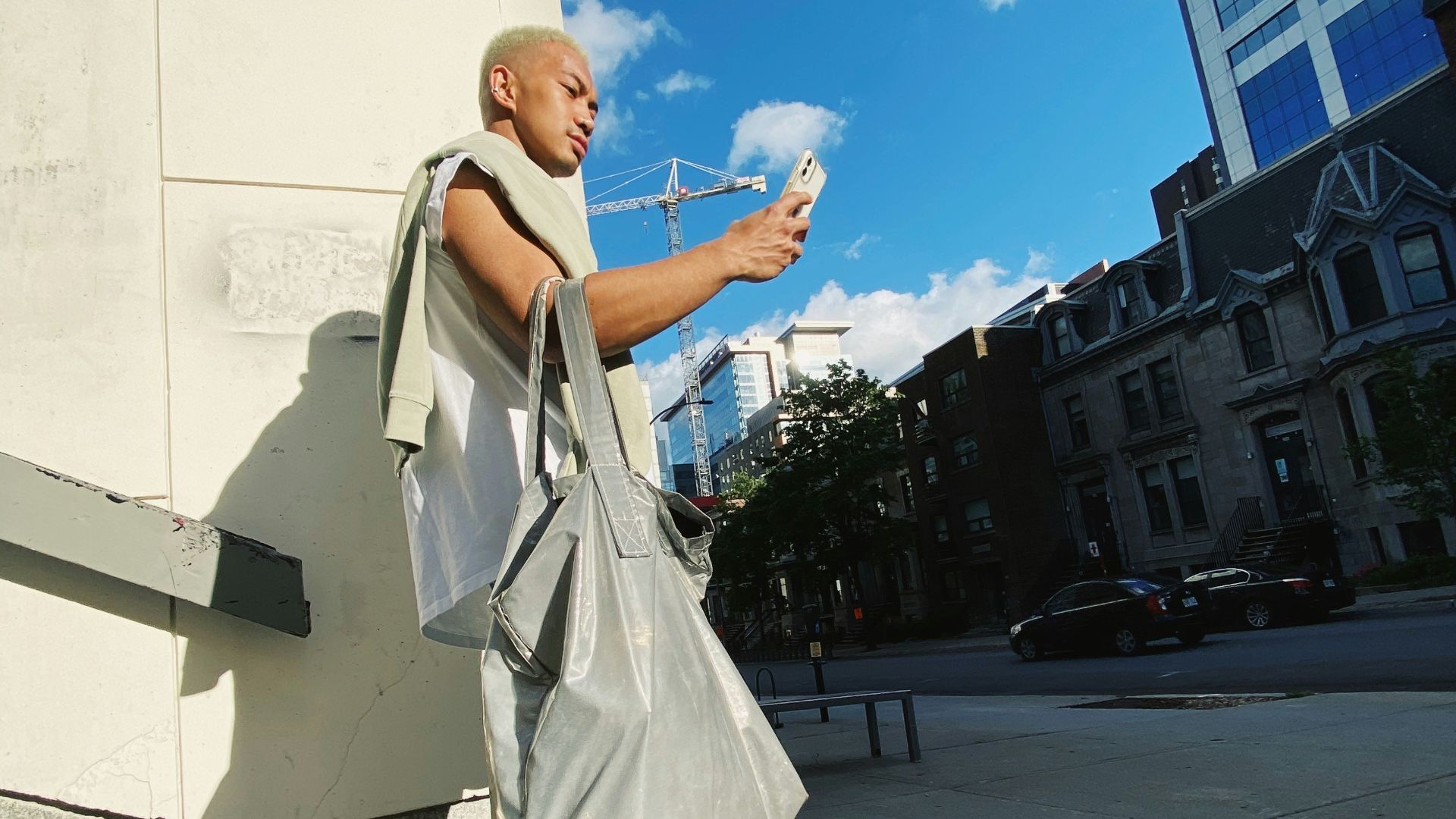
People still go all in, but now it often happens around highly specific creators, shows, niches, or even product categories instead of only giant pop stars. That intensity is still fandom, just broken into smaller, faster, more online-native clusters.
19. Low-Key Gatekeeping
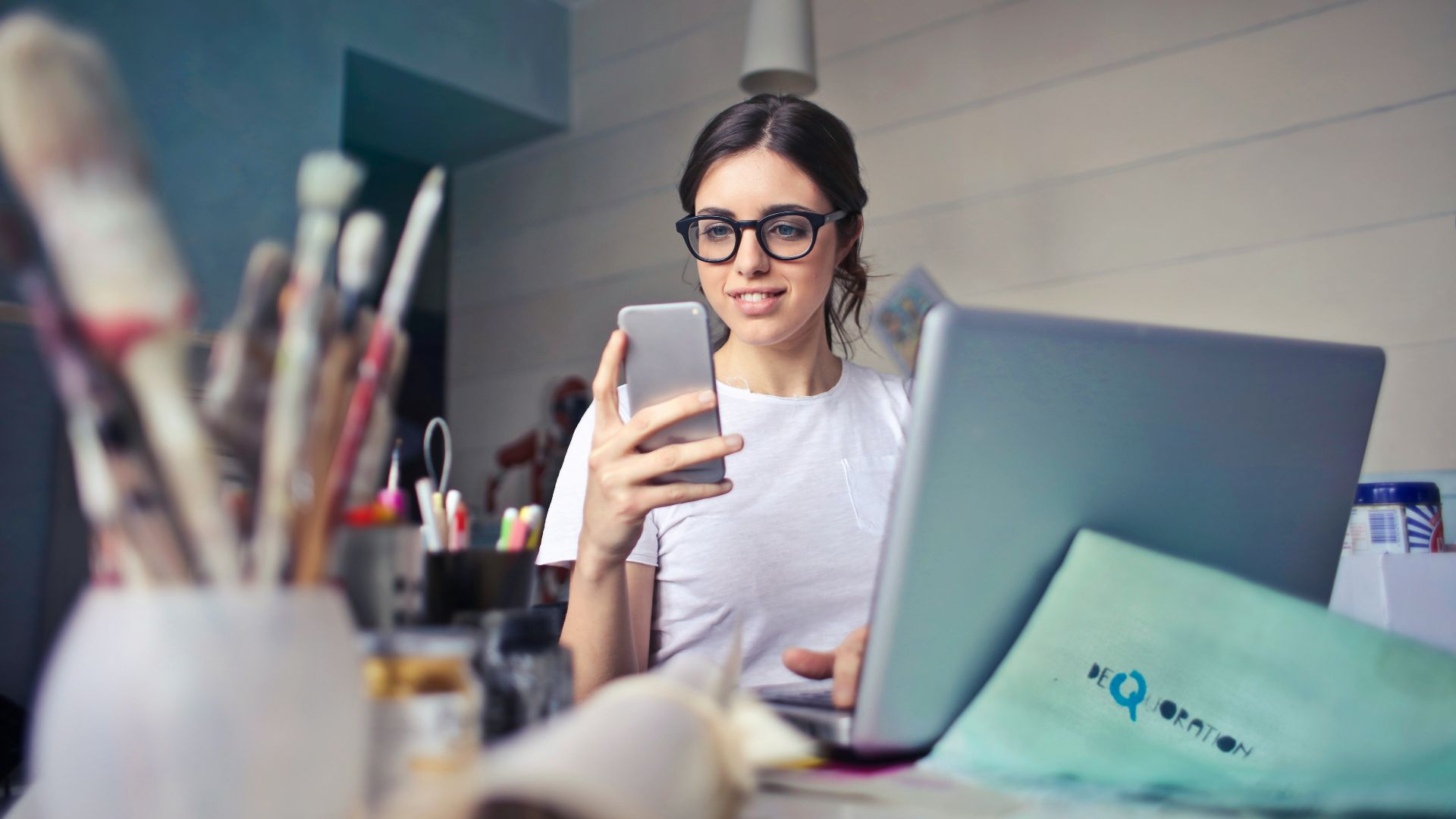
The internet still loves sharing, but it also loves acting like the good stuff should stay a little hidden. You can see it in vague captions, coded references, and the whole performance of wanting to reveal a favorite place, product, or style while also implying that not everybody should get access to it.
20. Effort Disguised As Ease
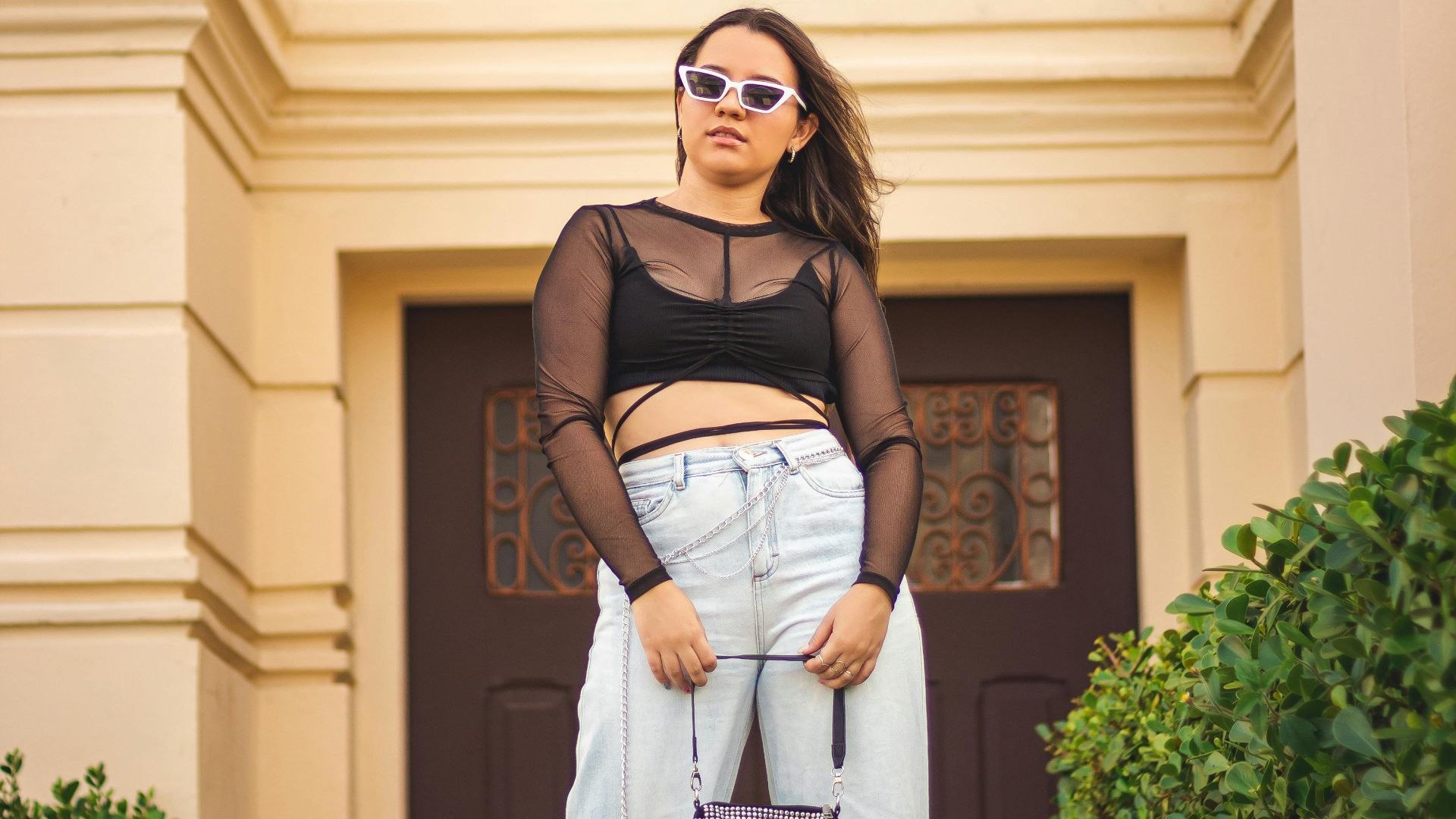
This is the real umbrella trend under half the others. Whether it is an outfit, a room, a beauty look, a meal, or a creator persona, the winning aesthetic right now is still one that looks natural, relaxed, and lightly accidental, while clearly being arranged with an almost professional level of care.