Here Today, Patched Out Tomorrow
The gaming industry loves chasing whatever just worked somewhere else, and that instinct has produced some genuinely strange stretches of hype over the decades. A format or gimmick shows up, every publisher piles in at once, and then the whole thing quietly disappears a year or two later once the numbers come back. Some of these trends left a real mark on how games get made, and some barely survived long enough to get a proper sequel. Looking back at the timeline, it's remarkable how often the whole industry sprinted in the same direction only to turn around almost as fast. Here's 20 gaming trends that burned bright and faded before anyone really settled in.
1. Full-Motion Video Games
In the early 1990s, CD-ROM technology let developers cram live-action video into games, and the industry briefly bet filmed actors would replace pixel art. Night Trap and Sewer Shark got made because the format existed, not because the gameplay underneath was any good. Within a few years, better 3D graphics made it look dated, and it quietly disappeared from mainstream releases.
2. Zynga-Style Facebook Social Games
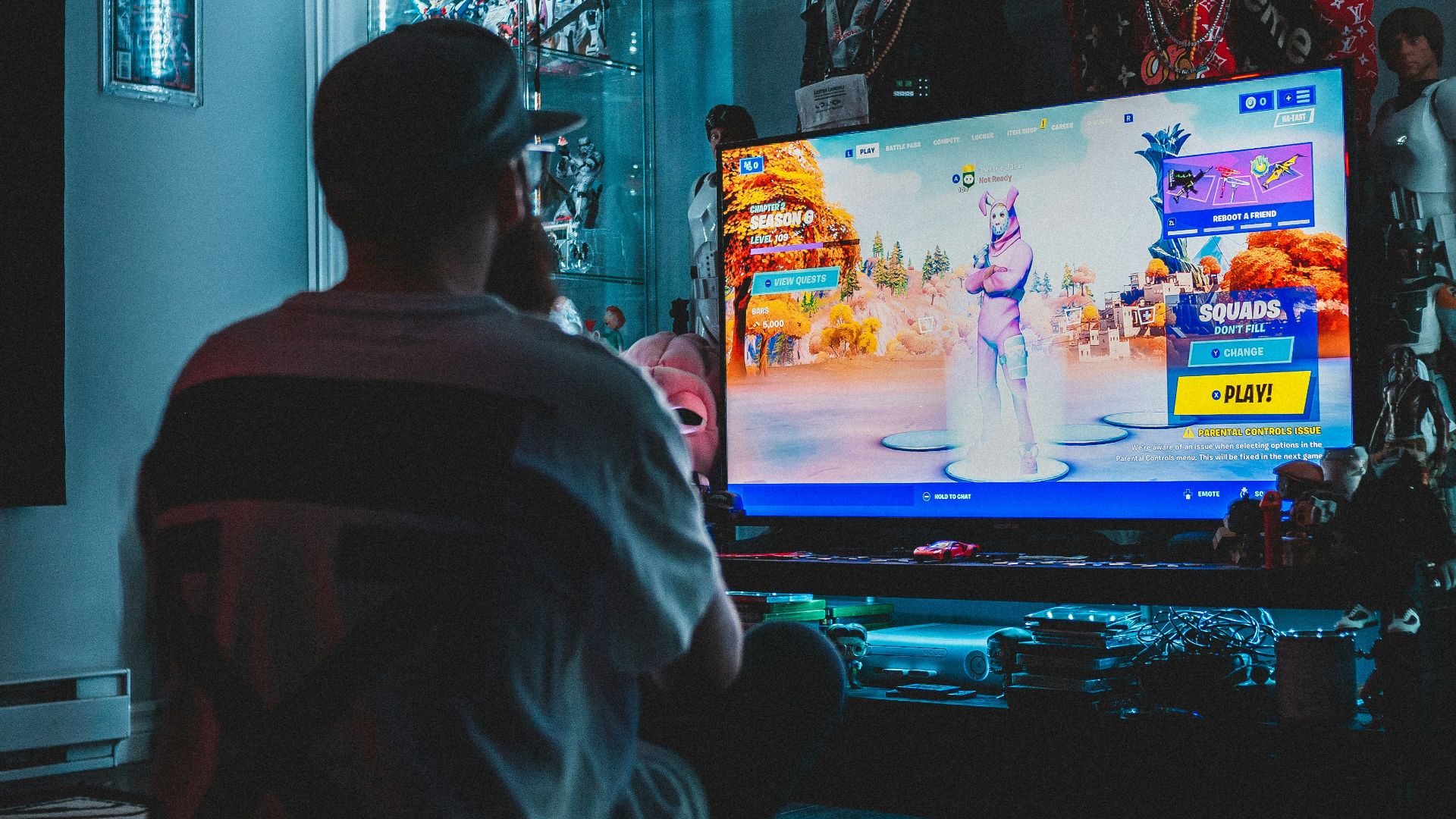
FarmVille and its imitators exploded on Facebook around 2009, built around timers, notifications, and nudging friends to help with virtual crops. For a couple of years it looked like social games might dominate gaming entirely, with Zynga's valuation climbing into the billions. Facebook's platform changes and shifting habits gutted the genre within a few years, and most studios pivoted or shut down.
3. Guitar Hero And Rock Band's Plastic Instrument Boom
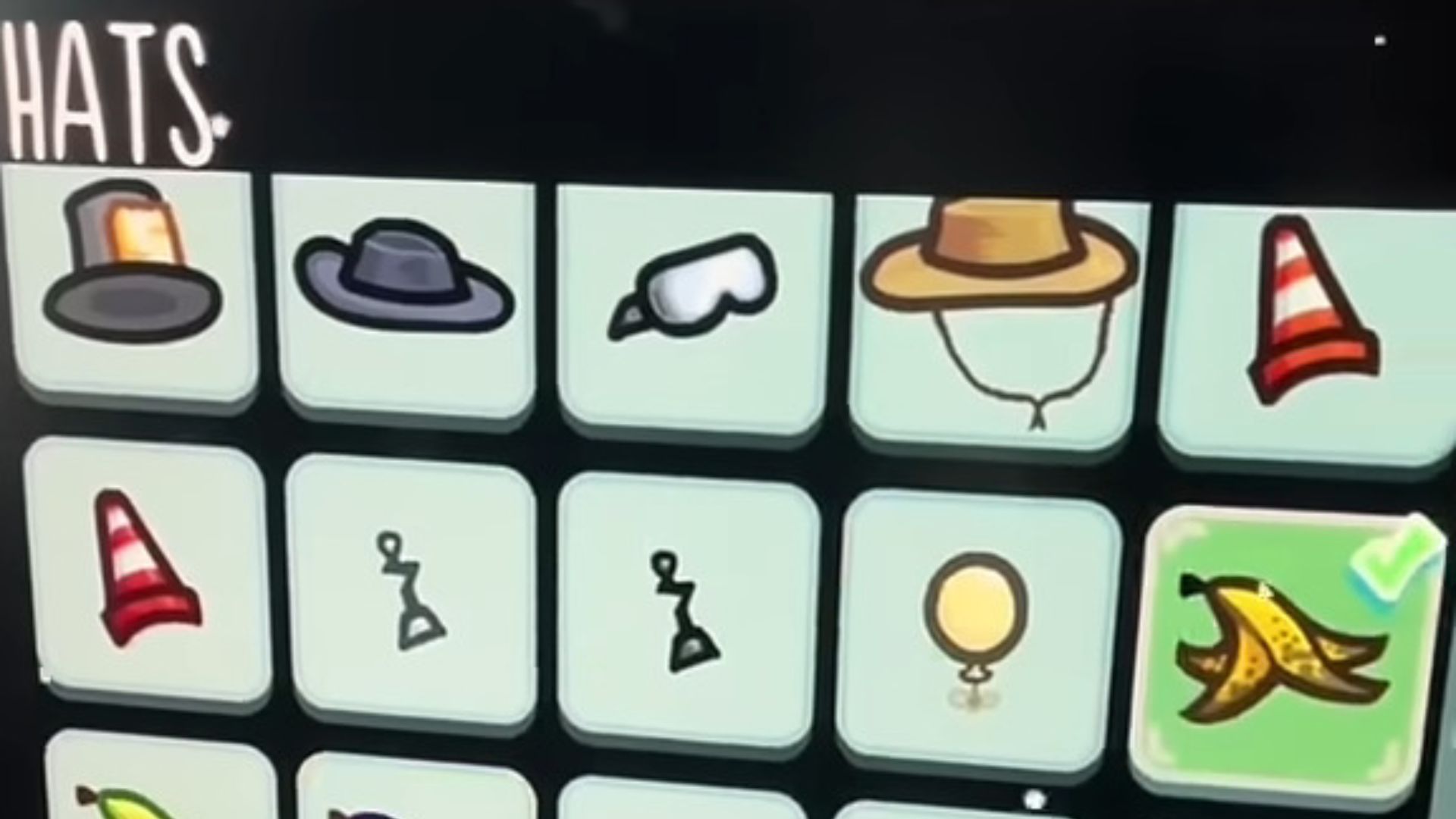
Plastic guitars and drum kits took over living rooms between 2007 and 2009, with the genre generating over a billion dollars in a single year at its peak. Publishers oversaturated the market almost immediately, releasing new entries multiple times a year. By 2011, Activision had shut Guitar Hero down entirely, and the boom collapsed nearly as fast as it had taken off.
 Jake Demian (talk) 19:01, 8 April 2008 (UTC) on Wikimedia
4. Toys-To-Life Figures
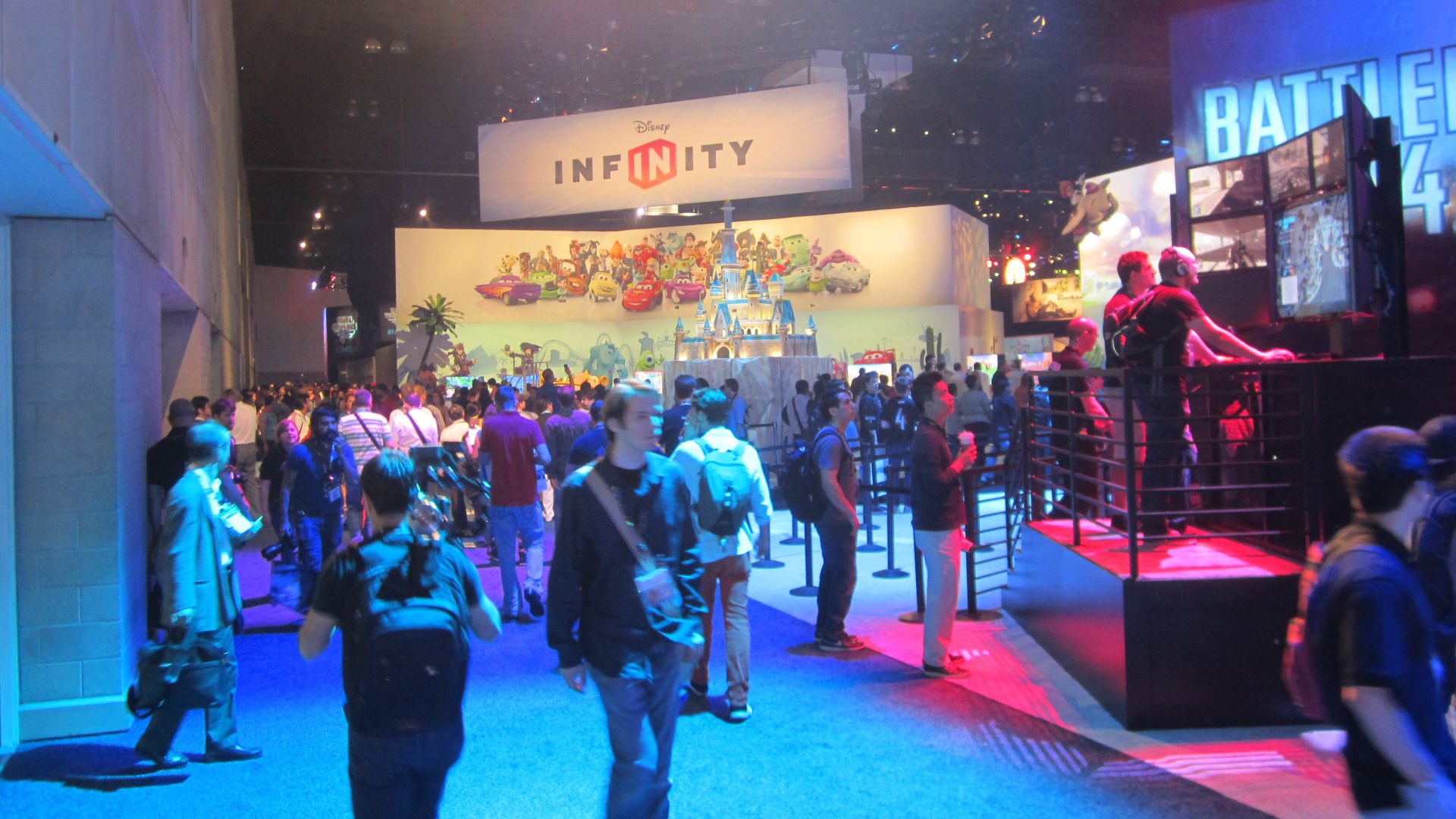
Skylanders launched in 2011 with a simple pitch: buy a physical figure, place it on a portal, and it appears in-game. Disney Infinity and amiibo followed quickly, and for a few years toy aisles were dominated by figures meant to unlock digital extras. Disney shut down Infinity abruptly in 2016 after years of heavy investment, and the broader category faded soon after.
5. Motion Controls Arms Race
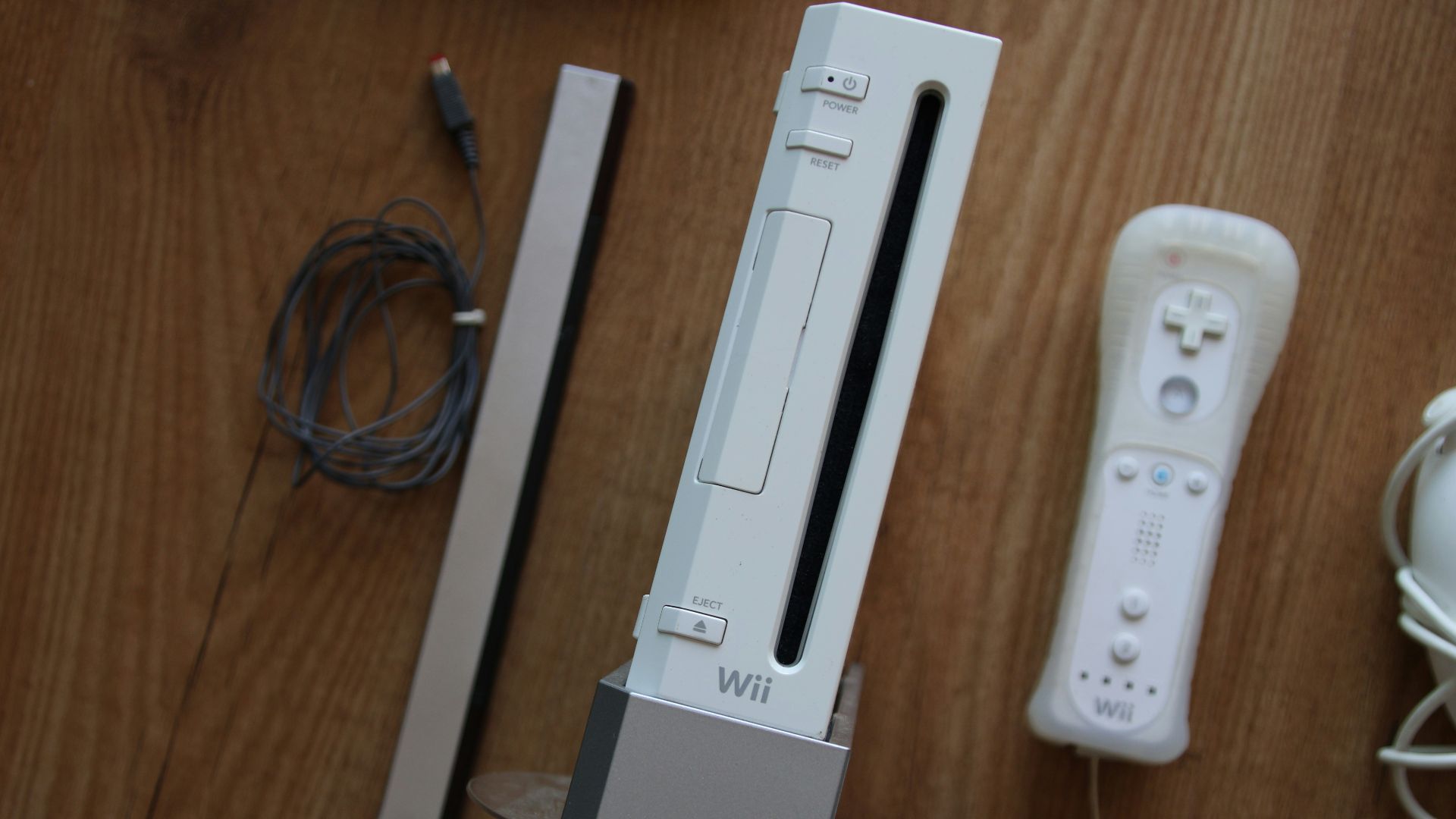
The Wii's success in 2006 convinced Microsoft and Sony that arm-waving was the future of gaming, and both rushed out Kinect and PlayStation Move within a few years. Kinect sold well at first but struggled to build a lasting library of games that used it well. Within half a decade, both companies had quietly deprioritized motion controls again.
6. 3D TV Gaming Push
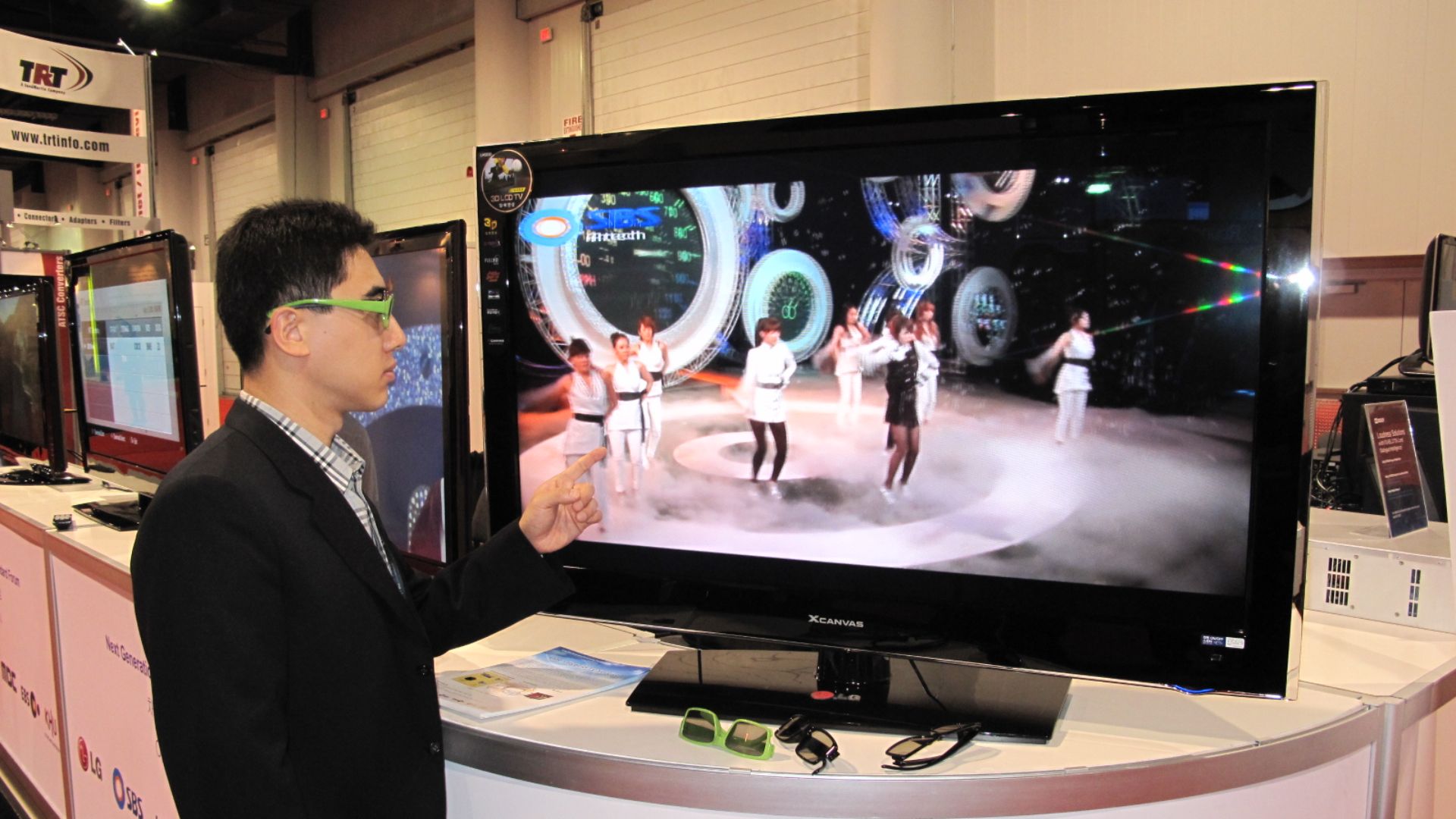
Around 2010, as 3D televisions hit store shelves, several consoles and games added stereoscopic 3D support, betting gamers wanted to wear glasses to play. The technology never solved its core problems: the glasses were uncomfortable, the effect gave some players headaches, and most people just didn't care. By 2013, 3D support had quietly vanished from most new releases, and 3D TVs stopped being made a few years later.
7. Casual Wii-Style Gaming Boom
The Wii's mainstream success between 2006 and 2010 convinced publishers a huge new audience of casual gamers wanted simple, family-friendly titles, and shelves filled with exercise games and licensed shovelware. Once the Wii's momentum slowed and the Wii U underperformed, that audience largely moved to smartphones. The flood of budget casual titles aimed at that crowd dried up within a few years.
8. Second Life-Style Virtual World Corporate Rush
Second Life's popularity in the mid-2000s convinced a wave of major companies, from banks to news outlets, to build virtual storefronts inside it. Most of those corporate presences sat empty within a year or two, and companies quietly abandoned the real estate. It became a well-known example of businesses chasing hype without a real reason to be there.

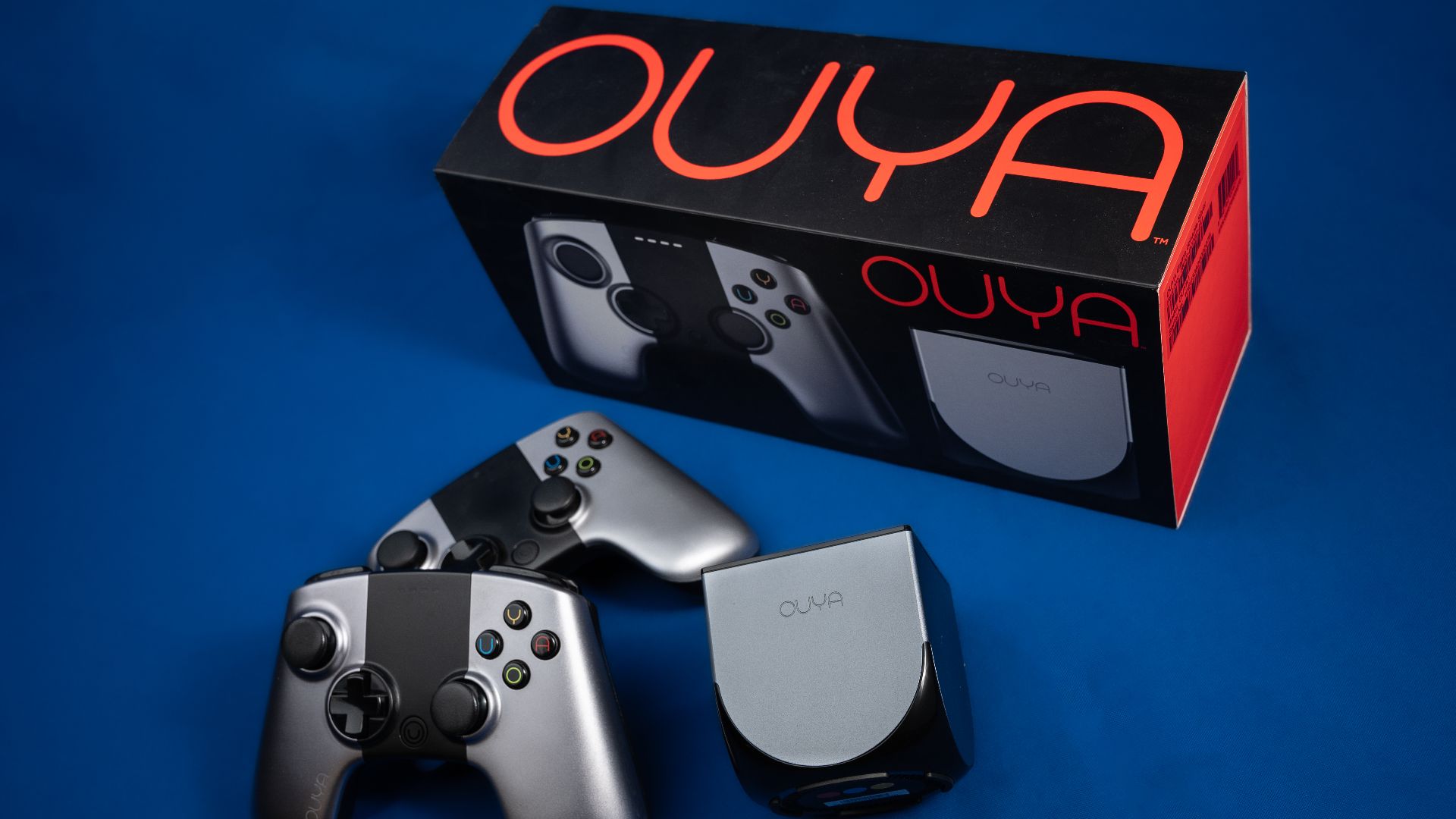
9. Ouya And Crowdfunded Microconsoles
Ouya raised over $8 million on Kickstarter in 2012, promising an open, affordable Android console to break up the traditional market. It shipped in 2013 to mixed reviews and a thin library, and interest evaporated almost as fast as it built up. The company was sold off for parts by 2015, and the wave of crowdfunded microconsoles that followed fared no better.
 commons.wikimedia.org on Google
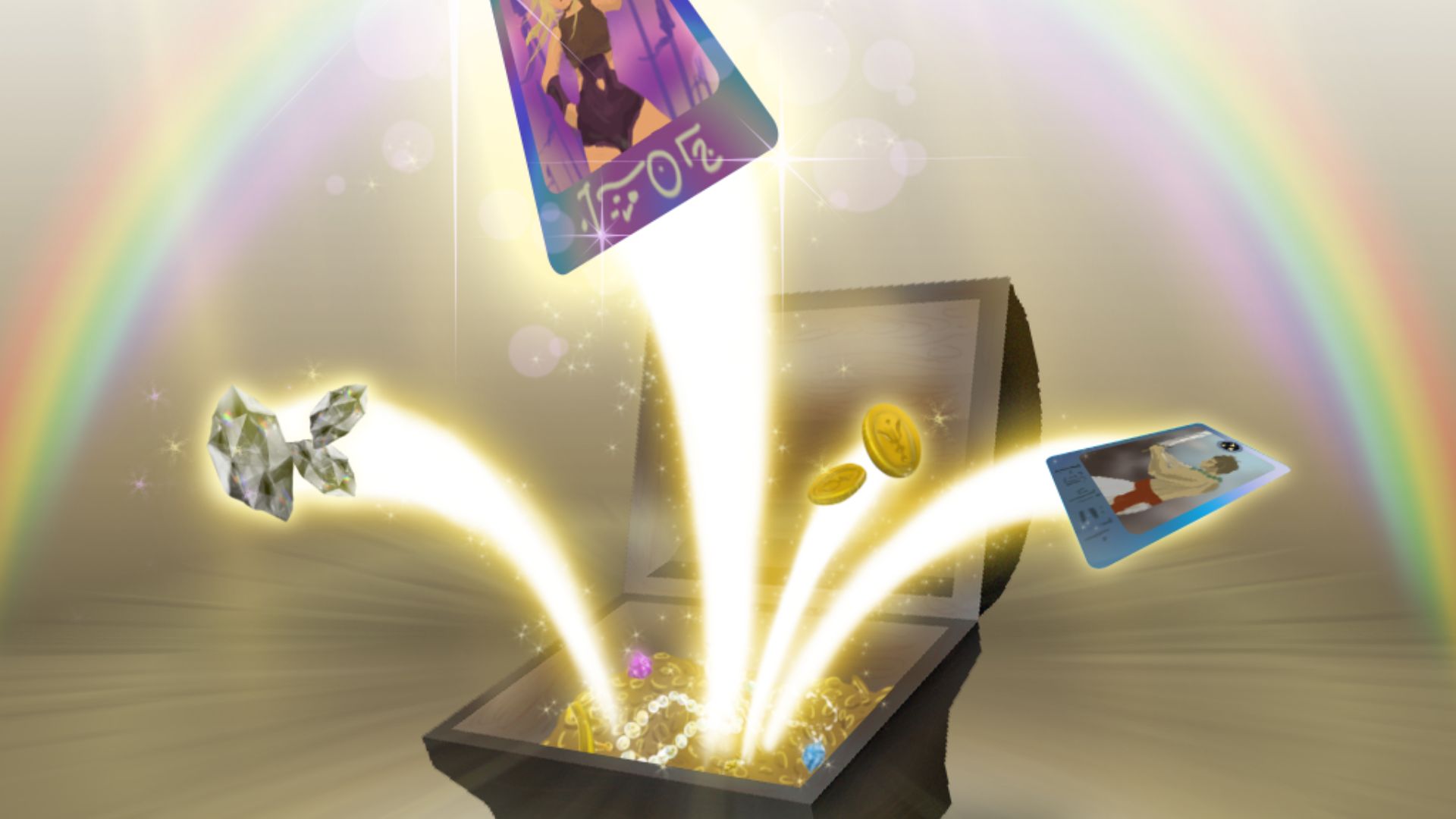
10. AR Mobile Game Clones After Pokémon Go
Pokémon Go's massive success in summer 2016 sent publishers scrambling to launch their own AR mobile games, hoping to catch the same lightning. Titles built around Jurassic Park, Ghostbusters, and Harry Potter followed within a couple of years, none matching the original's staying power. Most were shut down within a few years, including Harry Potter: Wizards Unite in 2022.
11. Steam Machines And Living Room PC Push
Valve announced Steam Machines in 2013, aiming to bring PC gaming into the living room with a custom controller and a Linux-based OS built for TVs. Hardware partners released a range of boxes in 2015, but sales were weak and the Steam Controller never found broad appeal. Valve quietly stopped selling both within a few years, though the software work later resurfaced in the Steam Deck.

12. Loot Box Peak Before The Backlash
Loot boxes became a standard revenue tool across major games between 2015 and 2018, reaching a breaking point when Star Wars Battlefront II's aggressive version triggered a massive backlash in late 2017. Regulators in several countries began investigating whether loot boxes counted as gambling, and some governments moved toward restrictions. Publishers scaled back the most aggressive designs within a couple of years, shifting toward battle passes instead.
13. Battle Royale Clone Flood
After Fortnite and PUBG proved the genre could support hundreds of millions of players, nearly every publisher rushed out a battle royale mode between 2018 and 2019. Games like Radical Heights and Cliff Empire launched with little to set them apart and shut down within months. Only a handful of battle royale titles found a lasting audience, and the flood of copycats disappeared within two or three years.
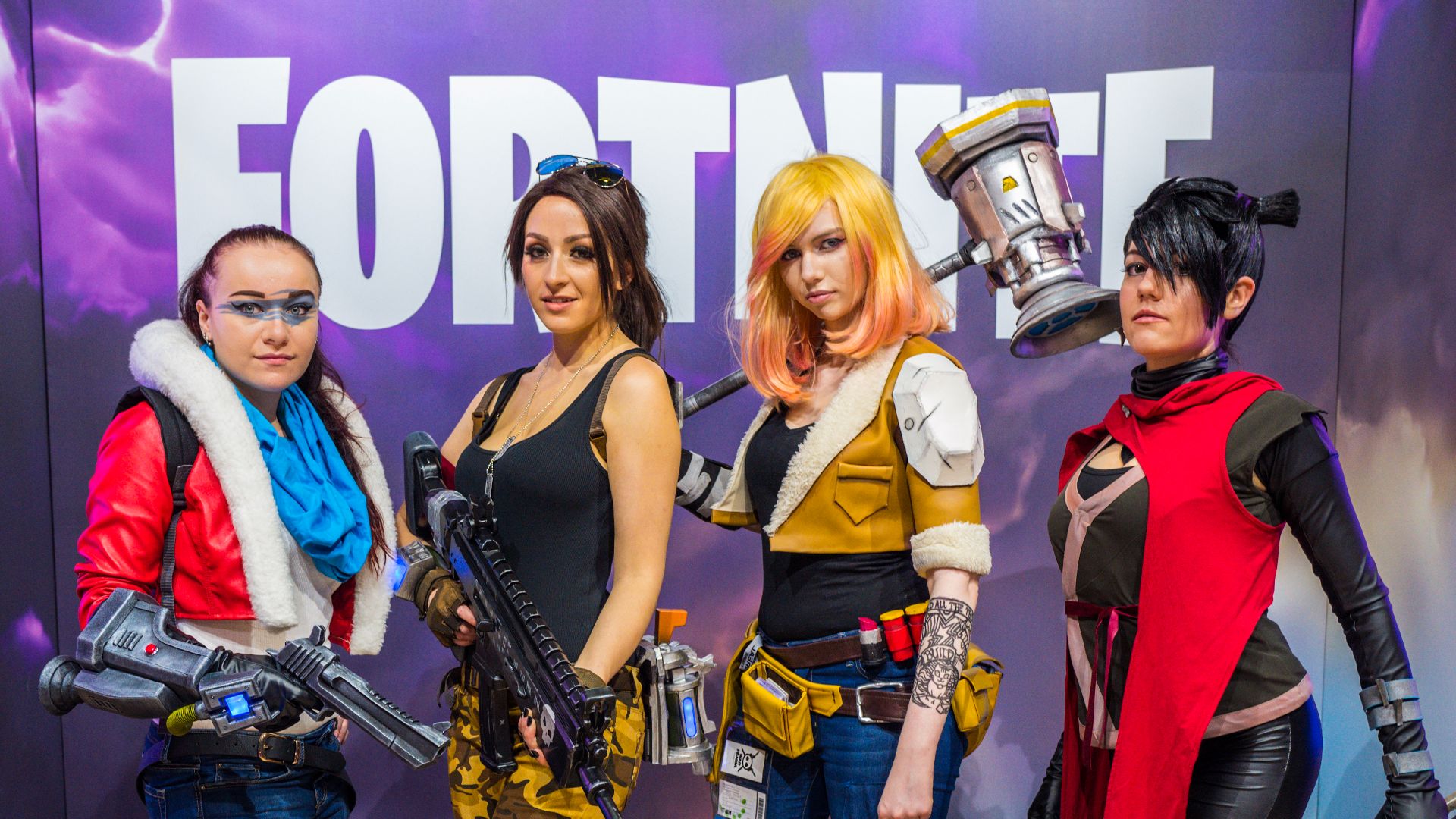 Sergey Galyonkin from Berlin, Germany on Wikimedia
14. Cloud Gaming Platform Rush
Google launched Stadia in 2019 promising console-quality gaming streamed to any screen, and competitors like Amazon Luna followed with similar pitches. Stadia struggled to attract players and publishers alike, and Google shut it down entirely in 2023, refunding purchases. The rush to launch competing cloud platforms slowed sharply after Stadia's very public failure.
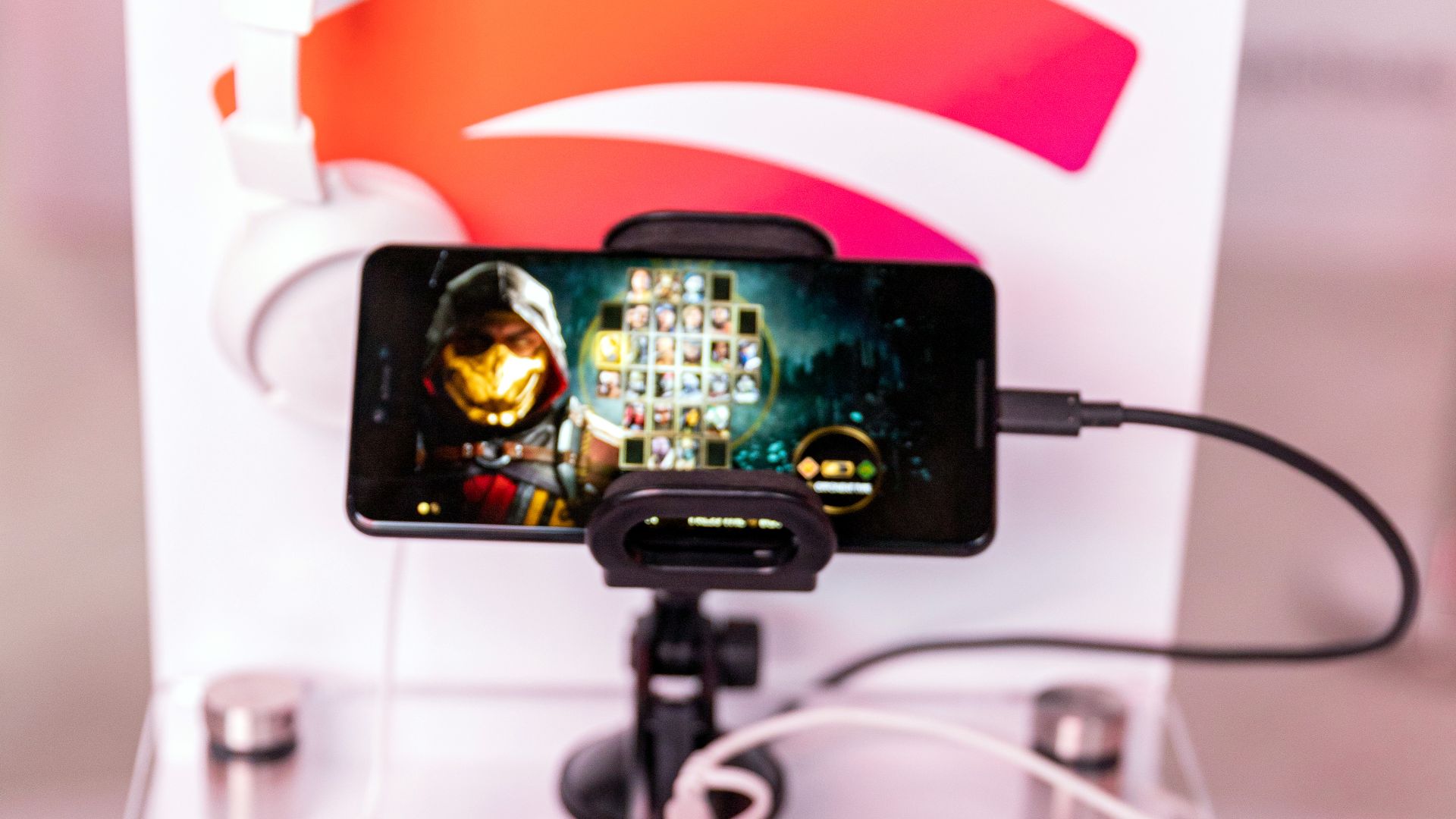
15. NFT And Play-To-Earn Gaming
Play-to-earn games built around NFTs exploded in popularity during 2021 and early 2022, led by titles like Axie Infinity that promised real income for playing. Major publishers announced NFT initiatives of their own, betting the trend would reshape game economies for good. The crypto crash in 2022 gutted player numbers and token values almost overnight, and most publishers quietly dropped their NFT plans within a year.
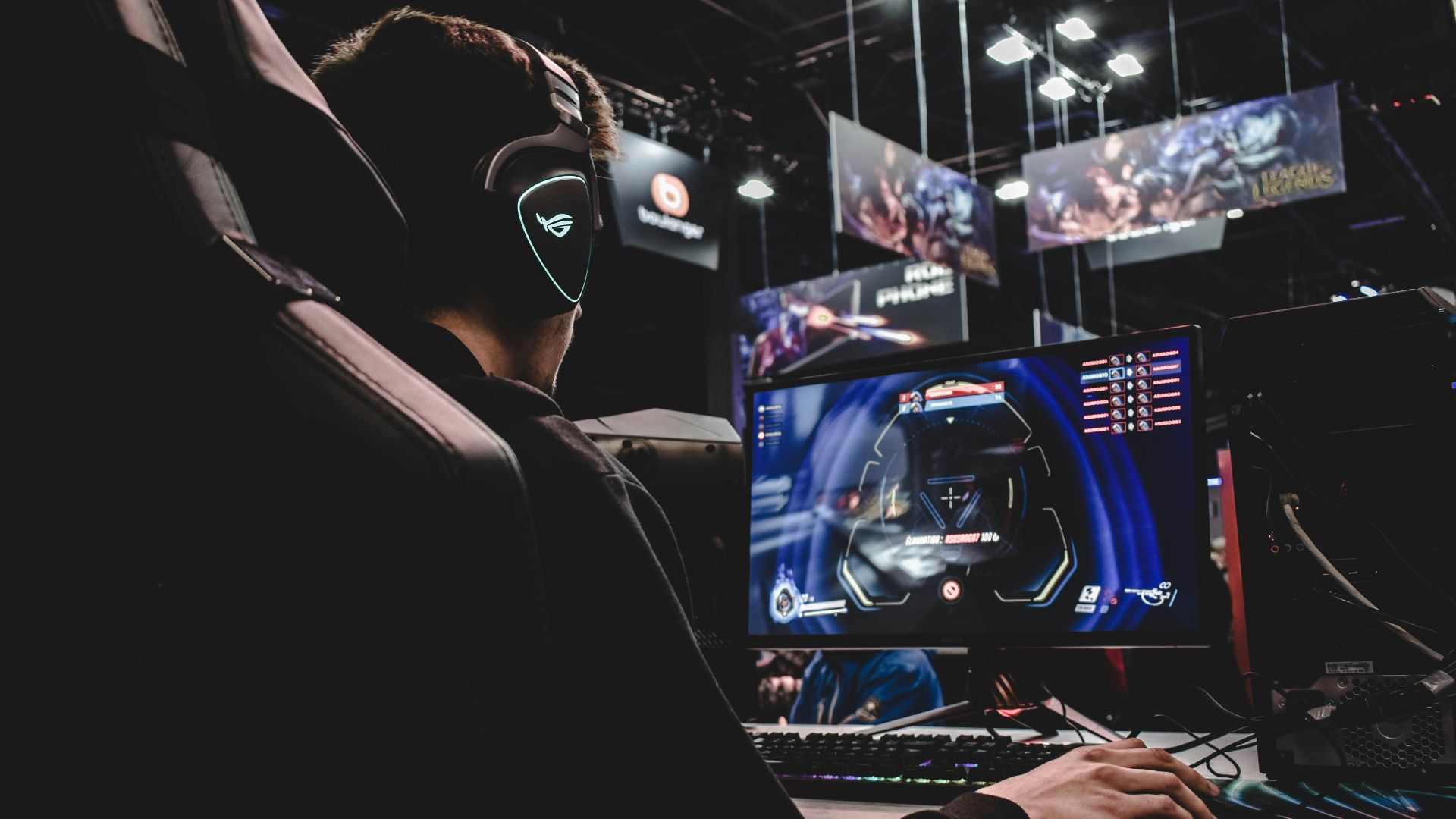
16. Metaverse Gaming Platform Hype
Facebook's rebrand to Meta in late 2021 set off a wave of corporate interest in persistent virtual worlds, with companies pouring billions into platforms like Horizon Worlds. User numbers came in far below projections, and several high-profile metaverse initiatives were scaled back or shelved within about two years. The term itself largely vanished from earnings calls not long after dominating them.
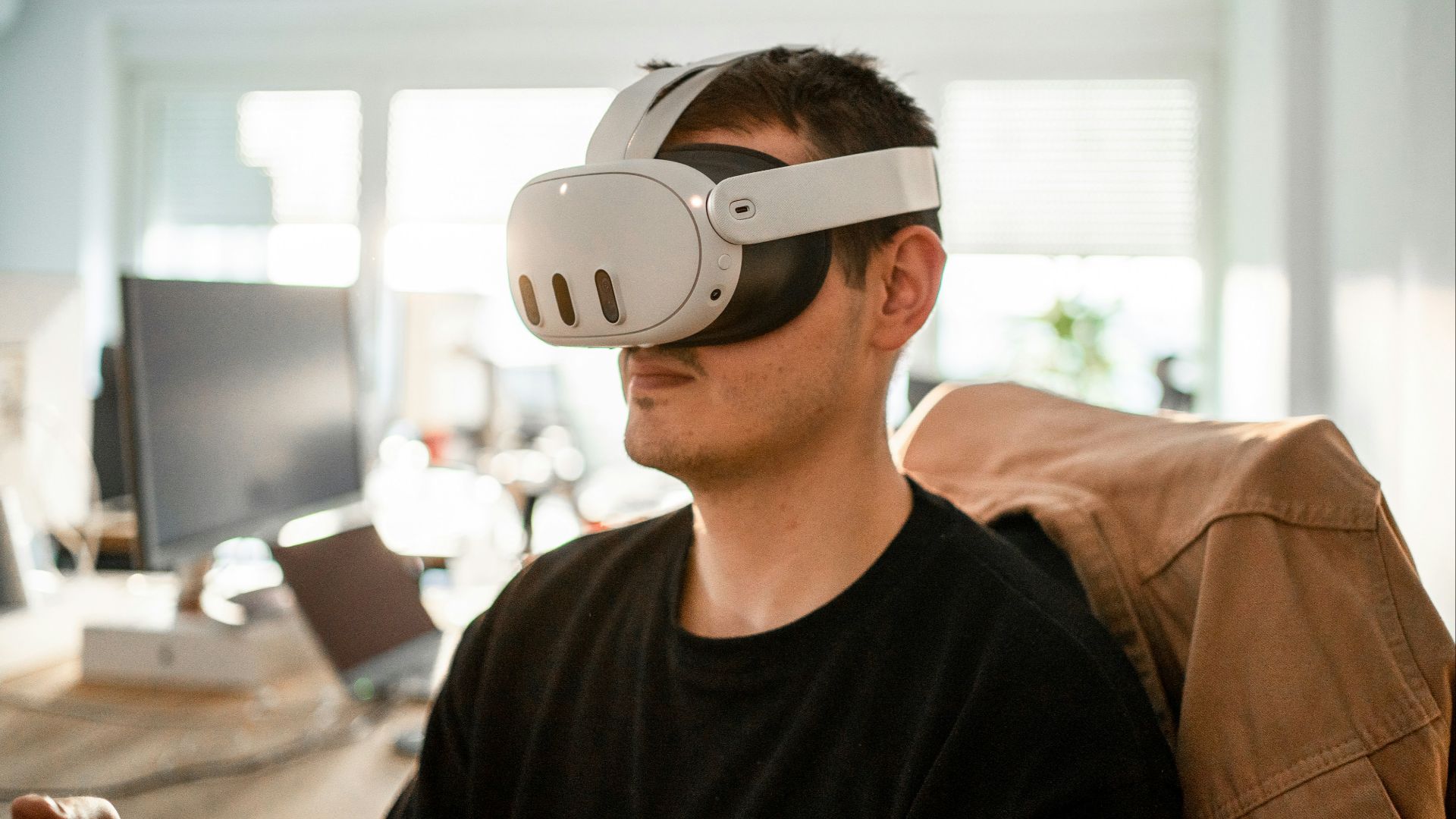
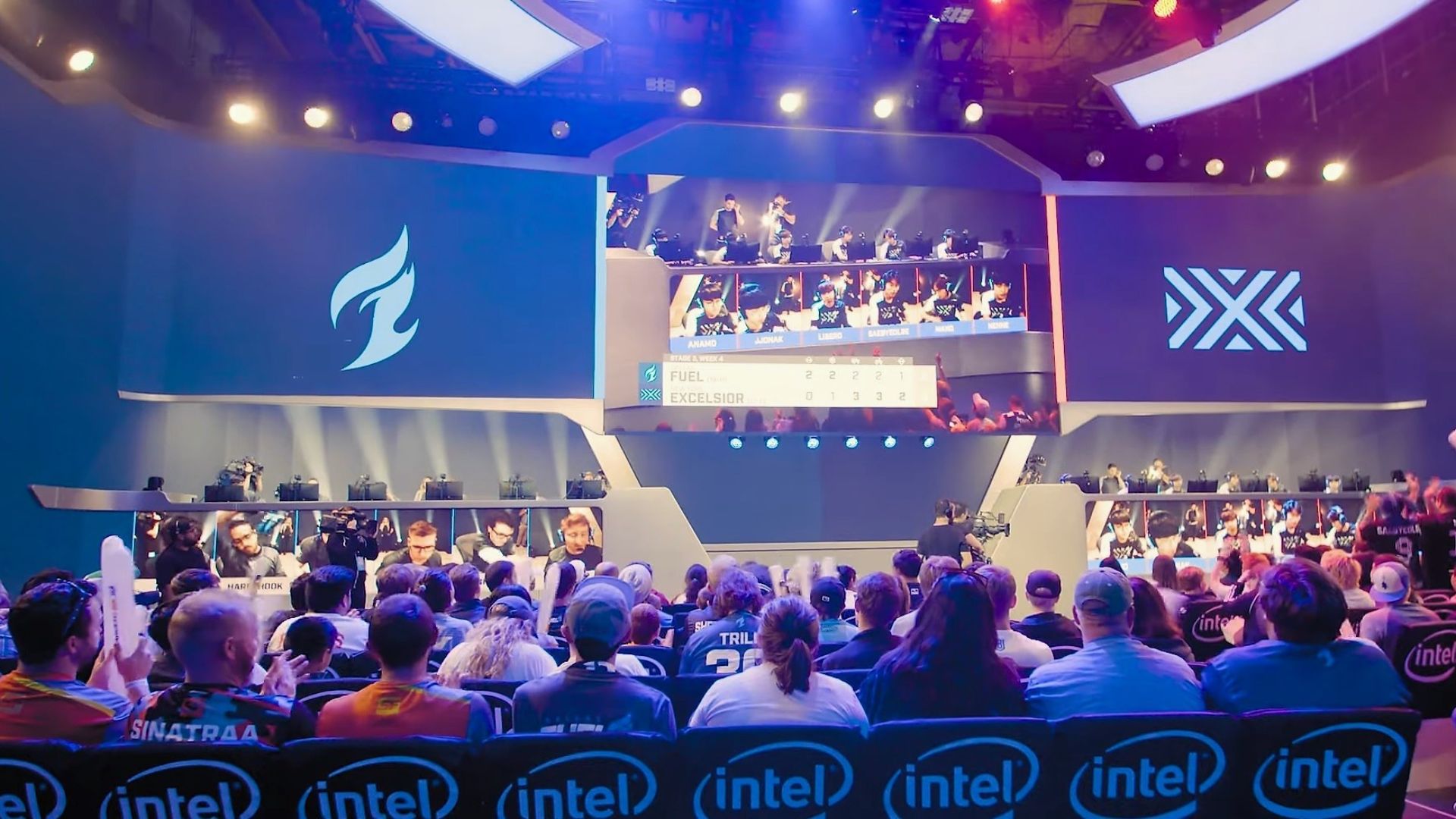
17. Overwatch League's City-Based Esports Franchising
Blizzard launched the Overwatch League in 2018 using a city-based franchise model borrowed from traditional sports, selling slots for tens of millions each. Viewership and sponsorship never reached the levels the model needed, and the league struggled through team departures and shrinking investment for years. Blizzard effectively dissolved the league's original structure in 2023, ending the franchise experiment after a handful of seasons.
18. Nintendo Labo Cardboard Kits
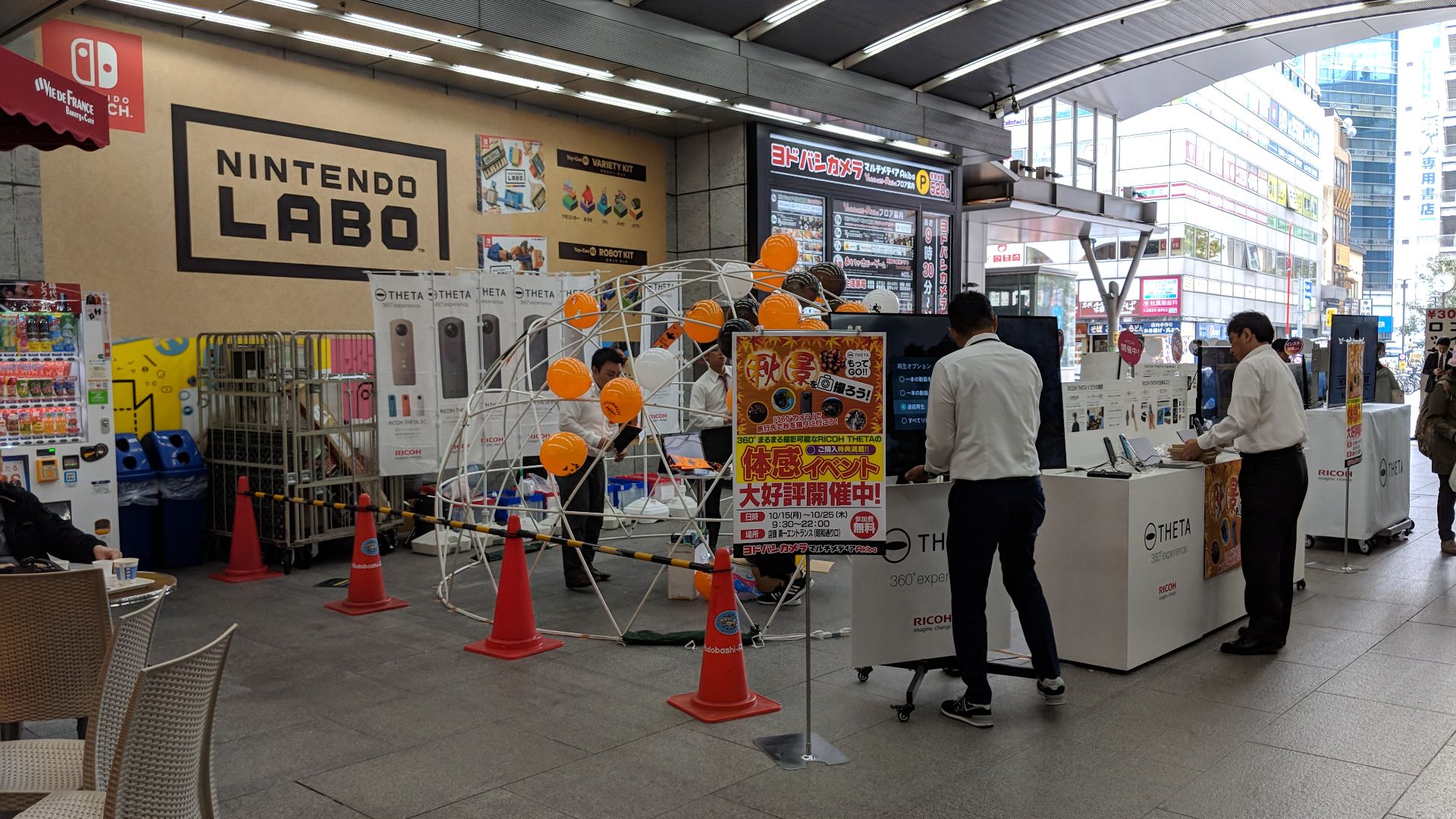
Nintendo launched Labo in 2018, pairing the Switch with cardboard kits that built into pianos, fishing rods, and robot suits. The concept generated real curiosity at first, but the kits were fragile, time-consuming to build, and the games around them had limited long-term appeal. Nintendo quietly stopped releasing new Labo kits within about two years, and the line never became a lasting part of the Switch lineup.
 Michael Ocampo from United States on Wikimedia
19. Pandemic Fitness Gaming Spike
Ring Fit Adventure, released in 2019, saw a massive surge in demand once gyms closed during the early COVID-19 lockdowns, selling out for months at a time. Fitness game interest spiked broadly as people looked for ways to exercise at home. Once gyms reopened and routines shifted back, demand for fitness games cooled within about a year or two.

20. Live-Service "Everything Needs Multiplayer" Rush
Following the success of Fortnite and Apex Legends, publishers spent the early 2020s greenlighting live-service, multiplayer-focused titles across nearly every genre, even ones with no real history of online play. Several of those projects, including Sony's Concord in 2024, shut down within weeks after failing to find an audience. The rush cooled quickly once it became clear most players weren't willing to adopt yet another live-service game on top of what they already had.