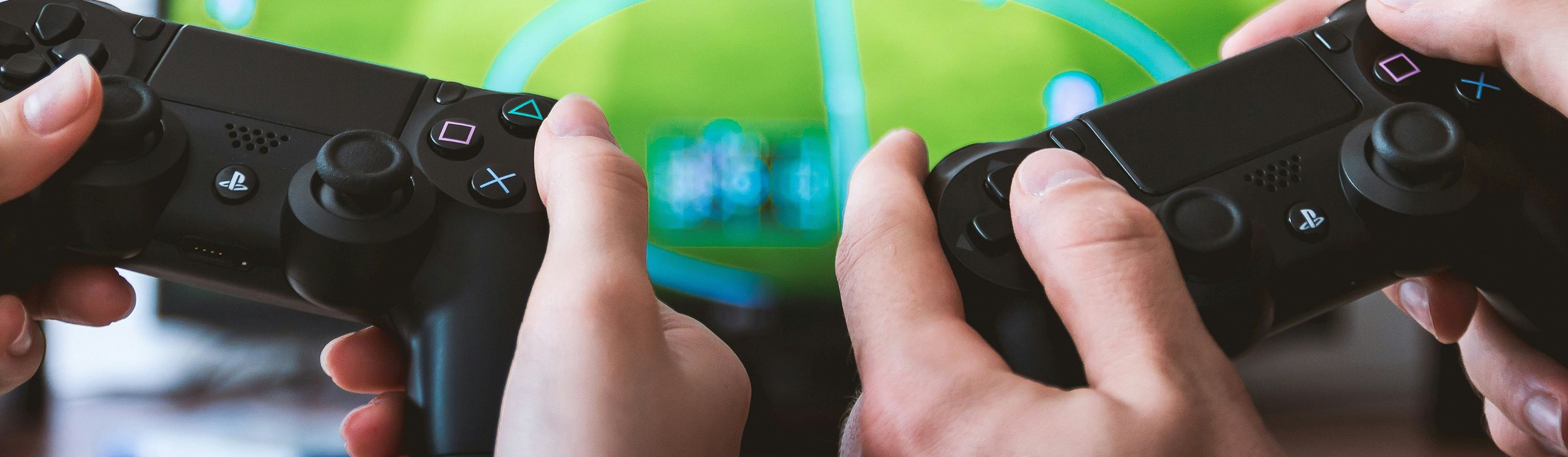

For a brief period in the late 2000s and early 2010s, motion-control gaming seemed poised to become the future of the video game industry. Instead of relying entirely on buttons and thumbsticks, players could swing, point, gesture, and move their bodies to interact with games. The technology attracted millions of new players, many of whom had never considered themselves gamers before. Industry leaders viewed motion controls as a way to expand gaming far beyond its traditional audience.
The excitement surrounding motion gaming was impossible to ignore. Families gathered around televisions, retirement communities incorporated motion-based games into recreation programs, and technology companies invested heavily in developing new systems. Yet despite enormous popularity and impressive sales figures, the motion-control boom eventually lost momentum. Understanding why it rose so quickly and faded just as rapidly offers an interesting look at how gaming trends evolve.
Motion Controls Opened Gaming To New Audiences
Before motion controls became widespread, many video games required players to learn complex button combinations and controller layouts. For people unfamiliar with gaming, that learning curve could feel intimidating. Motion-based systems offered a more approachable alternative by allowing players to perform actions that resembled real-world movements. The concept made gaming feel more accessible to people of all ages.
This broader appeal helped attract audiences that the gaming industry had struggled to reach in previous decades. Parents, grandparents, and casual players suddenly found themselves participating in gaming sessions alongside experienced players. The technology encouraged social interaction and often turned gaming into a group activity rather than a solitary hobby. For many households, motion gaming became a regular form of entertainment.
Publishers and hardware manufacturers quickly recognized the commercial potential of this expanding audience. Companies invested heavily in motion-sensing accessories, cameras, and controllers designed to track increasingly precise movements. The industry believed that physical interaction represented the next major step in gaming technology. For a time, sales figures seemed to support that belief.
The Technology Had Limitations
Despite its popularity, motion-control gaming faced challenges that became more noticeable over time. Many games offered exciting demonstrations of the technology but struggled to maintain long-term engagement. Players often found that physical movement was enjoyable in short sessions but could become tiring during extended gameplay. What initially felt innovative sometimes became repetitive after weeks or months of use.
Accuracy also remained an ongoing issue for certain systems and applications. While motion tracking improved significantly throughout the era, some games occasionally failed to interpret player actions correctly. These inconsistencies could create frustration, especially when precision was important. Traditional controllers often remained more reliable for complex gameplay experiences.
Developers eventually discovered that not every genre benefited from motion controls. Certain types of games worked exceptionally well with physical movement, while others felt awkward when adapted to the technology. As a result, many players continued using conventional controllers for their favorite experiences. The industry gradually realized that motion controls were better suited to specific situations rather than serving as a universal replacement.
Why The Trend Eventually Faded
As the novelty wore off, consumer enthusiasm began to cool. Many players returned to traditional gaming experiences that offered deeper gameplay, greater precision, and longer-lasting appeal. Motion controls remained available, but they no longer felt revolutionary in the way they had during their initial rise. The technology shifted from being a headline feature to one option among many.
At the same time, gaming hardware manufacturers began focusing on other innovations. Online multiplayer experiences, digital marketplaces, virtual reality, faster hardware, and improved graphics increasingly captured public attention. These developments provided new ways to attract players without requiring them to stand up and move around. Industry priorities gradually shifted toward those emerging trends.
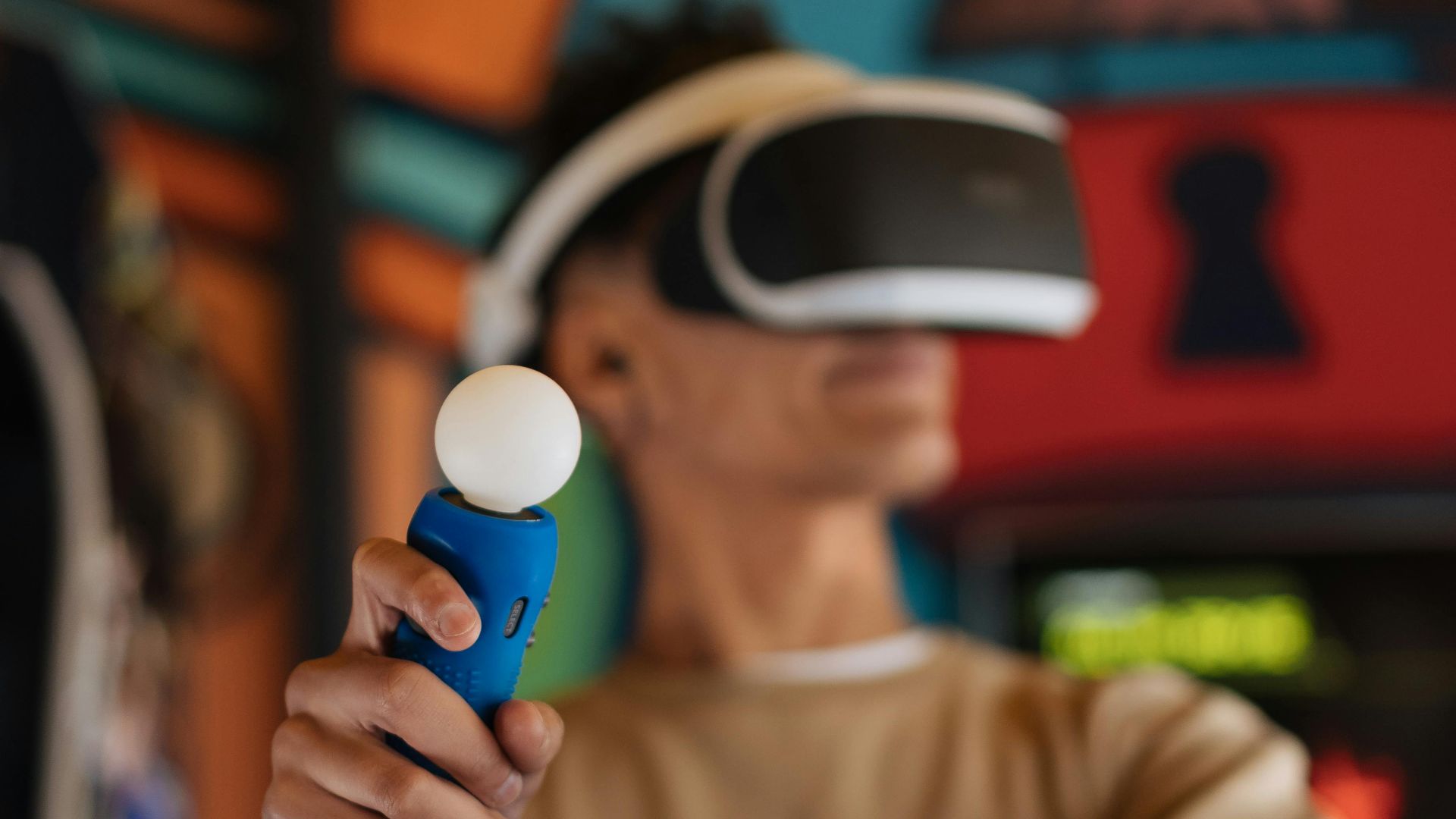
Motion controls never disappeared entirely, but they settled into a much smaller role within the gaming landscape. Elements of the technology continue to appear in modern systems, fitness applications, and virtual reality experiences. Rather than transforming all gaming as once predicted, motion controls found their place as a specialized feature that works best when paired with the right type of experience.
The rise and fall of motion-control gaming demonstrates how quickly technology trends can capture public attention and then evolve into something more modest. For several years, motion gaming introduced millions of people to interactive entertainment and showed that gaming could appeal to a much broader audience than many had imagined. Although it never became the permanent future of gaming, its influence can still be seen in many of the interactive technologies that continue to develop today.