
Know Which Ones Are Worth the Conversation
Dungeons & Dragons monsters split pretty cleanly into two camps: the ones that would rather cut a deal than fight to the death, and the ones that keep swinging even after a party tries to surrender. Intelligence, motive, and self-interest tend to be the deciding factors, since a creature has to want something beyond blood for a conversation to go anywhere. Plenty of D&D's most feared monsters are also its most rational, willing to trade information, treasure, or a head start for the right offer. Others are just hunger, instinct, or pure malice wearing a stat block, and no amount of clever roleplay gets through to them. here are 10 we could reason it and 10 that would not hear us.

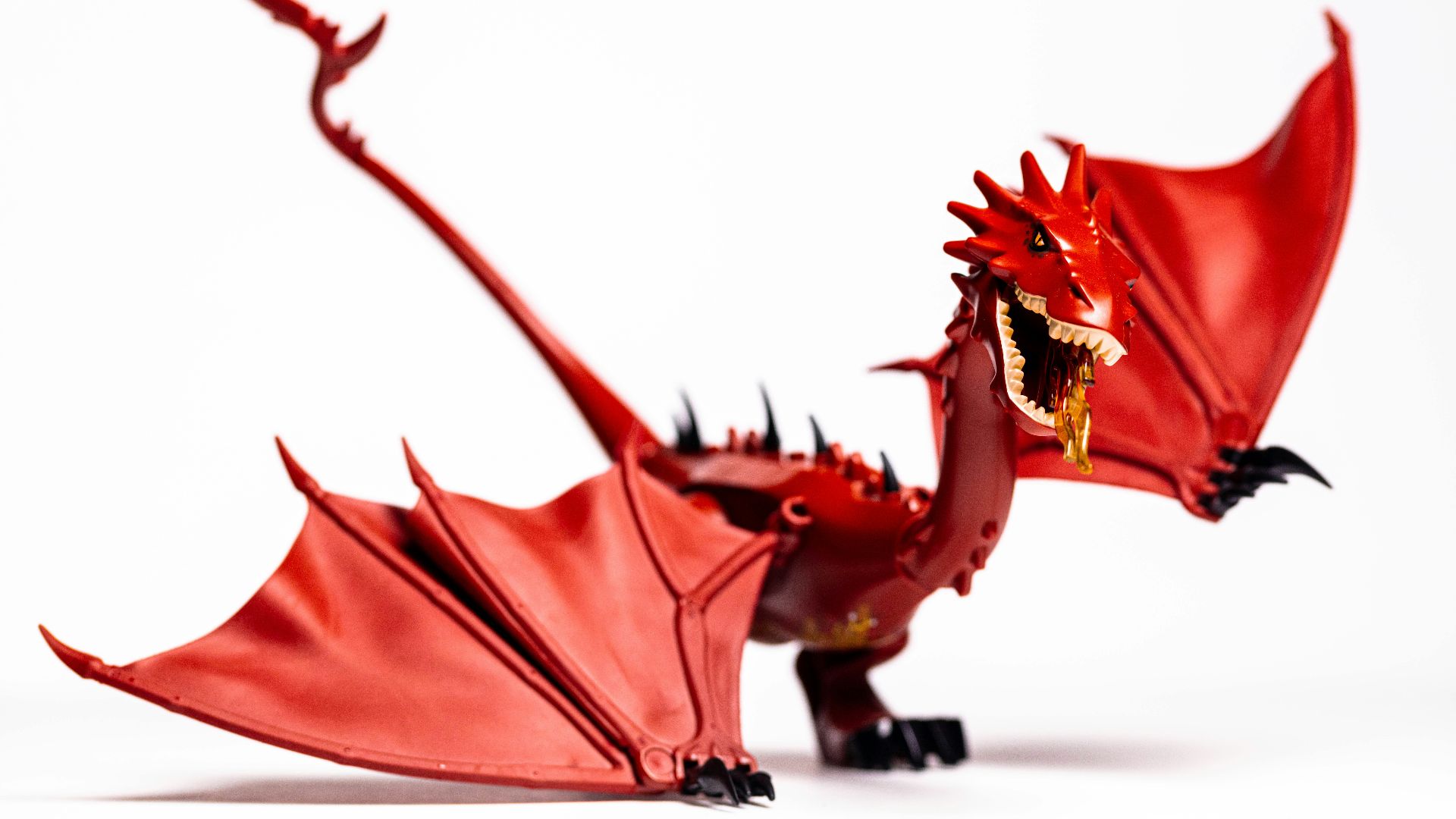
1. Ancient Red Dragons
Red dragons are proud, greedy, and obsessed with their hoards, but that pride cuts both ways. Flatter one enough, offer something rare enough, or appeal to its ego instead of its appetite, and there's a real chance it lets a party live just to hear the story of how they found it.
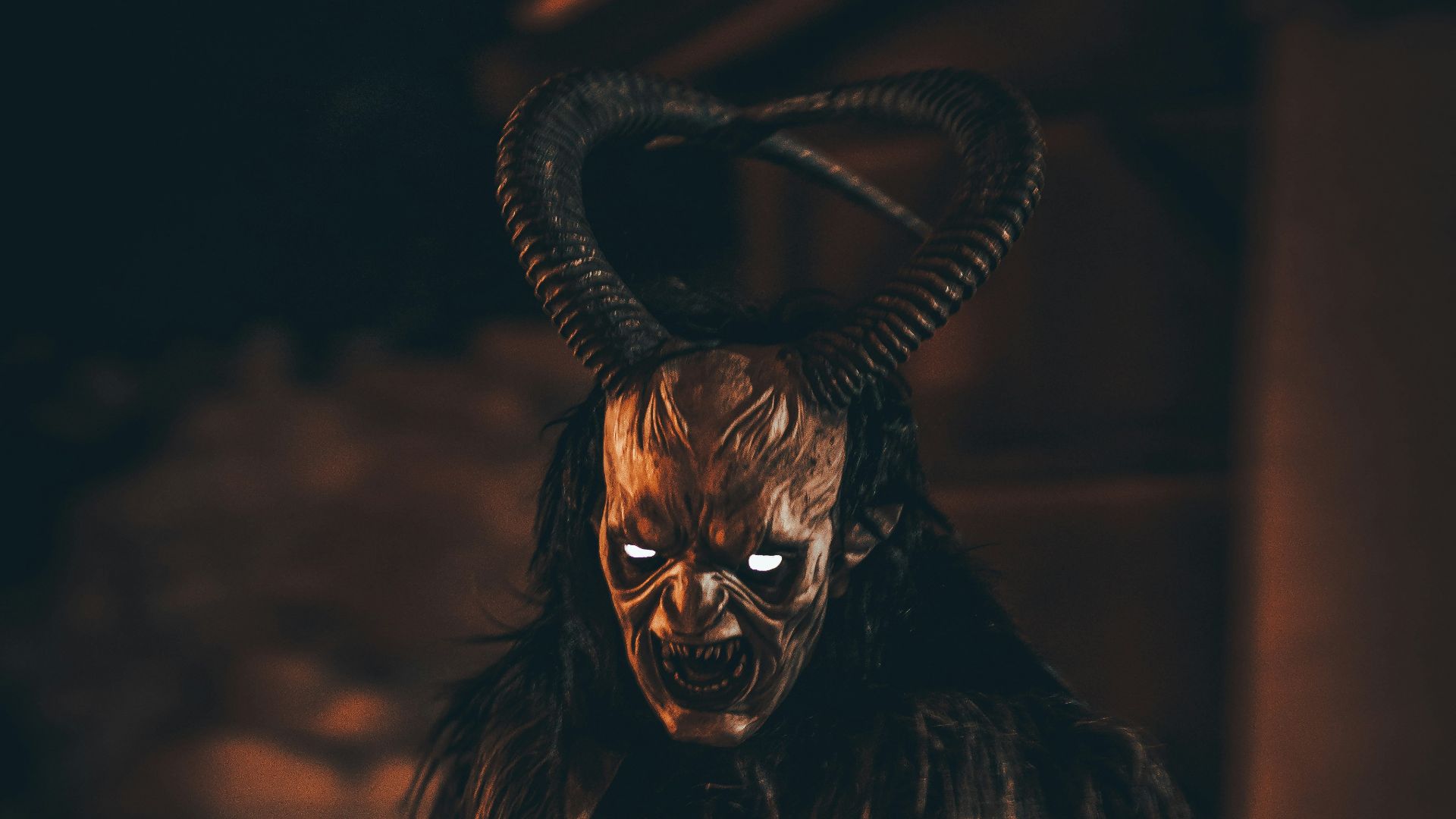
2. Devils
Devils run on contracts, not chaos, which makes them oddly predictable compared to most fiends. A devil wants something specific and is usually willing to spell out exactly what that is, even if the fine print eventually ruins someone's life.
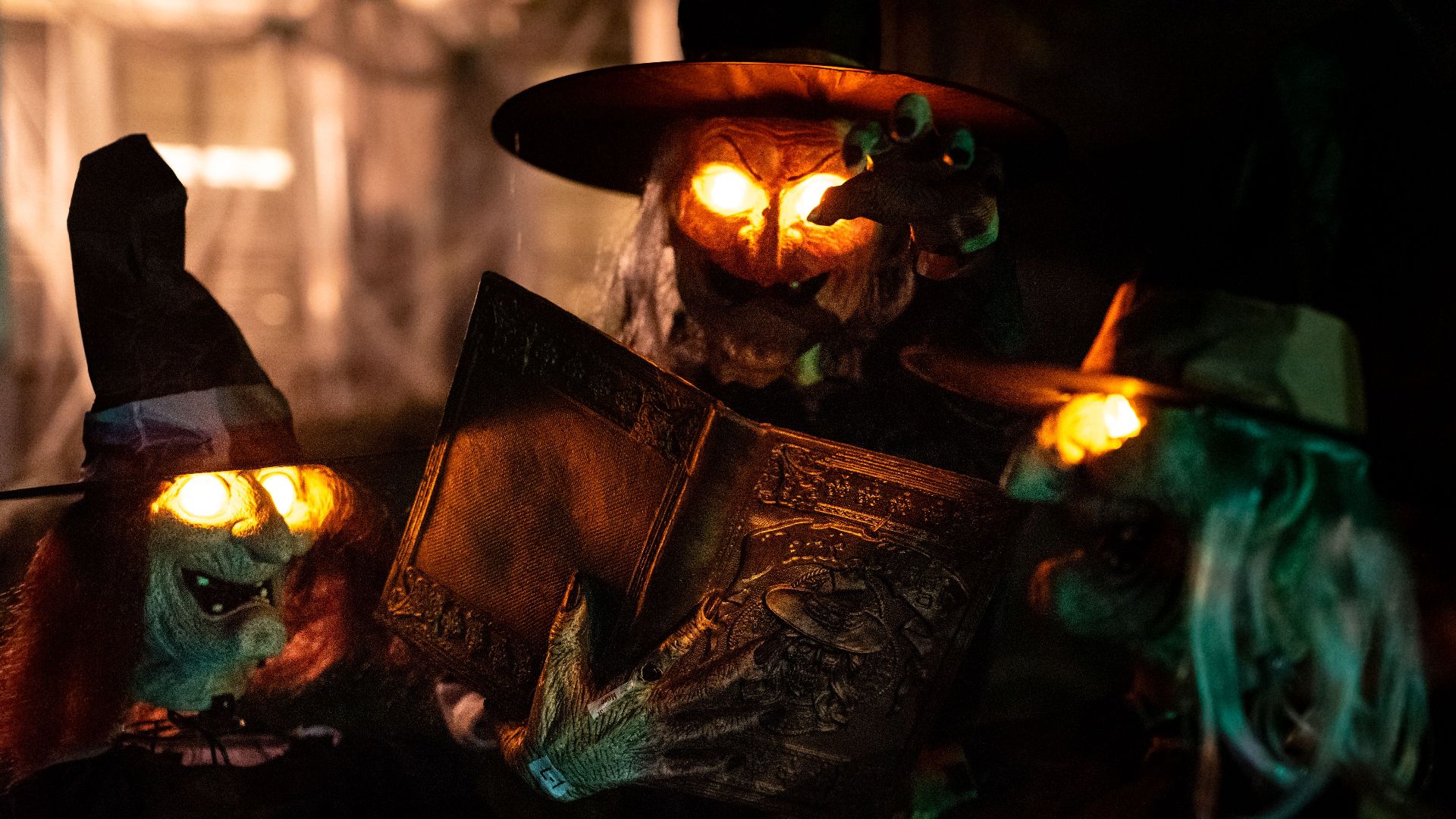
3. Hags
A hag's whole reputation is built on striking bargains nobody should have taken, which means bargaining is always on the table. The price is rarely fair, but a hag would much rather trade a favor for something she wants than waste the effort on a fight she doesn't need.
4. Mind Flayers
Illithids are terrifying, but they're also calculating, and calculating creatures tend to weigh their options instead of acting on instinct. One that sees more value in a useful pawn than a quick meal might actually listen, at least until it stops needing that pawn.

5. Liches
A lich has already given up mortality for one specific, long-term goal, and everything else is just a means to that end. Anyone offering information or resources that push that goal forward has a real shot at a conversation, even with something as patient and cold as a lich.

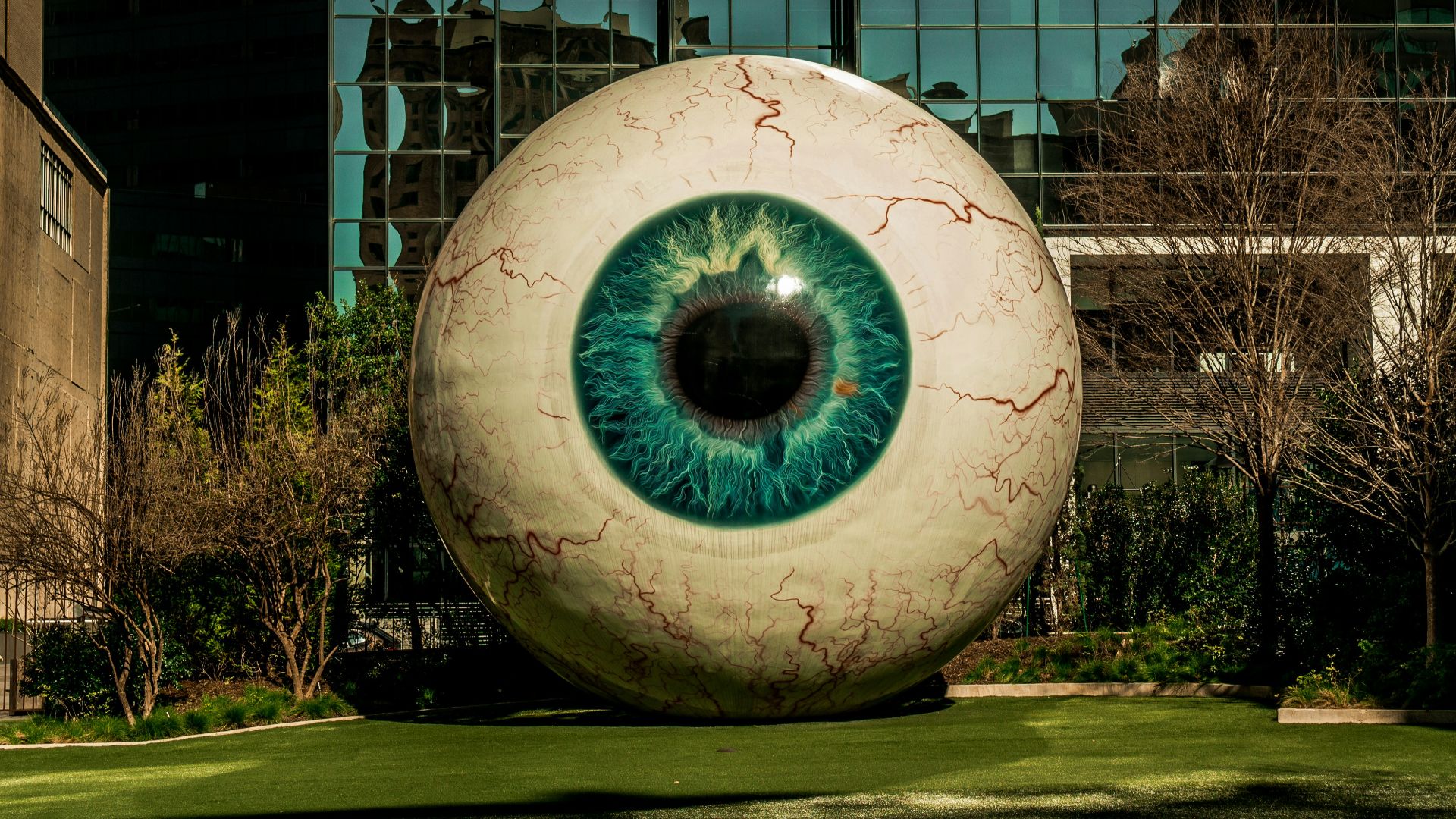
6. Beholders
Beholders are paranoid, but paranoia and reason aren't opposites, since a beholder is constantly calculating threats and angles. One convinced that talking serves its interests better than a fight, especially one appealed to its enormous ego, might actually pause long enough to listen.
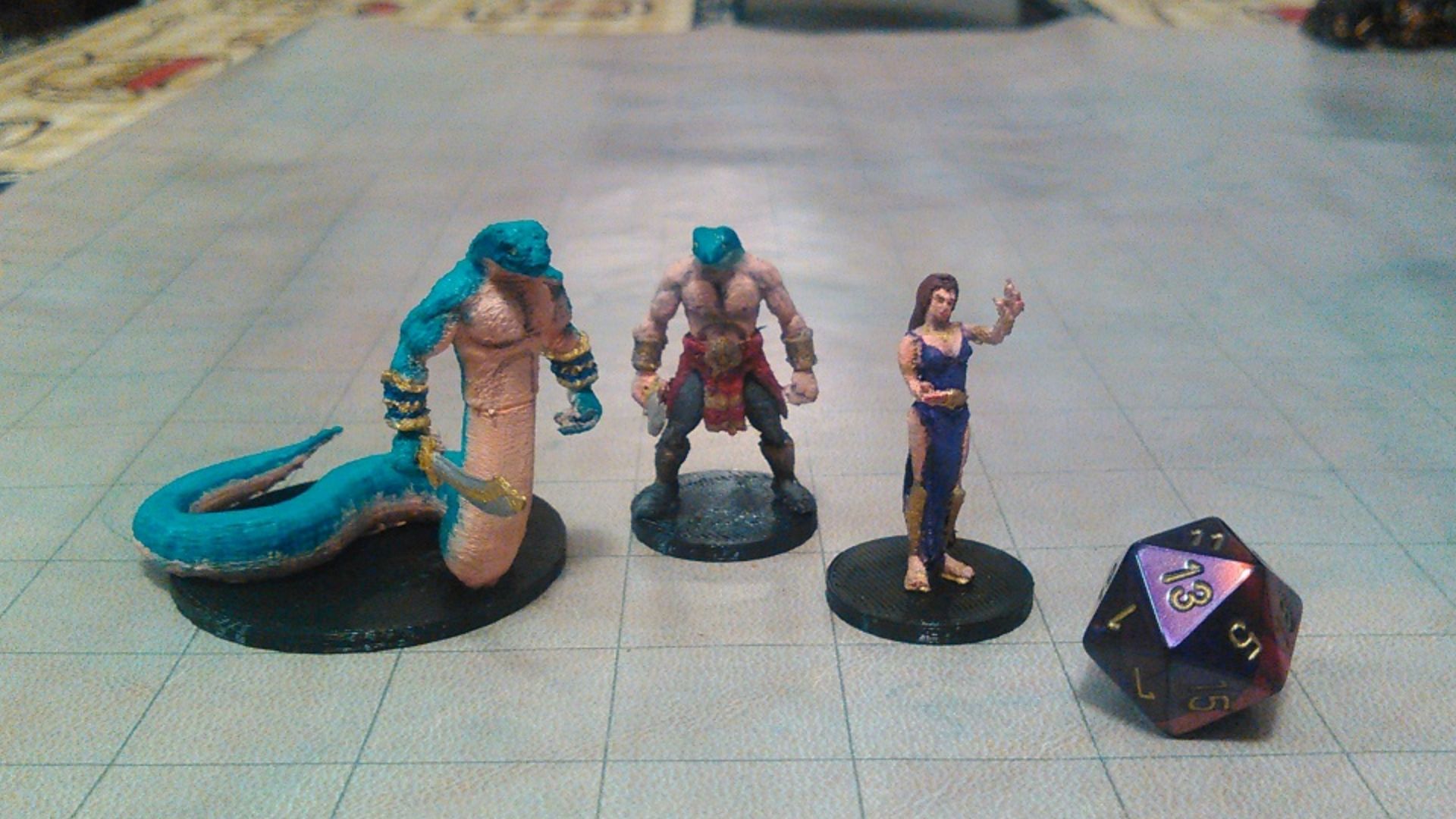
7. Yuan-ti
Yuan-ti think in schemes that run years or decades, which means a single encounter rarely fits neatly into their plans. A party offering something that serves a longer game has a decent shot at becoming a useful piece instead of a dead end.
8. Rakshasas
Vanity runs deep in a rakshasa, and vanity is something a clever party can work with. Appeal to its sense of superiority or its love of being underestimated, and it might let the conversation run longer than expected.
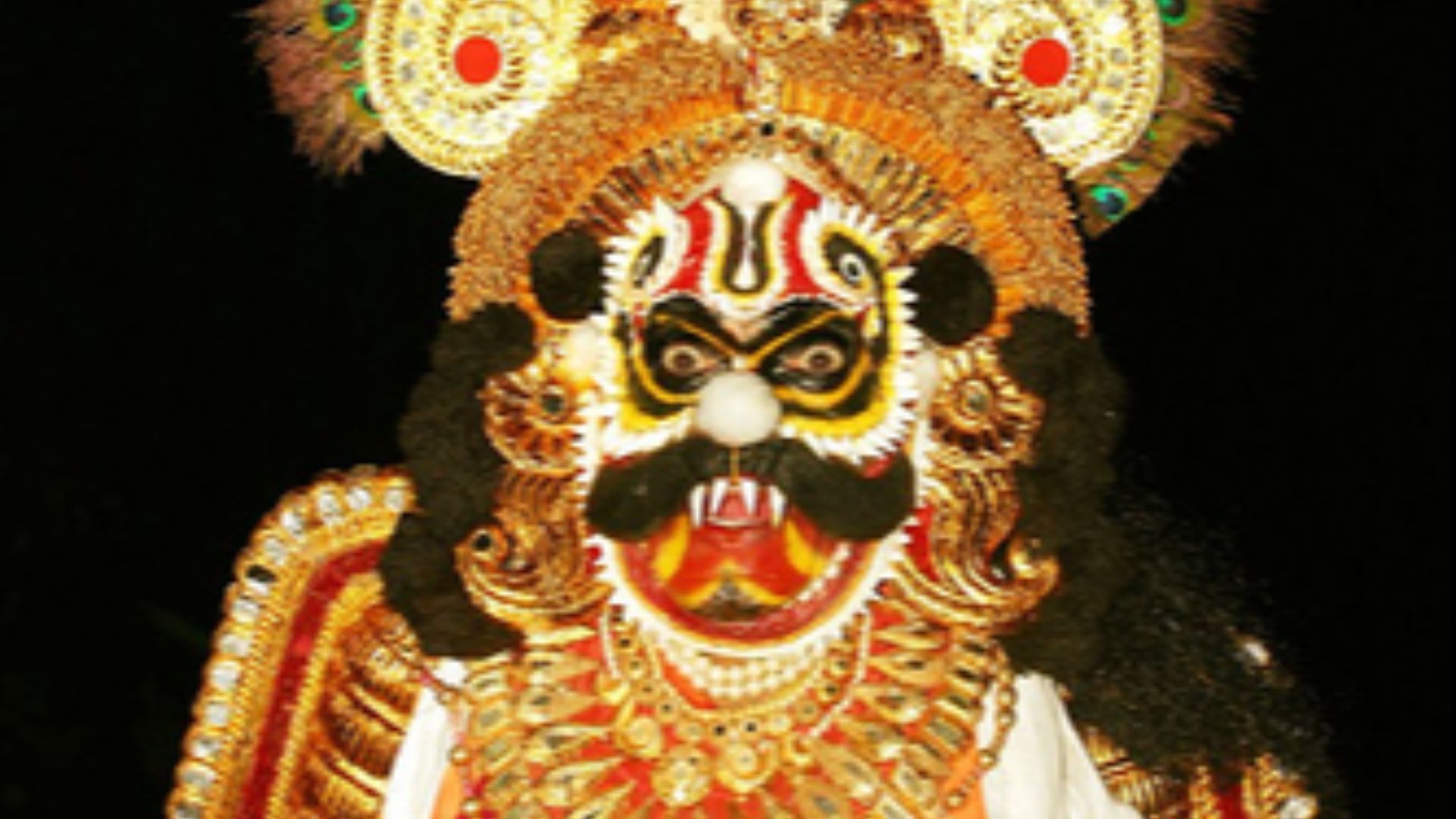 Mr.Manohara Upadhya. Uploaded by Gnanapiti on Wikimedia
9. Goblins
Goblins are cowardly and self-interested by nature, which sounds bad until it's the reason they'd rather surrender than die for a fight that isn't worth it. Offer them an easier target or a way out, and a goblin encounter can end without anyone drawing blood.
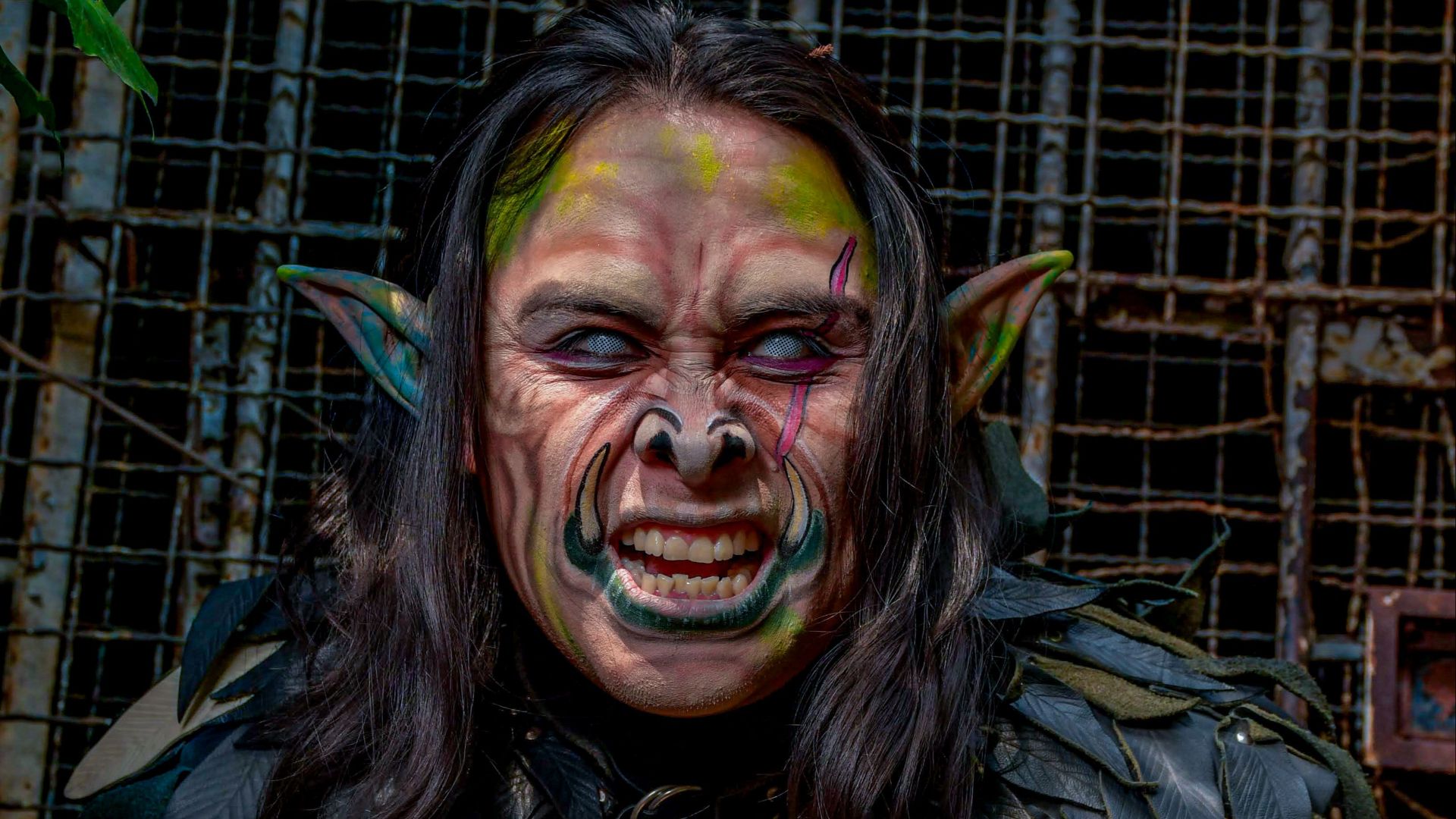
10. Kobolds
Kobolds fight from ambush because they know they'd lose a fair fight, and that same self-awareness makes them practical when cornered. A kobold pack backed into a corner is far more likely to negotiate its way out than fight to the last one standing.
Here's 10 that were never going to listen in the first place.
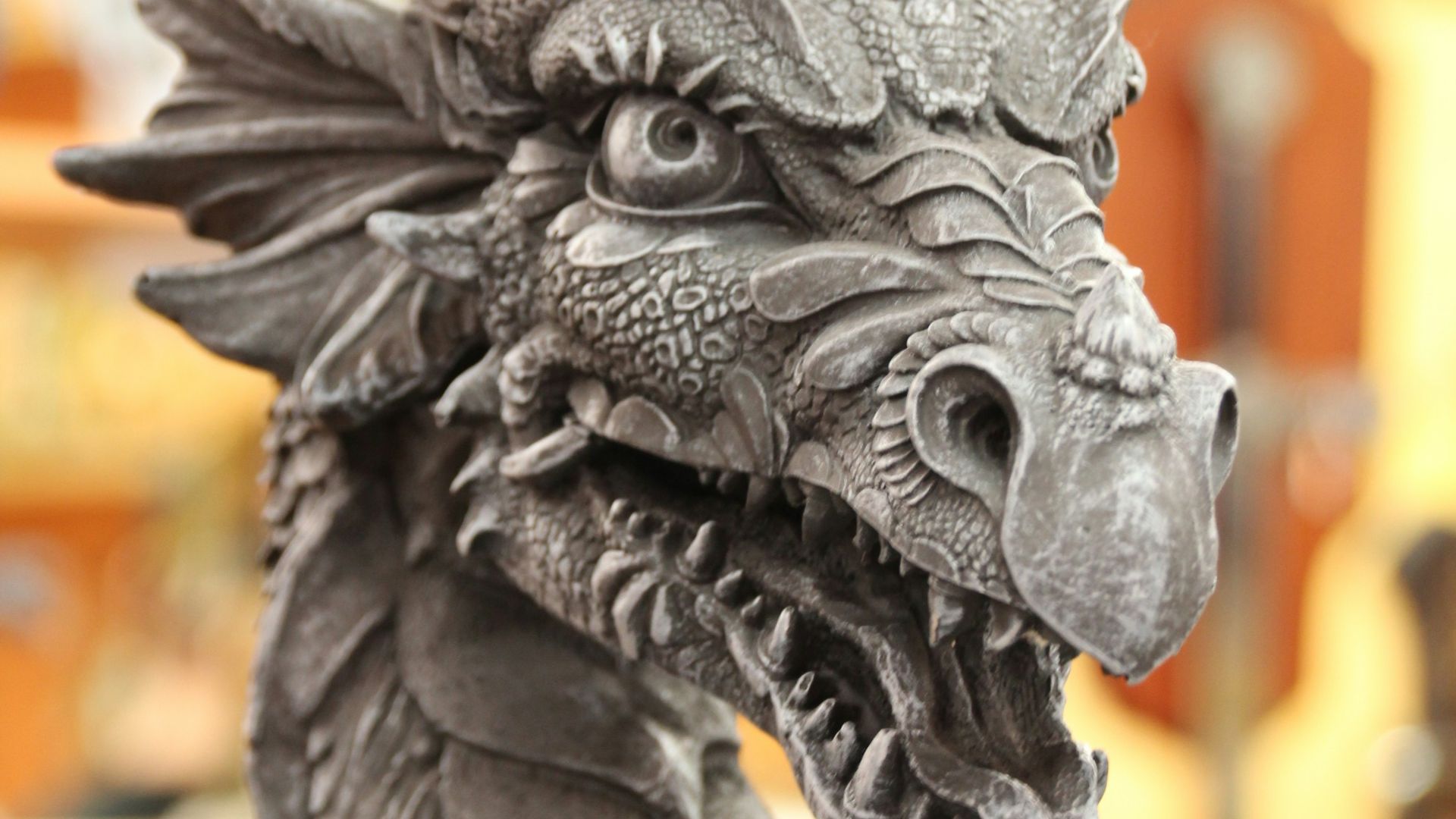
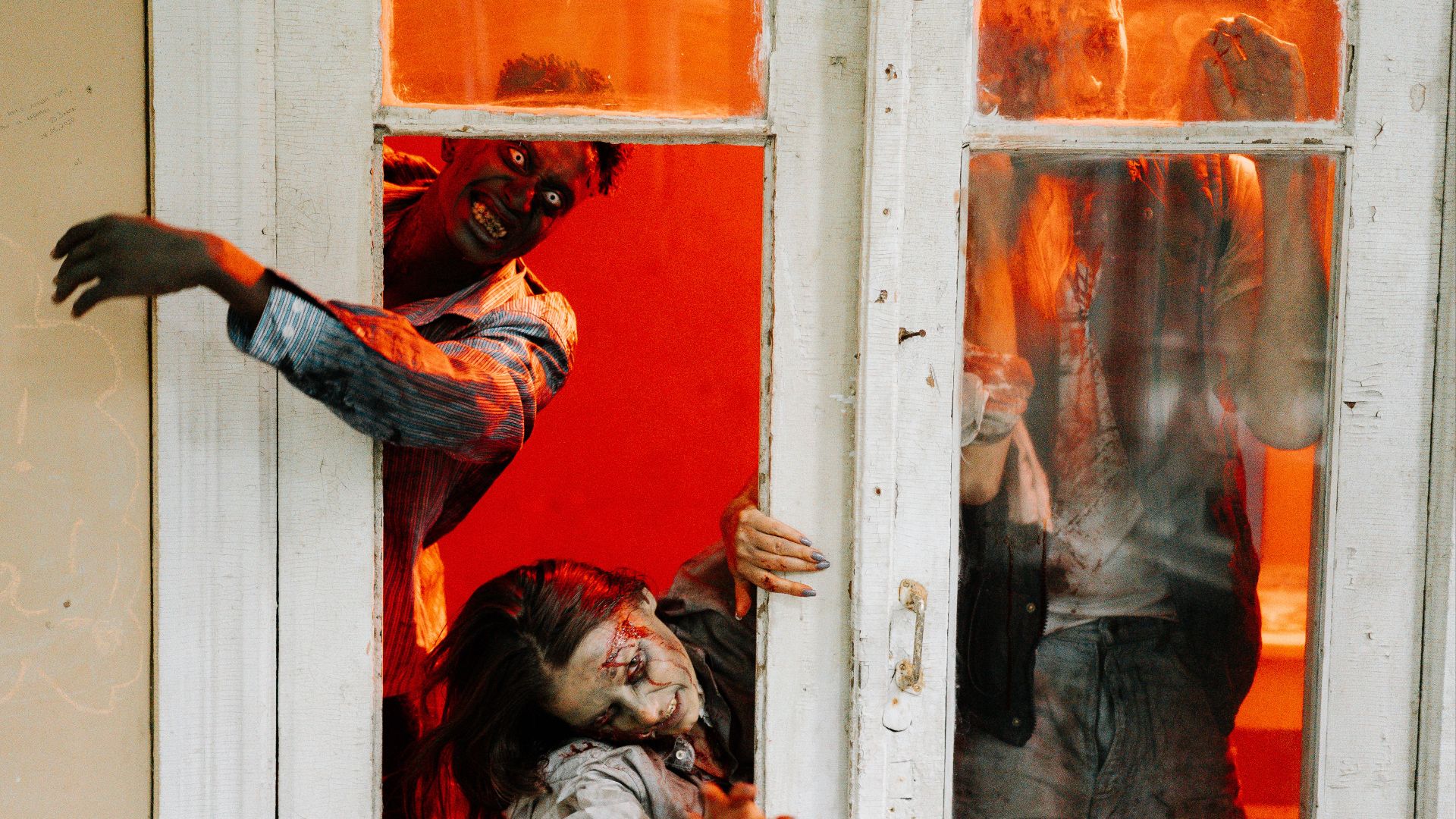
1. Zombies
A zombie doesn't have wants or grudges to appeal to, just a body that keeps moving because something else is driving it. There's no version of a negotiation that works on a creature with nothing left to negotiate with.
2. Gelatinous Cubes
A gelatinous cube isn't hunting anyone specifically, it's just drifting down a hallway, dissolving whatever happens to be in its path. Talking to it makes about as much sense as talking to the hallway.

3. The Tarrasque
The tarrasque doesn't have goals beyond destroying everything in front of it, and it doesn't pause for conversation any more than a hurricane does. Trying to reason with it is really just trying to reason with a natural disaster that happens to have teeth.
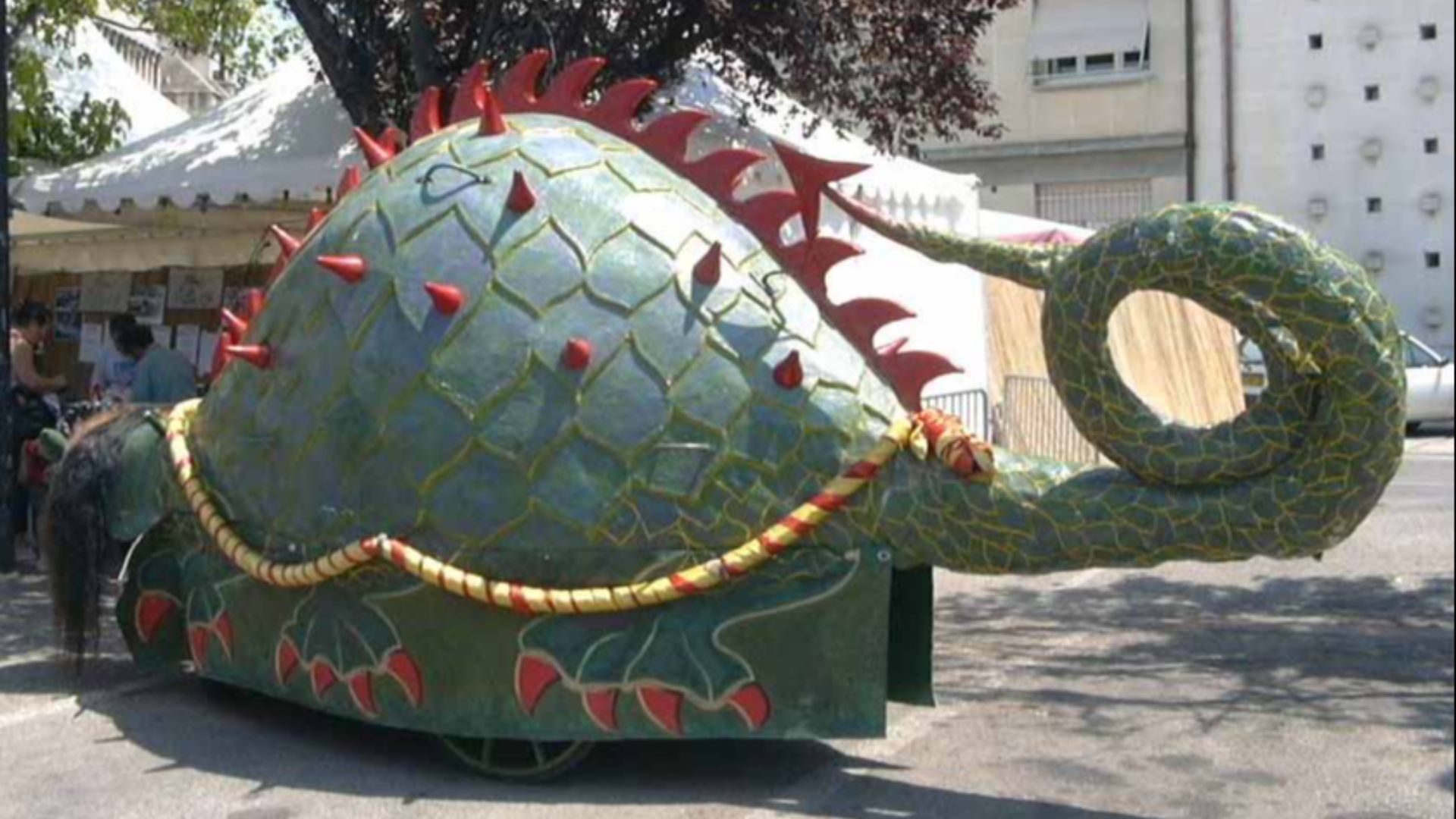
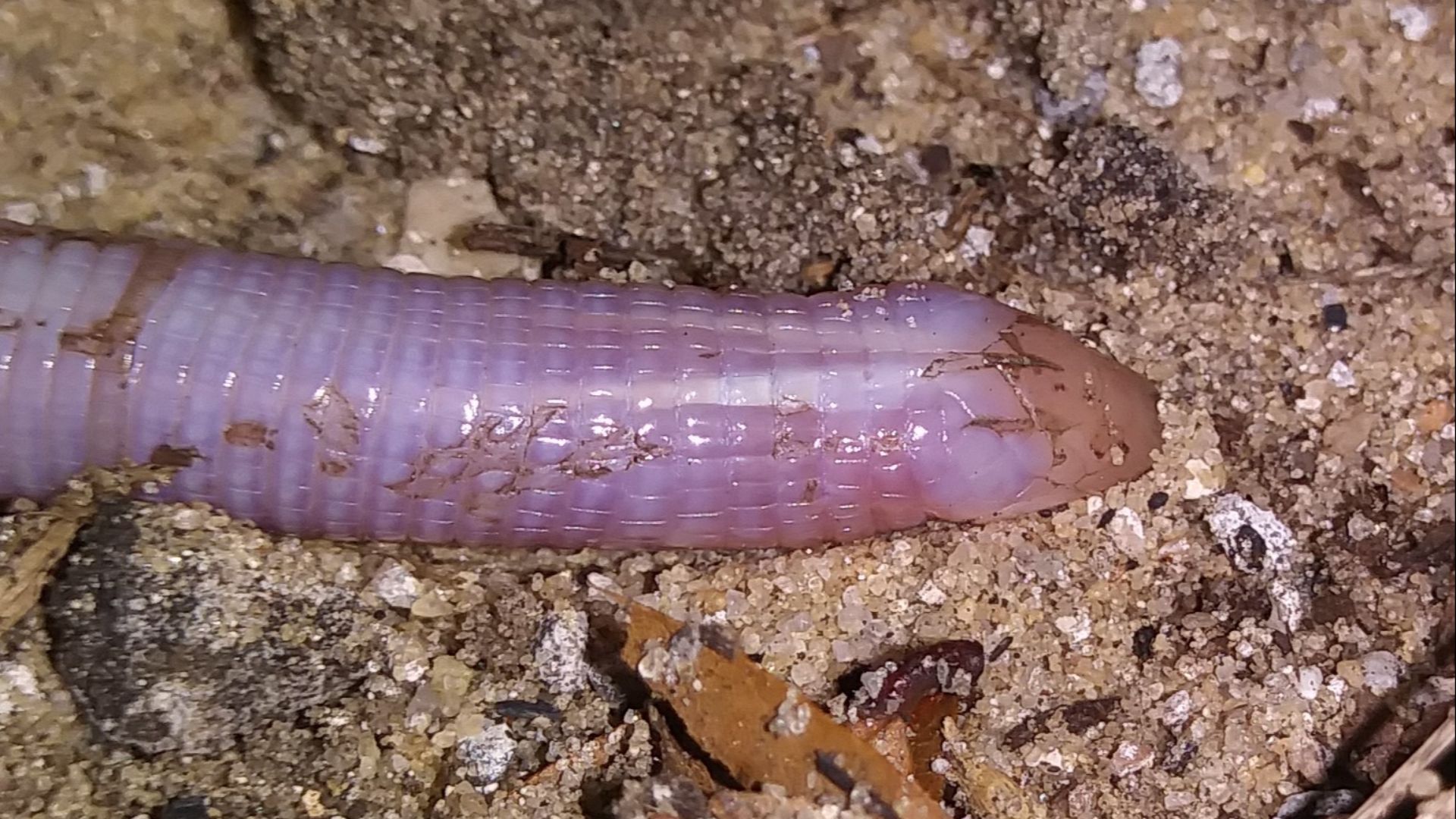
4. Purple Worms
A purple worm's entire understanding of a party is "food-shaped," and that assessment doesn't change no matter how the party phrases things. Its brain isn't built for anything more complicated than eating and tunneling.
 commons.wikimedia.org on Google
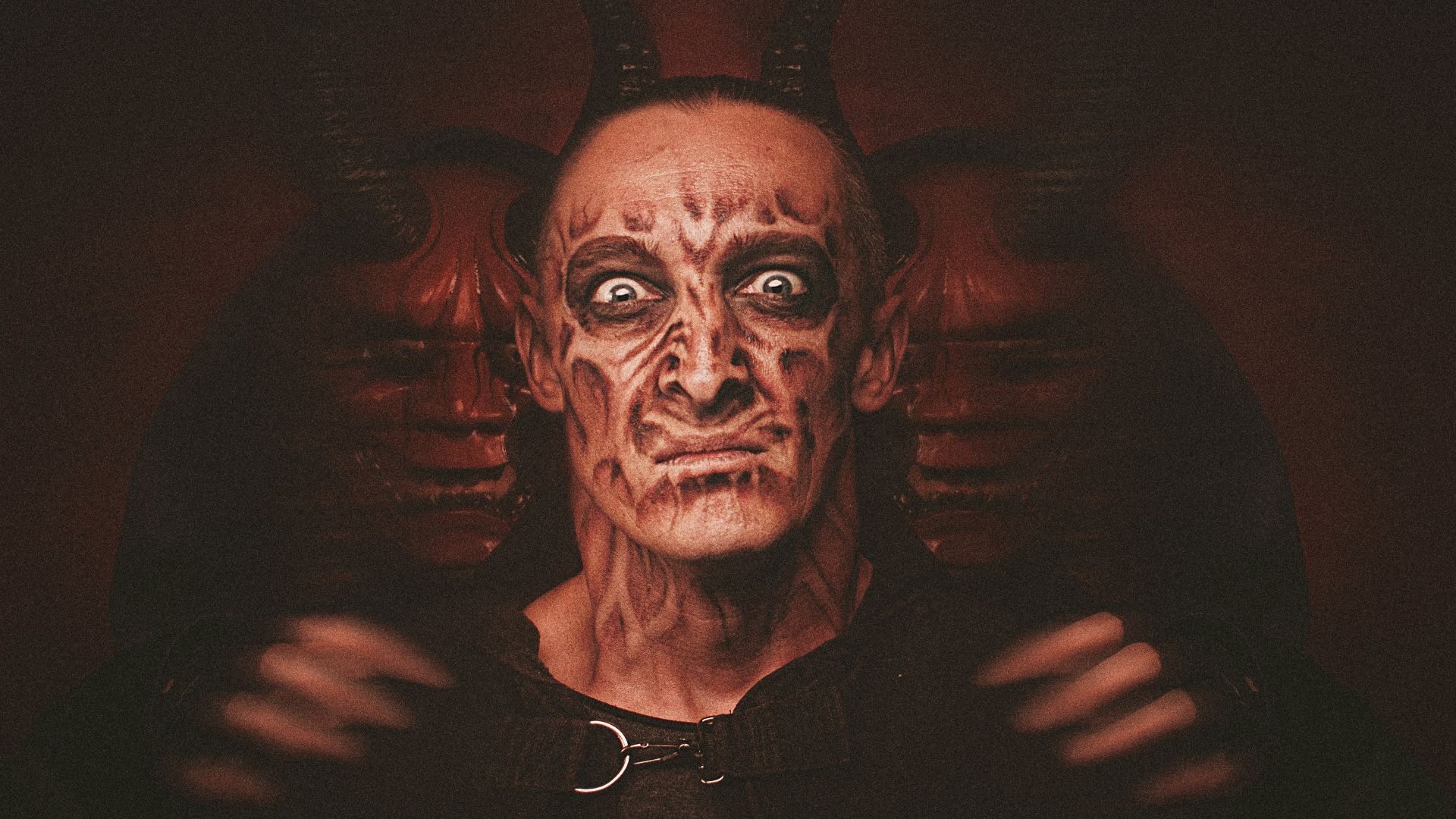
5. Balors and Other Demons
Where devils negotiate, demons mostly just want to destroy, since chaos and cruelty are baked into what they are rather than tools toward some larger goal. A balor doesn't want anything from a party that a conversation could actually provide.
 Vitaliy Shevchenko on Unsplash
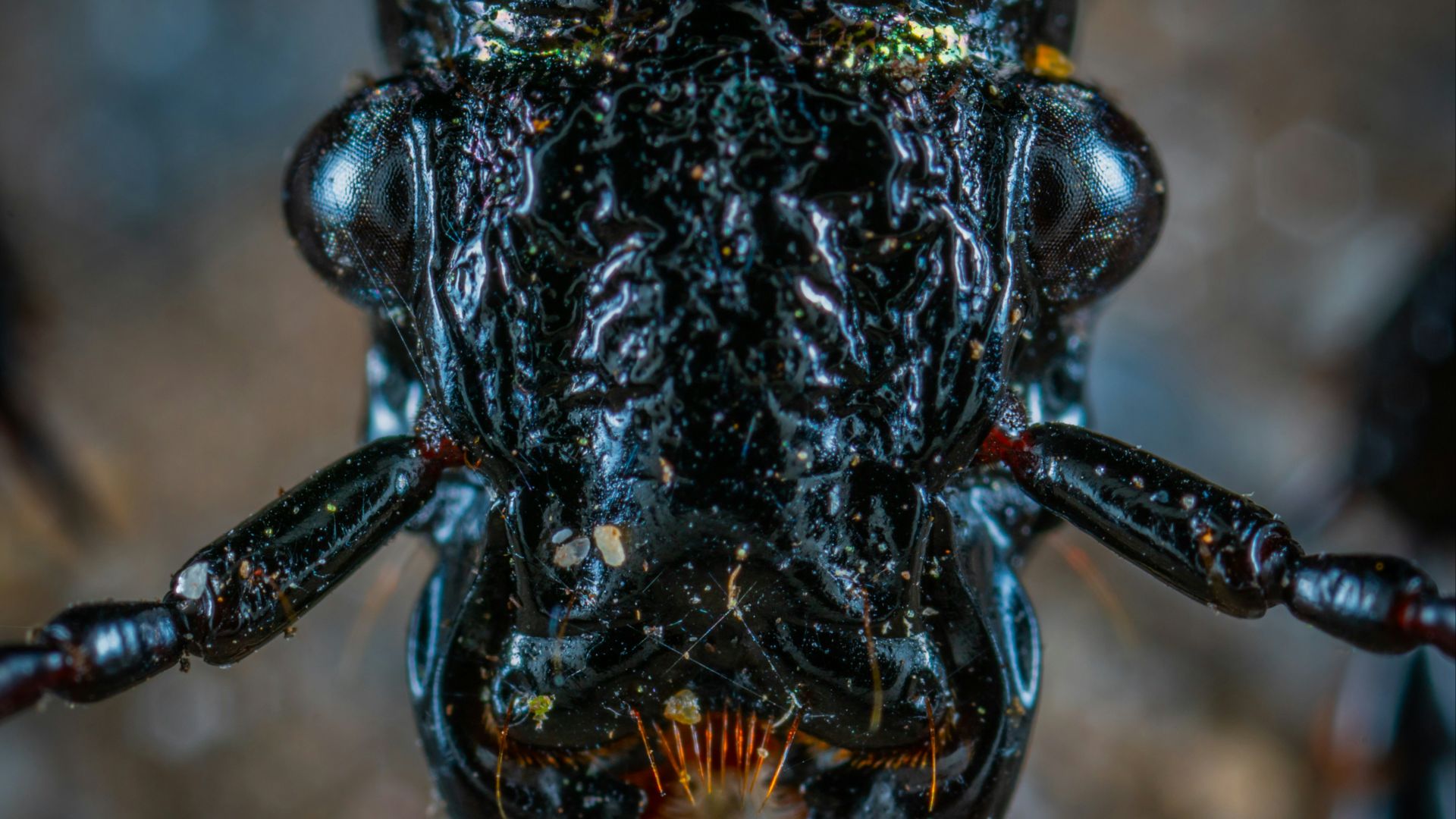
6. Swarms of Insects
A swarm isn't one creature making decisions, it's hundreds of tiny ones acting on instinct, which means there's no single mind to plead with. Reasoning with a swarm requires reasoning with something that was never listening to begin with.
 Alexandru-Bogdan Ghita on Unsplash
7. Rust Monsters
A rust monster's entire motivation is metal, and it's not particularly interested in anything a party has to say about that. Even the fanciest magic sword just registers as dinner.

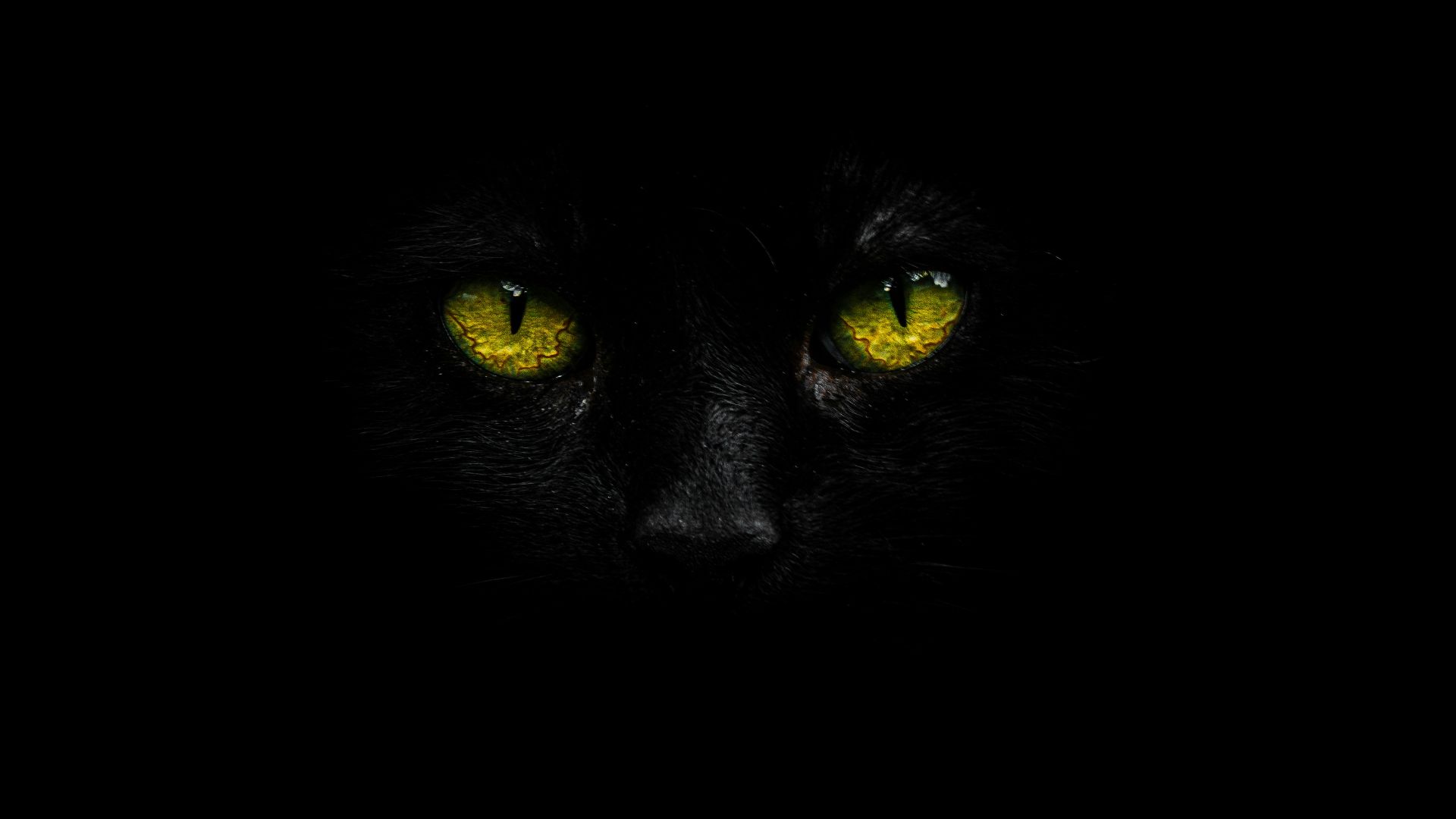
8. Displacer Beasts
Displacer beasts hunt the way big cats hunt, on instinct and hunger, with just enough cunning to make them dangerous rather than reasonable. There's no bargain that changes what it sees when it looks at a party.
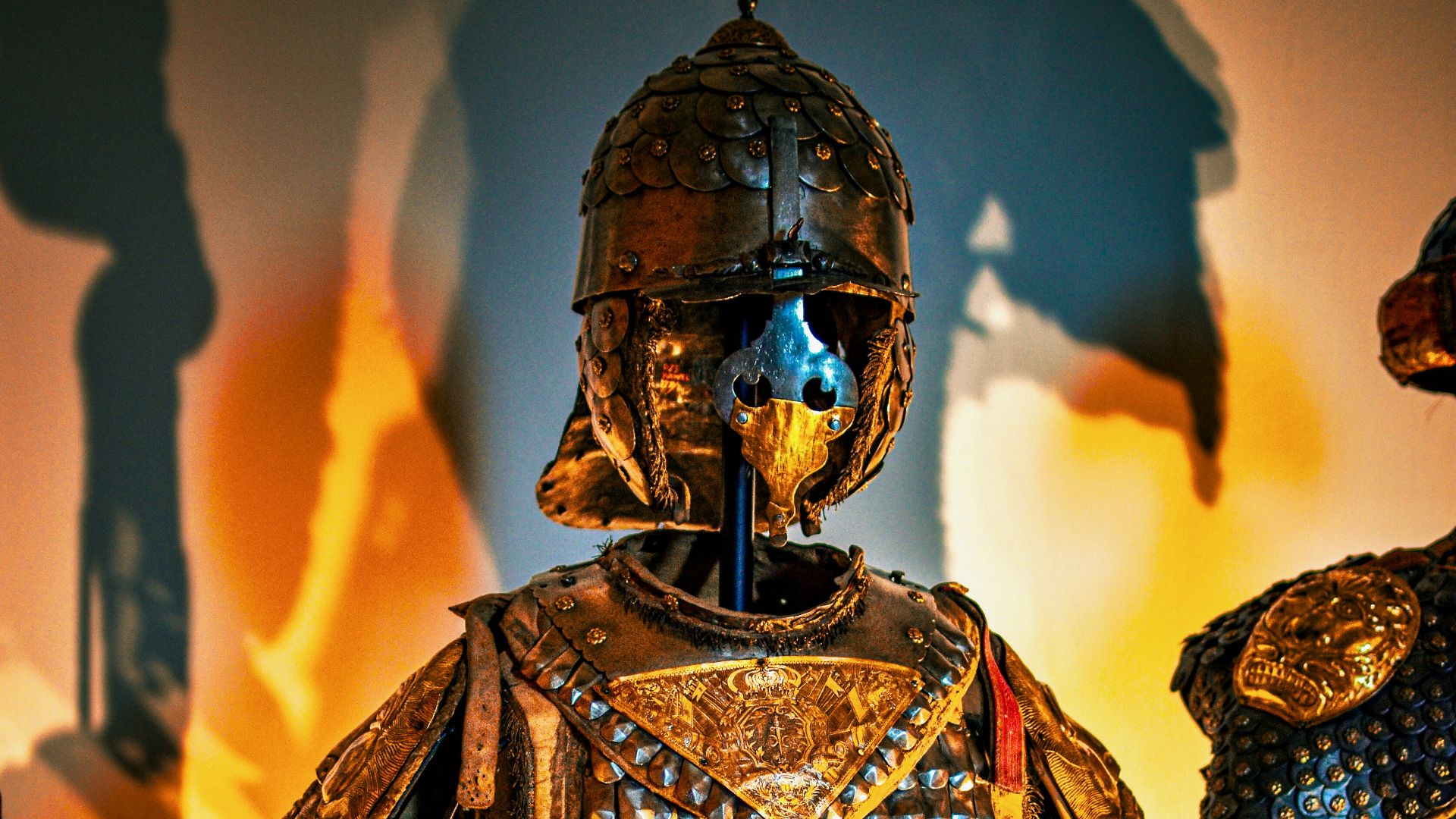
9. Animated Objects
An animated suit of armor or a flying sword is following whatever instructions set it in motion, and it has no interest of its own to appeal to. Reasoning with it is really just reasoning with whoever animated it, if that person is even still around.
10. Umber Hulks
Umber hulks tunnel, eat, and confuse anyone who looks them in the eye, which doesn't leave much room for a meaningful back-and-forth. Its instincts are simple enough that conversation just isn't part of the toolkit.