
20 Things Your Smart TV Is Probably Tracking About You
Your TV Knows More Than You Think
Smart TVs have made watching your favorite shows easier than ever, but all that convenience comes with a few surprising privacy concerns. While you're browsing Netflix, watching sports, or catching up on the news, your television could be collecting information about your habits without you realizing just how much it knows. Many modern TVs use tracking technologies to understand what you watch, how you interact with your screen, and even which advertisements catch your attention. Exactly what's collected depends on your TV's brand, settings, and connected services, but these 20 examples might make you think twice about just how smart you want your TV to be.
 Glenn Carstens-Peters on Unsplash
1. Every Show You Watch
Your smart TV may keep a detailed record of the shows you watch, including programs from streaming services and traditional cable. Some manufacturers use Automatic Content Recognition (ACR) technology to identify exactly what's playing on your screen. This information can help companies build a surprisingly accurate picture of your entertainment preferences.

2. How Long You Spend Watching TV
Ever wondered how many hours you've spent in front of the television this week? Your smart TV might already know the answer, since certain platforms collect data about viewing duration and screen activity. Companies can use these details to understand audience engagement and figure out which programs manage to keep viewers interested the longest.

3. The Time You Usually Turn It On
Your television may know whether you're an early-morning news watcher or someone who prefers staying up until midnight. Some smart TV platforms record when viewing sessions start and finish, making it easier to spot patterns in your daily routine. Over time, this information can reveal when you're most likely to be relaxing in front of the screen.
4. Which Streaming Apps You Prefer
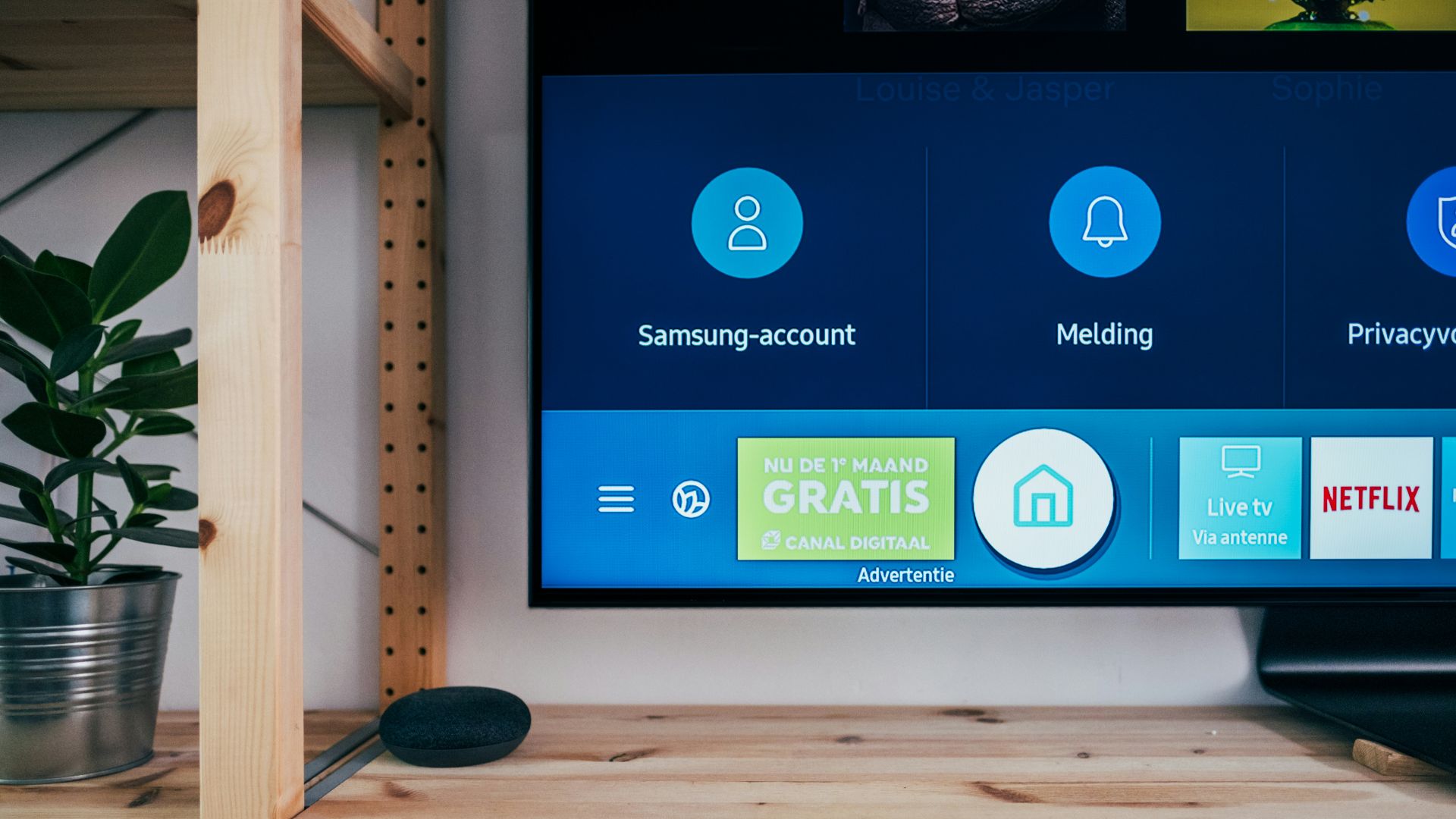
You might have ten streaming services installed, but chances are you only use a handful of them regularly. Smart TV platforms can collect information about which apps you open, how often you access them, and sometimes how long you spend using them. Those details can influence recommendations, advertising decisions, and even which services get the best spots on your home screen.

5. The Movies You Keep Rewatching
There's nothing wrong with watching your favorite movie for the twentieth time, although your television might be keeping track of every repeat viewing. Depending on the platform and enabled features, viewing data can reveal when someone returns to familiar content rather than trying something new. Advertisers and content providers can use these patterns to get a better idea of audience loyalty and entertainment preferences.

6. What You Search For
Typing a movie title into your TV's search bar might seem harmless, but those searches can end up becoming part of your activity history. Smart TV platforms may collect search terms to improve recommendations and understand what viewers are looking for. Even searching for something you never actually watch can reveal information about your interests, so that's something to remember the next time curiosity gets the better of you.
7. Your Voice Commands
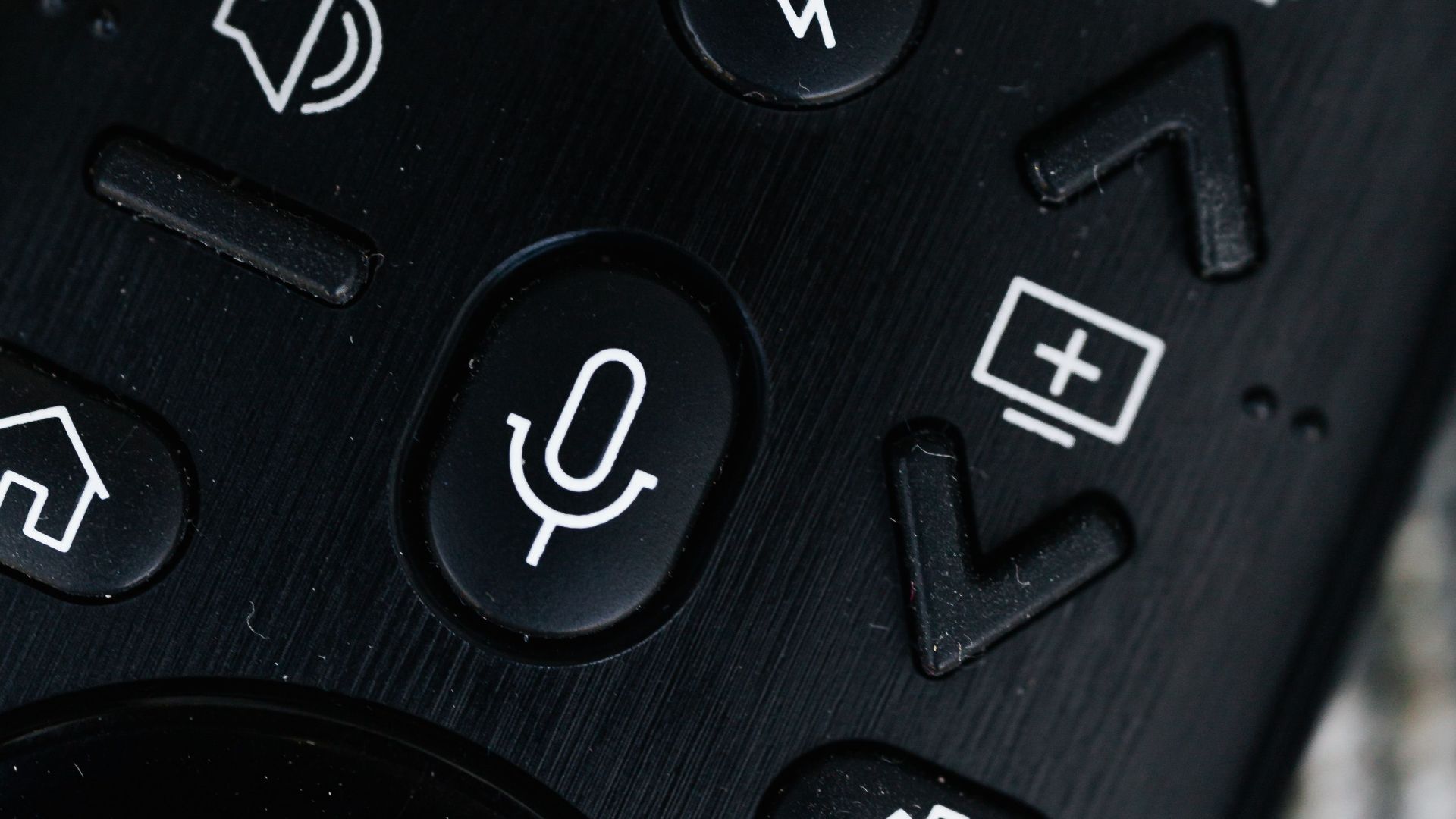
If your television has a voice-controlled remote or built-in assistant, some of your spoken requests may be processed and stored by the service. These interactions can include searching for movies, asking to change channels, or telling your television to adjust its settings. That doesn't mean every smart TV is secretly listening to conversations around the clock, but it's worth looking into what your particular device does with voice data.
 https://kaboompics.com/ on Pexels
8. The Advertisements You See
Skipping a commercial doesn't necessarily mean your television has forgotten all about it. Certain smart TV systems can identify advertisements displayed on the screen and collect information about when they appeared. Advertisers use this data to measure campaign reach, see how often households encounter particular commercials, and make decisions about future advertising strategies.

9. Your Reactions to Advertisements
Your television generally can't tell whether you actually enjoyed an advertisement, but it may know how you interacted with it. Some platforms track whether users click on an advertisement, visit an advertised service, or take other measurable actions. That information helps marketers figure out which promotions attract attention and which ones viewers don't seem particularly interested in.

10. Your Approximate Location
You don't have to share your exact home address for your smart TV to have a pretty good idea of where you live. Internet-connected televisions can use IP addresses and other network information to estimate a household's geographic location. This information helps provide regional programming, local advertisements, and services that are more relevant to people in your area.

11. Your Internet Connection Details
Connecting your television to Wi-Fi involves sharing more technical information than you might realize. Depending on the manufacturer, collected data can include your network name, IP address, connection quality, and certain router details. Much of this information is useful for troubleshooting connectivity problems, although some network identifiers can also help with device recognition and analytics.
12. The Devices Connected to Your TV
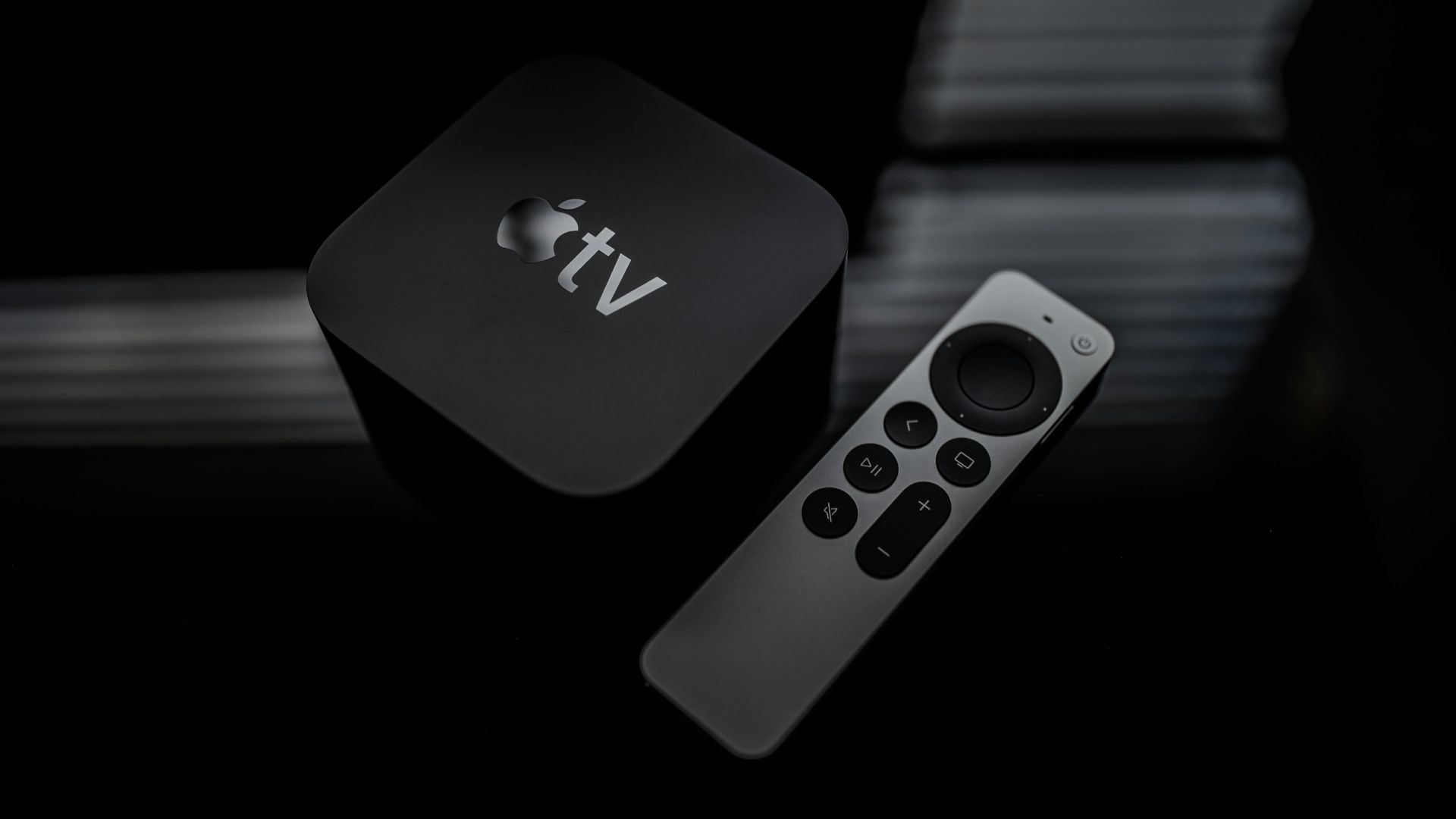
Plugging a gaming console, streaming stick, or cable box into your television doesn't necessarily mean that device's activity stays separate from the TV manufacturer. Some smart TVs can identify connected equipment and, when compatible content-recognition features are enabled, recognize what's appearing through those inputs. In other words, switching to an external streaming device won't always stop your television from collecting viewing-related data.
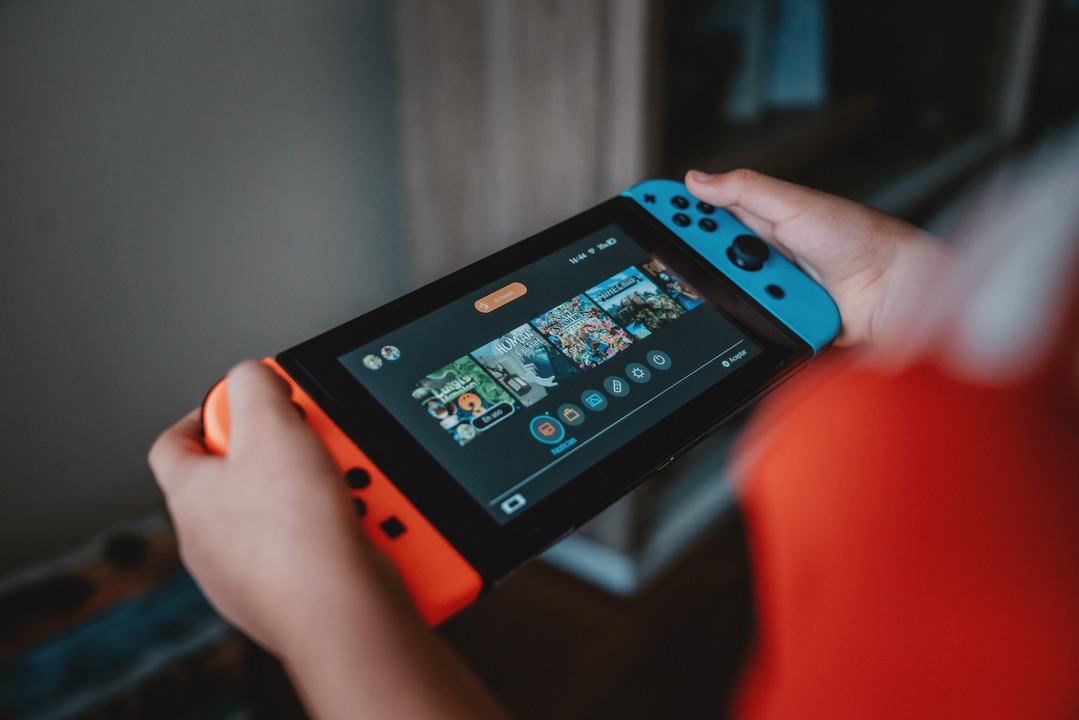
13. How Often You Play Video Games
Your gaming sessions can provide another source of information about how you use your television. Certain content-recognition systems can detect gaming content, while other TV features may collect details about connected consoles and input activity. Manufacturers can use this information to understand how often people use their televisions for gaming instead of watching traditional entertainment.

14. Your Favorite Television Channels
Even if you rarely use streaming services, that doesn't necessarily mean you're avoiding smart TV tracking. Some televisions equipped with content-recognition features can identify channels watched through antennas or connected cable boxes. Companies can then use this information to measure television audiences and learn which networks appeal to different groups of viewers.
15. The Types of Content You Enjoy
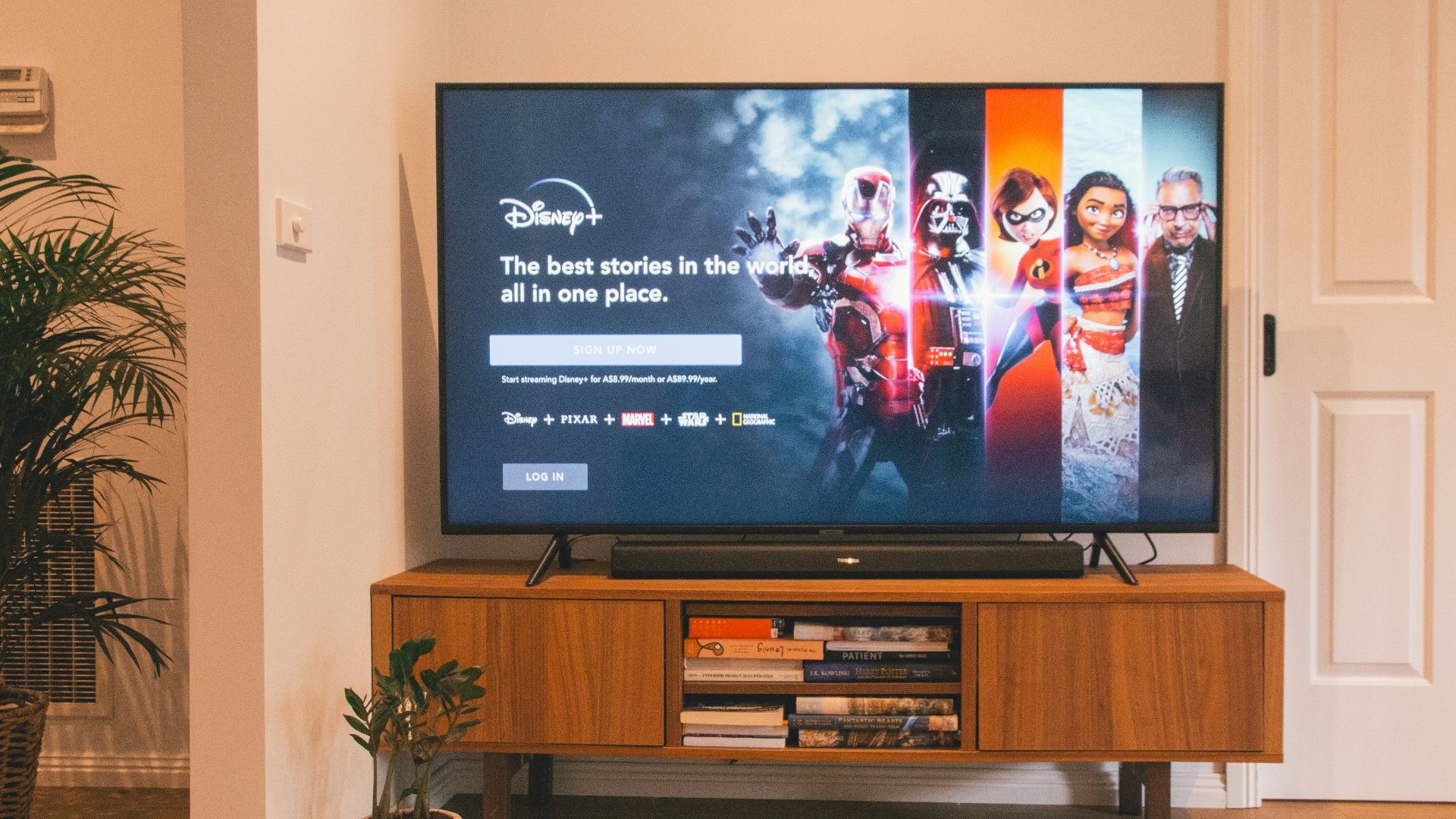
You might never tell your television that you love horror movies, cooking competitions, or true crime documentaries, but your viewing habits could give those preferences away. Entertainment platforms can analyze the content you watch to group users based on their interests. These categories can influence everything from personalized recommendations to the advertisements that appear on your screen.
16. Your TV's Unique Identity
Much like smartphones, smart TVs can have unique device IDs that allow services to recognize them. These identifiers may include advertising IDs, hardware addresses, and other technical information associated with the television. Some can be reset or managed through privacy settings, but they may still allow companies to connect different activities to the same device over time.

17. Your Other Connected Devices
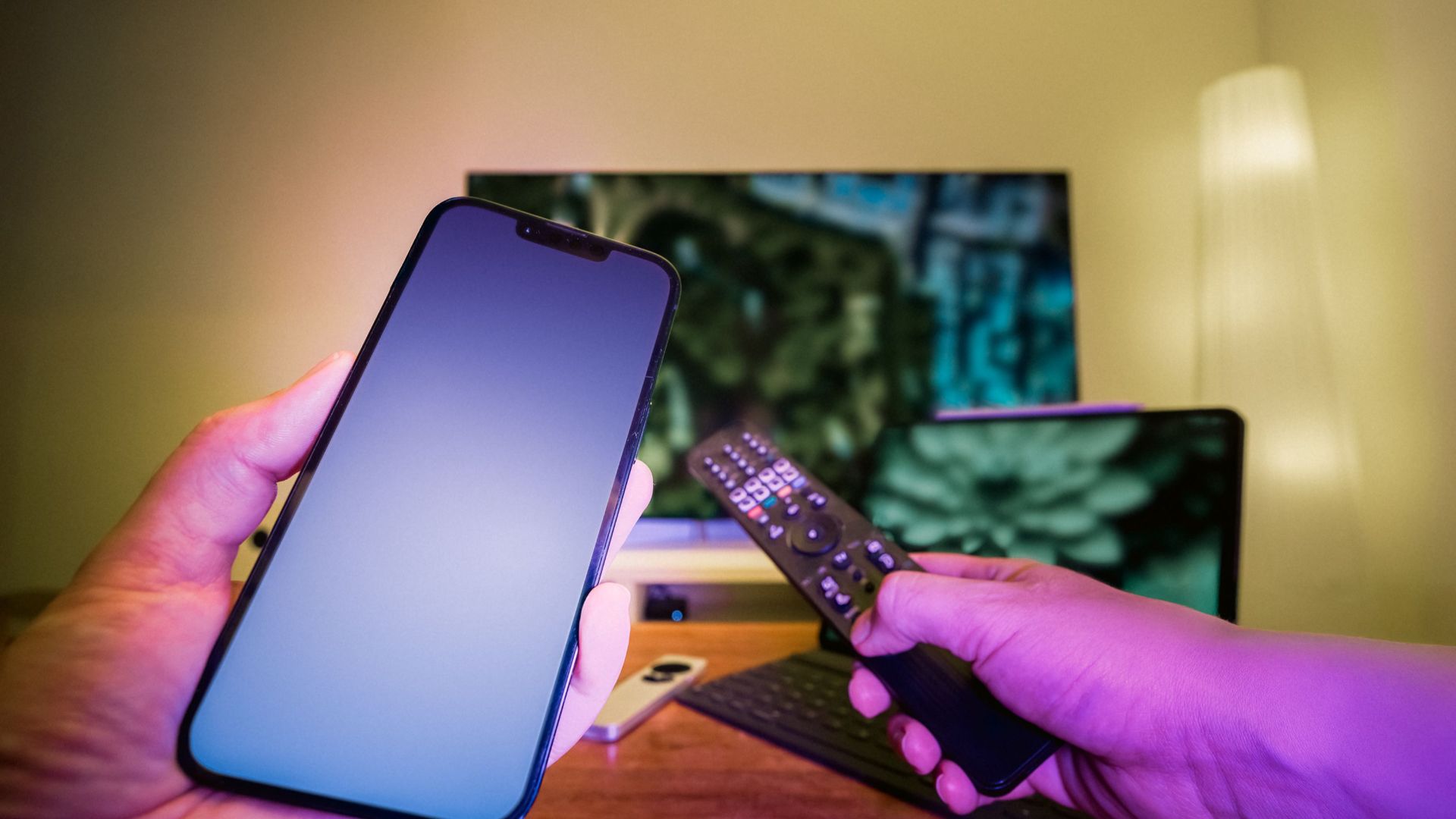
Your smart TV may be able to gather information about other devices sharing its internet connection, depending on the platform and permissions involved. For example, Roku's privacy policy mentions collecting certain information about other devices connected to the same network. This doesn't mean your television can freely access everything on your phone or laptop, but it does show how much your home network can potentially reveal.
18. Your Household's Advertising Interests
The information collected through your television doesn't always stop at your entertainment preferences. Some advertising systems combine viewing data with other available information to create household-level audience profiles, which may include estimated demographics or shopping interests. These profiles aren't always accurate, but they can still influence which products companies choose to advertise to your household.

19. Your Activity Across Different Screens
Have you ever noticed an advertisement on your phone for something you recently saw promoted on television? Cross-device advertising systems can sometimes connect television viewing activity with other devices belonging to the same household. This allows participating advertisers to coordinate campaigns across TVs, smartphones, and computers, although how much tracking happens depends on the services involved and your privacy settings.

20. How You Use Your TV's Settings
Even something as simple as adjusting your television's settings can generate useful information for manufacturers. Some smart TV platforms collect usage statistics, device status information, software versions, and technical error reports to see how their products are performing. While this data can genuinely help improve reliability and the overall user experience, it also shows just how much information a connected television can collect without you ever opening a streaming app.
 Nicolas J Leclercq on Unsplash