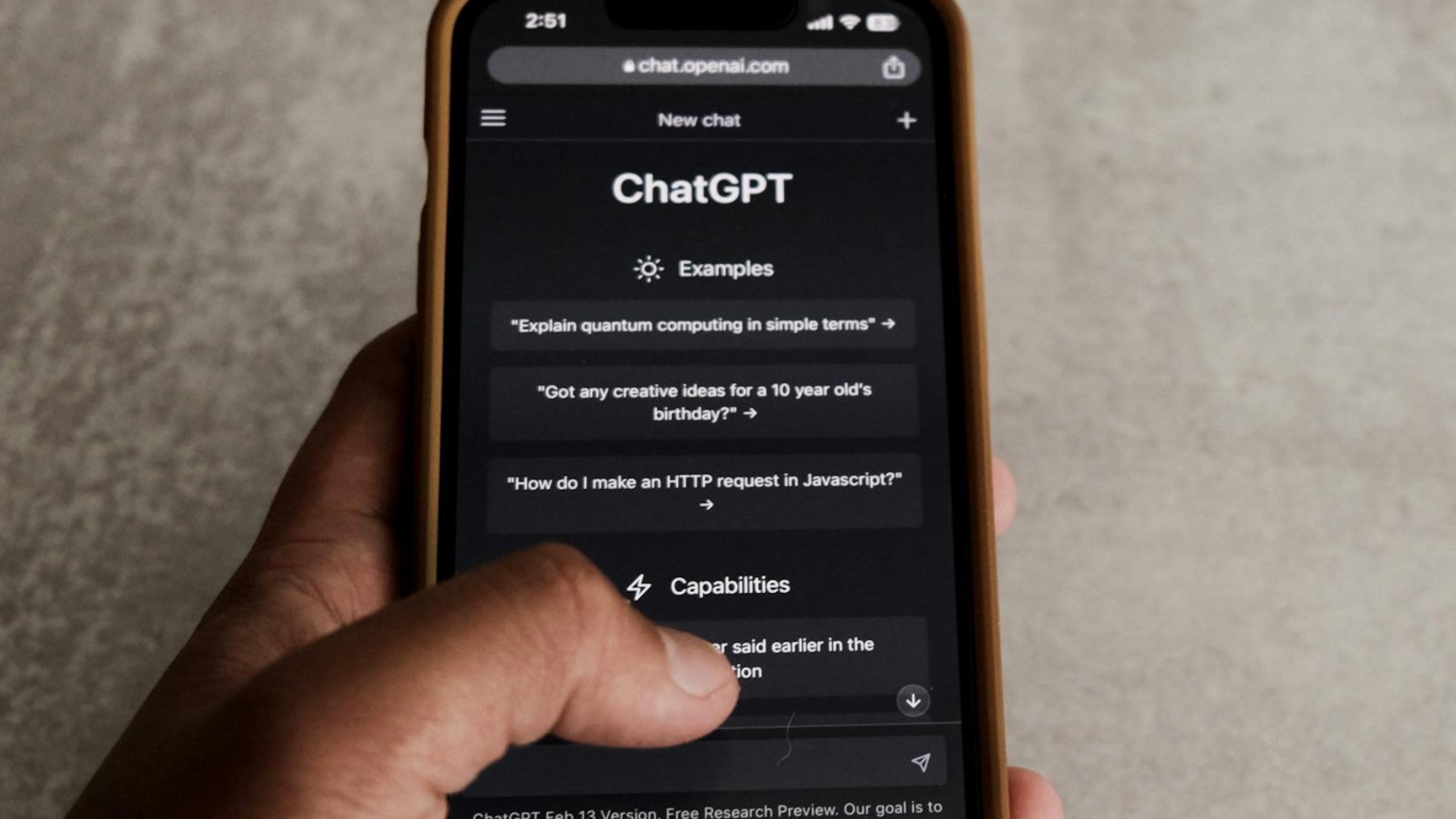
You've just been assigned to write a 1,000-word essay for English class. In your programming class, you have a coding project that's due at the end of the week. At work, you're told to create a presentation for an upcoming meeting with a client. With so much on your plate, you feel there's only one way to get everything done on time: use AI.
But while AI tools are helpful with some tasks, relying on them to do everything for you can be dangerous and hinder your learning rather than support it. This kind of convenience comes with a steep cost, and when AI becomes the default solution we turn to, we quickly lose our creativity, critical thinking skills, individuality, and even our agency.
Weakens Problem-Solving and Critical Thinking Skills
The number one issue with relying on AI for everything? It weakens our problem-solving and critical thinking skills. After all, why put in the effort yourself when you can get answers and solutions from AI instantly? It seems like it would harm your productivity more if you didn't use AI tools to your advantage.
This isn't to say that using AI can't help you learn, polish, or develop specific skills, but the issue lies with how users incorporate AI-generated responses into their work. By blindly trusting these tools and the answers they give us, we're less likely to do our own research and dig deeper, or challenge different views and form our own opinions. This, evidently, will only deteriorate our ability to think for ourselves and rely on our own abilities.
Encourages Laziness
Learning shouldn't always be easy. In fact, you should struggle. It's when you struggle that you push harder, look deeper, and cross-check different sources to gain a wider berth of understanding. Allowing AI to do all the hard work for you will only encourage the idea that it's okay to sit back, relax, and let AI handle everything from start to finish.
This type of laziness only means you'll be more likely to overlook potential errors or inaccuracies as well. AI does regularly hallucinate, which makes it all the more important for you to fact-check the information it generates, instead of treating it as proof. But when you're already so reliant on AI that you're letting it rob your creativity and decision-making skills, you're unlikely to question its output, and that will only harm your cognition even further.
No Authenticity
When we all rely on AI, that leaves no room for our individual voices to shine. Job applications will sound the same. Interviews will sound the same. School essays and work assignments, from data-driven projects to creative tasks, will all blend into one, with none standing out.
When there's no authenticity, that erases the human touch. It encourages the idea that it's okay for AI to replace us, and that it's, in fact, better that it does. But over time, this will likely hurt us more than it benefits us. If you're afraid of AI taking your job, why aren't you worried that it might take away everything you know?
As helpful as AI can be when we work with it collaboratively, only humans can solve human problems. AI relies solely on algorithms to generate the feedback it does; it doesn't adapt on the spot to create innovative, original solutions. AI also lacks human experience, and will never be able to understand nuances, intricacies, and more complicated human issues. These limitations alone should encourage us to keep building and strengthening our own knowledge instead of letting AI replace our voices and our unique mental capabilities.