
The Double-Edged Sword of AI
By now, you're probably no stranger to AI (artificial intelligence) tools. With models like ChatGPT, Claude, Gemini, Perplexity, and more, readily accessible at our fingertips, it's easier to let AI do the thinking for us than put in the effort ourselves. In some cases, AI can boost our intelligence and learning; in others, however, overreliance can do more bad than good. Here are 10 ways AI is making us smarter—and 10 ways it's limiting our knowledge.
1. Personalized Learning
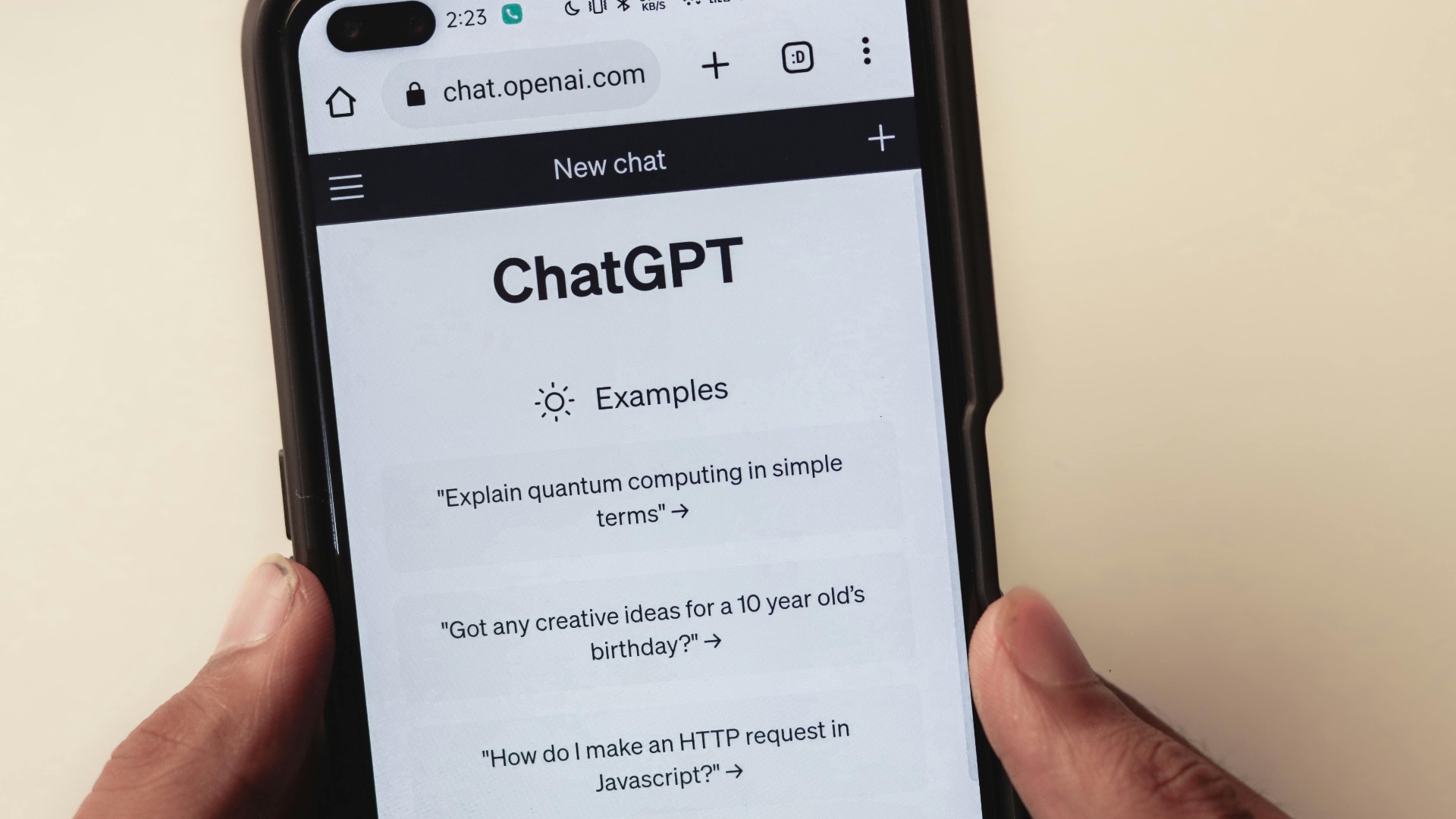
With AI, you no longer need to rely on finding the perfect tutor who understands your learning style. By telling AI how you learn, and how you prefer to absorb information, it can adapt to suit your needs. This way, you'll find it easier to grasp a range of subjects. AI models are also often more patient and receptive to questions.

2. Faster Problem Solving
AI can help you solve problems in an instant, as well as provide clear explanations so that you're able to see right off the bat how it reached that solution. This has made it easier for, say, software engineers and programmers to implement the right code to carry out specific tasks.
3. Instant Answers
Got a question? No matter how short or long your query is, how vague or specific, AI can give you an answer in a split second and explain it in a way that allows you to understand clearly. If you have any follow-up questions, it can answer those for you, too.

4. Skill Development
Need to develop a skill? While it might be best to take specific courses that help you gain certain industry skills, AI can still get you started and warmed up. For example, if you're learning a new language, practicing with AI may make you more comfortable speaking out loud and correcting your pronunciation.

5. Supports Creativity
From brainstorming to research, AI can spark inspiration by helping you think outside the box. No matter whether you're a writer, programmer, or designer, AI can tap into your specific field and push you to new limits.

6. Supports Decision-Making
If you're stumped on which option to choose, sometimes, AI can be your best friend. You shouldn't go to it for important decisions, but for anything small, you can rely on it to give you honest opinions about your choices and help you weigh out pros and cons.

7. Improving Literacy
Whether you're learning a new language or want to practice your speech to improve your diction, AI is there to guide you through it. It may not be as helpful as a real tutor or instructor, but you may feel more comfortable (and less embarrassed) practicing with AI.

8. Boosting Confidence
Got a job interview coming up? Along with helping you tailor your responses, AI can run through several practice interviews with you so you can find your rhythm and calm your nerves. This can help boost your confidence so you're ready when the real one comes.

9. Gain Deeper Insight
If you want to dig deeper into a subject or just want to have someone to discuss theories and hypotheses with, AI is there to challenge your knowledge and stretch your imagination. Sure, you can chat with a friend, too, but that requires them to be as passionate as you are about the same subjects.

10. Encourages Curiosity
Above all, AI is helping to make us smarter by encouraging us to stay curious and open-minded. Whereas before you may have given up on researching certain topics because you had a different learning style, or because it wasn't as easy to find information online, AI now bridges that gap, allowing you to explore and expand to your heart's content.
But AI isn't all good—in fact, as smart as it might be making us, it's also making us dumber, and lazier. Here's how:

1. Overreliance
How is AI limiting our knowledge? By doing the thinking for us, we're less likely to practice and develop our own reasoning and problem-solving skills, which can create knowledge gaps that stunt our growth. AI tools might be useful, but it's important to find a balance instead of relying on them at every possible chance.

2. Weakened Memory
If you're always relying on AI to recall certain facts and pieces of information for you, you never exercise your own brain. This can eventually weaken your long-term memory retention, and you may start to have trouble remembering things.

3. Shallow Understanding
AI may be able to adapt to your specific learning style, but it still lacks the skills and traits that human tutors have. This means you might get the right answer by asking AI, but you may sometimes be left in the dark about how or why the solution is what it is.

4. Hallucinations
There's another downside to relying on AI: without fact-checking the responses it gives us, we may be fed the wrong information. After all, AI is no stranger to hallucinations, and that means it can make stuff up and spin something out of nothing.

5. Little to No Mental Effort
Why put in the effort when AI can do the job for us? Instead of writing our own reviews, designing our own ideas, or organizing our own plans, you might think it's easier—and faster—to rely on tools that do these tasks for us. But when there's little to no mental effort involved, this can do more harm than good.

6. Creativity Blocks
We mentioned earlier that AI can help spark inspiration, which can boost creativity, but there's a downside to including AI in your projects as well. For one, because AI relies on algorithms, it can never surpass the original ideas that humans come up with. And yet, some may still find it easier to let AI do the work, which can hurt our ability to think for ourselves.
 Med Badr Chemmaoui on Unsplash
7. Weaker Writing Skills
AI can spit out an entire essay for you in a few seconds, but if you never practice your writing skills, your vocabulary, style, and voice will only deteriorate. AI-generated text may come in handy in a pinch, but overreliance can eventually chip away at your writing confidence.

8. No Independent Judgment
It may feel easier to rely on AI to make decisions for us, but over time, this might make you more trusting of algorithms over your own reasoning. It's important to understand that, as helpful as AI is, it can't replace the way humans weigh pros and cons themselves, and the complex process behind certain decisions.

9. Reduced Problem-Solving Skills
When you learn something new, you'll inevitably hit roadblocks. But struggling through problems is a part of the process, and knowing how to come up with and work through solutions is how you expand your knowledge. It feels more rewarding that way, too. But if AI can always save the day by removing that discomfort altogether, you'll never experience what it's like to solve problems on your own.
 Volodymyr Hryshchenko on Unsplash
10. Lower Attention Span
Why listen to a two-hour lecture when AI can give you the information you need in a few seconds? Instant answers, however, can lower your attention span over time, meaning you're less likely to want to pay attention to longer, detailed responses when you're used to quick, immediate replies.