What the Long Boxes Don't Teach You
Every new collector learns to bag and board within the first week, and that's usually where the actual education stops. The real mistakes happen further in, buried in grading nuances and distributor mechanics that never make it into a beginner's guide. Longtime collectors and dealers watch new buyers make the same expensive missteps over and over, mostly because nobody explained the difference between what a comic looks like and what a comic actually is on paper. Here's 20 comic book collecting mistakes beginners make, the kind that only shows up once real money's already been spent.

1. First Appearance vs. First Full Appearance
A character's shadowy cameo in one issue and their actual first full appearance a month later can carry wildly different price tags, even though both technically feature the character. Wolverine's brief cameo in Incredible Hulk #180 gets far less money than his full introduction in #181, and beginners regularly buy the wrong one thinking they've found the key.
2. Newsstand vs. Direct Edition
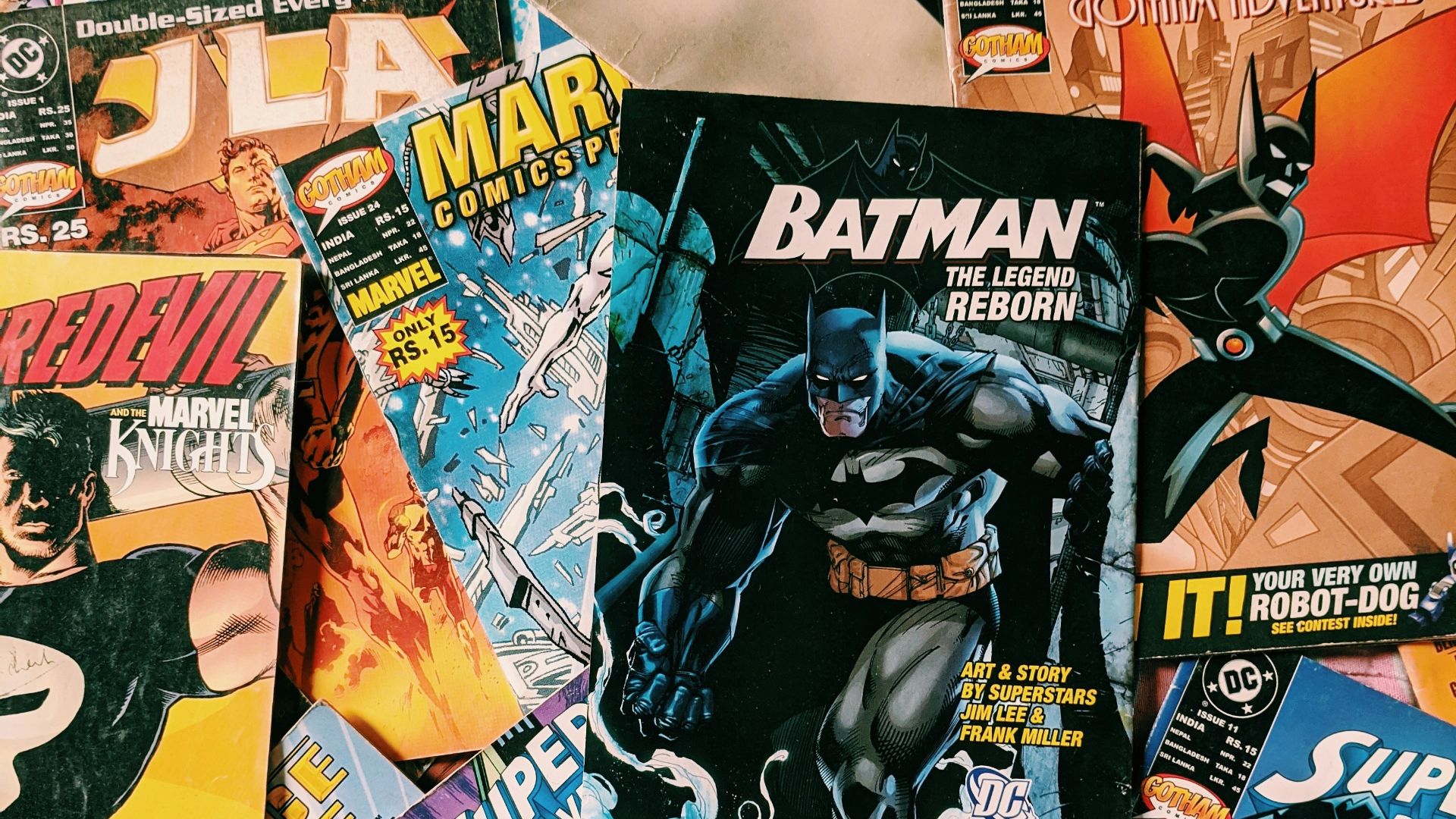
Comics from the 1980s and 90s came in two formats, a Direct Edition sold through comic shops and a Newsstand copy sold at drugstores, distinguishable by a small logo or barcode box on the cover. Newsstand copies are frequently scarcer in high grade than their Direct counterparts, since fewer were printed and unsold copies were destroyed rather than returned, yet beginners often assume the barcode version is worth less.
3. PVC Bags and Boards
Cheap bags made from PVC plastic slowly leach plasticizers that yellow paper and degrade covers over years of storage, even inside a closed long box. Archival-quality polypropylene or polyethylene bags cost slightly more but don't carry that same chemical risk, and the difference only becomes obvious once the damage has already set in.
4. Storing Comics Flat Under Weight
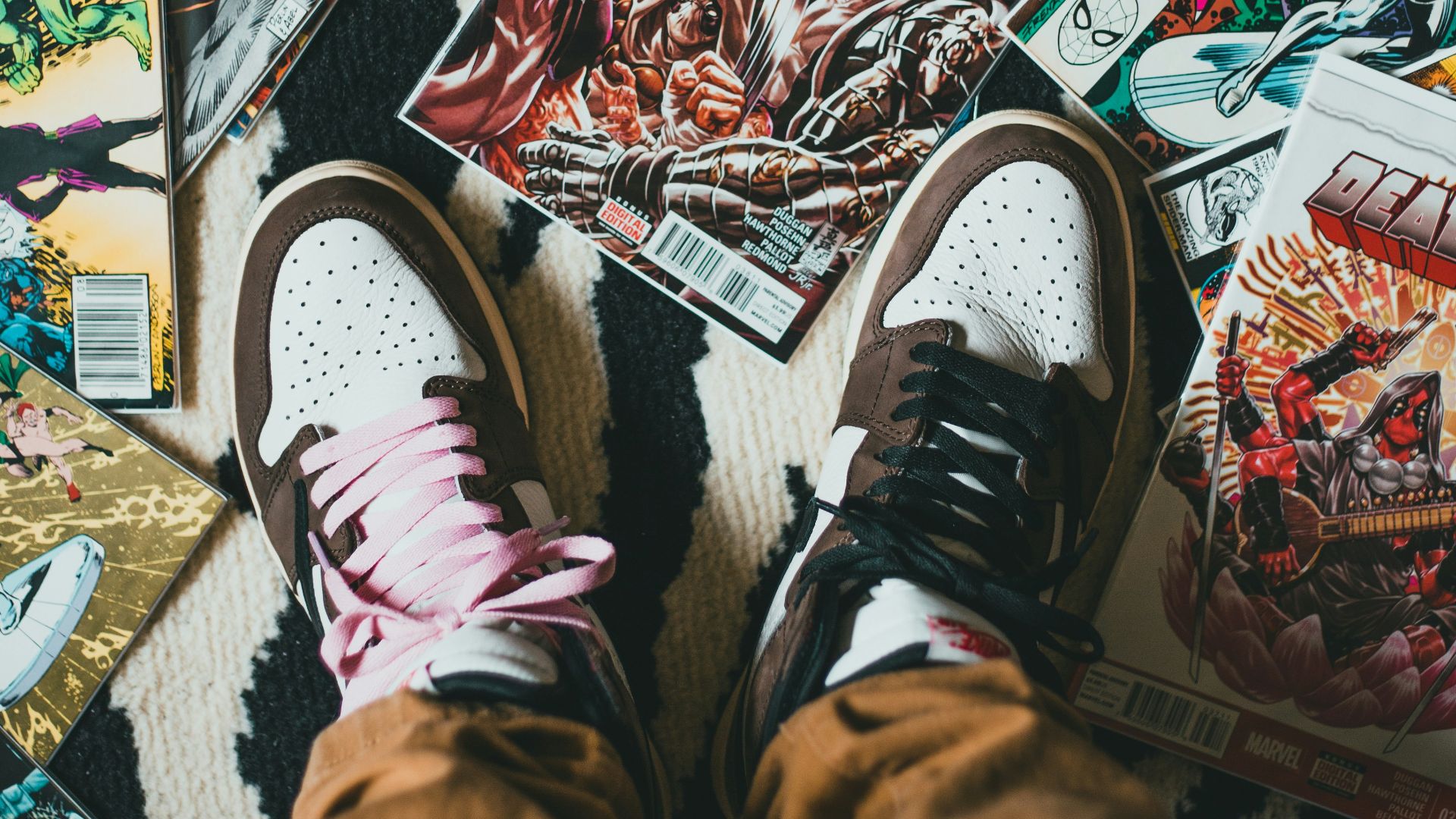
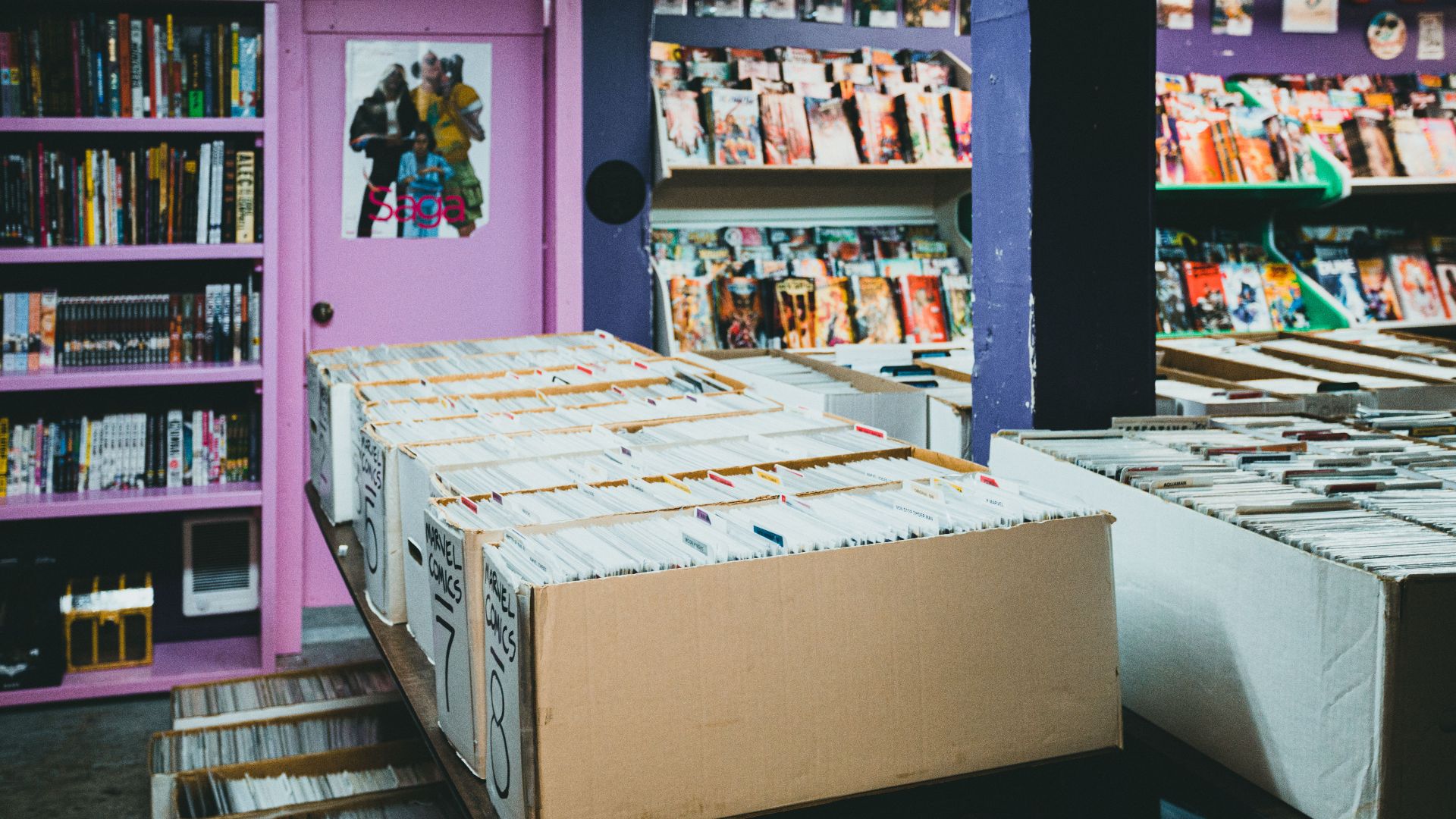
Stacking comics horizontally under the weight of other books, rather than filing them upright in a properly sized box, stresses spines and can cause subtle warping that's hard to notice until a book's already been sold or graded. Long boxes exist specifically to keep books upright and evenly supported for this reason.
 Stanislav Kondratiev on Pexels
5. Undisclosed Restoration
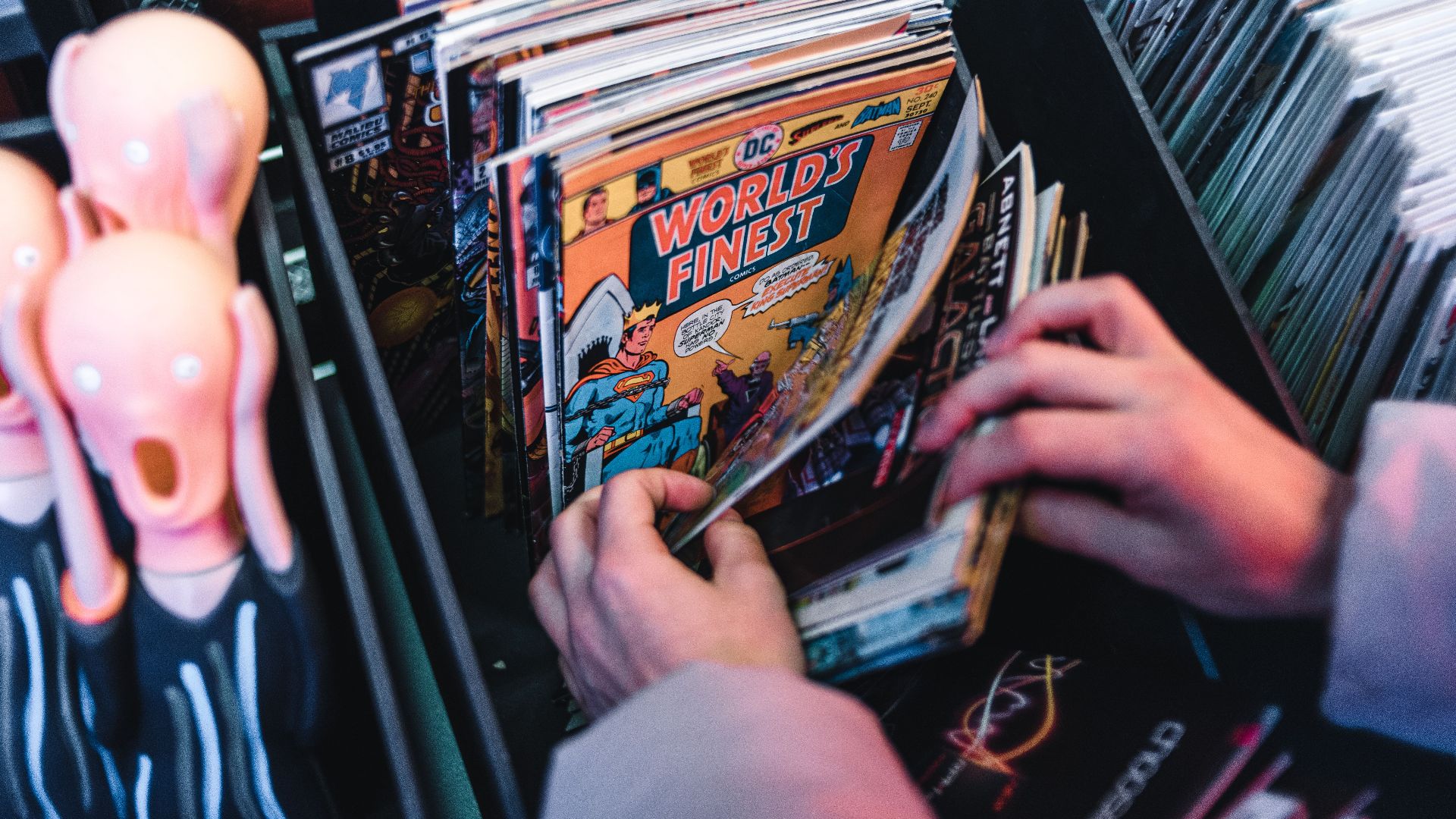
A comic that's been trimmed or had pages professionally reattached counts as restored, and CGC labels these with a purple label instead of the standard blue one used for untouched books. Reselling a restored book as unrestored, even unintentionally after buying it that way, can tank a collector's reputation fast once a buyer has it independently checked.
6. Self-Grading Too Generously
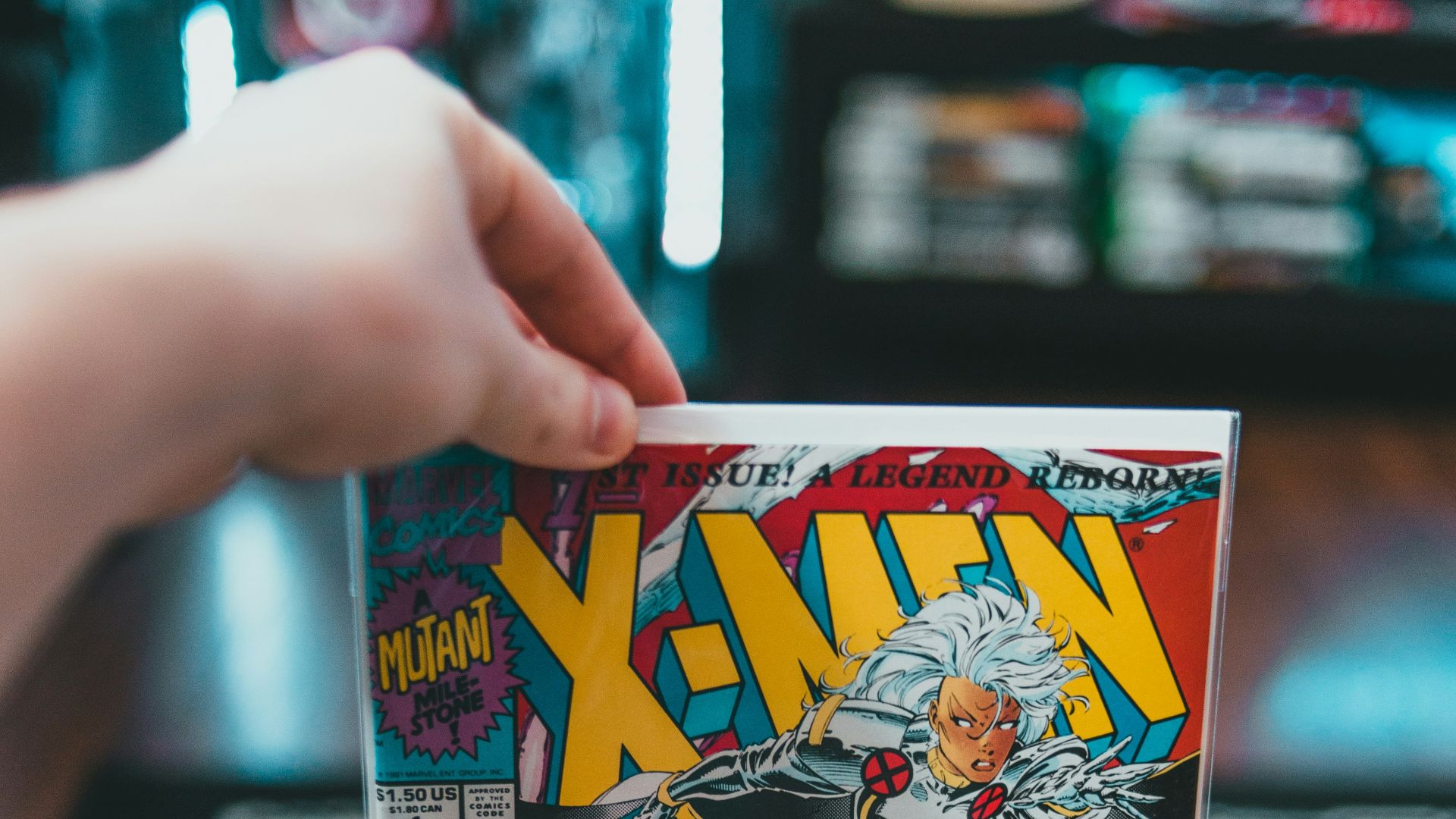
New collectors almost always grade their own books higher than a professional service would, missing subtle spine stress or corner wear that a trained eye catches immediately. What looks like near mint to an untrained buyer often comes back from CGC as very fine or lower once submitted.
7. Chasing Post-Announcement Speculation
Buying a character's first appearance right after a movie or show gets announced usually means buying at the peak, since prices spike within days of casting news and often settle back down once the initial excitement fades. The real speculative window closes long before most beginners even hear the announcement.
8. Skipping the Indicia Page
The small legal text block inside the front cover, called the indicia, often reveals the actual printing date and print run number, information that can differ significantly from what the cover implies. A beginner buying a supposed first printing without checking the indicia sometimes ends up with a second or third printing that looks nearly identical but carries a fraction of the value.

9. Ignoring Printing Variants
Multiple printings of the same issue frequently share an identical cover, distinguishable only by a small printing indicator or a different indicia date, and the price gap between a first and second printing of a hot book can be enormous. Sellers occasionally list later printings without clarifying which one it is, whether by mistake or otherwise.
10. Assuming Fixed Population Reports
Grading service population reports aren't a snapshot of everything printed; they only reflect what's actually been submitted so far, and that number keeps climbing as more copies come out of collections and warehouses. A beginner chasing a supposedly rare high grade can watch that same book's population double within a year as more owners submit their own copies.
11. Cracking Slabs to Regrade
Some collectors crack open a graded slab hoping a resubmission will land a higher grade, a practice known as crack and regrade, but the process risks damaging the book and doesn't guarantee a better result. Beginners sometimes attempt this without understanding that grading is partly subjective and the same book can come back lower the second time.
12. Missing Price Variants
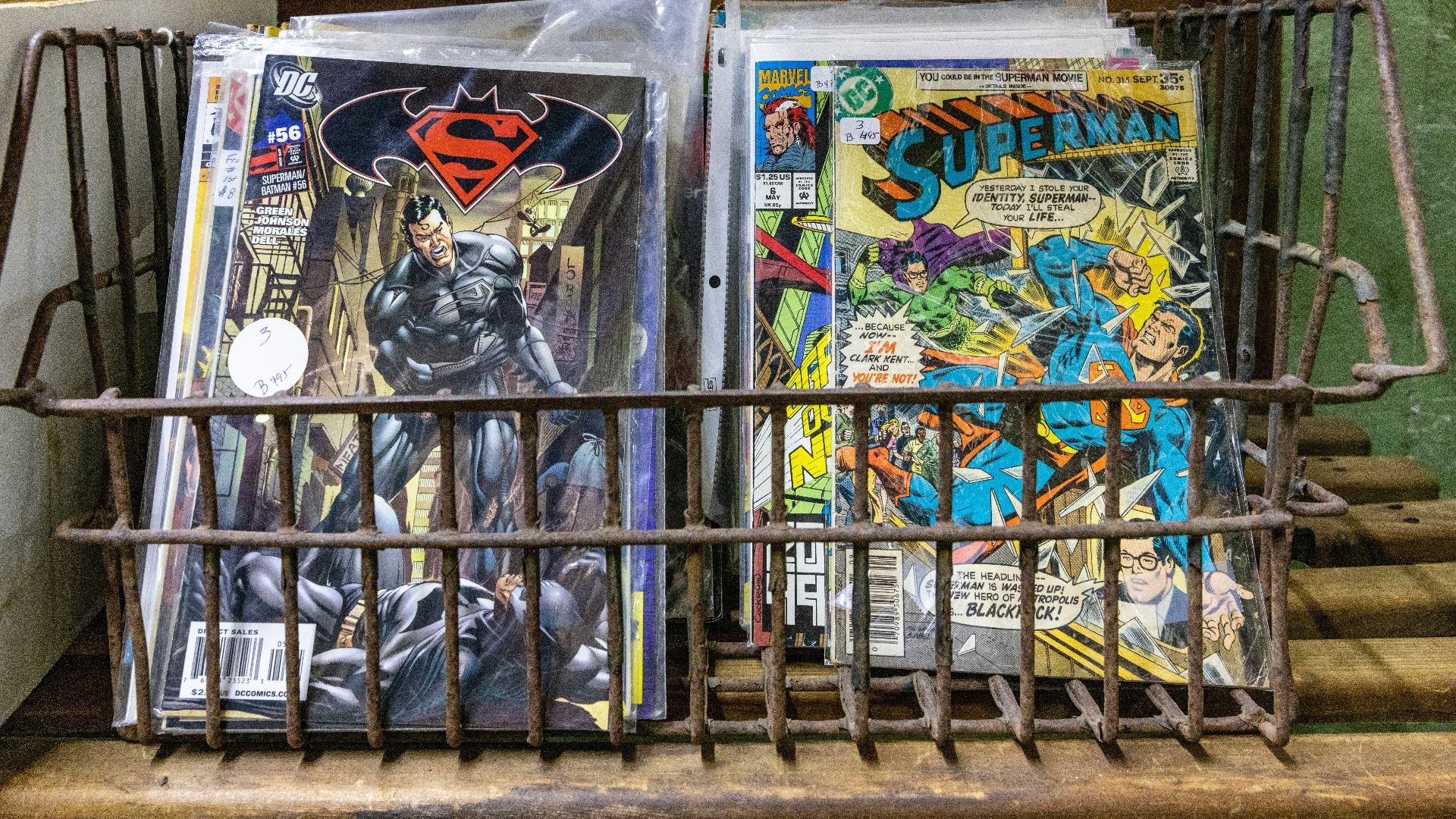
Certain Bronze Age Marvel comics were printed with a different cover price for limited regional distribution, known as 35-cent variants, and these near-identical copies can be worth many times more than the standard version. Spotting one requires actually checking the printed price in the corner box, a detail easy to overlook when flipping through a bin.
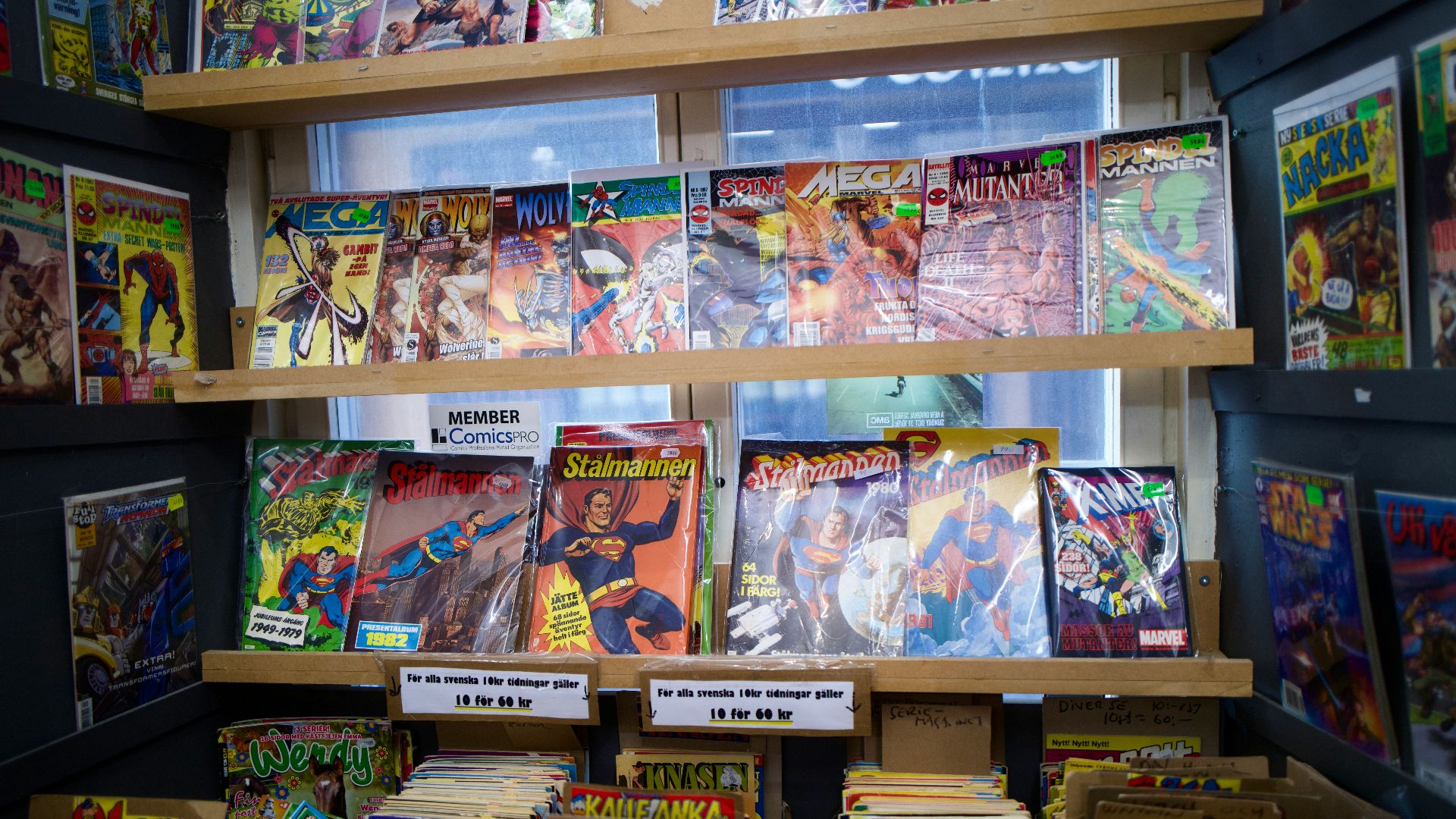
13. Overpaying for Con Exclusives
Convention-exclusive variant covers generate short-term hype that often fades within months, leaving buyers who paid a premium at the show holding a book worth close to cover price once the initial excitement settles. A handful hold real long-term value, but predicting which ones takes more than convention floor enthusiasm.
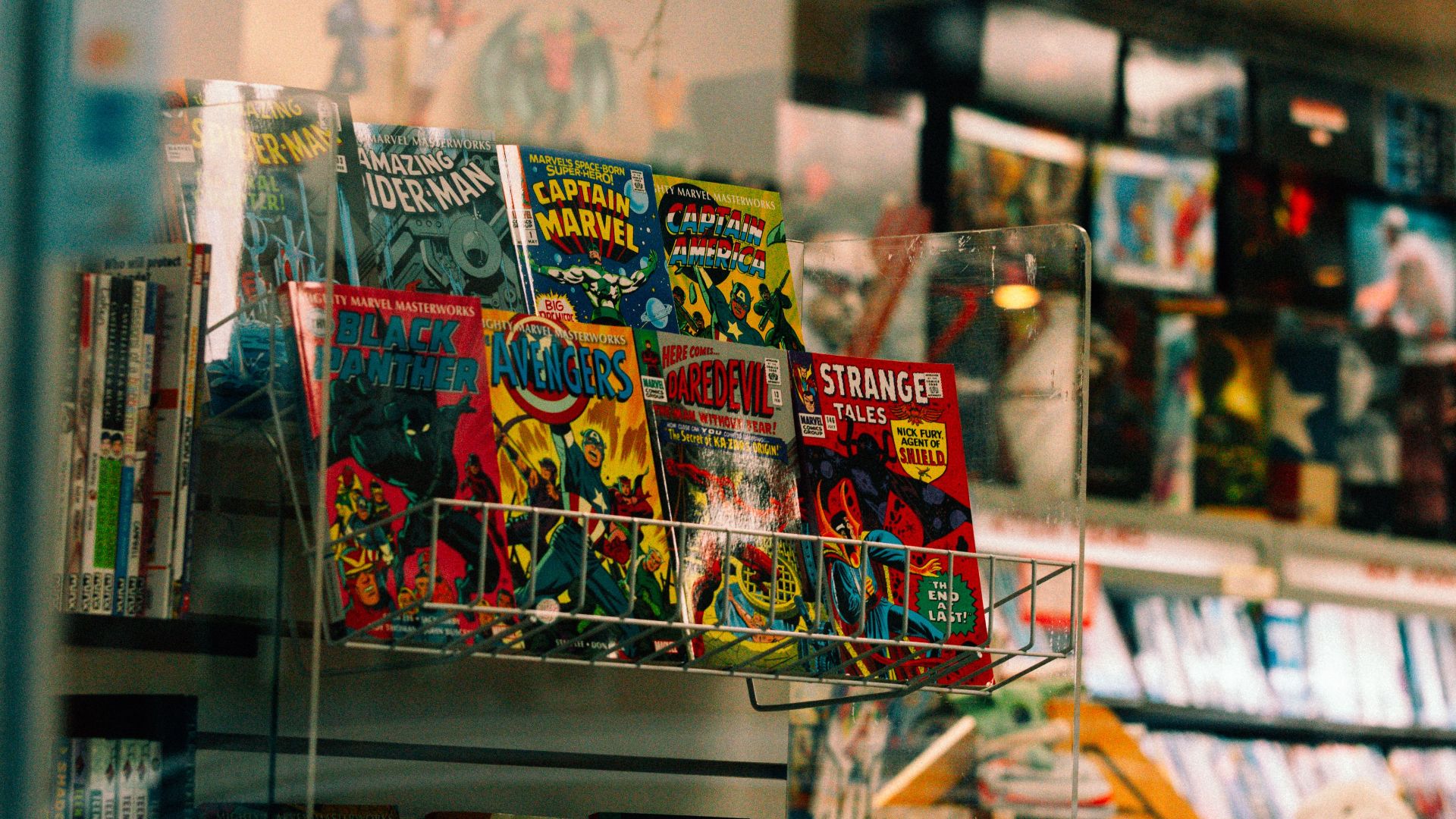
14. Ignoring Final Order Cutoff Data
Modern comic scarcity often comes down to distributor mechanics rather than actual rarity, since retailers place final orders weeks before release based on advance interest, shaping how many copies exist. Ratio variant covers, which require ordering a set number of standard copies to unlock, only make sense once a collector understands this system.
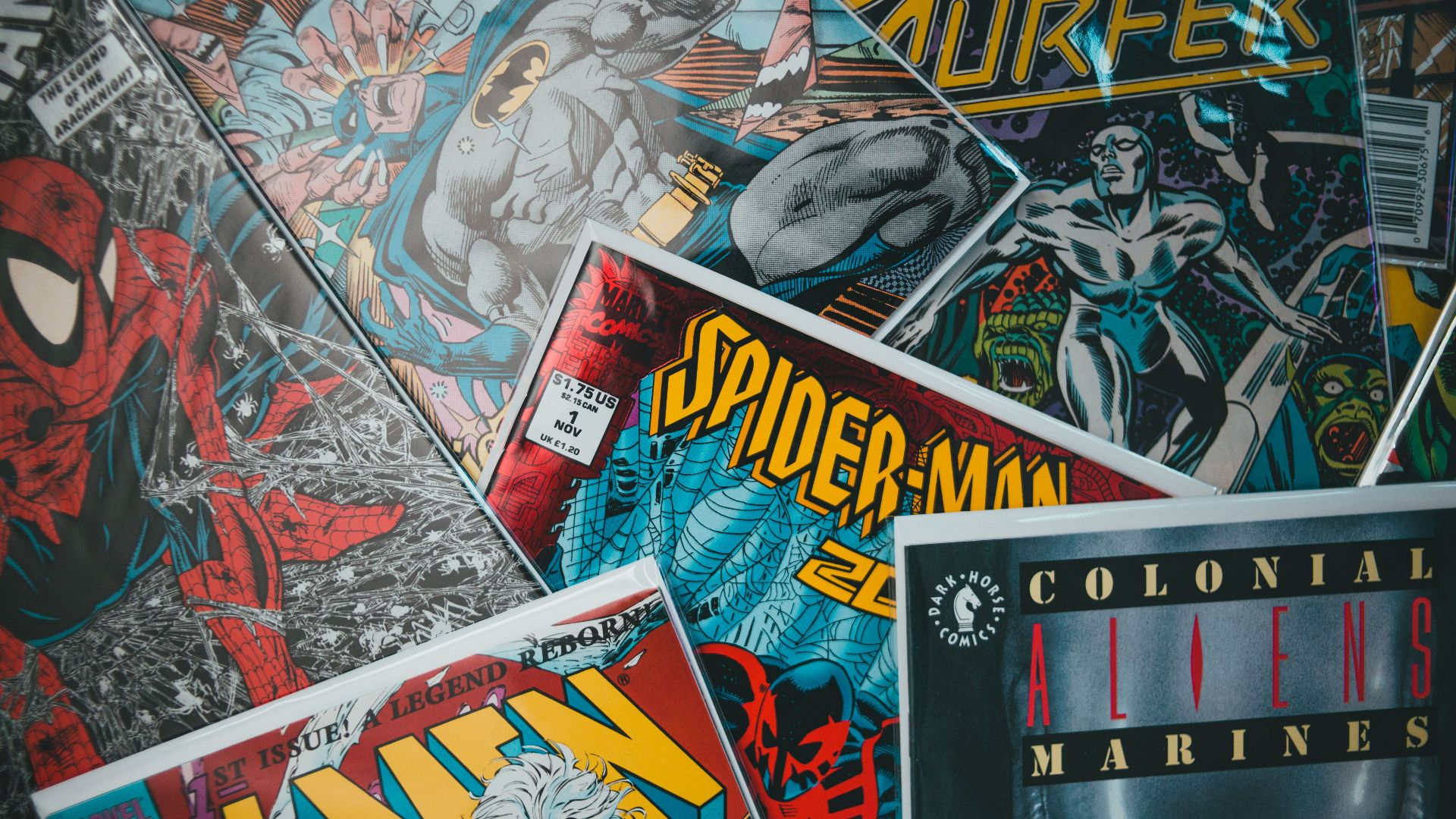
15. Trusting Online Grading Claims
A seller's own description of "near mint" carries no independent verification, and photos alone rarely reveal spine stress or color breaks visible in person. Buying raw, ungraded comics from unfamiliar sellers without asking for detailed photos of the spine and corners leads to disappointment more often than beginners expect.
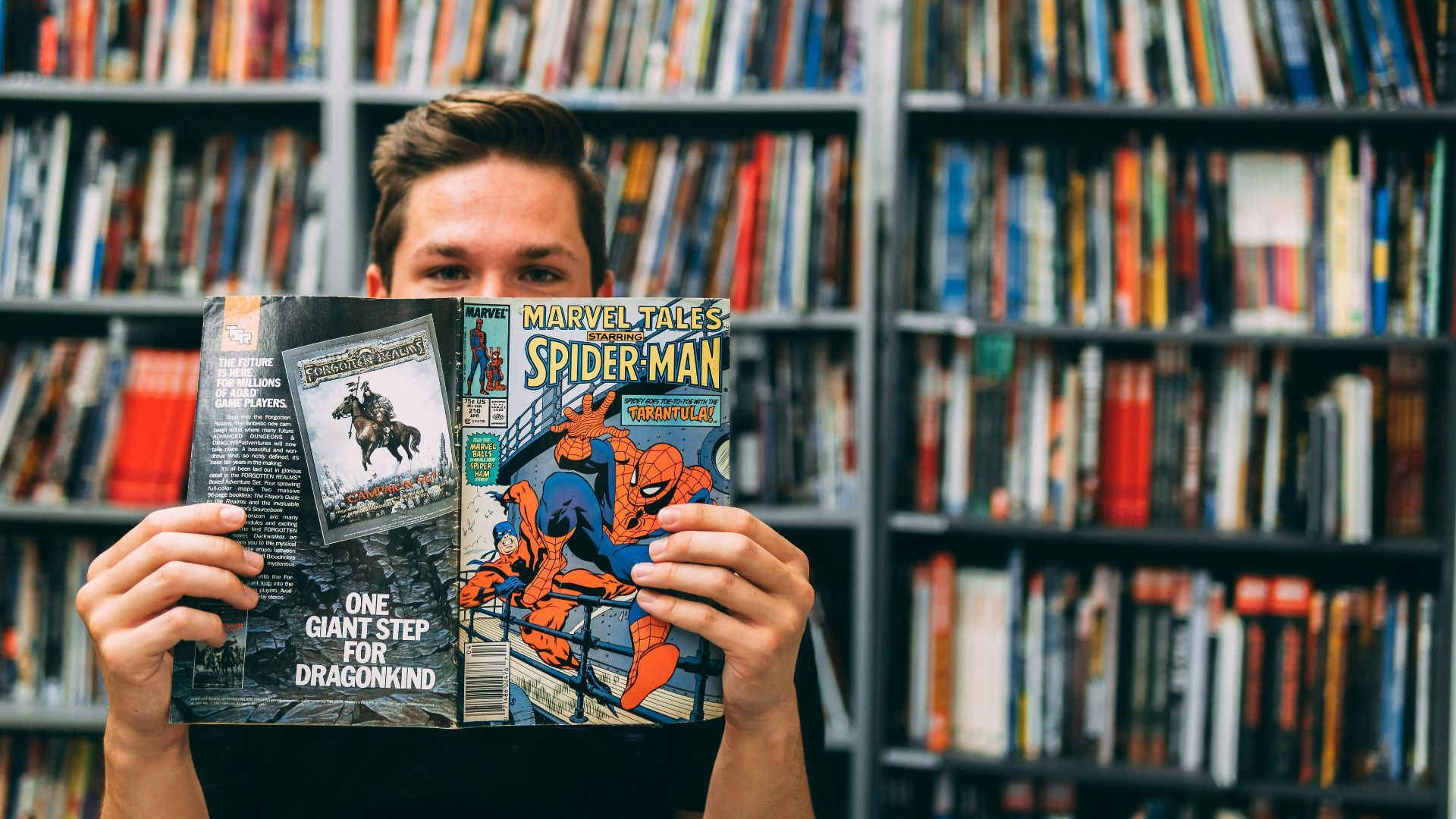
16. Overlooking Spine Stress
Fine white lines along a comic's spine, called stress marks, often go unnoticed by new collectors but immediately drop a book's grade once evaluated professionally. These marks come from ordinary handling or improper storage, not just obvious rough treatment.
17. Misjudging Newsstand Scarcity by Era
Newsstand scarcity rules that apply to comics from the 1980s and 90s don't automatically carry over to later eras, since the entire newsstand distribution model shifted and eventually mostly disappeared by the early 2010s. Treating every newsstand copy as automatically rare, regardless of publication year, ignores how differently each era actually distributed books.
18. Storing in Humid Spaces
Basements and attics seem like convenient long-term storage, but fluctuating humidity accelerates paper degradation and encourages foxing, the small brown spots that appear on aging paper. By the time the damage is visible, the paper's already been chemically compromised for years.

19. Selling Complete Runs as One Lot
Bundling an entire run together and selling it as one lot often nets less money than pulling out the key issues and selling them individually, since bulk buyers price in a discount for filler issues. New sellers frequently underprice a run without realizing a handful of issues carry most of the actual value.
20. Confusing Alternate-Universe First Appearances
A character's first appearance in an alternate continuity, like the Ultimate universe or an Elseworlds title, doesn't carry the same weight as their first appearance in mainstream continuity, even when fans treat both origin stories as equally important. Beginners sometimes pay main-continuity prices for a variant-universe debut that the broader market simply values differently.