

With Great Power Comes Great Responsibility
Every hero needs a mentor. Someone to hand them the costume, explain the mission, and send them into traffic with a confident nod. In practice, fictional mentors range from genuinely transformative to catastrophically damaging, and comics has more than its share of both. Here's 10 who actually helped, and 10 who left a mark that required years of processing.
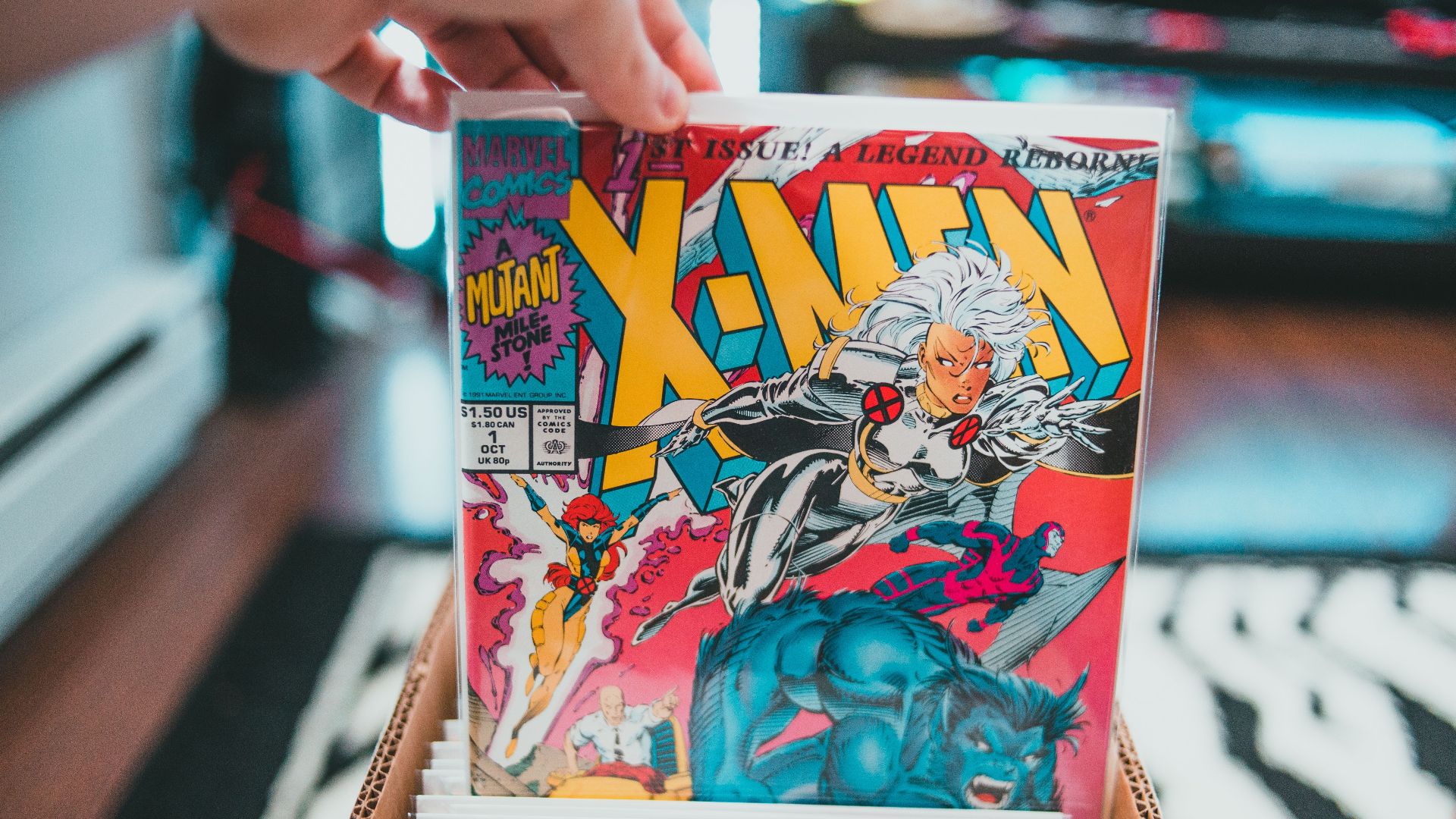
1. Charles Xavier to the X-Men
Professor X took in mutant teenagers who had nowhere else to go and gave them a school, a family, and a purpose. He trained them to control powers that could have destroyed them, and the foundational act remains one of the most consequential mentor relationships in comics.
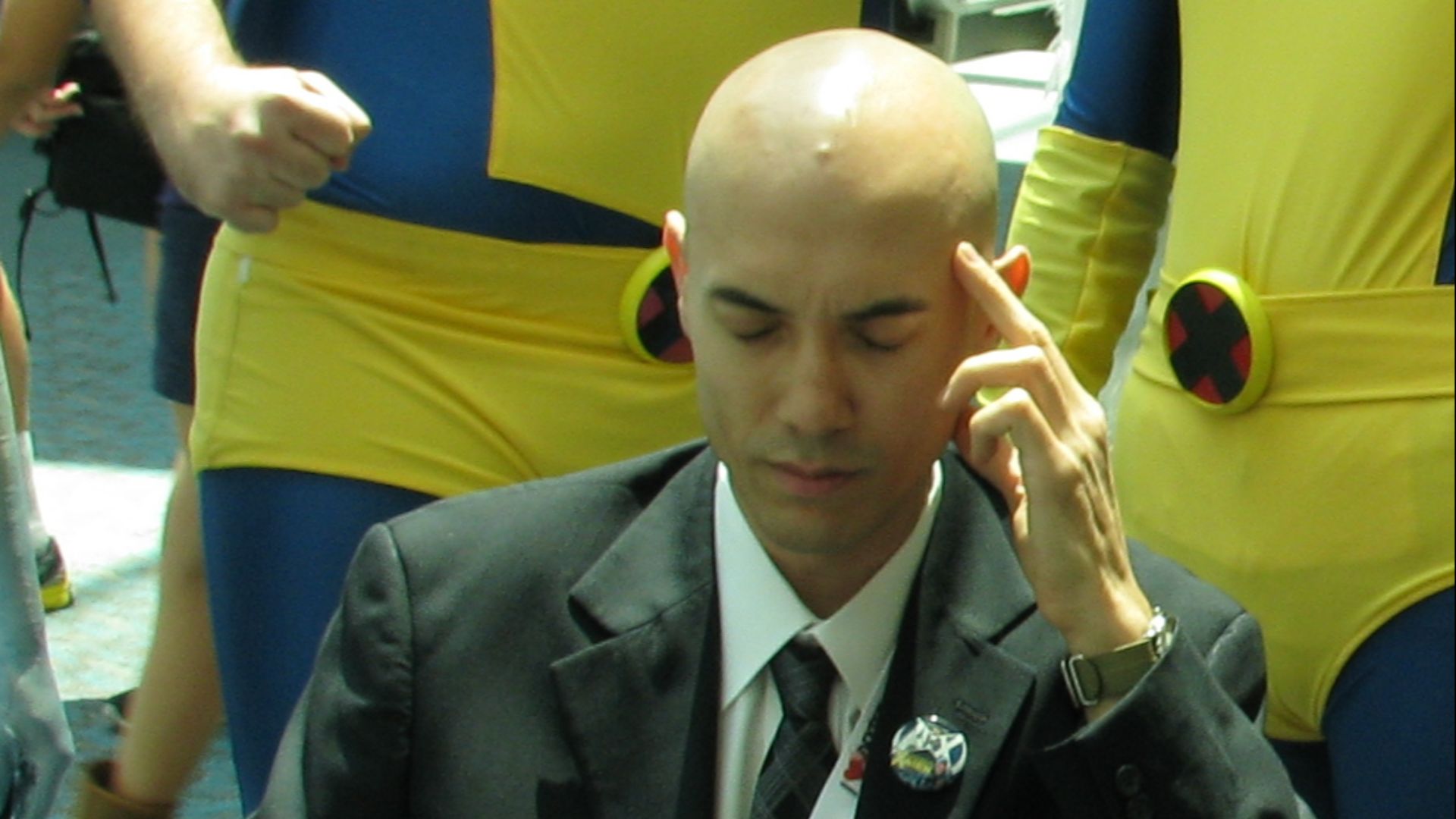 William Tung from USA on Wikimedia
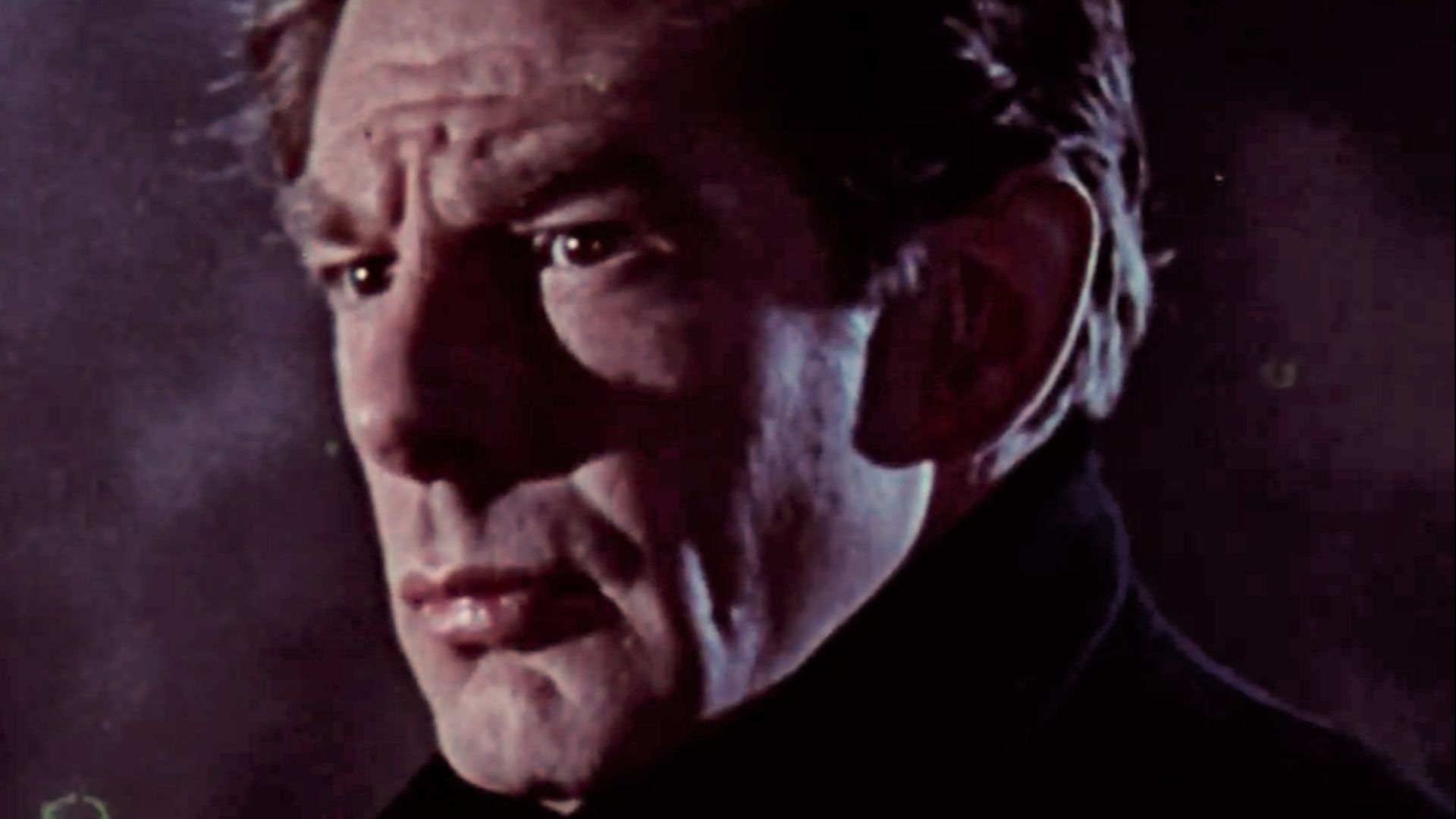
2. Alfred Pennyworth to Bruce Wayne
Alfred inherited the job when the Waynes were killed and refused to leave. He stitched wounds, kept secrets, offered counsel nobody asked for, and remained the only consistent emotional anchor in Bruce's life across every continuity. That is not nothing. That is everything.
 commons.wikimedia.org on Google
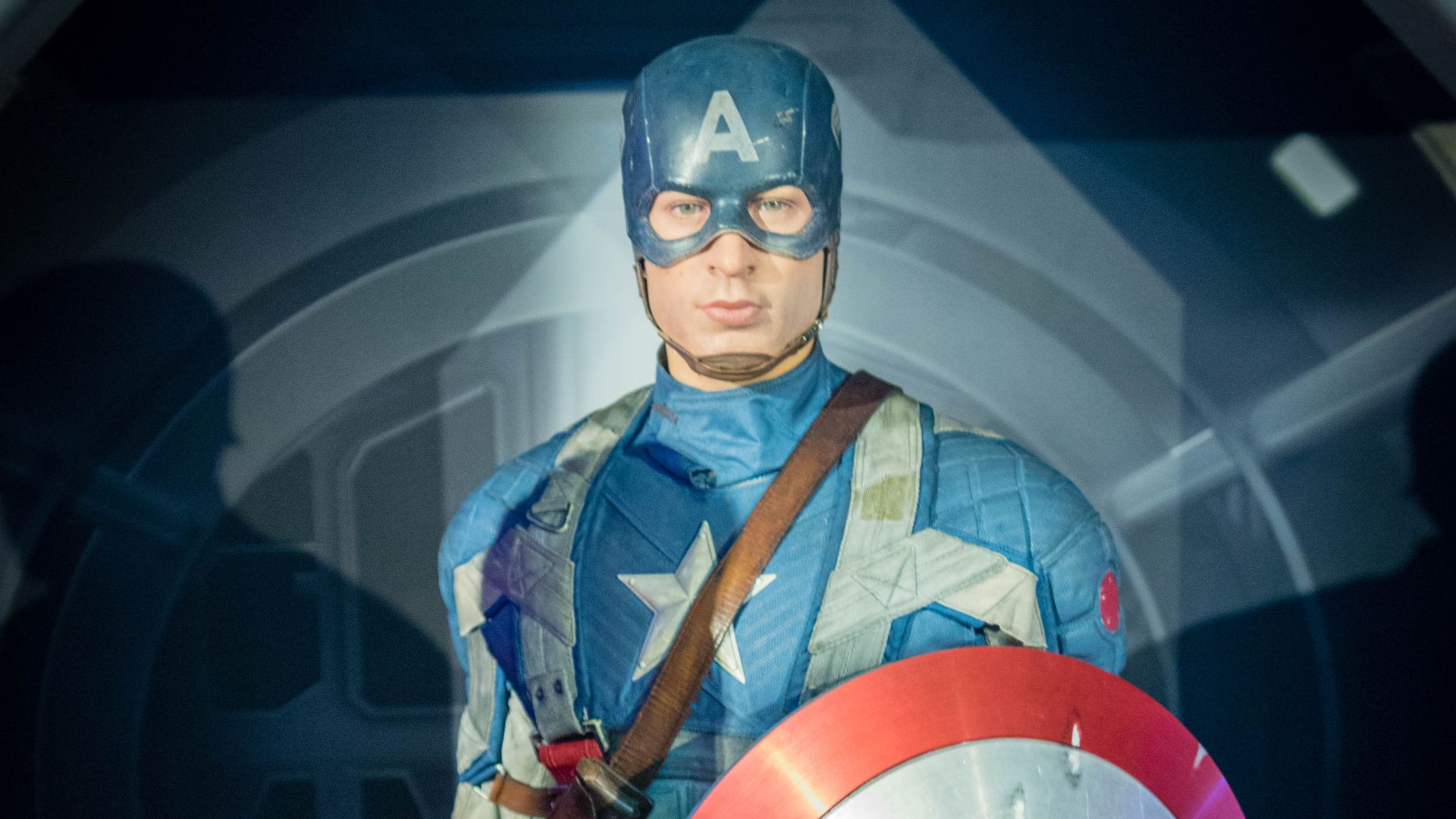
3. Captain America to Sam Wilson
Steve Rogers spent years treating Sam as a peer and making clear that Captain America was about values rather than bloodline. When the shield changed hands, it felt earned.
4. The Ancient One to Doctor Strange
Strange arrived arrogant and broken. The Ancient One dismantled his ego without humiliating him and prepared him for a role she knew would outlast her. The mentorship was costly for her and worth it for the universe.
5. Stick to Matt Murdock (Briefly)
Stick found a blind orphan and taught him to survive. The methods were brutal, but the skills were real. Daredevil exists because of Stick, even if Stick would call it a transaction rather than a relationship.
 commons.wikimedia.org on Google
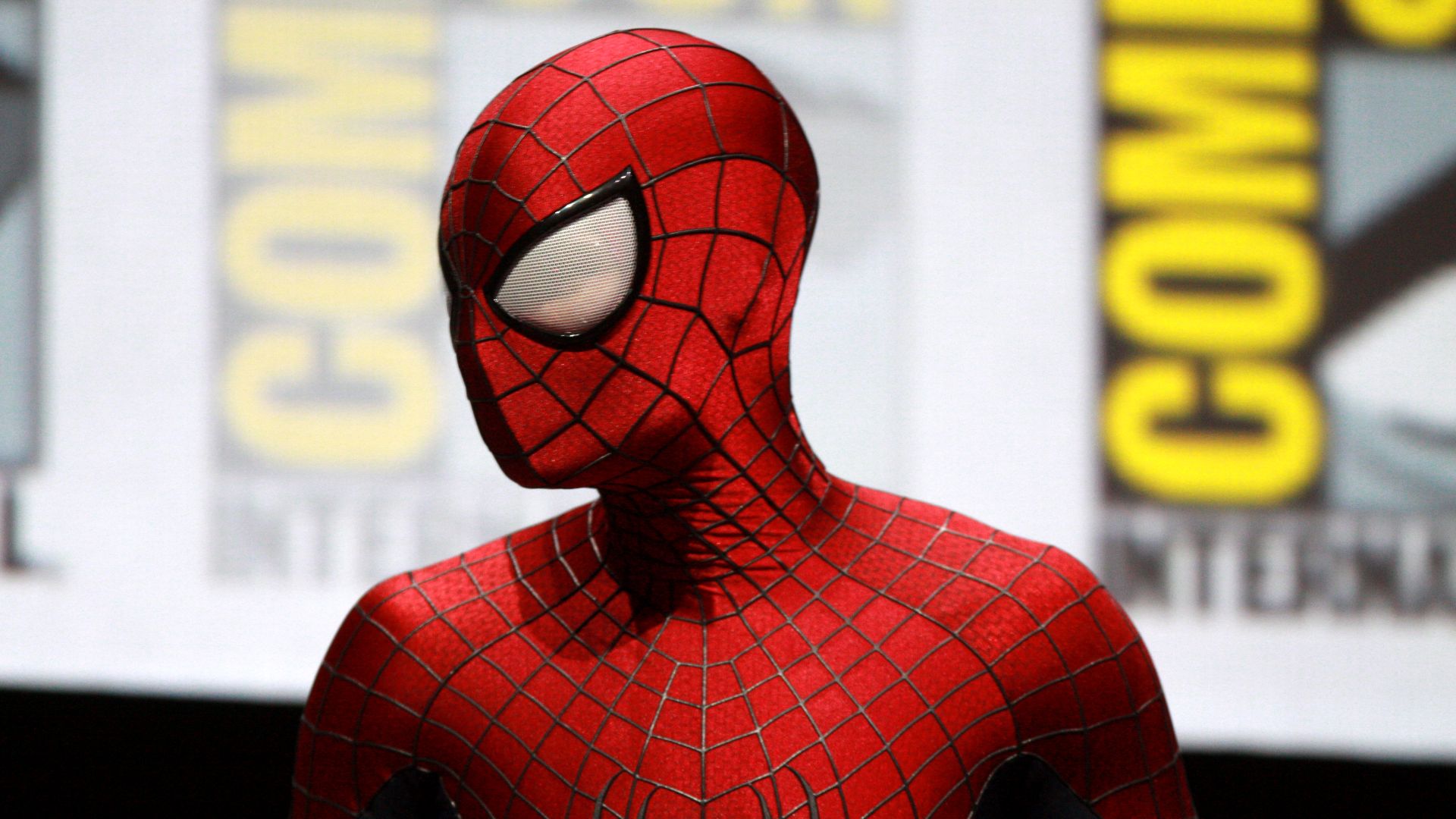
6. Ben Parker to Peter Parker
Ben Parker died before Peter's hero journey began, which makes his influence all the more remarkable. The idea that power and responsibility are inseparable became the moral architecture of one of Marvel's most enduring characters. You do not have to survive to leave something worth carrying.
7. Nate Grey to Hope Summers
Nate Grey offered something rare: a mentor who acknowledged his own limits and prepared his student to surpass him. Hope became one of the most powerful mutants alive, and the foundation was trust rather than control.
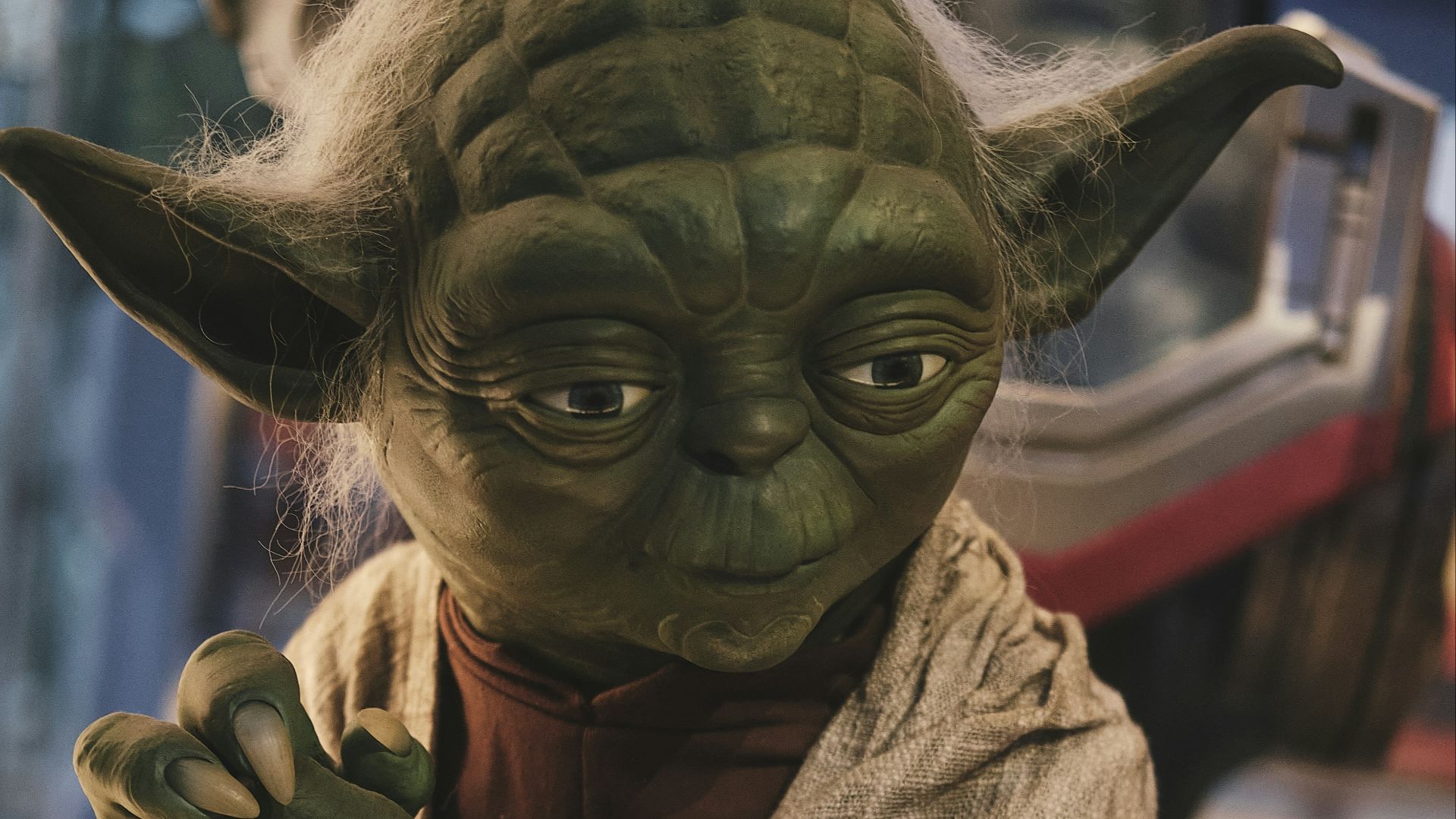
8. Yoda to Luke Skywalker (in Comics Continuity)
Across the Marvel Star Wars comics, Yoda's guidance extended into lessons about patience and failure that the films had no room for. It consistently showed a mentor who wanted his student to become something greater than himself.
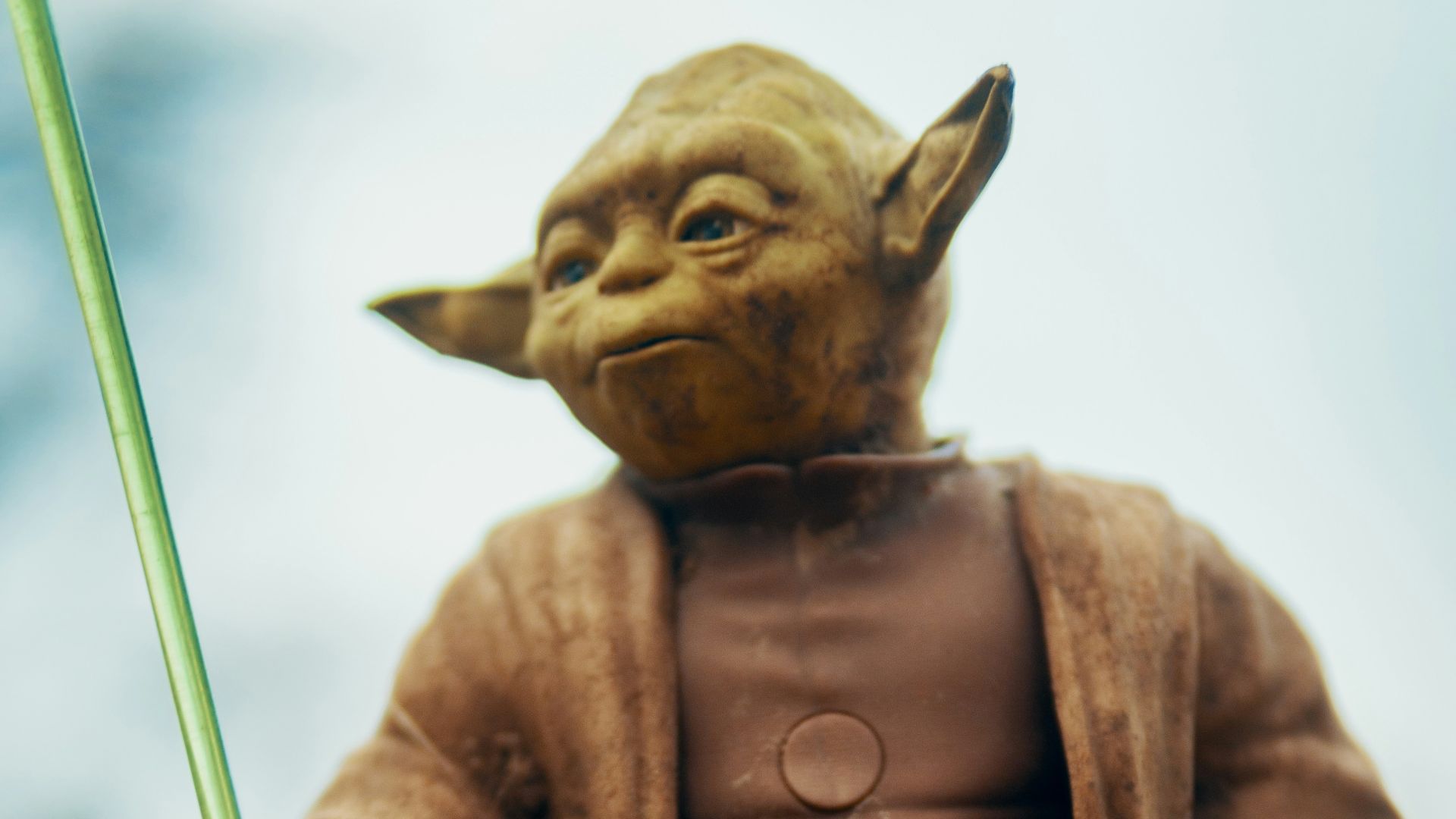
9. Nick Fury to the Howling Commandos
Fury led by doing rather than lecturing and treated the Commandos as capable men who needed direction, not raw material. His style was abrasive, but the outcomes speak for themselves.
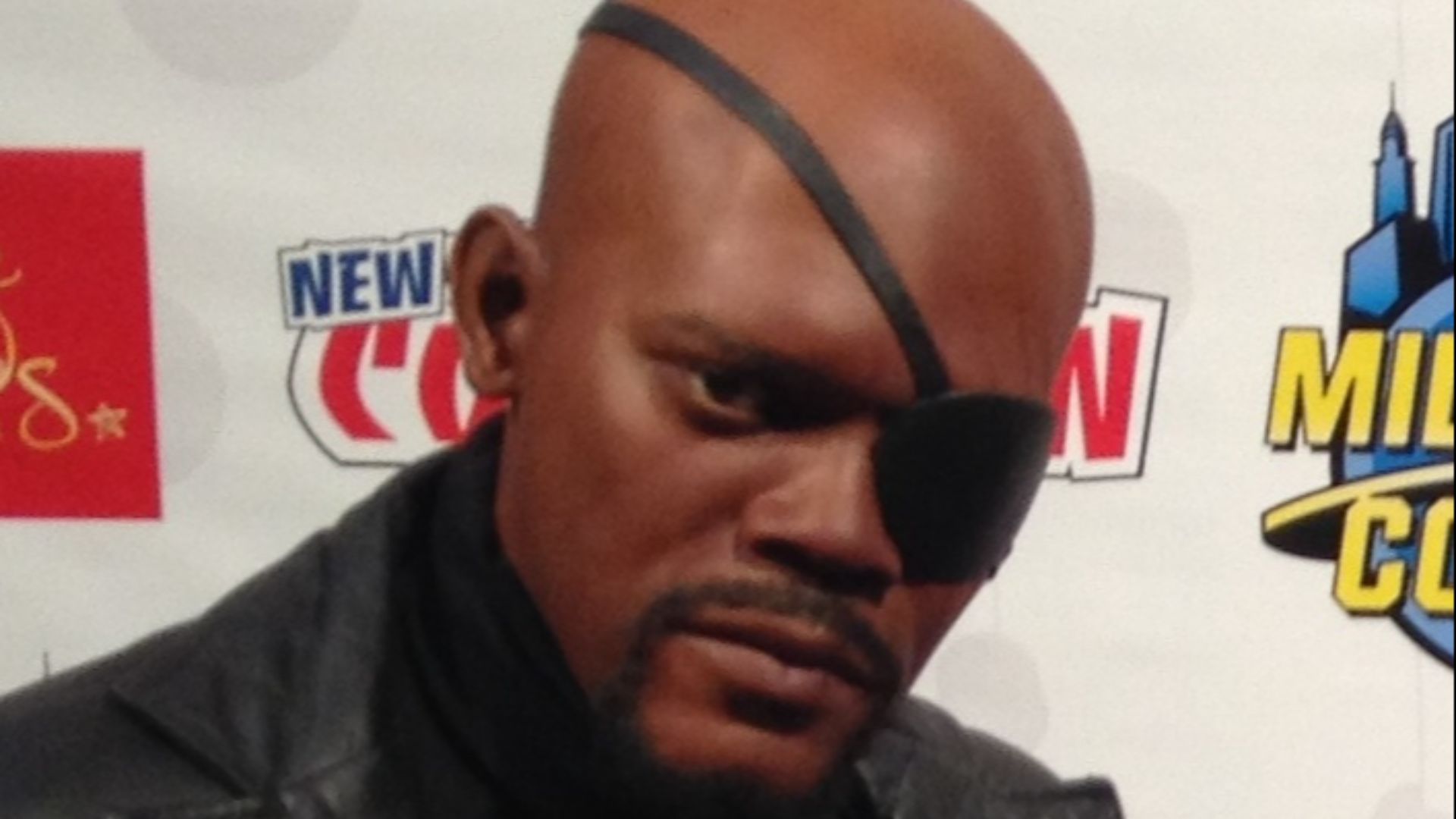
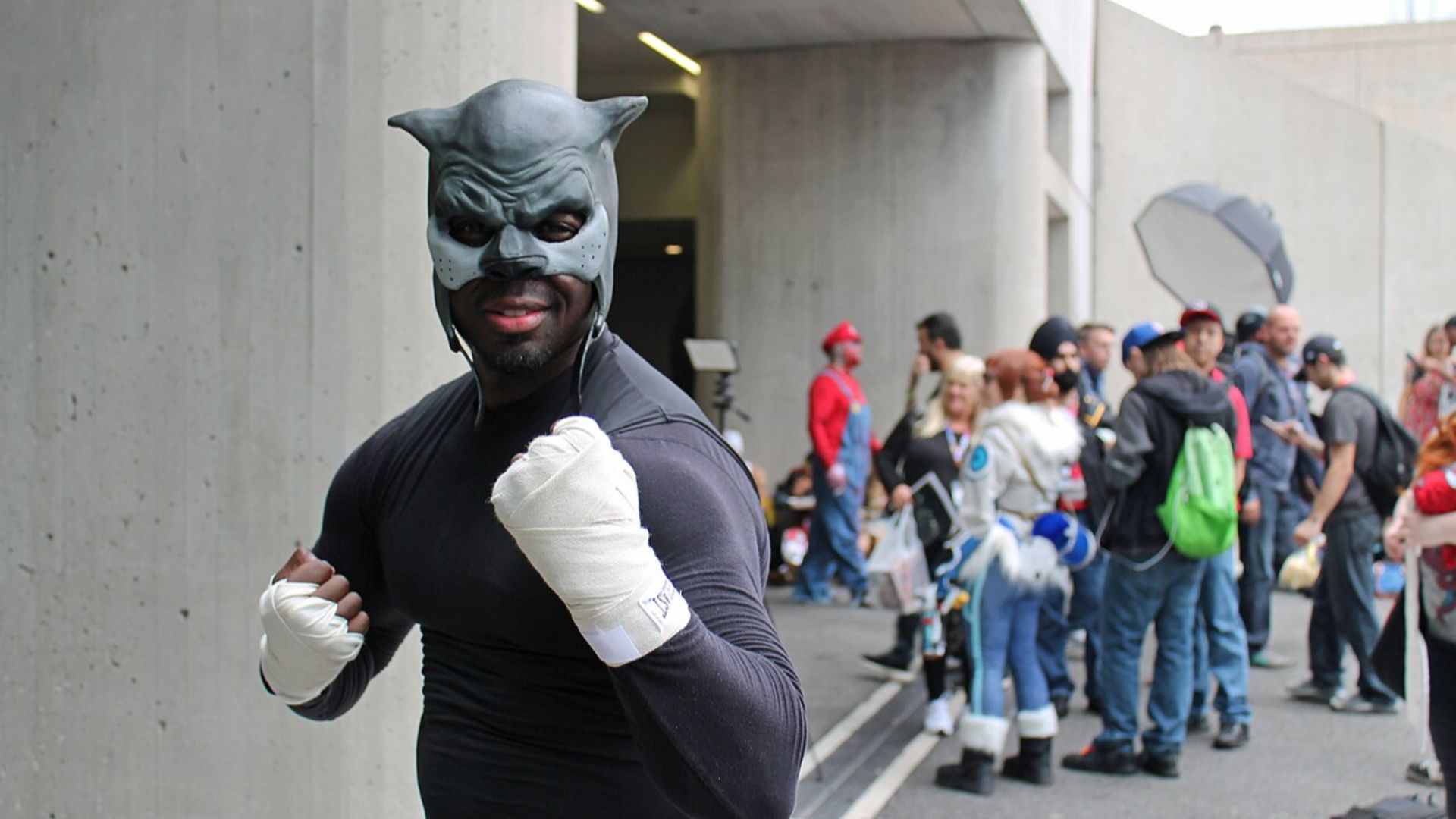
10. Wildcat to Black Canary
Ted Grant trained Dinah Lance and turned her into one of the most skilled fighters in the DC universe. He was direct, demanding, and invested in her becoming better than him. She did.
Now for 10 fictional mentors who made everything more traumatic.
 commons.wikimedia.org on Google
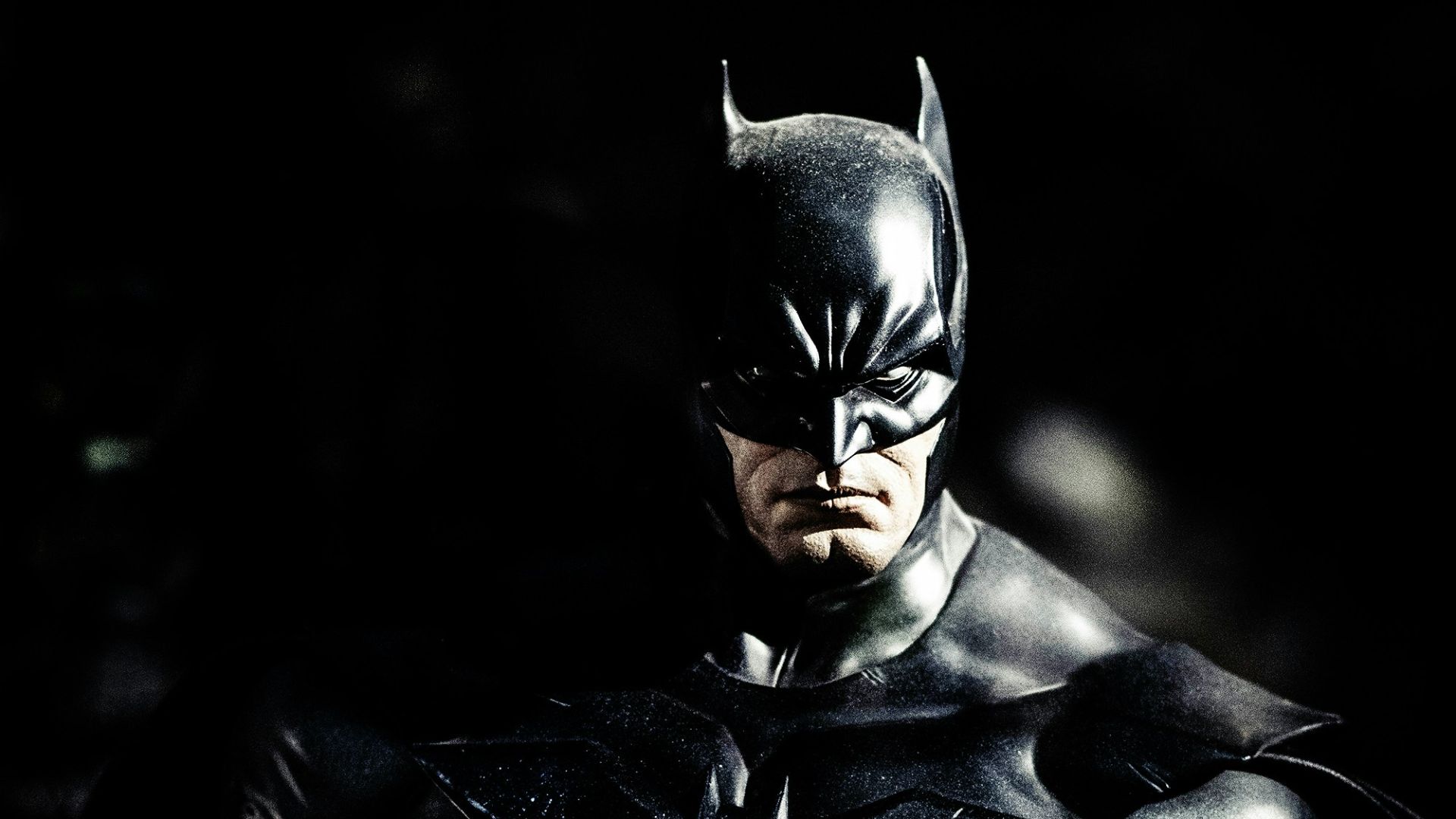
1. Batman to Robin (Jason Todd)
Bruce Wayne took in a teenager stealing tires off the Batmobile and handed him a costume that got him killed. The tragedy is not just that Jason died. Batman sent an undertrained, emotionally volatile child into situations that would have challenged seasoned adults.
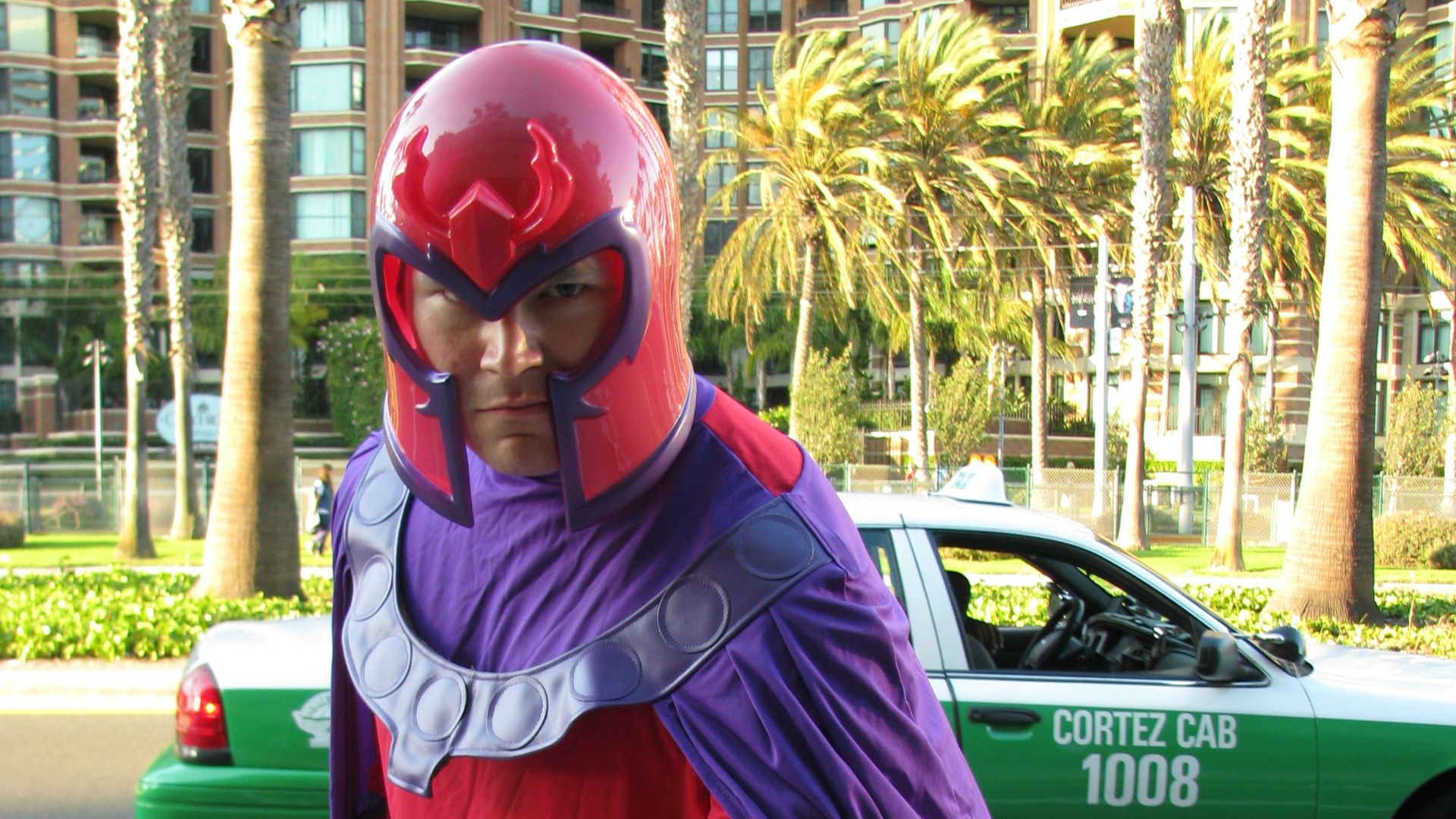
2. Magneto to the New Mutants
Magneto took over Xavier's school with noble intentions and demonstrated what happens when a traumatized ideologue tries to raise children. He vacillated between genuine care and terrifying severity and confirmed that strong opinions about mutant liberation do not qualify you to supervise teenagers.
 William Tung from USA on Wikimedia
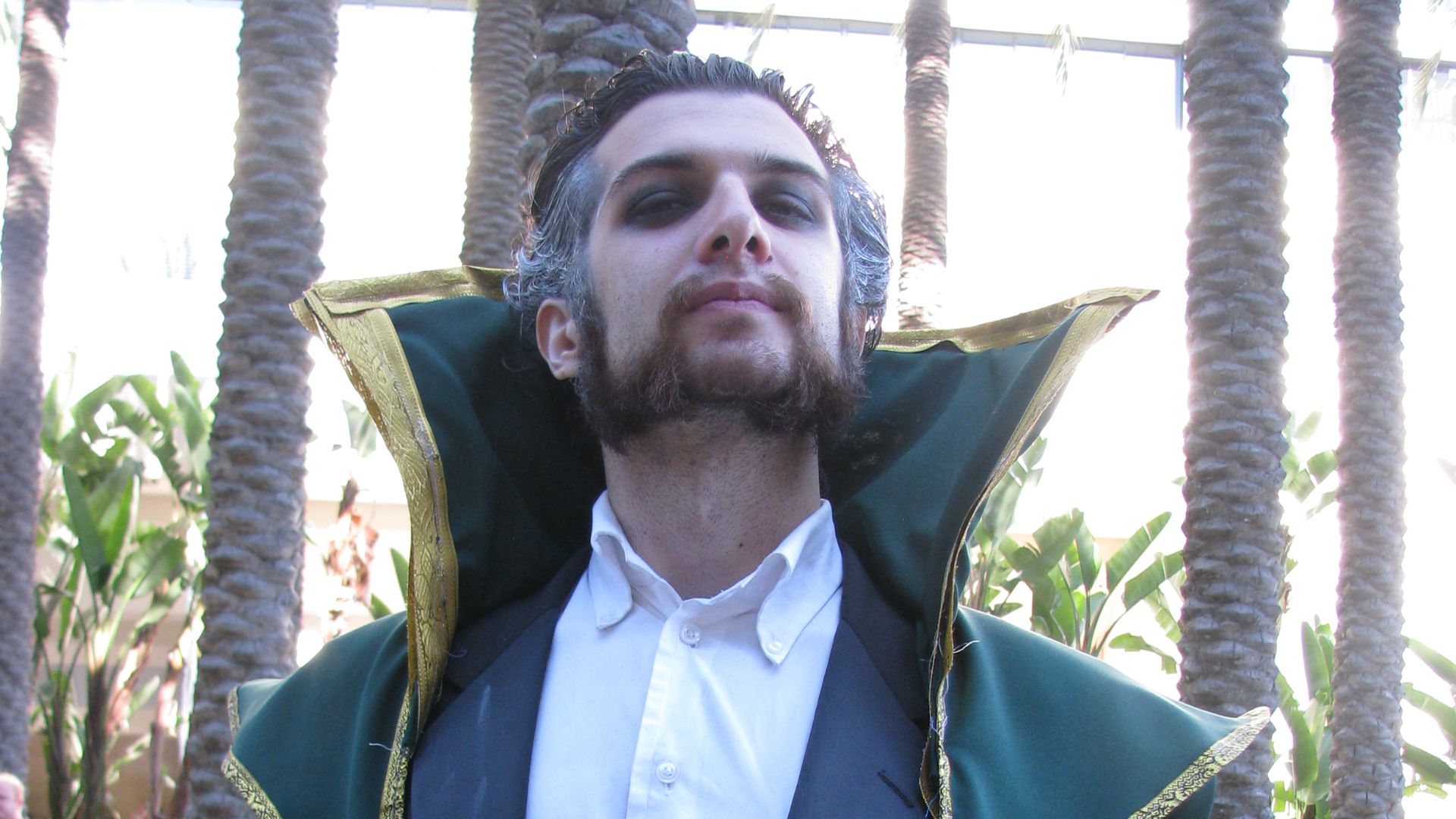
3. Ra's al Ghul to Batman
Ra's trained Bruce extensively and offered something no one else had: a genuine path to power and belonging. He also wanted Bruce to help him murder most of humanity. The mentorship was real. The terms were catastrophic. Bruce took the skills and left the rest.
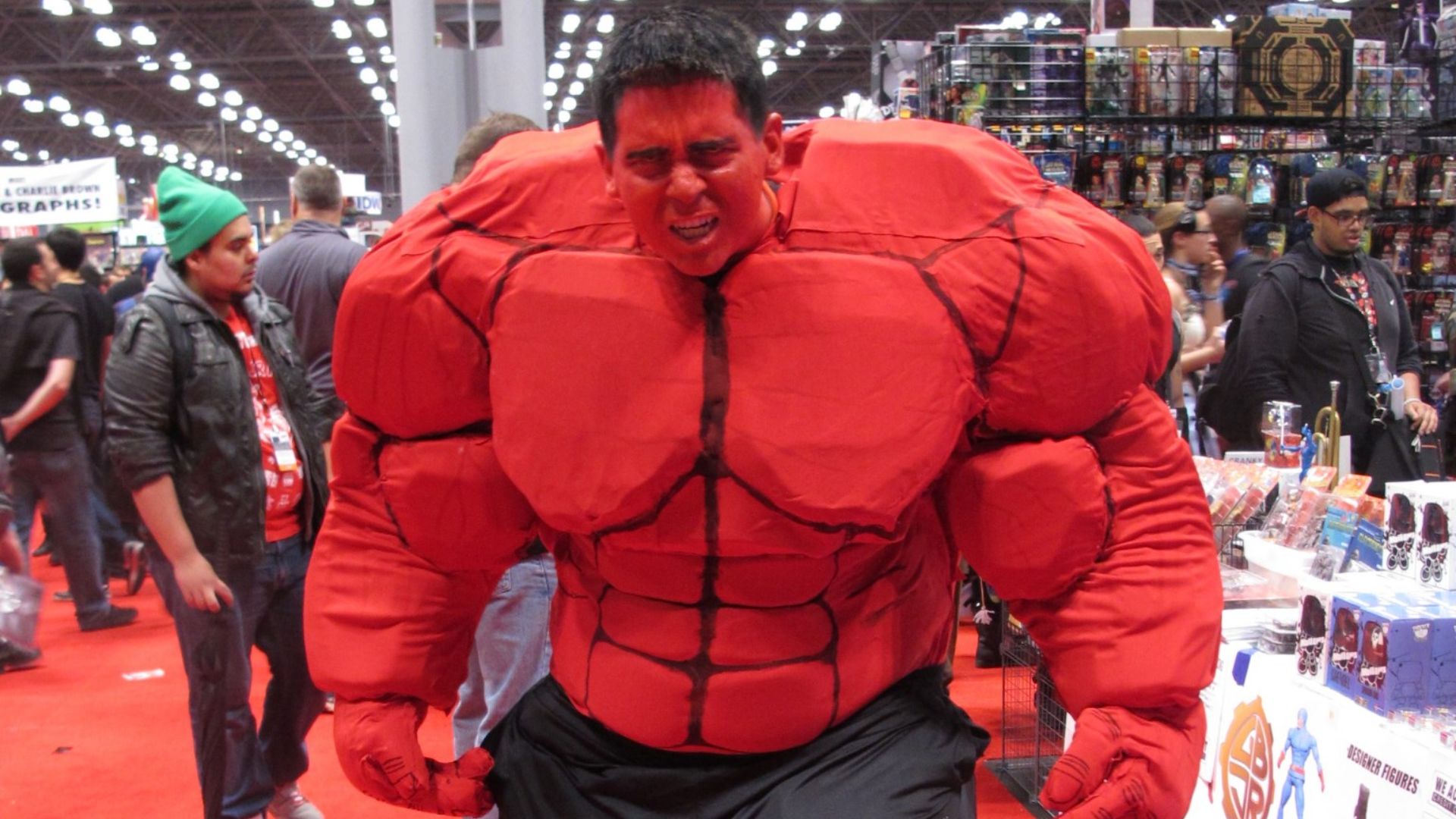
4. Thaddeus Ross to the Thunderbolts
Ross assembled volatile, frequently homicidal individuals and called it rehabilitation. The Thunderbolts under him were less a mentored team and more a pressure cooker with a flag on it.
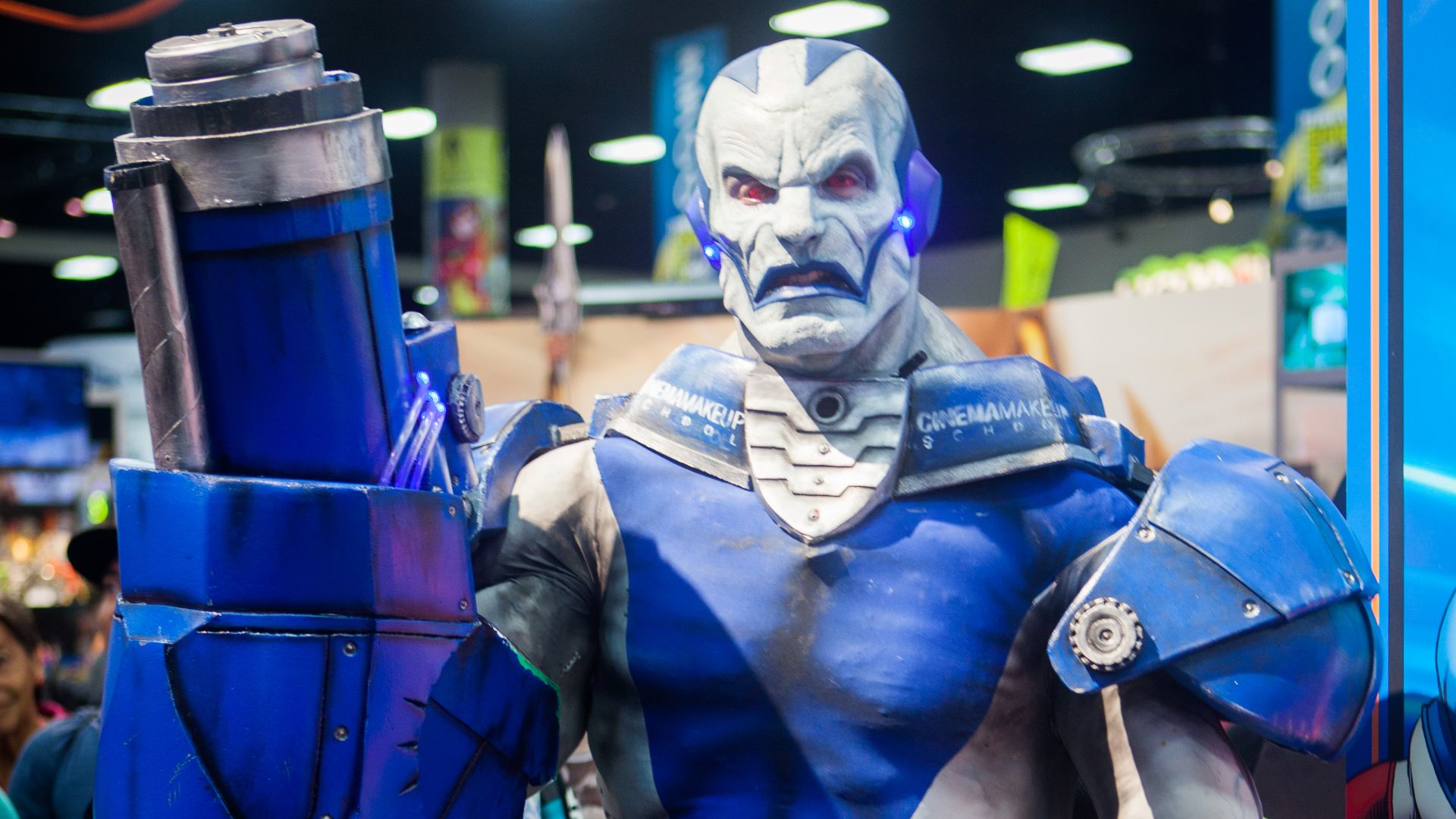
5. Apocalypse to Mister Sinister
Apocalypse did not mentor so much as install. He removed Essex's empathy, redirected his genius toward eugenics, and permanently altered his biology. The student became powerful and one of the most morally bankrupt figures in Marvel history.
 commons.wikimedia.org on Google
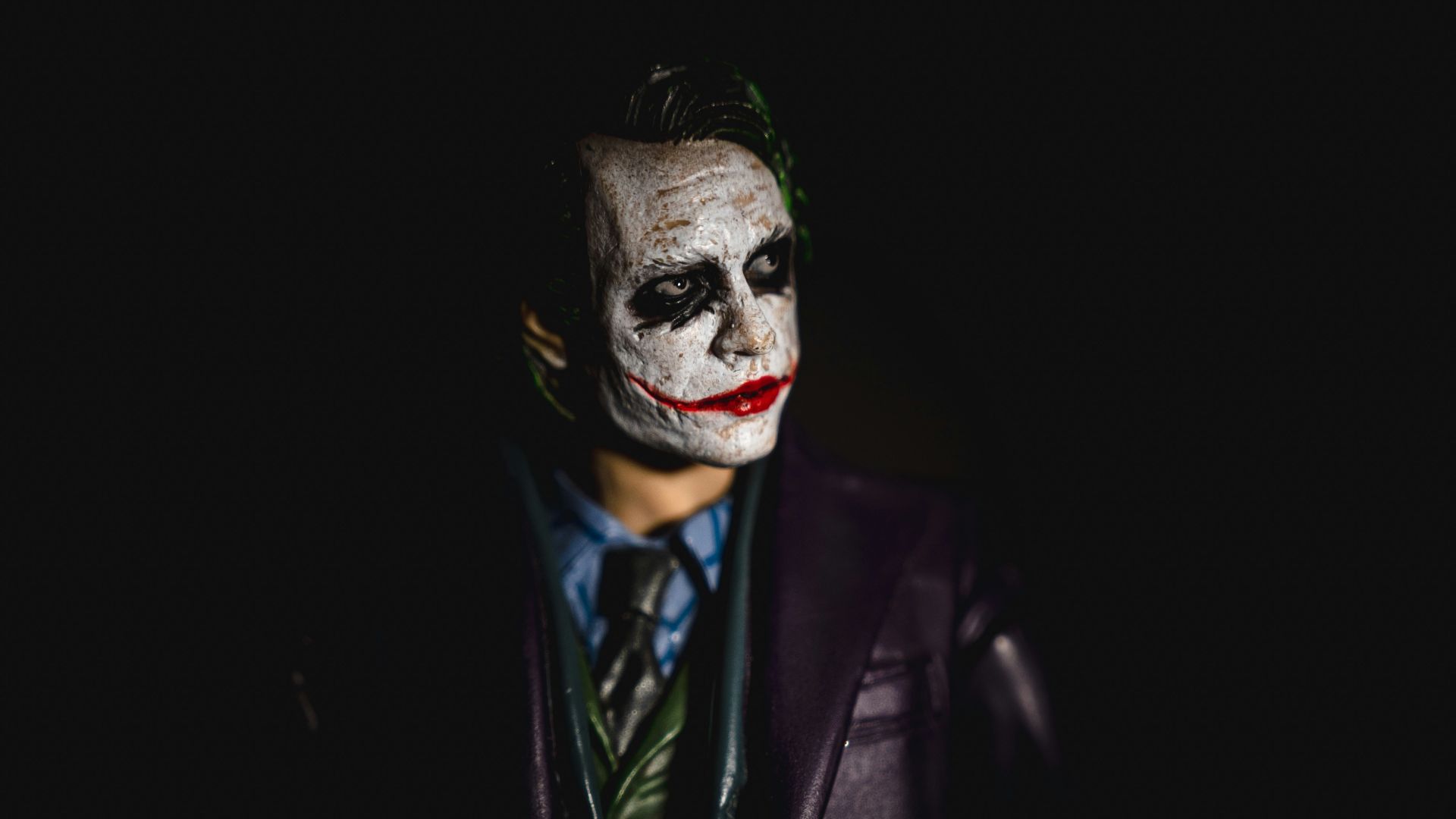
6. The Joker to Harley Quinn
Dr. Harleen Quinzel was a trained psychiatrist before the Joker dismantled her identity and rebuilt her as an accomplice. It is framed as a love story in some continuities. It is a textbook portrait of psychological abuse dressed in a jester costume.
7. Norman Osborn to Harry Osborn
Norman Osborn spent Harry's childhood prioritizing his own ambitions, setting in motion a cycle of instability that consumed Harry's adult life. He did not make Harry the Green Goblin intentionally. He just made him someone for whom it was almost inevitable.

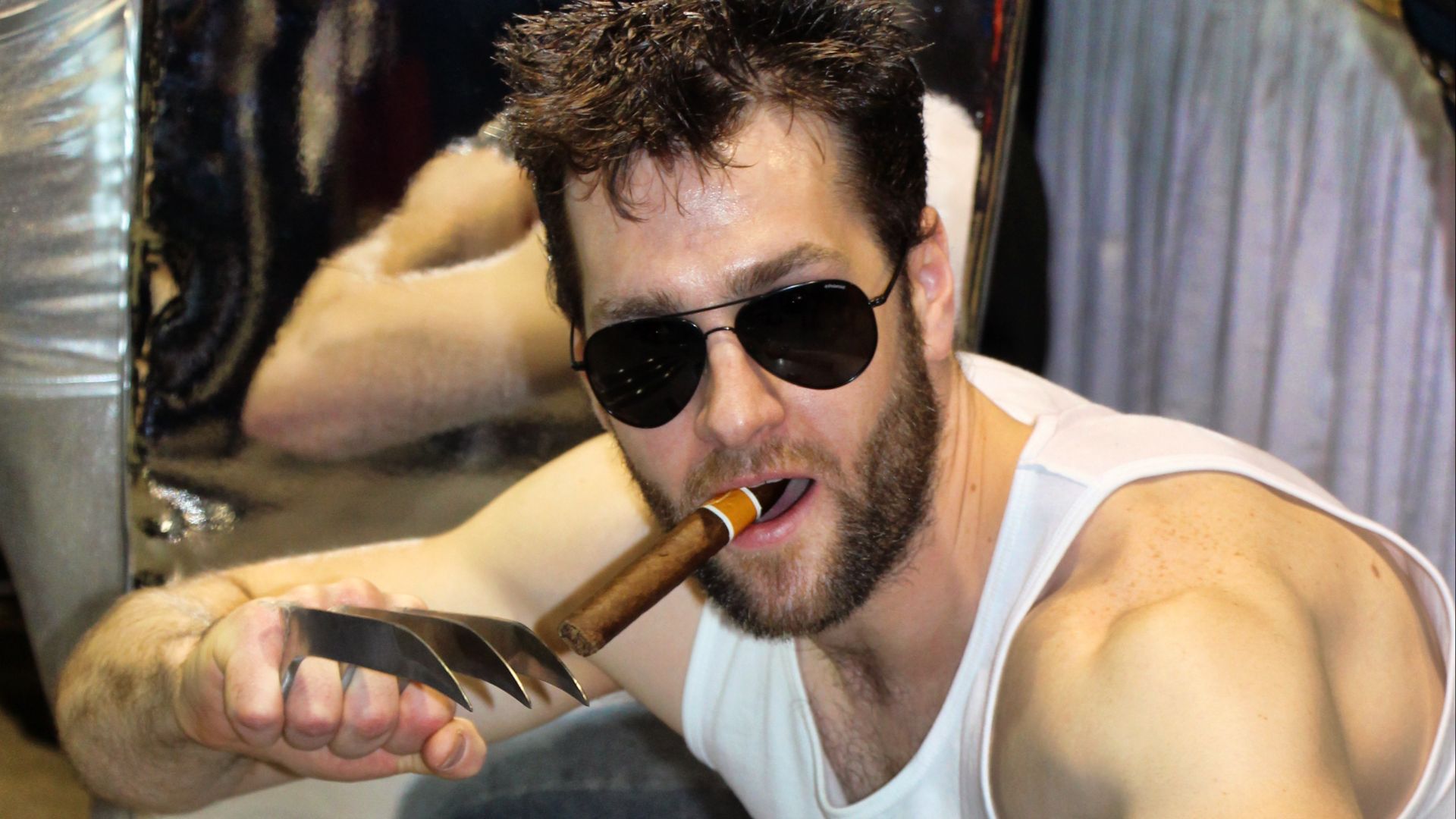
8. Wolverine to the X-Men (Early Years)
Logan's instincts are protective, but his approach involved throwing students into mortal danger on the assumption that surviving it would make them stronger. Sometimes it did. Sometimes it produced trauma that surfaced badly later.
 Kyla Duhamel from Saskatoon, Canada on Wikimedia
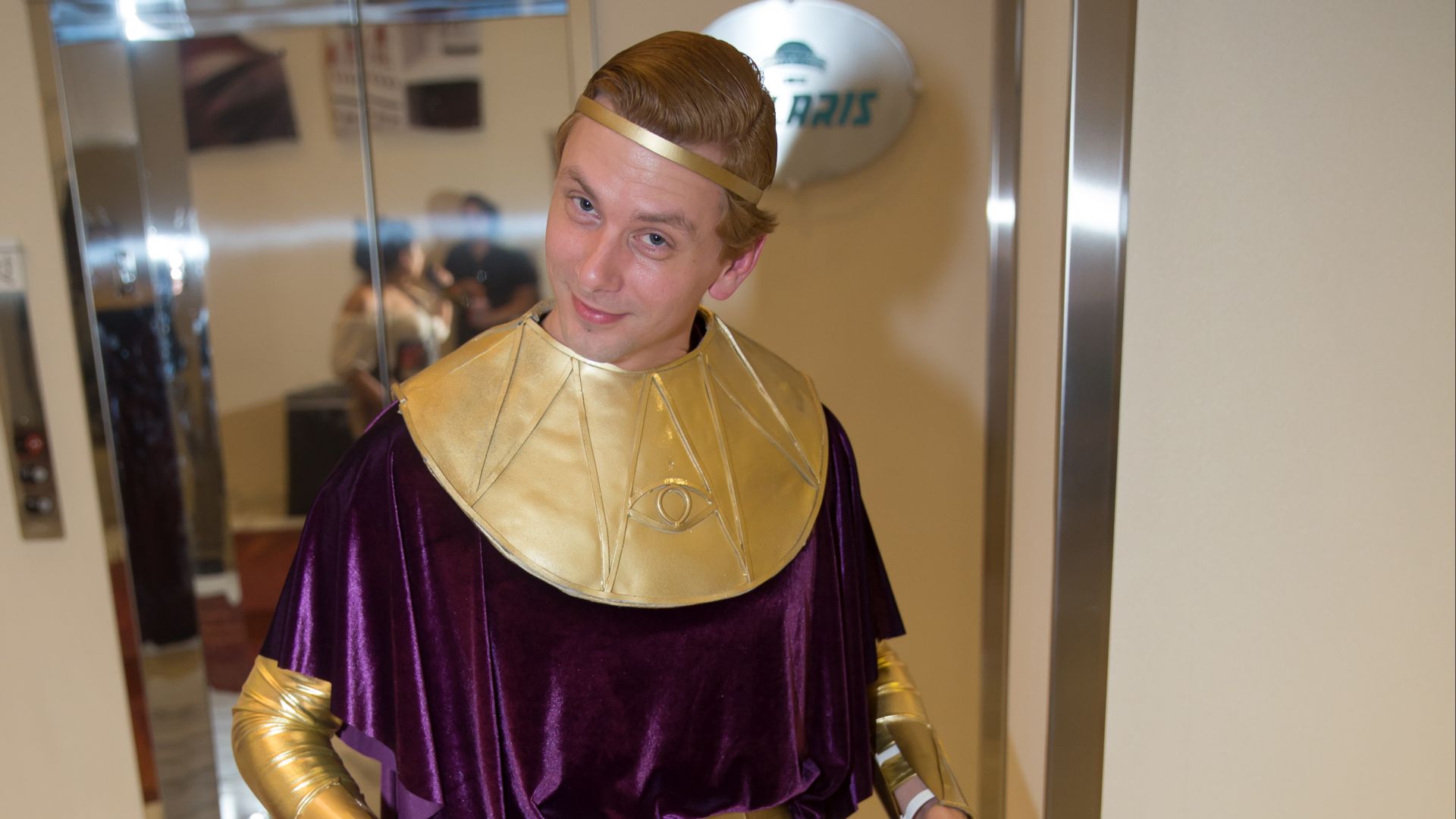
9. Ozymandias to Rorschach and Nite Owl
Veidt never formally mentored anyone, but his influence shaped the second-generation heroes in ways they did not understand until too late. He modeled vigilantism built on the certainty that he knew better than everyone else. The lesson was absorbed. The lesson was wrong.
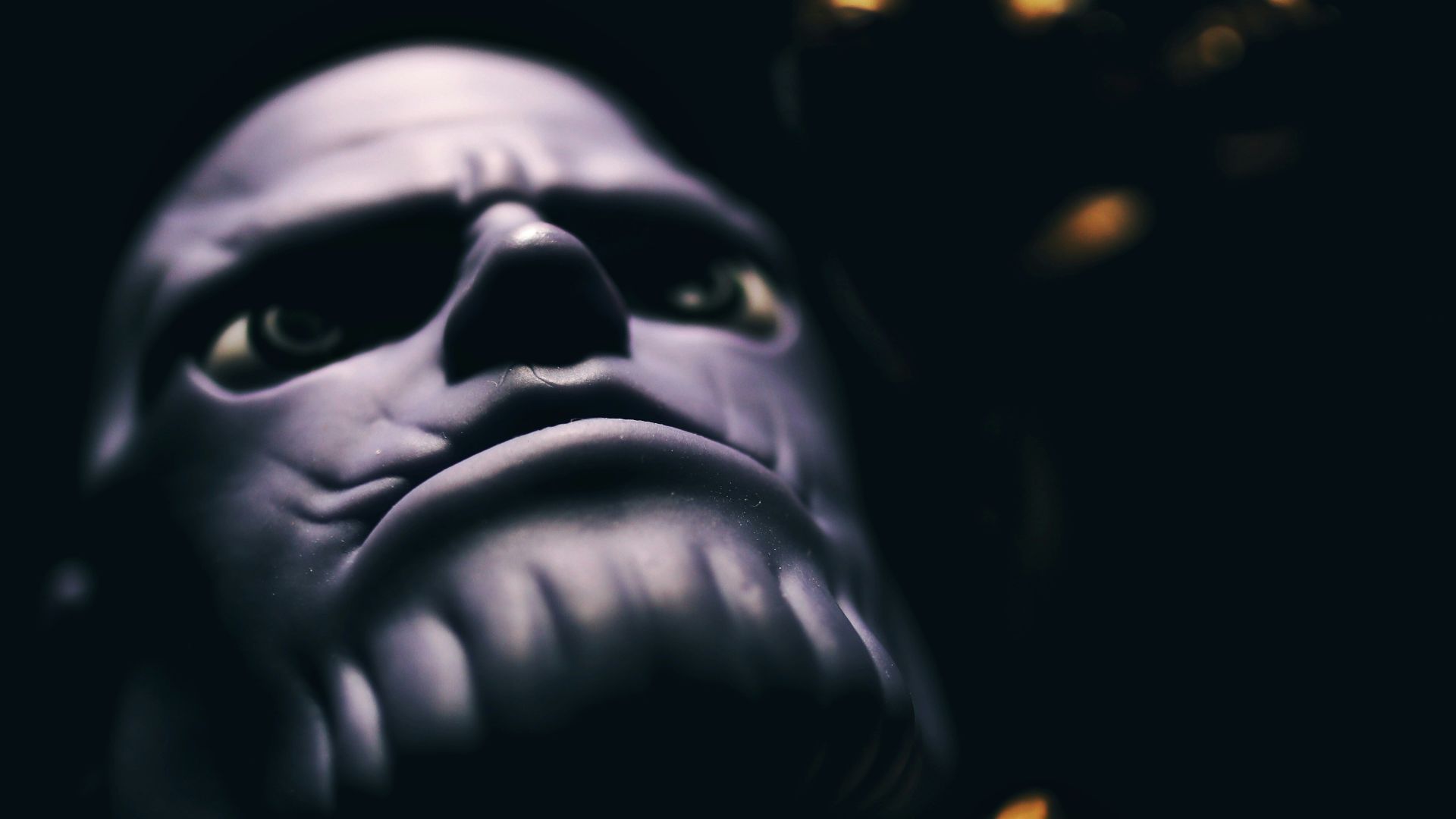
10. Thanos to Gamora and Nebula
Thanos took two children, told them they were special, and spent their formative years pitting them against each other to produce one winner and one broken runner-up. Gamora became a killer with a conscience. Nebula became a study in what conditional love does to a person over time. Both deserved better.





_trailer_-_Michael_Gough_(cropped_%26_flipped).png)

.jpg)
.jpg)