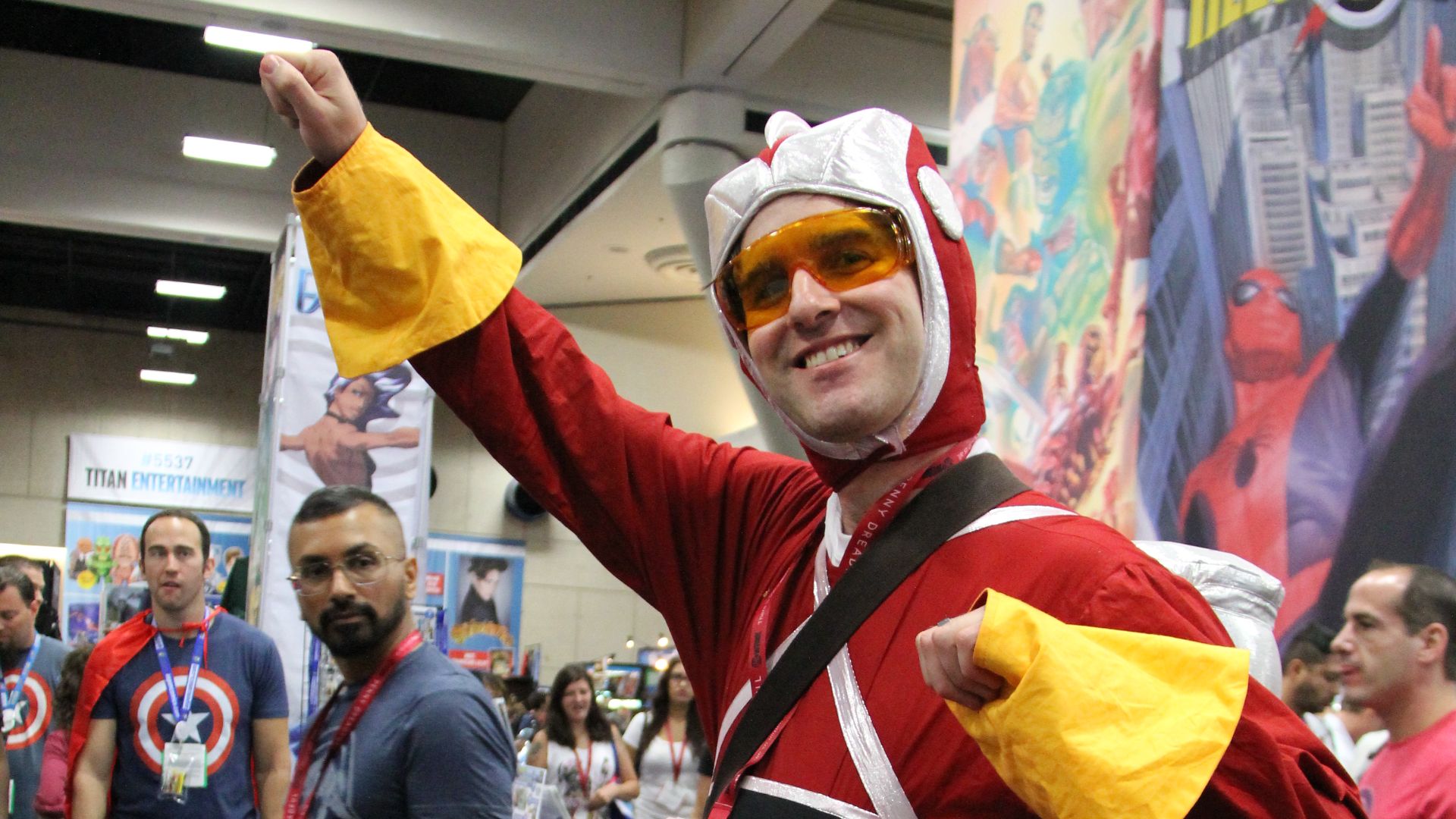
 William Tung from USA on Wikimedia
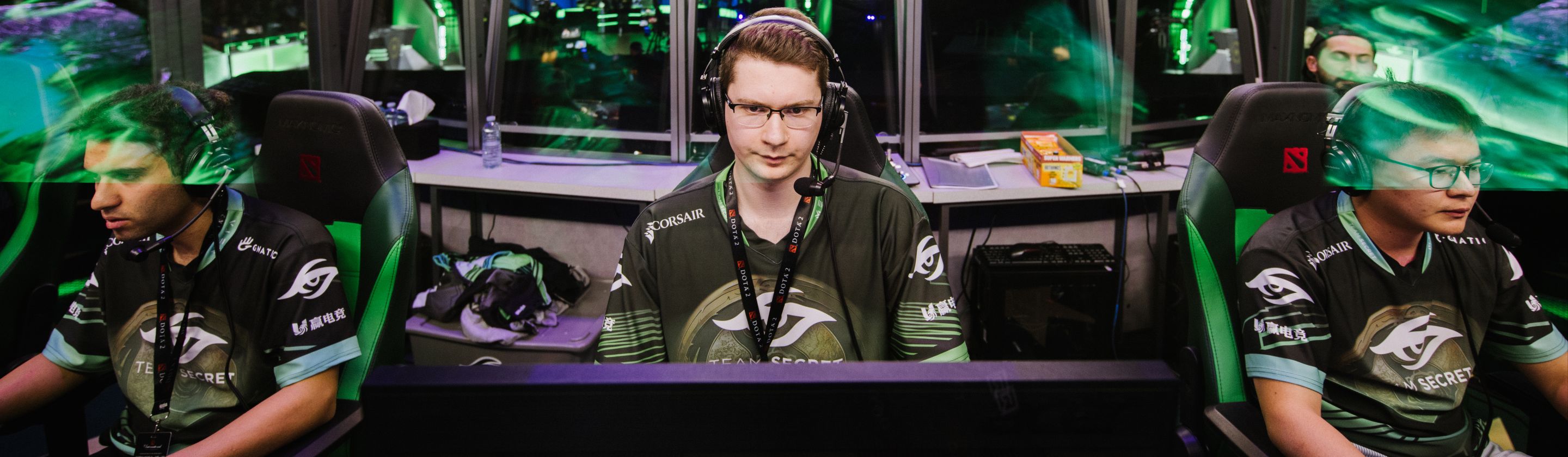
Millennials are often described as the "nerdy generation," but that's not just an illusion; it's backed by stats. A 2019 survey found that 60 percent of millennials consider themselves a "nerd," and are proud of it, and 82 percent say that being a geek isn't a bad thing.
Millennials love fandom, they quote fantasy lore, obsess over niche hobbies, and proudly display interests that previous generations would have locked away in a closet. From Harry Potter marathons and Dungeons & Dragons campaigns to video game speedruns and comic book deep dives, millennial culture is unapologetically nerdy. But this didn't happen by accident—millennial nerdiness was shaped by circumstance.
Technology
Millennials were the first generation to grow up with the internet, making them the first generation to become digitally proficient. What's more, the internet they grew up with wasn't like what we have today; it was messy and full of forums, early forms of social media, and chat rooms where nerdy obsessions could really flourish.
Nerd culture went mainstream. Fantasy and sci-fi were no longer fringe interests. The Lord of the Rings movies swept up nearly all the Oscars, Harry Potter became the best-selling book franchise of all time, and superhero comics were transformed into billion-dollar blockbusters. Millennials no longer had to hide their nerdy interests to fit in; embracing them would even allow them to connect better with their peers.
Education
Millennials are also better educated than previous generations. About 39 percent of people aged 25 to 37 have a bachelor's degree or higher, which is a much larger share than Gen X or Baby Boomers at the same age.
Millennials were raised with the message that success came from knowledge, credentials, and specialization. Being studious, good at coding, or able to master complex systems became "cool" because the highest-paying jobs were increasingly in tech. Being nerdy is aligned with the changing landscape of the job market and comes with more rewards than classically "cool" traits.
Nerdiness as escapism
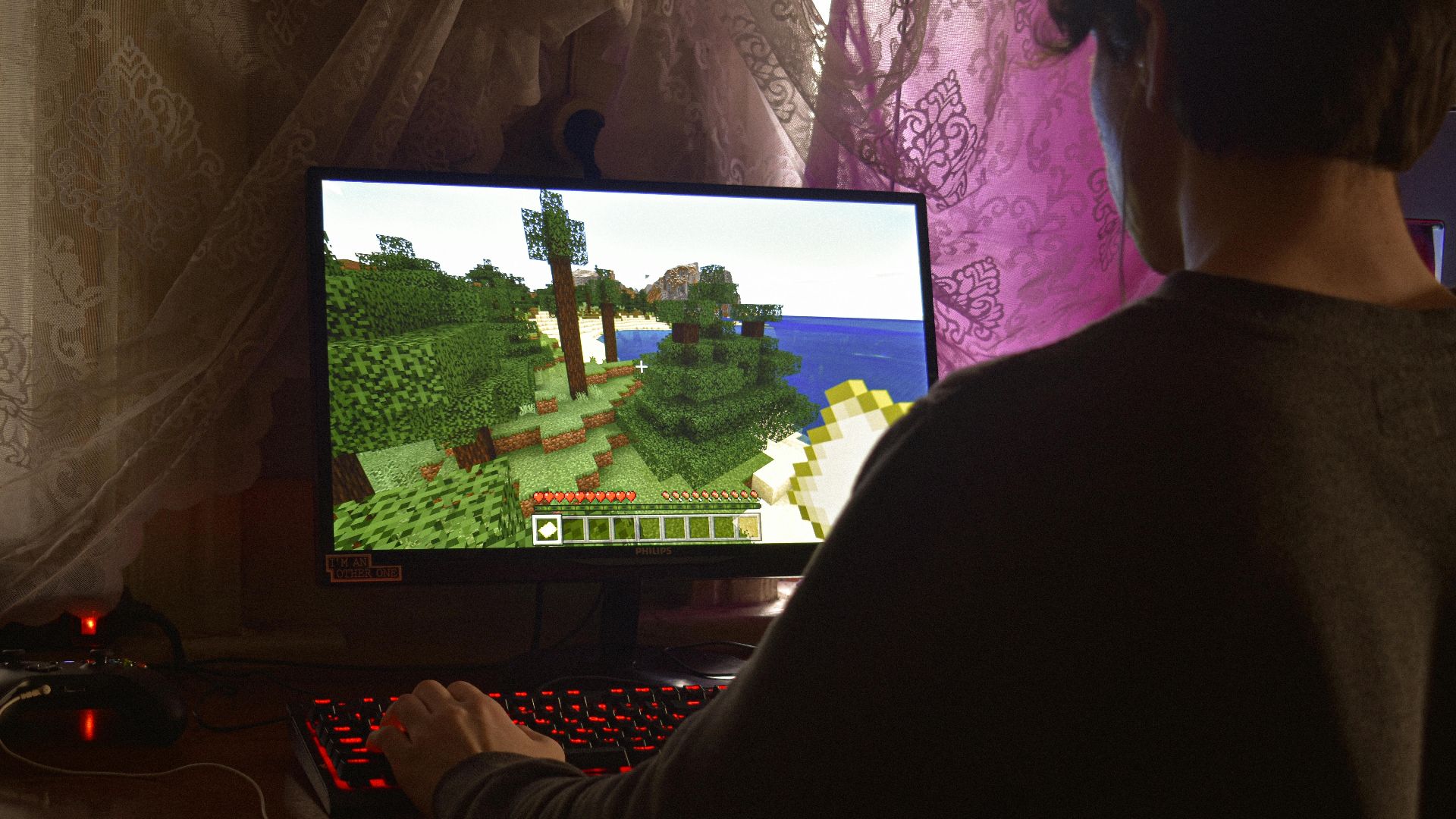
Although perhaps not as unstable as previous generations, Millennials grew up in a world plagued by prolonged wars. They lived through 9/11, the 2008 financial crash, and unprecedented economic precariousness. Traditional milestones like home ownership and financial security seemed forever out of reach. They also report higher rates of depression and anxiety compared to previous generations, and are more likely to experience burnout and substance abuse.
In that environment, fantasy worlds, games, and fandoms offered control, meaning, connection, and structure. Fiction somehow became more tangible than reality.
Delayed adulthood
The funny thing is, Millennials aren't kids anymore; they're in their 30s and 40s. If before, people felt pressure to donate all their old comic books, childish toys, and games in favor of marriage and kids, now, the same pressure doesn't necessarily apply. Marriage, kids, and homeownership arrive later, and loving games, fantasy novels, and LEGO well into your adult years is perfectly normal. Don't worry, you're not too old.
Millennials may not be inherently more nerdy than previous generations; they're just willing to embrace it. They're not less mature; they just value different things. For them, nerdiness wasn't a phase; it was the most logical response to the landscape that shaped them.