

Your Phone Packed for You
The smartphone changed travel faster than the jet engine did. In about 15 years it swallowed the map and the camera, then went after the ticket counter and the guidebook. Some old habits refused to die, though. Apps and cheap hardware brought a handful of them back in forms their original fans might barely recognize. Here's 10 travel habits technology killed, followed by 10 it brought back.

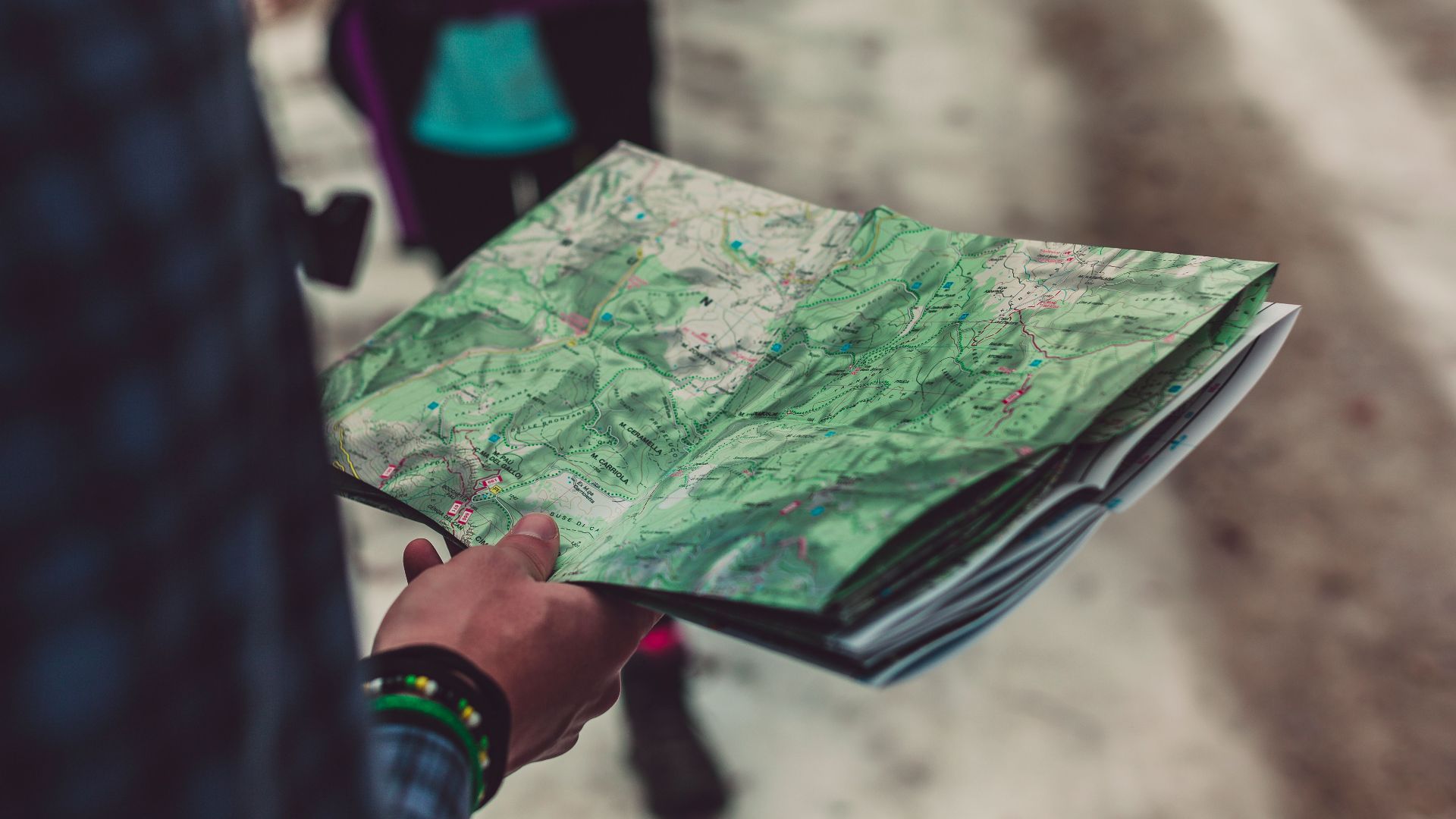
1. Folding Paper Maps
The glove box full of creased road maps started disappearing in 2009, when Android phones picked up free turn-by-turn navigation from Google Maps. GPS units from Garmin and TomTom had already shown people what they were missing, suction-cupped to windshields everywhere. Offline map downloads handled the last excuse, which was losing signal on a mountain road.
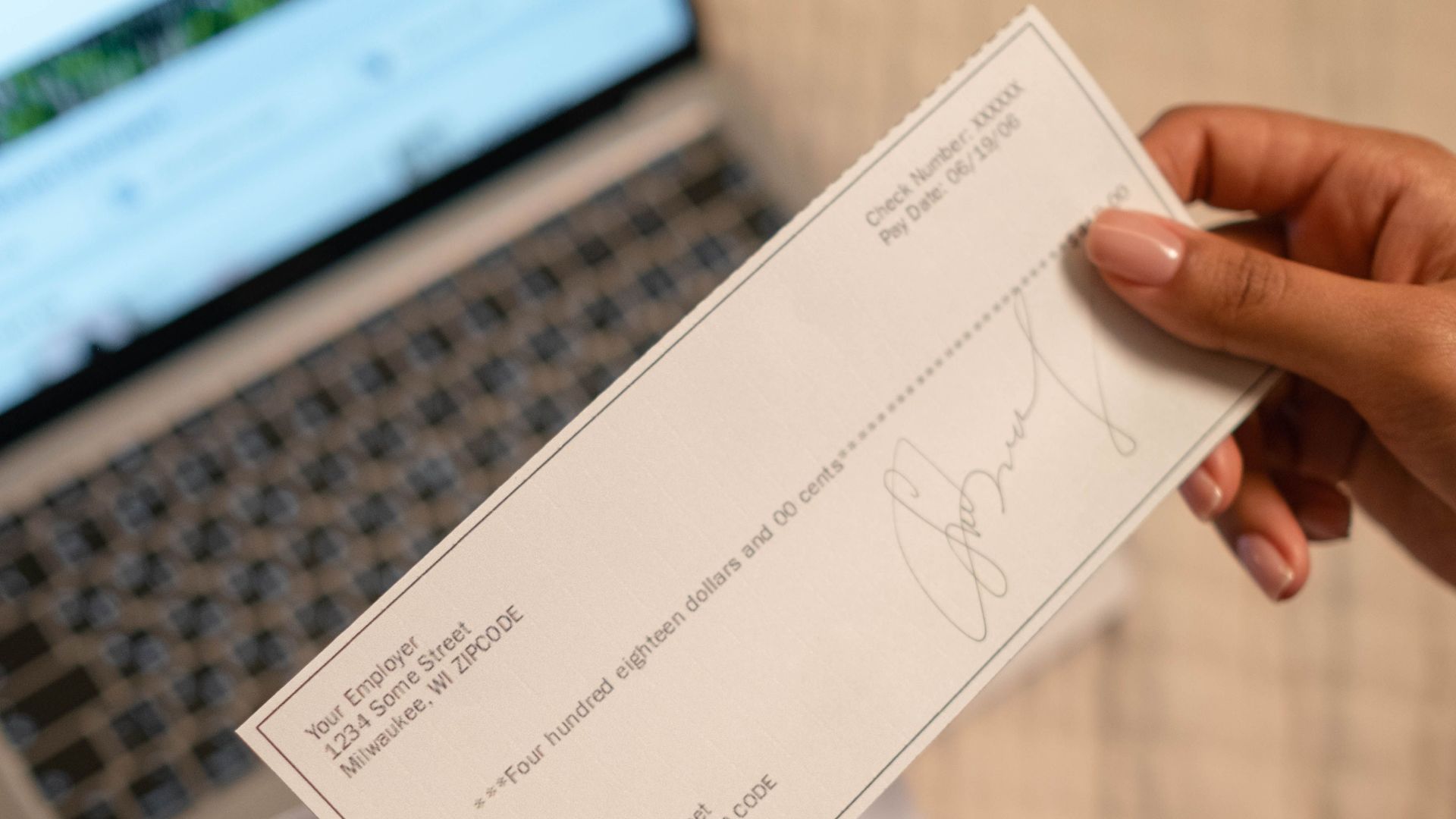
2. Travelers Checks
American Express introduced travelers checks in 1891 as a theft-proof way to carry money abroad. ATMs made them pointless by the 2000s. Try cashing one at a hotel front desk today and you'll probably get a blank stare.
3. Buying Phone Cards
Calling home from overseas used to mean feeding a prepaid card into a pay phone and talking fast before the minutes ran out. WhatsApp, which launched in 2009, and FaceTime turned those calls into free internet traffic. Travel eSIM apps now load a local data plan onto your phone before the plane even lands.

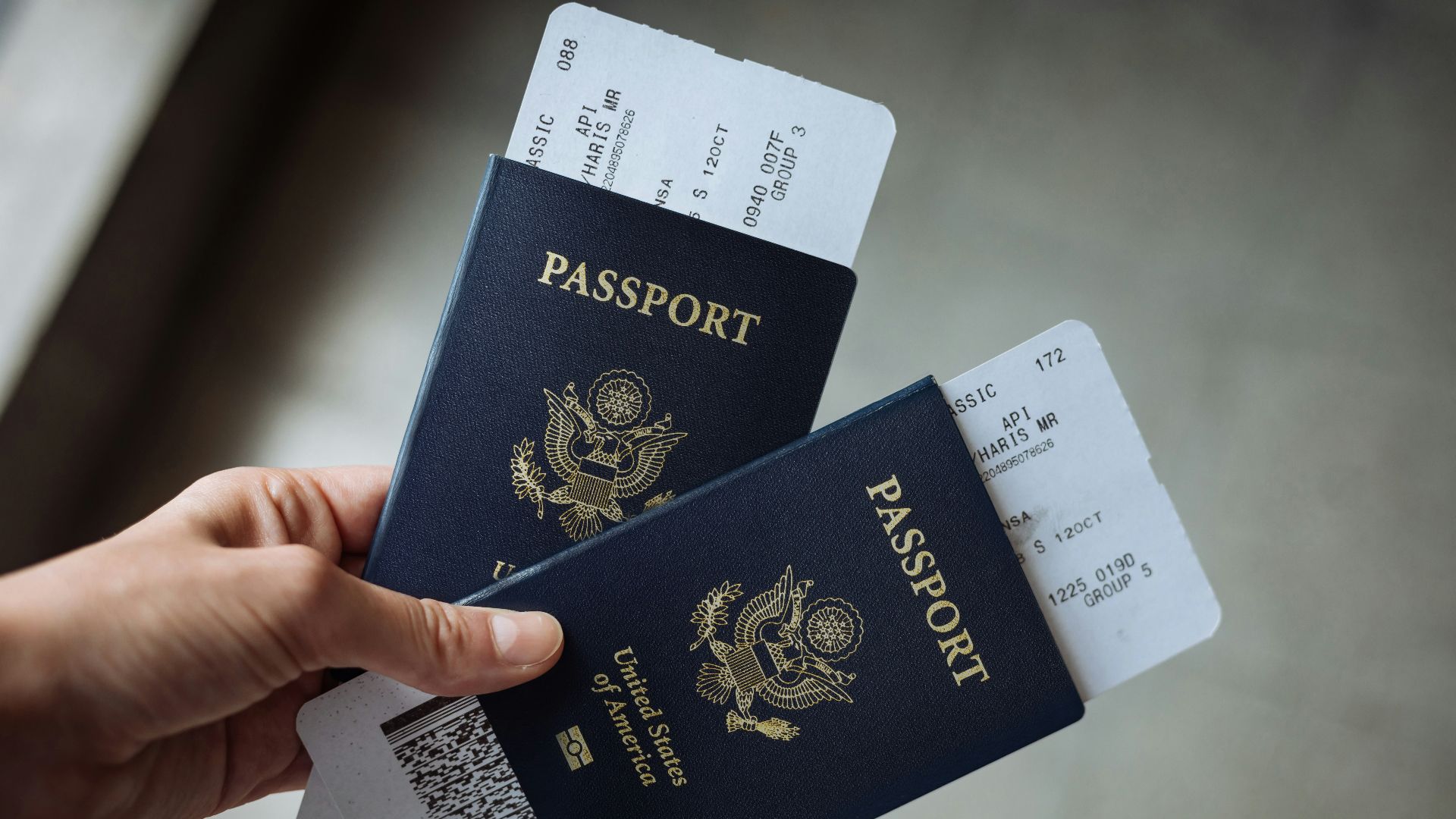
4. Printed Boarding Passes
Continental Airlines tested paperless boarding passes with the TSA in Houston in 2007. When Apple's Passbook app arrived five years later, the pass moved into a digital wallet that pops up on your lock screen at the gate. The hotel business center printer lost its main reason to exist, leaving airport kiosks to print mostly bag tags.
 Global Residence Index on Unsplash
5. Disposable Cameras
Starting with Fujifilm's QuickSnap in 1986, a single-use camera rode along on almost every beach vacation and school trip for two decades. You paid to develop 27 prints and hoped a few weren't blurry. Camera phones made that gamble unnecessary by the late 2000s.

6. Calling a Travel Agent
Comparing flights across a dozen airlines once took a long phone call with a patient agent. Microsoft's Expedia went live in 1996, and fare-search sites like Kayak followed within a decade, pulling prices from hundreds of airlines at once. Price alerts now email you the moment a route to Lisbon drops by $80.

7. Watching the Departure Board
Travelers once stood under the airport's clattering split-flap board, many of them built by Italy's Solari, waiting for their gate to appear. Airline apps now push gate changes and delays straight to your phone, sometimes before the screens in the terminal update. You can wait at the coffee counter instead of craning your neck.

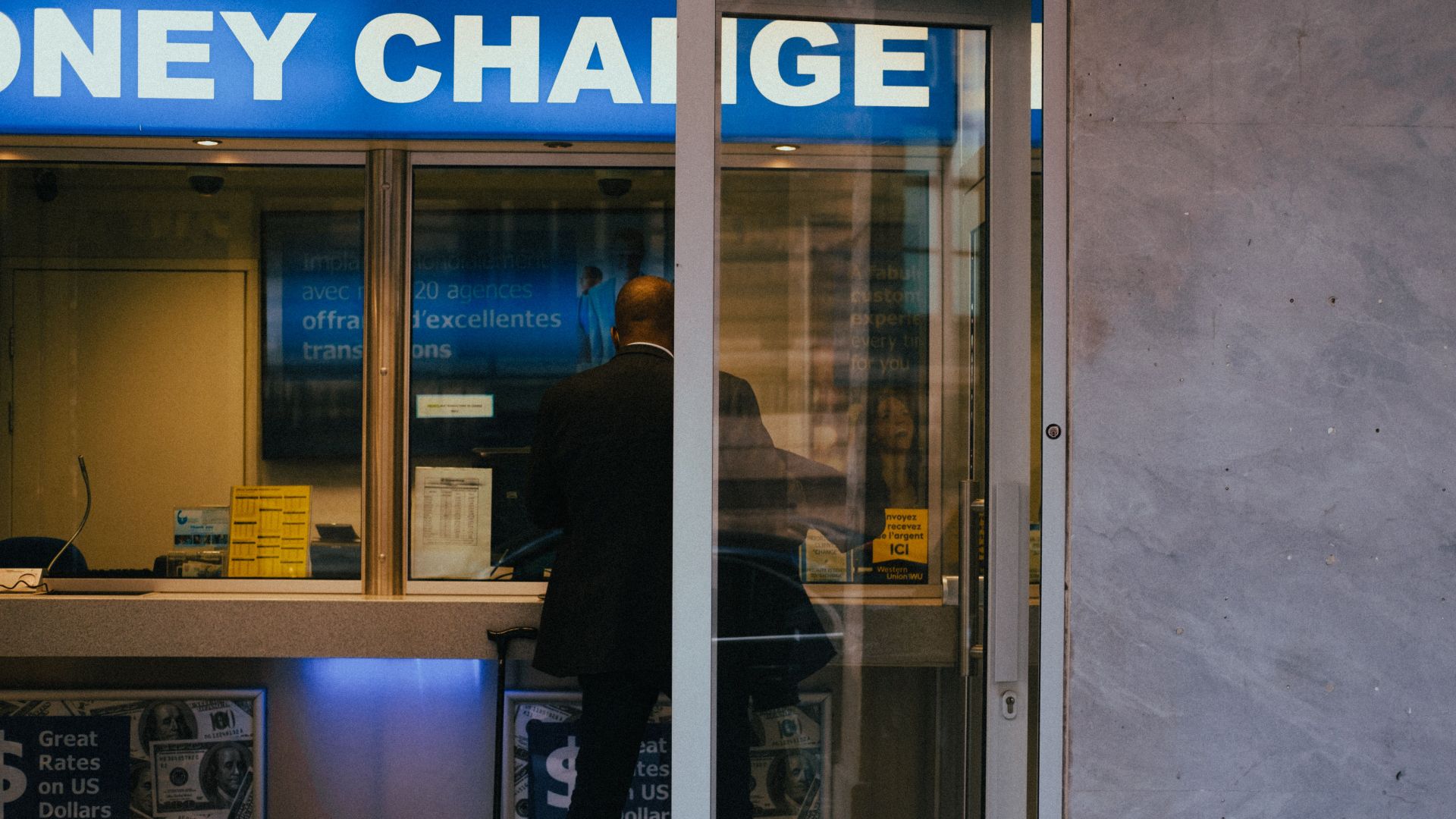
8. Airport Currency Exchange
The currency booth near baggage claim always posted the worst rate in the building. Many travel credit cards skip the foreign transaction fee, which typically runs about 3% on other cards. An ATM in the arrivals hall covers whatever cash you still need.
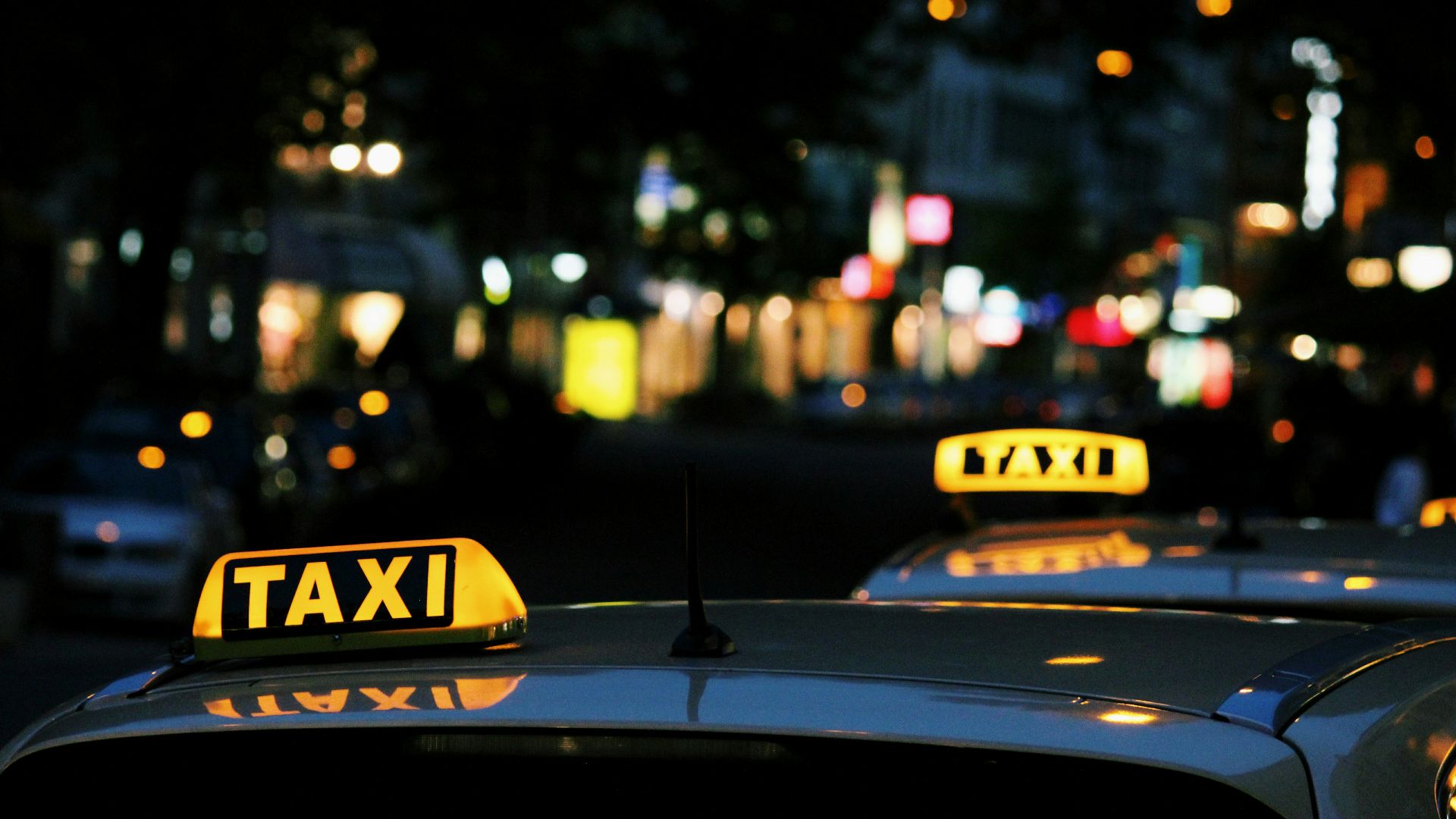
9. Hailing a Taxi
Uber's app, which debuted in San Francisco in 2010, showed the car's location and the price before you got in. Lyft and dozens of regional apps, like Grab in Southeast Asia, copied the model. Standing on a curb with an arm in the air now looks almost quaint in most big cities.
10. Thumbing Through Guidebooks
A thick guidebook used to be the most-read item in a backpack. TripAdvisor's user reviews, starting in 2000, slowly took over its job, and map apps finished it off with ratings for every café on the block. Guidebooks still sell, though most travelers now read reviews standing on the sidewalk.
Now, here's 10 habits technology brought back.

1. Staying in a Stranger's Home
Boarding houses and spare-room rentals were ordinary a century ago. Couchsurfing revived the idea online in 2004, and Airbnb got its start in 2008 after its founders rented air mattresses in their San Francisco apartment to conference-goers. Sleeping in someone else's guest room is normal again.

2. Hitchhiking, With a Profile
BlaBlaCar lets drivers sell the empty seats on a long trip to strangers heading the same way. Ratings and verified IDs take most of the nerves out of getting into a stranger's car. The French company, founded in 2006, has made carpooling a real rival to the train across much of Europe.

3. Mailing Postcards
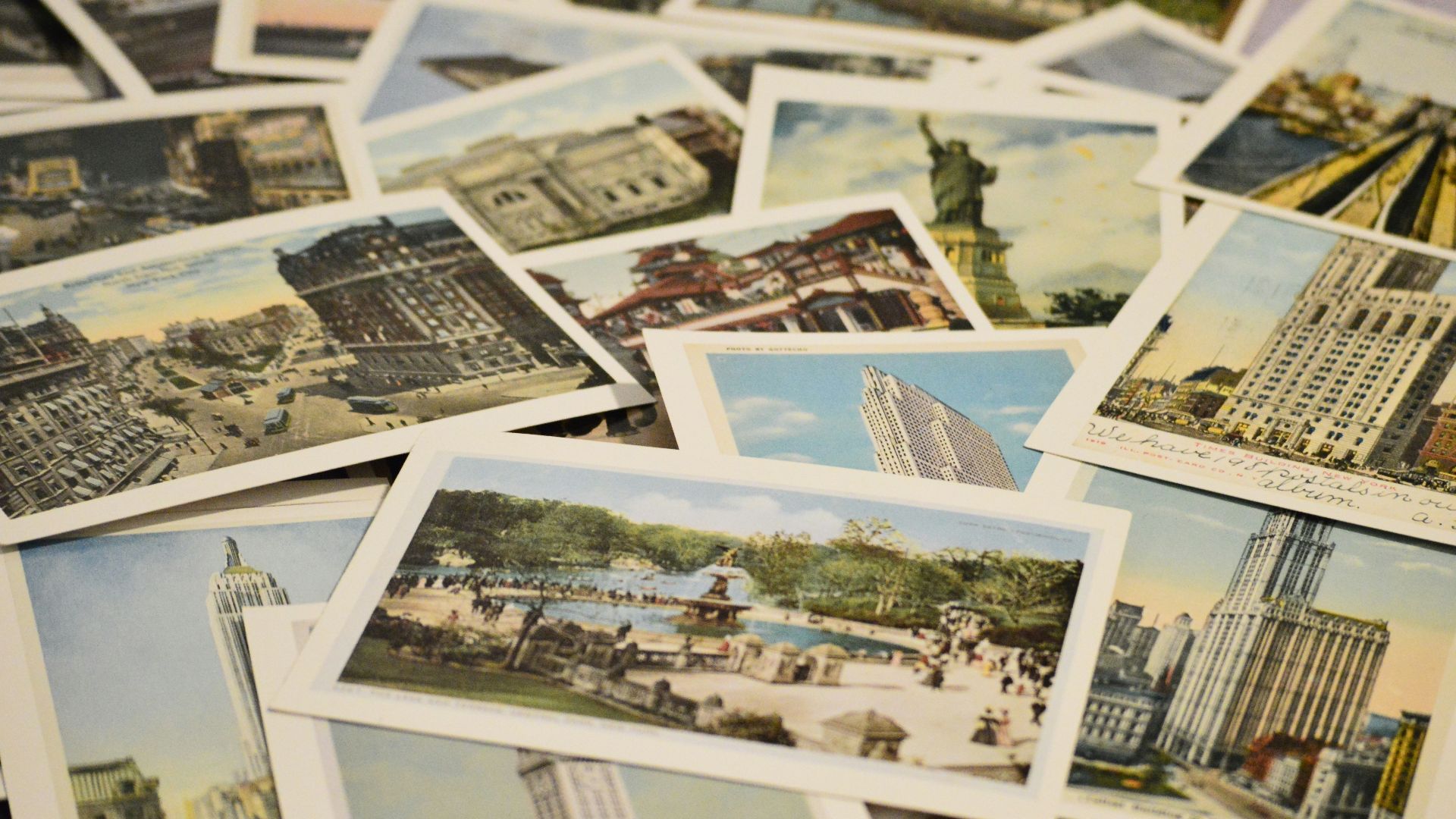
Postcards nearly vanished once travelers could post photos instantly. Apps like Touchnote print a photo from your phone onto a real card and mail it for you, stamp included, so grandma still gets something for the fridge.
4. Instant Photos
Fujifilm's Instax Mini has been around since 1998, long before phone cameras took over. Younger travelers have made it popular again for the one thing a phone can't do, which is hand someone a physical print on the spot. Each shot costs roughly a dollar, so people take fewer and keep every one.
 Vasiliki Paparoidami on Pexels
5. Keeping a Travel Journal
Polarsteps tracks your route in the background using your phone's GPS and drops a pin at every stop. You add photos and a few lines of notes along the way. When you get home, the Amsterdam-based app can turn the whole trip into a printed hardcover book.

6. Months-Long Stays
The grand tour of Europe once lasted a year or more for wealthy young travelers in the 1700s. Remote work brought long stays back. Estonia created a digital nomad visa for exactly that purpose in 2020, and many more countries have since rolled out their own, often with a minimum income requirement.

7. Guided Walking Tours
GPS-triggered audio tour apps start telling a story the moment you reach a certain corner. That brings back the classic walking tour without a guide holding up a flag, and you can pause for gelato whenever you like.

8. A Personal Trip Planner
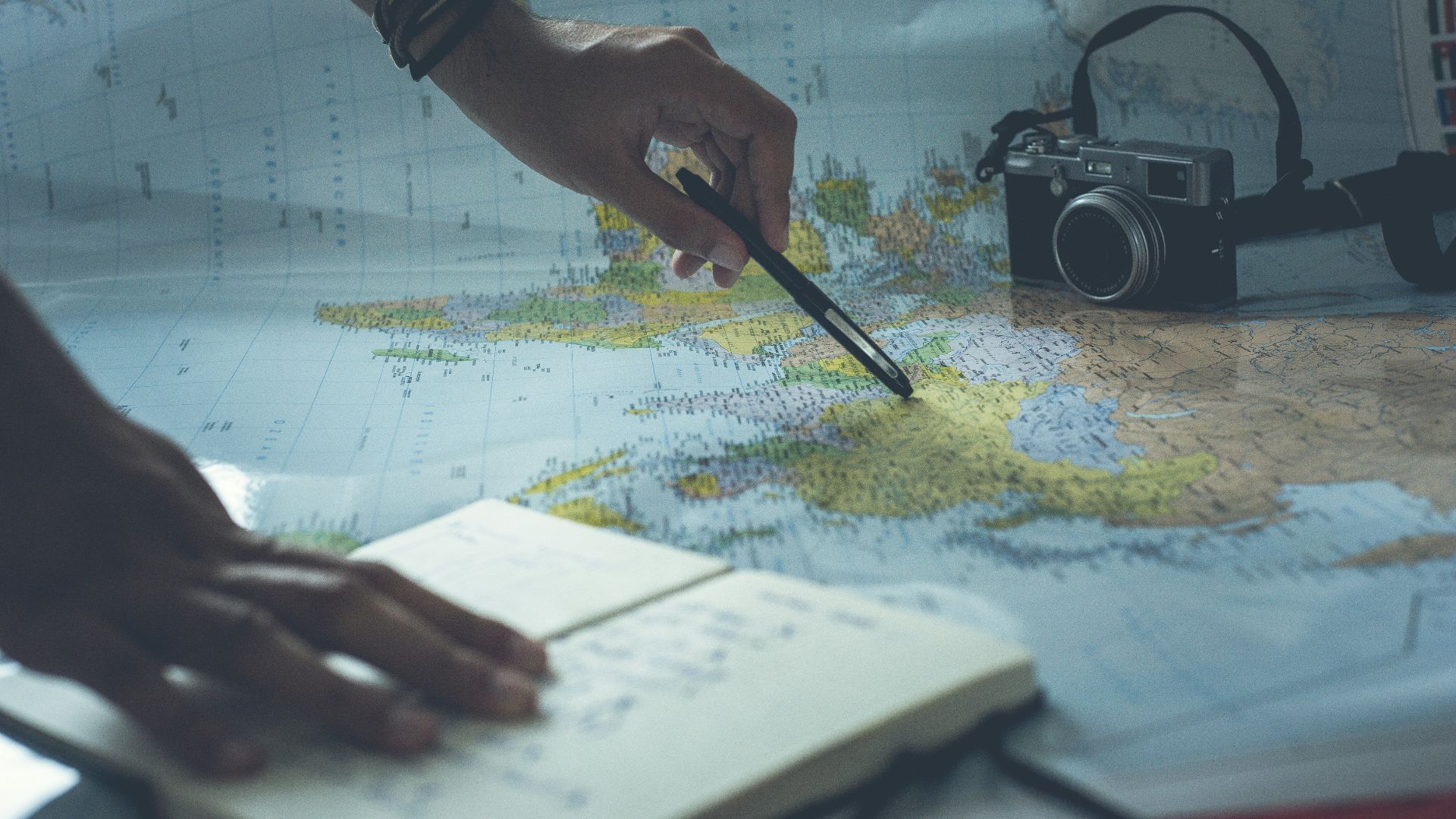
Ask an AI chatbot for a four-day itinerary that fits your budget and your pace, and it'll draft one in seconds. Expedia built ChatGPT-powered trip planning into its app in 2023. It works a lot like the travel agent from the first half of this list, minus the hold music.
 Glenn Carstens-Peters on Unsplash
9. Word-of-Mouth Tips
Before review sites, travelers found good restaurants by asking locals and other backpackers. Short videos filmed by people who actually live in a city have revived that, served up by the algorithm before you even search. A 30-second clip can point you to the bakery with no sign out front.

10. Night Trains
Austria's national railway launched its Nightjet sleeper service in 2016, just as overnight trains were fading across Europe. Booking apps now show sleeper cabins side by side with flights, down to a choice of upper or lower bunk. Waking up in a different country without an airport security line has found a whole new audience.