
Are Their Assumptions About You True?
Gaming has become one of the world's most popular forms of entertainment, yet plenty of people who don't play still have some pretty outdated ideas about the hobby. Some imagine gamers spend every waking hour glued to a screen, while others assume video games are only for teenagers or people who don't have anything better to do. The reality is much more varied, and understanding what gaming actually looks like can clear up a surprising number of misconceptions.

1. Gamers Are All Teenagers
A common stereotype is that gamers are just kids with nothing better to do. Gamers come from all age groups, and some may have jobs or even kids. There are many who have been playing since they were young and decided to stick with it as they got older.

2. Gaming Is a Waste of Time
There is always something you can learn from video games. You can learn problem-solving skills or learn about the plotline. You can also develop hand-eye coordination and social skills, just as you can by watching a movie, reading a book, or playing sports.

3. All Gamers Are Antisocial
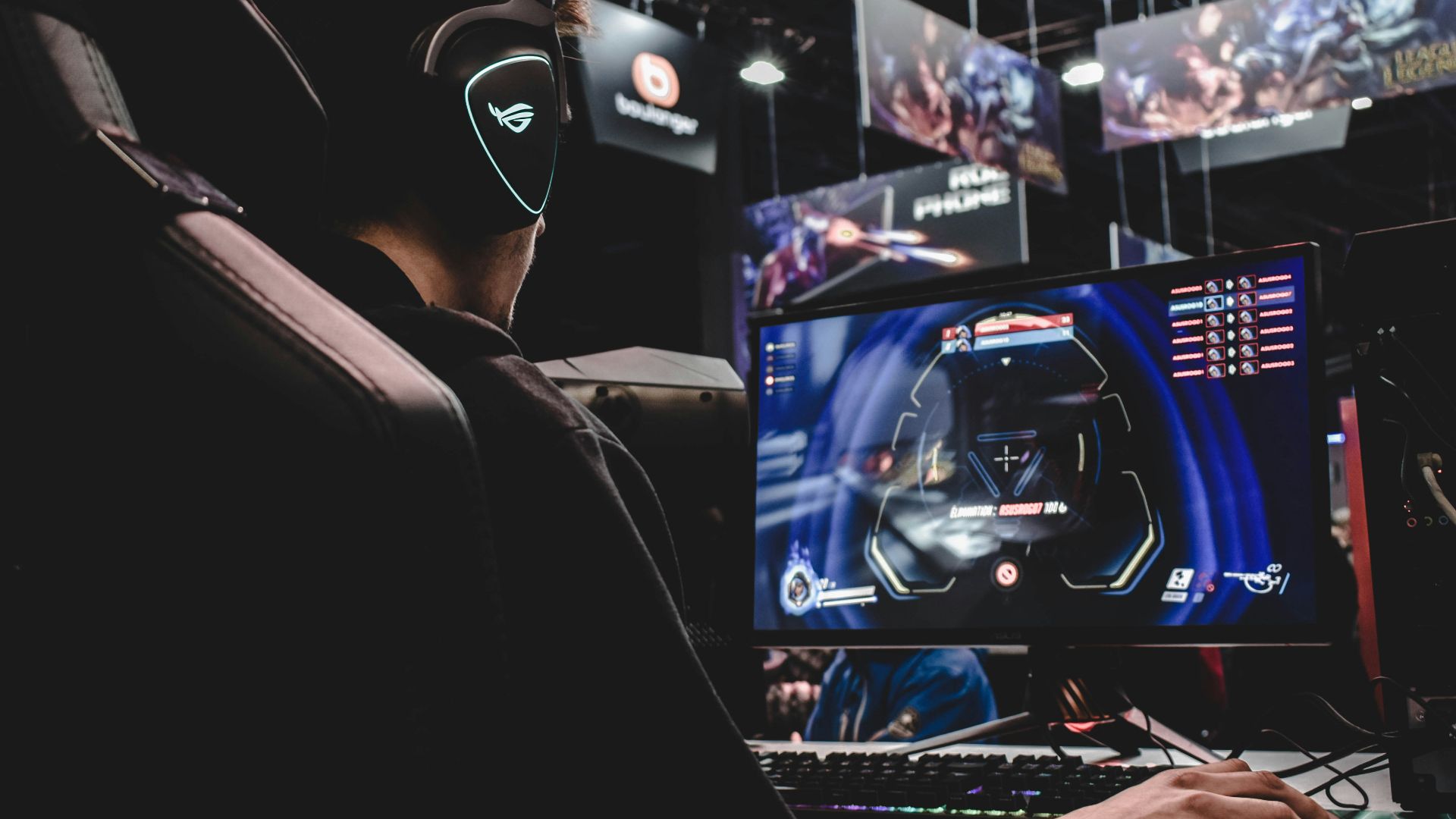
Many people think of a gamer as someone who sits in a dark room playing video games all day. Gaming can allow you to socialize with other people you know. Some players enjoy gaming alone, but others use it as one of their main ways to socialize.
4. Gamers Don't Care About Their Appearance
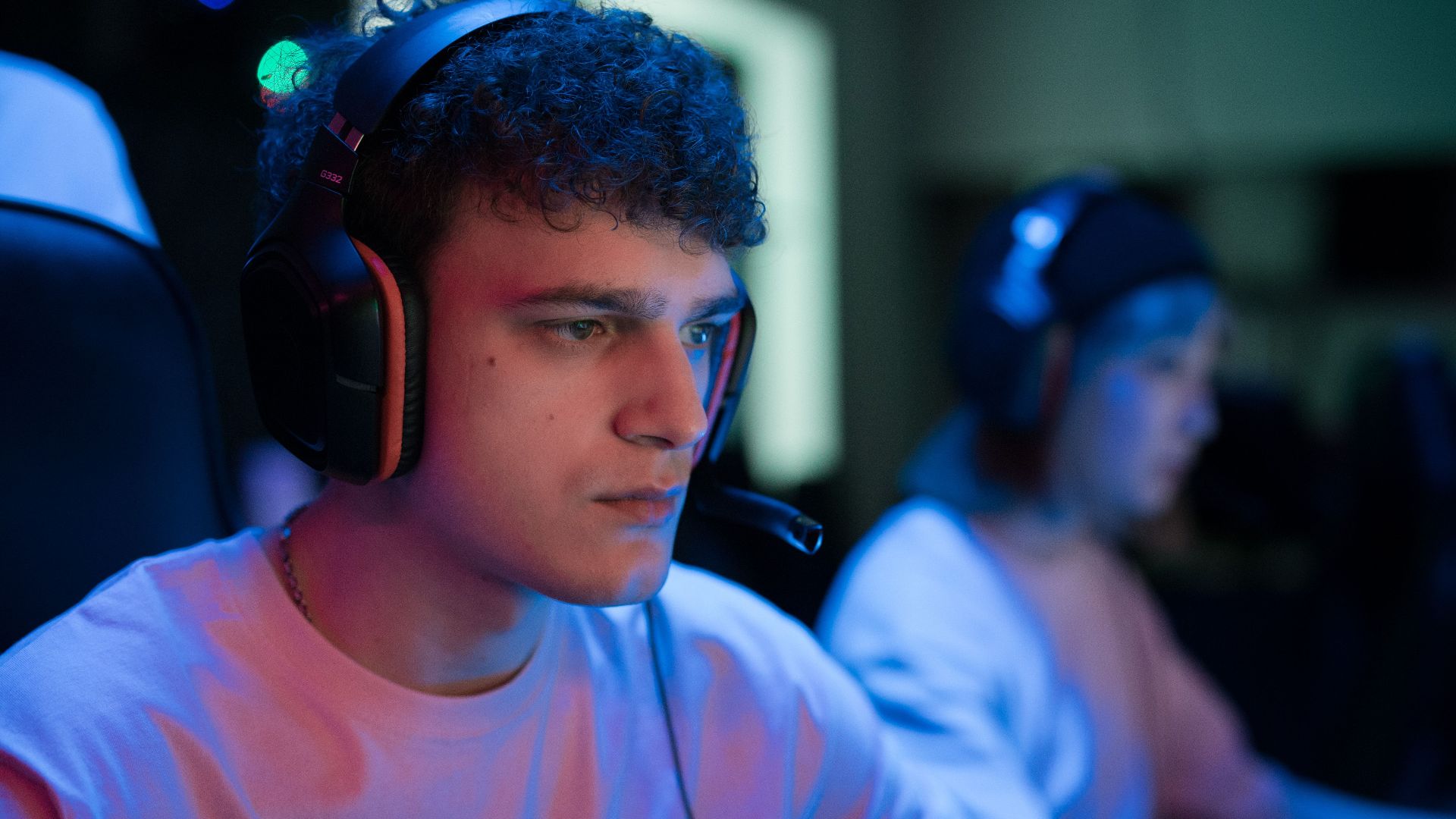
There are gamers who don't care about how they look and gamers who love fashion. If a person plays video games, that doesn't mean they won't shower or dress nicely. A person's gaming habits reveal very little about whether they care about their appearance.
5. Video Games Are Only for Men
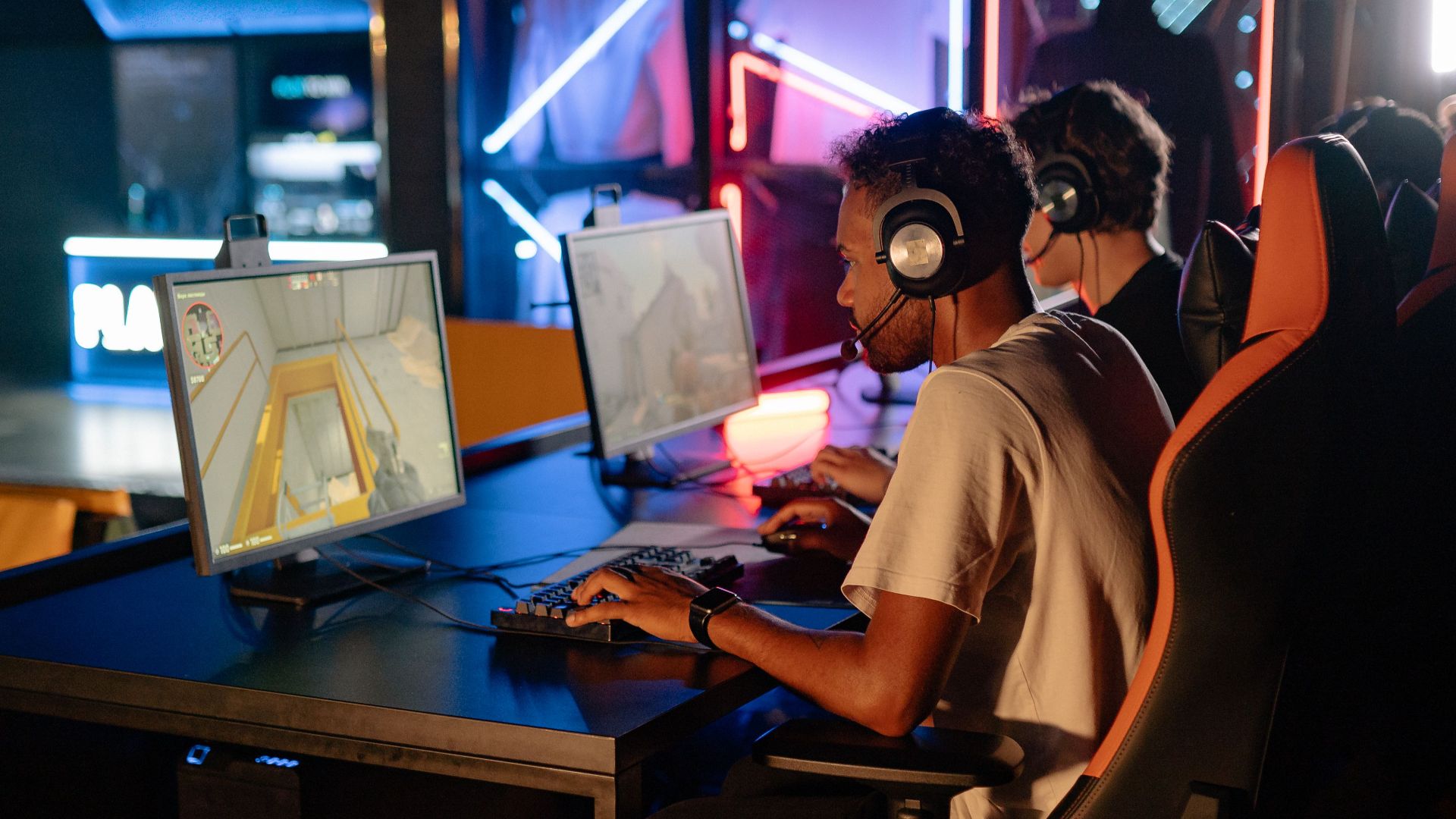
As you travel around many gaming spaces, you may notice that some games are marketed primarily toward men. There are many women who enjoy playing games as well. Assuming someone isn't a gamer because she's a woman overlooks a huge part of the audience.

6. Every Gamer Is Obsessed With Violent Games
Popular shooters and action games often receive considerable attention, which can create the impression that violence dominates the entire medium. However, gamers can choose from farming simulators, puzzle games, racing games, cozy adventures, strategy titles, and countless other genres. Someone who loves Stardew Valley might have very different preferences from someone who spends every evening playing Call of Duty.

7. Gamers Can't Have Successful Careers
The idea that gaming prevents people from being productive ignores the millions of players who balance their hobbies with professional responsibilities. Gamers work in fields such as medicine, education, engineering, business, and creative industries, just like people who enjoy other forms of entertainment. Some even work directly in game development, esports, streaming, or gaming journalism.

8. Gaming Is Always Expensive
If you want to build your own gaming PC, it can get expensive. But there are plenty of cheaper options that can run your favorite games, even on older systems or phones. If you want to avoid buying all-new games, there are always free-to-play games and games that go on sale.

9. Gamers Never Go Outside
Just because you spend hours sitting down playing a video game doesn't mean you're at home doing that for the rest of your life. You can still go hiking, travel, go to concerts, and play sports. Gaming is an indoor hobby, but it doesn't have to replace every other activity a person enjoys.
10. All Gamers Are Bad at Socializing
There are video games that allow you to speak to other people and work toward a common goal. This means you're talking to people, whether you want to or not. There are people who are shy and those who aren't when they play video games, just like in real life.

11. Gamers Only Play to Win
Competition is a major part of gaming for some people, particularly those who enjoy ranked matches or esports. However, many players care more about exploring a world, following a story, experimenting with character builds, or simply relaxing after work. For them, finishing a difficult game can be satisfying, but the experience itself matters just as much as the final result.
12. Video Games Are All Basically the Same
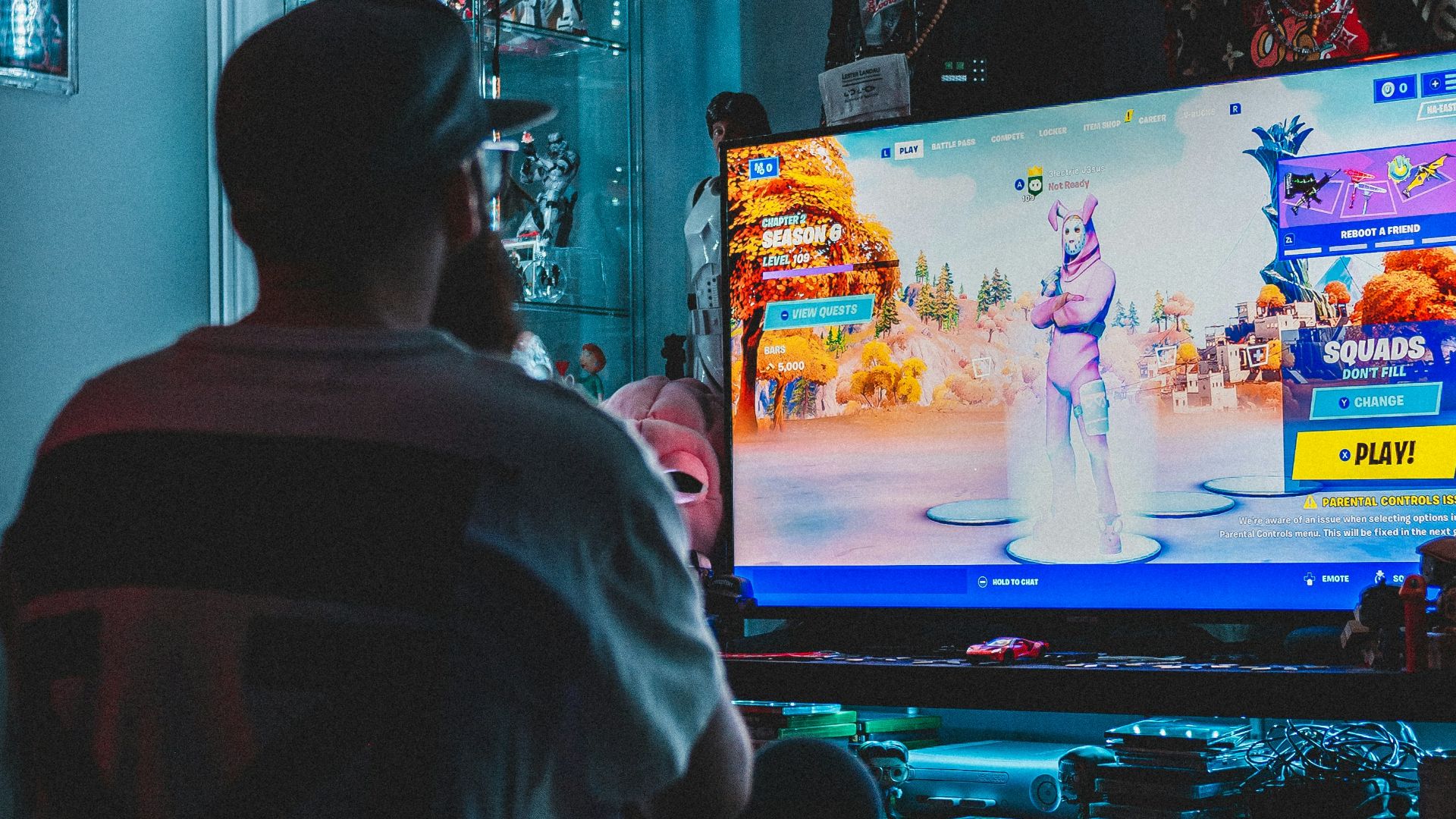
To someone who may not know what video games are like, there may seem to be only a few different types. Video games are interactive, allowing you to solve mysteries, learn about history, and live out different lifestyles. From RPGs to life sims, each genre of game can differ from another just as movies can differ from one another.

13. Gamers Don't Read
Some may laugh at this statement, but there is so much reading involved in video games. RPGs have tons of lore and information that you can spend hours exploring. Many gamers also enjoy books outside their hobby, although some prefer games that keep written text to a minimum.
14. Gaming Is Only for Entertainment
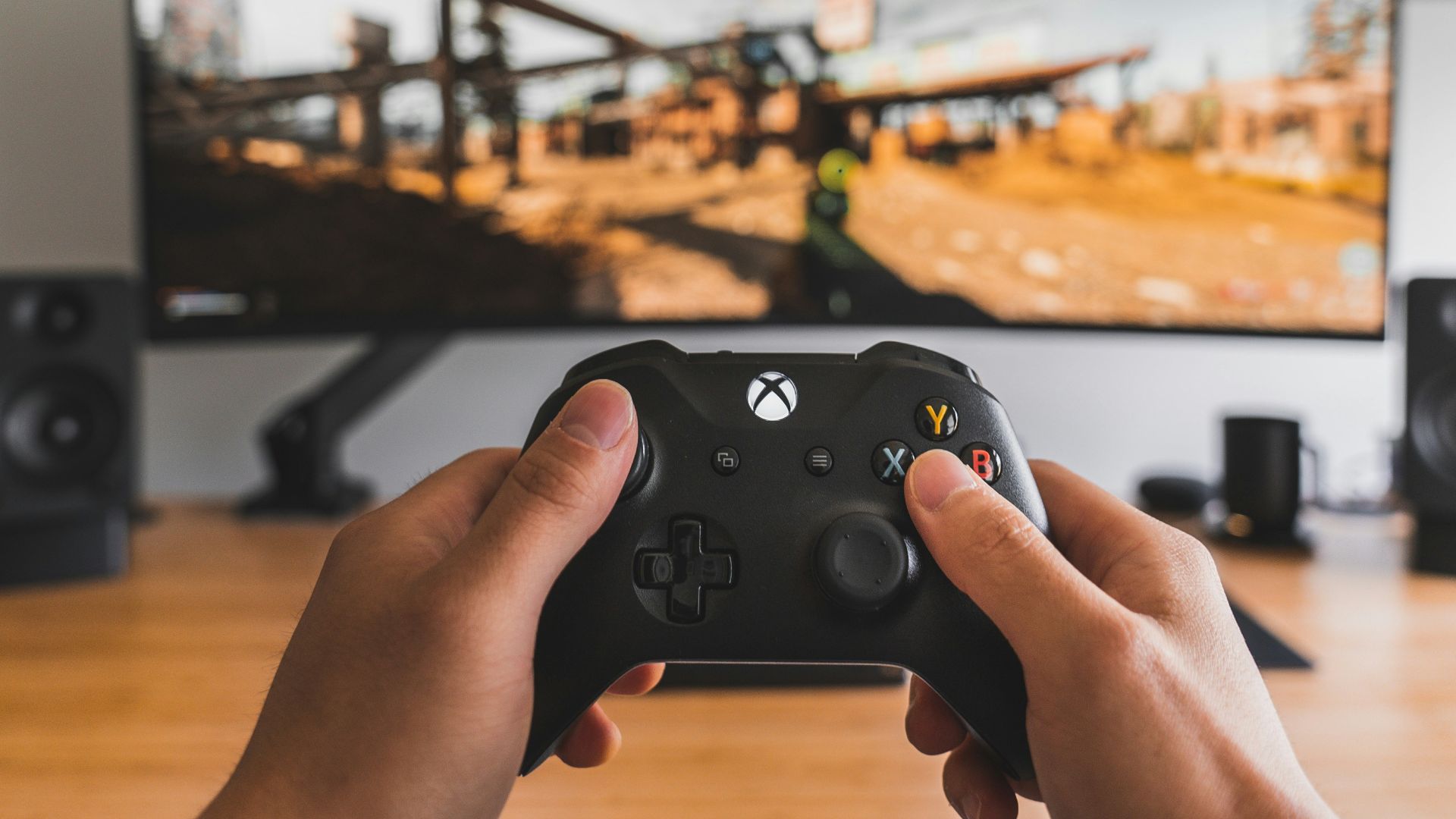
There are games that can help you design homes or learn about a subject featured in the game. You can find games that allow you to grow and learn new things as well. Educational and training games also demonstrate that interactive experiences can serve practical purposes beyond helping someone unwind.
15. Gamers Don't Spend Time With Their Families
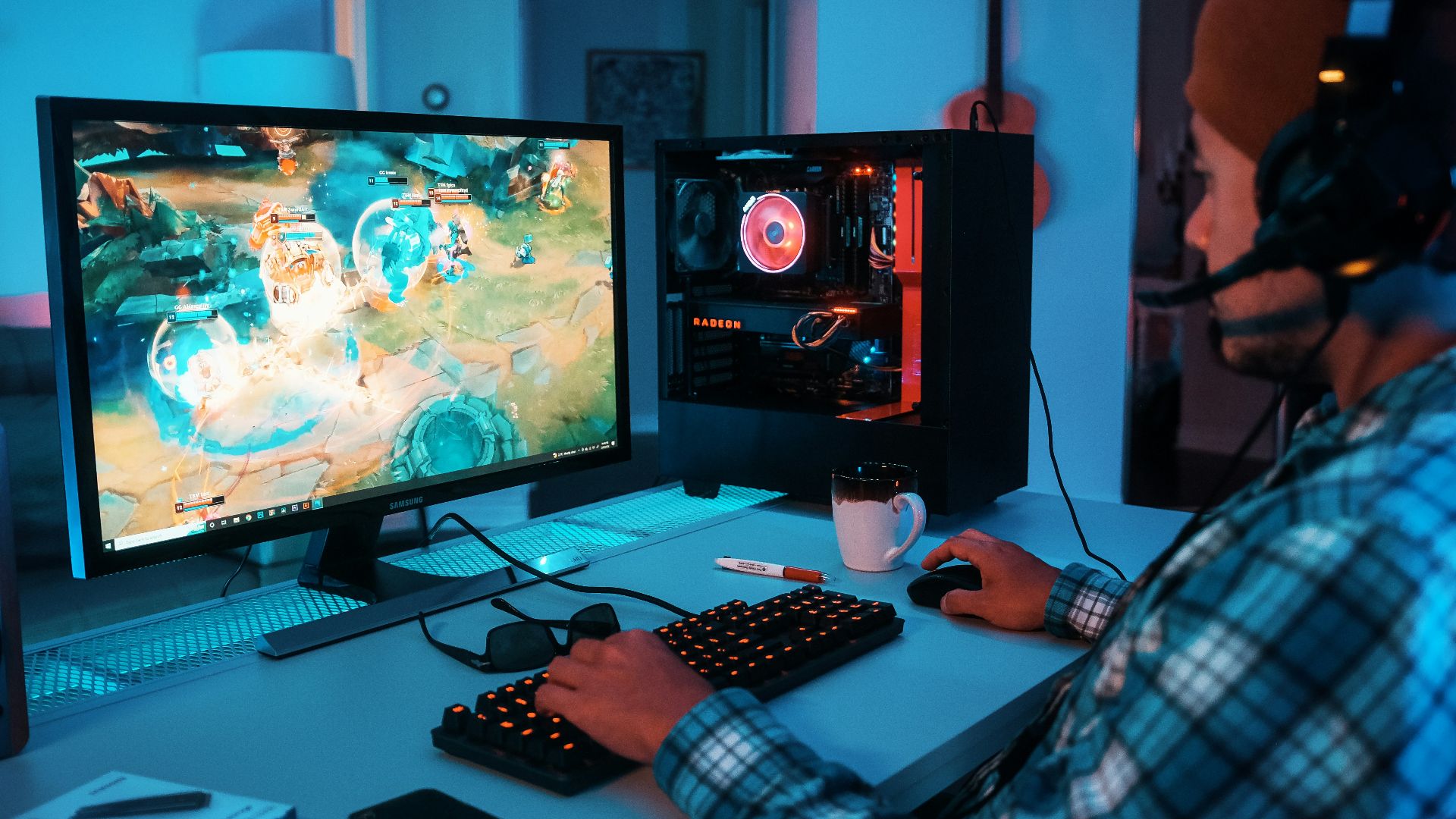
Of course, you'll have to make time for your family if you play video games. Some people play once their kids are in bed or maybe even play with their kids. Gaming can even become a shared family activity, particularly when everyone enjoys cooperative games or friendly competition.
16. Gamers Are Always Angry
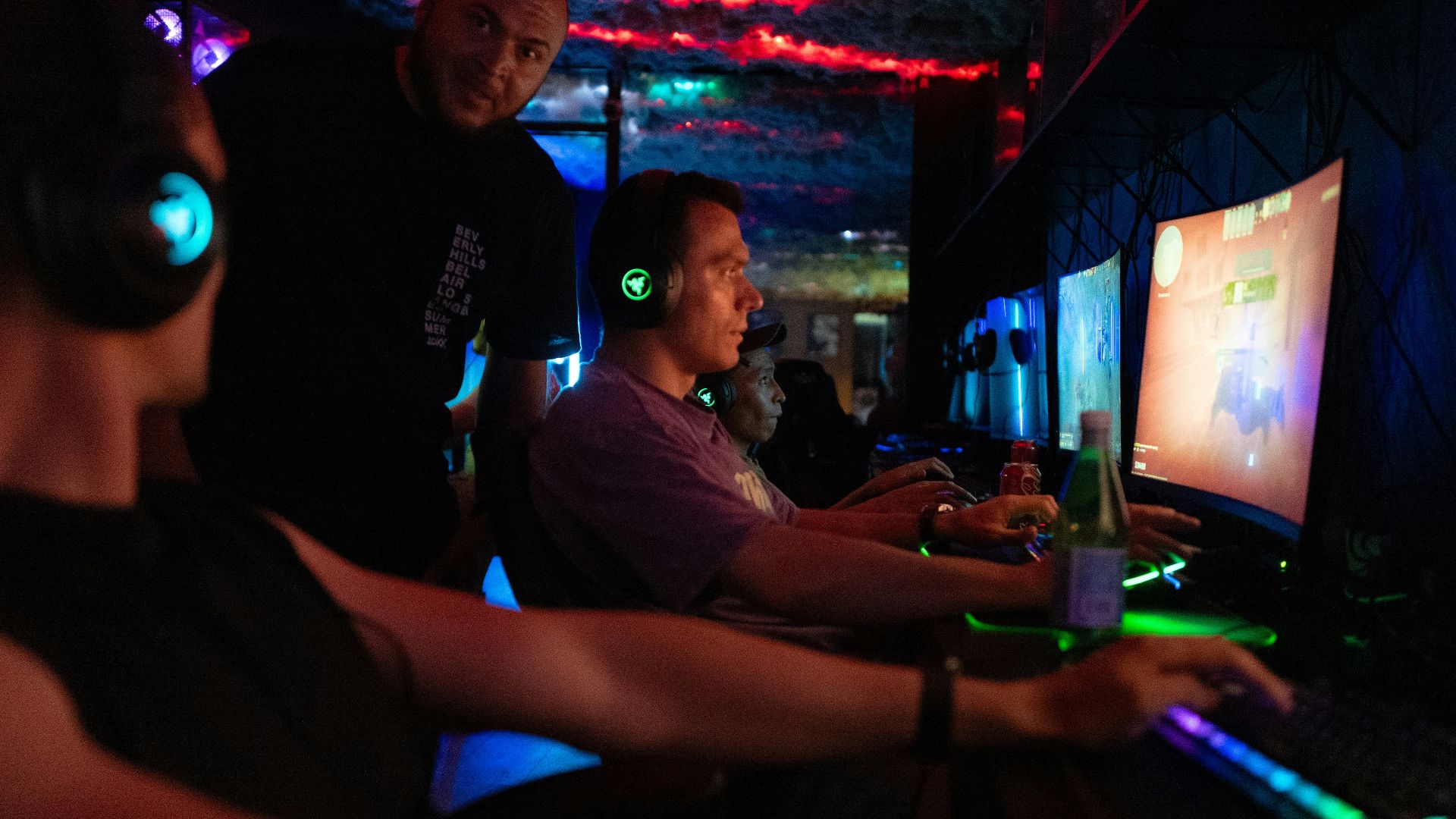
Clips of people shouting at their screens can make it seem as though every gaming session involves an emotional meltdown. While competitive games can certainly frustrate players, many people approach gaming as a relaxing activity and don't take every loss personally. Reactions also depend on the individual, the game, and the situation, so one dramatic video doesn't represent the entire community.
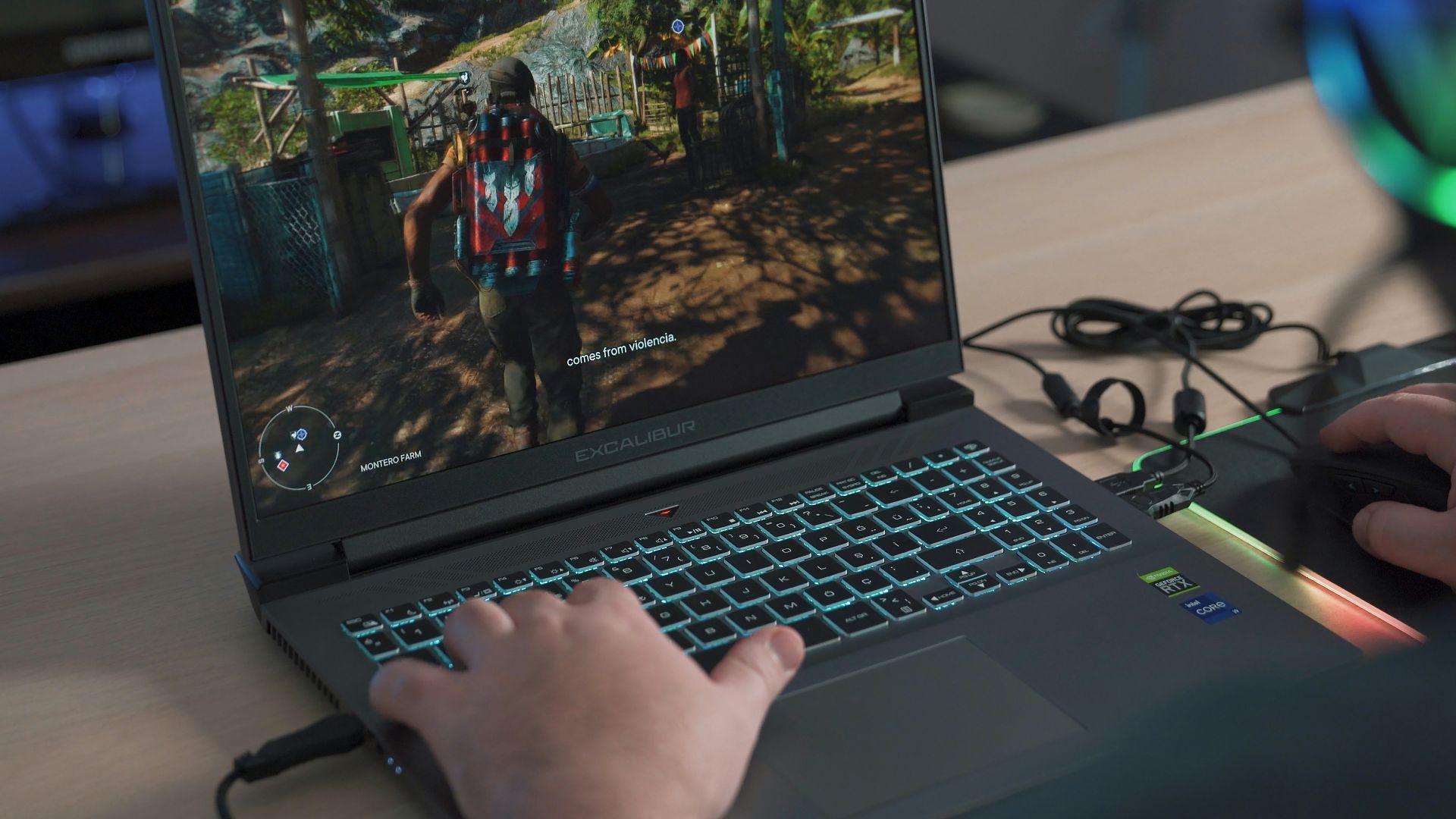
17. You Need to Be Good at Games to Enjoy Them
When starting out with video games, some people feel that they have to be good to enjoy them. If you don't know the controls or are struggling, you can always play on easier settings. There are games that allow you to play on your own terms.

18. Gamers Don't Appreciate Good Stories
Video games have developed into a storytelling medium capable of exploring complicated characters, emotional relationships, and difficult moral choices. Titles such as The Last of Us, Red Dead Redemption 2, and Mass Effect are well known for combining gameplay with extensive narratives. Not every game prioritizes its story, but players who enjoy strong writing have plenty of options.

19. Online Gaming Friends Aren't Real Friends
As with most forms of online communication, people underestimate these types of friendships. Many people have made friends through video games and helped each other through situations in their lives. These friends can stay in your life for years to come, whether you're talking face-to-face or online.

20. Gamers Will Eventually Grow Out of It
Some people treat gaming as a childhood phase that adults should leave behind once they have jobs, relationships, and responsibilities. However, hobbies don't automatically become inappropriate when someone reaches a certain age, and many adults continue playing because they genuinely enjoy it. As long as gaming fits comfortably into their lives, there's no particular reason they need to give it up.