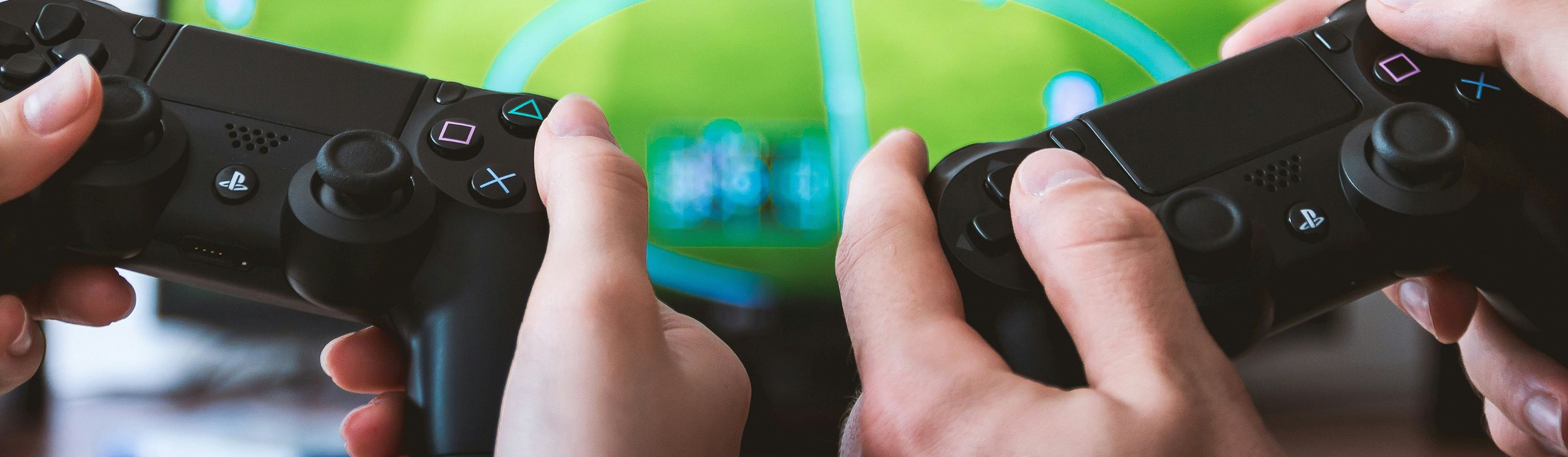
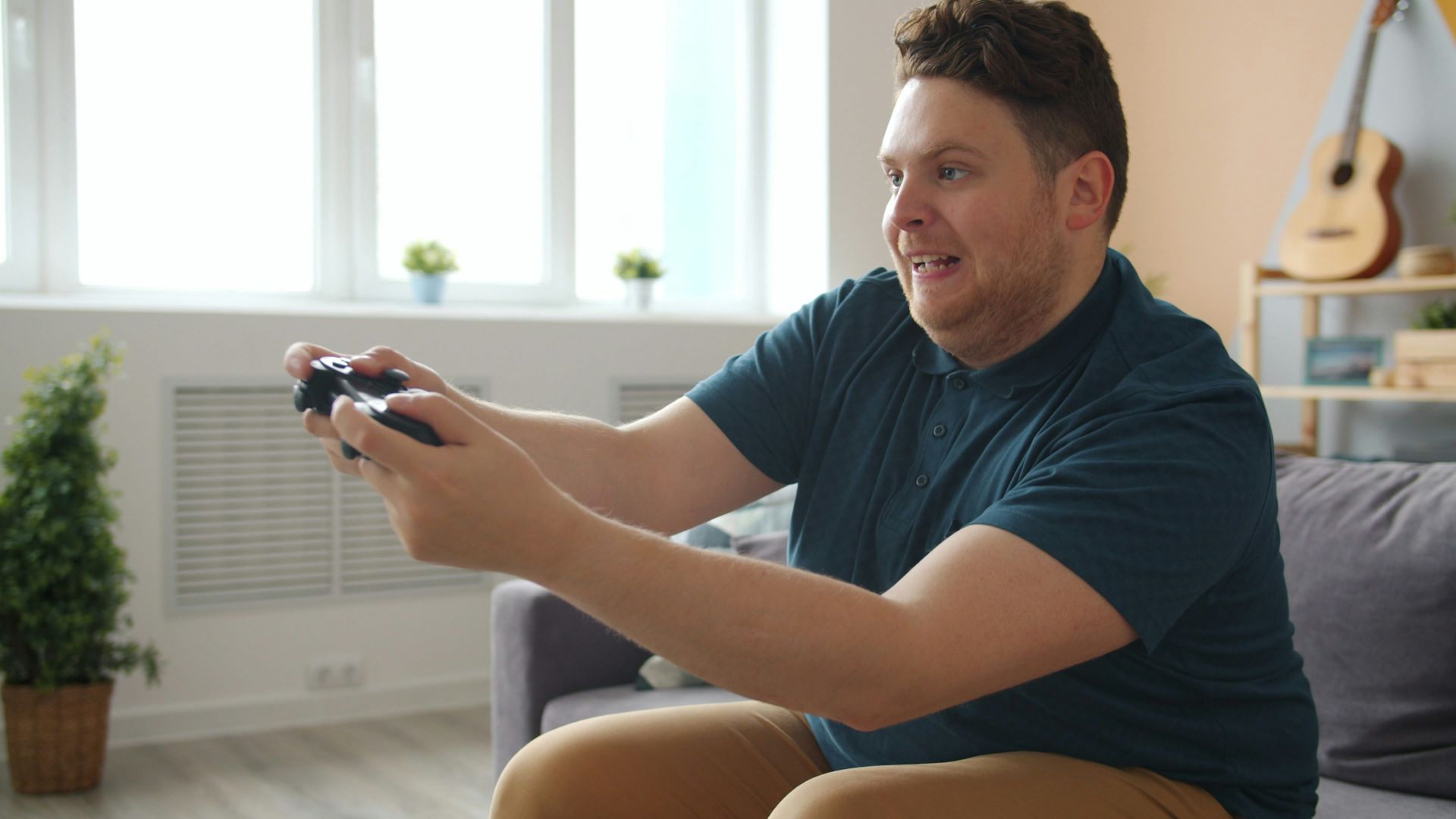
Video games are a major source of entertainment. They offer competition, relaxation, challenge, and social connection. For many, gaming is a healthy habit that fits into their weekly schedule without any issues. Problems arise, however, when gaming starts to get in the way of your work, relationships, and responsibilities.
It can be tough to recognize when gaming has crossed over from a fun activity to an obsession that's creating imbalance in your life. It's important to note that this shift can happen gradually, making it tough to recognize the early warning signs. Understanding these signs, however, can help you regain control before it spirals further.
Let's look at some of the clear signs that gaming has become too big a part of your life.
Gaming is Your Top Priority
A strong indicator that gaming has taken over your life is when you start putting it before everything else. You may start skipping meals, sleeping less, lowering your exercise time, and ignoring personal commitments just to play for a few extra hours.
If things in your life that once felt important, such as work deadlines or social engagements, are being constantly delayed or ignored for gaming, then you're edging into dangerous territory. This also means that gaming has shifted from entertainment to something that is dictating your everyday life.
You've Become Emotionally Dependent on Gaming
Another warning sign is if you're using gaming to cope with your emotions. While playing video games can be a healthy escape, relying on them to avoid common life stressors, boredom, or sadness can create an emotional dependence over time.
You shouldn't feel irritable or unhappy when you can't play video games. If you feel this way, then it's a signal that a deeper issue has developed. Mood swings linked to gaming are also telling. Feeling angry after losing or euphoric after winning suggests that your emotional regulation is tied to gaming, and not your actual life.
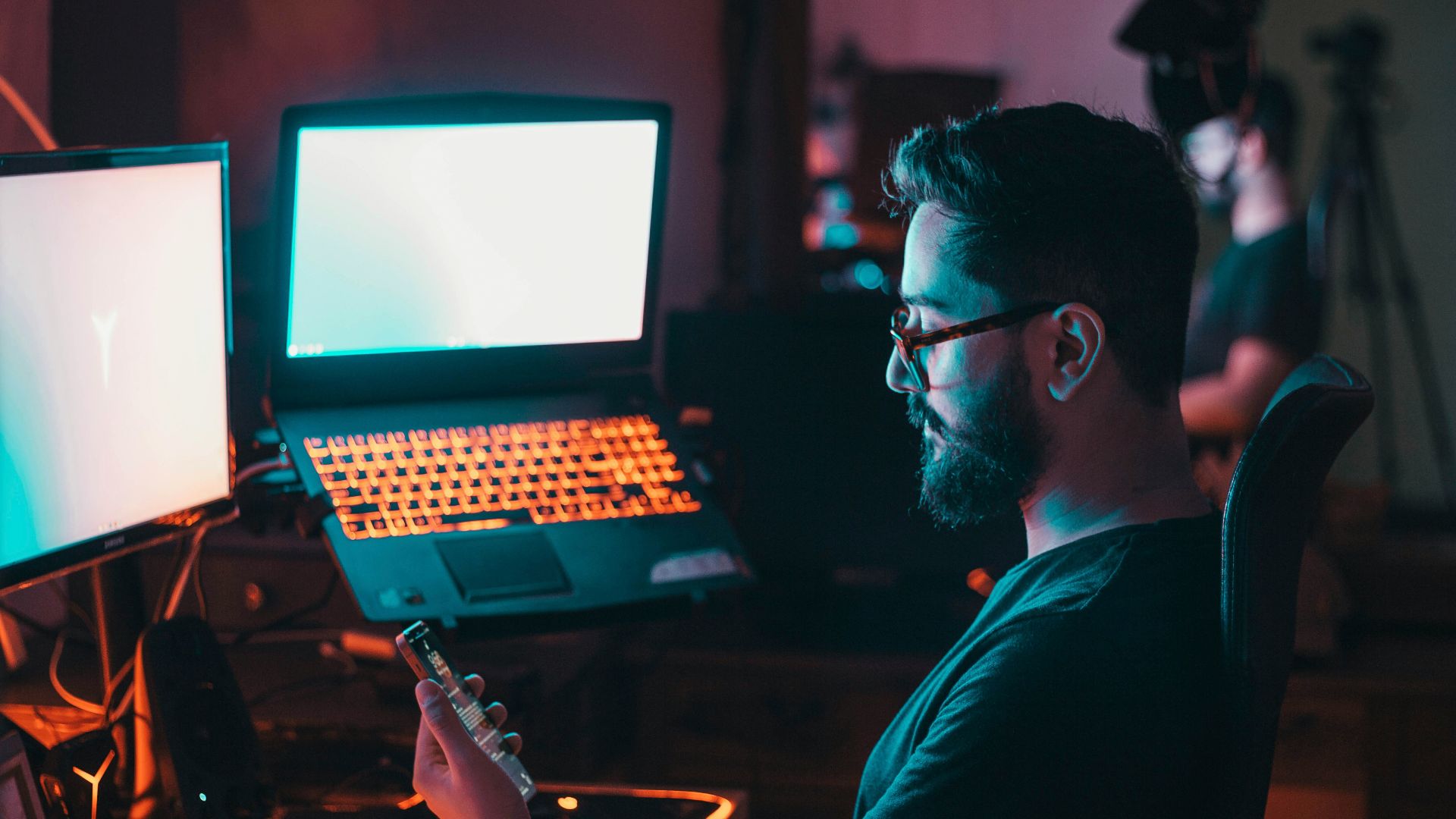
Relationships Are Suffering
Your relationships will suffer once gaming takes over your life. In fact, they are often the first casualty. Friends, family, or partners may comment on how you're often distant, distracted, and disengaged. You might rush through conversations just to get back to gaming, and quality time becomes obsolete.
Another sign is if your weekly responsibilities start to slip. Your work performance may decline, school assignments are left undone, and basic self-care becomes nonexistent. You might lie to yourself that you'll eventually catch up on everything, but this pattern tends to repeat. When gaming causes conflict in your life and creates missed opportunities, it's no longer just a fun pastime.
Gaming itself isn't a problem. It's the imbalance that it can cause in a gamer's life. When playing video games is more important than your health, emotions, and relationships, it's clear that it's taken over your life. You need to recognize these patterns early and learn to set boundaries and reevaluate your priorities. A healthy relationship with gaming should leave room for other parts of your life.