Nintendo's Best-Selling Game Of All Time Is A Nostalgic Classic You Probably Didn’t Expect
Nintendo's Best-Selling Game Of All Time Is A Nostalgic Classic You Probably Didn’t Expect
 Rob Fahey from London, United Kingdom on Wikimedia
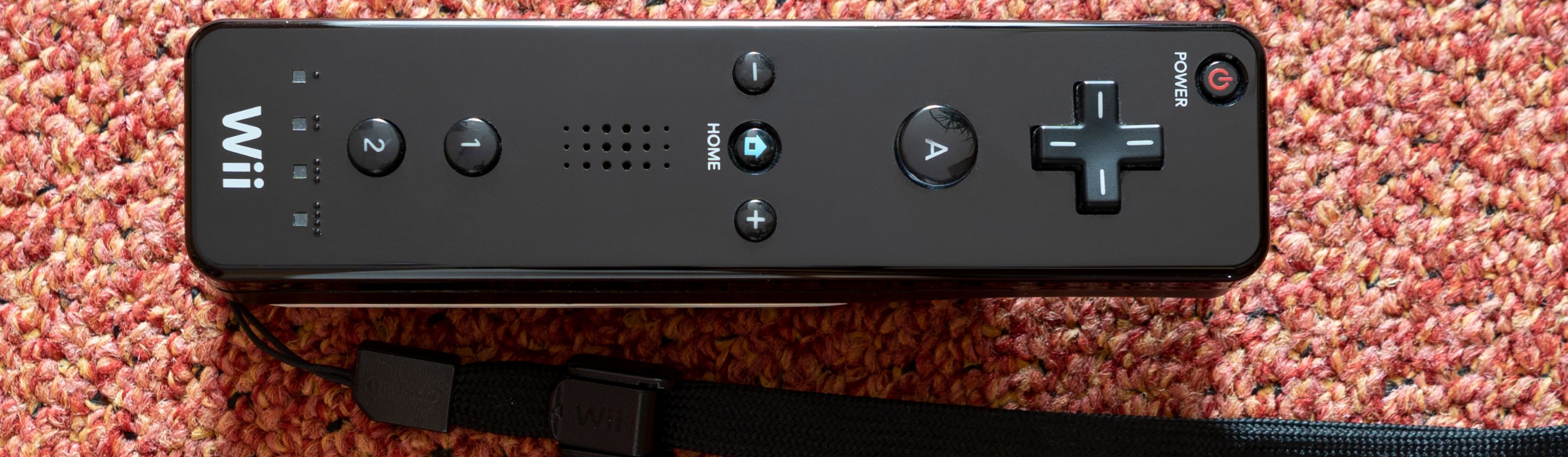
Few games captured living rooms across America like Wii Sports. When Nintendo released the Wii in 2006, families weren’t just buying another console—they were stepping into a new way of playing.
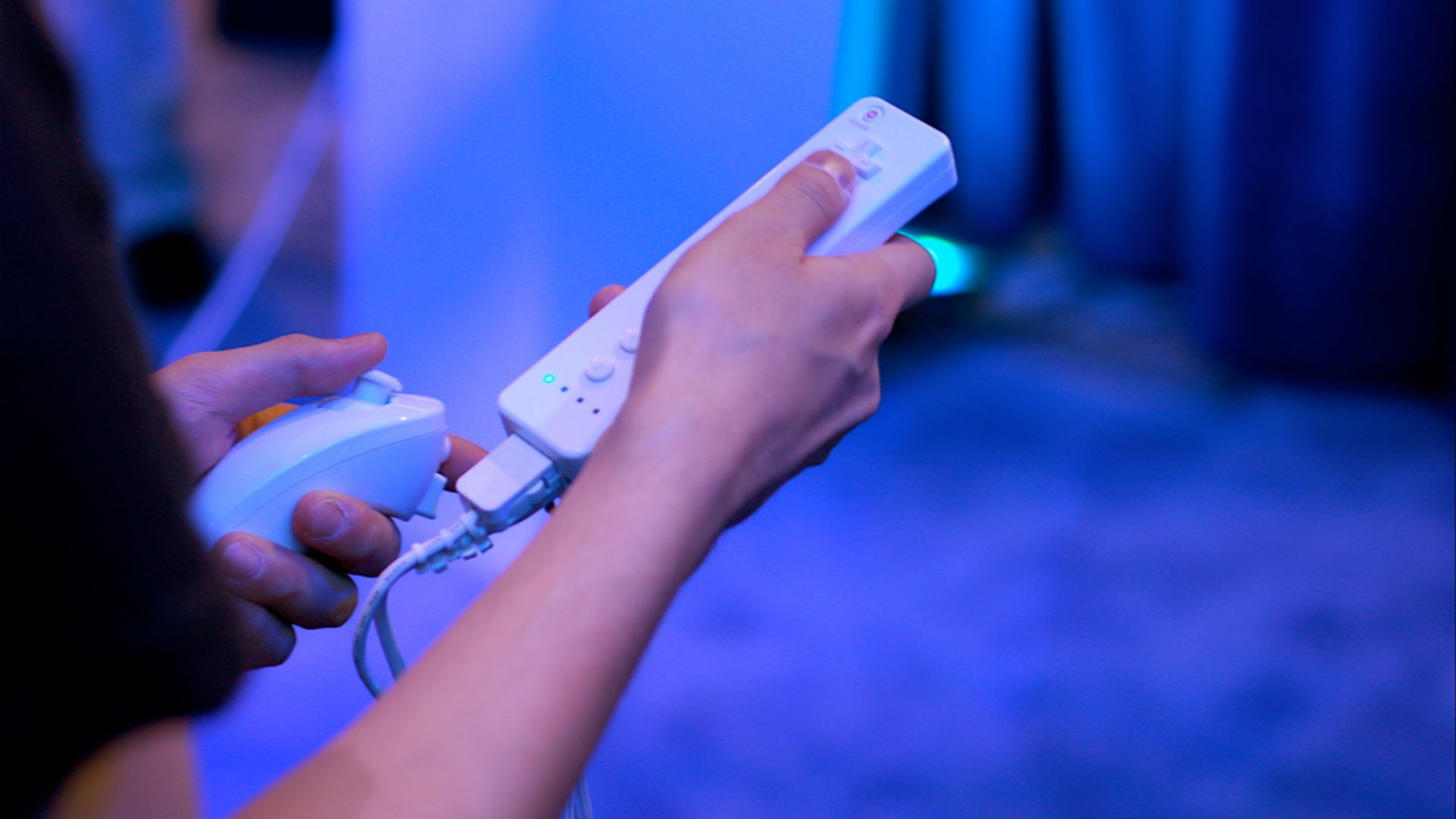
Motion controls felt fresh, the setup was simple, and the games relied more on instinct than complicated button combinations. Players of all ages picked up a remote and swung a virtual tennis racquet or rolled a digital bowling ball. The experience felt communal and playful, and it quickly turned into a cultural moment. Yet the full story of why Wii Sports became Nintendo’s best-selling game goes deeper than nostalgia alone.
A Game That Turned The Wii Into A Must-Have Console
Wii Sports launched alongside the Wii and came bundled with the console in most regions, including the United States. That pairing played a major role in its commercial reach. Every new household that bought a Wii gained instant access to the game, allowing millions to try motion-controlled gaming without buying anything extra.The bundle strategy helped Wii Sports climb to 82.90 million copies sold worldwide, which makes it Nintendo’s top seller to date.
The game also served as the perfect tutorial for a brand-new control style. Swinging, punching, and serving matched real-world motions, so players understood the basics in seconds. Nintendo designed the sports lineup—Tennis, Bowling, Boxing, Baseball, and Golf—to appeal to people who might never try a complex video game. That broad approach helped the Wii become a hit with kids as well as grandparents alike.
Why The Simple Sports Format Worked So Well
The sports selection wasn’t random. Each activity created a fast feedback loop, encouraging players to improve with every swing or throw. Bowling became a standout favorite because the Wii Remote tracked angle and speed well enough to mimic real technique. Also, tennis matched players’ natural hand movements, making rallies feel lively and rewarding. Simple mechanics kept the focus on fun, not mastery.
Wii Sports also succeeded because it encouraged shared play. Families gathered around the TV, friends competed at parties, and workplaces used it for team-building sessions. The ease of the controls invited newcomers to play without hesitation—an important shift in an era when many games leaned heavily on complex controls or competitive online play.
The Cultural Wave That Carried Wii Sports Into History
 The Conmunity - Pop Culture Geek from Los Angeles, CA, USA on Wikimedia
The game’s impact spread far beyond living rooms as rehabilitation centers and senior communities adopted Wii Sports for light physical activity, balance training, and social engagement. Supervised Wii Sports sessions helped improve motor skills or mobility in certain settings. While the game wasn’t designed as medical equipment, its approachable design made it useful in unexpected environments.
Culturally, Wii Sports became a symbol of the late 2000s. The title even reshaped expectations for what a “family game night” could look like. Its popularity helped push the Wii to 101.63 million units sold worldwide, making it one of the most successful consoles in history. Wii Sports remains a reminder that simple ideas can have massive reach.