20 Video Game Series That Actually Had Good Third Instalments
The Third Game Doesn’t Always Ruin Everything
Third installments have a weird amount of pressure on them. By the time a series reaches game three, fans already know what they love, what they hate, and exactly how loudly they plan to complain if anything changes too much. Some third entries stumble because they chase trends, overcomplicate the formula, or forget what made the first two games special. Others manage the harder trick: they expand the series, polish the ideas, and prove that game three can be just as great as game one, if not greater. Here are 20 video game series with third installments that were actually worthwhile.
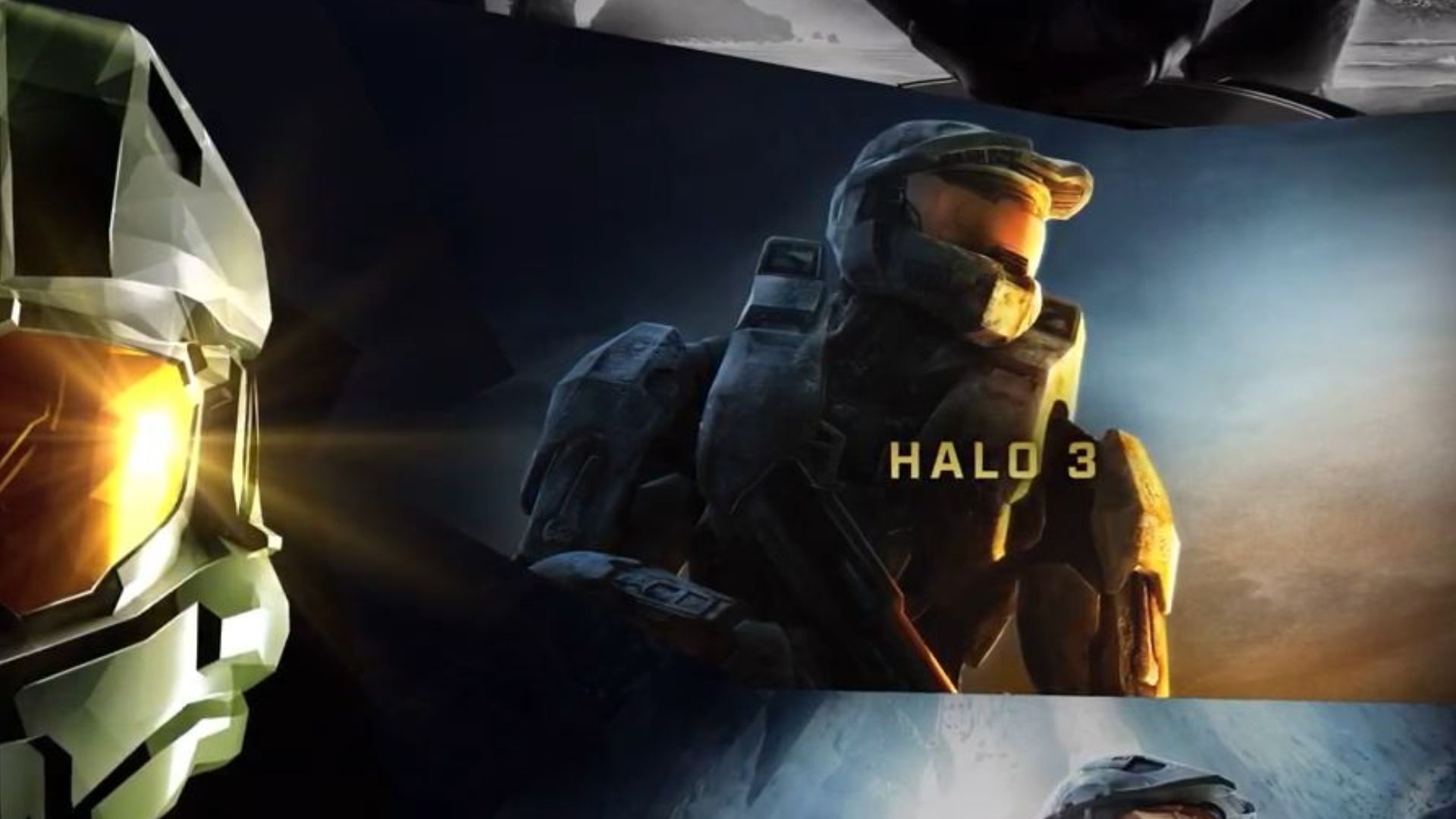
1. The Witcher 3: Wild Hunt
The Witcher 3 took a respected RPG series and turned it into a global phenomenon. It kept the moral grayness and strong writing of the earlier games, but added a vast open world full of side quests that often felt better than other games’ main stories.
 BANDAI NAMCO Entertainment Europe on Wikimedia
2. Grand Theft Auto III
Grand Theft Auto III completely changed what people expected from open-world games. Earlier entries had the criminal sandbox idea, but this third game turned Liberty City into a 3D playground that felt shocking at the time. It was messy, bold, violent, funny, and hugely influential.

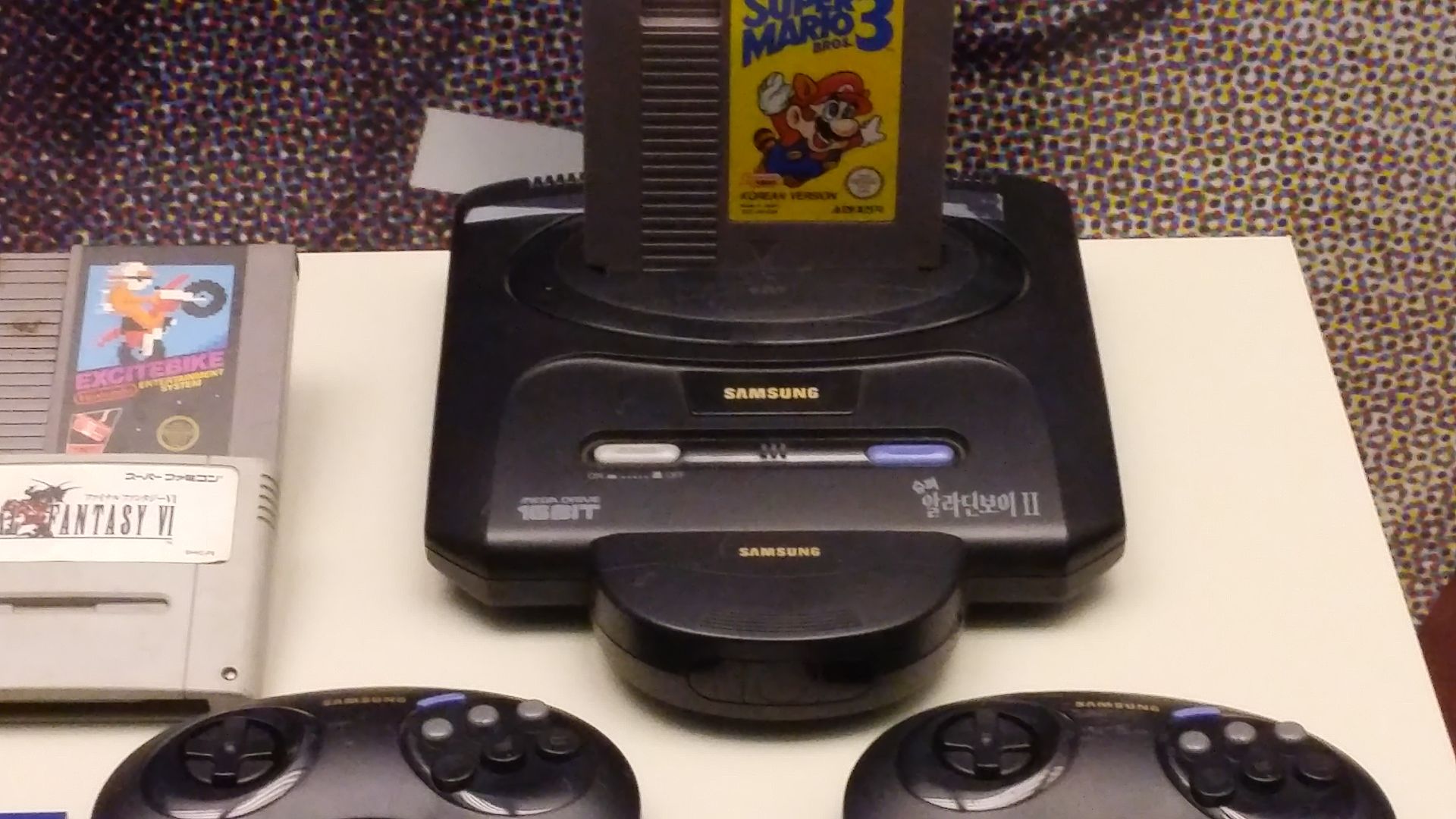
3. Super Mario Bros. 3
Super Mario Bros. 3 is one of the clearest examples of a third game getting almost everything right. It added a world map, new power-ups, better level variety, and a sense of adventure that made the series feel bigger without losing its charm. The Tanooki Suit alone gave players enough joy to carry several childhoods.
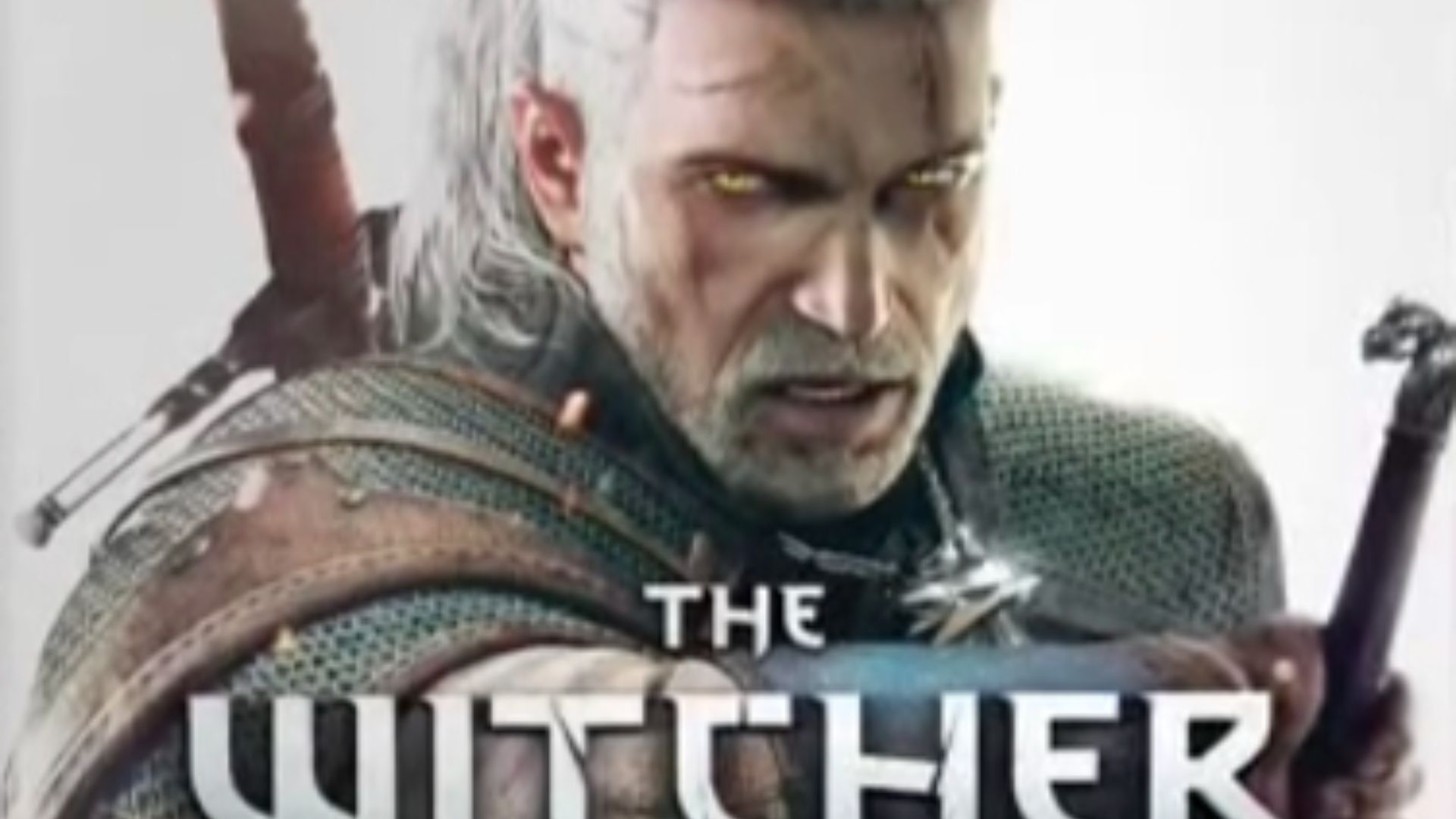
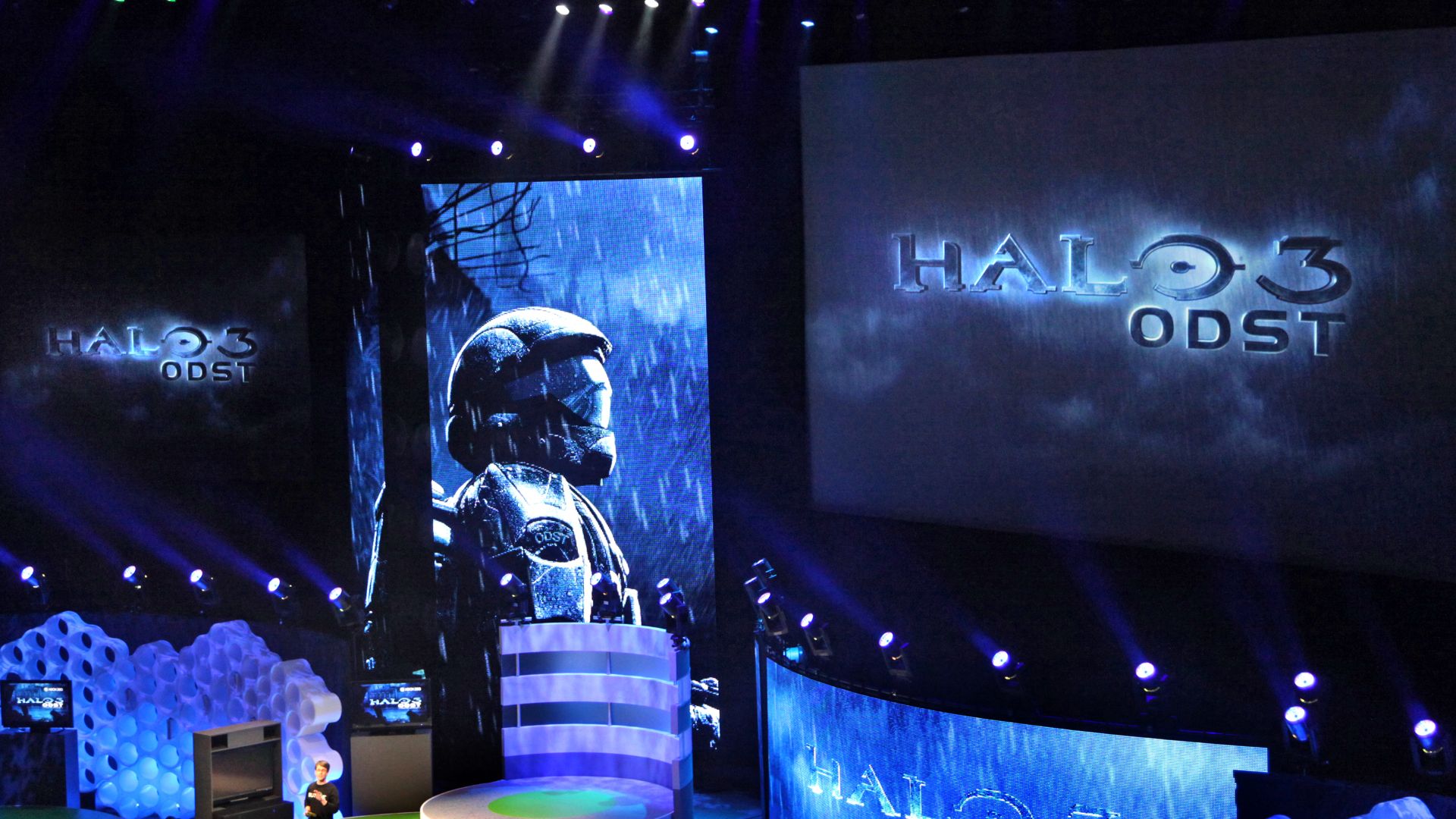
4. Halo 3
Halo 3 had the difficult job of ending Bungie’s original trilogy while living up to enormous Xbox-era hype. It delivered a polished campaign, huge set pieces, and multiplayer that kept people online for years. The game felt like a blockbuster finale without forgetting that Halo worked best when shooting aliens with friends felt effortless.
 Microsoft Corporation on Wikimedia
5. Metal Gear Solid 3: Snake Eater
Metal Gear Solid 3 went backward in time and somehow pushed the series forward. By focusing on Big Boss’s origin story, it gave the franchise a more emotional foundation while keeping the stealth, weirdness, and cinematic ambition fans expected. The jungle setting made survival feel more personal, and the boss fights were unforgettable.
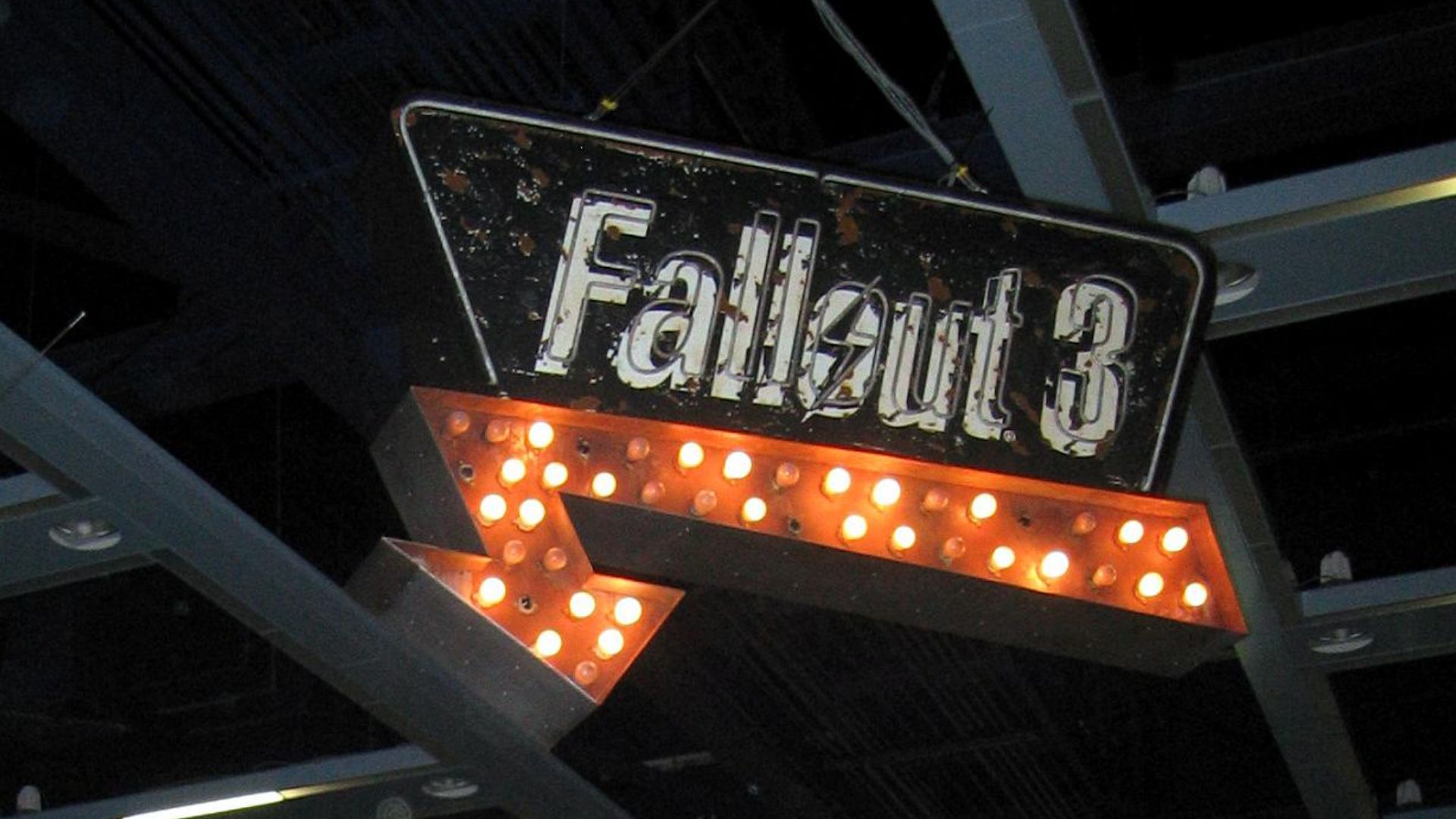
6. Fallout 3
Fallout 3 brought the series into 3D and introduced a new generation to the wasteland. Longtime fans had understandable nerves, but the shift to first-person exploration helped the world feel lonely, dangerous, and strangely funny. Wandering out of Vault 101 and seeing the ruined capital for the first time became one of the defining RPG moments of its era.
7. Persona 3
Persona 3 transformed the series into the modern blend of dungeon crawling, social simulation, school life, and emotional storytelling that later entries refined. Its darker tone gave the game real weight, while the calendar structure made every choice feel tied to time passing.

8. Devil May Cry 3: Dante’s Awakening
Devil May Cry 3 saved the series after the second game left fans deeply unimpressed. It brought back fast combat, stylish attitude, challenging enemies, and a younger version of Dante who had exactly zero interest in being subtle. The game’s style-switching combat gave players more control and personality than ever.

9. Dark Souls III
Dark Souls III had to follow one of gaming’s most influential action RPGs and a divisive second entry. It succeeded by tightening combat, improving boss design, and giving the series a haunting sense of finality. The game felt familiar in the right ways, but faster and more refined than many players expected.
 FromSoftware and Bandai Namco Entertainment on Wikimedia
10. Uncharted 3: Drake’s Deception
Uncharted 3 may not have reinvented the series, but it absolutely delivered the cinematic adventure fans came for. The set pieces were huge, the banter was sharp, and Nathan Drake remained very talented at turning travel plans into structural damage. Its desert sequences and plane disaster gave the game some of the franchise’s most memorable moments.

11. Mass Effect 3
Mass Effect 3 is often remembered for its controversial ending, but the game itself delivered plenty of powerful moments. It brought years of choices, relationships, wars, and galactic tension to a massive conclusion. Character farewells, major sacrifices, and the Reaper threat gave the story emotional force even when fans disagreed about the finale.

12. Resident Evil 3: Nemesis
Resident Evil 3: Nemesis gave the survival horror series one of its most iconic monsters. Nemesis made the game feel more unpredictable because he could appear, pursue, and make safe spaces feel much less safe. Jill Valentine’s escape through Raccoon City had urgency, atmosphere, and enough panic to keep players tense.
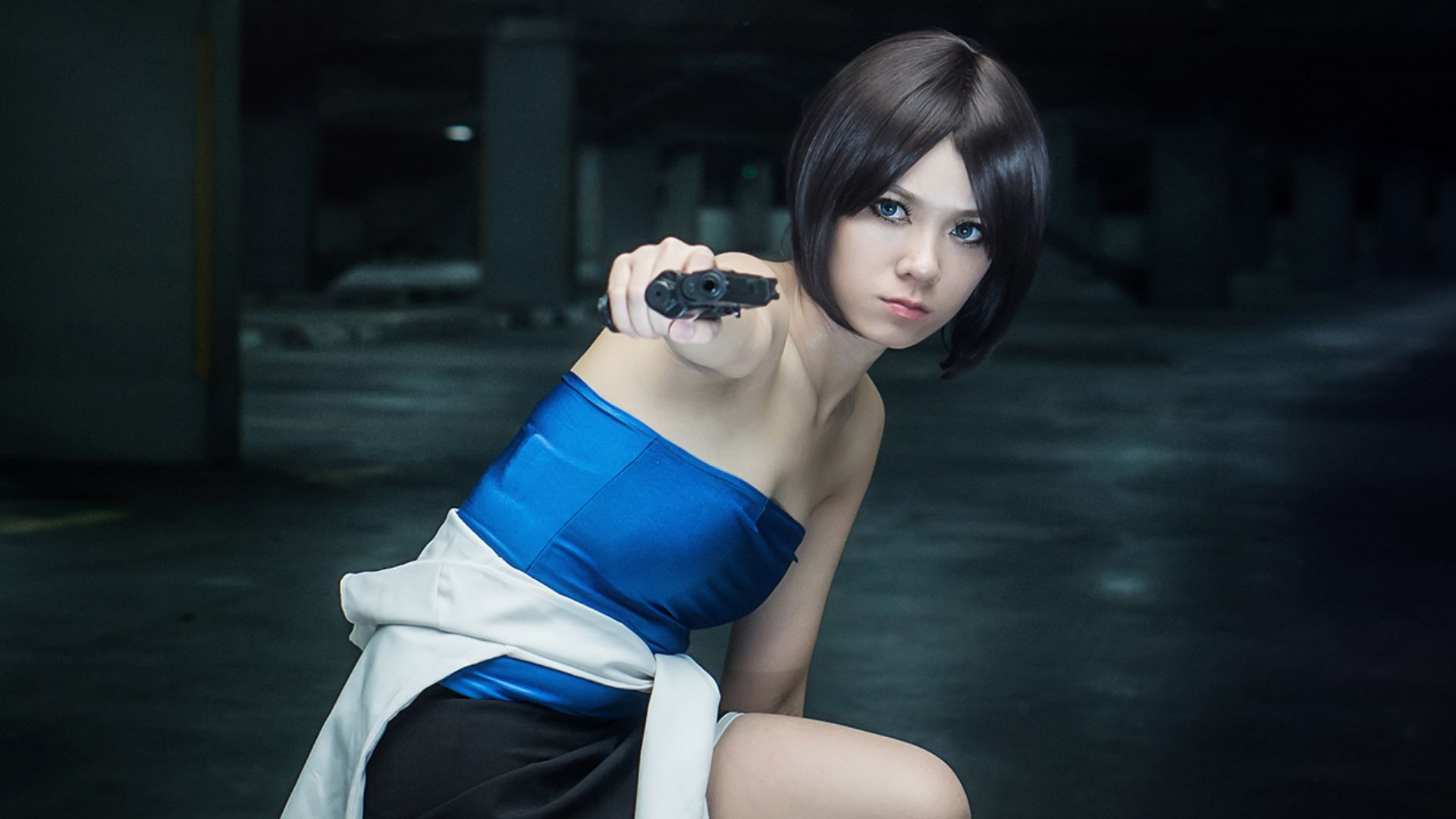
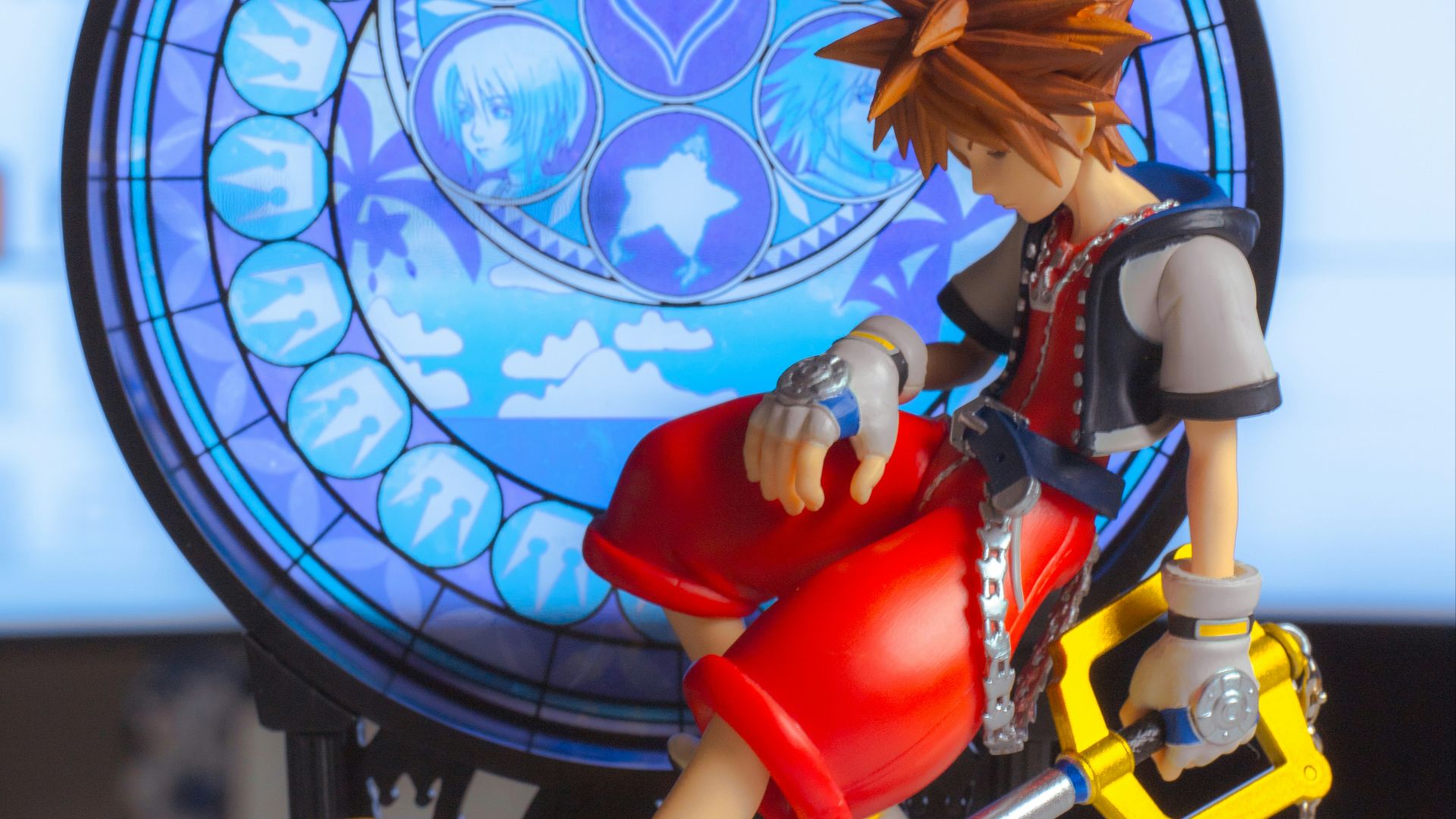
13. Kingdom Hearts III
Kingdom Hearts III had to carry an absurd amount of expectation after years of waiting, spinoffs, lore, and increasingly tangled storylines. It didn’t answer every question perfectly, but it did deliver gorgeous worlds, flashy combat, and the emotional payoff many longtime fans wanted. For a series built on sincerity and chaos, the third main entry was very much on brand.
14. The Elder Scrolls III: Morrowind
Morrowind gave The Elder Scrolls its strangest and most unforgettable world. Instead of leaning into standard fantasy comfort, it dropped players into Vvardenfell, with giant mushrooms, insect travel, alien landscapes, and political weirdness everywhere. The game trusted players to explore, get lost, read, experiment, and occasionally make terrible decisions.
 Bethesda Softworks LLC, on Wikimedia
15. Crash Bandicoot: Warped
Crash Bandicoot: Warped polished the series’ platforming and added enough variety to keep things fresh. Time-travel levels let Crash and Coco visit different eras, while vehicle stages, chase sequences, and new moves mixed up the formula. The game was colorful, fast, and wonderfully confident about being silly.

16. Donkey Kong Country 3: Dixie Kong’s Double Trouble!
Donkey Kong Country 3 had the challenge of following two hugely popular platformers, and it still found its own personality. Dixie and Kiddy Kong brought a different rhythm, while the overworld added more exploration than previous entries. The game’s oddball tone, creative levels, and beautiful visuals helped it stand apart.

17. Street Fighter III: Third Strike
Street Fighter III had a rocky path at first, but Third Strike became legendary among fighting game fans. Its parry system, fluid animation, deep roster, and technical skill ceiling gave it a lasting competitive reputation. It also produced one of the most famous moments in esports history with Daigo Umehara’s full parry comeback against Justin Wong.

18. Assassin’s Creed III
Assassin’s Creed III was ambitious, sometimes messy, and still important for the franchise. It shifted the story to the American Revolution, introduced naval gameplay that later became a major highlight of the series, and tried to expand the scale of the Assassin-Templar conflict. Connor was more serious than Ezio, which made the transition tough for some fans, but the game had bold ideas.
19. Gears of War 3
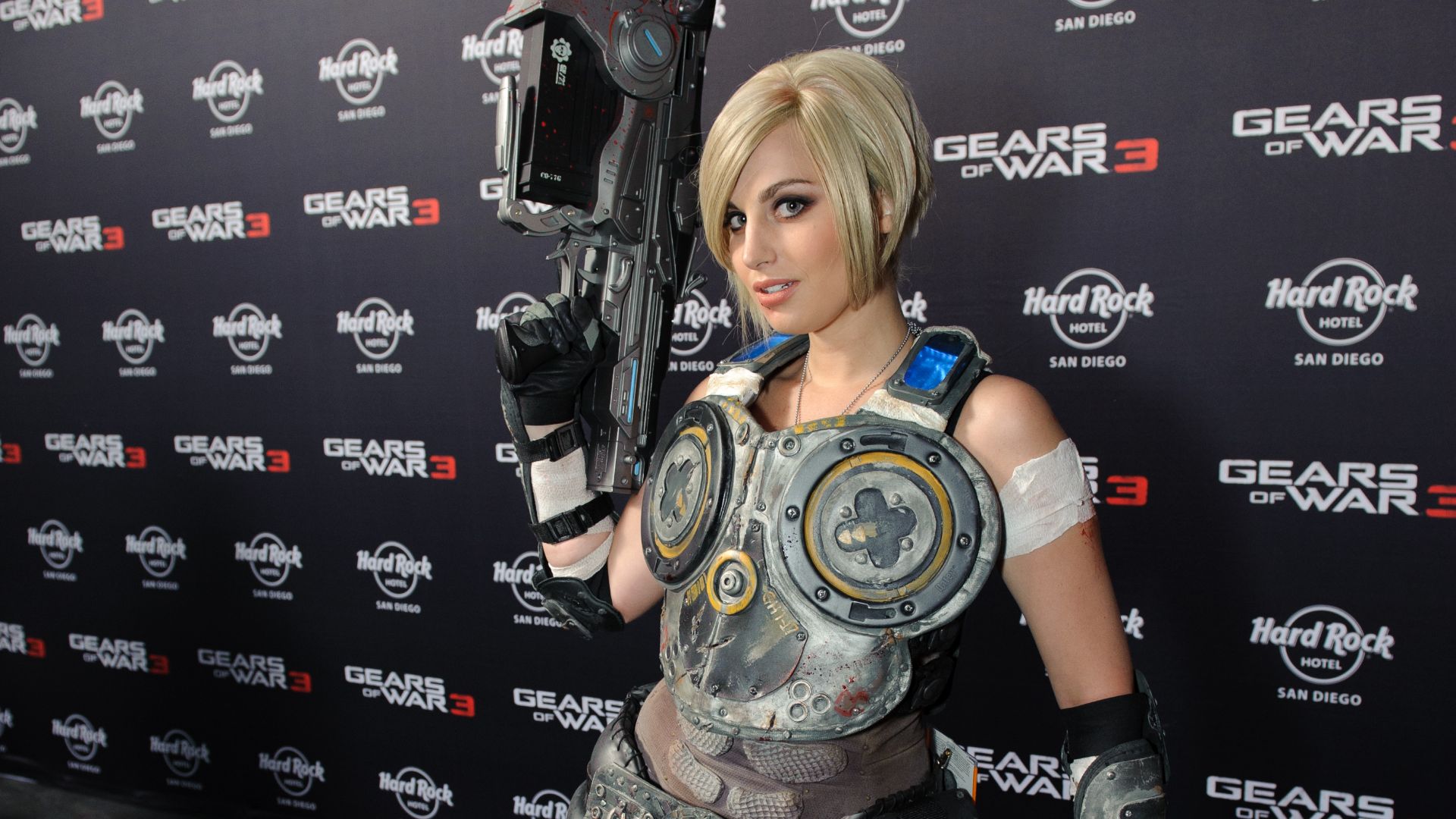
Gears of War 3 gave the original trilogy a strong and emotional sendoff. The campaign wrapped up major storylines while keeping the heavy gunplay, cover mechanics, and co-op action that fans loved. It also expanded multiplayer and Horde mode in ways that gave the game real staying power.
 Microsoft Corporation on Wikimedia
20. Metroid Prime 3: Corruption
Metroid Prime 3: Corruption brought Samus’s first-person adventure style to the Wii with motion controls that actually made sense. It expanded the scope with multiple planets, more voice acting, and a faster pace than the previous two games. Some fans preferred the lonely atmosphere of earlier Prime entries, but Corruption still delivered exploration, atmosphere, and sharp combat.