Engineered Out of Existence
Every chore on this list disappeared because somebody built a machine or worked out a chemical process that did the job better. Some of those inventions came out of corporate research labs, and at least one came from a watchmaker's bench in 18th-century London. The first wave ran on electricity and indoor plumbing. The second wave runs on radio signals and software, and it hasn't stopped. Here's 20 household chores technology completely eliminated.
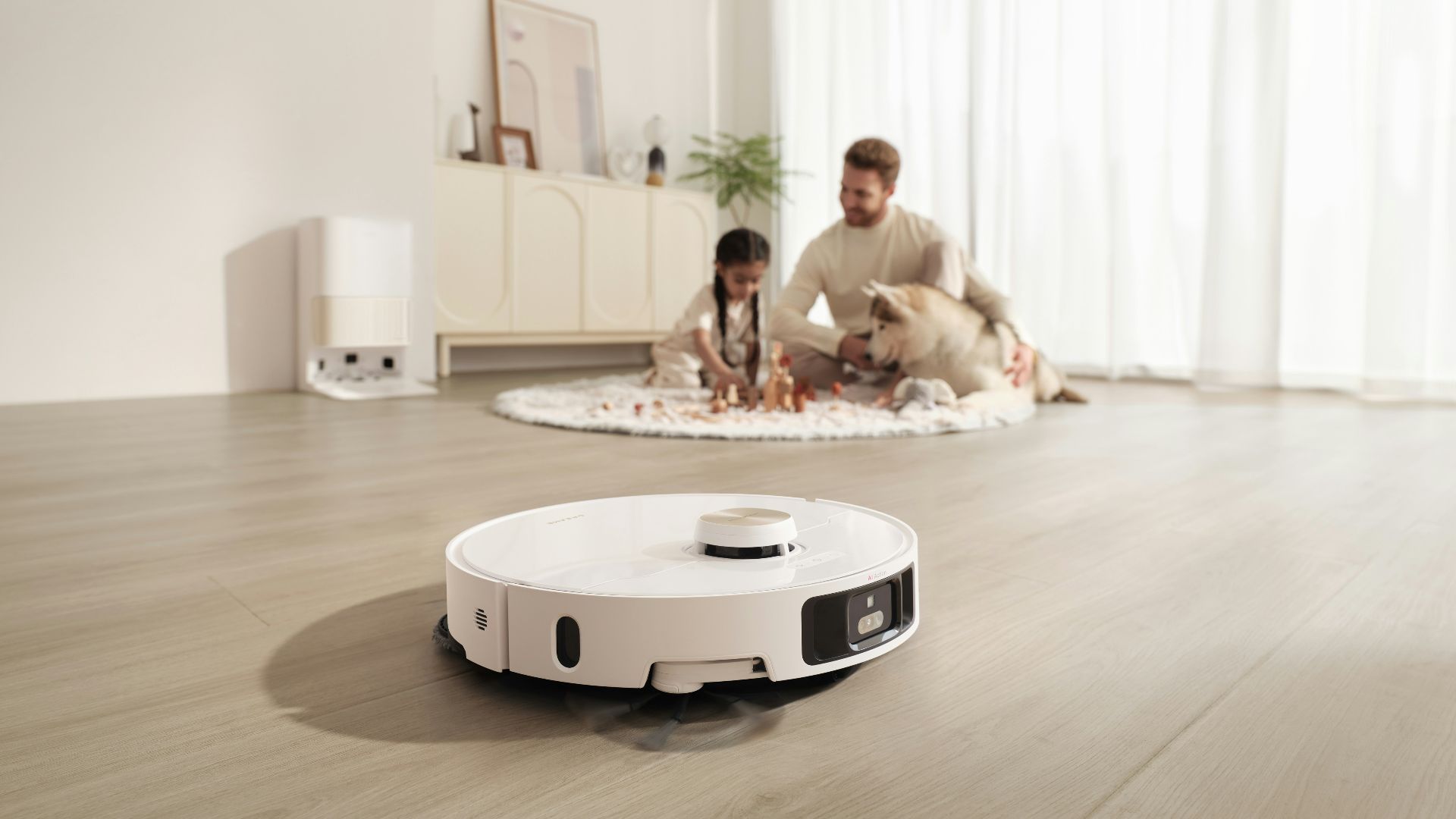 Dreame Vacuum Cleaner on Unsplash
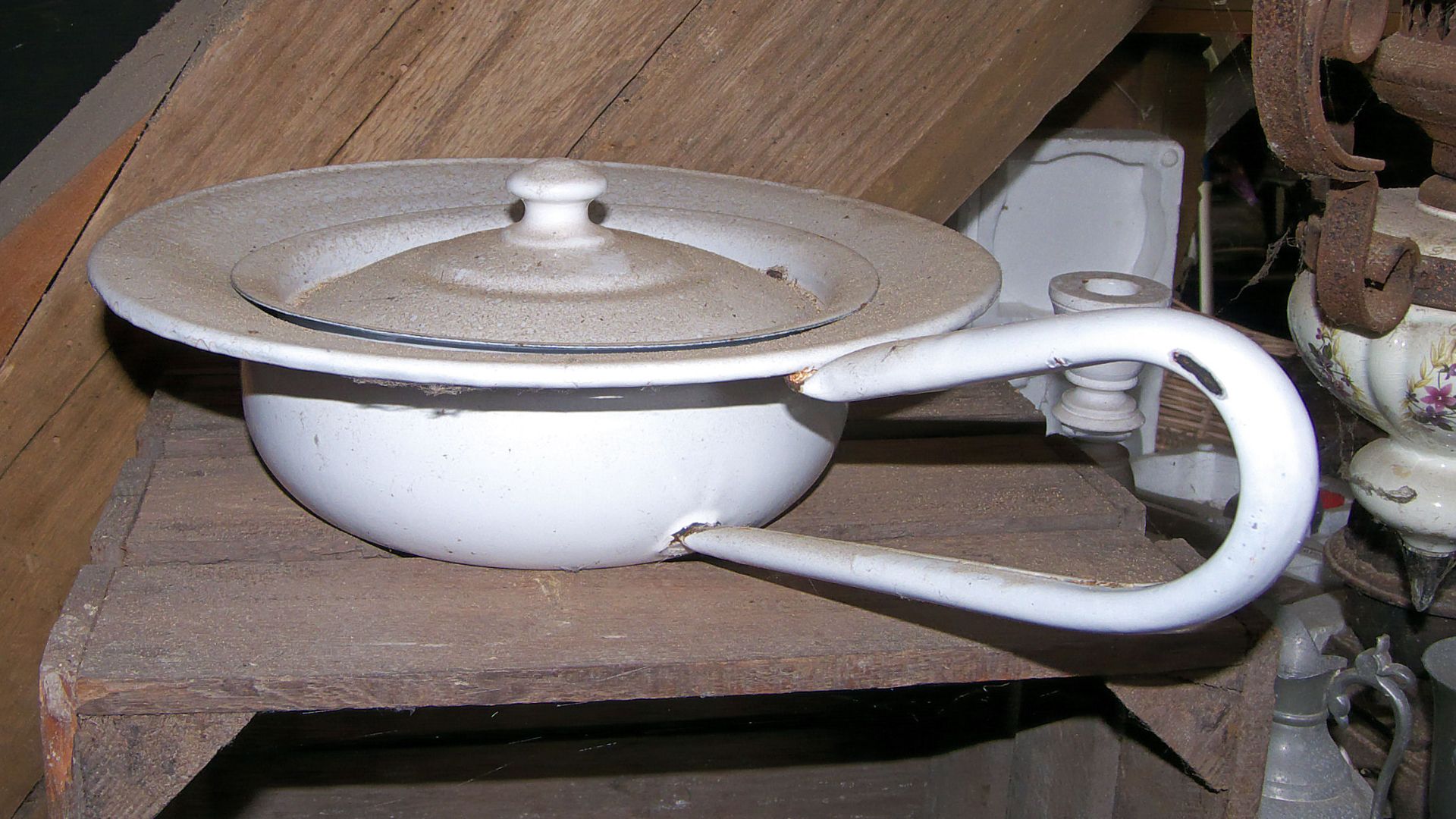
1. Emptying Chamber Pots
In 1775, a London watchmaker named Alexander Cumming patented the S-shaped trap, a bend in the drainpipe that holds a little water and blocks sewer gas. That small piece of plumbing made indoor flush toilets livable. The morning trip outside with the chamber pot faded as sewer lines reached city neighborhoods.
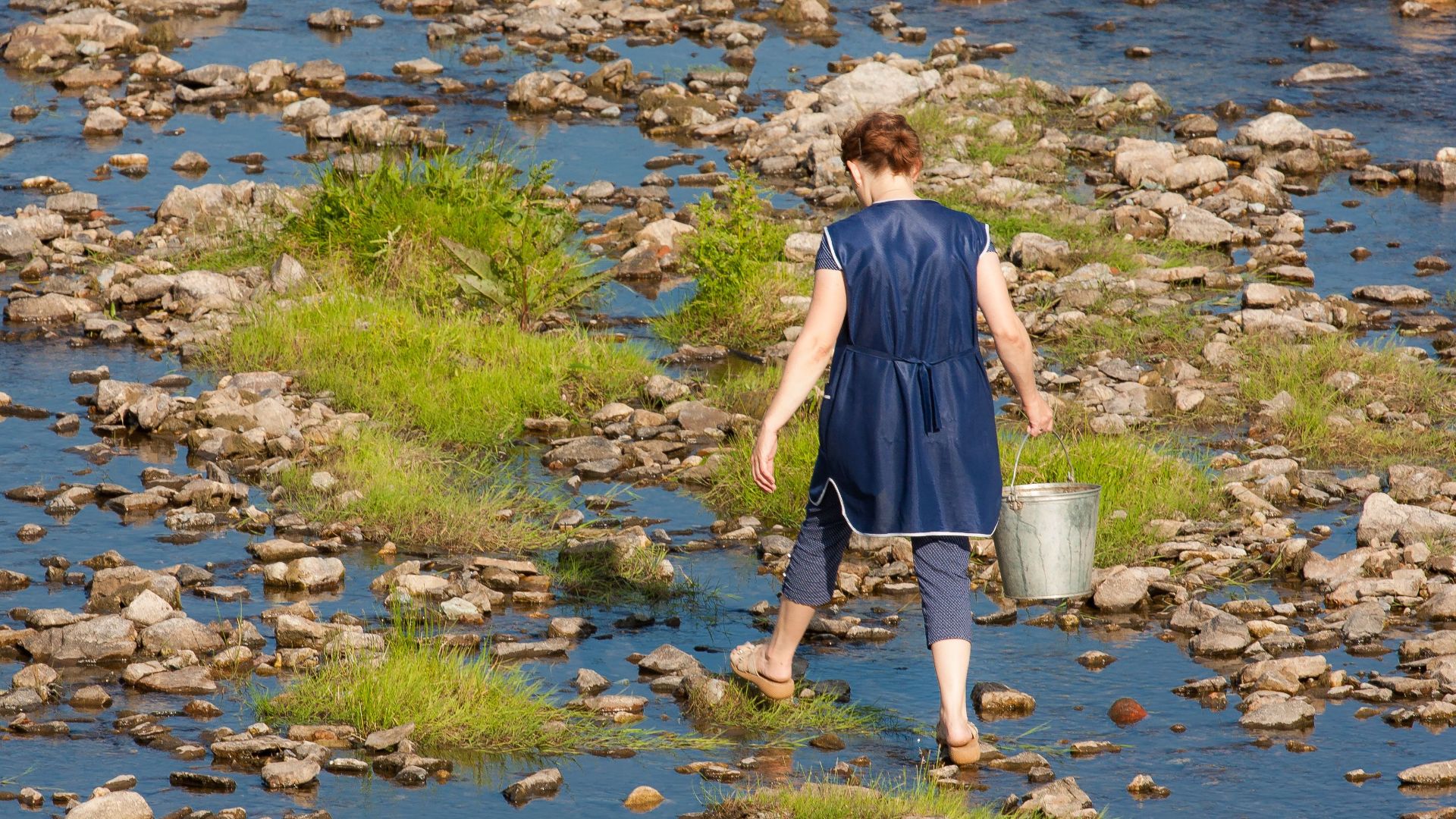
2. Hauling Water
As late as 1940, the Census Bureau counted about 45% of American homes without complete plumbing. Electric well pumps and pressurized city water mains took over from the bucket, which could weigh more than 20 pounds when full. Hot water on demand added one more machine, a tank heater with its own thermostat.
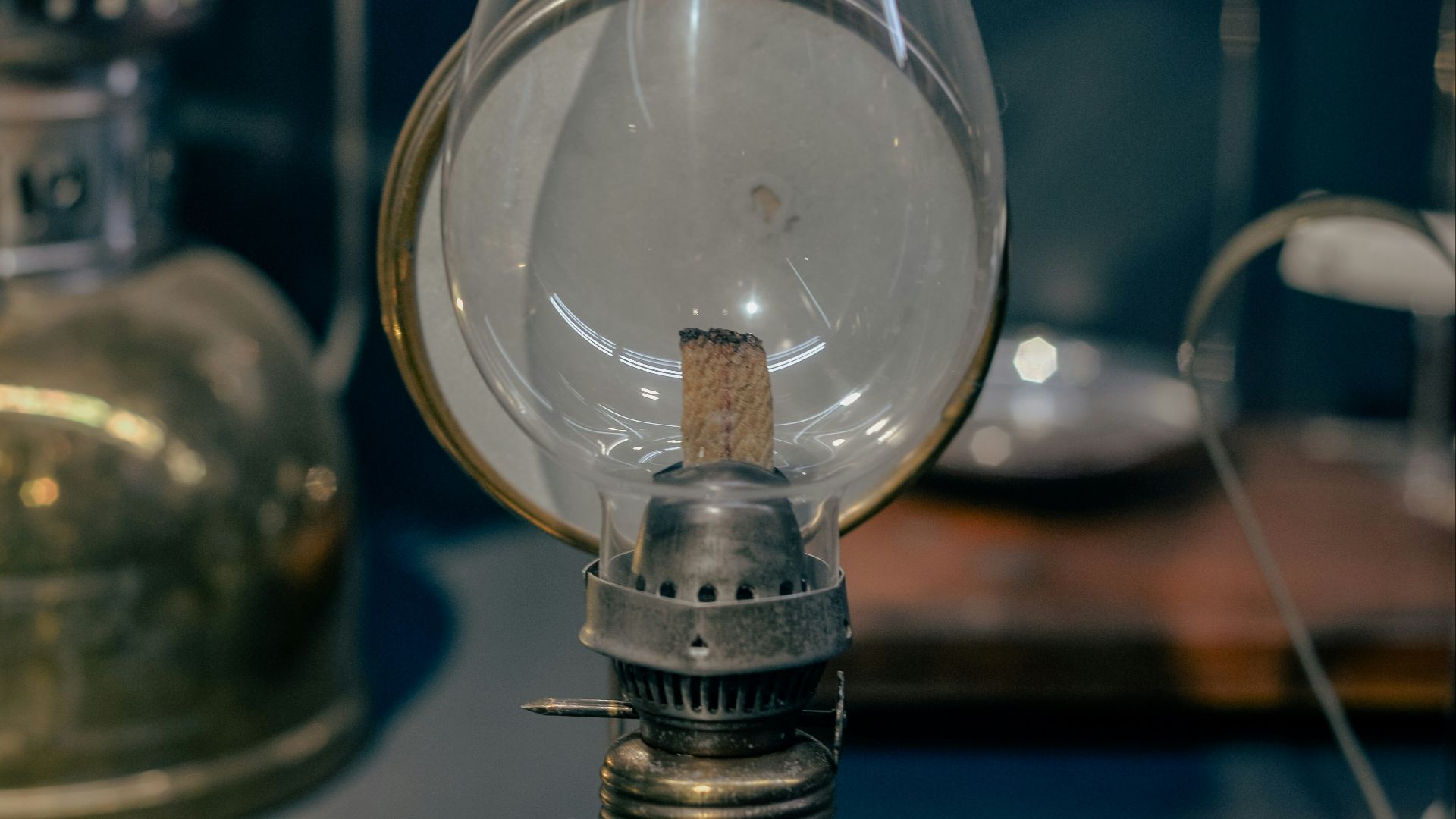
3. Trimming Lamp Wicks
Kerosene lamps needed their wicks trimmed and their glass chimneys cleaned of soot almost every day. Thomas Edison's Pearl Street Station began selling electricity in lower Manhattan in 1882, yet more than half a century later, only about one in ten American farms had power.
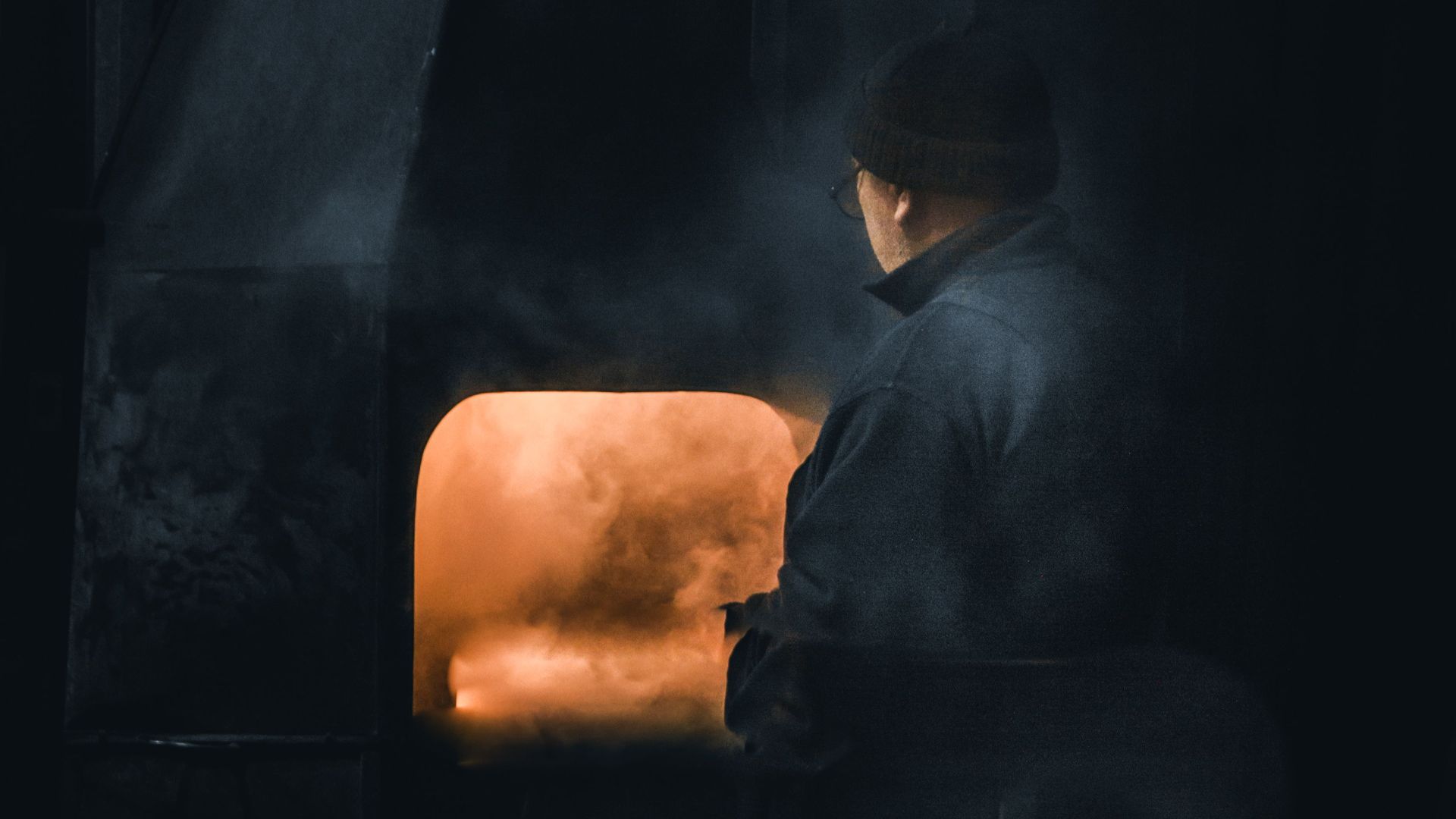
4. Tending the Furnace
In 1885 an inventor named Albert Butz patented a device, nicknamed the damper flapper, that opened and closed a coal furnace's damper as the room temperature changed. His company was later absorbed into Honeywell. Automatic thermostats spared a lot of families the midnight trip to the basement to adjust the fire.
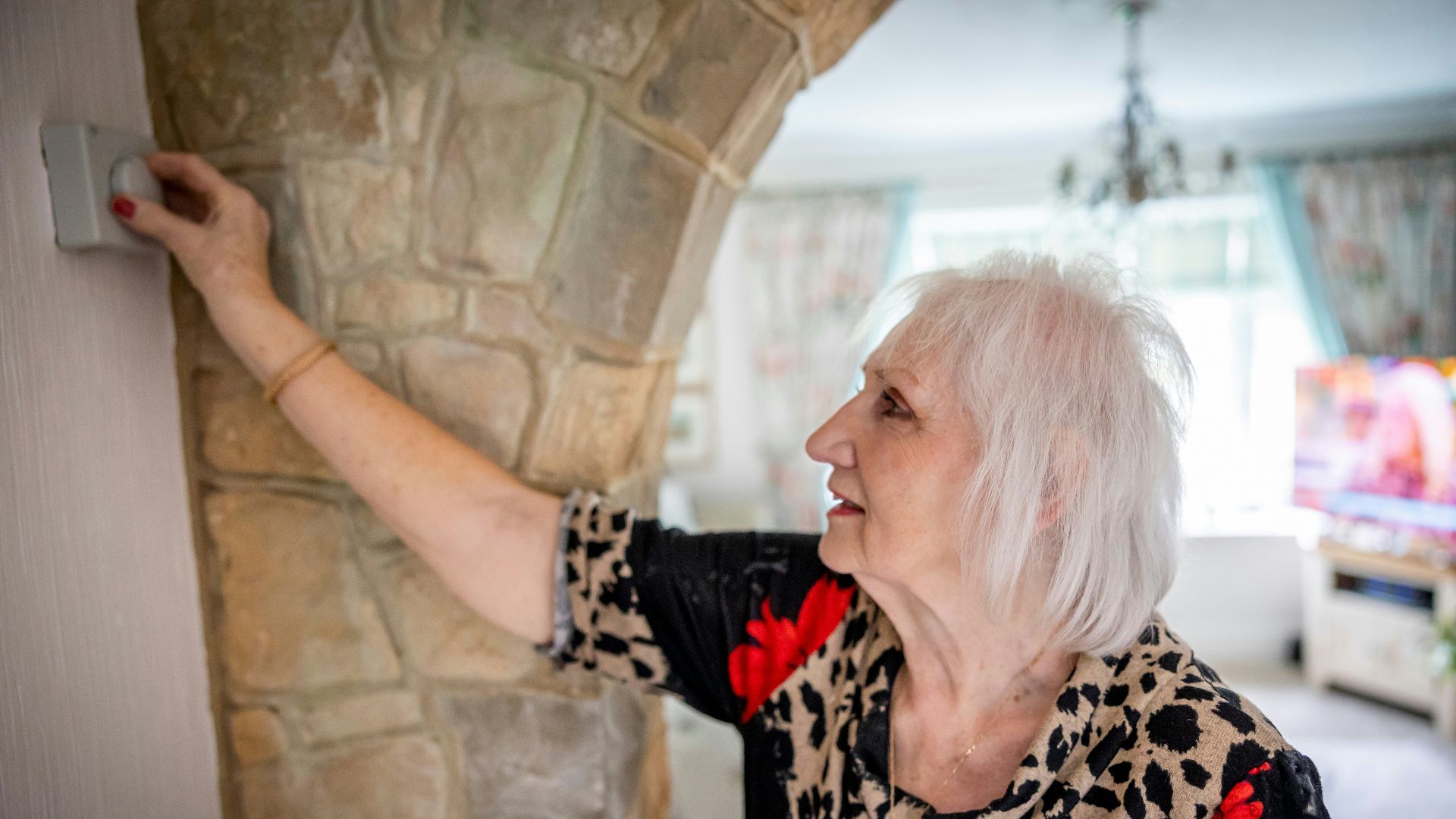
5. Fiddling With the Thermostat
The Nest Learning Thermostat, launched in 2011 by former Apple engineers Tony Fadell and Matt Rogers, learned a household's habits and built a heating schedule on its own. Google bought the company for $3.2 billion in 2014. Smart thermostats now use motion sensors and your phone's location to dial the house back when nobody's home.
 Centre for Ageing Better on Unsplash
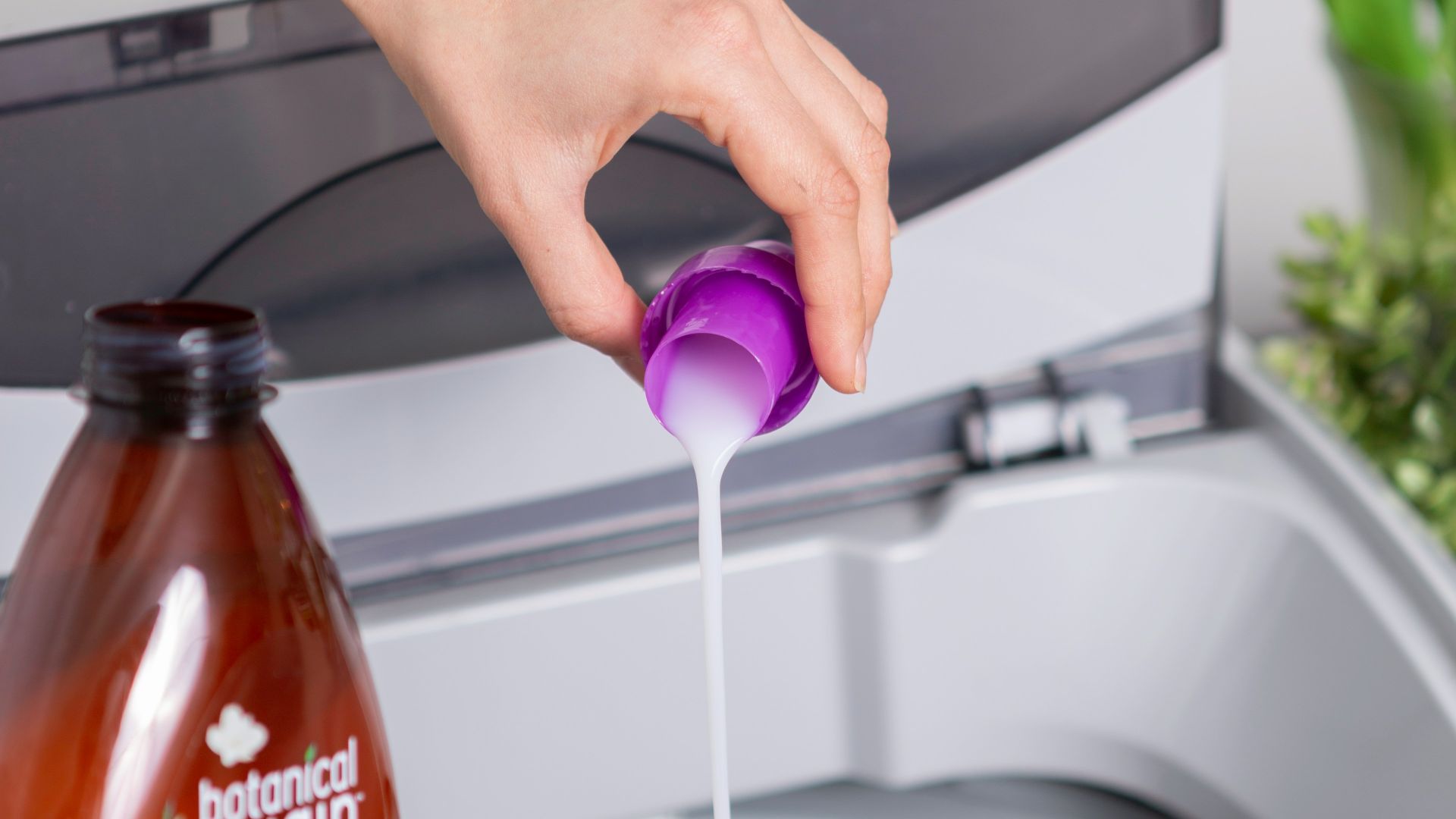
6. Washday
The Thor, sold by Chicago's Hurley Machine Company starting in 1908, is often credited as the first electric washing machine sold in the United States. Bendix introduced a fully automatic front-loading washer in 1937, porthole door and all. Early models spun so hard that they had to be bolted to the floor to keep from walking across the room.
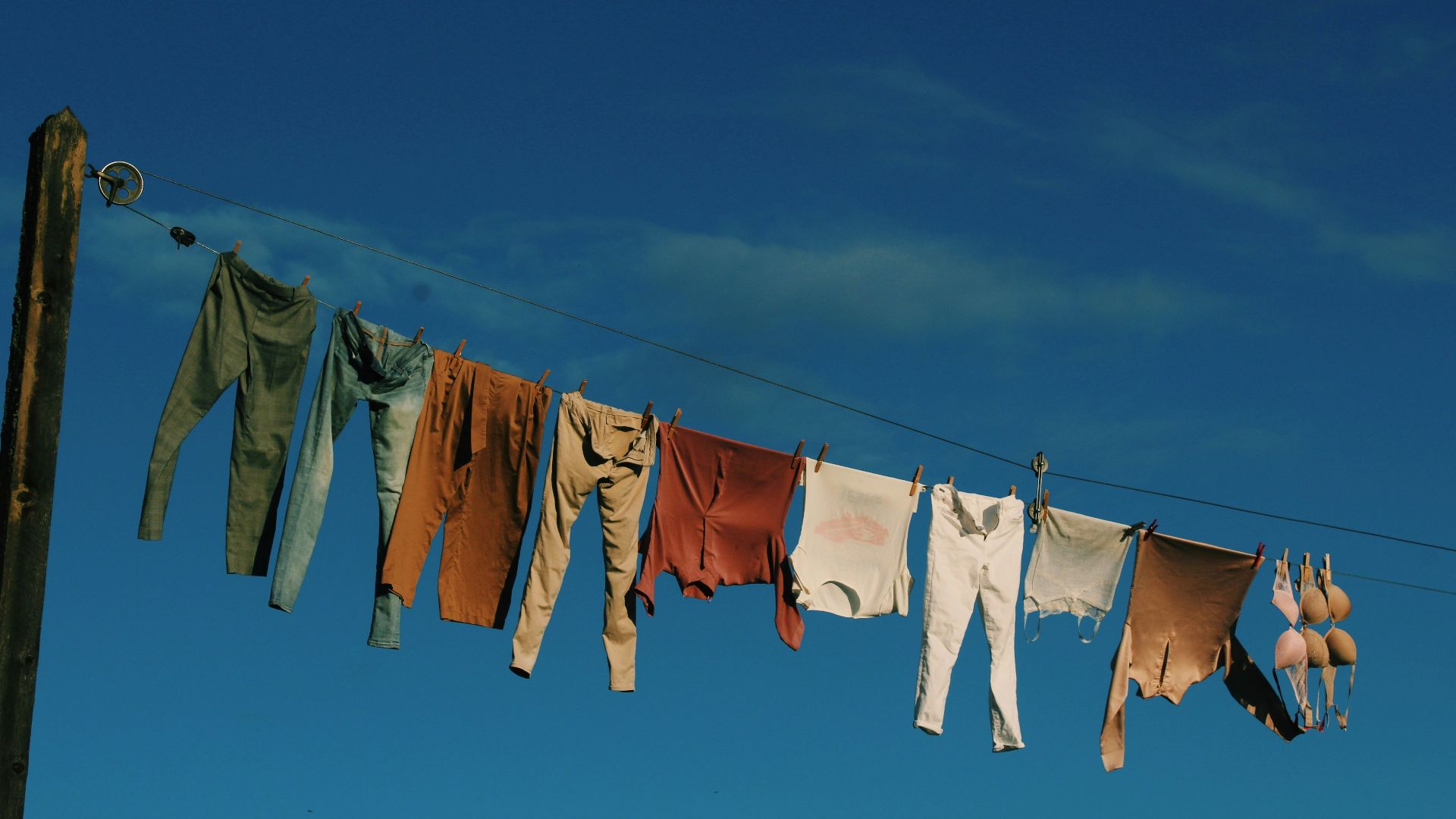
7. Hanging Laundry to Dry
J. Ross Moore, a North Dakota inventor tired of freezing his clothes on winter clotheslines, designed an electric dryer that Hamilton Manufacturing began selling in 1938. Modern dryers use moisture sensors that read the electrical conductivity of damp fabric and shut off when the load is done. The wooden clothespin is mostly a craft supply now.
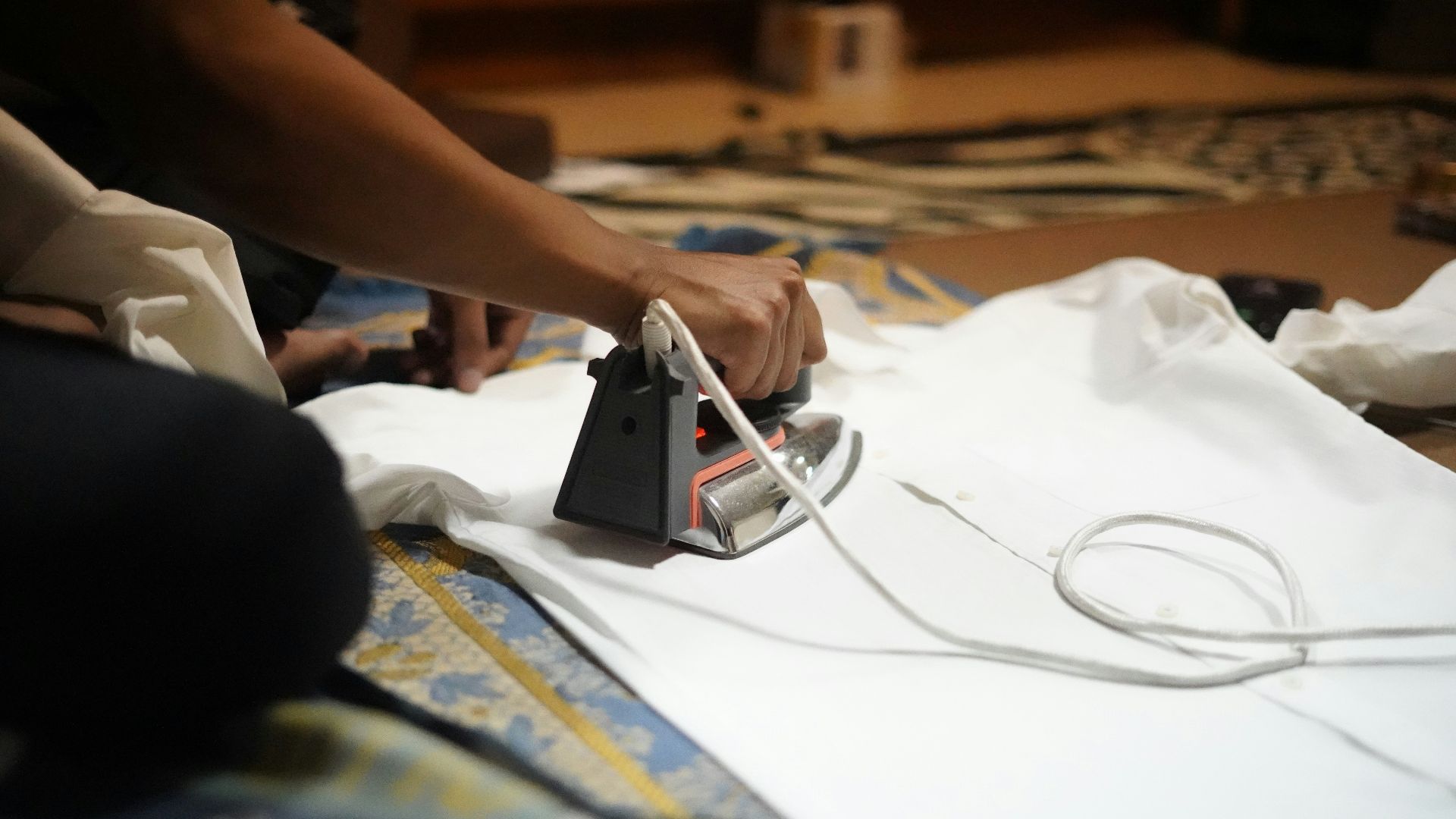
8. Starching and Ironing
Permanent press is a chemistry trick worked out partly by USDA researchers, including Ruth Benerito, who found ways to link cotton's cellulose molecules so the fabric springs back after washing. Wrinkle-resistant shirts hit stores in the 1960s. A modern closet can go years without meeting an iron.
 Dzulfikar Alkautsar on Unsplash
9. Beating Rugs
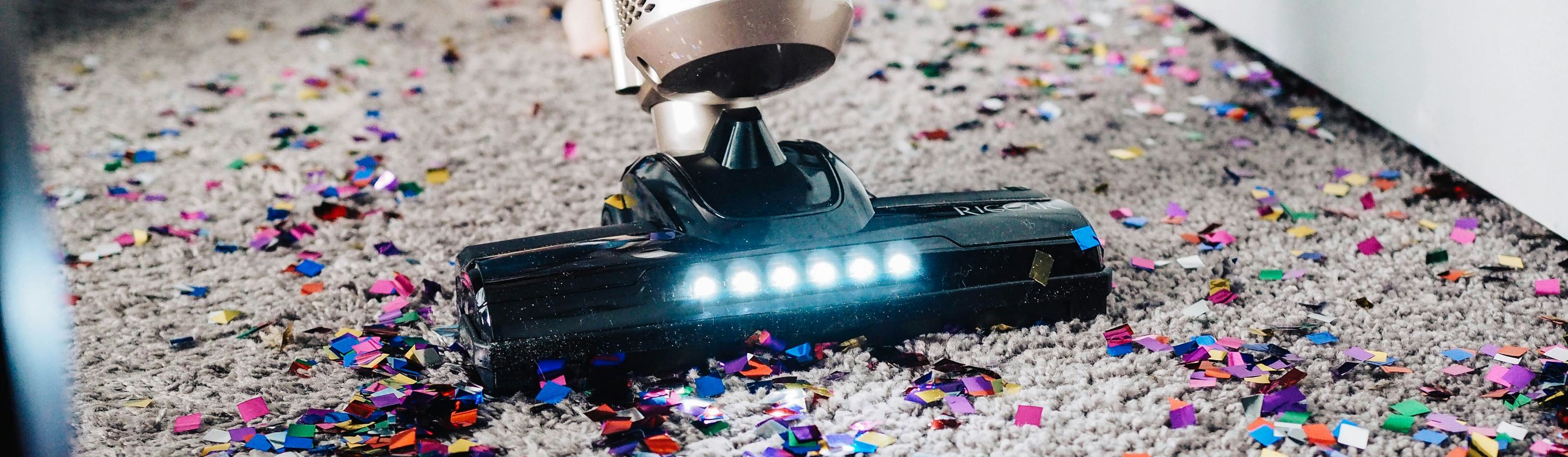
James Murray Spangler, a janitor in Canton, Ohio, built an electric suction sweeper that used a fan motor and a pillowcase for a dust bag. He sold the patent in 1908 to William Hoover, whose name ended up on vacuums for the next century. The wire rug beater lives on mostly in antique shops.

10. Vacuuming
Then the vacuum started driving itself. iRobot, founded by MIT roboticists, released the first Roomba in 2002, and the newest versions map a home with cameras or lidar before they clean. Many of them now empty their own dustbins into a docking station.
11. Emptying the Drip Pan
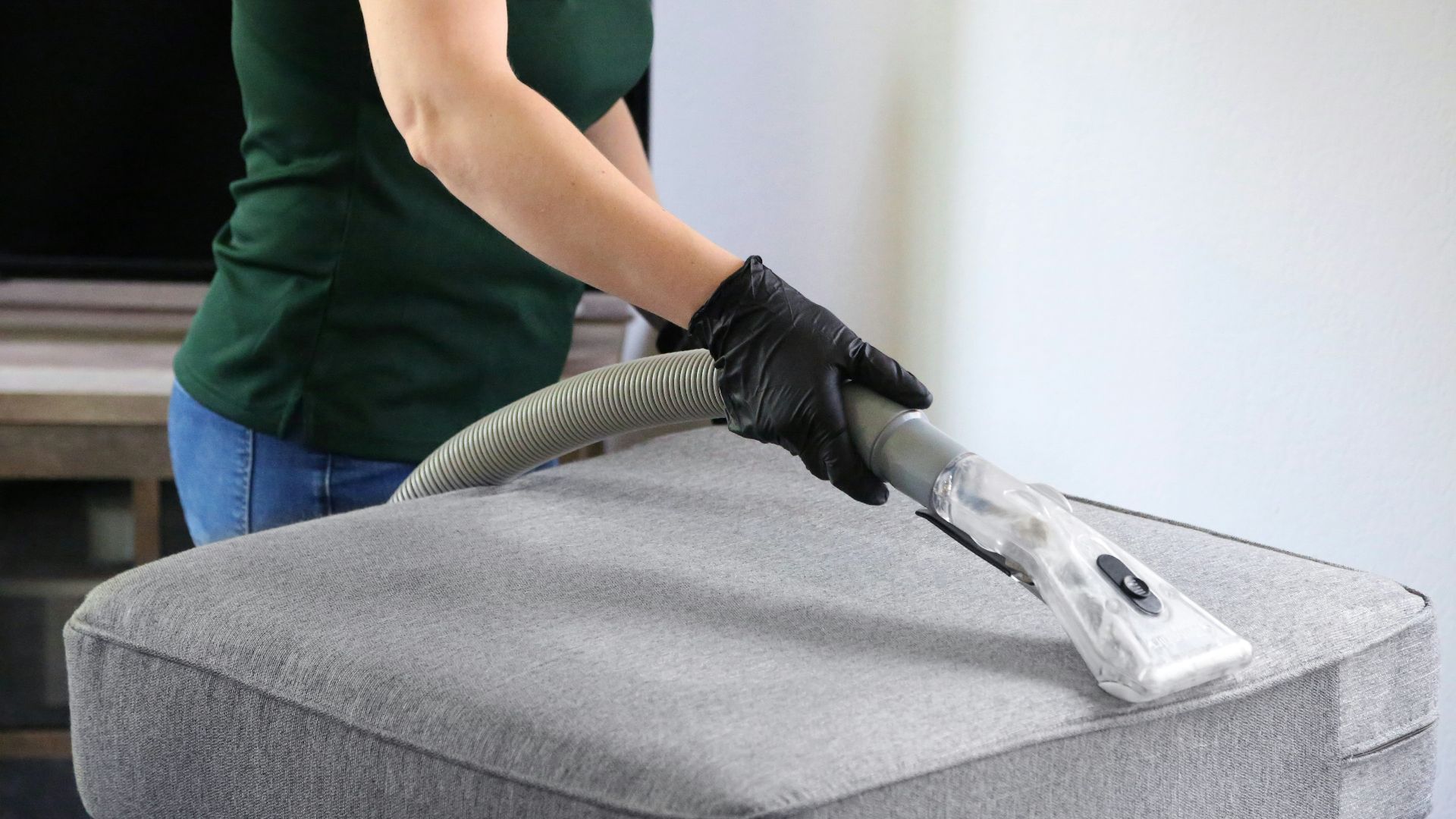
An icebox leaked melted ice into a pan underneath, and forgetting to empty it flooded the kitchen floor. General Electric's Monitor-Top refrigerator arrived in 1927 with its compressor sitting in a round housing on top, and it sold more than a million units. Electric refrigeration took the drip pan and the iceman's route with it.
12. Defrosting the Freezer
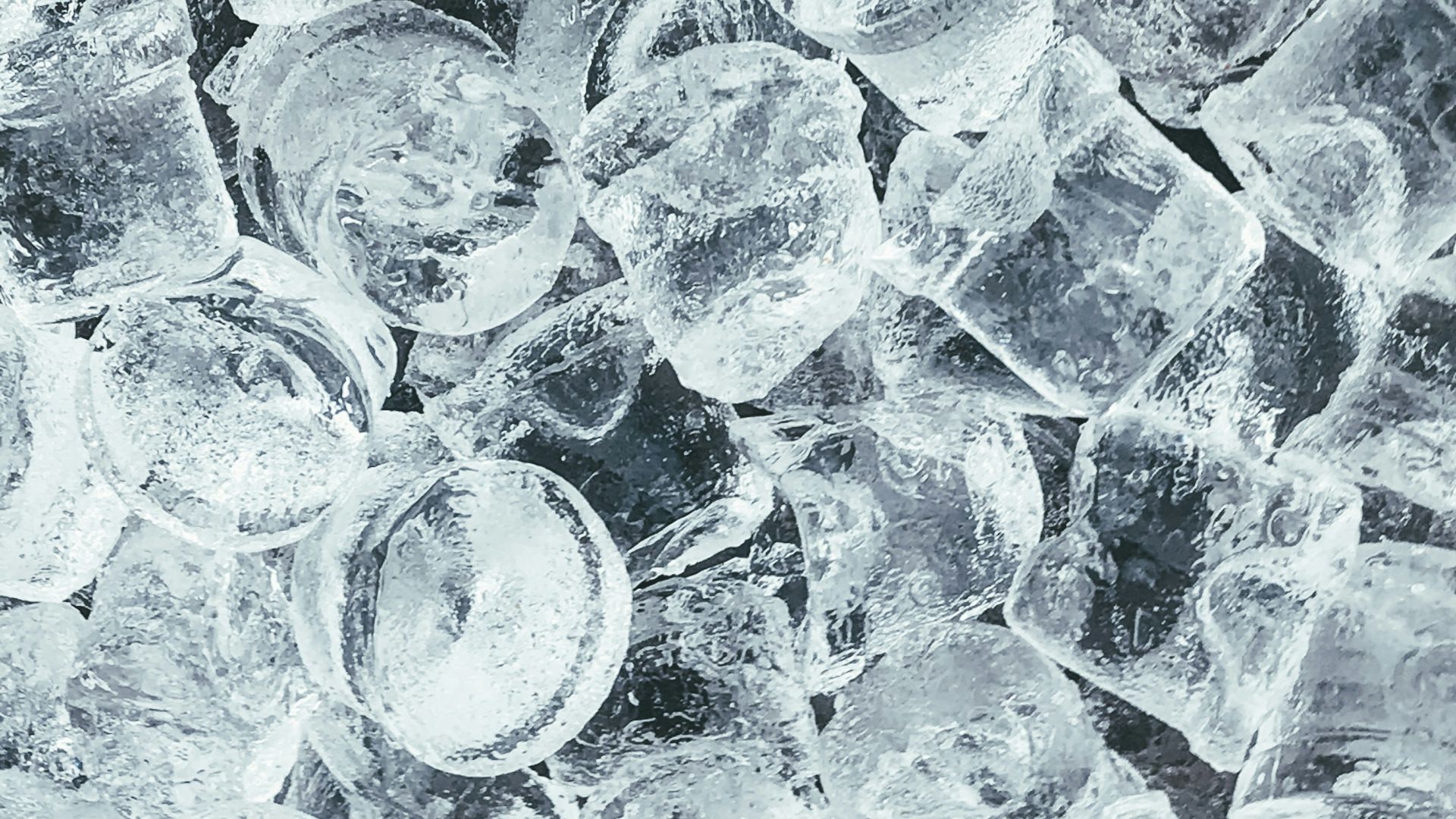
Early freezers grew thick sheets of ice that needed chipping away with a butter knife every few weeks. Frost-free models fixed that with a timer-controlled heating element that melts the frost off the cooling coils a few times a day. A fan then pushes cold, dry air through the compartment so the ice never builds up.
13. Washing Every Dish
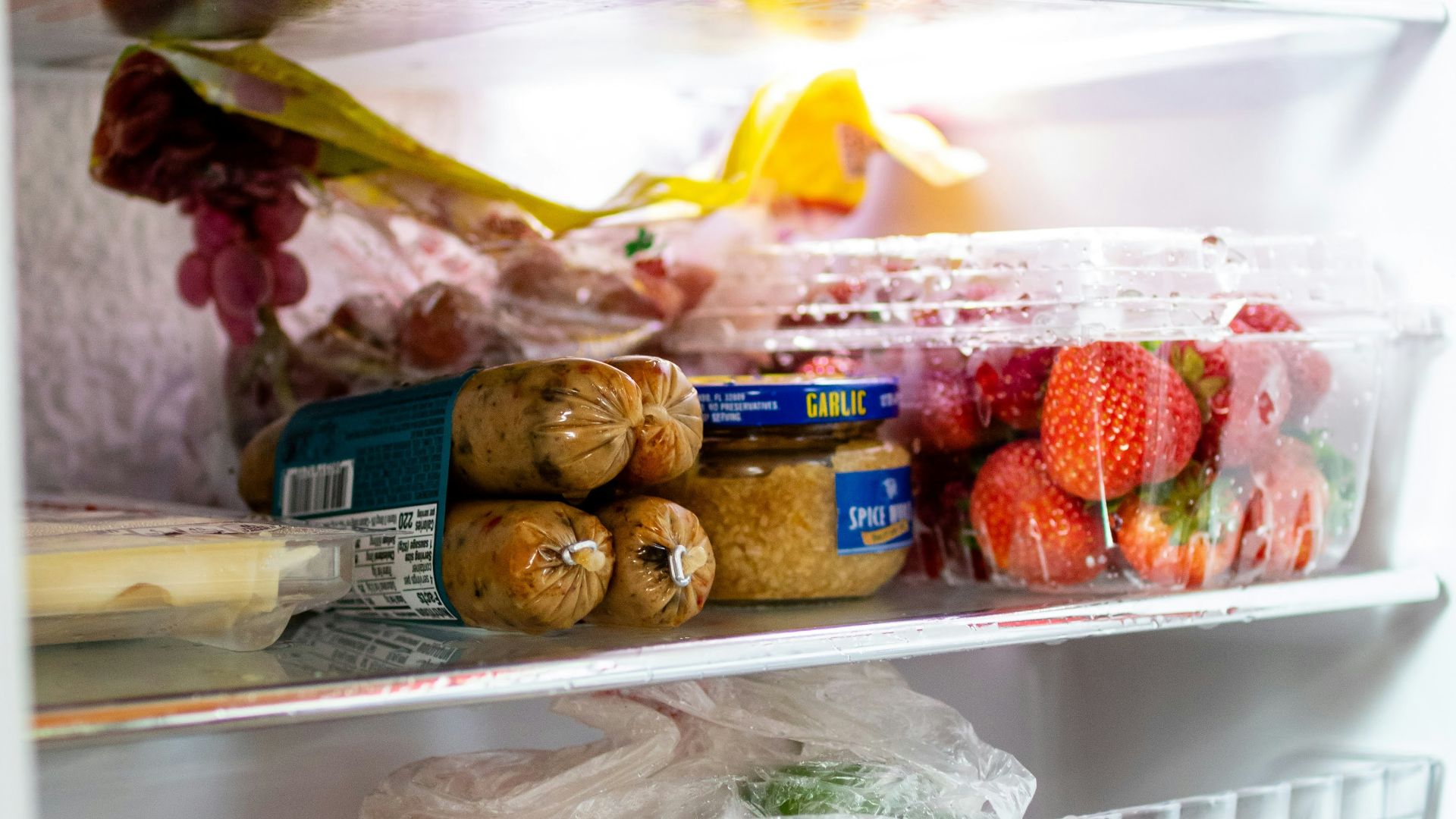
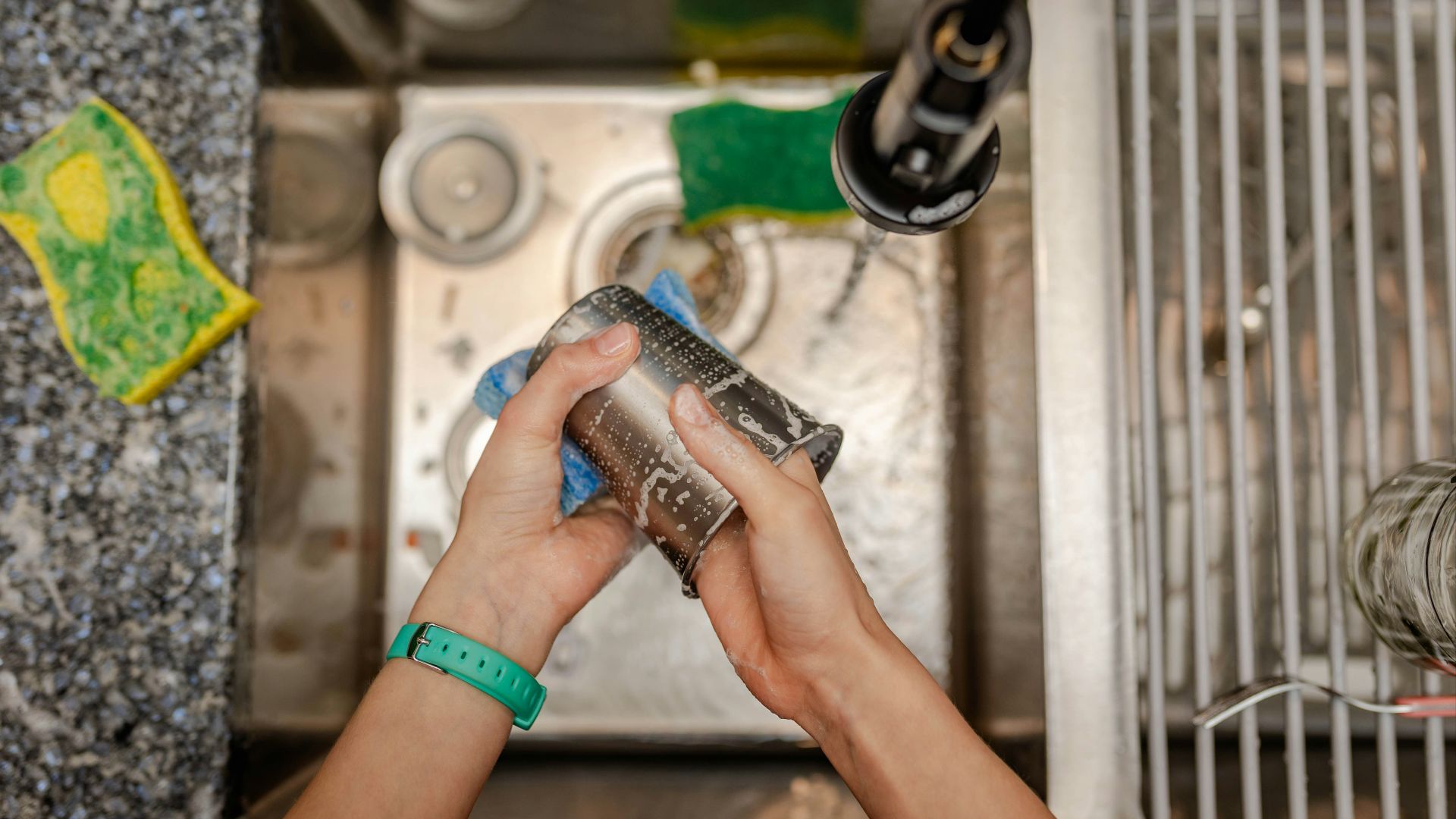
Josephine Cochrane, an Illinois socialite tired of servants chipping her china, patented a dishwasher in 1886 that sprayed hot water at dishes held in wire racks. The company she started now lives on inside KitchenAid. Many current dishwashers use turbidity sensors to measure how cloudy the water is and adjust the cycle to match.
14. Reheating on the Stove
In 1945 Raytheon engineer Percy Spencer was working near a magnetron, a tube that generates microwaves for radar, when the candy bar in his pocket melted. The first Radarange, sold in 1947, stood nearly six feet tall and weighed about 750 pounds. Amana shrank it to a countertop model in 1967, and leftovers stopped needing a pot.
15. Winding Clocks
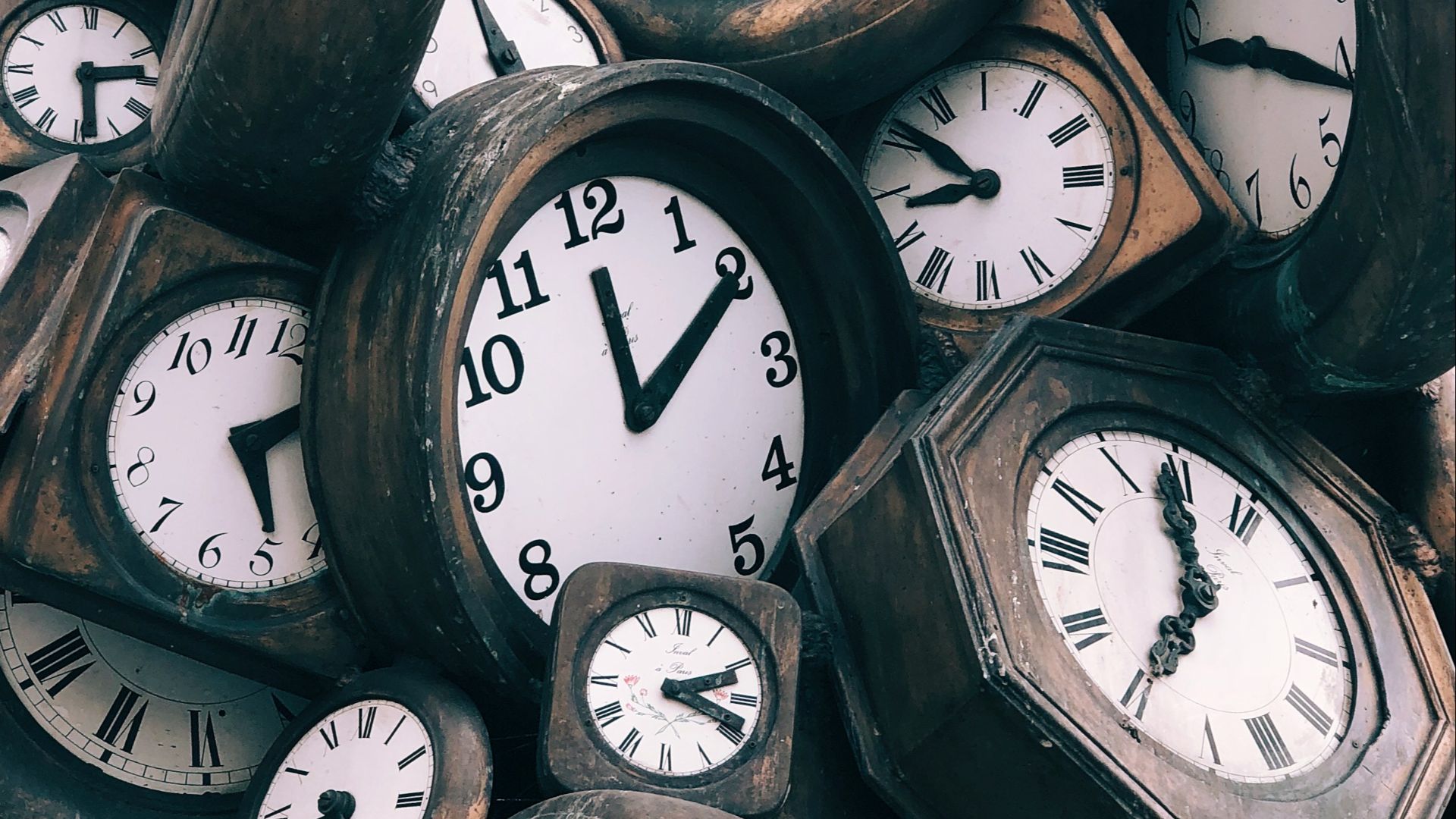
A radio station near Fort Collins, Colorado, called WWVB broadcasts the official time from the National Institute of Standards and Technology at 60 kilohertz. The signal sends a fresh time code every minute. Radio-controlled clocks listen for it and set themselves, even across daylight saving changes, while your phone gets the time from the cellular network.
16. Getting Up to Change the Channel
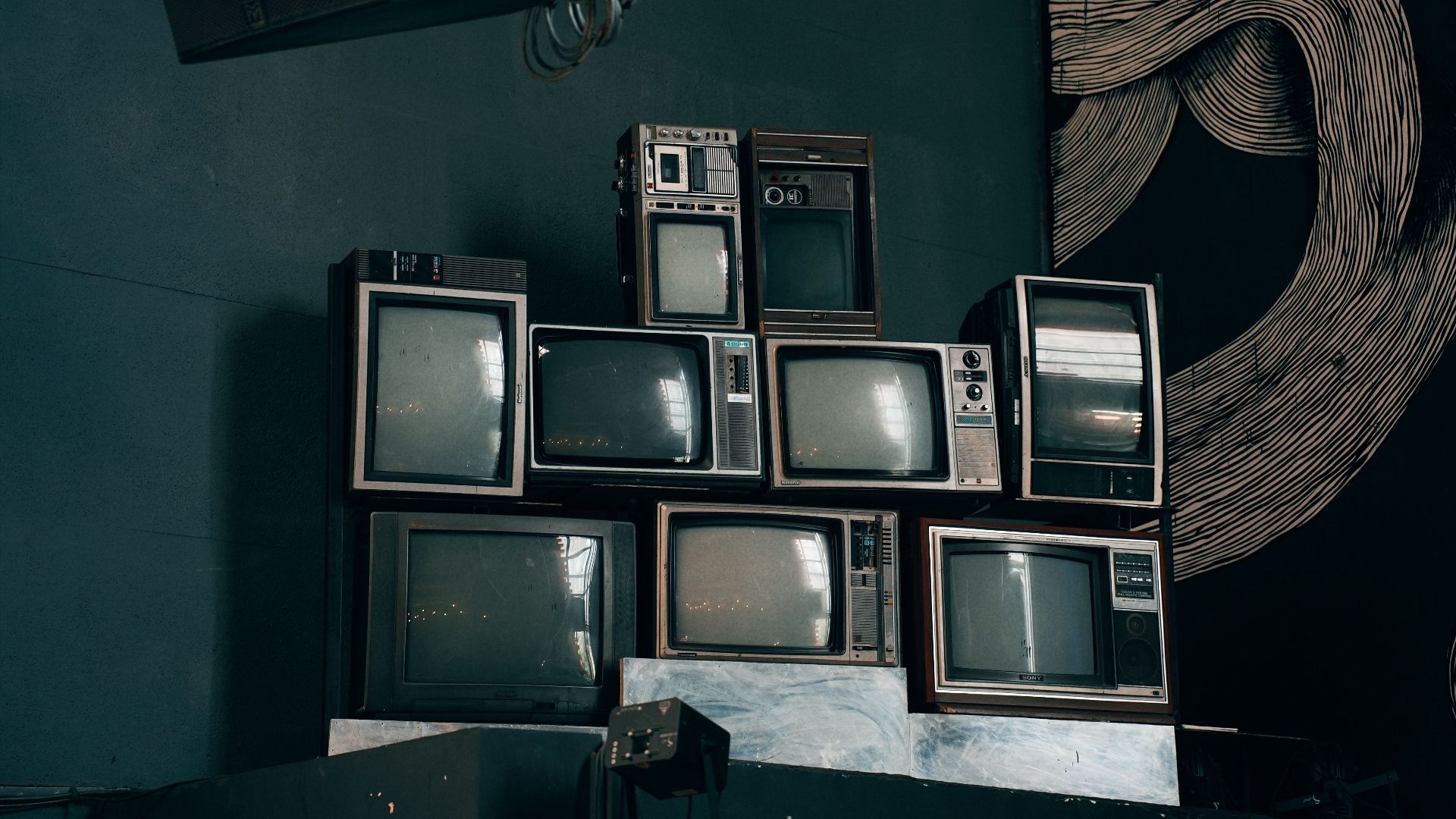
Zenith sold a wired remote called the Lazy Bones in 1950. Six years later, engineer Robert Adler designed the Space Command, which used ultrasonic tones from tiny striking rods and gave remotes the nickname clicker. By the 1980s, infrared had taken over from ultrasound.
17. Adjusting the Antenna
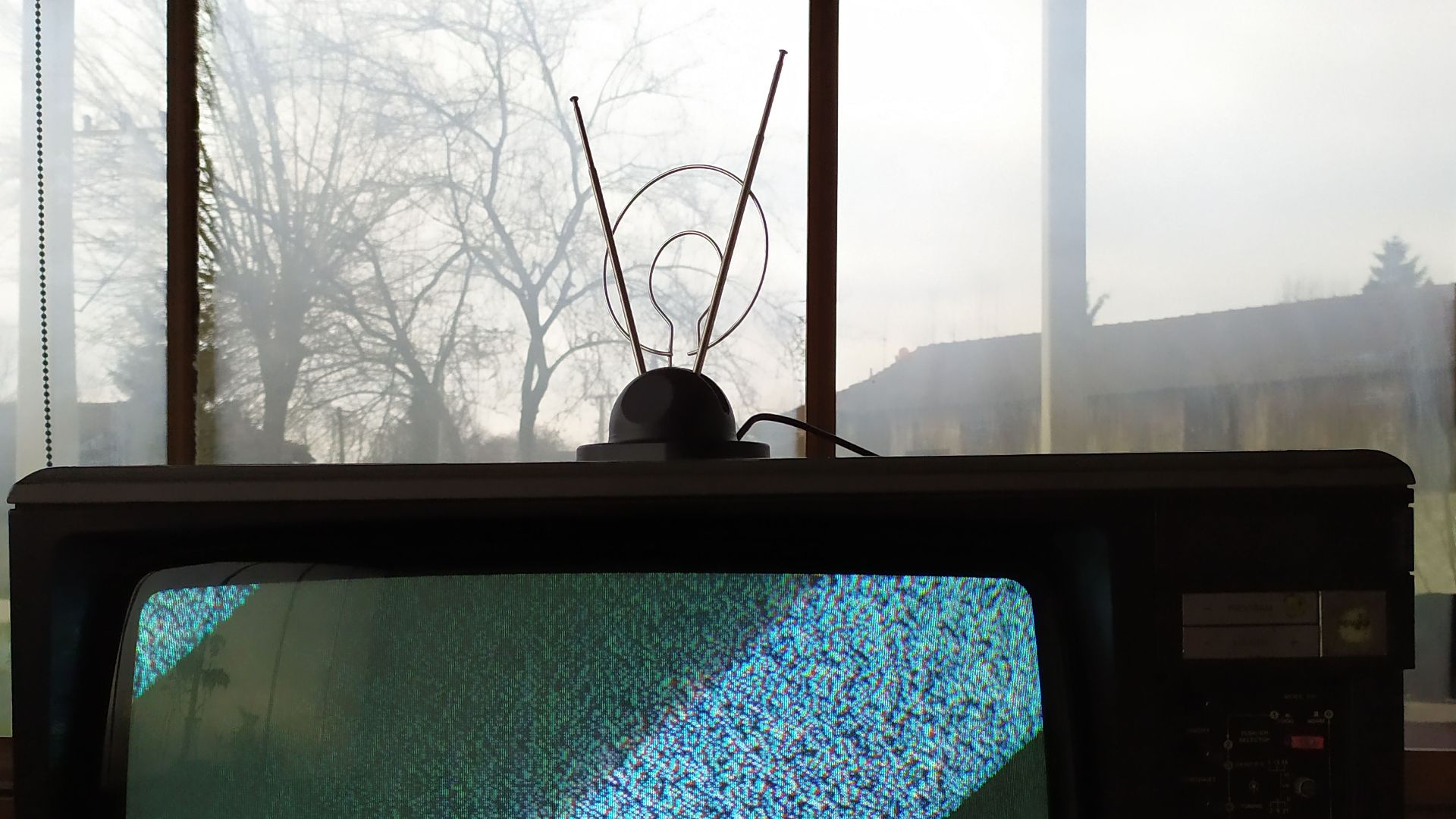
Getting a clear analog picture meant bending the rabbit ears and wrapping them in foil while someone on the couch yelled that it was better. Full-power American TV stations switched to digital broadcasts on June 12, 2009, after the government handed out $40 coupons for converter boxes. A digital signal either comes in clean or doesn't come in at all.
18. Rewinding Tapes
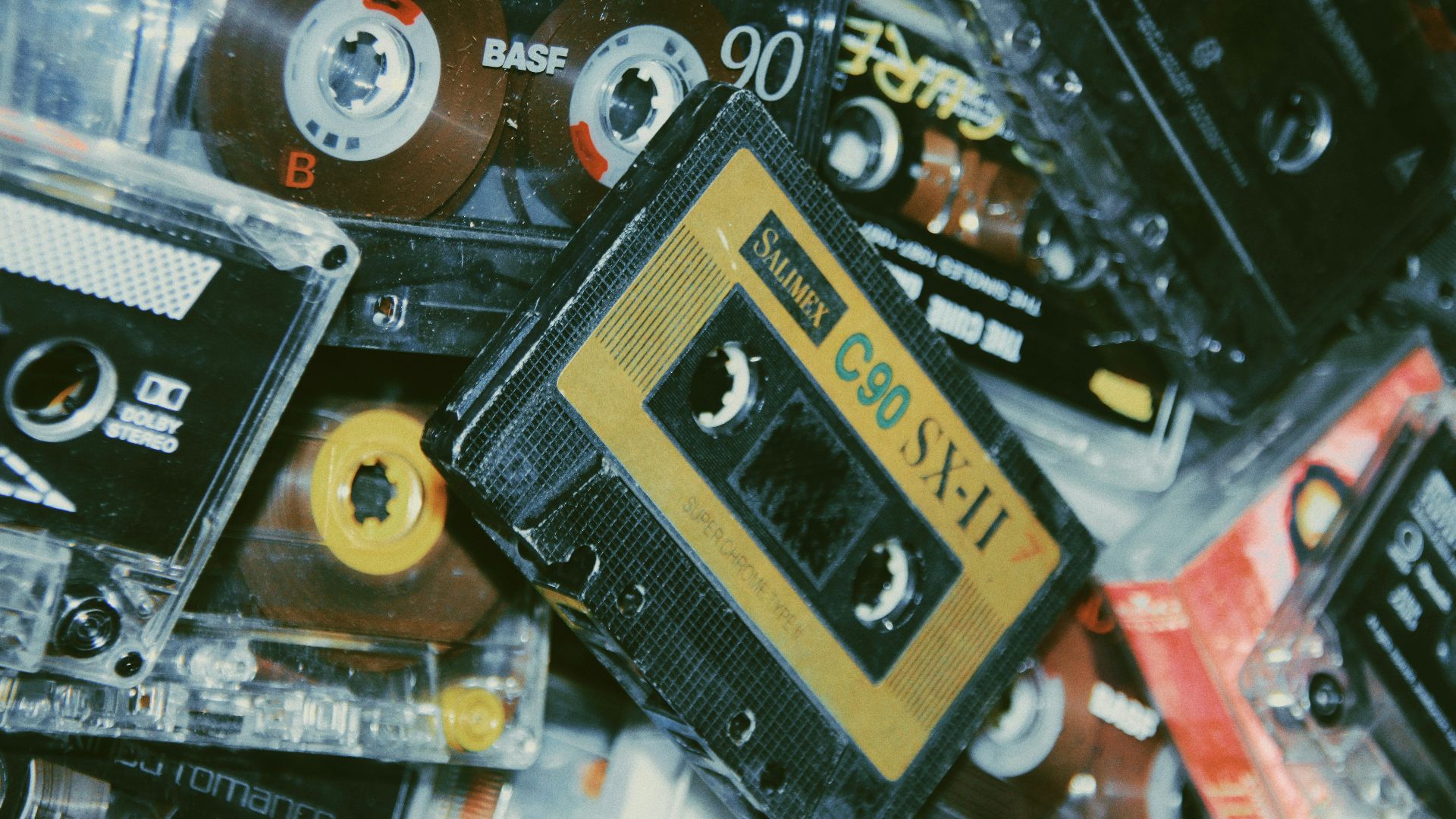
VHS tapes needed rewinding to the start, and rental stores printed Be Kind, Rewind labels to remind customers. DVDs removed the problem because a laser can jump to any spot on a disc, and Netflix's move to streaming in 2007 got rid of the disc too.
19. Dropping Off Film
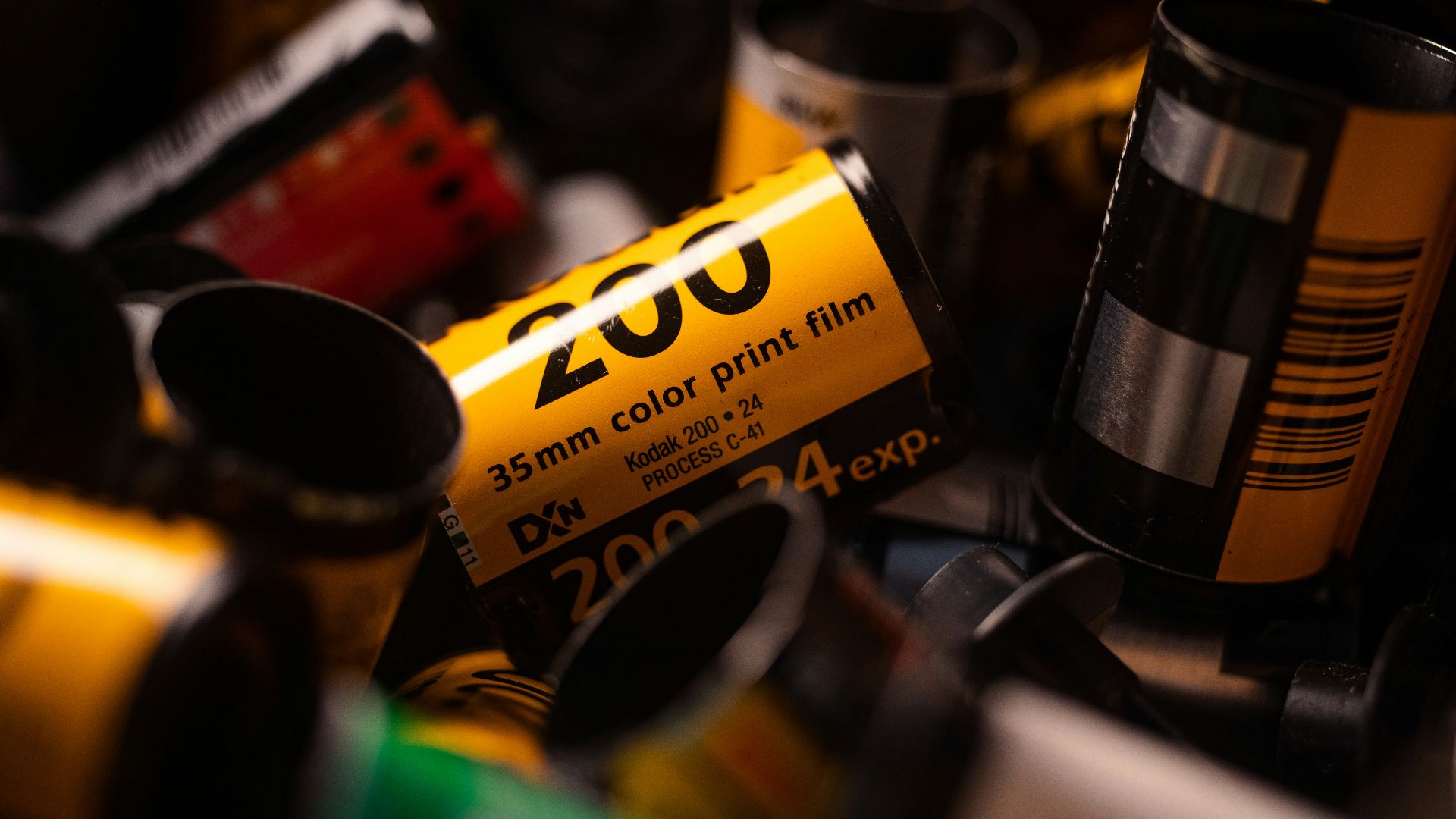
Kodak engineer Steven Sasson built the first digital camera in 1975, an eight-pound prototype that captured images at 0.01 megapixels. Each picture took 23 seconds to record onto a cassette tape. The one-hour photo counter at the drugstore disappeared within a few decades.
20. Depositing Checks
The Check 21 Act, passed in 2003, made a digital image of a check legally as good as the paper original. In 2009, USAA launched one of the first apps that let customers deposit a check by photographing it with an iPhone, a feature most big banks added soon after. Driving to the bank with a paper check is now optional for most people with a smartphone.