When The Save Leaves A Bigger Mess
Comics love the clean geometry of good versus evil, but most of the page count lives in the gray zone. The ugliest fallout rarely comes from villains cackling in lairs—it comes from heroes moving too fast, trusting the wrong ally, or deciding the ends justify the means, then watching the damage spread far beyond what they intended. Superhero stories are full of moments where the villain lights the match but the hero becomes the wildfire: collateral damage, mass panic, moral shortcuts that reshape entire worlds. Here are twenty heroes who caused more destruction than the villains they were fighting.
1. The New Warriors
Their chase for relevance and footage in the early Civil War era turns into a disaster in Stamford, with civilian casualties that reshape the entire Marvel universe’s politics. The villain in the moment is dangerous, yet the larger catastrophe comes from heroes treating a real fight like content.
 Sue Lukenbaugh from Sacramento, USA on Wikimedia
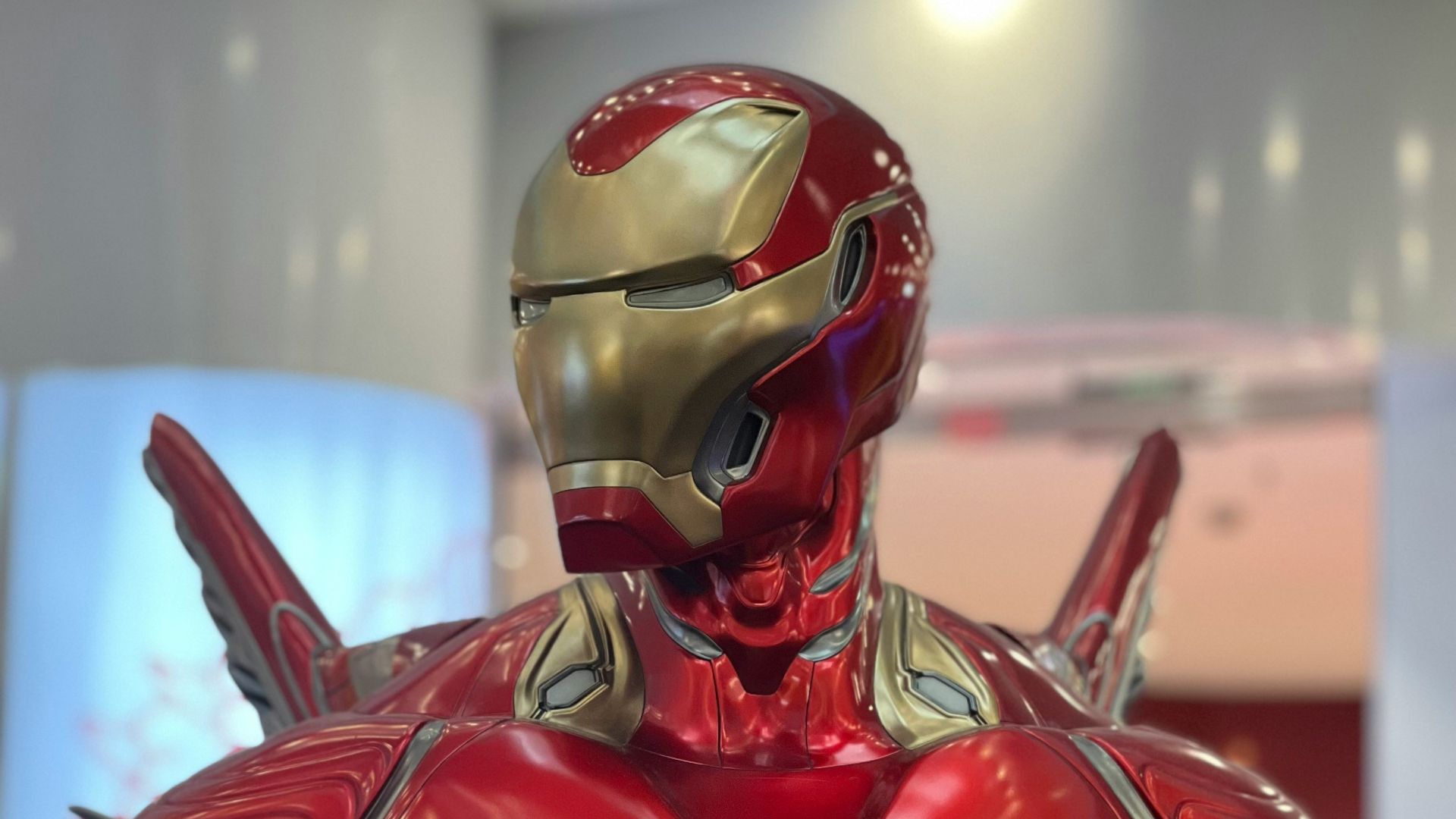
2. Iron Man
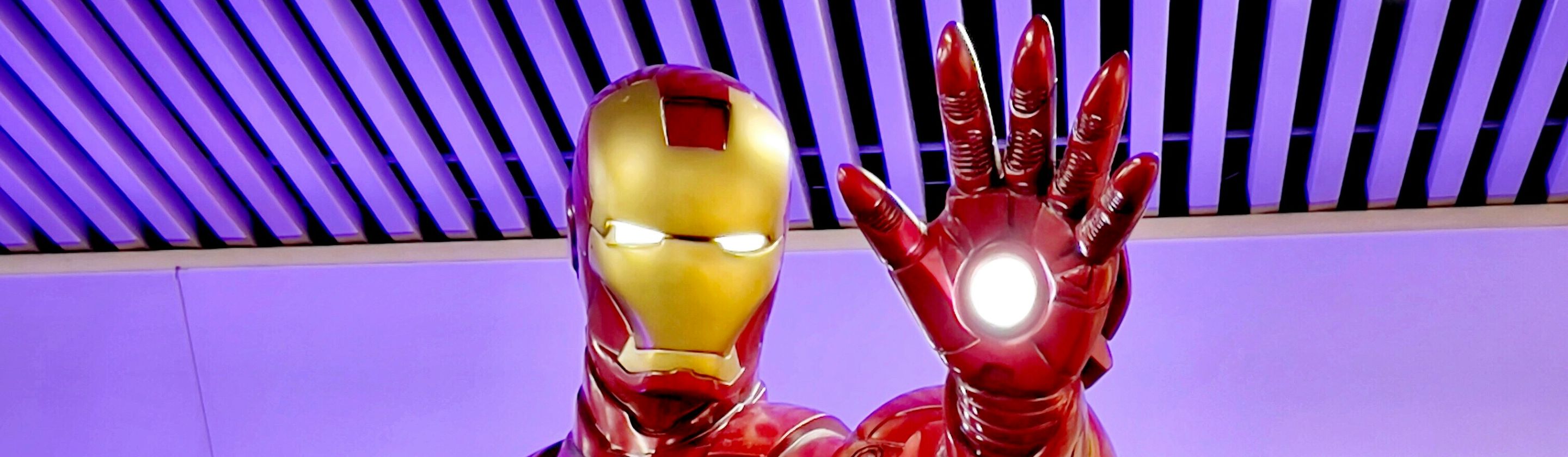
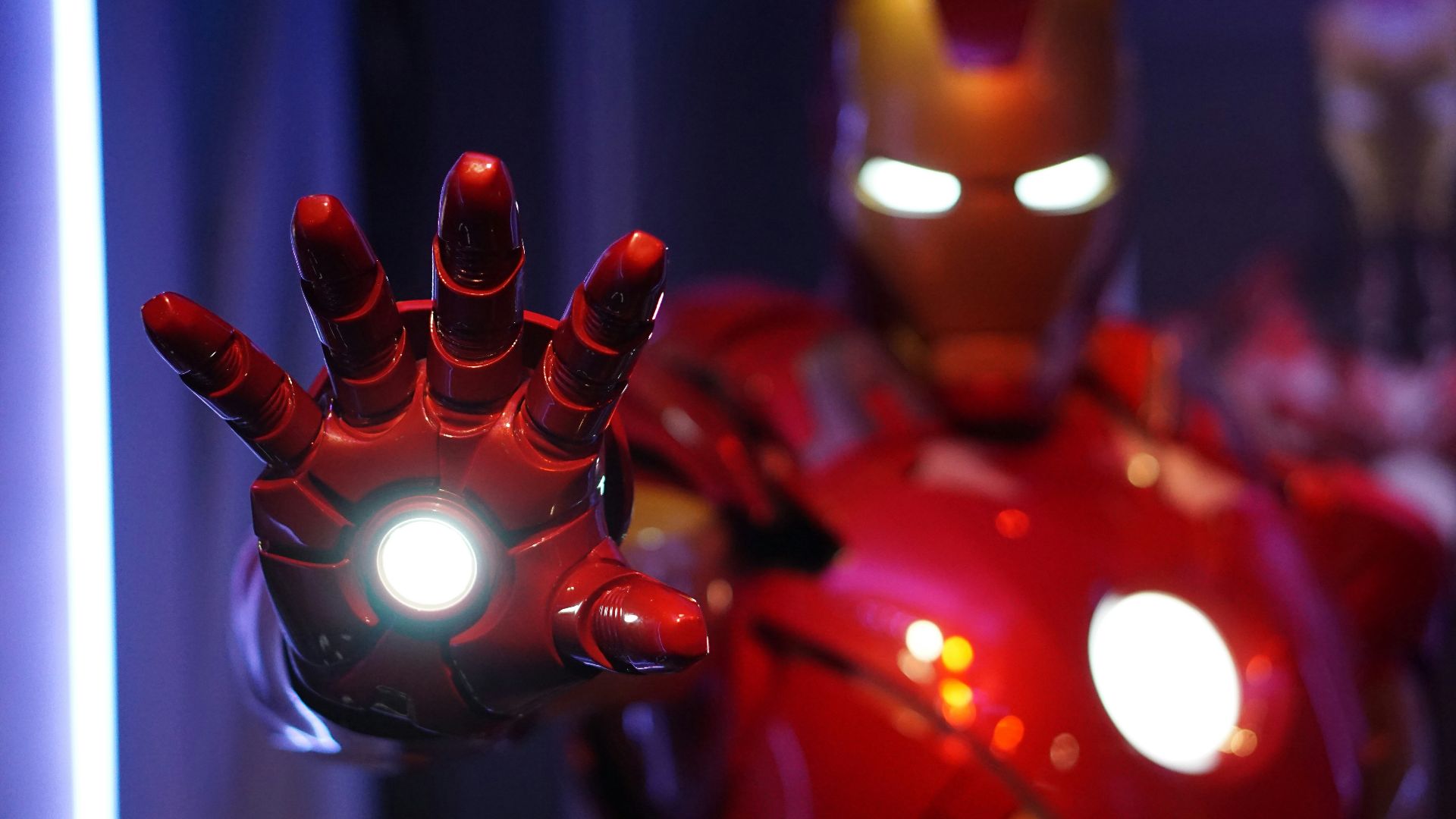
During Civil War, Tony Stark pushes a solution that treats fear as a policy tool, and the crackdown fractures communities that used to show up for each other. The villains benefit, sure, yet the deeper harm is the normalization of surveillance, registration, and force as the default response to uncertainty.
3. Captain Marvel
Civil War II hinges on the seductive idea that preventing harm justifies punishing people before they act. Carol’s certainty creates arrests, public distrust, and a moral slip that villains could never sell on their own. The damage is not only physical, it’s a culture that starts treating suspicion as evidence.

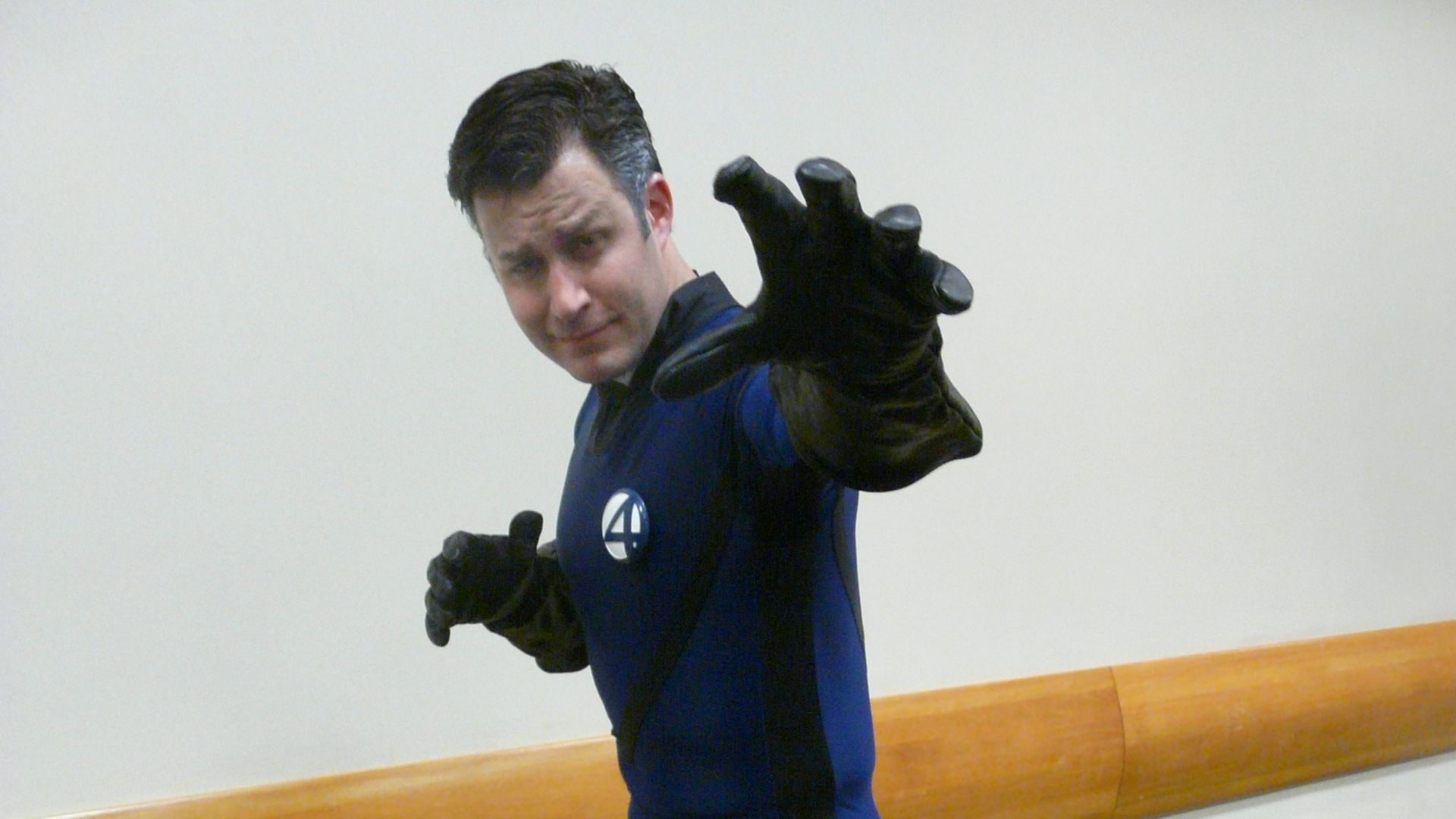
4. Reed Richards
The smartest person in the room is often the most dangerous when patience runs out. Reed’s role in the Illuminati includes decisions like sending Hulk away, which kicks off a chain of retaliation and city-level destruction. The villainy is real, yet the original sin is a hero group deciding they can control outcomes like a lab experiment.
 myself (User:Piotrus) on Wikimedia
5. Doctor Strange
Strange is supposed to be the adult in the room, and that’s why it stings when he makes choices that trade long-term stability for short-term survival. In stories built around incursions and existential threats, his compromises can stain entire worlds, because magic does not forgive the way physics sometimes does. The villain might threaten reality, yet the hero’s bargain often becomes the method.
6. Namor
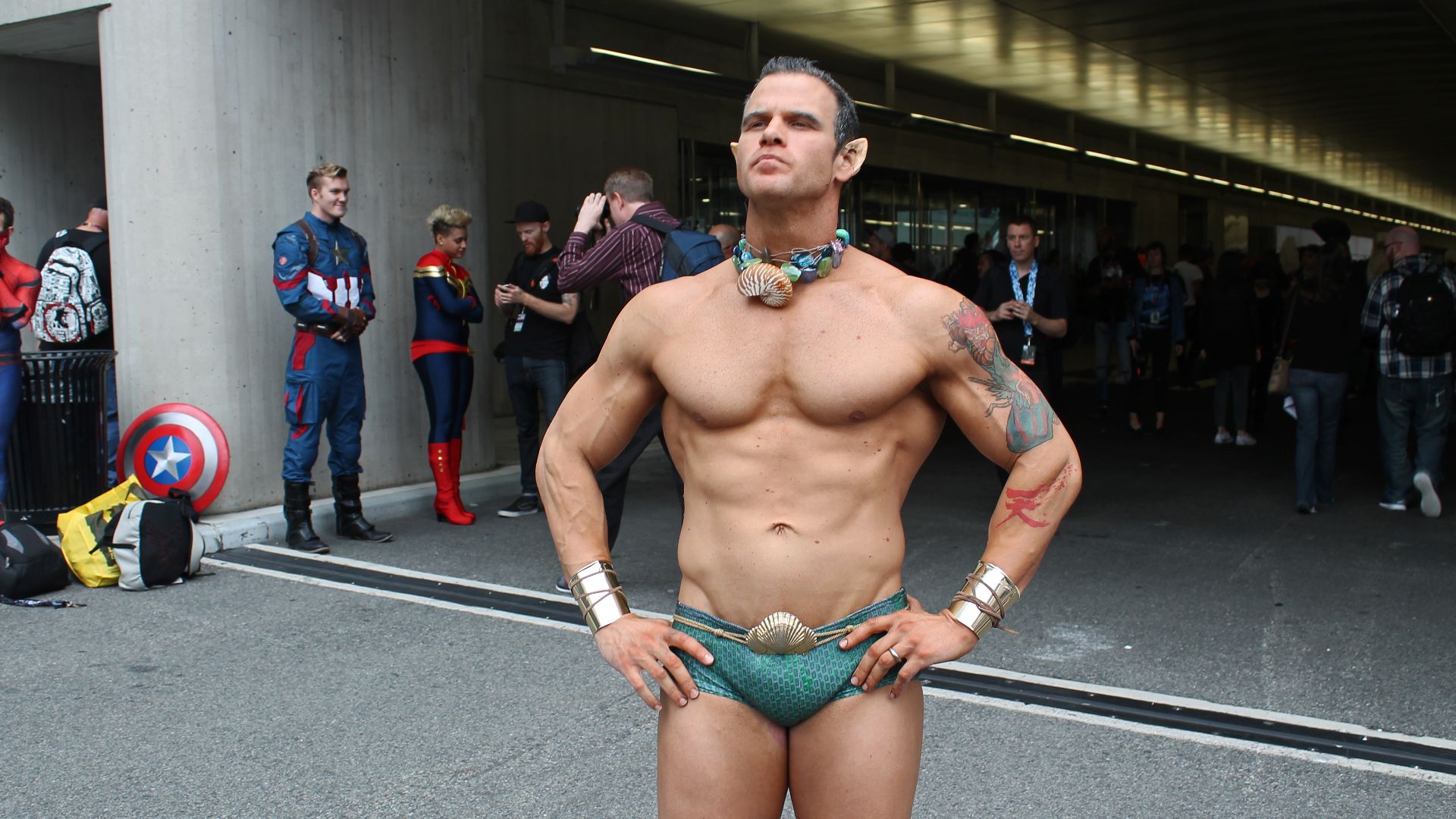
When Namor loses restraint, the scale is never small. His involvement in events like Avengers versus X-Men includes an attack that leaves Wakanda devastated, and it lands like a war crime wearing a superhero title. Villains do plenty, yet the shock here is how quickly a hero can decide a city is an acceptable price.
 commons.wikimedia.org on Google
7. Scarlet Witch
House of M begins with grief and ends with a reality rewrite, then the abrupt removal of mutant powers for most of an entire population. That kind of harm does not require a villain mastermind, just a hero with godlike power and a cracked sense of what repair looks like. The tragedy is that the intent is mercy, and the outcome is erasure.
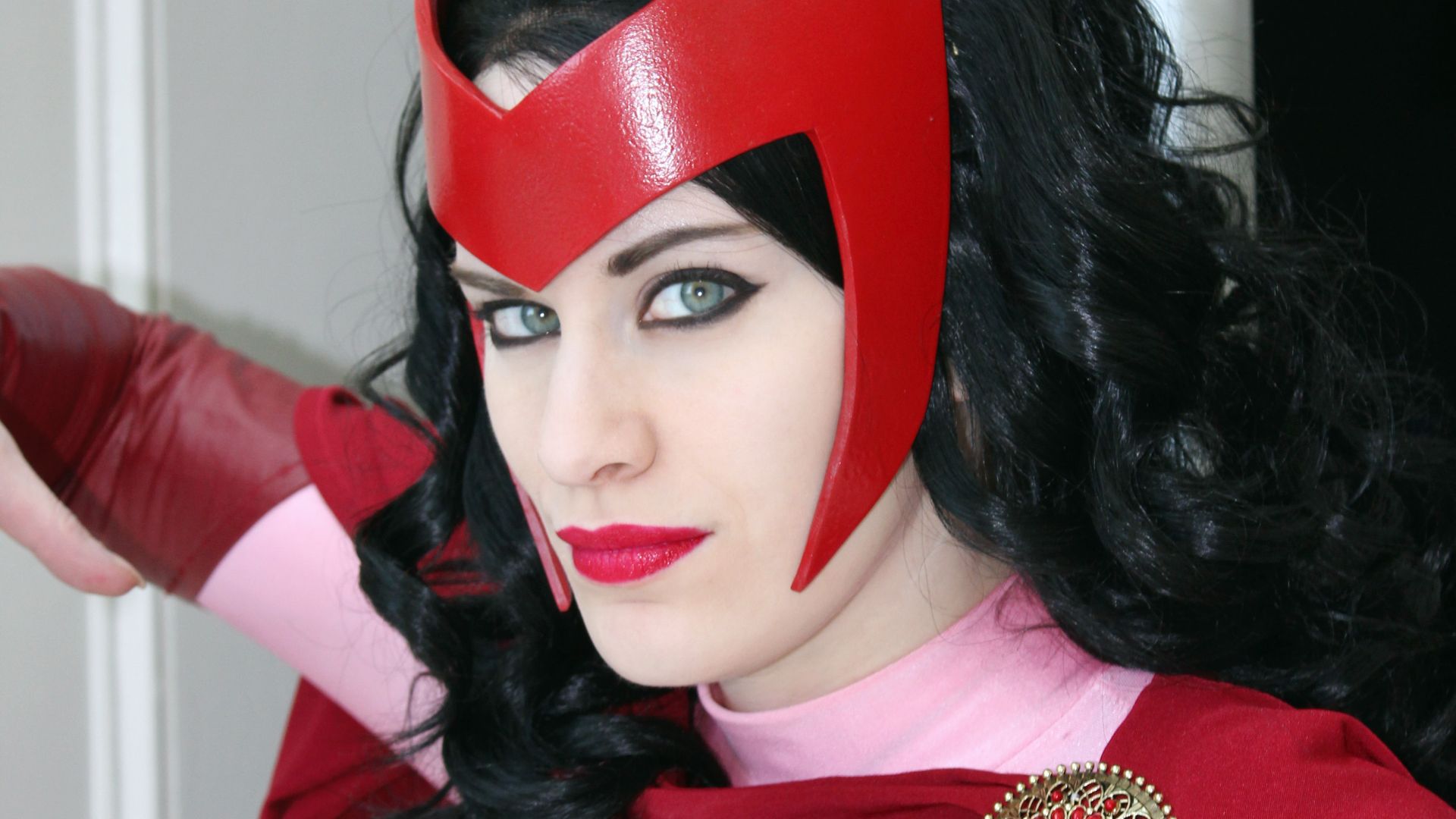 greyloch from Washington, DC, area, U.S.A. on Wikimedia
8. Jean Grey
The Phoenix stories work because they are not about petty evil, they are about power that overwhelms the person holding it. When Jean becomes the Dark Phoenix, the destruction climbs past anything most villains could accomplish, and the body count stops being abstract. The lesson is brutal and simple, because a hero is still a threat when the power stops listening.
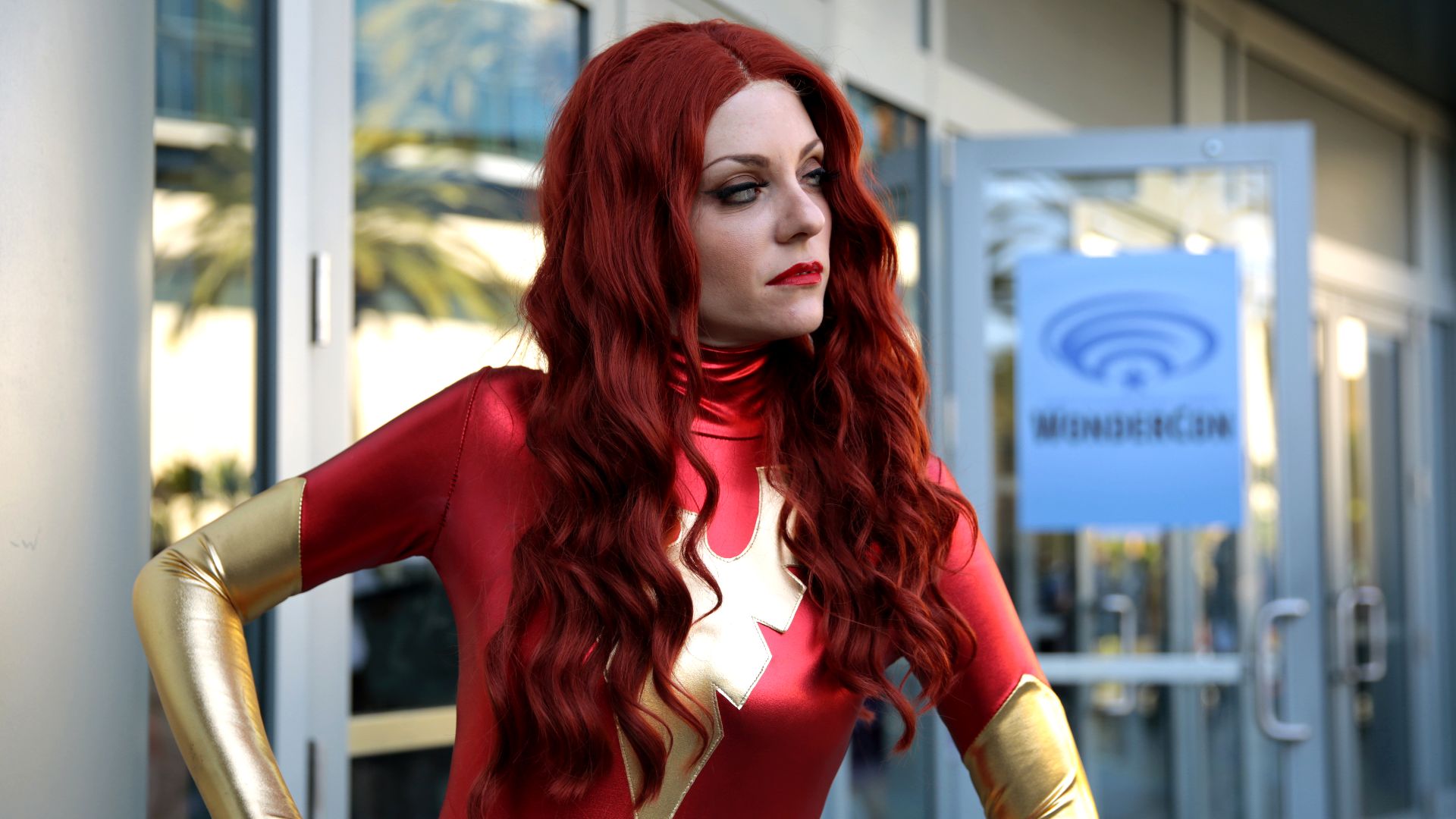 Gage Skidmore from Peoria, AZ, United States of America on Wikimedia
9. The Hulk
Hulk stories keep proving that rage is not a contained weapon. Even when Hulk is responding to injustice, his fights flatten streets, wreck infrastructure, and turn whole neighborhoods into evacuation zones. Villains may start the problem, yet Hulk often becomes the bigger emergency once he arrives.
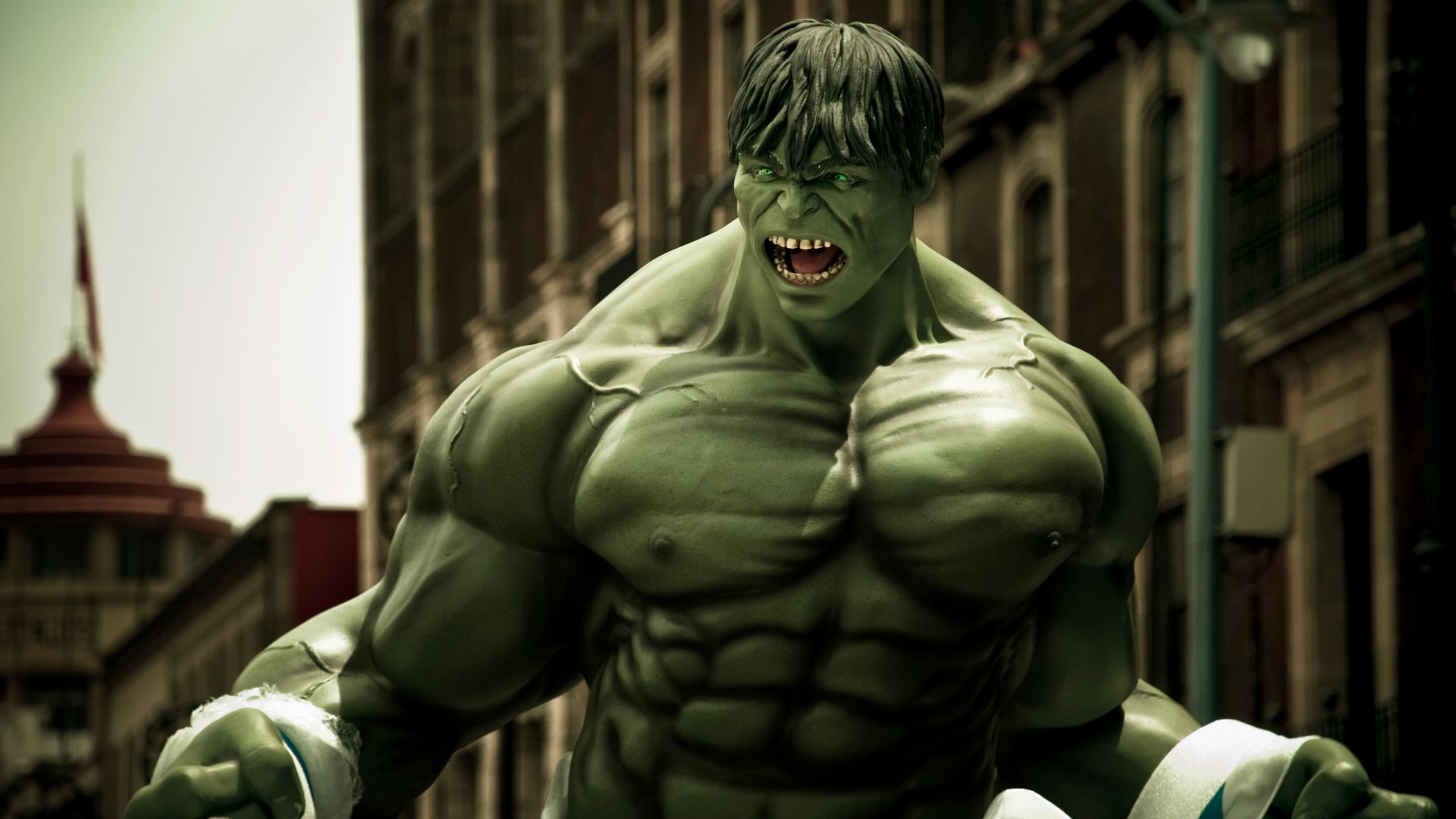
10. The Sentry
Sentry is written like a miracle, then exposed as a liability with a built-in catastrophe. When the Void side takes over, the destruction is not a one-off rampage, it’s an existential hazard that follows him like a shadow. A villain can be fought, yet a hero who carries the villain inside is harder to contain.
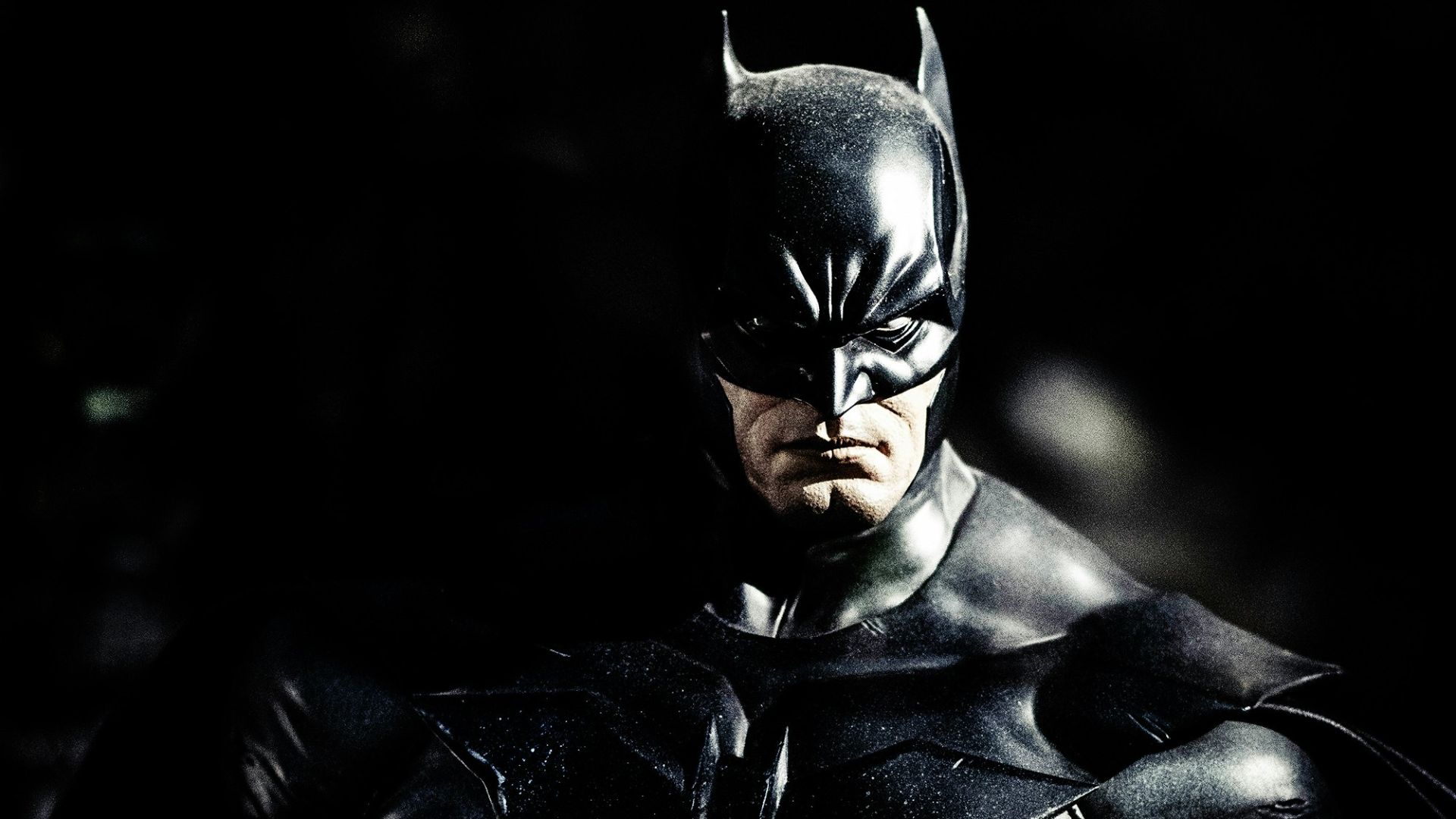
11. Batman
Batman’s need for control has a habit of producing the very threats he fears. Plans like those seen in Tower of Babel, and the broader paranoia that fuels projects like Brother Eye, turn contingency into escalation. The villains capitalize, yet the real damage comes from a hero deciding trust is a weakness.
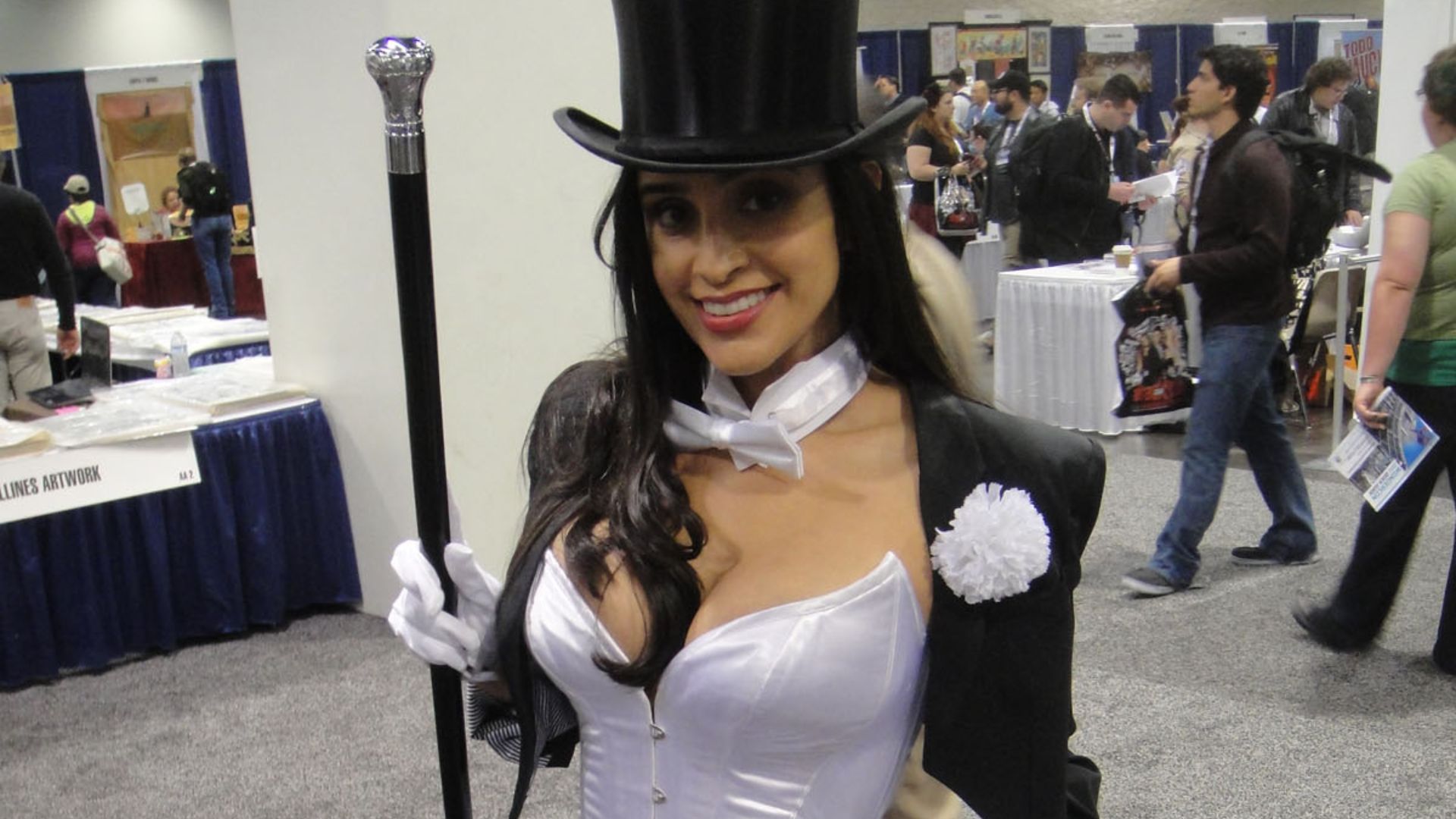
12. Zatanna
When the Justice League starts altering minds to protect secrets, the line between heroism and manipulation breaks down fast. Zatanna’s involvement in identity erasures during the Identity Crisis fallout creates a rot that spreads through relationships and decisions. Villains lie, yet heroes rewriting people’s heads changes the rules of the world.
 The Conmunity - Pop Culture Geek from Los Angeles, CA, USA on Wikimedia
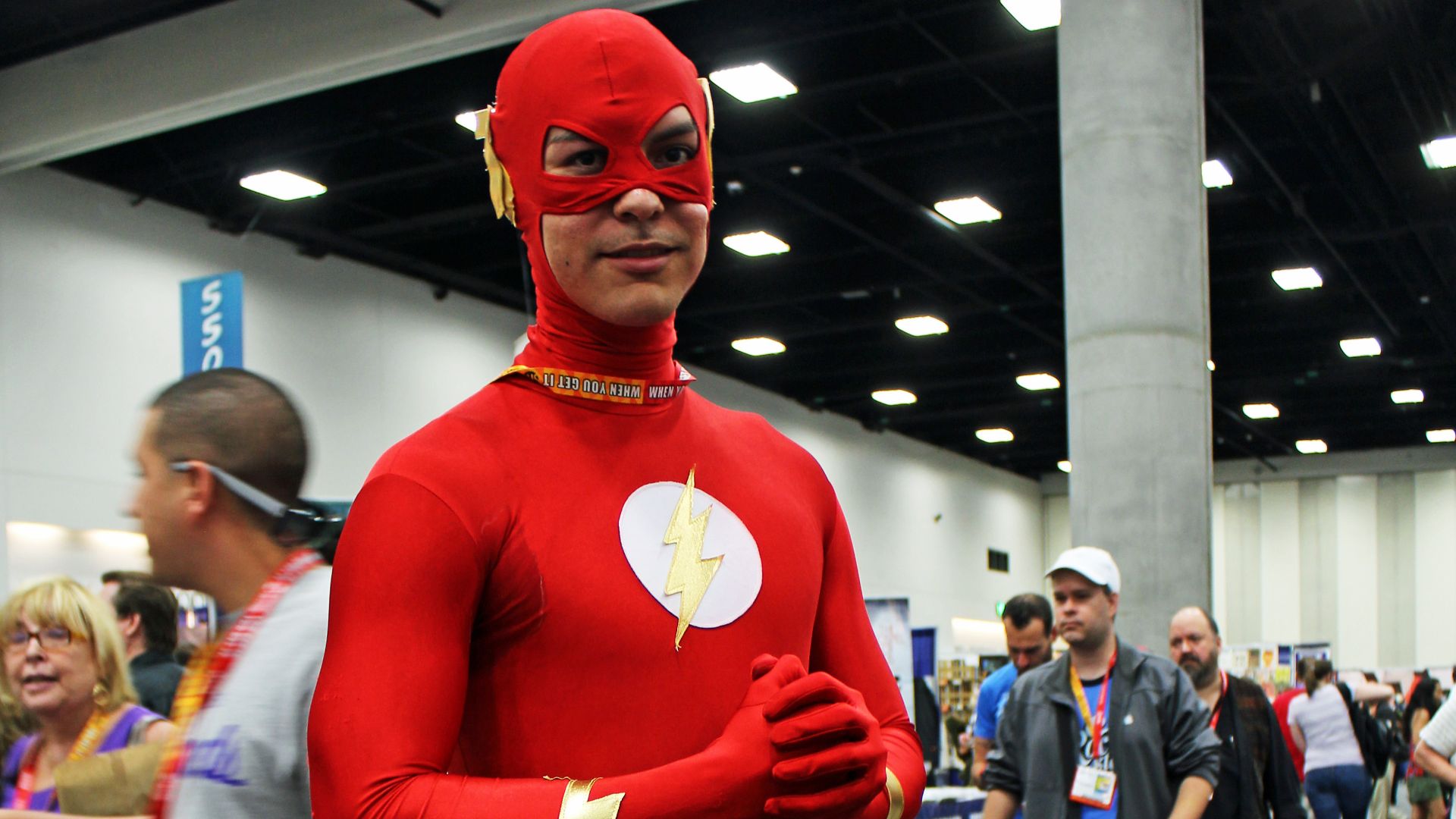
13. The Flash
Flashpoint is the cautionary tale that never stops being relevant. Barry’s attempt to fix personal grief warps history into a harsher timeline, with losses that dwarf the original pain. The villain of the week barely matters when the hero’s time travel becomes the real weapon.
 Ryan Quick from Greenbelt, MD, USA on Wikimedia
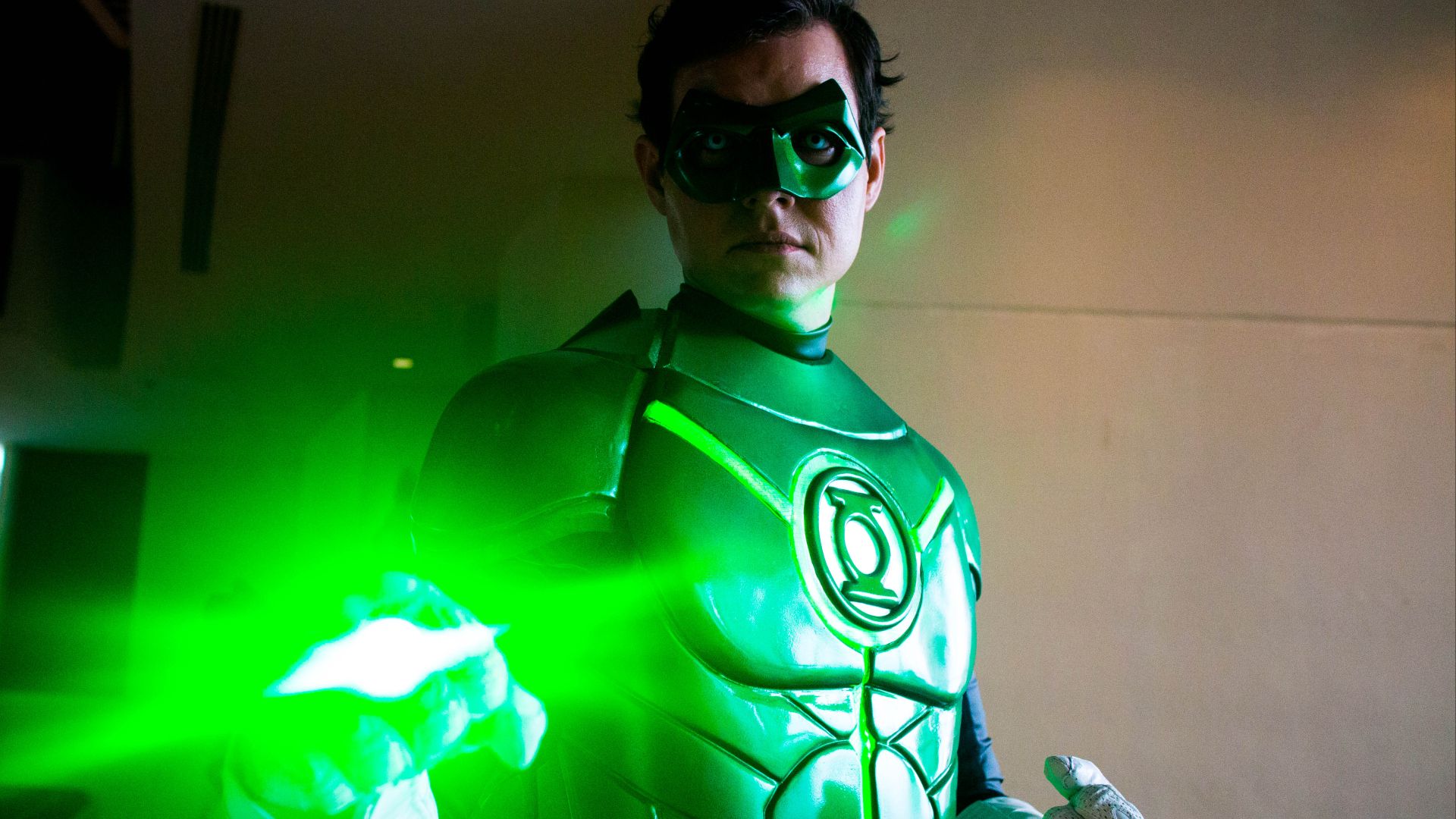
14. Hal Jordan
Emerald Twilight turns a beloved Green Lantern into the architect of massive loss, including the destruction of Coast City and a collapse of trust across the Corps. The tragedy is that grief and pride do the work more than any villain scheme. When a hero with cosmic authority breaks, the blast radius becomes everyone’s problem.
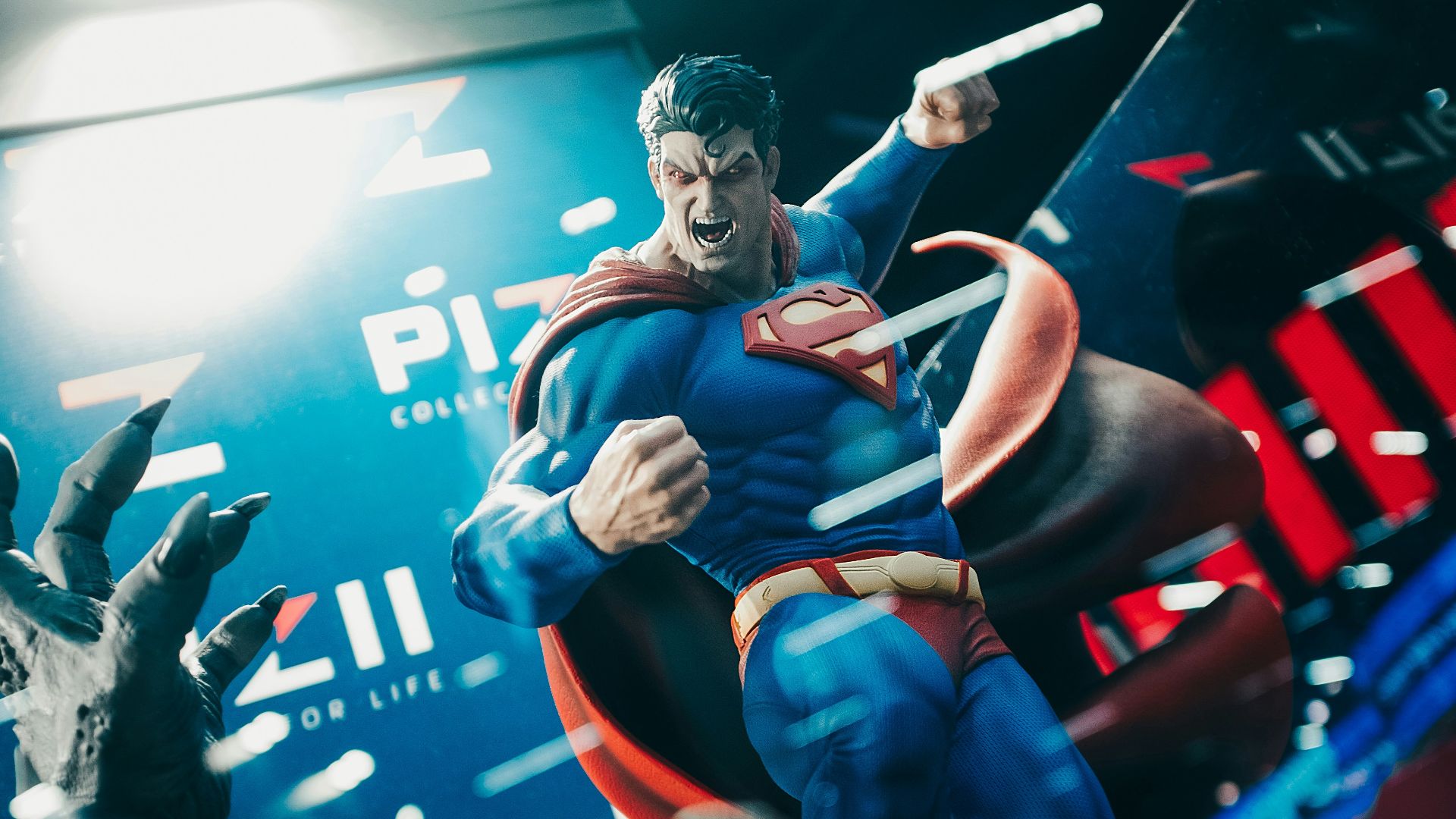
15. Superman
Injustice hits because Superman starts from a place most people recognize, a brutal loss, and turns it into a mandate. His crackdown creates a regime where dissent becomes punishable and power becomes its own justification. Villains kill and terrorize, yet the deeper damage is watching hope get converted into enforcement.
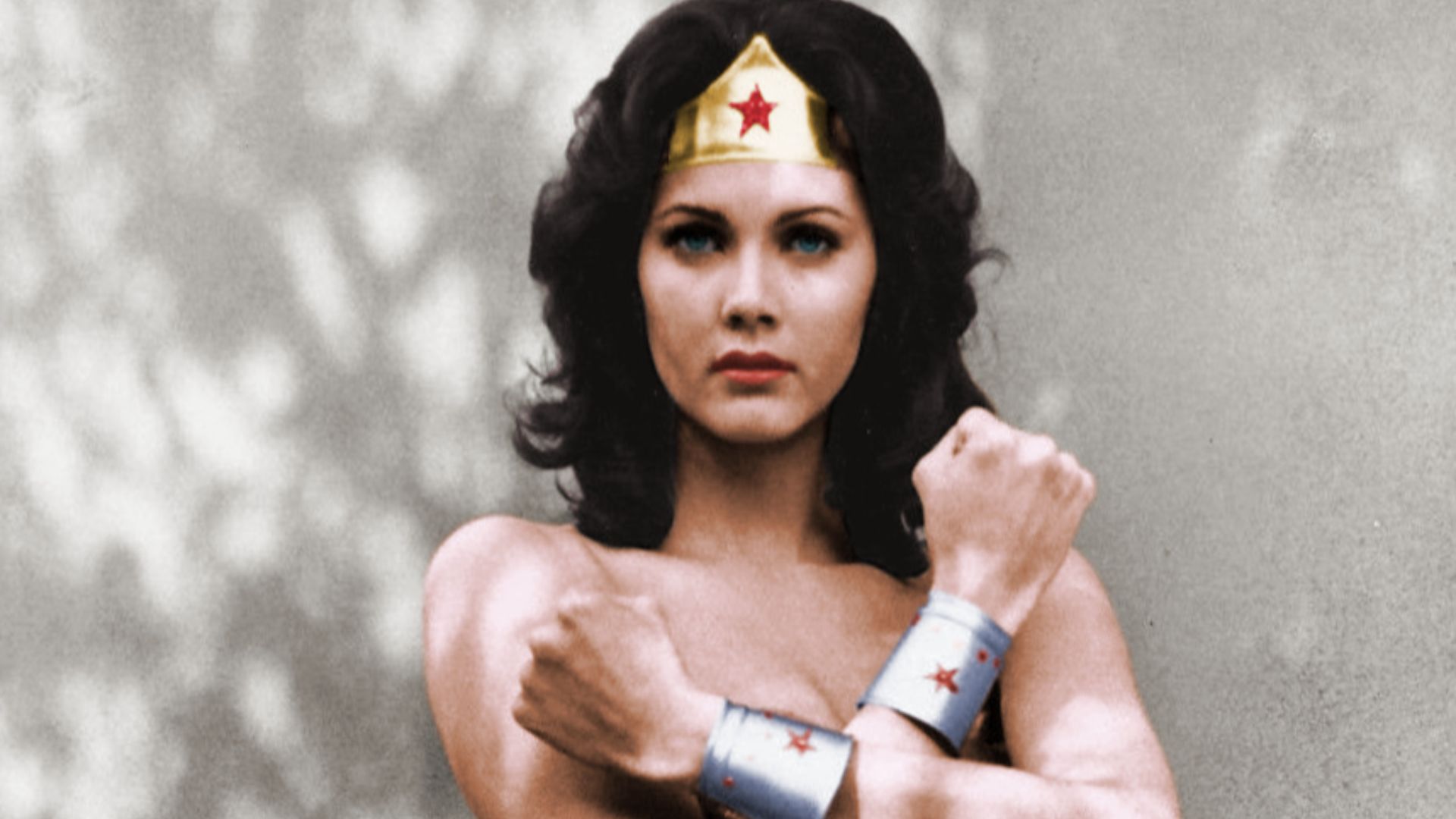
16. Wonder Woman
Wonder Woman’s worst damage often comes when she decides that decisiveness is the same as justice. In stories where she chooses lethal force or endorses hard measures to stop larger threats, the immediate problem may end, yet the moral cost keeps compounding. The villains threaten peace, yet the hero’s solution can narrow what peace even means.
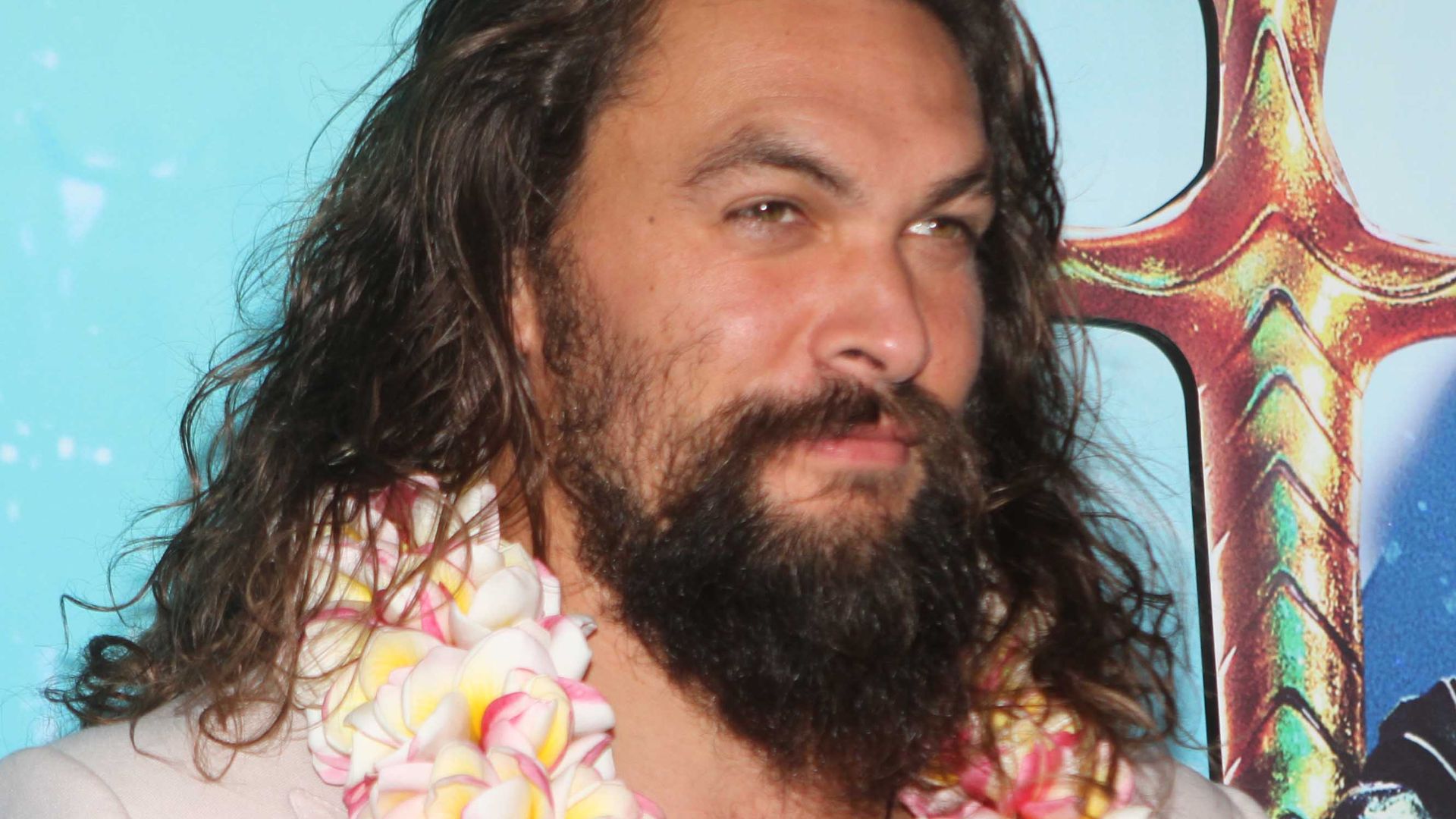
17. Aquaman
Aquaman stories regularly hinge on the collision between two worlds, and he sits at the point of impact. When Atlantean conflict spills onto the surface, cities flood and civilians pay for ancient grudges they never agreed to inherit. The villain may ignite the war, yet the hero-king’s power makes him a central source of the damage.
 Eva Rinaldi from Sydney Australia on Wikimedia
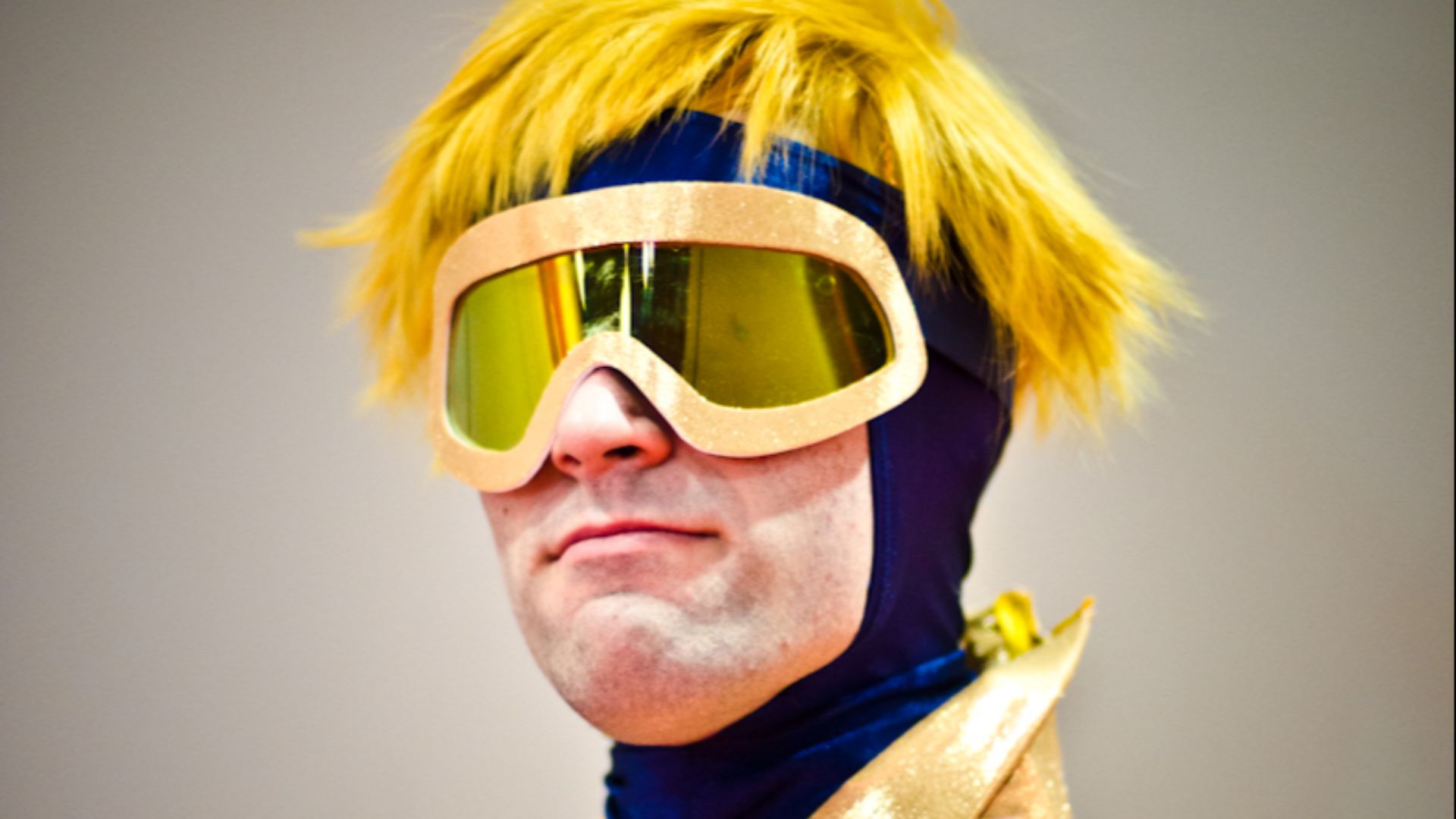
18. Booster Gold
Time travel heroes cause a special kind of ruin, because the harm is not always visible right away. Booster’s attempts to fix outcomes can create worse timelines, new casualties, and the slow realization that meddling multiplies problems instead of solving them. The villain does one bad act, and the hero accidentally manufactures a decade of consequences.
 Marnie Joyce from New York City, USA on Wikimedia
19. Invincible
Invincible is a series that refuses to pretend super fights stay tidy. When Mark Grayson collides with threats at full speed, cities break, bystanders die, and the hero has to live with the fact that trying harder can still make the crater bigger. The villains are brutal, yet the collateral often comes from the hero staying in the fight.
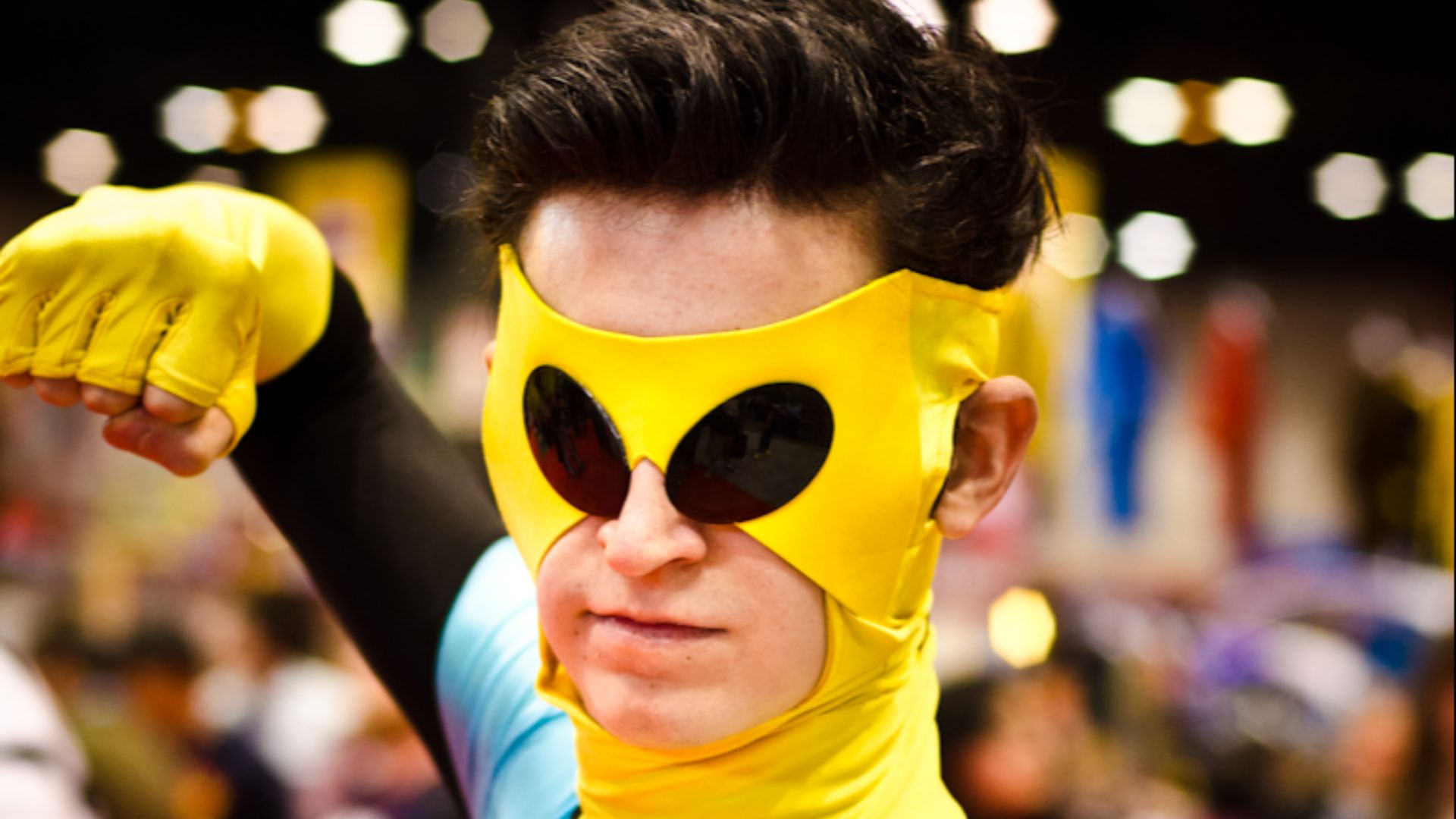 Marnie Joyce from New York City, USA on Wikimedia
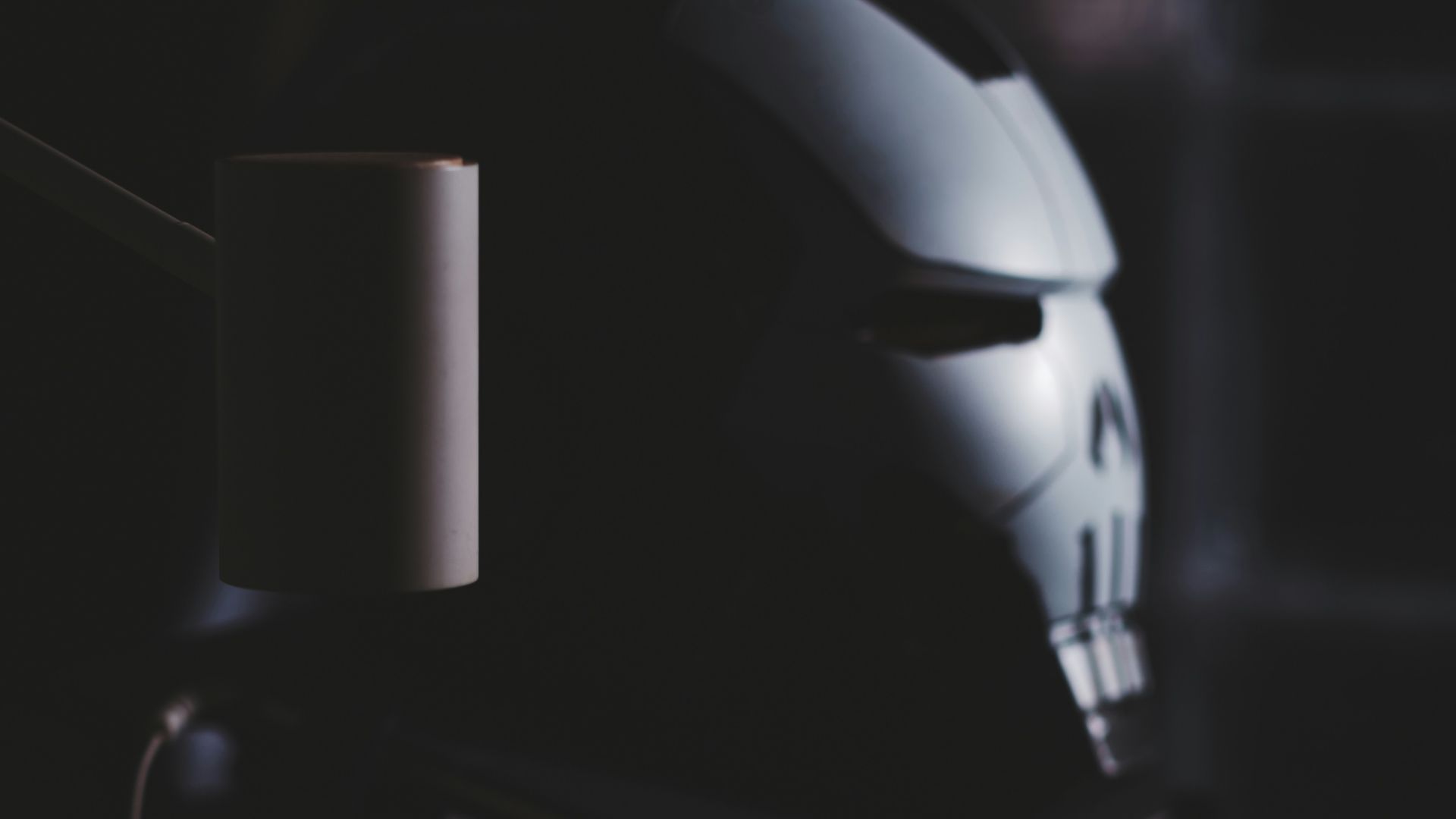
20. The Punisher
Frank Castle’s entire method treats violence as a cleansing tool, and it rarely stays targeted the way he claims it does. His body count, his escalation, and the copycat energy he inspires can create more instability than the criminals he removes. Villains do harm for profit, and the Punisher does it as policy.


.jpg)