Nintendo Never Had Sonic the Hedgehog
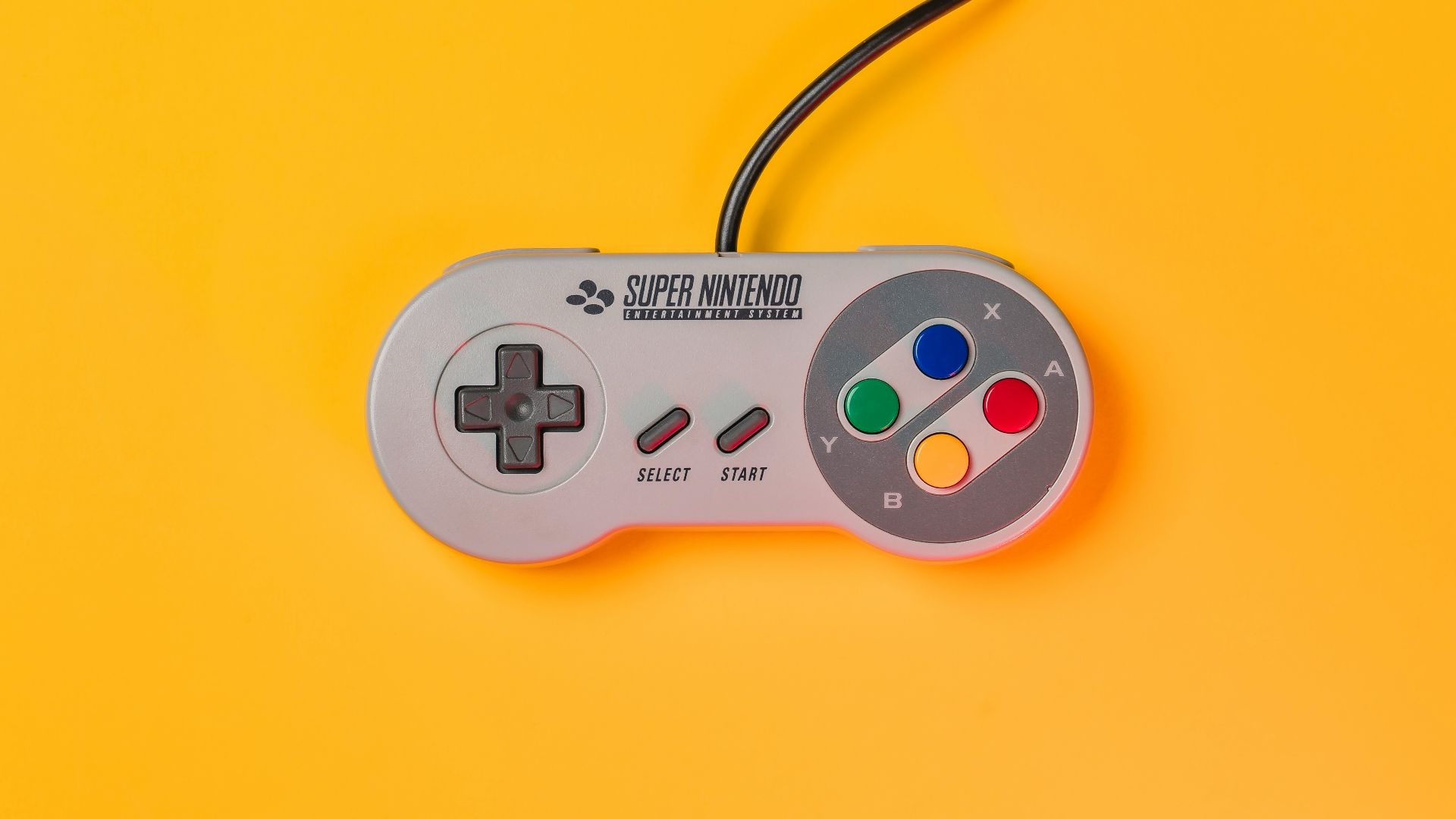
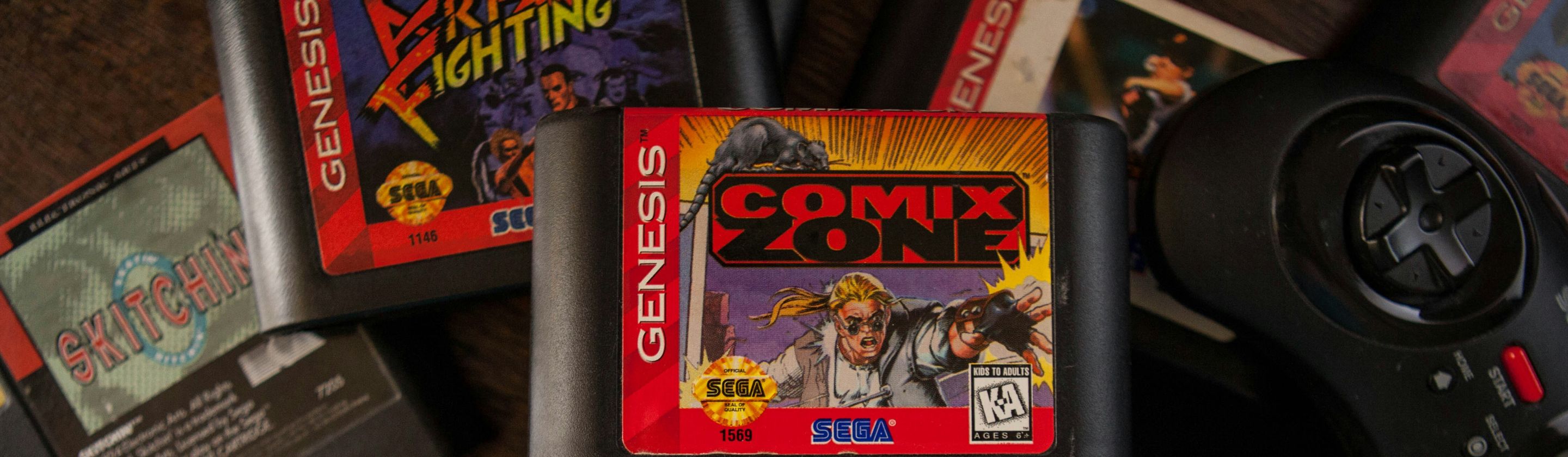
If you were a kid in the '80s and '90s, you had to pick a side: Sega or Nintendo. Sure, both were awesome and provided hours of entertainment, but it was hard choosing a favorite. Looking back nostalgically doesn't provide that much more clarity, but it's worth a shot. Here are 10 ways Sega was better than Nintendo and 10 ways it didn't stack up.

1. Sega's Edgier Image and Marketing
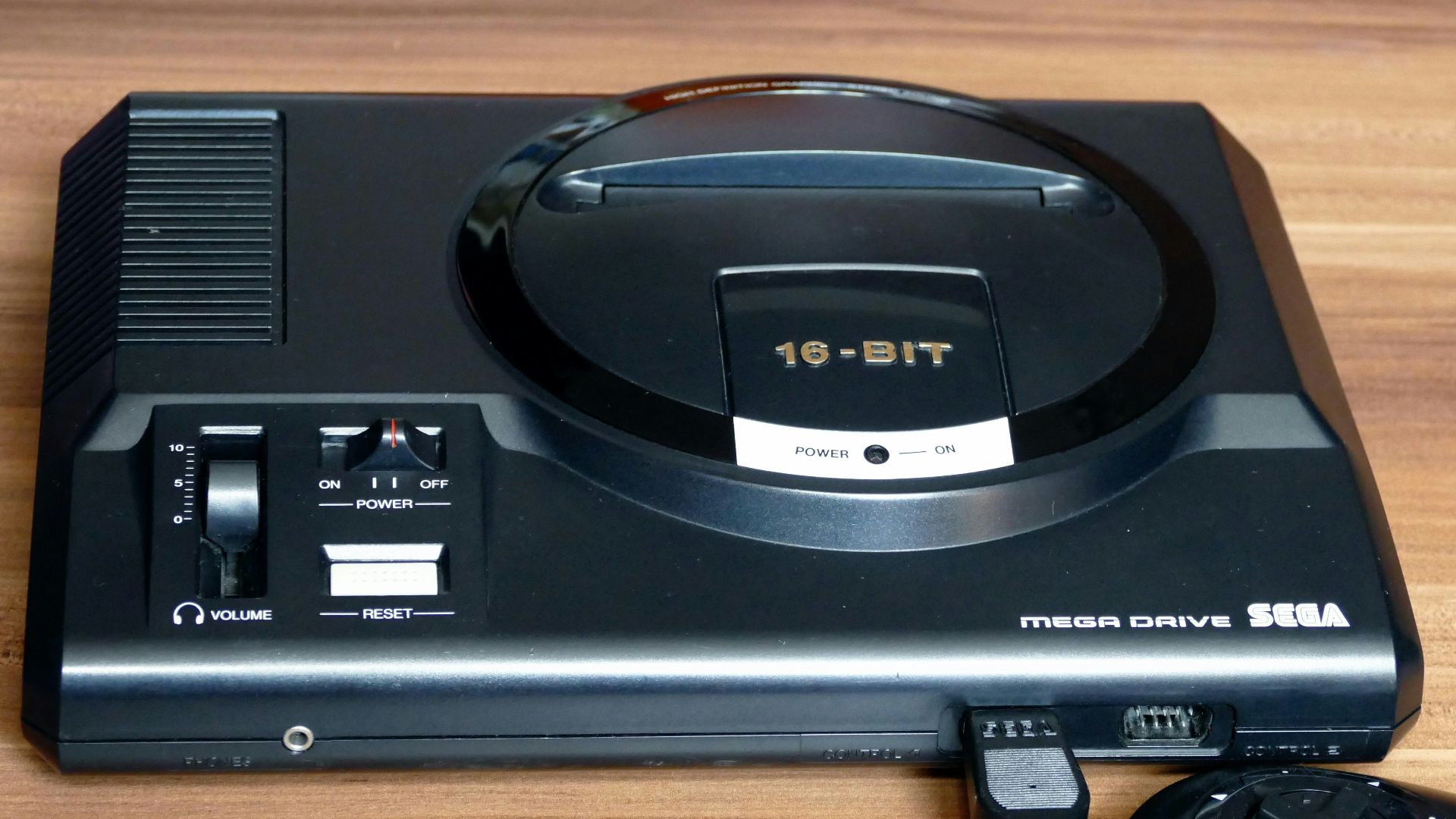
Sega positioned itself in the gaming market as the rebellious alternative to Nintendo's safe and family-friendly vibe. Campaigns like "Genesis Does What Nintendon't" conveyed its attitude toward its competitor, and their fast-paced games and bold visuals appealed to teens and young adults.
2. Speed and Style of Sonic the Hedgehog
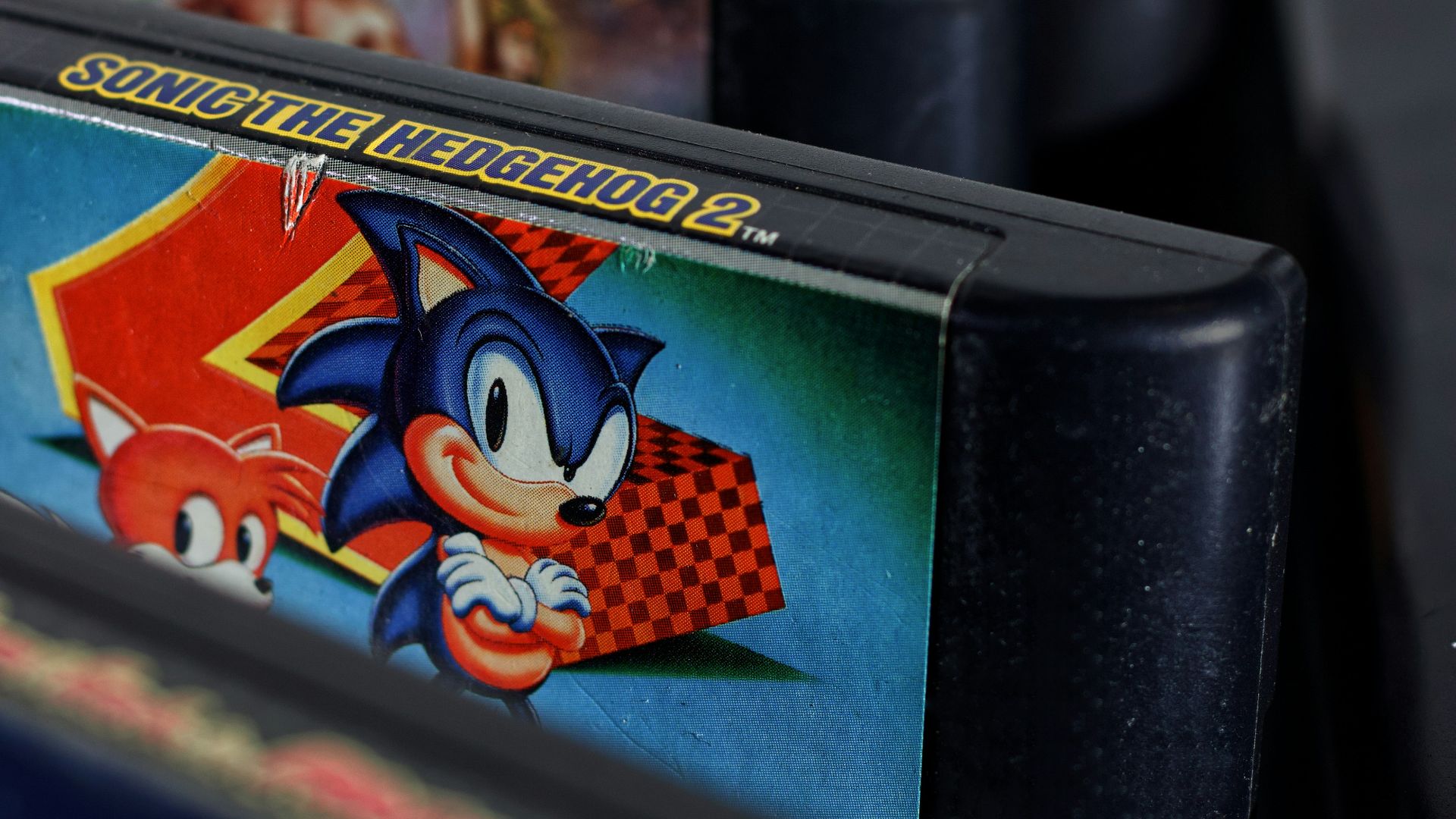
Sonic quickly became Sega's defining mascot, embodying everything the company wanted to achieve and project. This character and games were about speed, style, and being cool. It was a sharp departure from Mario's methodical platform style.

3. Arcade-Perfect Ports
Sega had an illustrious history of being an arcade giant, and this gave them the edge in bringing an arcade-like experience to the home of gamers. Their games captured the intensity, speed, and flash of arcade games, something that Nintendo wasn't quite able to do.
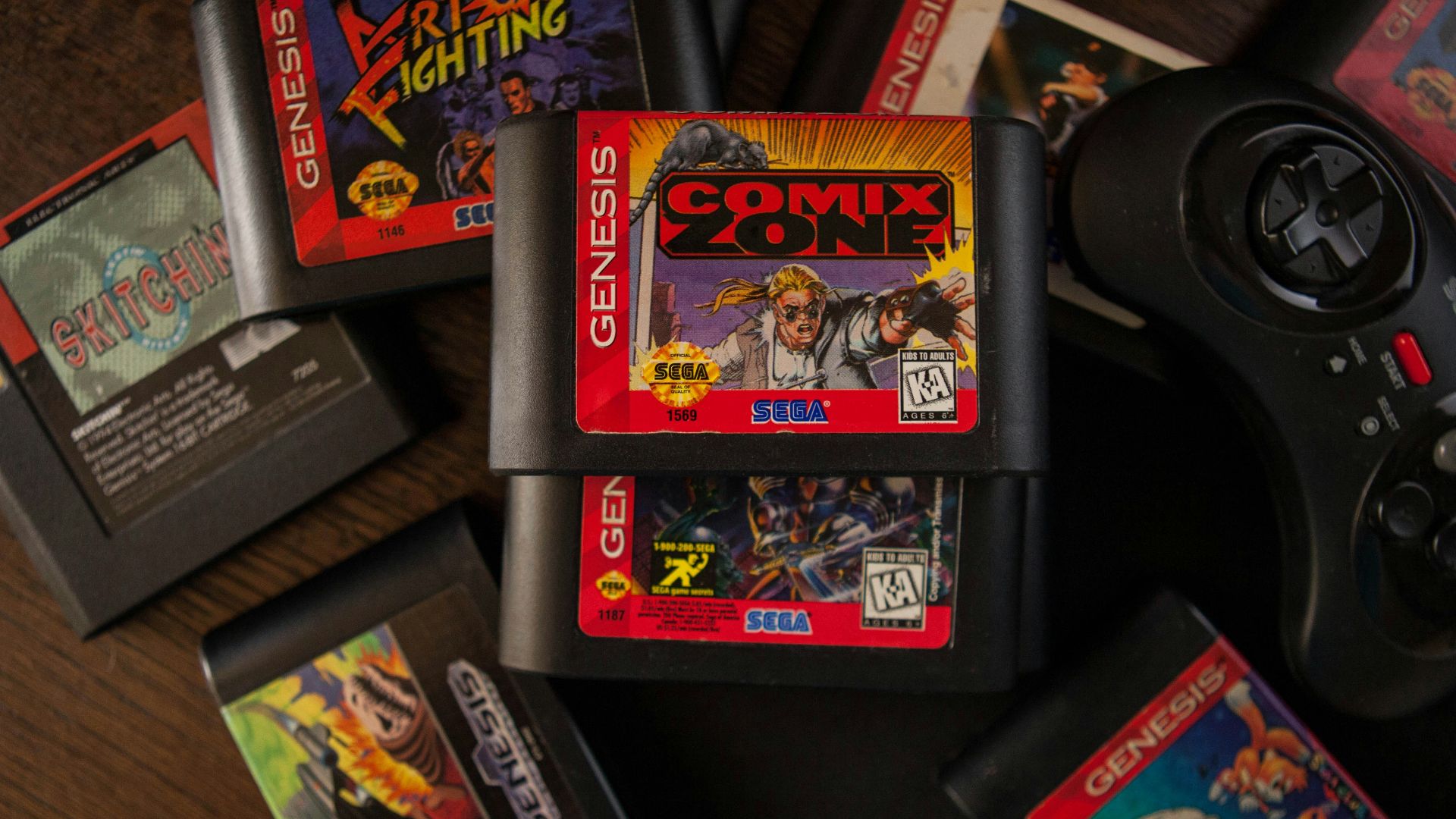
4. Better Sports and Mature Games
Sega successfully courted older players by offering realistic sports titles like NHL '94. They had just as much success with mature franchises like Mortal Kombat. These titles gave them a violent edge in sales and marketing over Nintendo.
5. More Powerful Audio Hardware
The Sega Genesis was built with Yamaha's YM612 FM synthesis chip, which produced deeper bass and crisper and more dynamic soundtracks than the NES. Games like Streets of Rage 2 showcased bombastic techno-inspired soundtracks that proved Sega's audio savvy.
6. Early Online Play with Sega Channel
Before Xbox Live, there was the Sega Channel. This innovative subscription service allowed players to download and play games via cable TV. It was ahead of its time, but too niche to really catch on. Still, Sega gets full points for being visionary.
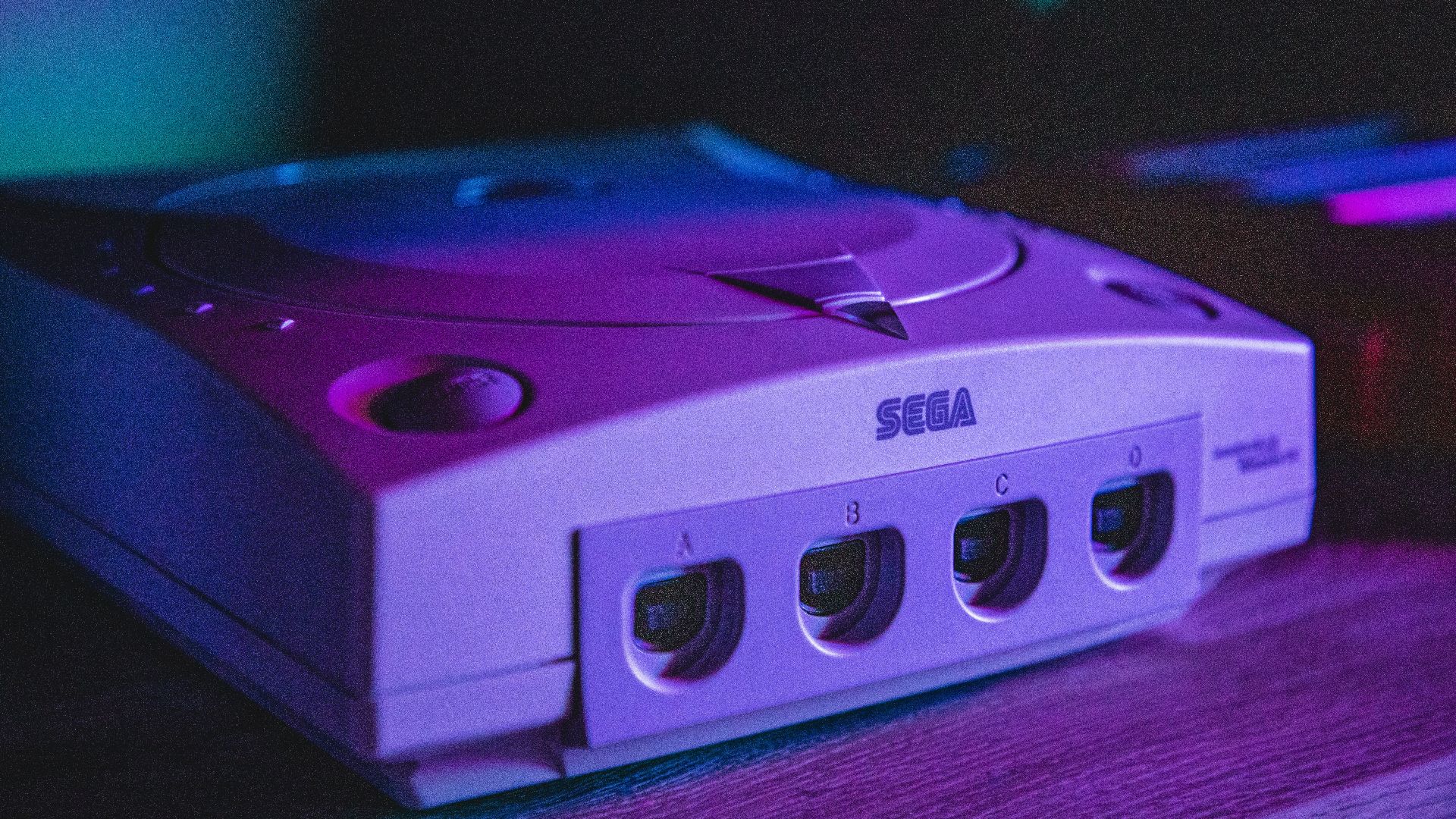
7. The Sega Dreamcast Features
Some have labeled the Dreamcast as a commercial flop, but if anything, it was ahead of its time. It was the first console with a built-in modem for online play and true 3D performance. Despite its short life on store shelves, the Dreamcast remains a beloved icon of gaming innovation.
8. Aggressive Global Expansion
Sega was quicker to expand its hardware and marketing globally. It grew its popularity in Europe and South America at a time when Nintendo's licensing model was limited and restrictive. This helped Sega dominate more markets than Nintendo in its heyday.
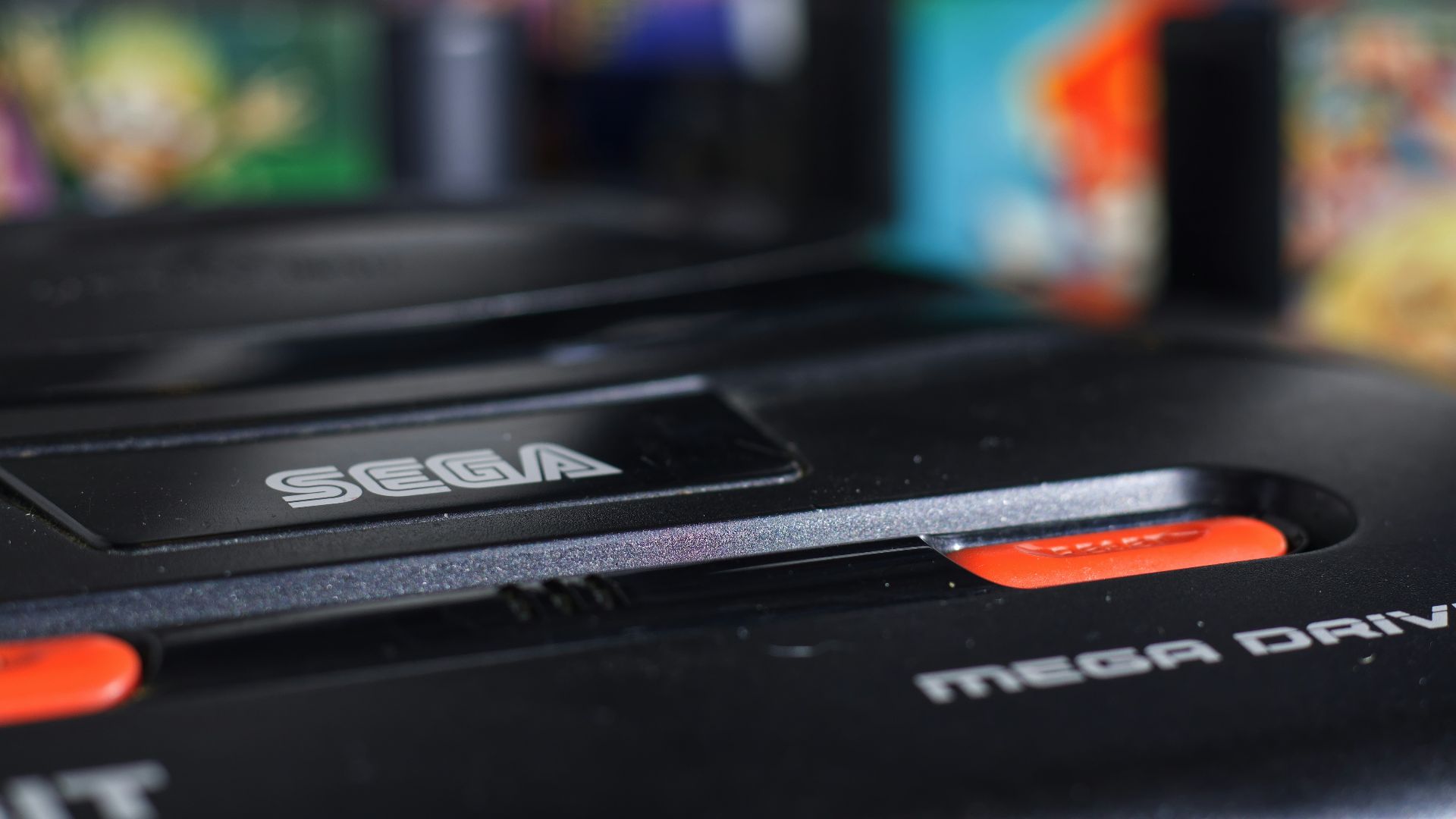
9. Sega CD and 32X Experiments
Sega's willingness to experiment with multimedia was envied by its competitors. The Sega CD introduced full-motion video games, voice acting, and exemplary audio, years before Nintendo ventured down these roads.
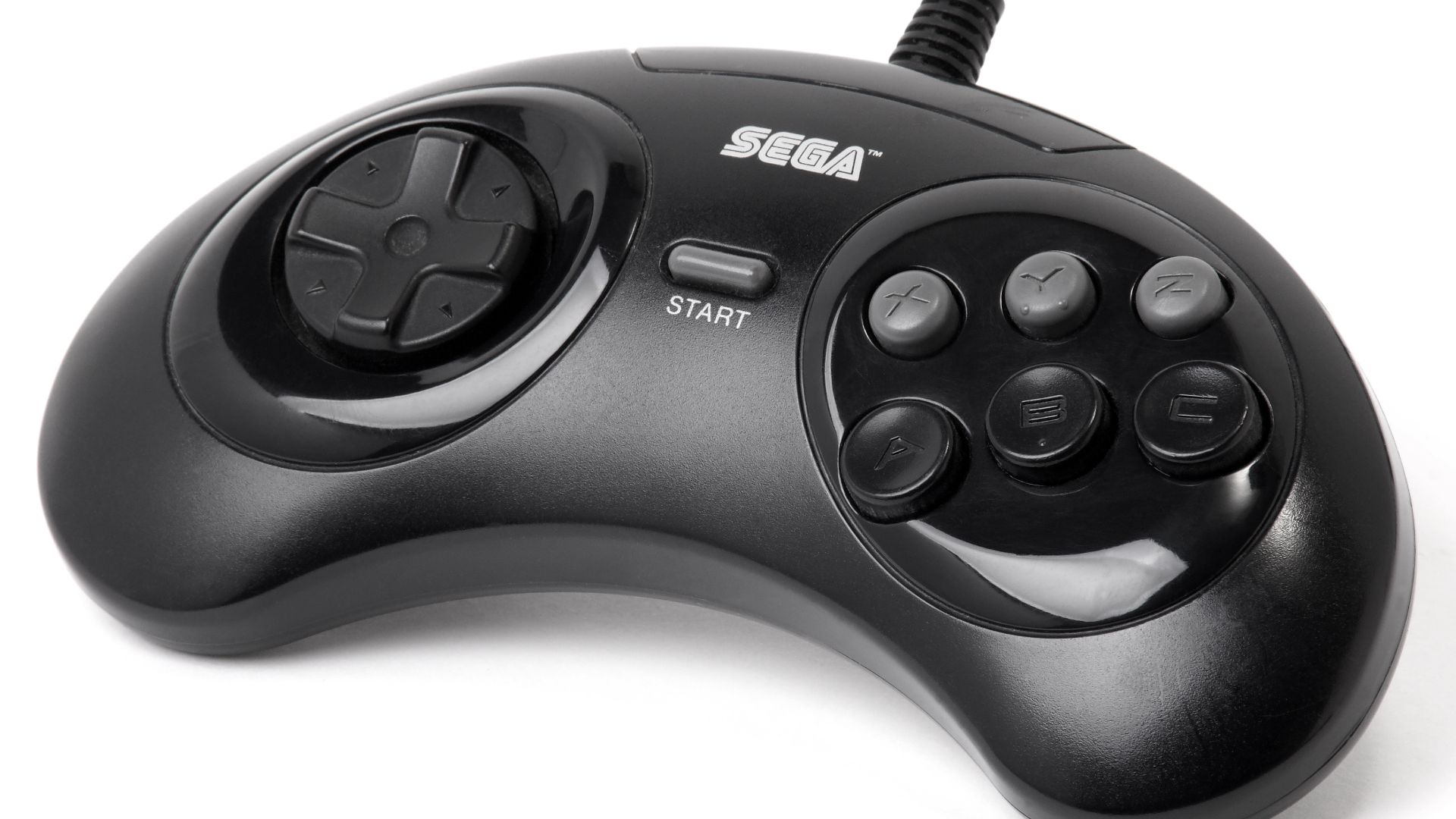
10. Faster Release Schedule and Diverse Library
Sega offered the market broader and more experimental gaming options and pushed those titles into stores faster than Nintendo. The quality varied, but Sega's output was admirable and helped them keep pace in the market.

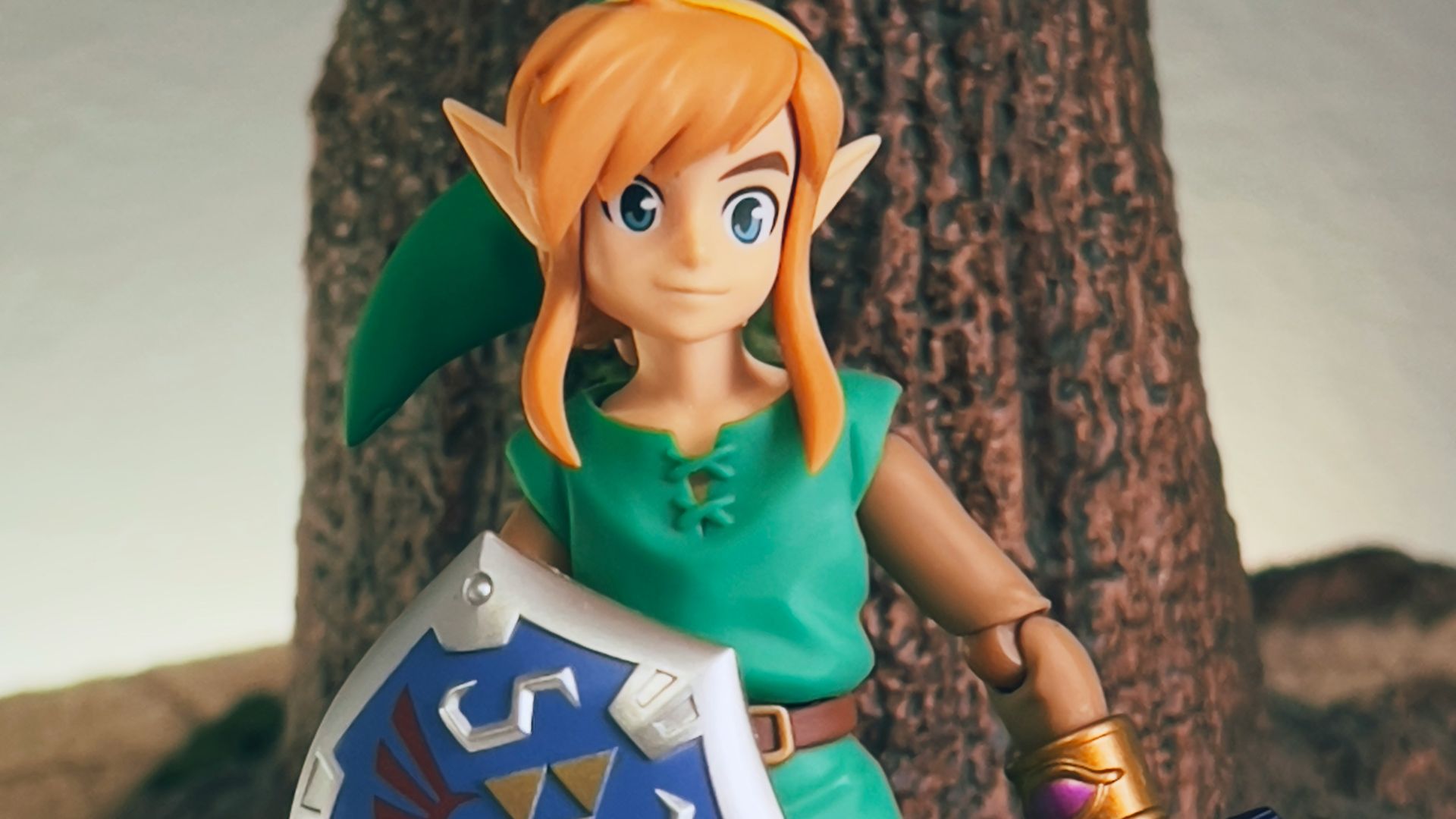
1. Weaker First-Party Game Quality Control
Nintendo was better at maintaining consistency in polish and gameplay design than Sega. Franchises like Zelda and Super Mario were expertly crafted and generated huge and loyal fanbases.
2. Fragmented Hardware Strategy
Sega's rapid-fire hardware launches sometimes confused consumers. Their add-ons were also divisive and made developers hesitant to invest in uncertain platforms. Nintendo's strategy was steadier and focused on leaning into one strong system.
3. Poor Third-Party Relations
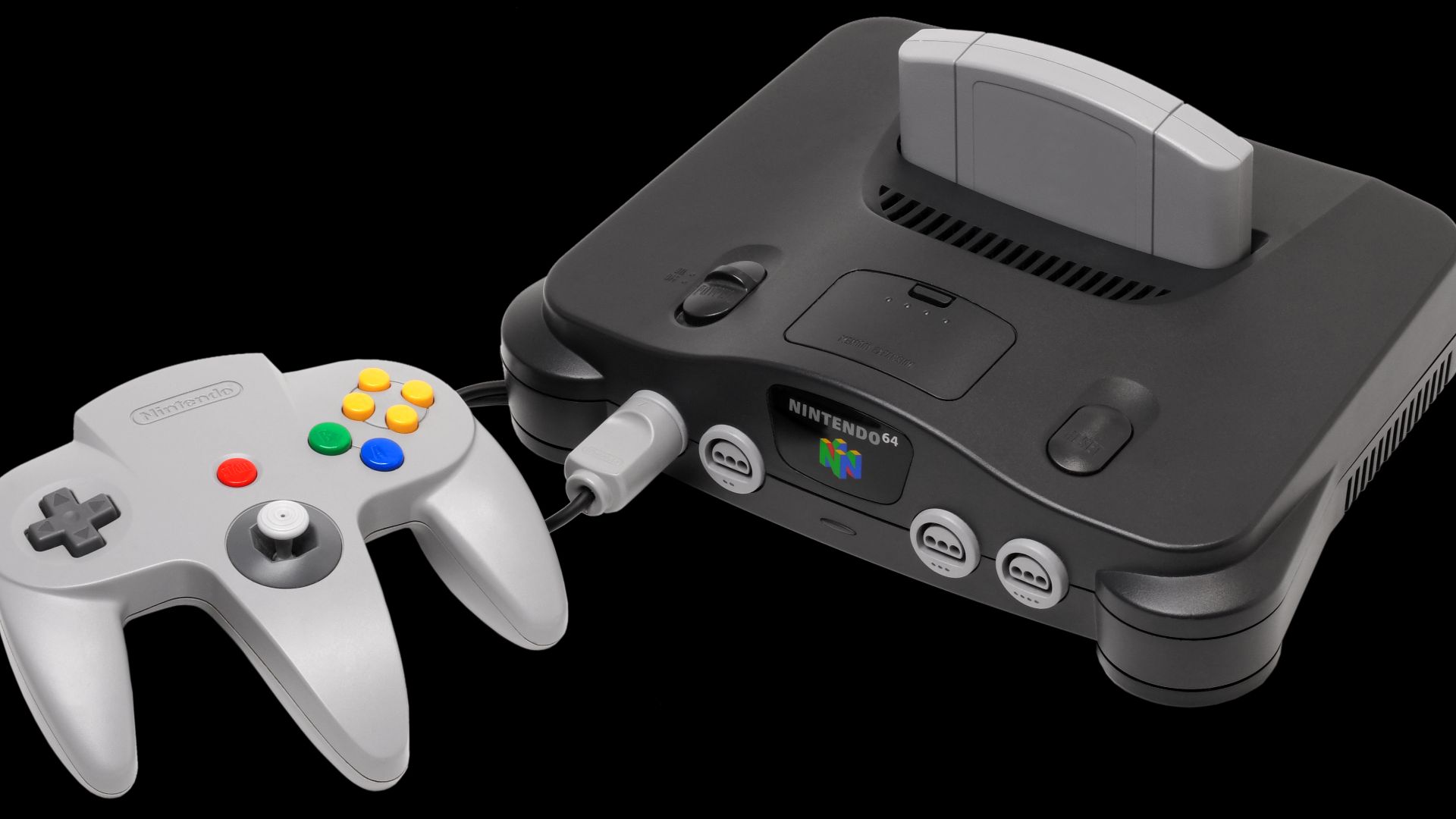
Nintendo has always had a strict but reliable licensing system, which created a stable ecosystem that was appealing to developers. Sega, on the other hand, tended to alienate third-party partners with unpredictable strategies and shifts in hardware.
4. The Sega Saturn's Complex Architecture
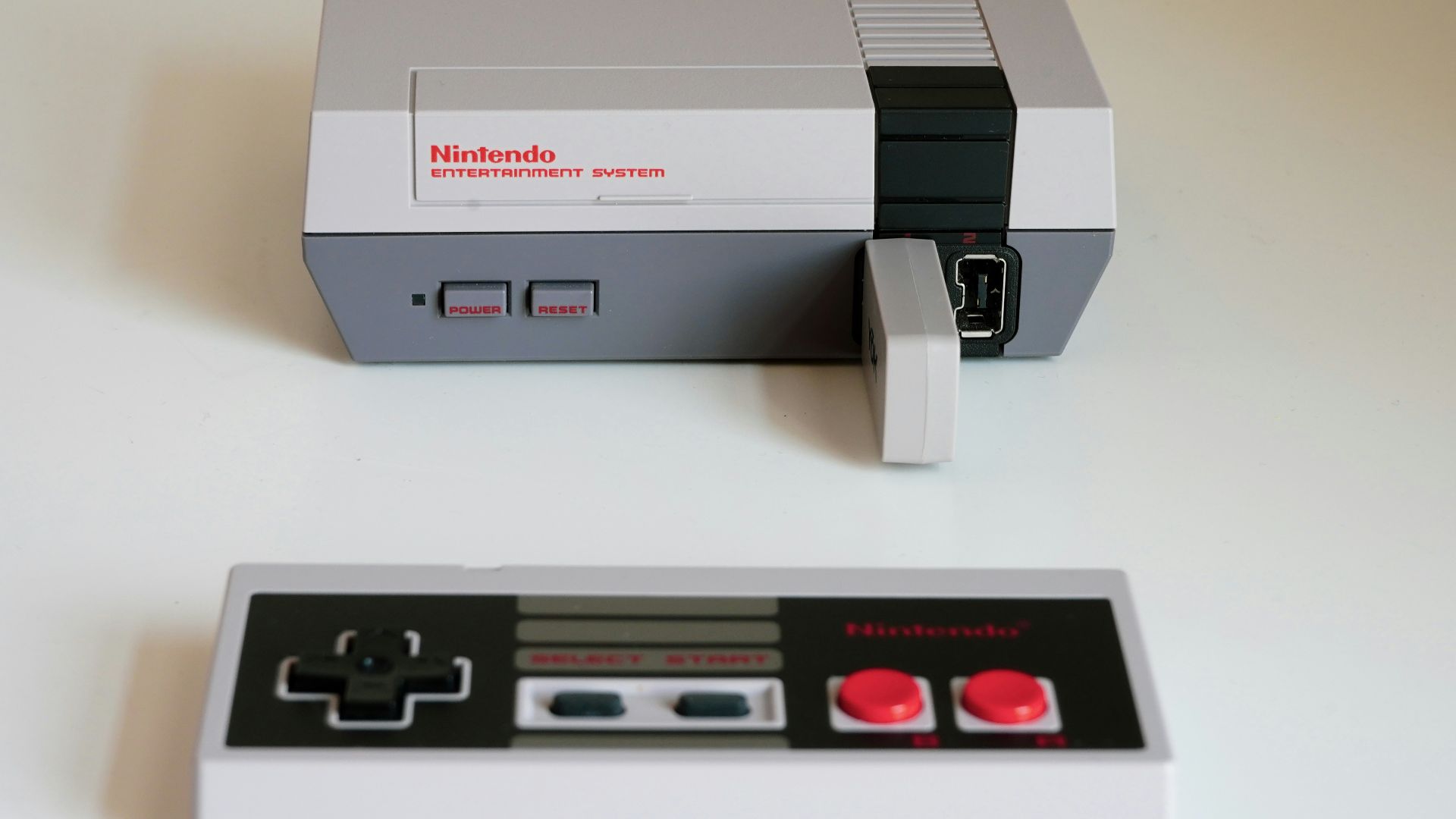
The Saturn's dual-CPU design was impressive but difficult to program for. It excelled at 2D, but developers struggled with 3D just as the market was transitioning into the 3D era.
5. Marketing Missteps
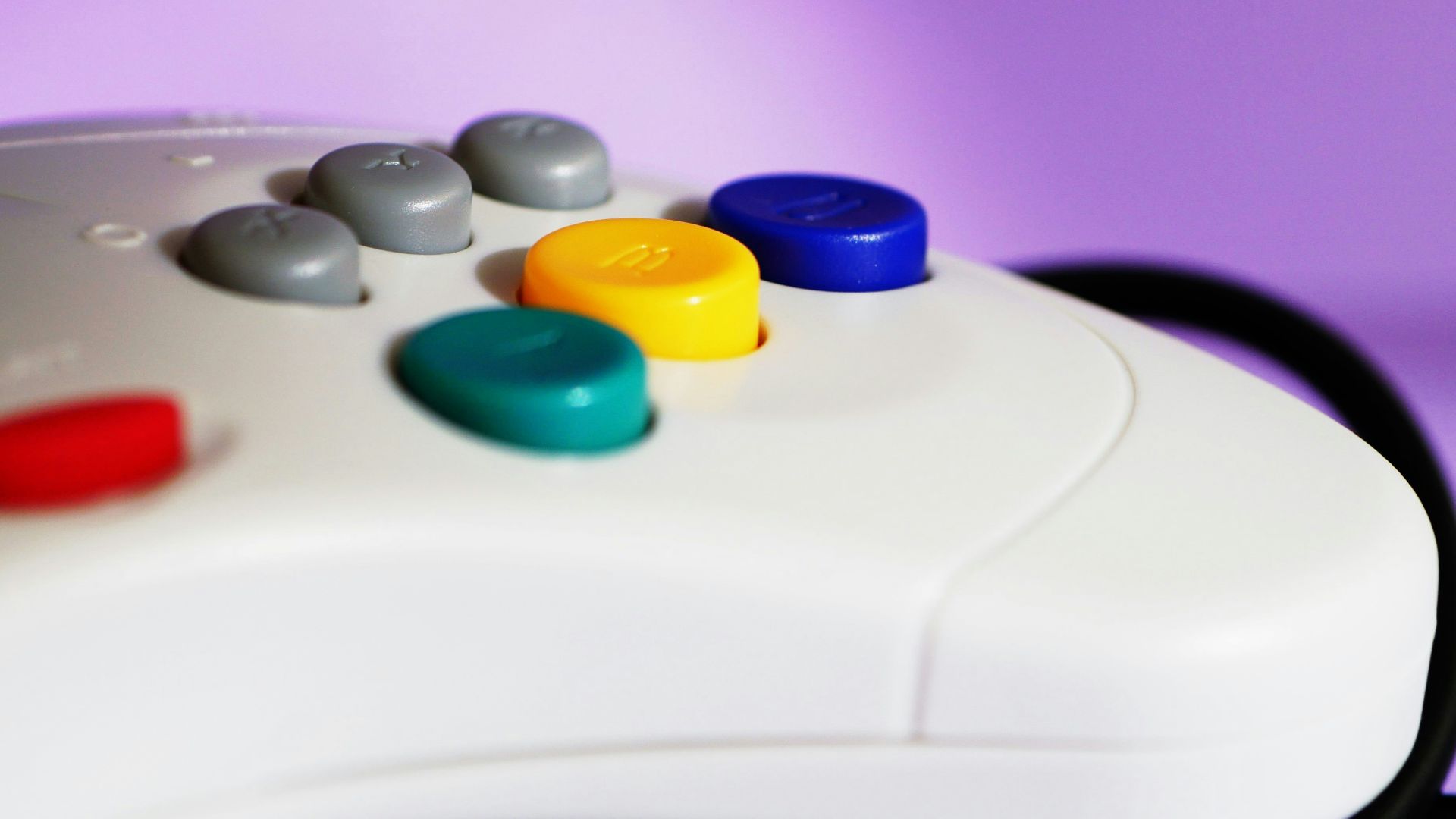
Sega lost its marketing focus after the success of the Genesis. The rush to release multiple systems diluted its branding. Consumers were at a loss as to which system to buy, and retailers grew annoyed at Sega's market strategy.
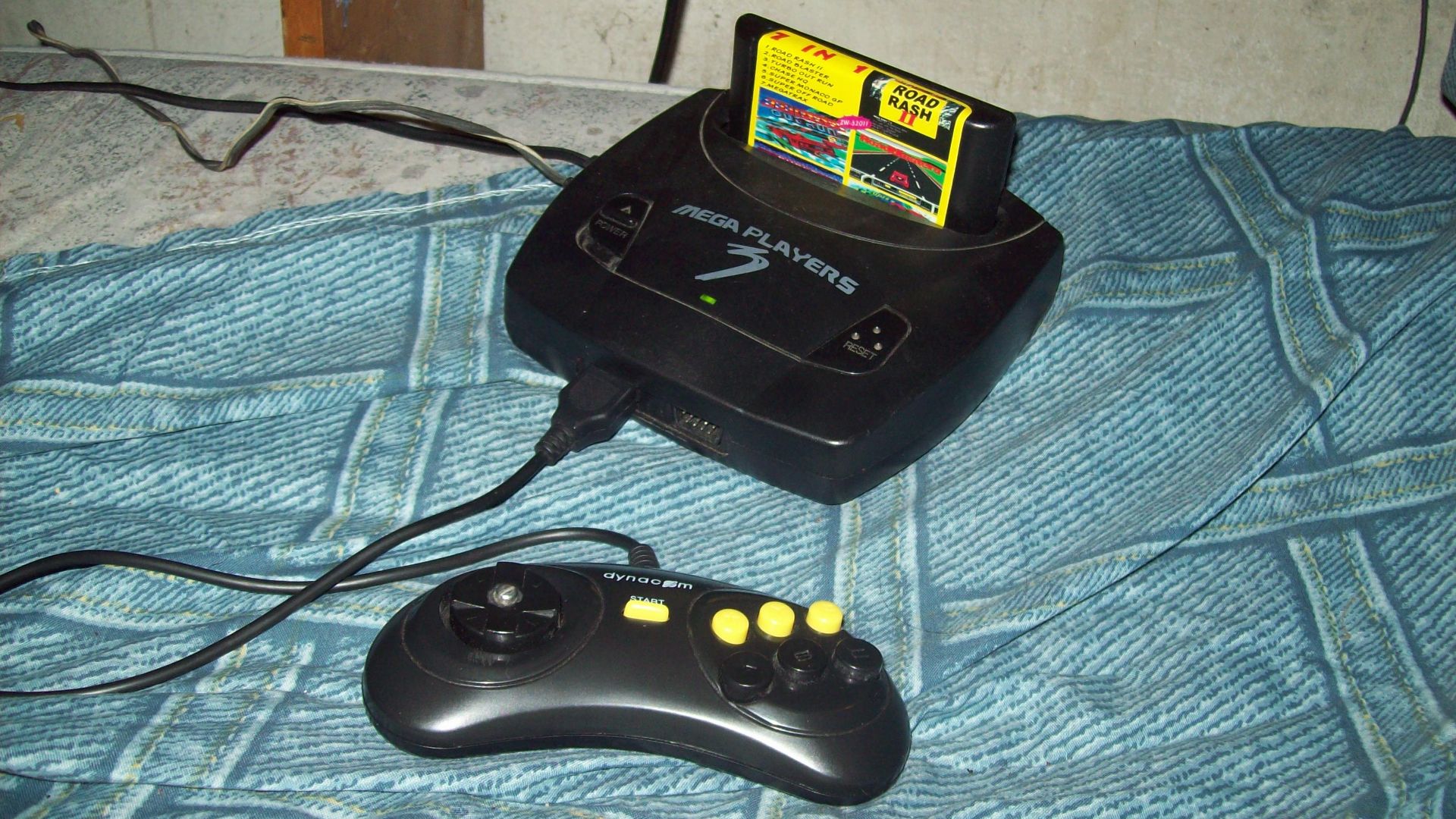
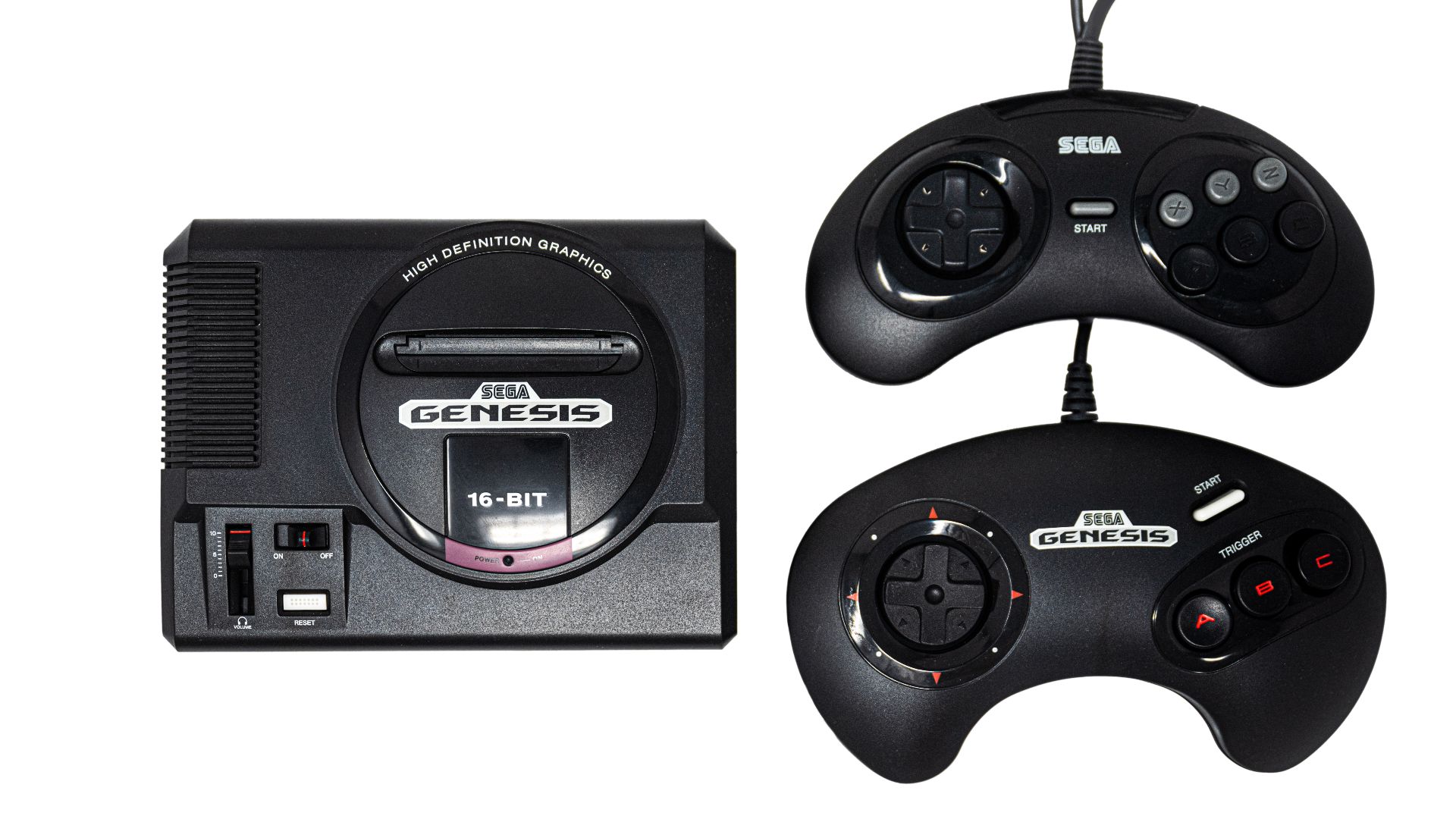 Wilfredo Rafael Rodriguez Hernandez on Wikimedia
6. Lack of Strong Portable Console Success
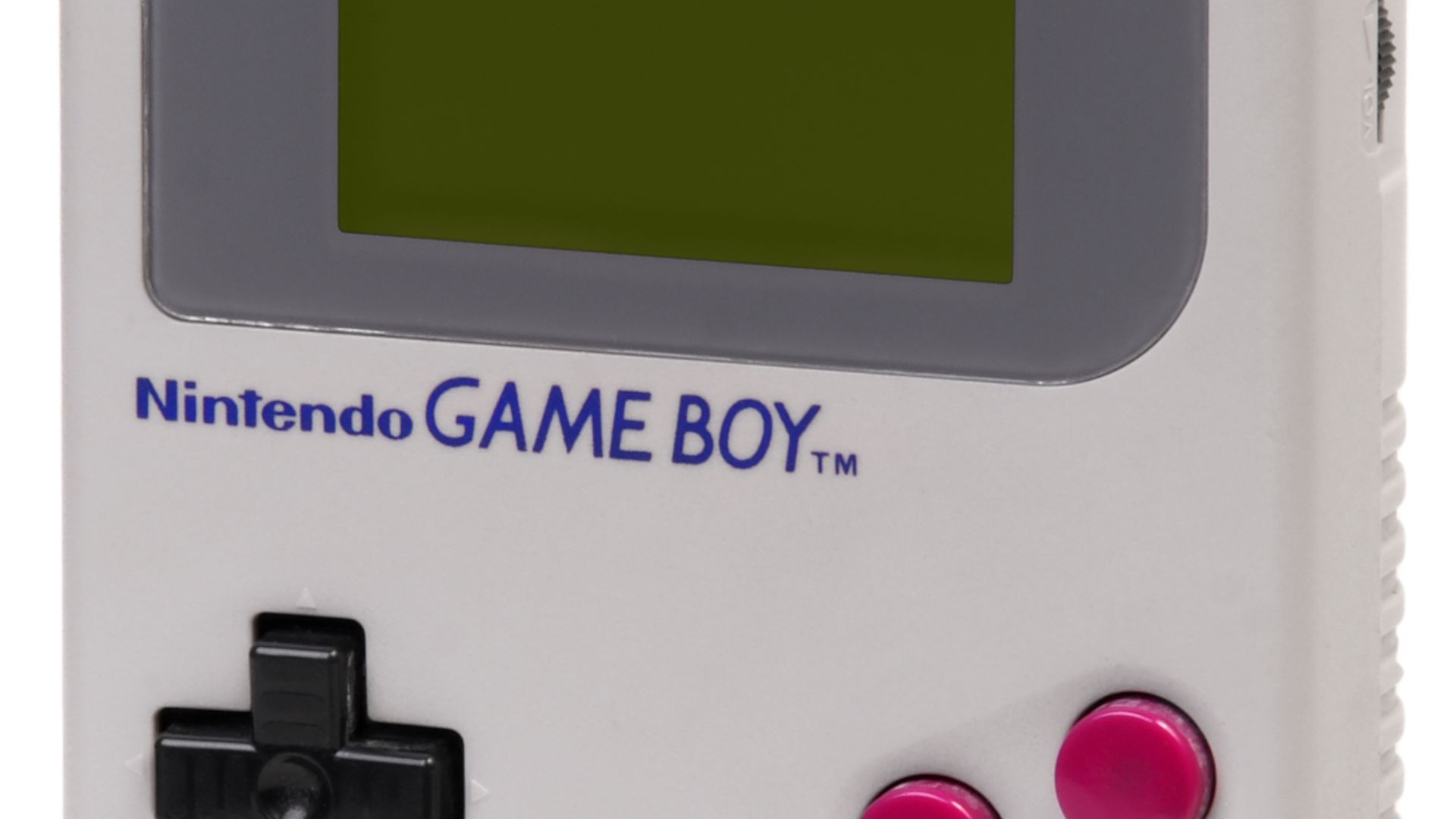
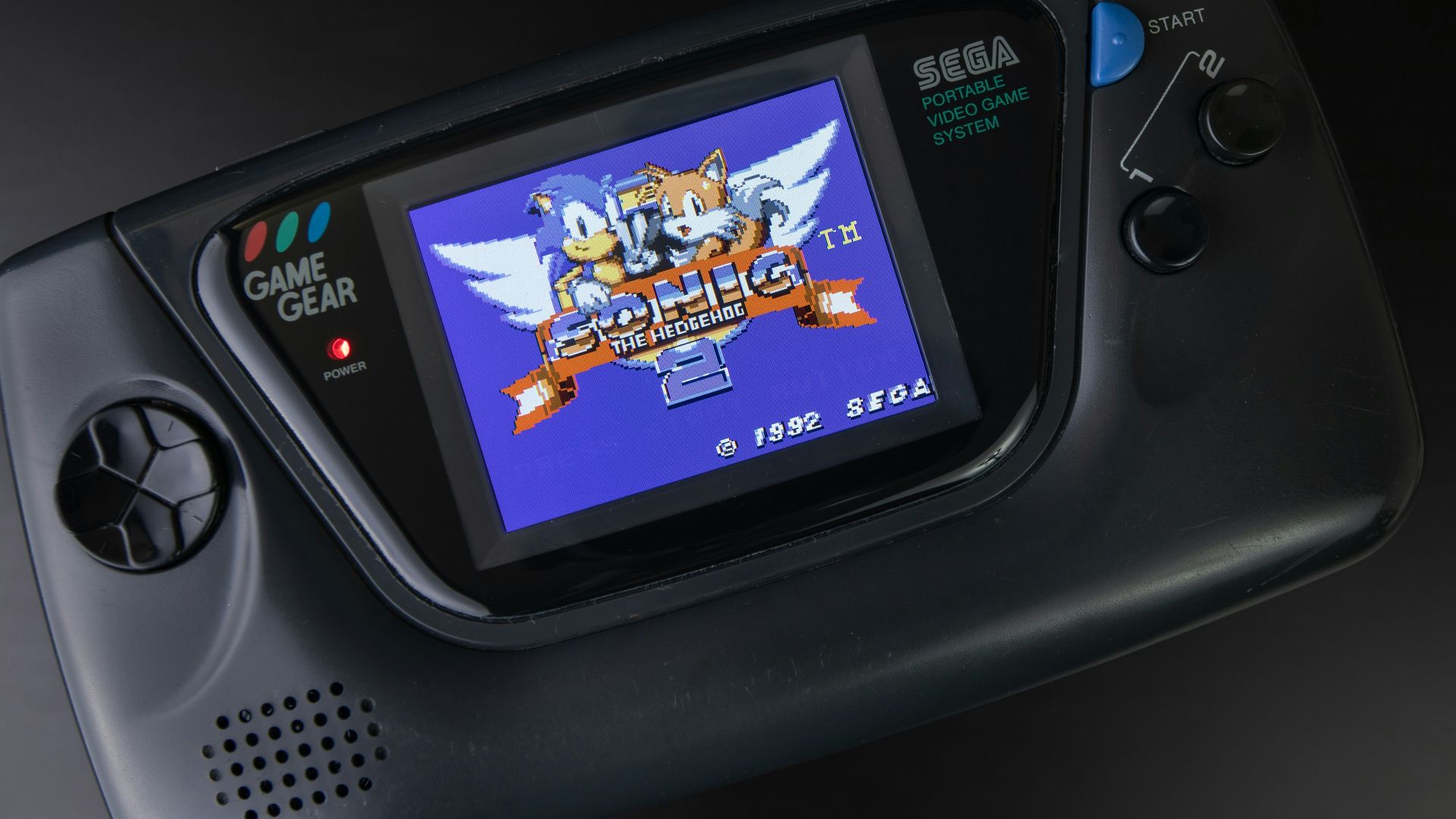
Nintendo's Game Boy was a phenomenon and a portable gaming cornerstone. While Sega's Game Gear was superior in some ways, it suffered from a short battery life and a limited library.
7. Financial Mismanagement
Frequent hardware issues and overproduction caused Sega some serious financial strain. Nintendo was far more conservative in its business practices and in creating profitable franchises with longevity that remained profitable even during slow sales periods. Sega's ambition came at the cost of its sustainability.
8. Limited Longevity of Franchises
While Sonic the Hedgehog, Streets of Rage, and Phantasy Star were beloved by loyal fans, very few Sega franchises maintained any type of relevance for a sustained period. Nintendo's IP evolved and kept reinventing itself to the delight of gamers.
9. Poor Timing
The Dreamcast launched just before the PlayStation 2 changed the industry. Sega's tendency to release too early left it vulnerable to being easily undermined by stronger competitors. Nintendo was slower and more thoughtful, but was smart to release new consoles when the market proved ready.
10. Exit from the Hardware Market
Sega's ultimate downfall was due to its inability to sustain any type of success. By 2001, financial losses forced it to abandon hardware altogether, and it transitioned into being an exclusive software company, whereas Nintendo maintained its console dominance.