When Microsoft included Solitaire in Windows 3.0 back in 1990, they weren't trying to create an addictive phenomenon. They just wanted to teach people how to use a mouse and showcase their new tech. Over three decades later, Microsoft's Solitaire Collection has been played by more than 242 million people, with an astonishing 20 billion games played annually. Not too shabby for a glorified minigame. But is it actually fun?
The Dopamine Loop That Keeps You Playing
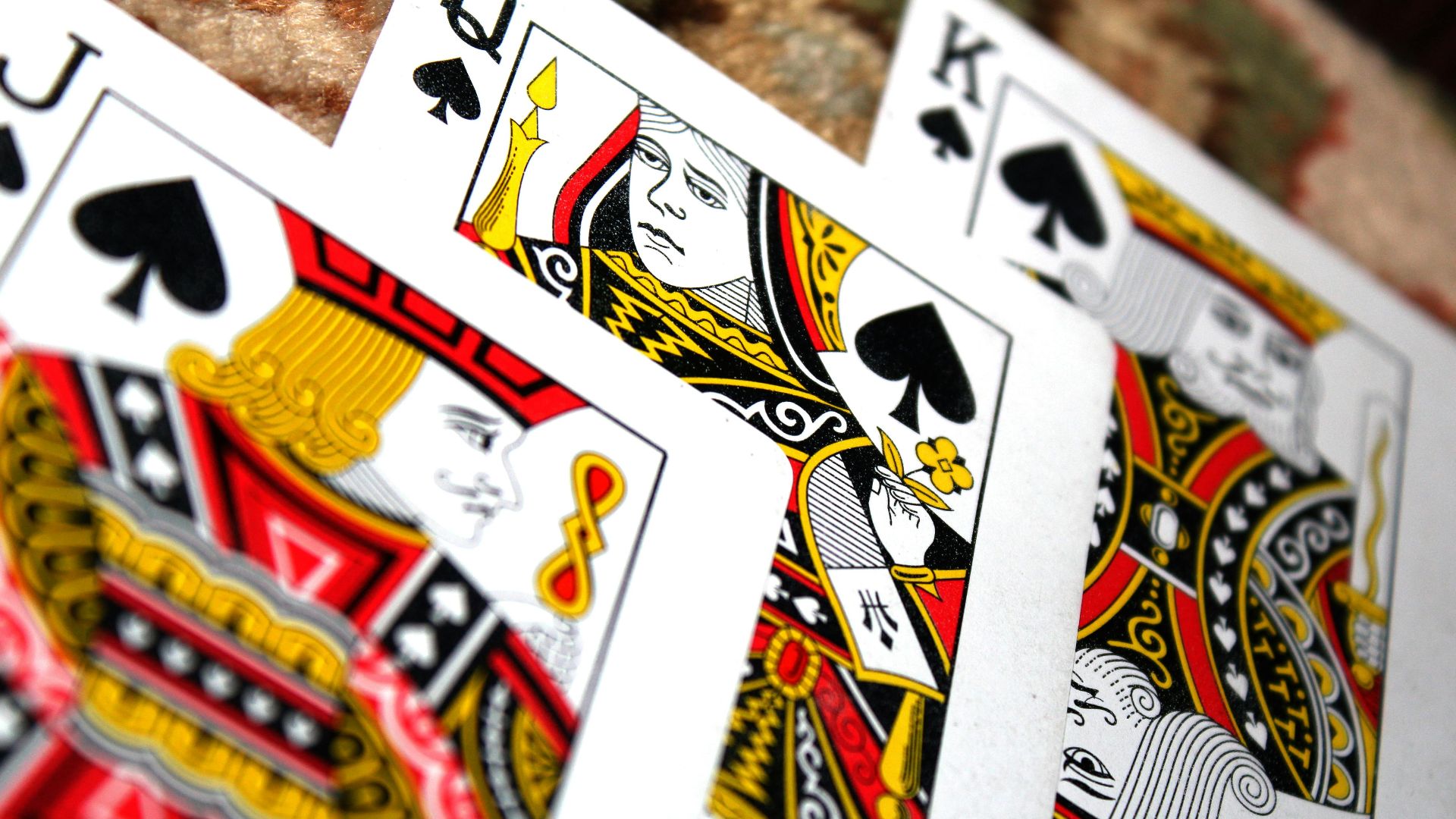
Each time you successfully move cards or complete a game of Solitaire, your brain rewards you with a small burst of dopamine, the same neurotransmitter triggered by social media likes, gambling wins, and even certain drugs. Unlike these potentially harmful activities, Solitaire creates what psychologists call a "positive reinforcement" cycle.
When you lose a game, something equally interesting happens. The feeling of disappointment can be immediately alleviated by starting another game, a phenomenon experts refer to as "negative reinforcement," where playing becomes a way to relieve a negative mood state. This forms a perfect loop: wins feel good, losses make you want to play again, and the cycle continues.
Dr. Maressa Hecht Orzack, who opened the first clinic for computer addiction at Harvard Medical School in 1996, discovered this phenomenon firsthand. Her own Solitaire habit grew so intense that she "kept playing more and more" until she found herself "missing deadlines" and falling asleep at her computer.
Perfect Mental Escape Mechanism
Solitaire's addictive quality is basically psychological. The game provides a "flow state," where you're engaged enough to focus but not so challenged that you become frustrated. This makes it an ideal escape mechanism when you're stressed, bored, or avoiding more complex tasks.
The repetitive, predictable nature of Solitaire also delivers a sense of control that many people find lacking in their everyday lives. In a world of uncertainty, the game offers clear rules and achievable goals. You determine the pace, make all the decisions, and experience a genuine sense of accomplishment when you succeed.
From Casual Pastime To Obsessive Habit
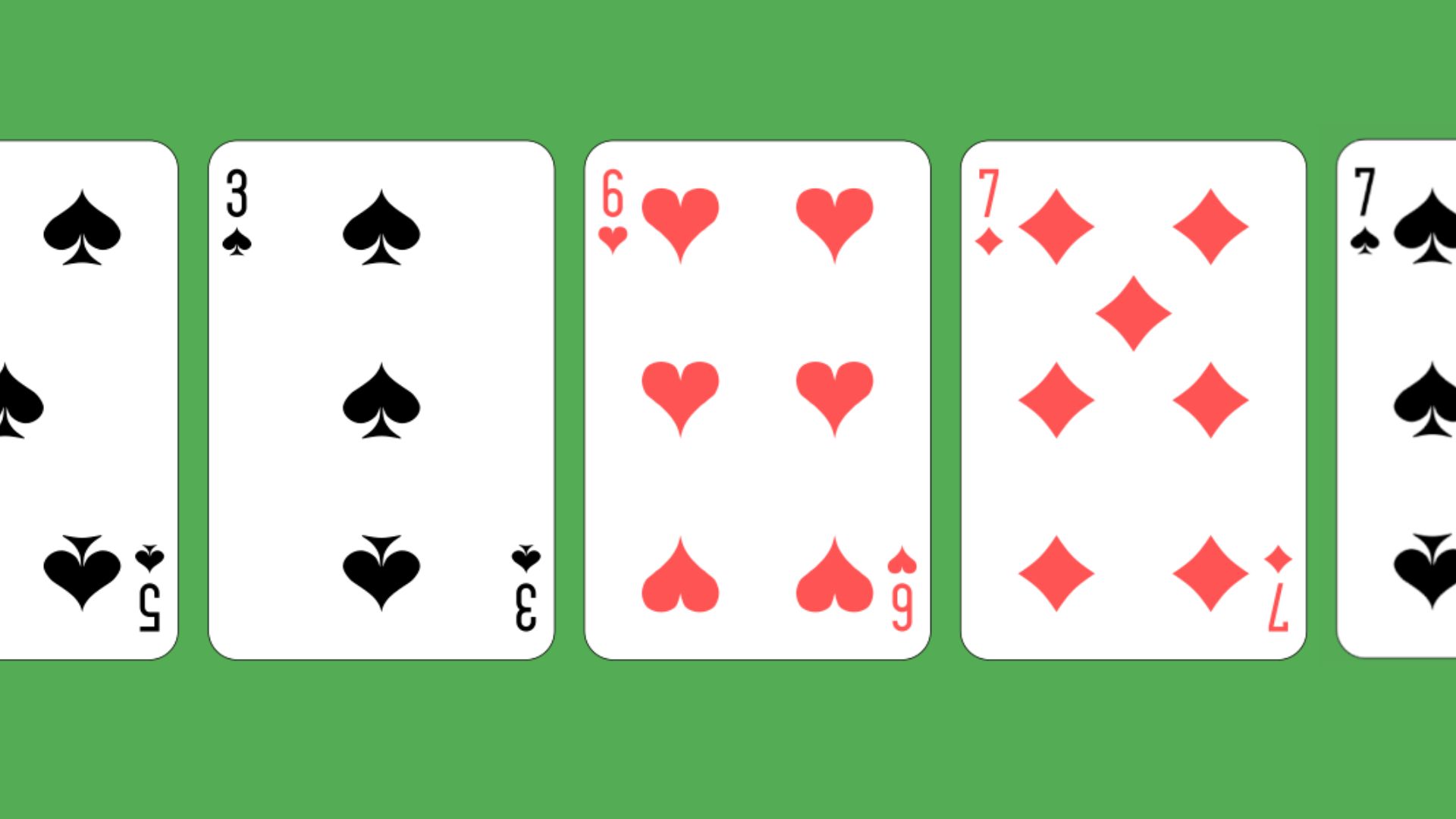 Дмитрий Фомин (Dmitry Fomin) on Wikimedia
What's most surprising is how Solitaire has transcended generations. From office workers in the 1990s to smartphone users today, the game maintains its grip on our collective attention. Online communities have even formed where players share strategies and compare statistics.
Besides, this occasional diversion can turn into a genuine habit for some players. Rather than competing against others, Solitaire players compete against themselves, constantly trying to beat their previous scores, achieve longer winning streaks, or master more difficult variations.
This self-competition gives rise to a powerful motivation loop. As you improve, you naturally want to continue improving. The time investment required for each game is small, making it easy to say "just one more game" repeatedly. Before you know it, hours have passed.